The best Kyoto resorts fall into four types: traditional ryokan with onsen baths and kaiseki dinners, hot spring properties in Arashiyama and Kurama, scenic riverside and hillside retreats, and Western-style luxury hotels like the Four Seasons, Park Hyatt and Ritz-Carlton. Which one suits you comes down to whether you want a cultural experience or a comfortable base. This guide walks through each type so you can pick before you start comparing prices in
Kyoto.
What Counts as a "Resort" in Kyoto
In Kyoto, a resort is not a beachfront complex with swim-up bars. Kyoto is inland, so resort-style here means a property you stay at for the property itself, not just as a place to sleep between temples.
That covers three broad things. Traditional ryokan, where the room, the bath and the meals are the whole point. Onsen properties built around natural hot spring water. And large luxury hotels with spas, gardens and destination restaurants that function as retreats inside the city.
Ryokan Resorts: Onsen, Tatami and Kaiseki Dining
A ryokan is a traditional Japanese inn, and it is the most distinctive resort experience Kyoto offers. You are paying for a full evening, not just a bed.
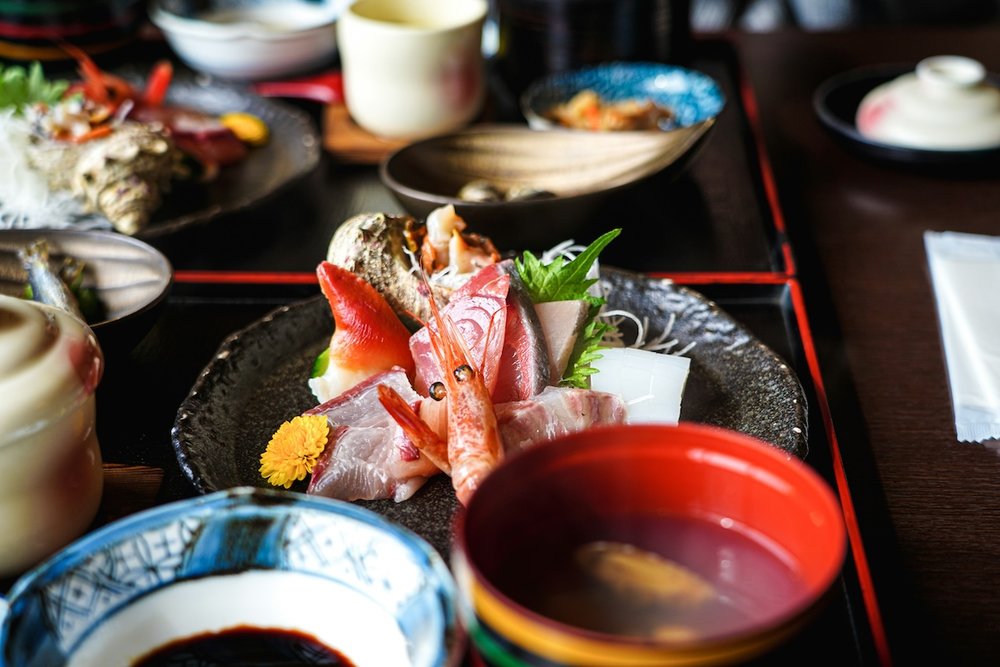
You check in during the afternoon, change into a yukata robe, and soak in the bath before dinner. Dinner is Kaiseki, a multi-course seasonal meal usually served in your room or a private dining room, often seven to nine courses. You sleep on a futon laid out on tatami mat flooring, wake up to a Japanese breakfast, and soak again before checkout.
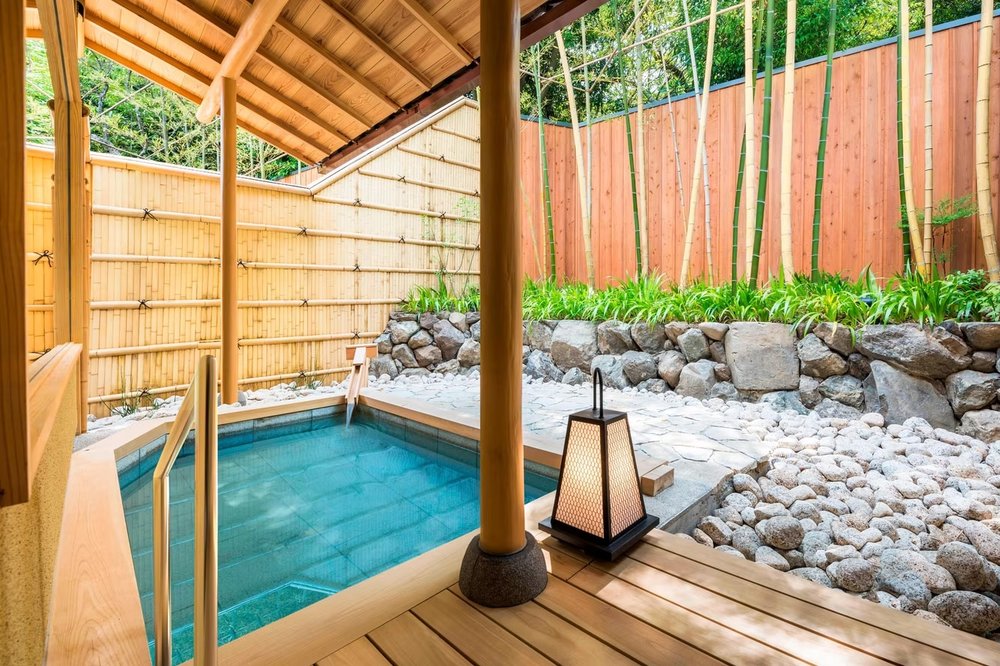
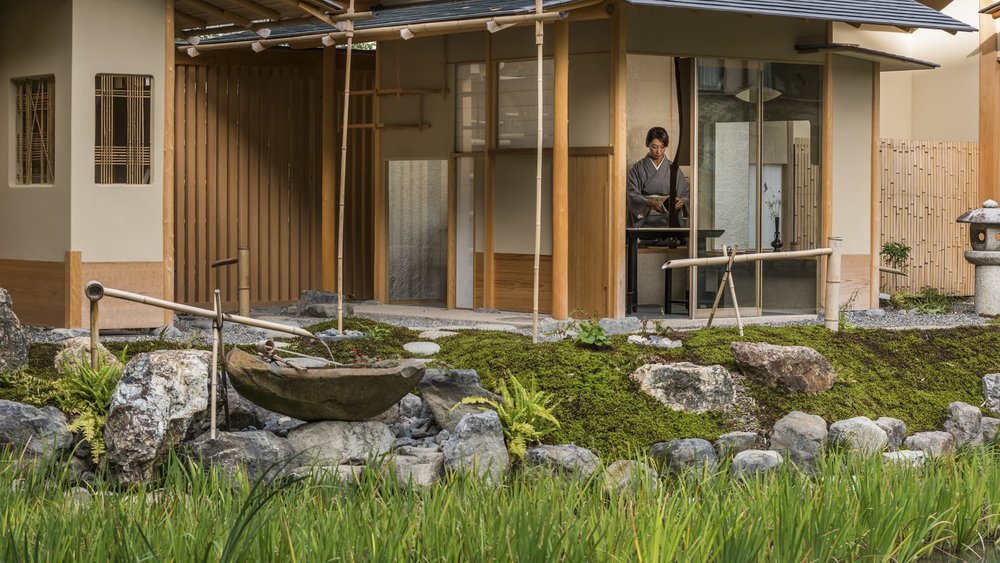
Rooms are usually Japanese-style, with low tables, sliding paper doors and a view of a garden if you are lucky. Many ryokan have separate men’s and women’s communal baths, and higher-end rooms sometimes come with a private open-air bath on the balcony or in a small courtyard.
The trade-off is structure. Dinner and breakfast are served at set times, and check-in tends to be later than at a hotel. If you want to be out until 10pm every night, a ryokan is not the right fit. If you want one evening where the accommodation is the experience, it is hard to beat.
Does Kyoto Have Onsen and Hot Spring Resorts?
Yes, Kyoto has hot springs, but they are concentrated in a few specific areas rather than spread across the city centre. If a soak in real onsen water is a priority, you need to choose your area first.
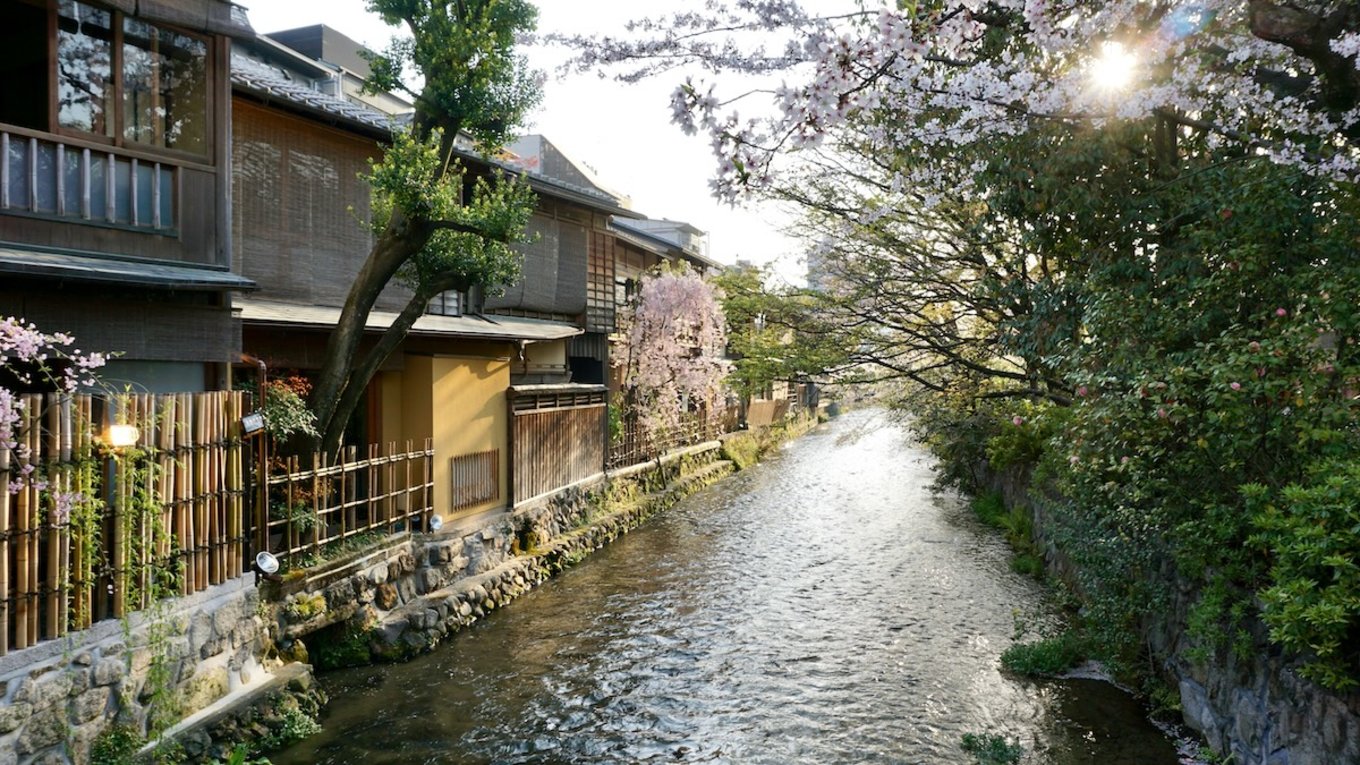
Arashiyama is the most convenient option. Arashiyama Onsen properties sit near the Togetsukyo Bridge, and several have baths with river and mountain views. Some rooms come with semi-open-air or private open-air baths, which is worth paying up for if you would rather not use a communal bath.
Kurama, up in the northern hills, is the other option.
Kurama Onsen sits at the foot of
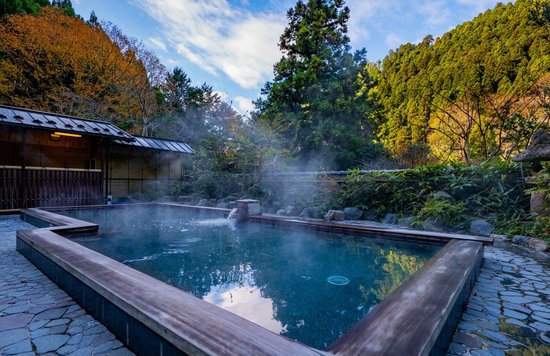
Mount Kurama and is one of the few springs in Kyoto drawing on a pure natural source. The water is iron-rich, and there is both an outdoor bath facing the forest and a cypress-lined indoor bath. It is a trip out of the city, so it works best as a day out or a one-night stay rather than a base.
If your hotel does not have a bath and you still want the experience, Kyoto’s public bathhouses are an easy substitute.
Funaoka Onsen is a historic sento in the north of the city and gives you a sense of everyday Kyoto bathing culture for a fraction of a resort night.
Scenic Location Resorts: Arashiyama and the Hillsides
If the view is what you are booking for, Arashiyama and the eastern hills are where Kyoto’s resort-style properties cluster. These stays trade central convenience for quiet and scenery.
Suiran, A Luxury Collection Hotel, Kyoto
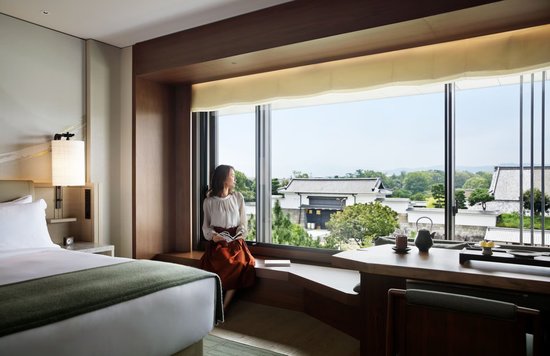
Suiran, a Luxury Collection Hotel, Kyoto sits along the Hozugawa River in Arashiyama, in a traditionally inspired building with antique touches in the rooms. Several rooms have a private open-air bath, and the riverside restaurant is housed in a century-old Japanese villa. You can walk to the Bamboo Grove and Togetsukyo Bridge in a few minutes, which means you can get there before the day-trip crowds arrive.
ROKU Kyoto, LXR Hotels & Resorts
ROKU Kyoto, LXR Hotels & Resorts takes a more modern approach. It sits at the base of the mountains on the northwestern edge of the city, with floor-to-ceiling windows, natural finishes and a geothermal pool. The restaurant runs a seasonal tasting menu built around Kyoto’s culinary traditions. It feels furthest from the city of any option here.
Luxury Hotel Resorts in Central Kyoto
If you would rather have a bed, a bathtub and 24-hour service than tatami and a set dinner time, Kyoto’s big international luxury hotels do the resort job without the ryokan commitment.
Four Seasons Hotel Kyoto
Four Seasons Hotel Kyoto is built around an 800-year-old pond garden in the Higashiyama area, which makes it feel far more secluded than its address suggests. It is a strong pick if you want a spa and a pool alongside easy access to the eastern temples.
Park Hyatt Kyoto
Park Hyatt Kyoto sits on the slope below Kiyomizu-dera in the middle of the Ninenzaka area. You step out of the lobby directly into one of the most photographed streets in the city, which is either the best or worst thing about it depending on how you feel about crowds.
The Ritz-Carlton Kyoto
The Ritz-Carlton Kyoto overlooks the Kamo River in the centre of town. Suites have deep soaking tubs and Japanese-inspired interiors, and there is a pool, spa and several restaurants on site. It is the most central of the three, which makes it the easiest base if you are splitting time between Kyoto and day trips.
All three give you the practical things ryokan often do not: flexible dining, English-speaking concierge desks, connecting rooms for families, and late check-in without a fuss.
How to Choose: Resort Types Compared
Use this to narrow down before you compare individual properties. Price bands are indicative rather than live rates, and they move a lot by season.
Resort type | Best for | Meals included | Onsen access | Rough price band |
|---|
Traditional ryokan | A one- or two-night cultural splurge, couples | Usually kaiseki dinner and Japanese breakfast | Communal baths, sometimes a private open-air bath | Roughly ¥60,000–¥90,000 per night with kaiseki, per Japan Ryokan Guide |
Onsen resort | Travellers who want a real hot spring soak | Often half-board | Natural hot spring water on site | Varies widely by area and season |
Scenic riverside or hillside resort | Views, quiet mornings, photography | Breakfast usually, dinner optional | Some properties only | Upper mid-range to luxury |
Western-style luxury hotel | Families, longer stays, first-time visitors | Breakfast, restaurants on site | Spa and pool rather than onsen | Roughly ¥30,000–¥45,000 per night for hotels, per Japan Ryokan Guide |
Booking Tips: Best Time to Book and What to Budget
Book earlier than you think you need to. Kyoto’s two peak seasons: cherry blossom season in late March and April, and autumn foliage in November. The good properties are sold out months in advance.
For fixed dates in either season, six to nine months ahead is the working rule, and the most sought-after rooms go earlier than that. Some famous ryokan open their booking window ten to twelve months out, and the best riverside rooms can be gone within hours. For a late-November ryokan stay, aim to book by July.
Outside those two windows, Kyoto is far easier. Winter and early summer give you better rates and better availability at the same properties, and the onsen properties are arguably nicer in cold weather anyway.
Kyoto changed its accommodation tax in March 2026, so compare final prices including tax rather than the headline nightly rate, the gap is bigger at the luxury end. Remember to also check whether a ryokan rate is per person or per room, because kaiseki half-board rates are usually quoted per person, which catches people out.
Frequently Asked Questions
What are the best resorts to stay at in Kyoto?
It depends on the type of stay you want. For Western-style luxury, the Four Seasons Hotel Kyoto, Park Hyatt Kyoto and The Ritz-Carlton Kyoto are the standouts. For scenic riverside settings, Suiran in Arashiyama and ROKU Kyoto sit at the top. For a traditional experience, a ryokan with onsen baths and kaiseki dining will give you something the hotels cannot.
What is the difference between a ryokan and a resort in Kyoto?
A ryokan is a traditional Japanese inn with tatami floors, futon bedding, communal or private onsen baths, and set kaiseki meals included in the rate. A resort-style hotel in Kyoto gives you a Western bed, flexible dining and hotel amenities like a spa or pool. The ryokan is a scheduled cultural experience; the hotel is a comfortable base you come and go from.
Are there hot spring resorts in Kyoto?
Yes, though they are limited to a few areas rather than the city centre. Arashiyama Onsen properties near Togetsukyo Bridge are the most convenient, with river-view baths and some rooms offering private open-air baths. Kurama Onsen, in the northern hills, draws on a pure natural iron-rich source and has both an outdoor forest-facing bath and a cypress indoor bath.
What is the best area in Kyoto to stay at a resort?
Arashiyama is the best pick for scenery, riverside properties and easy morning access to the Bamboo Grove. Higashiyama gives you the most atmospheric setting, walking distance to Kiyomizu-dera and Gion, at a price premium. Central Kyoto around the Kamo River works best if you want a resort-standard hotel while still being close to restaurants, shopping and transport for day trips.
How much does a luxury ryokan cost in Kyoto?
Ryokan rates in Kyoto with kaiseki included generally run from around ¥60,000 to ¥90,000 per night, against roughly ¥30,000 to ¥45,000 for hotels, according to Japan Ryokan Guide. Top-tier properties go considerably higher. Always check whether a rate is per person or per room, since half-board ryokan pricing is usually quoted per person.
Do Kyoto resorts include meals?
Ryokan usually do. A standard ryokan rate includes a multi-course kaiseki dinner and a Japanese breakfast, which is a large part of what you are paying for. Western-style luxury hotels typically include breakfast at most, with dinner booked separately at their on-site restaurants. Check the rate type before booking, because the same property can list both room-only and half-board options.
What is the best time of year to book a resort in Kyoto?
If you are travelling during cherry blossom season in late March and April or autumn foliage in November, book six to nine months ahead for fixed dates, and earlier for the best-known ryokan. Outside those windows, availability and rates improve significantly. Winter is the easiest time to get a good room at a good price, and it suits onsen stays well.
Related Articles
What is Klook?
Klook is a leading pan-regional experiences platform in Asia Pacific, purpose built to digitalize experiences and make them accessible to every traveler.
Our mission is to build the digital infrastructure for the global experience economy — empowering merchants to share their passions and travelers to discover the heartbeat of each destination. We operate a mobile-first, curated platform featuring diverse experiences across global destinations.





![[usxanz] tokyo to kyoto bullet train](https://res.klook.com/image/upload/fl_lossy.progressive,q_85/c_fill,w_550,h_356/v1730180273/zkdbfktdonwb6dtct8gr.jpg)