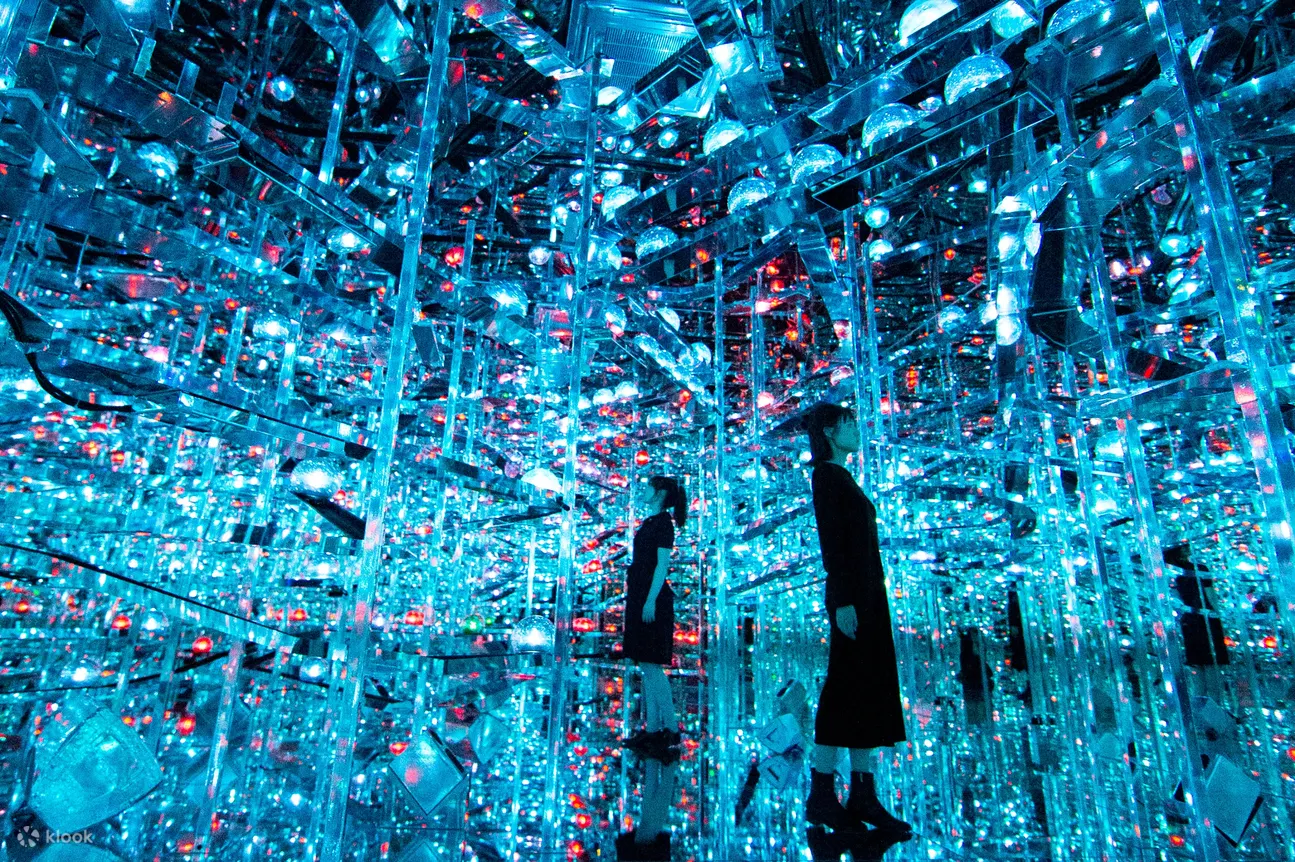

If your Kansai trip in Japan has been all temples, street food, and train transfers, it might be time to slow down for a bit. Japan's hot springs are one of the country's best relaxation secrets, and you don't have to trek all the way to Hakone to find a good one. Kyoto and Osaka both have onsens worth building a whole afternoon around.
Here's a quick at-a-glance look at what's coming up, before we get into the details of each one!
Onsen | Location | Price range |
KURAMA Onsen | Kurama, Kyoto | From ¥1,200 (~$USD 8) |
Fu Fu No Yu Onsen | Central Kyoto | From ¥1,000 (~$USD 7) |
Kyoto Bamboo Village Onsen Manyo-no-Yu | Arashiyama, Kyoto | From ¥2,730 (~$USD 17) |
Solaniwa Onsen | Osaka Bay | From ¥2,310 (~$USD 15) |
Senshu Onsen in Aqua Ignis | Near Kansai Airport | From ¥800 (~$USD 5) |
Umekita Onsen Ren Wellbeing Park | Central Osaka (Umeda) | From ¥3,190 (~$USD 20) |
Why visit an onsen in Kyoto or Osaka?
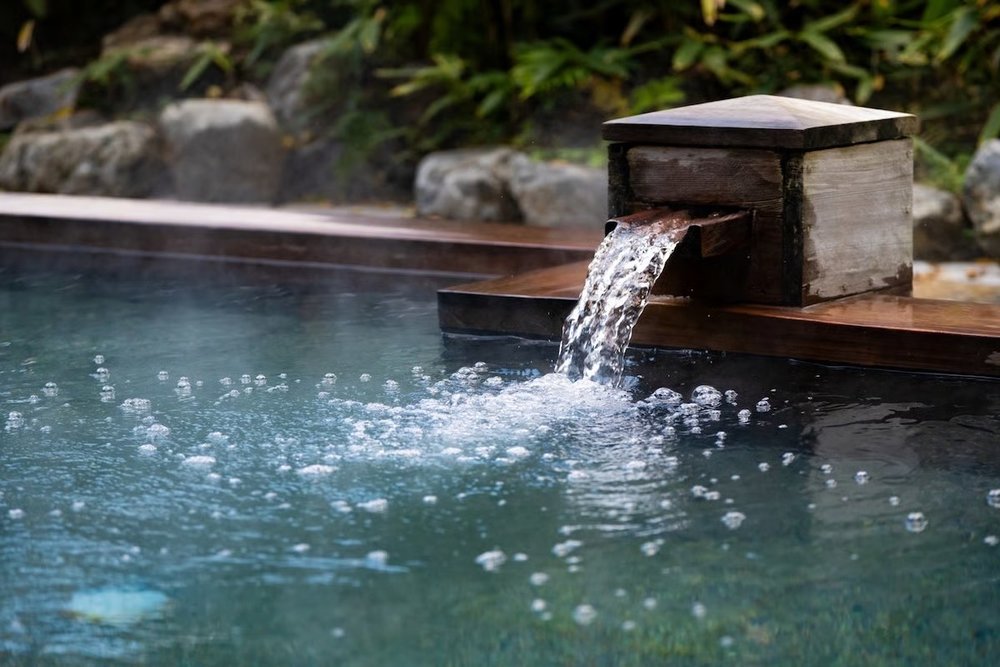
KURAMA onsen hot spring water
Skip the Hakone crowds: Hakone and Tokyo get all the onsen fame, but Kansai's hot springs are just as rewarding, minus the crowds and the extra travel time.
Fits right into your itinerary: No need to carve out a whole overnight trip; the best hot springs here are a short train ride away, easy to slot into a busy sightseeing week.
Kyoto's baths feel like a retreat: Think Kyoto onsen ryokan-style baths, wooden interiors, and settings surrounded by forest or riverbank, the kind of place that makes you forget you're still in the city.
Osaka turns it into an experience: Hot springs here go big, often folded into full spa complexes with saunas, restaurants, and sometimes even ocean views.
Best onsens in Kyoto
Kyoto onsen options range from a mountain retreat outside the city to indoor baths you can go into for just a couple of hours. Here are three worth working into your trip:
📌 KURAMA Onsen
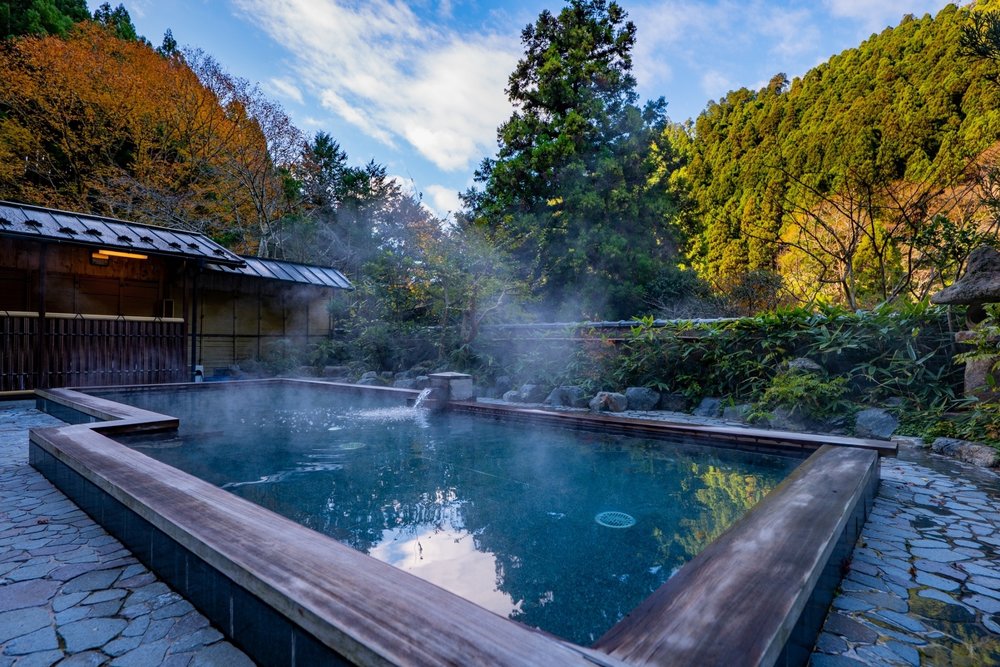
KURAMA outdoor onsen
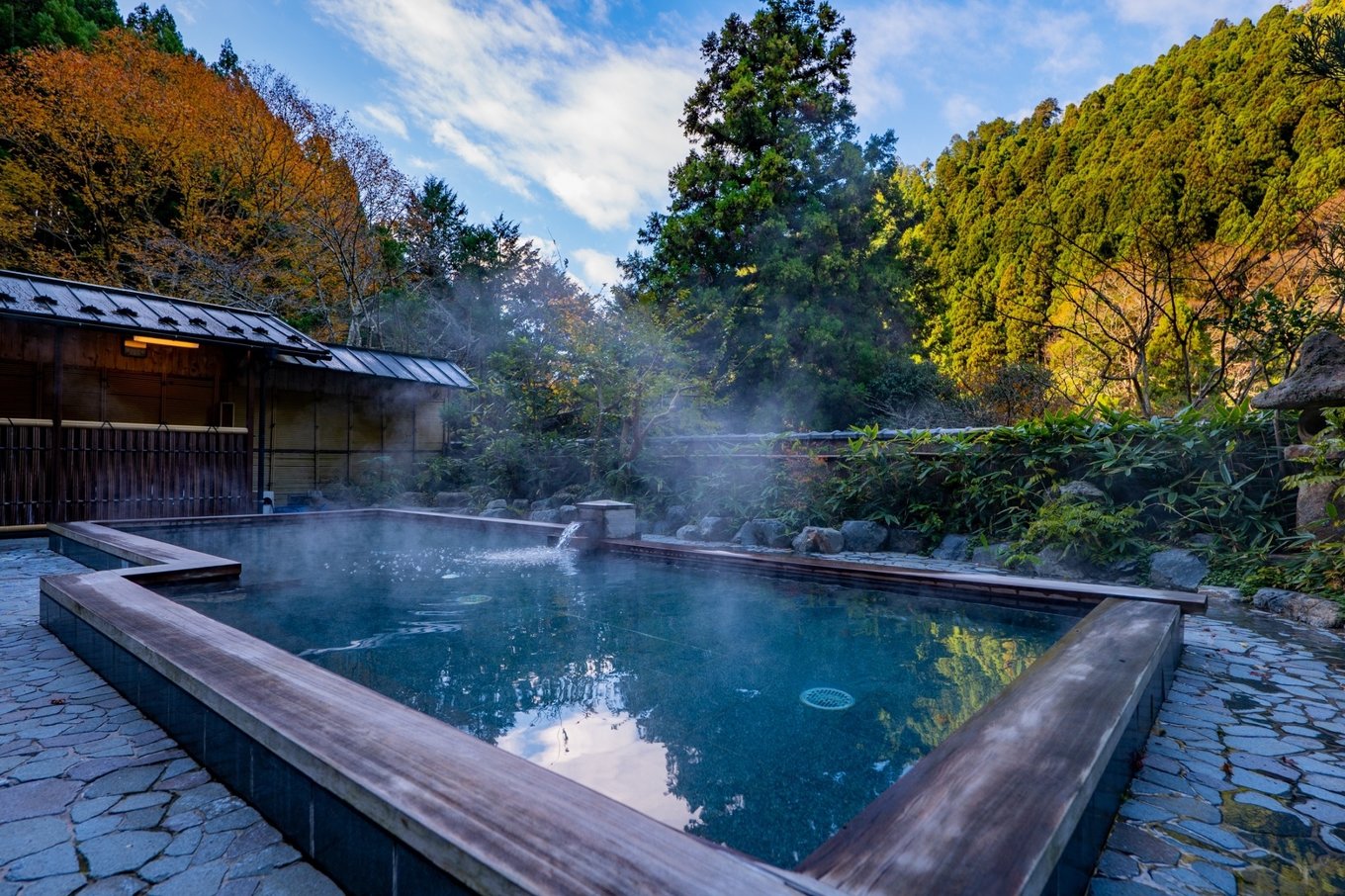
Set in a mountain town, KURAMA onsen is one of the most popular onsen from Kyoto picks around, and it's easy to see why. The outdoor bath looks out over a forested valley, and in autumn the hillside turns bright red and orange.
Admission starts from ¥1,200 (~$8), with pricier tickets available for full indoor and outdoor bath access. On-site facilities include a sauna and an in-house restaurant serving Kyoto-style Japanese cuisine, so you can turn a soak into a full meal stop. It's open daily from roughly 10 AM to 9 PM, though hours shift a bit by season.
This one's best for anyone who wants scenery with their soak, and it pairs nicely with the Kurama Hot Spring area's shrine and hiking trails.
📌 Fu Fu No Yu Onsen
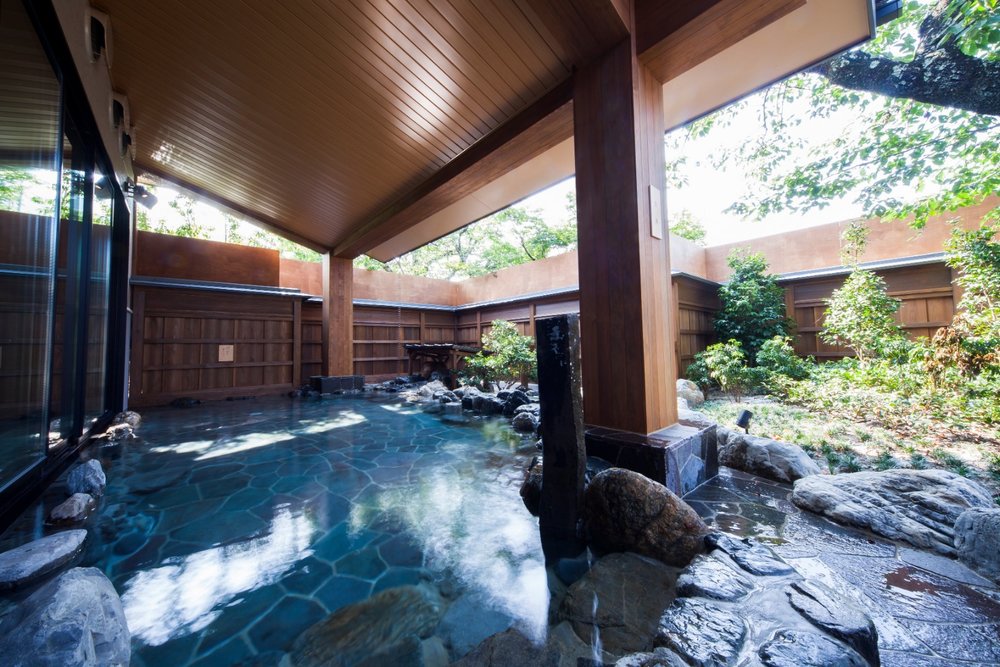
Fu Fu No Yu is a modern day-use onsen in Arashiyama, a solid pick if you want something clean, convenient, and easy to fold into a day of sightseeing. It's a communal facility rather than a private one, so expect indoor and outdoor pools shared with other guests, split by gender.
The facility includes a sauna, a cold plunge pool, and a small Zen garden lounge, alongside its main indoor and outdoor bathing pools. Admission starts from ¥1,000 (~$7) for the shared baths. It's open roughly 10 AM to 10 PM daily, sits close to central Kyoto, and is easy to reach by taxi or local bus.
📌 Kyoto Bamboo Village Onsen Manyo-no-Yu
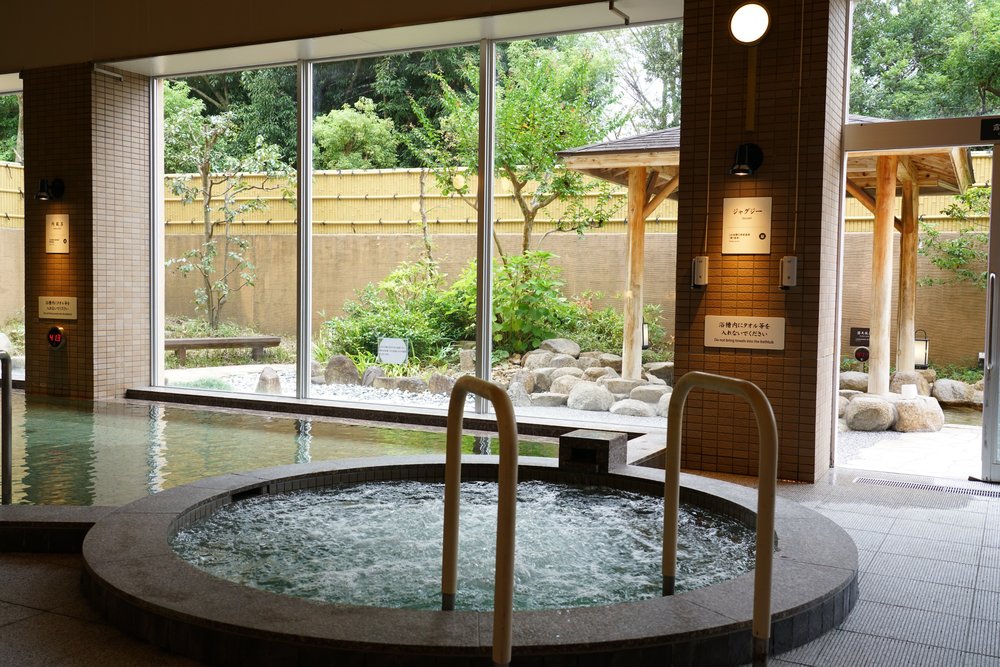
Manyo-no-Yu hot spring onsen
Located near Arashiyama Bamboo Forest, Manyo-no-Yu is a natural hot spring pumping mineral-rich water up from deep underground. It's a great way to cap off a day of sightseeing, since Arashiyama's temples and the bamboo path are right around the corner.
Admission starts from ¥2,730 (~$17), with towels usually included. The facility also has a stone sauna, an on-site restaurant, a relaxation room, and even a manga corner, so it's easy to turn a quick soak into a lazy afternoon.
Hours vary by season but it's typically open from mid-morning until late evening. The onsen is a short walk from Saga-Arashiyama Station, making it an easy add-on if you're already spending the day nearby!
Best onsens in Osaka
Osaka hot springs tend to go bigger, with resort-style facilities packing in multiple pools, saunas, and sometimes ocean or skyline views. Here's where to find them:
📌 Solaniwa Onsen
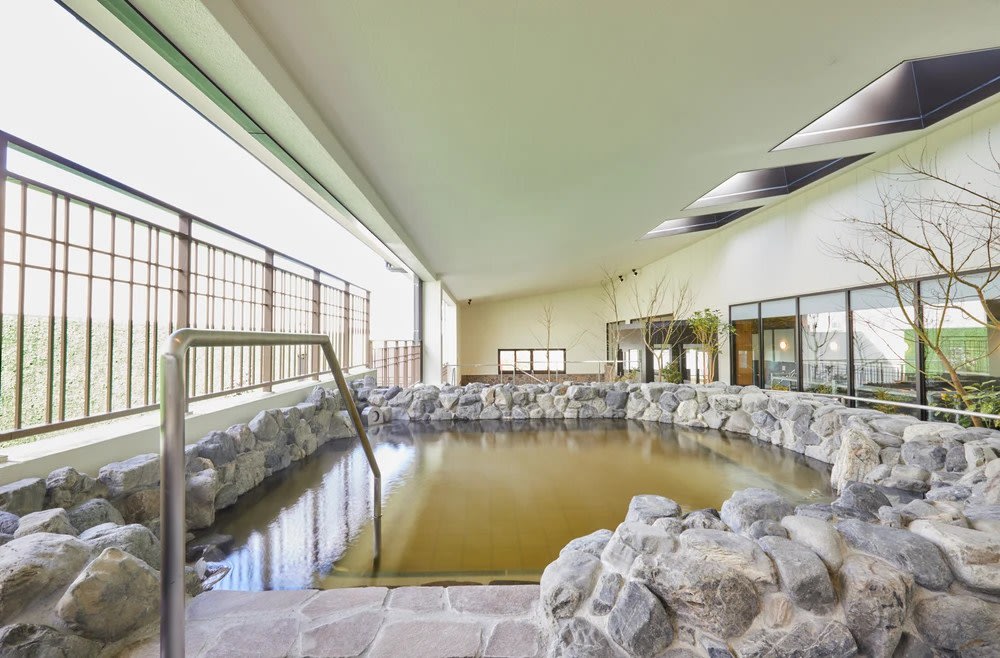
Solaniwa Onsen
Right on Osaka Bay, Solaniwa Onsen is one of the largest onsen resorts in the city, with indoor and open-air baths styled after a traditional Japanese garden. It's also known as a tattoo-friendly onsen Osaka option, a big plus if you or your travel group have visible tattoos and have been turned away elsewhere.
Admission starts from ¥2,310 (~$15), covering baths, saunas, and lounge areas. There's also a rooftop Japanese garden, several restaurants and dessert cafes, a relaxation salon, and private bath rooms for rent if you'd rather skip the shared pools.
It's open from early morning until late at night, and easy to reach by shuttle bus from Osaka Bay-area stations like Cosmosquare. This is a strong pick for first-timers who want the full Osaka public bathhouse experience in one go.
📌 Senshu Onsen in Aqua Ignis
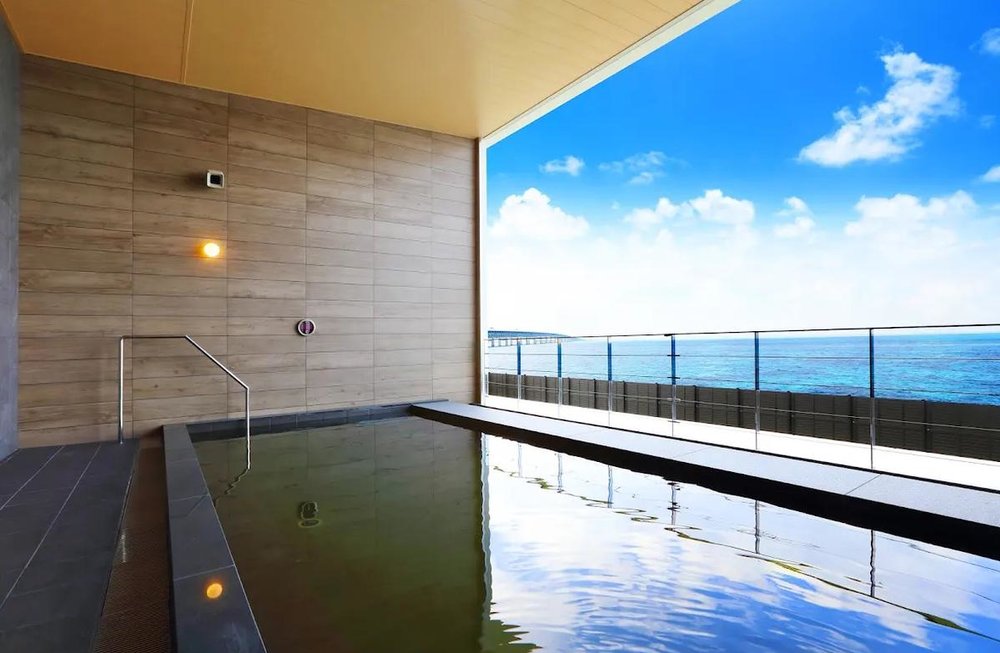
Open-air bath at Senshu Onsen
Located near Kansai Airport, Senshu Onsen is a handy stop if you've got a layover or early flight and want to relax before or after. The complex includes ocean-view open-air baths, a sauna, a café, and a gift shop, so it works better as a half-day outing than a quick dip.
Admission starts from ¥800 (~$5), with hours generally from mid-morning to late evening. It's a short bus ride from Kansai International Airport or nearby stations, making it a smart last stop before heading home!
📌 Umekita Onsen Ren Wellbeing Park
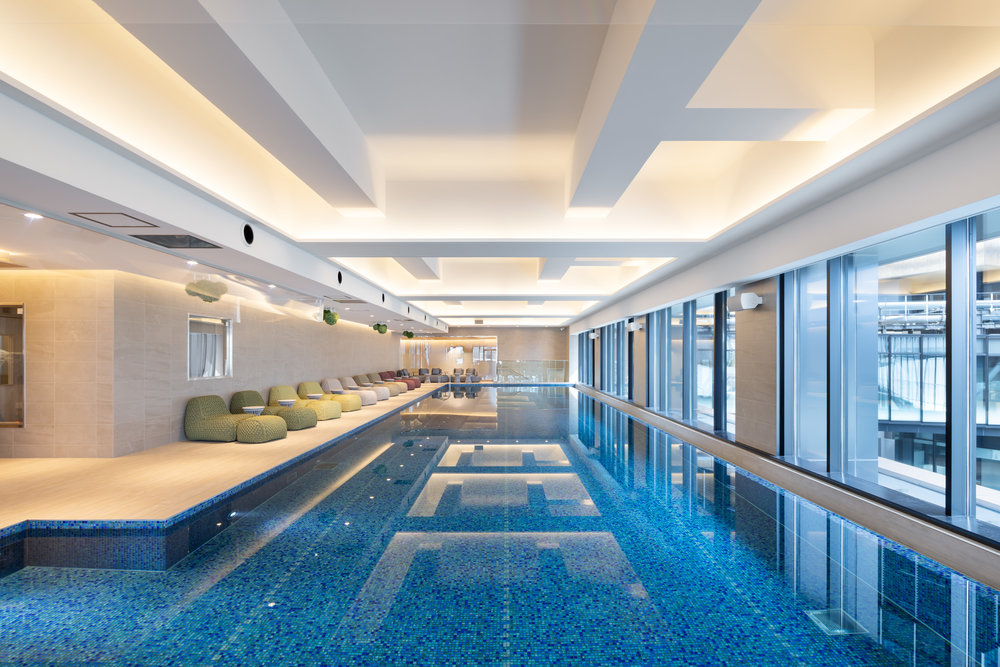
Infinity pool at Umekita Onsen Ren Wellbeing Park
Set inside Osaka's Grand Green Park near Umeda, Umekita Onsen Ren Wellbeing Park is less a traditional onsen and more of a modern wellness park, with hot spring baths, multiple saunas, an infinity pool, a gym, and a fermentation-themed restaurant all in one place. It's a good entry point if a fully traditional bathhouse feels a little intimidating.
Admission runs ¥3,190 (~$20) for the day pass. It's open daily, usually morning until late night, and sits right in central Osaka near Umeda Station, no long train ride required.
Kyoto vs Osaka onsens: which should you choose?
Still torn on where to soak? Here's how the two stack up side by side.
Kyoto onsens | Osaka onsens |
|---|---|
Traditional, ryokan-style | Modern spa resorts |
Mountains, riverside, near temples | City center, bay, near major stations |
A slower, scenic soak | A full day of wellness plus extras |
From ¥1,000–2,730 (~$7–17) | From ¥800–3,190 (~$5–20) |
Local trains, some uphill walks | Very central, easy subway access |
Tips for visiting onsens in Japan
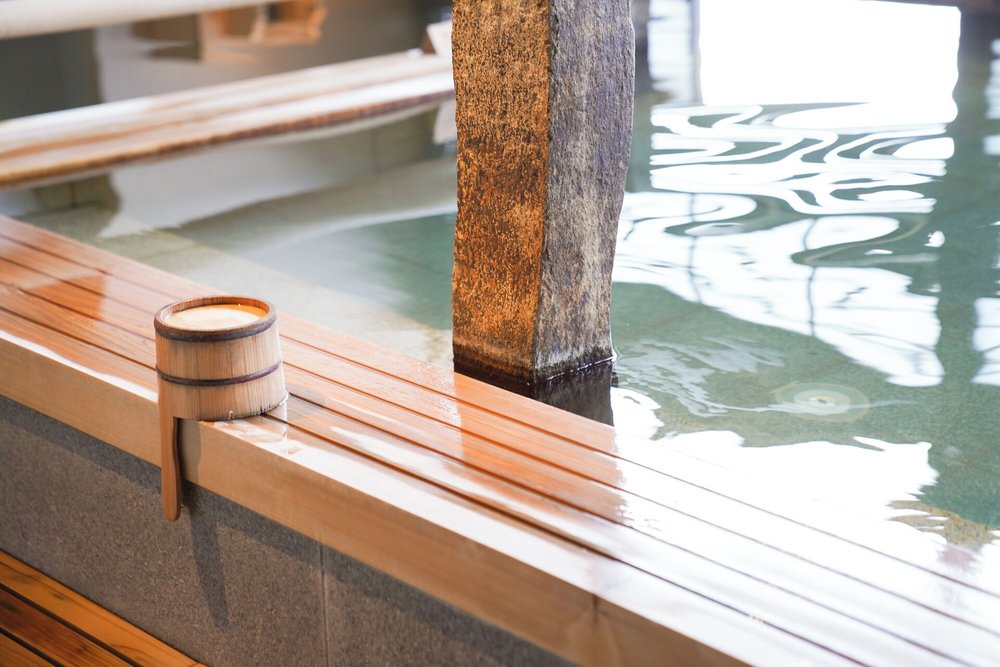
onsen bath
Onsen etiquette Japan-wide is pretty consistent, so a few basics will carry you through almost any bath you visit.
- Wash and rinse thoroughly at the shower stations before getting in; the water is shared, so keeping it clean matters.
- Swimsuits aren't worn in traditional baths, though private rooms and some modern spa parks are more flexible.
- Bring a small towel for washing and a bigger one for drying off, since not every facility hands these out for free.
- Tie up long hair so it stays out of the water, and leave phones and cameras outside the bathing area entirely.
- Double-check tattoo policies ahead of time if you have them; tattoo-friendly spots are growing in number, but some traditional sentos still say no.
FAQs
What is the difference between an onsen and a sento?
An onsen uses natural hot spring water sourced from underground, often with specific minerals said to have health benefits. A sento, on the other hand, uses regular heated tap water and works more like a traditional neighborhood public bath.
Can you visit an onsen without staying overnight in Kyoto or Osaka?
Yes, most onsens in Kansai offer day-use access, so there's no need to book an overnight ryokan stay to enjoy one. Facilities like Solaniwa Onsen and Manyo-no-Yu are set up specifically for day visitors, with hourly or all-day tickets. That makes it easy to fit a bath into a single day of sightseeing.
What is the best onsen day trip from Kyoto?
KURAMA Onsen is one of the most popular picks, thanks to its mountain setting and easy access by train from Demachiyanagi Station. It offers scenic outdoor bathing without a long journey, making it a great half-day escape from the city. Arima Onsen is worth considering too, if you don't mind a slightly longer trip.
Are there onsen in Osaka city itself?
Yes, several onsens sit right within central Osaka, including Umekita Onsen Ren Wellbeing Park near Umeda. There's no need to travel to the outskirts to find a proper hot spring experience. Solaniwa Onsen, while further out near the bay, is also easily reached by shuttle bus from the city center.
What should you bring to an onsen in Japan?
Bring a small hand towel for washing and a larger one for drying off, since not all facilities provide these for free. It's also worth packing hair ties if you have long hair, since it needs to stay out of the water. Most other toiletries, like soap and shampoo, are typically provided at the washing stations.
What is a private onsen called in Japanese?
A private onsen is often called a kashikiri buro, which roughly translates to "reserved bath." These are booked by the hour and are typically used by couples, families, or anyone who'd rather skip the shared, communal setting.
More Osaka and Kyoto guides for you
What is Klook?
Klook is a leading pan-regional experiences platform in Asia Pacific, purpose built to digitalize experiences and make them accessible to every traveler.
Our mission is to build the digital infrastructure for the global experience economy — empowering merchants to share their passions and travelers to discover the heartbeat of each destination. We operate a mobile-first, curated platform featuring diverse experiences across global destinations.