Key Facts:
Fastest option: Nozomi Shinkansen – 2h 15min
Travel time: 2h 15min (Nozomi), 2h 54min (Hikari), 4h (Kodama)
Tokyo to Kyoto Travel Fastest option: Nozomi Shinkansen – 2h 15min
Cost: ¥14,000 (~$95 USD) one-way
Departure station: Tokyo Station (Shinkansen platforms)
Arrival station: Kyoto Station
The fastest way to travel from Tokyo to Kyoto is the Nozomi Shinkansen, which takes 2 hours and 15 minutes and costs approximately ¥14,000 (~$95 USD).
Traveling between Tokyo and Kyoto is actually one of the most common routes for tourists visiting Japan. If you want to experience the vibrant streets and modern skyscrapers of Tokyo and the centuries-old temples and shrines of Kyoto, we’re here to help you get from one city to the other.
From the world-famous Shinkansen (bullet train) to regional flights and even car rentals, there’s a transportation option for everyone. In this guide, we’ll explore the fastest and most recommended ways to get from Tokyo to Kyoto.
Choose the Nozomi for speed, Hikari for JR Pass holders, highway bus for budget travelers, or car rental for flexibility and scenic stops.
Tokyo to Kyoto Transport Options at a Glance
Transport Option | Travel Time | Cost | Pros | Cons |
Nozomi Shinkansen | 2h 15min | ¥14,000 (~$95 USD) | Fastest, most frequent departures | Not covered by JR Pass |
Hikari Shinkansen | 2h 54min | ¥13,500 (~$92 USD) | Covered by JR Pass, good balance of speed | Slightly slower than Nozomi |
Kodama Shinkansen | 4h | ¥13,500 (~$92 USD) | Covered by JR Pass, scenic stops | Slowest Shinkansen option |
Regular Train (Tokaido Line) | ~9h | ¥8,000 ( $55 USD) | Budget-friendly, scenic | Multiple transfers required |
Highway Bus | 7–9h | ¥4,000–8,000 (~$27–55 USD) | Most affordable, overnight saves hotel cost | Long journey, less comfortable |
Flight | 3.5–4h total | ¥10,000–25,000 (~$68–170 USD) | Quick flight time | Airport transfers add time and cost |
The fastest transport options from Tokyo to Kyoto:
🚄 Shinkansen (Tokaido Shinkansen Line)
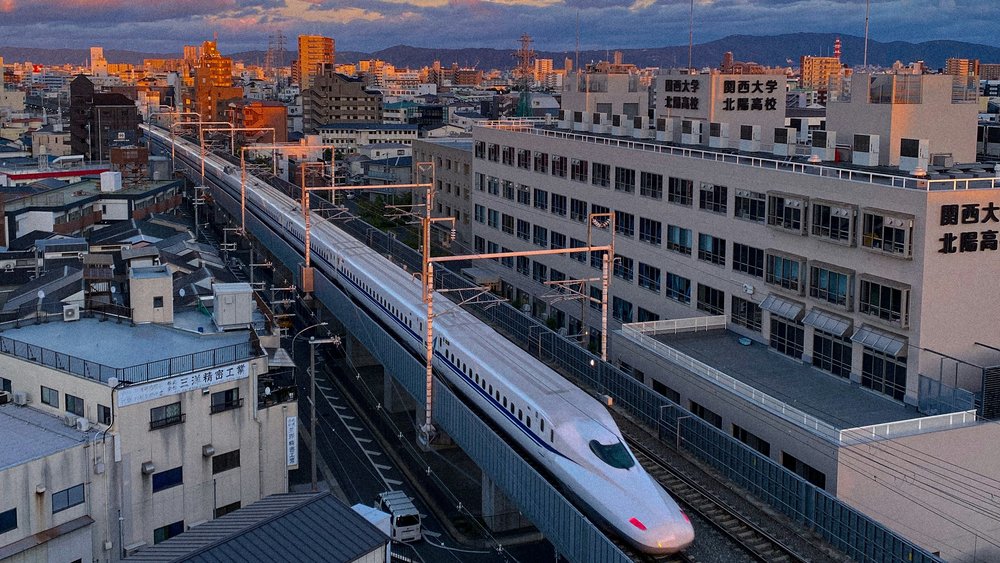
The Shinkansen, also known as the bullet train, is Japan's high-speed rail network operating at speeds up to 285 km/h on the Tokaido line. The
Tokyo to Kyoto Shinkansen on the Tokaido Shinkansen Line, operated by JR (Japan Railways), is the fastest and most comfortable option for this route.
Nozomi trains depart every 5-10 minutes during peak hours, making it a convenient choice for travelers who want efficient transit combined with the experience of riding a bullet train.
Travel Times by Train Type
Train Type | Travel Time | Service Pattern |
Nozomi | 2h 15min | Limited stops (Tokyo, Shinagawa, Nagoya, Kyoto) |
Hikari | 2h 54min | More stops, covered by JR Pass |
Kodama | 4h | All stations, covered by JR Pass |
JR Pass Compatibility
Covered by JR Pass: Hikari and Kodama trains are fully covered by the Japan Rail Pass.
Not covered: Nozomi and Mizuho trains are not included in the standard JR Pass. However, JR Pass holders can purchase a supplementary Nozomi/Mizuho ticket to ride these faster trains if needed.
Getting to the Shinkansen
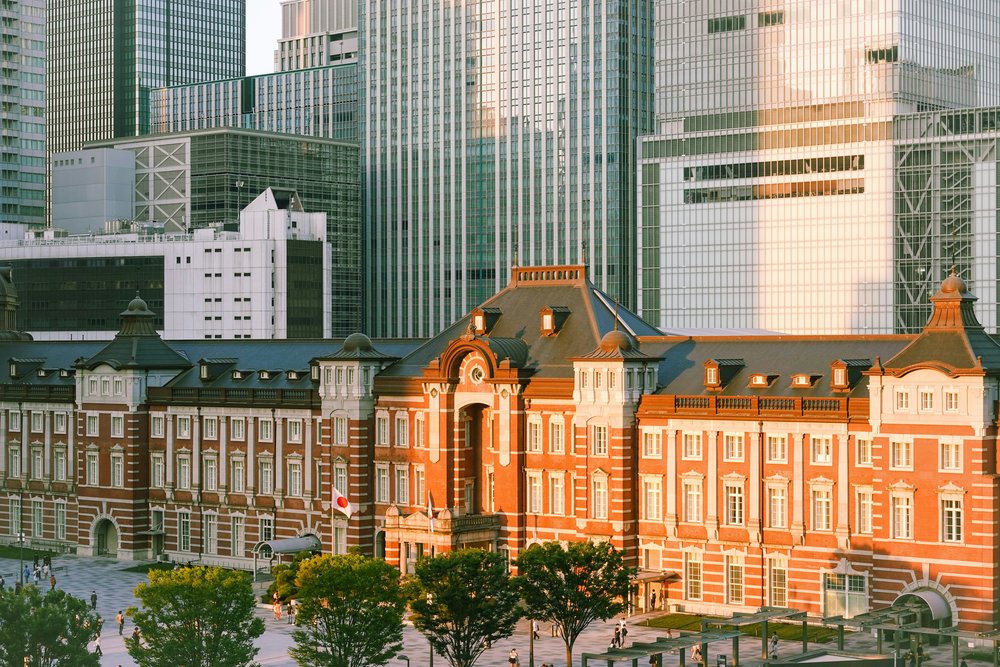
Most travelers board at Tokyo Station, although you can also hop on at Shinagawa Station or Shin-Yokohama Station. The train arrives at Kyoto Station, which is centrally located and well-connected to buses and subways.
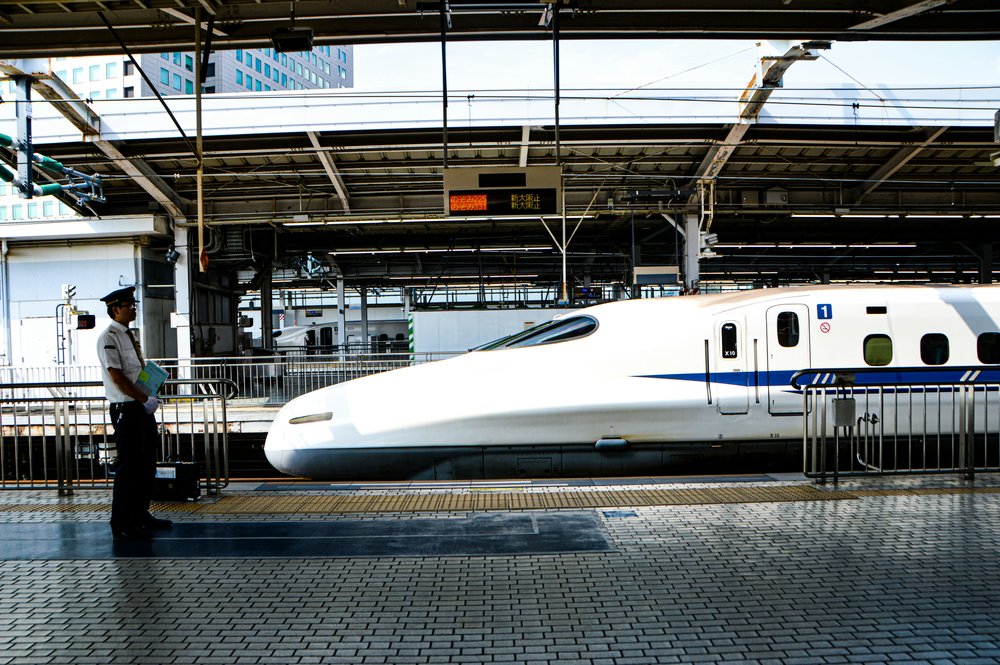
At Tokyo Station: Follow signs for "Shinkansen" (新幹線) to the Tokaido Shinkansen gates. Platforms 14–19 serve the Tokaido Shinkansen line. Arrive at least 15 minutes before departure to locate your platform and car number.
Train Types
Nozomi: If you’re in a hurry, this is your best bet! The Nozomi whisks you from Tokyo to Shin-Osaka in just 2 hours and 24 minutes, stopping at popular stations like Tokyo, Shinagawa, and Kyoto along the route.
Hikari: The Hikari isn’t far behind, taking about 2 hours and 54 minutes to make the trip. It stops at Tokyo, Shinagawa, Shin-Yokohama, and several other locations, providing a nice balance of speed and sightseeing.
Kodama: For a more relaxed journey, take the Kodama! It takes around 4 hours and makes stops at all stations along the Tokaido Shinkansen, perfect for those who want to take their time and enjoy the views.
Seat Types and Classes
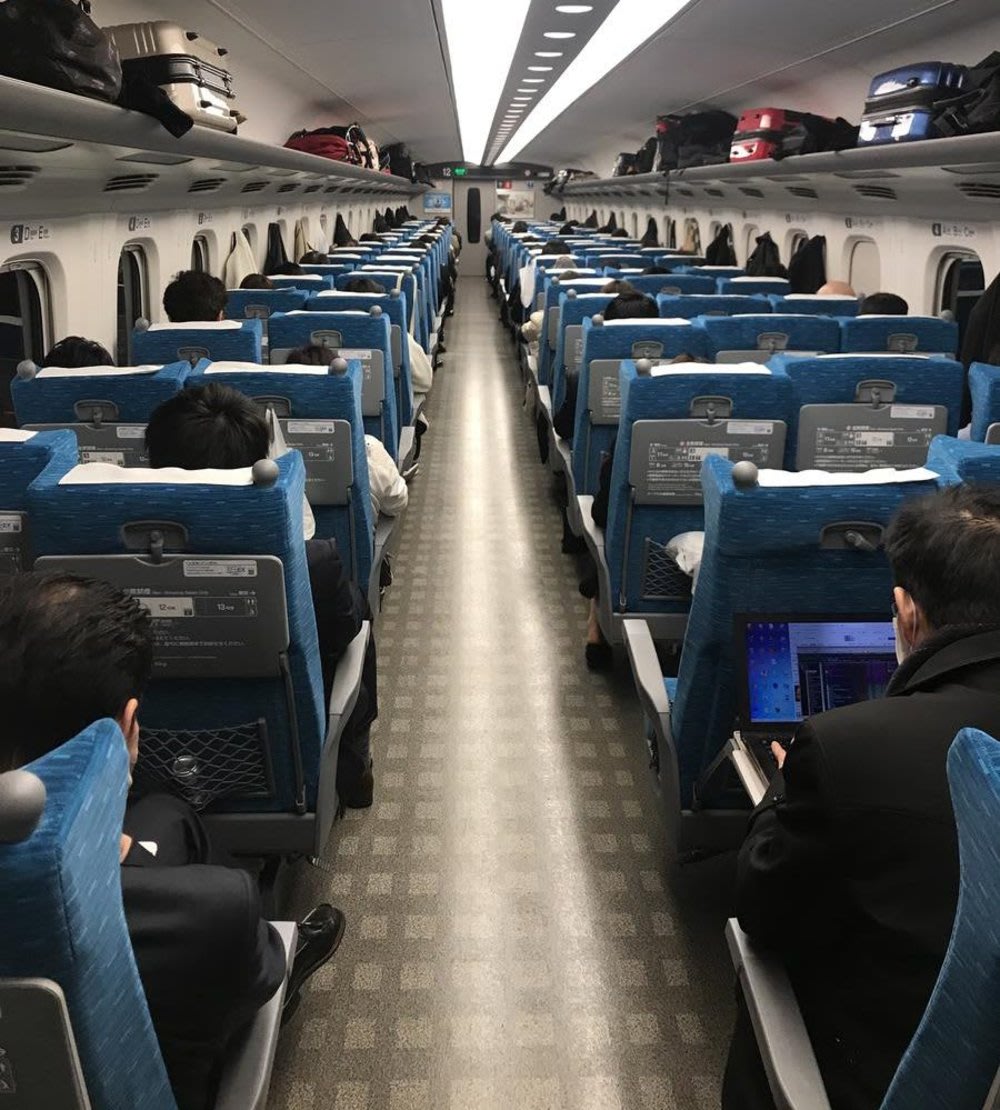
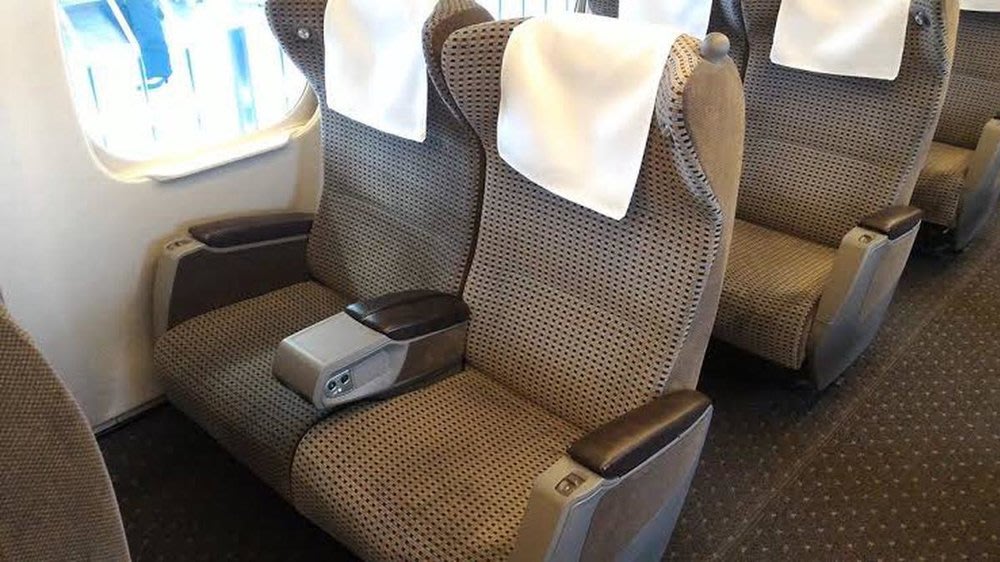
Ordinary Car: If you’re traveling with a group, the Ordinary Cars provide seating and tables tailored for families and friends, guaranteeing a cozy and pleasant trip. Certain trains also include reversible chairs, allowing you to easily chat with your travel companions.
Green Car: If you’re looking for an upgrade, go for the Green Car! With spacious seats that recline deeper for ultimate comfort, you’ll feel relaxed throughout your journey. Enjoy extra legroom, plenty of storage, and a cozy reading light, plus complimentary snacks and drinks will keep you fueled.
Amenities and Services
The Shinkansen is known for its punctuality and comfort. Onboard, you'll find clean restrooms, power outlets, and sometimes Wi-Fi.
For luggage: if your bag measures over 160 cm but less than 250 cm, you'll need to make special reservations (covered under the JR Pass). For bags under 160 cm, you can use the overhead racks.
It’s always a good idea to make your reservations ahead of time, so here’s how to get that sorted!
Klook tip: Food carts roll through selling snacks, but it’s a tradition to grab a bento box before you board, so try one at the
Tokyo Station.
Schedule and Fares
The Tokyo to Kyoto Shinkansen runs frequently throughout the day.
Schedule: First Nozomi departure from Tokyo Station: 6:00 AM | Last Nozomi departure: 9:20 PM.
Fares:Tickets average ¥14,000 (~$95 USD) for a one-way Nozomi ticket. Hikari and Kodama are slightly cheaper, and the
Japan Rail Pass covers both.
How to Buy Shinkansen Tickets
You can purchase
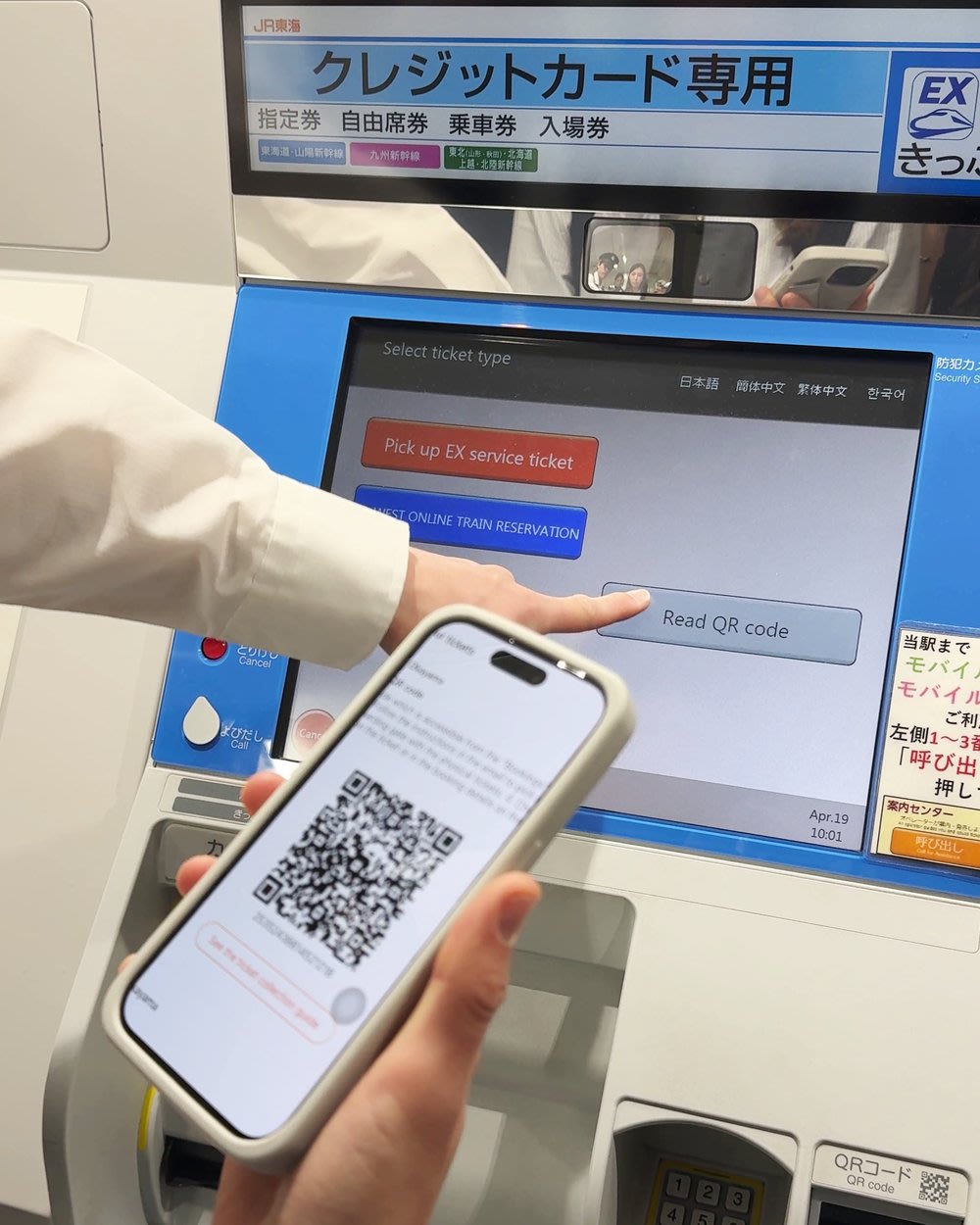
Shinkansen tickets at station counters, vending machines, or online. For convenience, booking through Klook lets you reserve ahead of time without worrying about language barriers.
Klook tip: If you’re taking multiple train trips across Japan, check if a JR Pass is worthwhile with the
JR Pass usage calculator.
How to Book Shinkansen Tickets:
Visit the Klook Shinkansen page or go to a JR ticket counter at Tokyo Station
Select your travel date, departure time, and train type (Nozomi, Hikari, or Kodama)
Choose between reserved or non-reserved seating
Complete payment and receive your ticket or QR code
On travel day, proceed to the Shinkansen gates and insert your ticket or scan your QR code
Klook tip: If you're taking multiple train trips across Japan, check if a JR Pass is worthwhile with the
JR Pass usage calculator.
Boarding Tips
Follow signs for Shinkansen Gates (新幹線) at Tokyo Station, and get there a little early to find your platform. Wait at the marked line for your assigned car and board quickly. Once onboard, keep your voice low as people keep quiet on trains as a courtesy to other travelers. You can also check out Klook’s
bullet train guide and tips for
dos and don’ts.
🚃 Regular Train Lines (Tokaido Main Line)
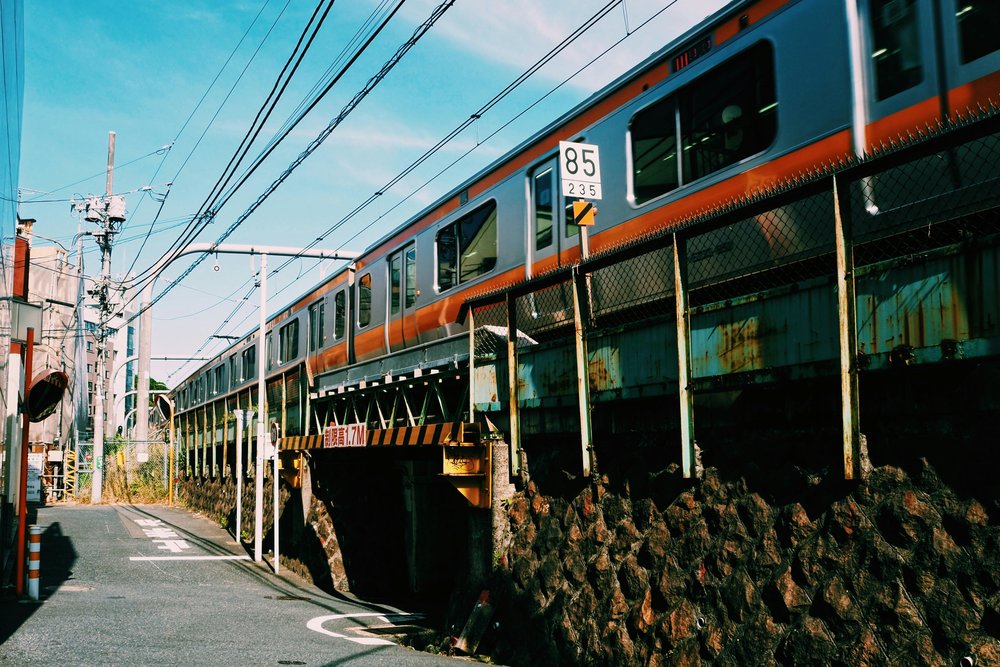
If you’re traveling on a tight budget and have time to spare, you can take the JR Tokaido Main Line instead of the Shinkansen. Traveling from Tokyo to Kyoto on the regular Tokaido Main Line offers a unique (although slower) journey through Japan's picturesque countryside.
Average Travel Time
While this option takes a bit longer, roughly 9 hours (with multiple transfers), it allows you to soak in the scenery and experience the charm of smaller towns along the way.
How to Ride
You can start your journey at Tokyo Station. This major hub is well-connected and easy to navigate. Just make sure to check the train schedules for the Tokaido Main Line while you’re there.
You’ll need to transfer trains along the way, often at Atami, Nagoya, and Maibara. It’s a long journey, but some travelers use the opportunity to explore different cities in between. Some of the key stops include:
Shinagawa Station: A quick stop in Tokyo with connections to other lines.
Odawara Station: Gateway to Hakone and its famous hot springs.
Atami Station: A coastal city known for its beaches and onsens.
Mishima Station: Offers stunning views of Mount Fuji.
Shizuoka Station: Known for its green tea and views of the surrounding mountains.
Hamamatsu Station: Famous for its musical instruments and delicious eel dishes.
Nagoya Station: A bustling city with plenty of shopping and dining options.
Gifu Station: Known for its historic cormorant fishing.
Maibara Station: A transfer point for other lines.
Kyoto Station: Your final destination, where you can explore the city’s beautiful temples and traditional neighborhoods.
How to Buy Tickets
Tickets can be purchased at JR stations or with a
Suica card, which is a prepaid transit card commonly used throughout Japan. You can also use the
Japan Rail Pass for the regular trains.
Boarding Tips
Because you’ll need to make several transfers, plan your journey carefully with navigation apps like HyperDia or Google Maps. Try to travel light, since regular trains don’t have much storage space.
Klook tip: If you want to explore more of Japan, consider stopping for a few hours in Nagoya or Shizuoka along the way.
✈️ Air Travel (Tokyo to Kansai Airport)
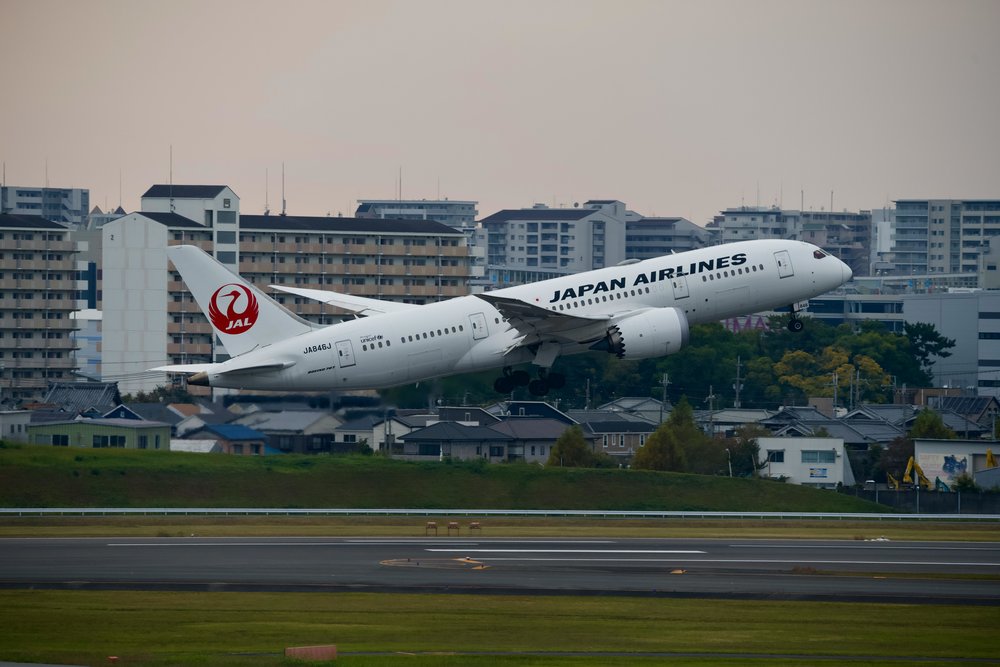
Flying from Tokyo to Kyoto is possible, but it’s not the most time-efficient once you factor in airport procedures. Still, if you’re already near Narita or Haneda Airport, catching a flight to Kansai International Airport (KIX) can be more convenient.
Average Travel Time
Flights take about 1 hour 15 minutes, but with airport transfers and security, the total journey is closer to 3.5–4 hours. From KIX, you’ll need another 1.5–2 hours to reach Kyoto by train.
How to Book Tickets
You can book through airlines or major travel platforms. If you plan to explore Tokyo and the surrounding regions before flying, consider the
Klook Pass Greater Tokyo, which bundles both attractions and transportation.
🚌 Highway Bus
For budget-conscious travelers, the highway bus is a surprisingly popular choice. Its main advantage is the price, and overnight buses can also save you the cost of a hotel.
Average Travel Time
The journey takes about 8–9 hours during the day or 7–8 hours overnight.
How to Buy Tickets
Getting to the Bus Station
In Tokyo, most buses depart from Shinjuku Station (Busta Shinjuku terminal) or Tokyo Station (Yaesu South exit). Both are easily accessible via the metro system.
Bus Ride Tips
Overnight buses often feature reclining seats, blankets, and sometimes Wi-Fi. They’re a great option if you’re traveling on a tight budget, but light sleepers may find it difficult to rest. But if you can sleep on buses, it’s a good way to get some rest before maximizing your sightseeing time.
🚗 Car Rental
If you want flexibility and the chance to explore smaller towns along the way, renting a car is another option. Driving lets you create your own route, stop at local restaurants, and enjoy scenic views that you’d usually miss by train.
Average Travel Time
It takes about 6–8 hours to drive from Tokyo to Kyoto, depending on traffic.
How to Rent a Car
You’ll need an International Driving Permit (IDP) to rent and drive in Japan. But no need to worry, cars can be rented directly in Tokyo or reserved online through
Klook’s car rental service.
Car Rental Tips
Highway tolls add up (expect about ¥10,000 or around $68 USD for the trip), and just a heads up that parking in big cities can also be quite expensive.
While driving in Japan is generally safe and orderly, be sure to familiarize yourself with the rules before you go. For a complete breakdown, you can check out this
guide to renting a car in Japan.
What is the best way to travel from Tokyo to Kyoto?
After looking at all the factors and variety of options, the bullet train is definitely our top pick as the best way to travel from Tokyo to Kyoto. With comfy amenities and a speedy journey, it’s the way to go. And, if you’re flexible with timing, you can even snag a non-reserved seat during off-peak hours and sit wherever you like!
Whichever way you choose to go from Tokyo to Kyoto, Klook makes planning smooth with easy booking and instant confirmation. Start your journey today with Tokyo and Kyoto activities!
FAQs
How long is the Shinkansen from Tokyo to Kyoto?
The Shinkansen from Tokyo to Kyoto takes 2 hours 15 minutes on the Nozomi, 2 hours 54 minutes on the Hikari, or 4 hours on the Kodama.
How much is the Shinkansen ride from Tokyo to Kyoto?
A one-way ticket costs around ¥14,000 (~$95 USD). Prices can also vary slightly depending on the train type and whether you choose reserved or non-reserved seating.
Which Shinkansen should I take from Tokyo to Kyoto?
Take the Nozomi for speed and convenience. However, travelers using the Japan Rail Pass should opt for the Hikari or Kodama, since the Nozomi is not covered by the pass.
Do I need to buy Shinkansen tickets in advance?
No, advance booking is not strictly required, but it is highly recommended during peak travel seasons like cherry blossom season, Golden Week, and New Year holidays. To secure your seat with ease, you can
reserve a ticket before your trip.
What is Klook?
Klook is a leading pan-regional experiences platform in Asia Pacific, purpose built to digitalize experiences and make them accessible to every traveler.
Our mission is to build the digital infrastructure for the global experience economy — empowering merchants to share their passions and travelers to discover the heartbeat of each destination. We operate a mobile-first, curated platform featuring diverse experiences across global destinations.




![[usxanz] tokyo to kyoto bullet train](https://res.klook.com/image/upload/q_85/c_fill,w_1360/v1730180273/zkdbfktdonwb6dtct8gr.jpg)