Kyoto Cultural Experiences: At a Glance
Category | Details |
|---|
Best base for culture | Higashiyama district (Kiyomizu-dera, Gion, Ninenzaka) |
Hands-on experiences | Tea ceremony (from $52.35), kimono rental (from $22.49), calligraphy (from $62.89) |
Geisha & maiko culture | Centered in Gion; a guaranteed maiko meeting starts from $276.75 (Dinner with Maiko) |
Kiyomizu-dera Temple | Open 6:00 AM-6:00 PM (6:30 PM Jul-Aug); admission Y500 (~$3.35) for adults |
Best festival | Gion Matsuri, all of July 2026 (main parades July 17 & 24) |
Best foliage window | Mid-November to early December |
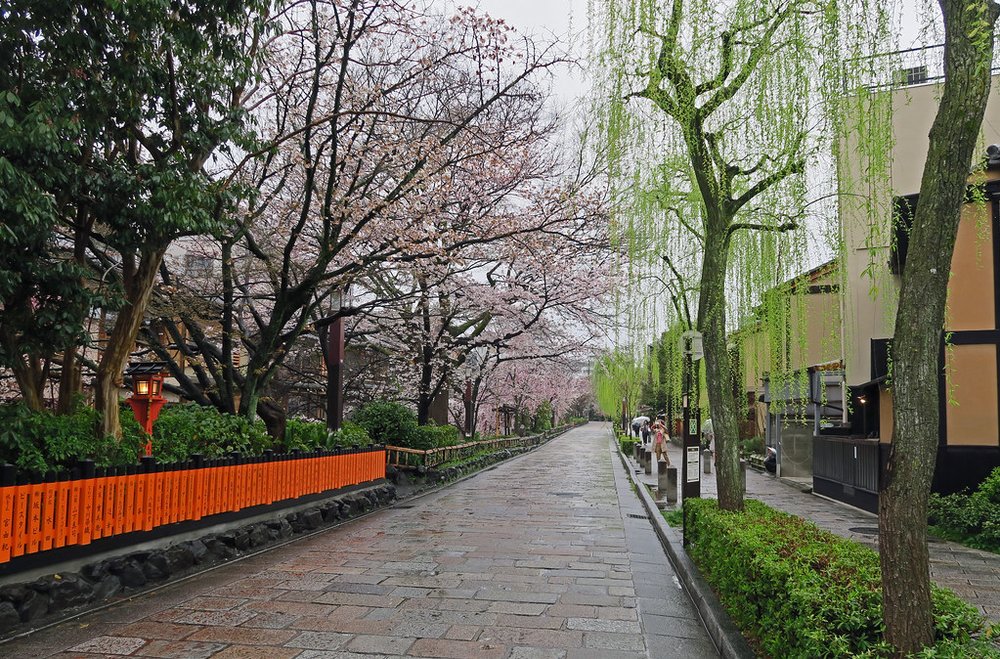
Cherry blossom peak (2026 forecast) | Flowering begins around March 23, peak around April 1 |
Kyoto's best cultural experiences fall into three categories: visiting its historic temples, especially Kiyomizu-dera and the surrounding Higashiyama district, trying hands-on traditions like tea ceremony, kimono rental, and calligraphy, and spending time in Gion, the city's famous geisha and maiko district. As Japan's former imperial capital for over a thousand years, Kyoto packs more preserved history into a walkable area than almost anywhere else in the country, so a handful of well-chosen bookings can cover temples, traditional arts, and Gion in a single trip.
Why Kyoto Is Japan's Cultural Capital
Kyoto earned its reputation as Japan's cultural capital by serving as the country's imperial capital from 794 to 1868, and by holding onto more of its historic fabric than almost any other Japanese city.
Kyoto largely avoided the bombing campaigns of World War II, so its temples, shrines, and traditional neighborhoods survived more or less intact - something you can't say for Tokyo, Osaka, or Nagoya. The city holds 17 UNESCO World Heritage sites, more than any other city in
Japan. You can walk between centuries-old temples, tea houses, and craft workshops in the same afternoon. If Tokyo shows you where Japan is headed,
Kyoto shows you where it's been, which is why most first-time visitors build at least two or three days of things to do in Kyoto around exactly this kind of traditional, temple-and-craft itinerary.
Kyoto's Most Important Temples and Sacred Sites
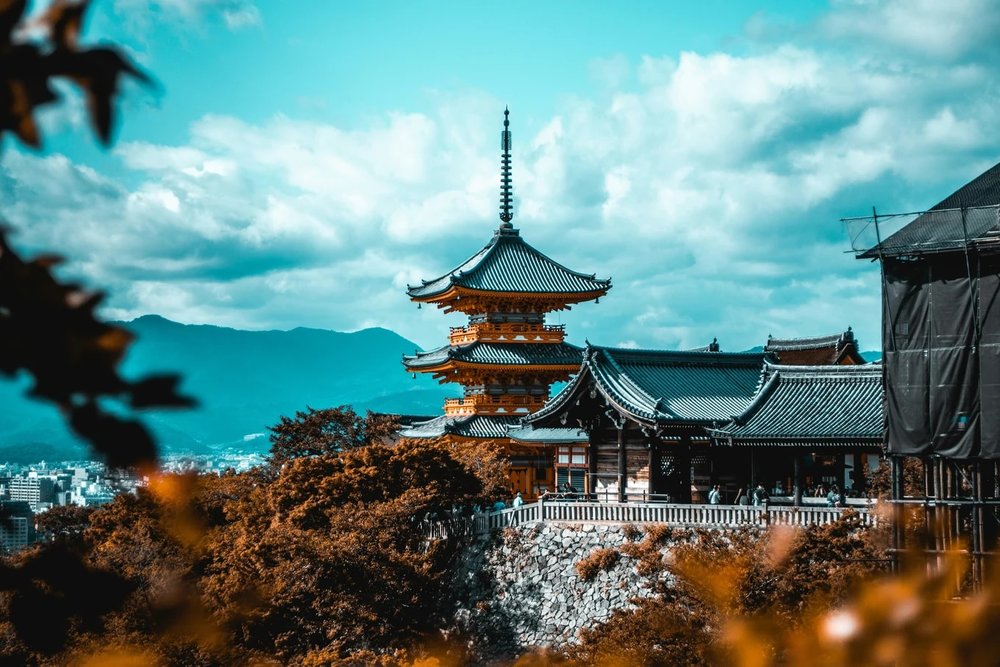
If you only have time for one temple in Kyoto, make it
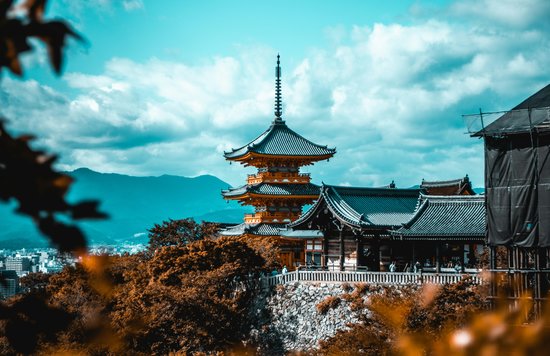
Kiyomizu-dera, the wooden hillside temple in the
Higashiyama district that's been drawing visitors since 778.
Kiyomizu-dera's main hall extends out over the hillside on a wooden stage built without a single nail, and the view back over Kyoto from that stage is one of the city's most photographed spots. It's part of the UNESCO listing for Kyoto's historic monuments, so it's an easy stop to justify even on a short trip.
⚠️ Klook Tip: Try to arrive right at opening as crowds build fast by mid-morning, especially near the main stage and the approach road lined with shops selling traditional crafts.
Attraction | Time Needed | Ticket Required | Cost |
|---|
Kiyomizu-dera Temple | 1-1.5 hours | No advance booking - pay at the gate | Y500 (~$3.35) adults |
Higashiyama District | 2-3 hours | No ticket to walk it (shops/temples charge separately) | Free |
Higashiyama itself is worth the extra time. It's the preserved district connecting Kiyomizu-dera to Gion, with sloped lanes like
Sannenzaka and
Ninenzaka lined with wooden machiya townhouses, tea shops, and the kind of small craft stores where you can pick up handmade pottery or paper goods. Travelers on Kyoto temple day tours consistently mention how much ground you can cover without feeling rushed. One Klook reviewer of a Kyoto temple day trip put it simply: “I thoroughly enjoyed each site we visited and recommend this tour as an easy and cheap way to explore much of what Kyoto has to offer in a truncated amount of time.”
Hands-On Traditional Arts You Can Try in Kyoto
Kyoto is one of the easiest places in Japan to move from watching Kyoto traditions to actually doing them, with beginner-friendly tea ceremony, kimono rental, and calligraphy classes running daily and no prior experience required for any of them.
Experience | Duration | Cost | Best For |
|---|
Tea Ceremony (100-year-old machiya) | 45 minutes | From $52.35 | First-timers wanting an approachable, authentic tea ceremony |
Kimono Rental (near Kyoto Station) | 45 min-1.5 hrs, plus wear time | From $22.49 | Travelers who want photos around Higashiyama or Gion in traditional dress |
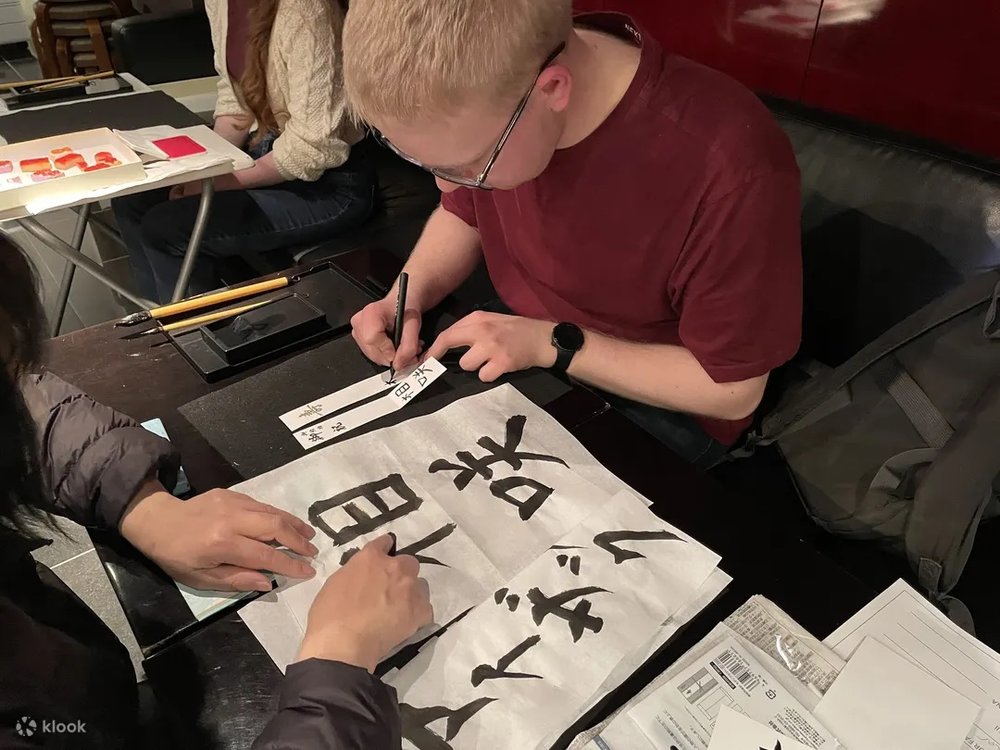
Calligraphy Class | 1 hour | From $62.89 | Anyone who wants a hands-on souvenir they wrote themselves |
Tea ceremony
The
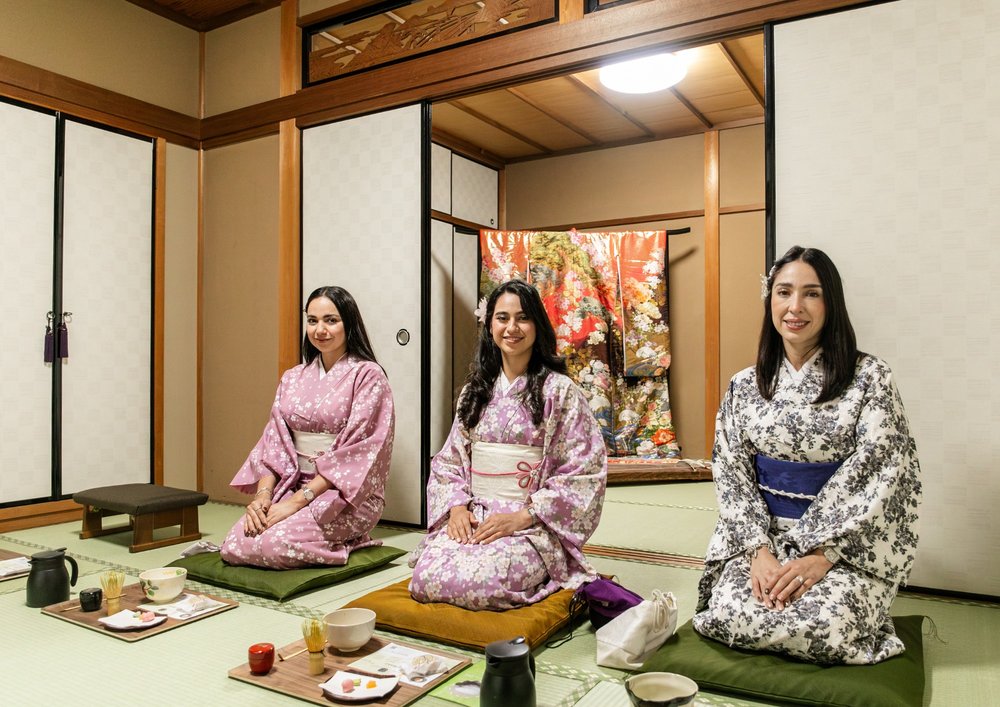
45-minute tea ceremony class runs inside a genuine 100-year-old machiya house, and it's built for people who've never done a tea ceremony before - you'll learn the basics of preparing matcha in a small, casual group rather than sitting through a long, formal ceremony. It's a good pick if you want the real thing without committing a whole afternoon; if you're after a more private or extended ceremony, this casual class is the trade-off to know about going in.
Kimono rental
The
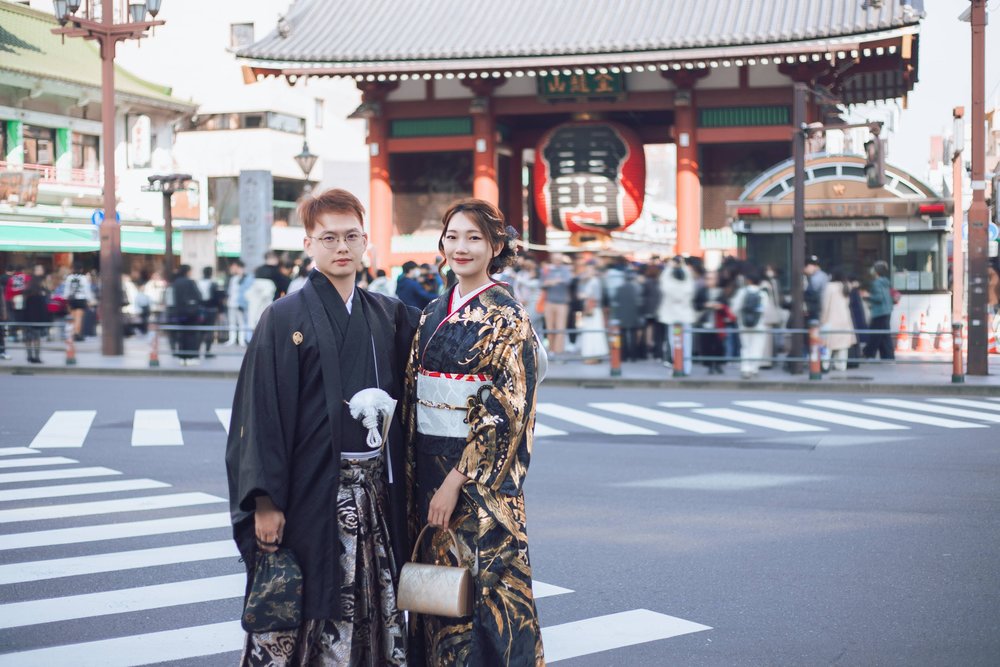
kimono rental experience near Kyoto Station's Hachijo exit includes professional dressing and a full set of accessories from around $22.49 for the basic plan. It's a practical base if you're planning to spend the day wandering Higashiyama or Gion in kimono, since you can drop off your bags there too. Book a day or two ahead during cherry blossom or autumn foliage season, when morning slots fill up fastest.
Calligraphy class
The
one-hour calligraphy class teaches shodo basics in English, and you'll leave with your own finished scroll - genuinely one of the more useful souvenirs you can bring home from a trip built around Kyoto traditions and traditional crafts, since you made it yourself rather than bought it.
Gion and Kyoto's Geisha and Maiko Culture
Gion is Kyoto's historic geisha district, and while you can walk its lantern-lit streets any evening for free, actually meeting a geisha or maiko takes booking a proper experience rather than hoping for a chance encounter.
Gion is where Kyoto's geiko (the local term for geisha) and maiko apprentices still train and perform, and the district's teahouses and machiya along streets like Hanamikoji are largely unchanged from a century ago. If you just want the atmosphere, an evening walk costs nothing. If you want an actual encounter, Klook offers two very different ways in, and the trade-off between them is worth knowing before you book.
The
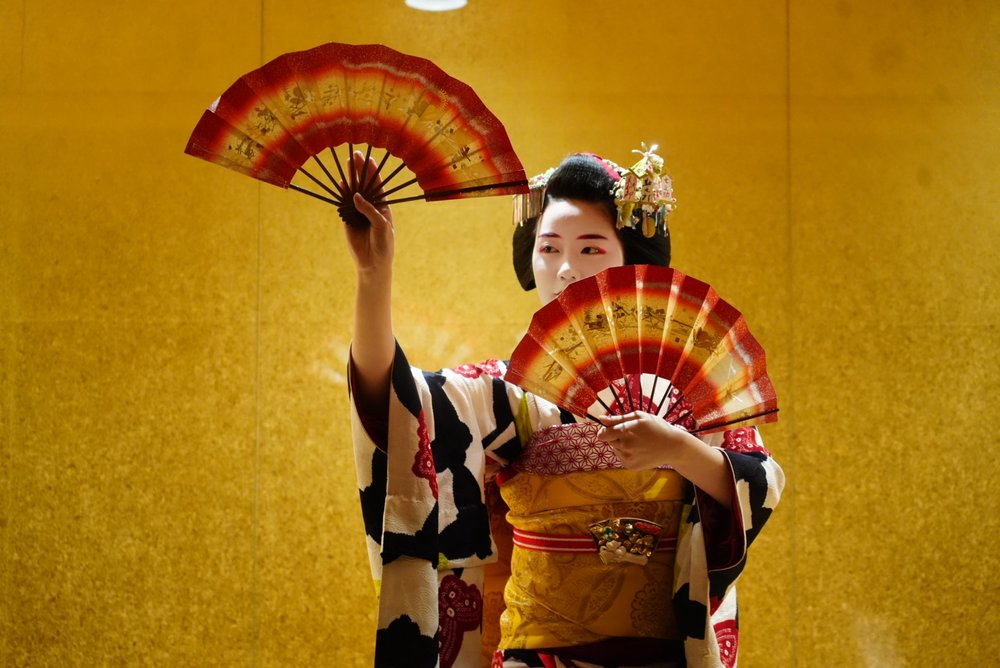
Gion Night Tour with Kaiseki Meal is a 3-hour guided walk through the district paired with a traditional multi-course kaiseki dinner, and it's a good fit if you mainly want context and history along with a proper meal - note that, per the listing itself, spotting a geisha or maiko on this walk isn't guaranteed. For a guaranteed, up-close encounter,
Dinner with Maiko in a Traditional Kyoto-Style Restaurant runs 3.5 hours and includes a real maiko visiting your table for a traditional dance, conversation through a translator, and traditional parlor games, alongside a Kyoto-style seasonal dinner with unlimited drinks. It costs more, from around $276.75, but it trades chance for certainty.
Reviewers who've booked the maiko dinner on Klook consistently describe it as a trip highlight. One wrote, “Wow, what an experience. After a tour of Gion, we enjoyed a truly delicious and authentic 10-course meal, and as a highlight, we had a Maiko visit us. She provided very impressive insights into her daily life, kindly answered our questions. She danced for us, and we played a game together. By far the most memorable experience of our trip to Japan!” Another described it as something “everyone should have on their Kyoto itinerary,” adding that the food was incredible and the maiko was personable despite the language barrier.
Best Time to Experience Kyoto's Culture and Festivals
Kyoto's culture is on display year-round, but three windows stand out for Kyoto festivals and seasonal scenery: cherry blossom season in late March into early April, peak autumn foliage from mid-November to early December, and Gion Matsuri, which runs throughout July.
Season | 2026 Timing | What to Expect |
|---|
Cherry blossom | Flowering begins ~March 23, peak ~April 1 (forecast) | Temples and Higashiyama get very crowded; book kimono rentals and tea ceremonies in advance |
Autumn foliage | Mid-November to early December | A longer viewing window than cherry blossoms, roughly 2-3 weeks; Higashiyama's temple grounds are a highlight |
Gion Matsuri | All of July 2026; main parades July 17 & 24 | Kyoto's biggest festival; Gion gets especially busy during the Yoiyama evenings of July 14-16 and July 21-23 |
Whichever window you're planning around, book your tea ceremony, kimono rental, or Gion evening a few weeks out. Kyoto's most popular cultural experiences, especially anything tied to Gion or peak foliage and blossom dates, do sell out during these stretches.
Frequently Asked Questions
What are the best cultural experiences in Kyoto?
The best cultural experiences in Kyoto are visiting Kiyomizu-dera and the Higashiyama district for Kyoto's temple culture, trying a hands-on tea ceremony, kimono rental, or calligraphy class to actively take part in Japanese tradition, and spending an evening in Gion - either walking the district or booking a dinner with a real maiko. Between temples, hands-on arts, and Gion's geisha culture, you get a rounded picture of Kyoto without needing more than a few days.
Can you see real geisha in Kyoto?
You can, but it isn't guaranteed just by walking through Gion at dusk - geisha and maiko move quickly between appointments, and Klook's own Gion night tour listing is upfront that a sighting isn't part of that package. If meeting one matters to you, booking Dinner with Maiko in a Traditional Kyoto-Style Restaurant guarantees the interaction rather than leaving it to chance.
How much does a tea ceremony cost in Kyoto?
A casual, beginner-friendly tea ceremony class in a 100-year-old machiya house starts from around $52.35 for a 45-minute session, based on current Klook pricing. Rates vary by venue and whether the ceremony is private or in a small group, so it's worth checking current pricing on Klook before you book, since activity prices shift over time.
What is the best area in Kyoto for traditional culture?
Higashiyama, the historic district that includes Kiyomizu-dera and spills into Gion, is generally the best base for traditional culture - it's dense with preserved streets, temples, and the shops where you can arrange a kimono rental or tea ceremony. It's compact and walkable, so you can move between temple visits and hands-on experiences without much travel time in between.
Do you need to book a kimono rental in advance?
It's a good idea, especially during cherry blossom or autumn foliage season, when kimono studios near Kyoto Station and Gion can fill their morning slots. Booking ahead, like with the mimosa MK kimono rental near Kyoto Station's Hachijo exit, also means you're not comparing studios on the fly once you've already arrived.
What is Kyoto famous for culturally?
Kyoto is Japan's former imperial capital and the country's cultural center, known for its concentration of historic temples and shrines - 17 of them UNESCO World Heritage sites - the geisha and maiko culture centered in Gion, and living traditions like tea ceremony, kimono, and calligraphy that visitors can still learn firsthand. Unlike Tokyo, Kyoto largely escaped bombing during World War II, so much of its historic core survives intact.
What is the best time of year to experience Kyoto's culture and festivals?
Late March into early April brings cherry blossom season, mid-November through early December brings peak autumn foliage, and all of July is Gion Matsuri, one of Japan's most famous festivals, with its two main parades on July 17 and July 24 in 2026. Each window draws bigger crowds, so if you're planning around one of them, book temple visits and hands-on experiences a few weeks ahead.
Related Articles
What is Klook?
Klook is a leading pan-regional experiences platform in Asia Pacific, purpose built to digitalize experiences and make them accessible to every traveler.
Our mission is to build the digital infrastructure for the global experience economy — empowering merchants to share their passions and travelers to discover the heartbeat of each destination. We operate a mobile-first, curated platform featuring diverse experiences across global destinations.