
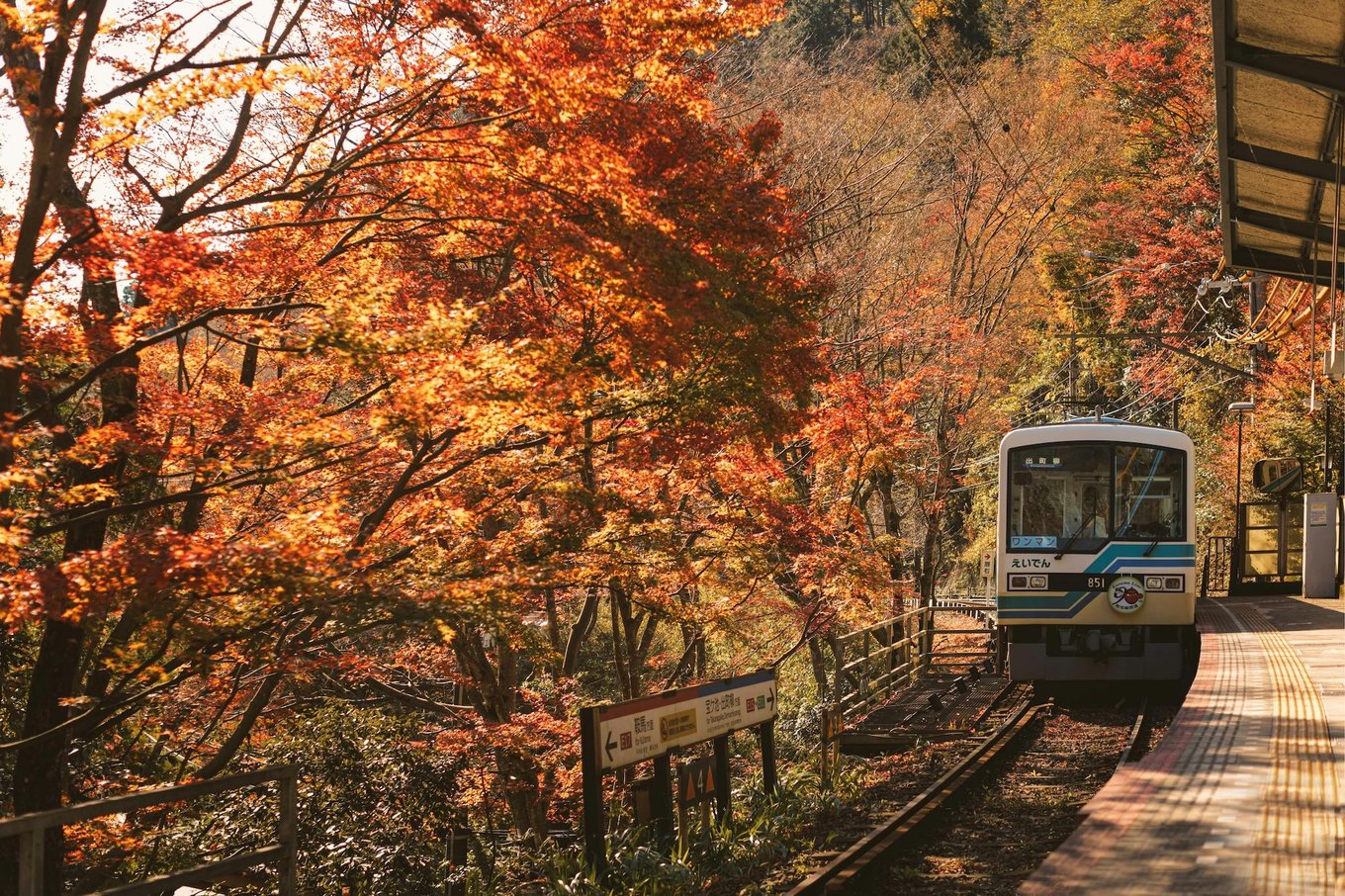
Unlike the bustling cities of Tokyo and Osaka, which are brimming with energetic streets and fast-paced culture, Kyoto is a city with its own vibrant and laid-back energy, colored by the days of the past: historical and traditional, but not left behind.
The best way to get around Kyoto is a combination of city buses and rail. Buses reach the most temples and shrines, while Kyoto’s two subway lines handle fast north–south and east–west trips across the centre. Taxis, cycling, and walking fill in the gaps, and a rechargeable IC card (ICOCA or Suica) works across almost all of them. This guide breaks down every option by mode so you can pick what fits your itinerary.
If the ancient capital of Japan is part of your trip, then you’re in for an adventure of history with attractions like the Kiyomizu Temple, Nijo Castle, Nishiki Market, and more!
Without further ado, here’s everything you need for getting to Kyoto and getting around Kyoto, so you can explore this beautiful city with ease.
Getting around Kyoto at a glance
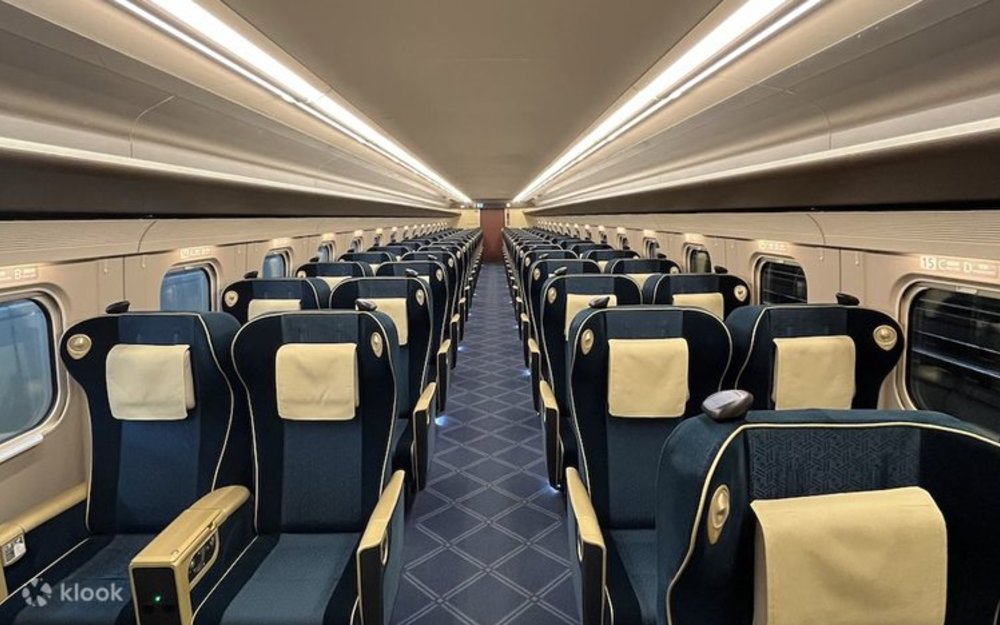
JR East Train’s green car seats
Not sure which mode to use? Here’s the quick version before the details below:
Mode | Typical cost (2026) | Best for |
City bus | ¥230 flat fare per ride | Reaching temples and shrines the subway doesn’t (Kinkaku-ji, Ginkaku-ji, Gion) |
Subway | ¥220–¥360 per ride | Fast central north–south and east–west trips, skipping traffic |
Taxi | From ¥500 (first ~1 km) | Groups of 3–4, hilly shrine approaches, late nights, heavy bags |
Bicycle | ¥1,000–¥1,500 per day | Kyoto’s flat grid and the Kamo River path in fair weather |
Walking | Free | Compact districts like Gion and Higashiyama once you arrive |
Rule of thumb: if you’ll take three or fewer rides in a day, pay-as-you-go with an IC card is cheapest. Five or more bus and subway rides, and the Subway & Bus 1-Day Pass usually wins.
How to get to Kyoto
The country of Japan is known for its technology and organization, and that can easily be seen in its public transportation systems. Wherever you are, Kyoto travel won’t be difficult.
Shinkansen
If you’re coming from Tokyo or other far cities and want to get to Kyoto fast, you can use the Shinkansen. It’s Japan’s high-speed bullet train that connects most of the major cities in the country and is known for its convenience, comfort, and efficiency.
You can purchase a ticket at the ticketing stations in Japan, but lines can get long during rush hour. To make things easier and to guarantee you a seat, you can buy one online through Klook before your trip so that you won’t have to rush or worry about it when you get to Japan.
Know more about traveling from Tokyo to Kyoto by shinkansen through this guide: Tokyo to Kyoto by Shinkansen: Fastest & Easiest Ways to Travel.
Regular Trains
If you’re coming from a closer city like Osaka or Nara, or want a more affordable option, then using regular trains might be a better option for you. JR (Japan Railway) lines span across Japan and can get you anywhere, including Kyoto.
The JR Sagano Line, JR Kyoto Line, and JR Nara Line all connect to Kyoto Station, which is the city’s central hub. Like the Shinkansen, you can also purchase tickets for these trains through Klook to make your trip easier and smoother. Right beside it, the Kyoto Railway Museum makes an easy transit-adjacent stop if you have time to spare between connections.
Getting into Kyoto from Kansai Airport, Osaka & Nara
Many travellers reach Kyoto as part of a multi-city Kansai trip. Here are the main arrival routes, with current 2026 fares.
From Kansai International Airport (KIX)
The simplest option is the JR Airport Express HARUKA, which runs direct from Kansai Airport Station to Kyoto Station in about 75 minutes, roughly every 30 minutes. A non-reserved seat costs around ¥3,060 one way, and a reserved seat about ¥3,590; the ride is fully covered if you hold a Japan Rail Pass. If you’re arriving very early or very late, note that local buses and subways don’t run around 3–4am, so plan a private transfer or taxi for those hours. Airport limousine buses are an alternative, taking roughly 90 minutes depending on traffic.
From Osaka
Osaka and Kyoto are one of Japan’s easiest city pairs, with several competing lines:
- Hankyu Kyoto Line (cheapest): about ¥410, ~45 minutes, Osaka-Umeda to Kyoto-Kawaramachi in central Kyoto. Not covered by the JR Pass.
- JR Special Rapid: about ¥580, ~30 minutes, Osaka Station to Kyoto Station. Covered by the JR Pass.
- Shinkansen (Shin-Osaka to Kyoto): about ¥1,450 non-reserved, ~15 minutes. Fastest, but usually overkill for this short hop.
From Nara
Two lines connect Nara and Kyoto Station. The JR Nara Line’s Miyakoji Rapid takes about 45 minutes for ¥720 and is covered by the JR Pass. The private Kintetsu Kyoto Line runs ordinary express trains for ¥760 in a similar time, with faster Limited Express services from ¥1,280; Kintetsu is not covered by the JR Pass. On the JR Nara Line you also pass Inari Station, the gateway stop for Fushimi Inari, just five minutes south of Kyoto Station.
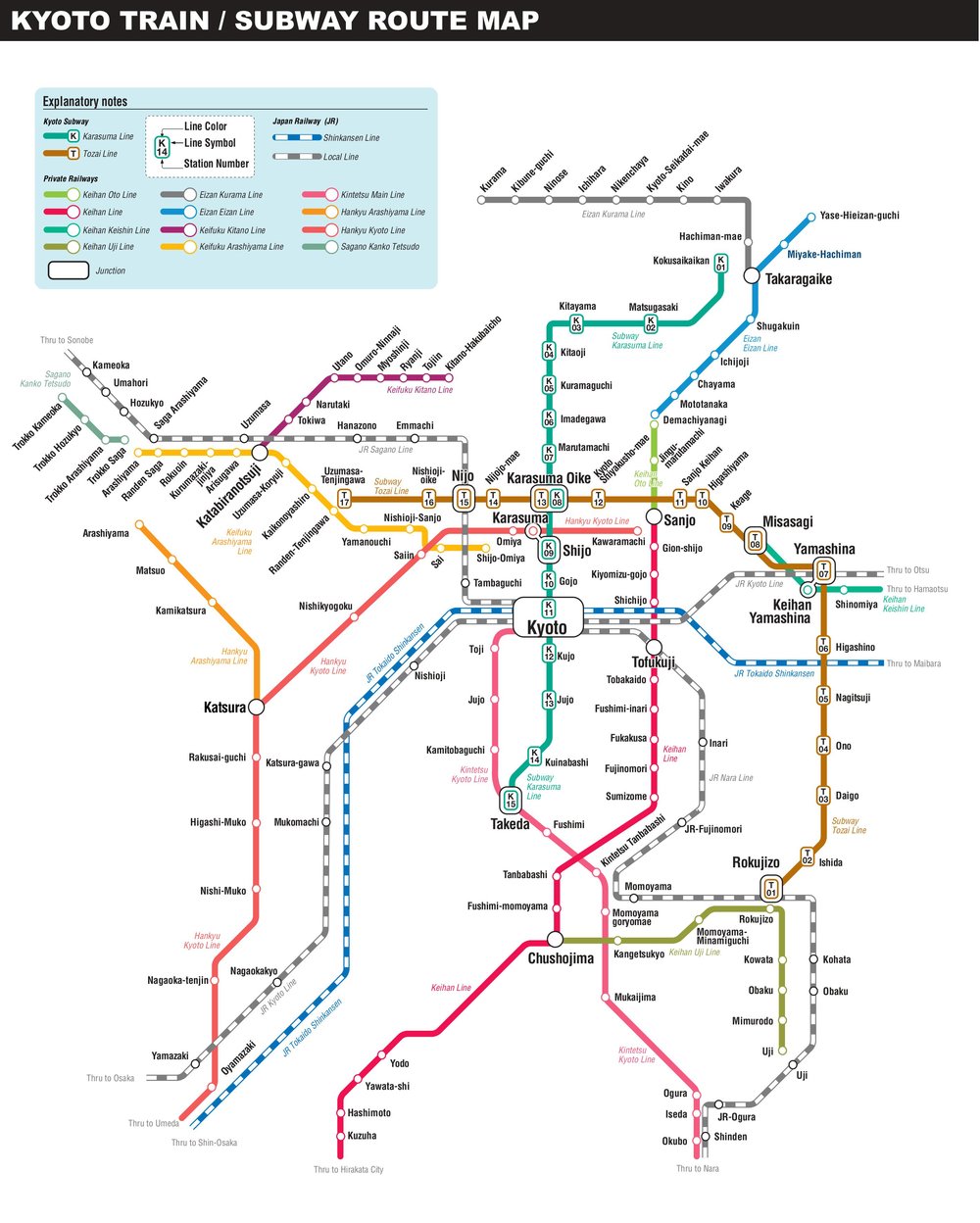
Kyoto Railway Map, Courtesy of JR Pass
Getting around Kyoto by bus
The green-and-cream Kyoto City Bus is the most widely used way for visitors to get around, because it reaches major sights the two subway lines don’t: including Kinkaku-ji, Ginkaku-ji, Kiyomizu-dera and the Gion area. Within the central flat-fare zone, adults pay a flat ¥230 per ride (children ¥120) no matter the distance.
Boarding works opposite to many cities: you enter through the rear door and pay when you exit at the front, either by tapping an IC card on the reader beside the driver or dropping the exact ¥230 in coins into the fare box. Useful tourist routes include the 100 and 101 circuits from Kyoto Station through the main temple districts, and the 205 loop that passes Kinkaku-ji. There are also Sightseeing Limited Express buses (EX100/EX101) that stop at fewer places for a higher ¥500 fare, unless you hold a valid Subway & Bus 1-Day Pass.
One important 2026 change: the old ¥700 bus-only day pass has been discontinued. If you want a pass, the option to buy now is the Kyoto Bus One-Day Pass or the combined Kyoto City Subway and Bus Ticket, covered in the passes section below.
Getting around Kyoto by subway and train
When it comes to Kyoto travel, they have two subways, which are the main backbone of their train system. The two municipal subway lines cover the city’s key cross-town routes, and single rides cost roughly ¥220–¥360 depending on distance. It goes north-south and west-east and connects to other major train lines, which lets you go to even more parts of the city. Alongside the subway, several private railways extend coverage to outlying areas like Arashiyama and Nara.
Subway Karasuma Line
This is the line that goes north to south of the city, and where the Kyoto Station is. Through this line, you can go to attractions like the Kyoto Tower and the Kyoto Imperial Palace.
Connecting Lines: Subway Tozai Line, Hankyu Kyoto Line, JR Lines, Shinkansen, Kintetsu Line
Subway Tozai Line
This line goes east to west of Kyoto and connects to the Karasuma line at the Karasuma Oike Station. You can ride this train to go to attractions like the Gion District and Nijo Castle.
Connecting Lines: Subway Karasuma Line, Keihan Line
Keihan Line
This line goes north to south at the Eastern side of Kyoto. The Keihan Line will lead you to attractions like the Kamo River and the Kiyomizu Temple.
Connecting Lines: Subway Tozai Line, Eizan Line, JR Nara Line
Hankyu Kyoto Line
This line connects from Osaka to Central Kyoto. One of the attractions you can go to with this line is the Katsura Imperial Villa.
Connecting Lines: Subway Karasuma Line, Keifuku Arashiyama Line
Eizan Line
This is an electric railway that leads to Kyoto’s northern outskirts. You’ll be able to find attractions like the Shimogamo Temple and reach Mount Hiei.
Connecting Lines: Keihan Line
Keifuku Arashiyama Line
Also known as the “Randen,” this is the line that leads to Arashiyama, where the famous Arashiyama Bamboo Forest can be found.
Connecting Lines: Hankyu Kyoto Line
Kintetsu Kyoto Line
This line leads to the southern parts of Kyoto and crosses over to the city of Nara. One of the attractions you can visit with this line is the Fushimi Sake Village.
Connecting Lines: Subway Karasuma Line, Keihan Line
Getting around Kyoto by taxi
Taxis in Kyoto are plentiful, metered and reliable. The 2026 starting fare is around ¥500 for roughly the first kilometre, then about ¥100 for each additional 250 metres or so. Typical trips run in the region of ¥1,200 from Kyoto Station to Gion and about ¥2,200 from Kyoto Station to Kinkaku-ji, though traffic and route affect the final meter. For a group of three or four, a taxi can work out similar to buying separate bus tickets — and much faster during peak season — making it a sensible choice for hilly shrine approaches, late nights, or when you’re carrying luggage.
Getting around Kyoto by bike
Kyoto’s largely flat, grid-like layout makes it one of Japan’s more cycling-friendly cities. Daily rentals typically cost ¥1,000–¥1,500 from shops near Kyoto Station and around Demachiyanagi. The Kamo River path is a flat, traffic-light-free route that links the southern downtown with the northern shrines. A couple of things to know: avoid cycling at the height of cherry-blossom season (late March–early April) and autumn foliage (mid-to-late November), when paths are packed, and always use marked bicycle parking, as illegally parked bikes can be impounded for a fee. To explore with a guide instead, a Kyoto Bike Tour is an easy way to cover several districts in a day.
Getting around Kyoto on foot
Some of Kyoto’s most atmospheric districts are best explored on foot. Once you’ve arrived by bus or train, areas like Gion, the Higashiyama lanes toward Kiyomizu-dera, and the Nishiki Market surroundings are compact enough to walk between. Sightseeing on foot also lets you take in the machiya townhouses and side streets that you’d miss from a bus window.
IC cards and passes for getting around Kyoto
IC Card
An IC card is a rechargeable prepaid card that lets you tap on and off buses, subways and trains without buying a paper ticket each time. If you plan on using the subways and trains during your Japan trip often, it would be a good idea to get one, since it also works on Kyoto’s city buses: you simply tap the reader as you exit.
In the Kansai region, where Kyoto is, they mainly use the ICOCA Card, but the SUICA card, which is used in places like Tokyo, would also work just fine for Kyoto travel. A physical ICOCA card costs ¥2,000 (which includes a ¥500 refundable deposit), or you can add ICOCA, Suica or PASMO to a compatible smartphone.
Bus & subway passes
For a full day of sightseeing across multiple areas, a day pass can beat paying per ride. The Subway & Bus 1-Day Pass costs ¥1,100 for adults and covers unlimited rides on city buses and both subway lines — worth it once you take five or more rides. You can pick up the Kyoto City Subway and Bus Ticket or a bus-focused Kyoto Bus One-Day Pass through Klook before you go. If Arashiyama is on your list, the Randen Kyoto Bus & Subway 1-Day Pass bundles the Randen tram with bus and subway access.
JR Pass
If Kyoto is only one stop in your trip and you plan on going to other cities and exploring a greater area of Japan, you might want to consider getting a JR Pass. This pass would give you unlimited rides in all JR lines and a select few Shinkansen lines. It also covers some bus tickets and airport transfers.
Practical tips for getting around Kyoto
- Avoid rush hour where you can. Buses and subways are busiest around 8–9am and 5–7pm on weekdays; when buses are stuck in traffic near the temple districts, the subway is almost always faster.
- Plan around festival season. During major events like the Gion Matsuri in July, central bus routes get very crowded and some roads close — build in extra time or switch to the subway and walking.
- Use real-time apps. Google Maps handles Kyoto’s buses and trains well, and Japan-specific planners like Navitime’s Japan Transit Planner or Jorudan give accurate platform, fare and transfer details.
- Keep coins handy. If you’re paying cash on buses, you’ll need the exact ¥230; on-board machines can break ¥1,000 notes and coins but not larger bills.
FAQs
What is the best way to get around Kyoto?
For most visitors, the best way to get around Kyoto is a mix of city buses and the subway, topped up with walking in compact districts. Buses reach the widest range of temples and shrines, while the subway is faster for central cross-town trips. An IC card lets you switch between them seamlessly.
Do I need an IC card in Kyoto?
You don’t strictly need one, but an IC card (ICOCA or Suica) makes getting around much easier — you tap instead of buying tickets, and it works on buses, subways and trains. A physical ICOCA costs ¥2,000 including a ¥500 refundable deposit, or you can load one onto your phone.
Is Kyoto’s bus or subway system better for tourists?
Both have their place. The bus network reaches more tourist sights, including big names like Kinkaku-ji that the subway doesn’t serve, so it’s better for temple-hopping. The subway is only two lines but is faster and avoids traffic, making it better for quick central trips. Most visitors use both.
How do I get from Kansai Airport to Kyoto?
The easiest option is the JR Airport Express HARUKA, direct from Kansai Airport Station to Kyoto Station in about 75 minutes for around ¥3,060 (non-reserved). It runs roughly every 30 minutes and is covered by the JR Pass. Limousine buses and private transfers are alternatives, and are useful for very early or late arrivals when local transport isn’t running.
Is it easy to bike around Kyoto?
Yes, Kyoto is mostly flat and grid-shaped, which makes cycling straightforward. Rentals run about ¥1,000–¥1,500 a day, and the Kamo River path is a pleasant, flat route across the city. Just use designated parking to avoid fines, and skip cycling at the busiest points of cherry-blossom and autumn-foliage season.
How much does a taxi cost in Kyoto?
Kyoto taxis start at around ¥500 for the first kilometre in 2026, then roughly ¥100 per additional 250 metres. As a guide, Kyoto Station to Gion is about ¥1,200 and Kyoto Station to Kinkaku-ji about ¥2,200. For groups of three or four, a taxi can cost about the same as separate bus fares while being faster.
What is the cheapest way to get from Osaka to Kyoto?
The cheapest way is the Hankyu Kyoto Line Limited Express from Osaka-Umeda to Kyoto-Kawaramachi — around ¥410 and about 45 minutes, dropping you in central Kyoto. It isn’t covered by the JR Pass, but if you don’t have one it’s the best-value option. JR Pass holders can instead take the JR Special Rapid (¥580, ~30 minutes) for free.
How many days in Kyoto is enough?
If you want to truly experience Kyoto and see as much as you can, around 2-3 days could be enough. This gives you time to explore different areas of Kyoto and even experience staying in a traditional Japanese Inn or “Ryokan.”
How do you pay for public transport in Kyoto?
Subways and trains can be considered the best way to get around Kyoto. If you have an IC card, you pay with the prepaid load charged in it; otherwise, you can pay with cash at the ticketing stations or machines, or you can also buy train tickets online beforehand.
Other Kyoto transport guides
![[usxanz] tokyo to kyoto bullet train](https://res.klook.com/image/upload/fl_lossy.progressive,q_85/c_fill,w_550,h_356/v1730180273/zkdbfktdonwb6dtct8gr.jpg)
What is Klook?
Klook is a leading pan-regional experiences platform in Asia Pacific, purpose built to digitalize experiences and make them accessible to every traveler.
Our mission is to build the digital infrastructure for the global experience economy — empowering merchants to share their passions and travelers to discover the heartbeat of each destination. We operate a mobile-first, curated platform featuring diverse experiences across global destinations.