Unique Things to Do in Japan: At A Glance
Experience | Type | Best Time to Go | Nearest Departure Point |
Cat Island (Tashirojima) | Place | Year-round | Ishinomaki, via Sendai |
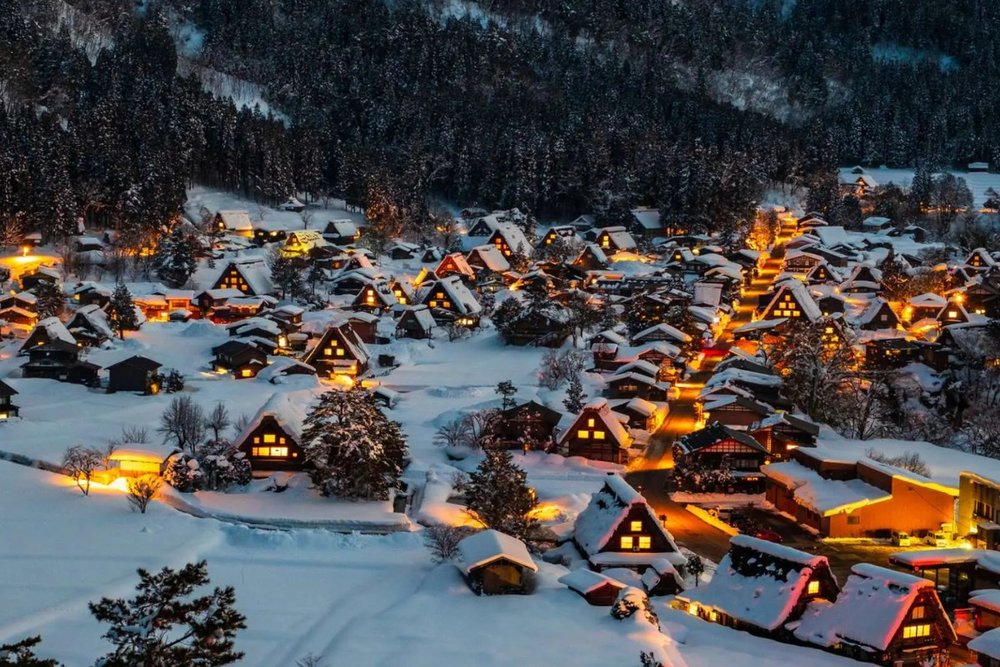
Shirakawa-go | Place | Year-round (snow or autumn colour for the best photos) | Nagoya or Takayama |
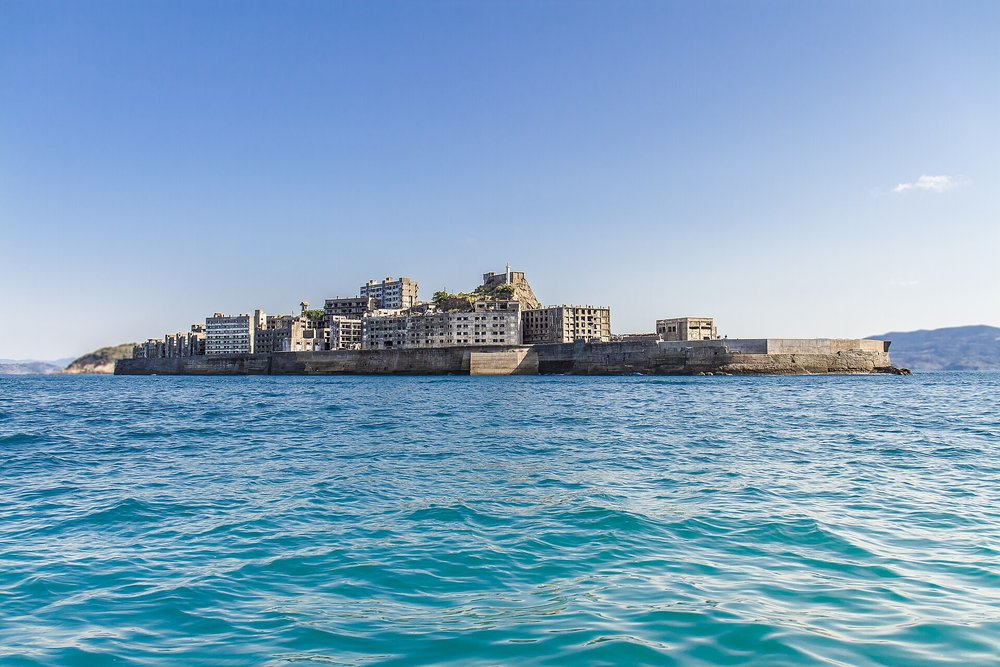
Gunkanjima (Battleship Island) | Place | Spring through autumn, calmer seas | Nagasaki |
Naoshima | Place | Year-round | Osaka, via Okayama |
Jigokudani Monkey Park | Place | December–March for peak bathing | Nagano |
Tateyama Kurobe Alpine Route | Place | Mid-April–November (snow corridor mid-April–June) | Osaka or Nagoya |
Ryokan stay | Ritual | Year-round | Nationwide |
Sumo tournament / morning practice | Ritual | 6 tournaments a year; practice sessions year-round | Tokyo, Osaka, Nagoya, Fukuoka |
Tea ceremony or craft workshop | Ritual | Year-round | Tokyo, Kyoto, Osaka |
The most unique
things to do in Japan are spread across places that exist virtually nowhere else on earth and rituals that go back centuries. You can visit an island where cats outnumber people nearly four to one, walk between 20-metre snow walls that only exist for a few months a year, and watch wild monkeys bathe in a hot spring while snow falls around them. Beyond these one-of-a-kind places, Japan is also one of the few countries where rituals like a ryokan stay, a sumo tournament, or a formal tea ceremony are still open to any traveler who books ahead. This guide covers both halves: the places worth the detour, and the rituals worth building a day around.
Places You’ll Find Only In Japan
These six unique things to do in Japan have no real equivalent elsewhere, and each comes with its own access rules worth knowing before you plan around it.
Cat Island (Tashirojima)
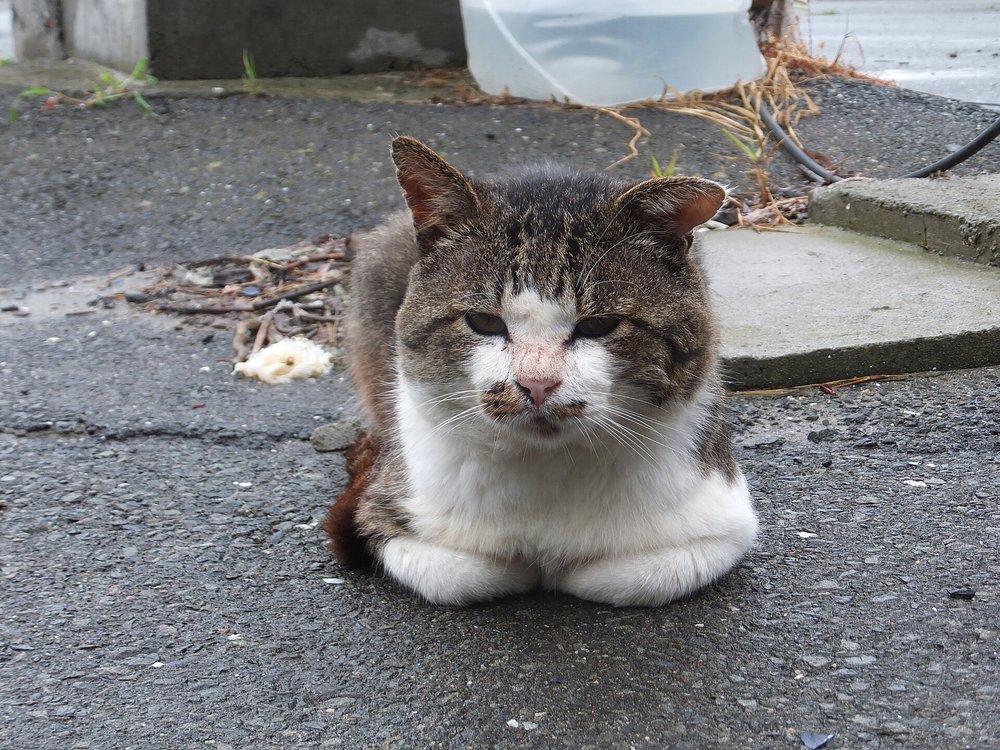
On this single island off
Miyagi Prefecture, cats outnumber the human residents by nearly four to one.
They were originally brought over to protect the island’s silkworm farms from mice, and their descendants have had the run of the place ever since.
Tashirojima sits off Ishinomaki City, about 1.5 hours from Sendai by train and local transport, then a roughly one-hour ferry ride across.
⚠️ Klook Tip: Go on a weekday if you can. The island has no convenience stores, so bring your own food and water for the day.
Shirakawa-go
Some of
Shirakawa-go’s steep, thatched gasshō-zukuri farmhouses still get their roofs rethatched the old way: by up to 200 villagers working together in a single day. It’s a mutual-aid tradition called yui that’s been logged in village ledgers since at least 1792, and it still happens roughly once every 30 years per roof.
The village sits in the Gifu mountains and is easiest to reach on a bus tour out of Nagoya or Takayama; it’s open and photogenic year-round, though the thatched roofs look best against winter snow or autumn colour. If you’re pairing it with the Tateyama Alpine Route below, look for a combined multi-day tour rather than two separate day trips.
Gunkanjima (Battleship Island)
This abandoned coal-mining island off Nagasaki once packed roughly 5,300 people onto a tiny footprint, then emptied out almost overnight in 1974 when the mines closed, and today you can only set foot on it with a licensed tour boat.
Landings are strictly weather-dependent, and building a flexible day around the trip is worth it, since operators can cancel with little notice.
Gunkanjima landing rules:
⚠️ No landing if wind exceeds ~5 metres per second
⚠️ No landing if waves exceed ~0.5 metres
⚠️ No landing if visibility drops below 500 metres
⛴ If the boat can’t land, most tours still circle the island so you don’t come away empty-handed
Book from Nagasaki, since it’s the departure point for every licensed operator running the route.
Naoshima
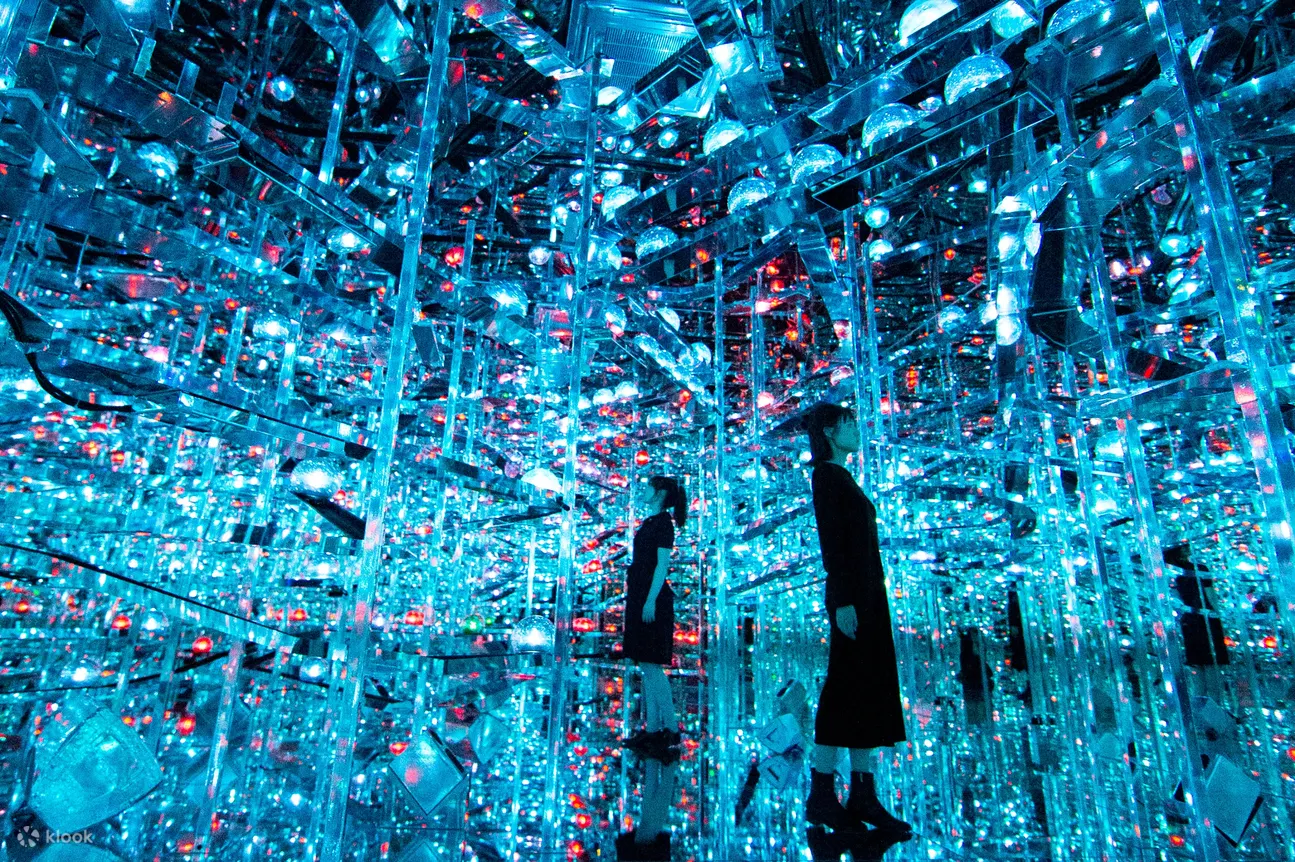
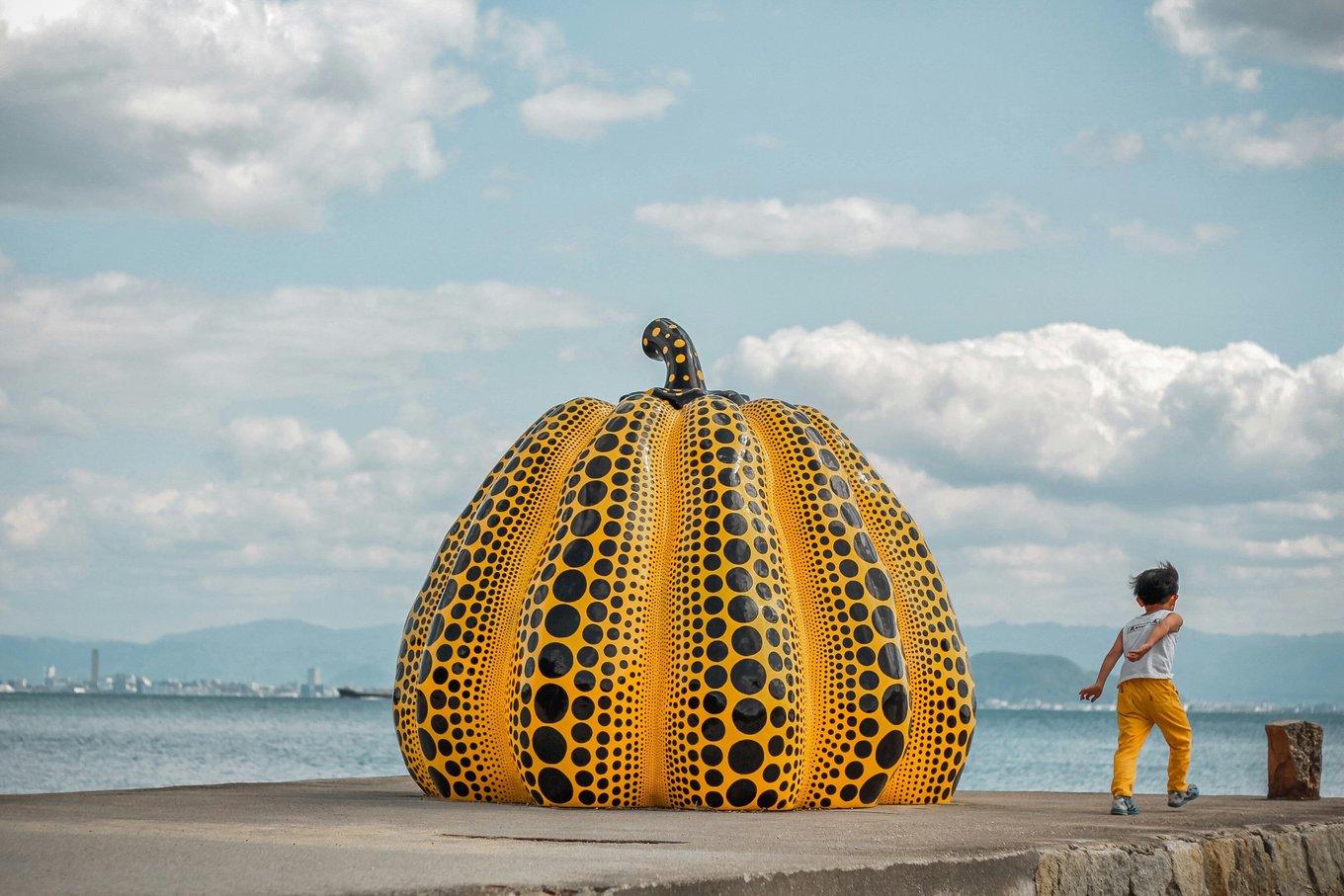
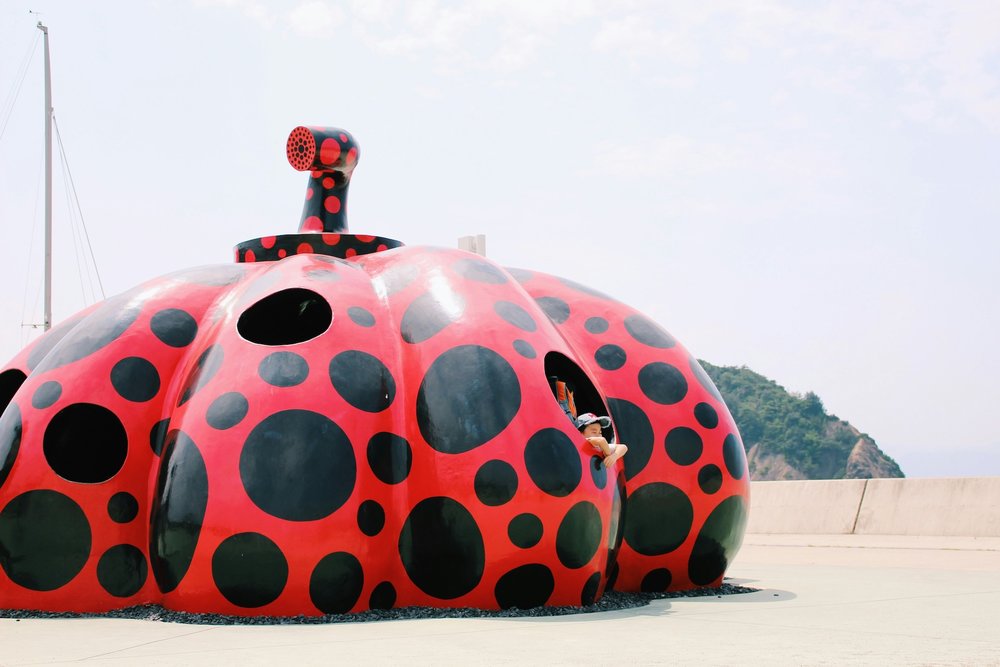
Naoshima has turned itself into a functioning open-air museum, where a giant Yayoi Kusama pumpkin sculpture sits right on the shoreline alongside underground galleries and buildings from some of Japan’s best-known architects.
From Osaka, the fastest route is Shinkansen to Okayama, then a local train to Uno Port, then a short ferry, about two and a half hours door to door. It’s an easy day trip, but an overnight stay lets you see the art at a slower pace once the day-trippers leave.
Jigokudani Monkey Park (Snow Monkey Onsen)
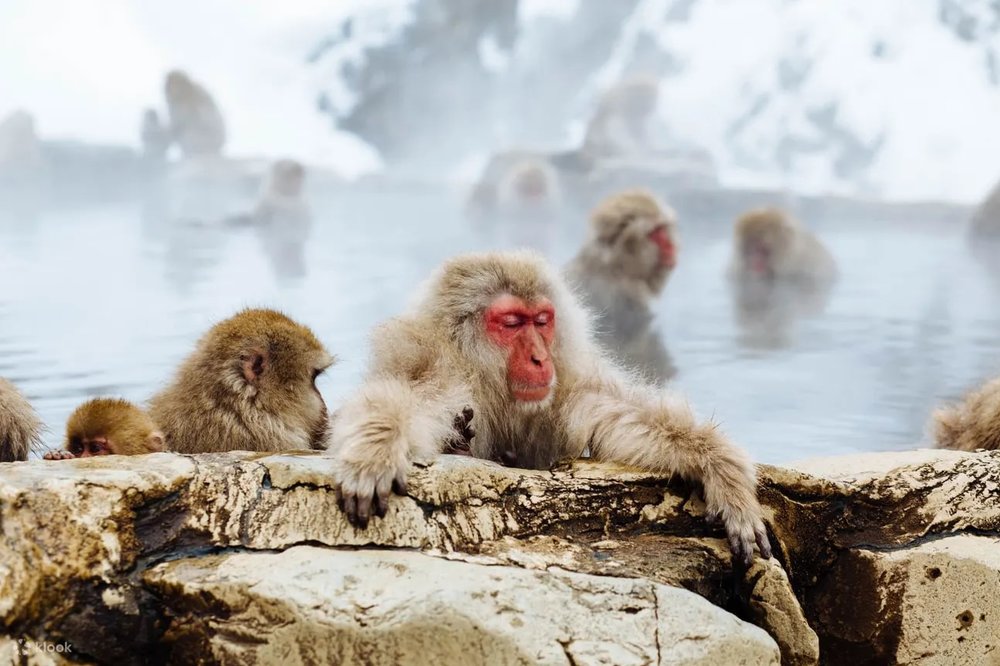
Jigokudani Monkey Park is one of the only places in the world where you can watch wild Japanese macaques choose, on their own, to sit shoulder-deep in a steaming hot spring while snow falls around them.
The monkeys bathe most reliably from December to March, when the cold actually drives them into the water; outside winter, you may spot them nearby but not necessarily in the pool. It’s a popular day tour from Nagano or Tokyo. One Klook traveler who brought their nine-year-old on a snow monkey day trip called it “simply an enjoyable experience”
Tateyama Kurobe Alpine Route
This mountain route is plowed open every spring to reveal the Yuki-no-Otani snow corridor, where the walls of snow on either side of the road reach up to 20 metres, about the height of a six-storey building, before gradually melting down over the following months.
Tateyama Kurobe Alpine Route
📅 Full route open: mid-April through November
❄️ Tallest snow corridor walls: mid-April through about June
🚍 Getting there: cable cars, ropeways, and electric buses across the Northern Japan Alps
A
2-day Tateyama Kurobe Alpine Route bus tour from Osaka is the most straightforward way to see it without renting a car. One Klook reviewer who did a 2-day Osaka/Nagoya tour covering Shirakawa-go, Hida-Takayama, and the Alpine Route wrote that their guide “managed to reach Snow Alpine route by 10:30am with good weather” and called the trip “highly recommended”, a reminder that these multi-stop tours depend on hitting the mountain pass while the weather cooperates.
Unique Japan Rituals You Can Take Part In : Ryokan, Sumo, and Craft Workshops
Japan’s places get the photos, but its rituals are what you can actually do, and most aren’t things you can book outside the country.
A Ryokan Night with Private Bath and Kaiseki
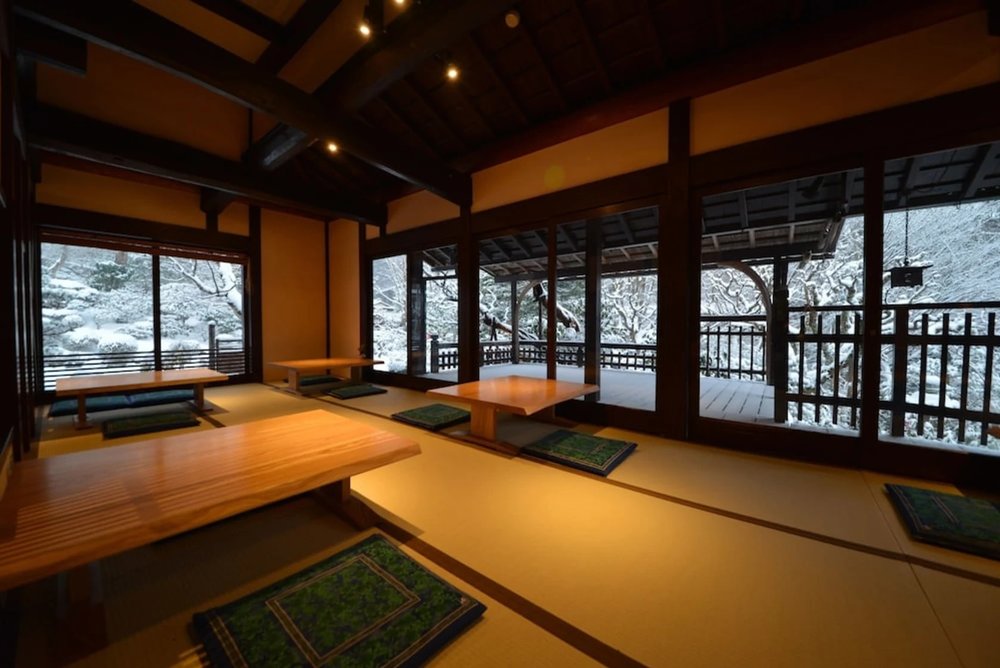
A ryokan isn’t just a hotel with tatami mats, it’s a full evening built around a multi-course kaiseki meal, a private or communal hot-spring bath, and a futon laid out on the floor by staff while you’re at dinner.
A Sumo Tournament or Morning Practice
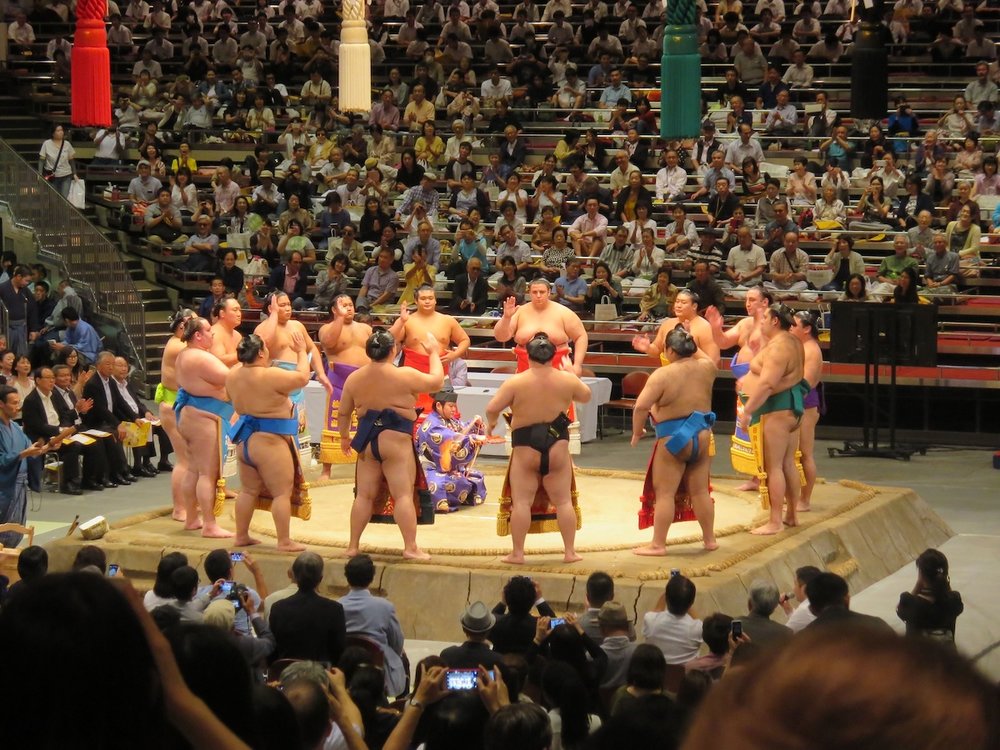
Sumo is Japan’s national sport, and its wrestlers train under rules and rituals going back centuries. You can watch it live in only one country, and only six times a year at tournament level.
Tournament | City | 2026 Dates |
Hatsu (New Year) | Tokyo | Jan 11–25 |
Haru (Spring) | Osaka | Mar 8–22 |
Natsu (Summer) | Tokyo | May 10–24 |
Nagoya | Nagoya | Jul 12–26 |
Aki (Autumn) | Tokyo | Sep 13–27 |
Kyushu | Fukuoka | Nov 8–22 |
Each tournament runs 15 straight days, and tickets are worth booking as soon as dates are announced. Outside tournament season, a
Tokyo Asakusa sumo morning practice photo experience lets you watch wrestlers train up close year-round. One Klook traveler who attended a Tokyo sumo morning practice called it “one of the highlights of our trip to Japan,” adding that “seeing the wrestlers train up close gave us a whole new appreciation for the discipline, strength, and tradition behind the sport.”
A Tea Ceremony or Craft Workshop
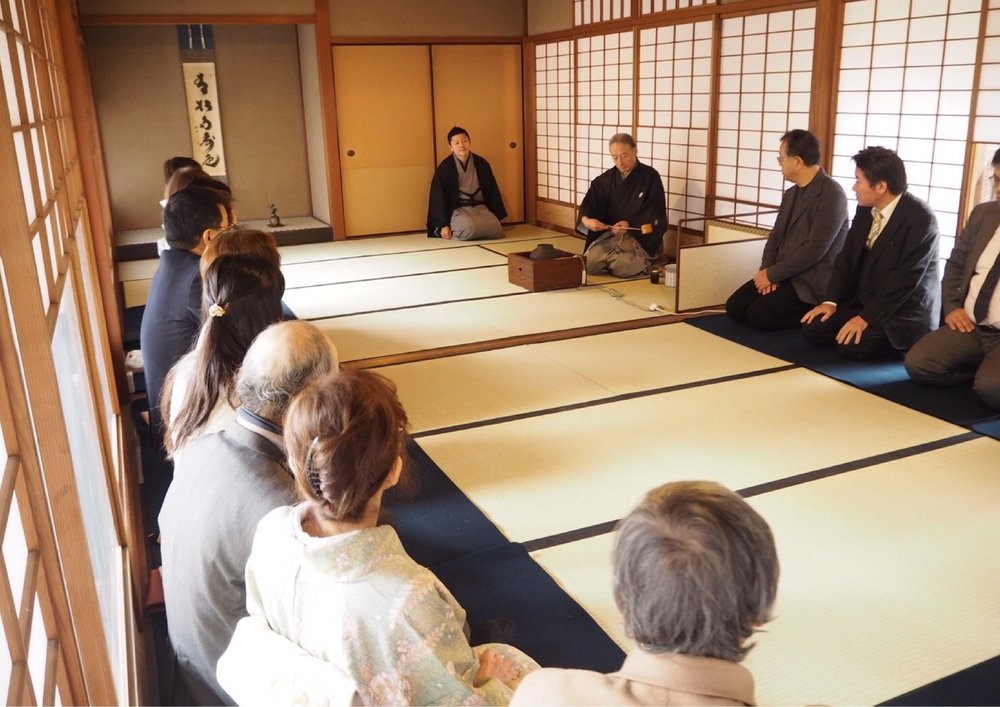
A traditional tea ceremony follows a precise, centuries-old sequence of movements: whisking, pouring, turning the bowl, that’s taught almost nowhere outside Japan in its original form.
Sessions typically run an hour or two and are widely available in Tokyo, Kyoto, and Osaka, often paired with a kimono-wearing experience. Klook travelers consistently describe these as approachable even with zero prior knowledge: one reviewer of a Tokyo tea ceremony called the host “so nice” with a “great sense of humor” who “explained the history of tea ceremonies very well,” while another who combined a kimono and tea ceremony session in Asakusa simply said their instructors “did great.”
Best Departure Points: Osaka and Nagoya for These Trips
Osaka is the natural launch point for Naoshima (via Okayama) and for Alpine Route tours that run as a 1–2 day bus package. Nagoya sits closer to Shirakawa-go and Takayama, and many operators combine Nagoya, Shirakawa-go, and the Tateyama Alpine Route into a single multi-day itinerary rather than requiring separate day trips from Tokyo.
Frequently Asked Questions
What can you do in Japan that you can’t do anywhere else?
You can visit an island where cats outnumber people, walk through a 20-metre snow corridor that only exists for a few months a year, and watch wild monkeys bathe in hot springs in the snow. On the ritual side, Japan is one of the only places where a formal tea ceremony, a ryokan stay with kaiseki and a private bath, or a live sumo tournament are all things a traveler can actually book. Together, these places and rituals are what set a Japan trip apart from a generic city-hopping itinerary.
What are the most unique cultural experiences in Japan?
The most distinct cultural experiences are the ones you actively take part in rather than just observe: a ryokan night with a private bath and kaiseki dinner, a sumo tournament or morning practice session, and a hands-on tea ceremony or craft workshop. Each follows rules and rituals that go back generations and aren’t really replicated outside Japan in their original form.
Where is the cat island in Japan?
The most famous cat island is Tashirojima, off the coast of Ishinomaki City in Miyagi Prefecture, reachable by a roughly one-hour ferry. Cats were originally brought there to protect the island’s silkworm farms from mice, and their descendants now outnumber the human residents by close to four to one.
How do you visit Gunkanjima island?
You can only reach Gunkanjima (Battleship Island) with a licensed tour boat departing from Nagasaki: there’s no independent access. Landings are weather-dependent and get cancelled if wind, wave height, or visibility fall outside safe limits, so it’s worth building a flexible day around the trip rather than a tight schedule.
What is a ryokan and how does staying in one work?
A ryokan is a traditional Japanese inn built around a set evening routine: a multi-course Kaiseki dinner, a hot-spring or private bath, and a futon laid out on your tatami-mat room while you’re at dinner. Rates are usually per person and include both dinner and breakfast, and the best-known ryokan can book out months ahead, so it’s worth reserving as soon as your travel dates are set.
Where can you see the snow monkeys bathing in hot springs?
Jigokudani Monkey Park in Yamanouchi, Nagano Prefecture, is the place to see wild Japanese macaques bathing in a natural hot spring, most reliably between December and March. It’s an easy day trip from Nagano or Tokyo, and one Klook traveler who visited with a nine-year-old described it simply as “an enjoyable experience.”
Can tourists attend a sumo tournament?
Yes, sumo’s six annual grand tournaments are open to the public, with tickets sold in advance for the 15-day event in each city. Tokyo hosts three (January, May, September), and Osaka, Nagoya, and Fukuoka each host one; outside those dates, tourists can still watch wrestlers train at morning practice sessions in Tokyo year-round.
Related Articles
What is Klook?
Klook is a leading pan-regional experiences platform in Asia Pacific, purpose built to digitalize experiences and make them accessible to every traveler.
Our mission is to build the digital infrastructure for the global experience economy — empowering merchants to share their passions and travelers to discover the heartbeat of each destination. We operate a mobile-first, curated platform featuring diverse experiences across global destinations.



![[usxanz] JR Hokkaido Rail Pass](https://res.klook.com/image/upload/fl_lossy.progressive,q_85/c_fill,w_550,h_356/v1727345460/ovsaszuqdz6lsitdqhax.jpg)
![[global] Japan Kid-Friendly Itinerary Blog Cover](https://res.klook.com/image/upload/fl_lossy.progressive,q_85/c_fill,w_550,h_356/v1730430369/jhffwcljditmuftnxgff.jpg)