
Kyoto Itinerary at a Glance
Day | Area | Highlights |
|---|---|---|
Day 1 | Higashiyama & Gion | Kiyomizu-dera Temple, Sannenzaka/Ninenzaka lanes, Gion evening walk |
Day 2 | Fushimi Inari & Southern Kyoto | Fushimi Inari Taisha (early morning), Tofukuji Temple |
Day 3 | Arashiyama & Western Kyoto | Bamboo Forest, Tenryuji Temple, Togetsukyo Bridge |
If you're building a Kyoto travel plan and only have a long weekend to work with, 3 days in Kyoto is actually a solid amount of time to hit the city's biggest highlights without feeling rushed. This Kyoto itinerary groups everything by neighborhood instead of bouncing you across town, so you'll spend less time on trains and more time actually seeing the sights.
Kyoto is doable almost any time of year, though spring (cherry blossoms) and fall (foliage) are the busiest and most photogenic seasons. Summers run hot and humid, and winters are mild but chilly enough for a jacket. Whatever season you land in, this Kyoto 3-day trip is built around three walkable clusters: Higashiyama and Gion for day one, Fushimi Inari and the south for day two, and Arashiyama out west for day three.
Klook Tip: Grab a prepaid IC card (Icoca or Suica) at the airport before you land in Kyoto. It works on buses, trains, and even vending machines, and it'll save you a ton of time fumbling for cash.
Before you map out your days, it helps to get a feel for the city as a whole. Kyoto's top sights range from centuries-old temples to quiet bamboo paths, and this itinerary hits the ones that consistently top every Kyoto bucket list.
Day 1: Higashiyama, Kiyomizu-dera, and Gion
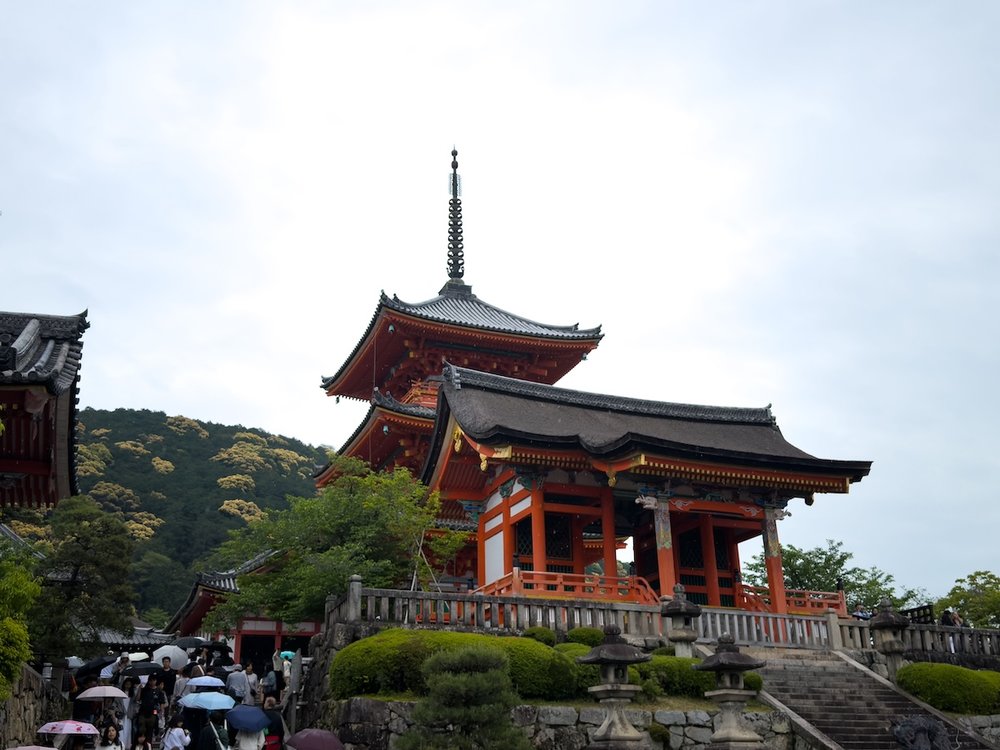
Kiyomizu-dera | Image Credit: Brian Zhang via Pexels
Start easy on your first day, especially if you just got off a long flight. The Higashiyama district is compact, mostly flat to gently sloped, and easy to explore on foot, which makes it the best possible warm-up for a Kyoto temple itinerary. Head straight for Kiyomizu-dera Temple, a wooden hillside temple with a wide viewing terrace that looks out over the city. Try to arrive right when it opens if you want photos without a crowd in every shot.
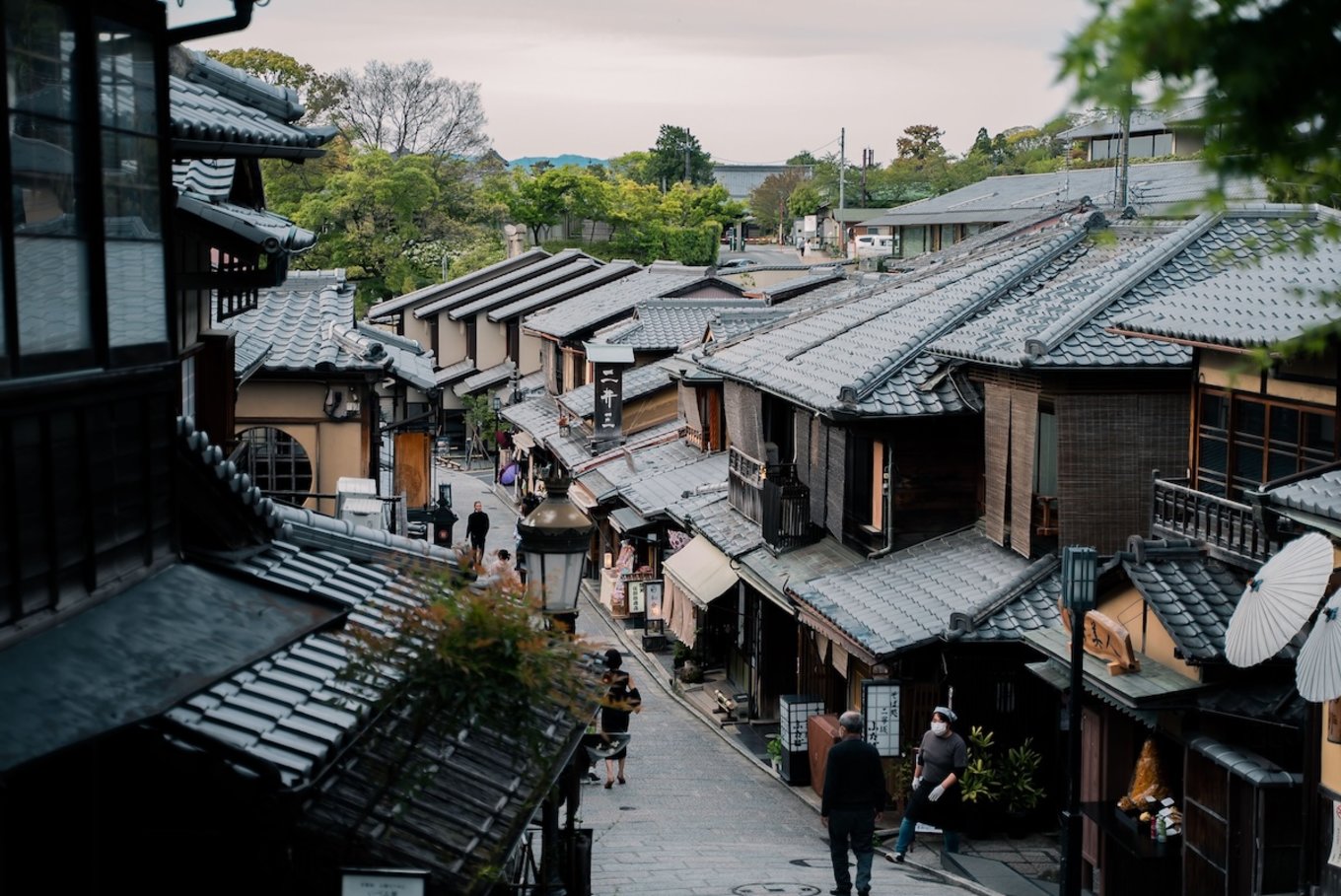
From Kiyomizu-dera, walk down through Sannenzaka and Ninenzaka, the two stone-paved lanes lined with tea shops, pottery stores, and snack stalls selling yatsuhashi (a cinnamon-scented Kyoto sweet made from rice flour). This stretch is short, but budget an hour or two, since it's easy to get pulled into shops along the way.
Save Gion for late afternoon into evening. This is Kyoto's most famous geisha district, and a Gion evening walk down Hanamikoji Street is where you'll get the classic wooden storefronts and lantern-lit alleys you've seen in photos. You might spot a maiko (apprentice geisha) heading to an appointment, but keep a respectful distance and skip the photos if she's clearly on her way somewhere. For a longer list of things to do here, this guide to Gion's top attractions is worth a read before you go.
Cap the night with dinner in one of Gion's side streets or Pontocho Alley, just across the river. Both areas are packed with everything from casual noodle counters to higher-end kaiseki dinners, so there's something for any budget.
Day 2: Fushimi Inari and Southern Kyoto
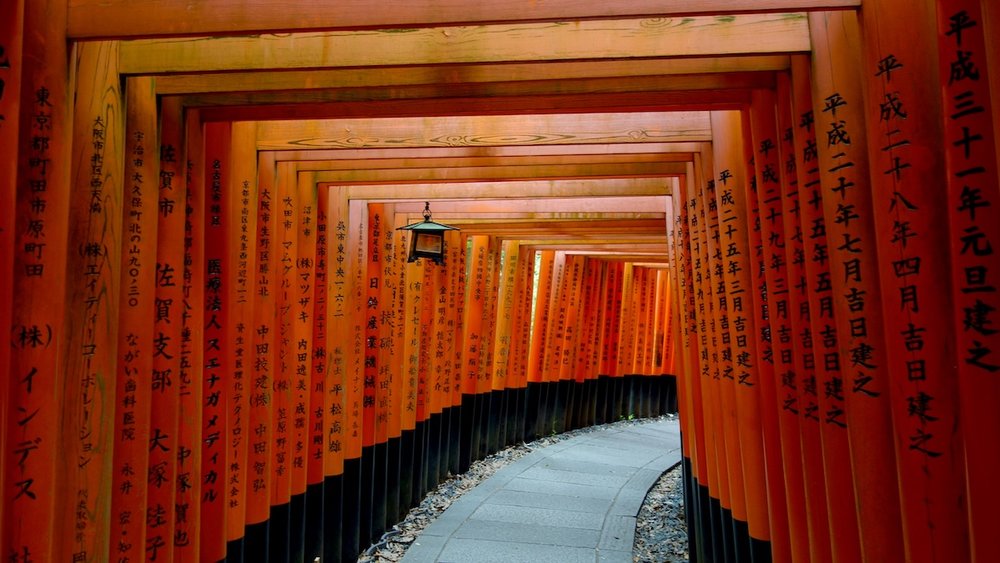
Fushimi Inari | Image Credit: Flora Hon via Unsplash
Day two is all about one iconic spot: Fushimi Inari Taisha. This shrine complex is famous for its thousands of vermilion torii gates, which wind up the forested slope of Mount Inari and form one long, photogenic tunnel. It's free to enter and open 24 hours, which is exactly why you want to get there early.
Aim to arrive by 7 or 8 AM. Fushimi Inari draws huge crowds by mid-morning, and by the afternoon the main gate tunnel can turn into a slow-moving line for photos. Get there at sunrise and you'll have long stretches of the path almost to yourself.
The full hike to the summit and back takes about two to three hours, but you don't need to go all the way up. Most of the best photo spots are within the first 20 to 30 minutes of walking.
Klook Tip: Wear real shoes, not sandals. The path is uneven stone steps the whole way, and it gets steep once you pass the lower viewpoint.
If you don't mind the crowds, check out this Fushimi Inari tour.
This is usually the highlight that people remember most from their 3 days in Kyoto, so give it the time it deserves before rushing off to the next stop. Once you're back down, southern Kyoto has plenty to fill the afternoon.
Tofukuji Temple is a short train ride away and is famous for its dry rock garden and a valley bridge that turns fiery red every November. If temples are your thing, this roundup of Kyoto's temples is a good place to plan the rest of your list. Head back toward central Kyoto for dinner and an early night, since day three has an early start too.
Day 3: Arashiyama and Western Kyoto
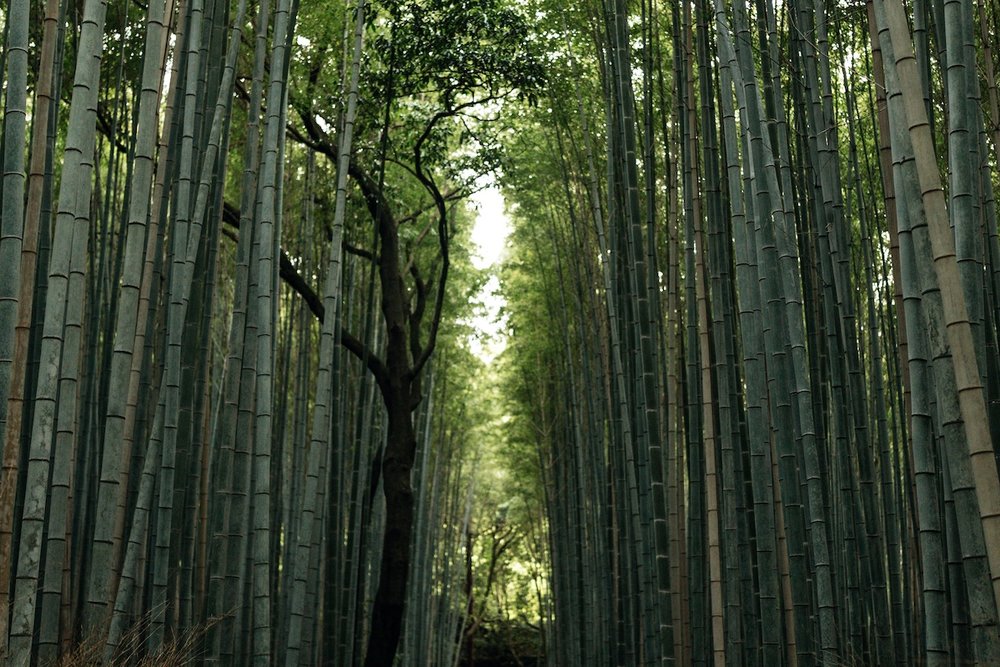
Arashiyama | Image Credit: Faruk Tokluoğlu via Unsplash
Your last day heads west to Arashiyama, a district that's easily worth a half day and, if you have the time, a full one. The main draw is the Arashiyama Bamboo Forest, a narrow path lined with towering bamboo stalks that creak and sway in the wind. It's a short walk, maybe 15 to 20 minutes end to end, so get there right when it opens for the quietest, most peaceful version of it.
Beyond the grove, Arashiyama has enough to fill an entire day if you let it. Tenryuji Temple sits right next to the bamboo path and has one of the best traditional gardens in Kyoto, with a pond and mountain backdrop that changes color with the seasons. The Togetsukyo Bridge crosses the Katsura River nearby and makes for an easy, scenic stroll, especially with the hills glowing red and orange in the fall.
Klook Tip: Rent a small rowboat near Togetsukyo Bridge if the weather's good. It's a low-key, low-cost way to see the river from a totally different angle.
If you want the context and the company, this Arashiyama Bamboo Forest half-day tour walks you through the grove and its surrounding temples with a guide who can point out what to look for and what to skip.
If you've got energy left after lunch, the Iwatayama Monkey Park sits just across the river and involves a short uphill walk for a view over the whole city, plus a few hundred wild snow monkeys roaming the summit. Wrap this up and you've officially closed out 3 days in Kyoto, hitting all three major clusters without doubling back once.
How Many Days Do You Need in Kyoto?
Three days is enough to cover Kyoto's headline sights without turning your trip into a sprint, which is exactly why this Kyoto itinerary is built around three days. If you can add a fourth or fifth day, use it for day trips to Nara (famous for its bowing deer) or Uji (famous for matcha), or just slow down and add a second temple to whichever cluster you loved most.
Getting between the three clusters covered in this Kyoto travel plan (Higashiyama, Fushimi Inari, and Arashiyama) is straightforward by bus or train. Kyoto's city buses connect most major sights directly, and a day pass is worth it if you're hopping around a lot. The JR line is faster for longer hops, like the ride out to Fushimi Inari or Arashiyama, and it's covered by the Japan Rail Pass if you're using one for your wider trip.
FAQs about 3 days in Kyoto
Can you suggest a 3-day itinerary for Kyoto?
Yes. A solid 3-day Kyoto itinerary splits the city into three walkable clusters: Higashiyama, Kiyomizu-dera, and Gion on day one, Fushimi Inari and the surrounding southern temples on day two, and Arashiyama's bamboo grove and gardens on day three.
Is 3 days enough time to see Kyoto?
For the major highlights, yes. Three days covers Kiyomizu-dera, Fushimi Inari, Arashiyama, and Gion comfortably, with room for a couple of extra temples or a slower afternoon if you'd rather not rush.
What should I do on day 1 in Kyoto?
Start at Kiyomizu-dera Temple in the morning, walk down through the Higashiyama lanes for lunch and shopping, then head to Gion in the late afternoon for an evening walk and dinner.
What time should I visit Fushimi Inari to avoid crowds?
Get there by 7 or 8 AM. The shrine is open 24 hours and completely free, so an early start gets you the famous torii gate tunnel with barely anyone else around.
Is Arashiyama worth a half day or a full day?
A half day covers the Bamboo Forest and Tenryuji Temple comfortably. If you add the Togetsukyo Bridge, a boat ride, or the Monkey Park, it's easy to turn Arashiyama into a full day.
Should I see Gion during the day or at night?
Both have their charm, but evening is when Gion really comes alive, with lanterns lit and traditional storefronts glowing along Hanamikoji Street. Daytime is better if you want quieter photos without the dinner crowd.
Ready to Plan Your Trip?
Three days in Kyoto is enough to fall in love with the city, from the wooden terraces of Kiyomizu-dera to the endless orange gates at Fushimi Inari and the quiet green light of Arashiyama's bamboo grove. Book a guided tour for the spots you don't want to navigate solo, pack a good pair of walking shoes, and let this Kyoto itinerary do the planning for you.
Related Guides

What is Klook?
Klook is a leading pan-regional experiences platform in Asia Pacific, purpose built to digitalize experiences and make them accessible to every traveler.
Our mission is to build the digital infrastructure for the global experience economy — empowering merchants to share their passions and travelers to discover the heartbeat of each destination. We operate a mobile-first, curated platform featuring diverse experiences across global destinations.