
The quick answer: the best time to visit Tokyo is spring (late March to April) or autumn (October to November), when the weather is mild and the scenery does most of the work for you. If you'd rather skip the crowds and don't mind some humidity or a few extra layers, summer and winter both have their own upsides too.
Getting familiar with Tokyo's travel seasons really comes down to what matters most on this trip: cherry blossoms, fall foliage, lower prices, or fewer people in your photos. Here's a season-by-season, month-by-month breakdown so you can plan your Japan itinerary around the experience you actually want.
Tokyo Weather by Month: A Quick At-a-Glance Guide
Season | Months | Weather | Crowds & Prices | Best For |
|---|---|---|---|---|
Spring | March–May | Mild, 50–70°F | High (late March–April), moderate rest of spring | Cherry blossoms, comfortable walking |
Rainy season (tsuyu) | June–mid-July | Warm, humid, frequent rain | Low | Fewer tourists, indoor activities |
Summer | June–August | Hot, humid, 80–95°F | Low to moderate | Fireworks festivals, museums, budget travel |
Autumn | September–November | Cool, crisp, 55–70°F | High (November) | Fall foliage, clear skies |
Winter | December–February | Cold but dry, 35–50°F | Low (outside New Year) | Illuminations, lowest prices, sumo season |
Klook Tip: Cherry blossom and autumn leaf season are Tokyo's two busiest, priciest travel windows. Book flights, hotels, and activities like the Meguro River cruise at least two to three months ahead.
Spring in Tokyo (March to May)
You'll quickly see why spring is often called the best time to visit Tokyo. Early March starts mild and a little unpredictable, but by mid-month the city warms up fast, and by late March the sakura (cherry blossoms) take over every park, riverbank, and street corner.
This is one of the most comfortable times to walk around the city, but it's also one of the most crowded and expensive. If you're flexible, book your flights and hotel early, then read on for exactly when to time the blossoms.
Tokyo Cherry Blossom Season (Late March to Early April)
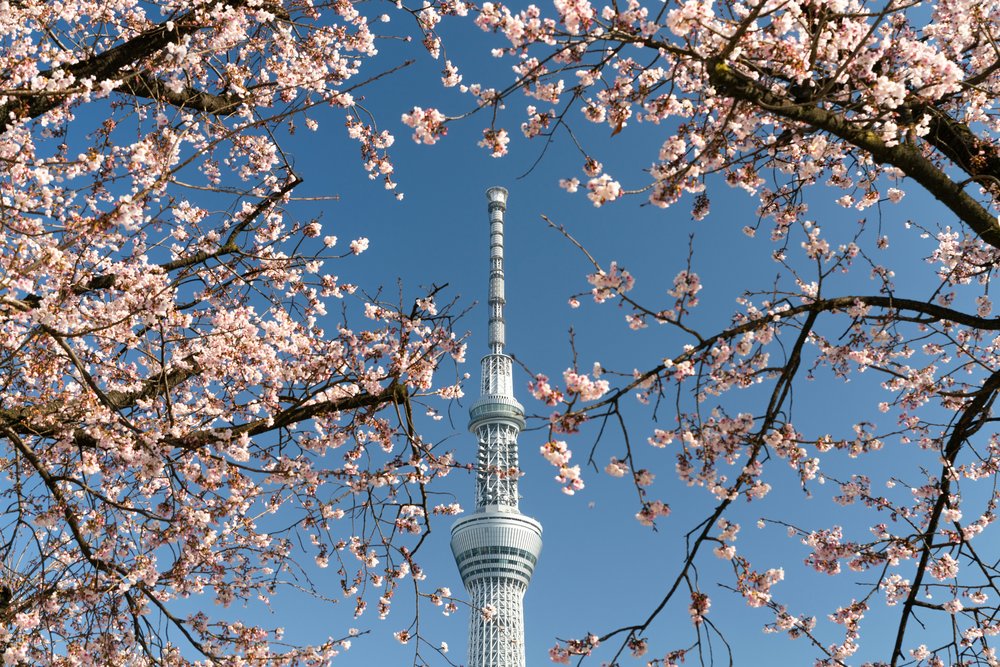
Spring in Tokyo | Ryoji Iwata via Unsplash
Tokyo's cherry blossom season usually peaks somewhere between the last week of March and the first week of April, though it shifts a few days year to year depending on the weather. Some of the best spots to catch it are Chidorigafuchi Moat, where the trees form a canopy over the water, and Ueno Park, which is worth visiting for the blossoms and stays a solid pick the rest of the year too.
For something a little different, Meguro River lights up at night during peak bloom, with lanterns strung along both banks. For a full spot-by-spot breakdown, our Tokyo cherry blossom guide covers timing, viewing spots, and picnic tips in more detail.
Tokyo in Summer (June to August)
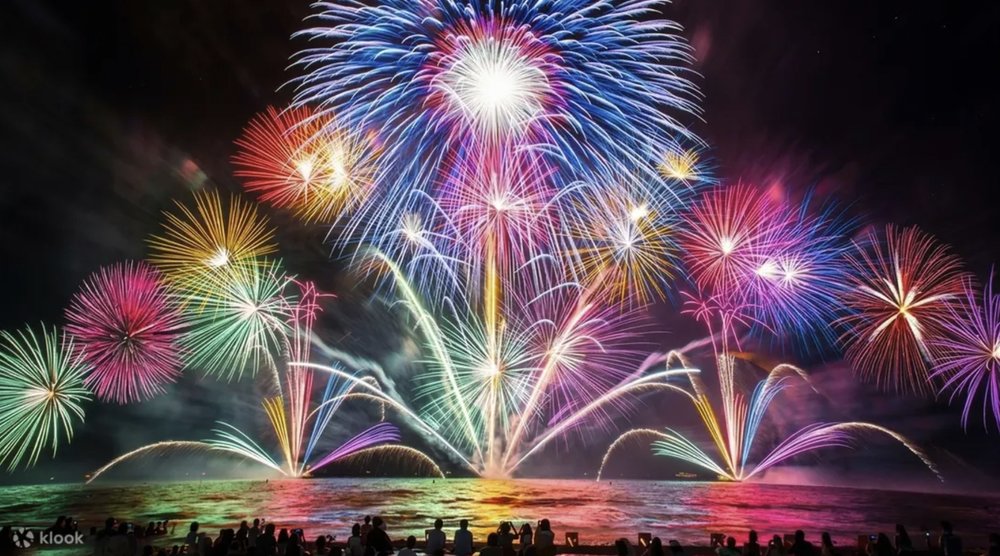
Fireworks boat cruise in Tokyo | Image Credit: Ryoji Iwata via Unsplash
Tokyo in summer is hot, sticky, and honestly not for everyone: expect highs in the upper 80s to mid-90s with humidity that makes it feel even hotter. The upside is that most tourists skip this window entirely, so you'll find museums, temples, and popular neighborhoods noticeably calmer.
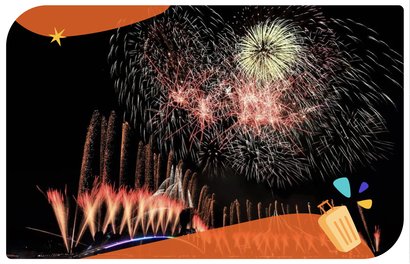
Summer also happens to be festival and fireworks season. Rivers and bays across the city host massive fireworks shows through July and August, and watching one from the water beats fighting the riverside crowds on foot. A fireworks boat cruise pairs the show with a proper sukiyaki dinner, which is a nice way to spend a hot summer evening without standing in the heat all night.
Tokyo's Rainy Season (Tsuyu): June to Mid-July
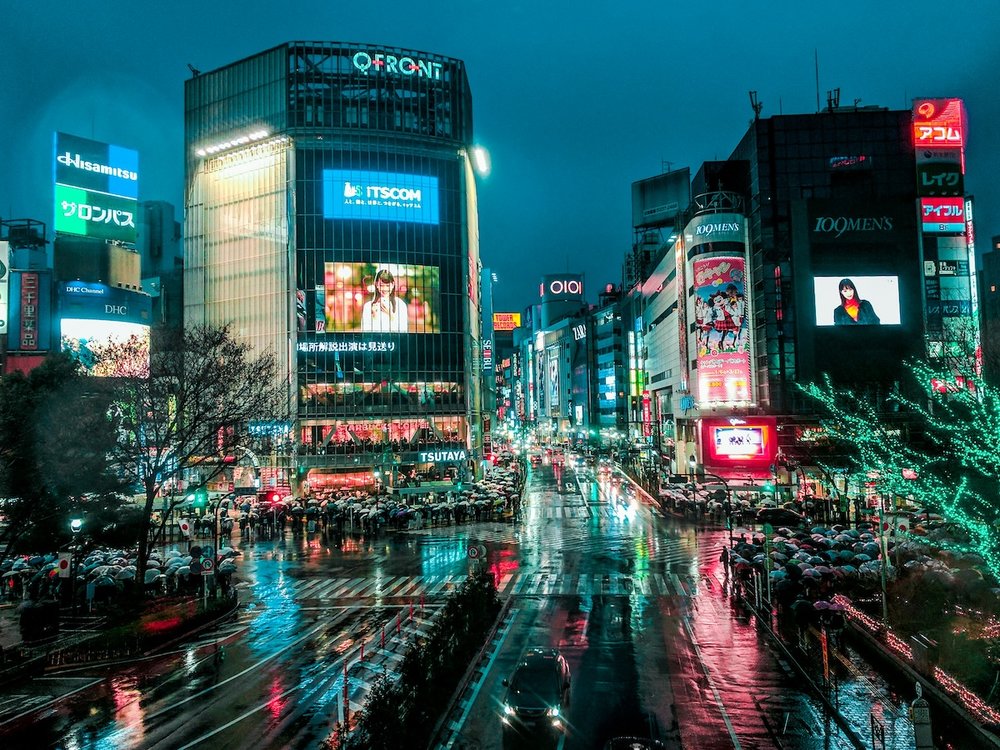
Rainy season in Tokyo | Image Credit: Ling Tang via Unsplash
Tokyo's rainy season, known locally as tsuyu, usually runs from early June to around mid-July. It's not a downpour every single day, but expect frequent rain, high humidity, and gray skies more often than not.
This stretch is one of the cheapest and least crowded times to visit, so if you don't mind packing a light rain jacket and planning a few indoor backup activities, it's a solid trade-off for lower hotel prices and shorter lines.
Autumn in Tokyo (September to November)
September still runs warm, but by October the humidity drops off and the air turns crisp and comfortable. This is genuinely one of the easiest seasons to sightsee in: clear skies, cool temperatures, and none of summer's stickiness.
It's also a quieter build-up to the main event. September and October are good months to explore neighborhoods on foot before November's peak foliage crowds arrive.
Tokyo Autumn Leaves Season (November)
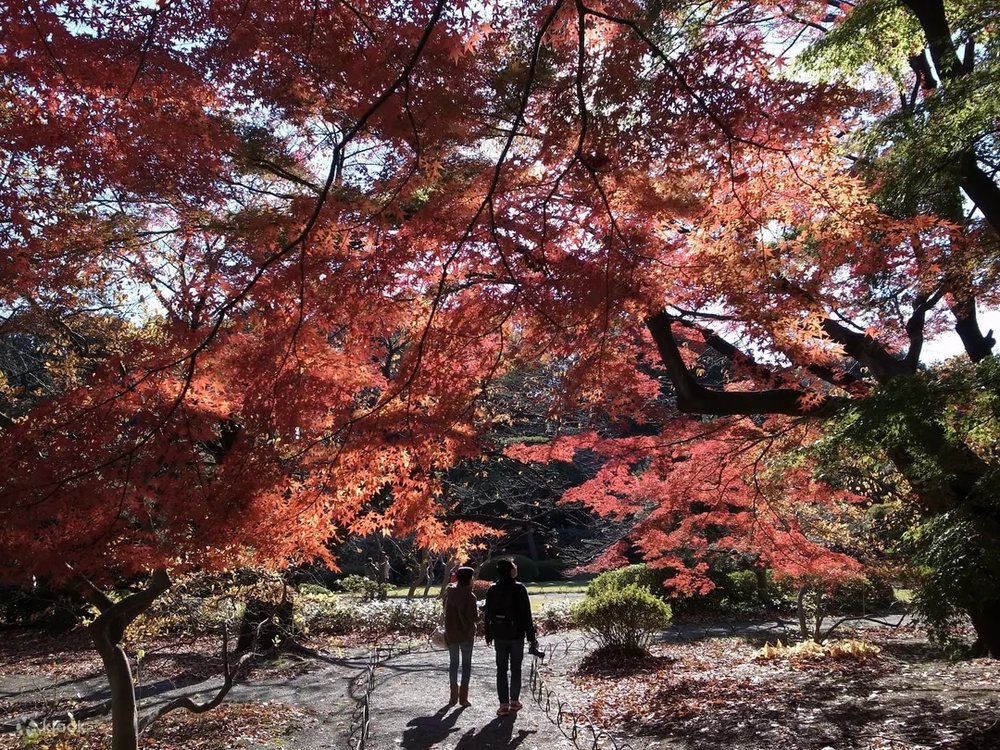
Shinjuku Gyoen National Garden
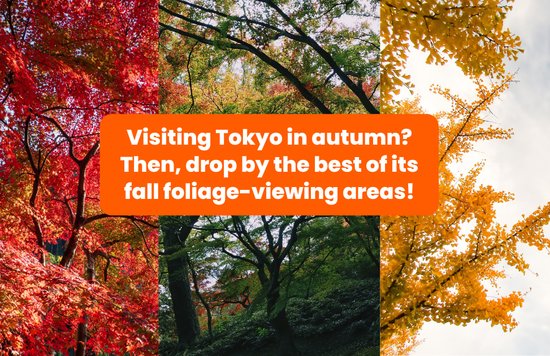
Tokyo's autumn leaves, or koyo, typically peak in late November, a few weeks later than most of Japan since the city sits at a lower elevation. Shinjuku Gyoen National Garden is one of the best places to see it, with maples and gingko trees spread across a huge, easy-to-walk park.
If you want the classic postcard shot, Mount Fuji with autumn color in the foreground is hard to beat. A Mount Fuji autumn day tour takes you out of the city so you can see both in one trip.
Tokyo in Winter (December to February)
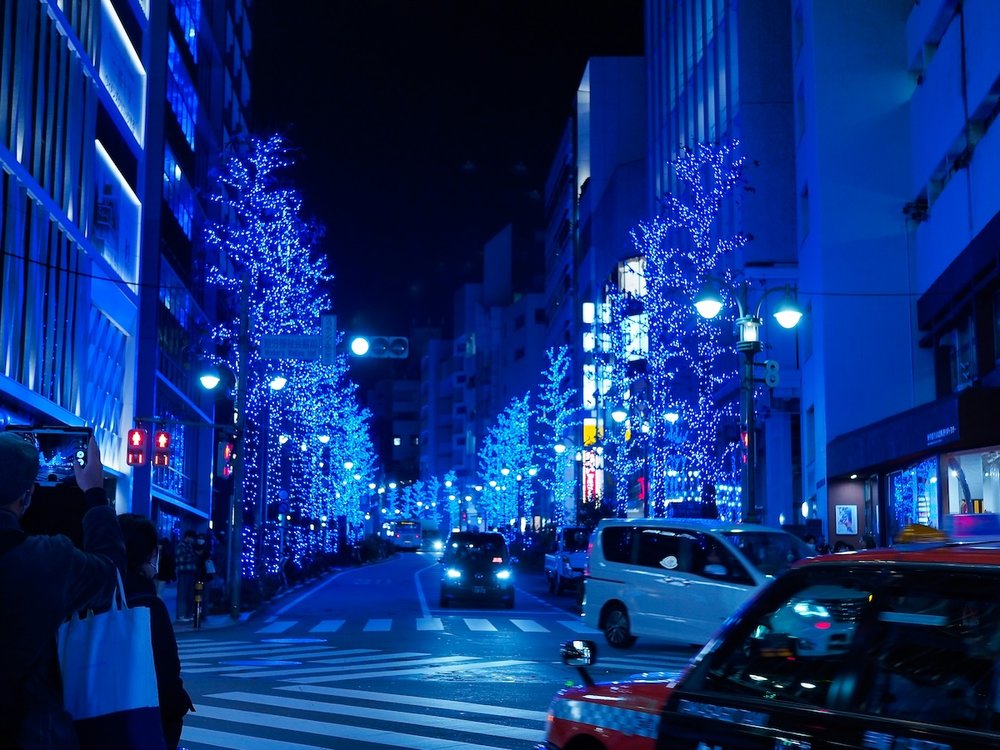
Tokyo in Winter | Image Credit: Yuika Takamura via Unsplash
Tokyo in winter is cold but usually dry, with clear blue skies and highs in the 40s (Fahrenheit). It's a real trade-off: less comfortable outdoor time, but also the lowest prices and thinnest crowds of the whole year, aside from the New Year's rush in the first few days of January.
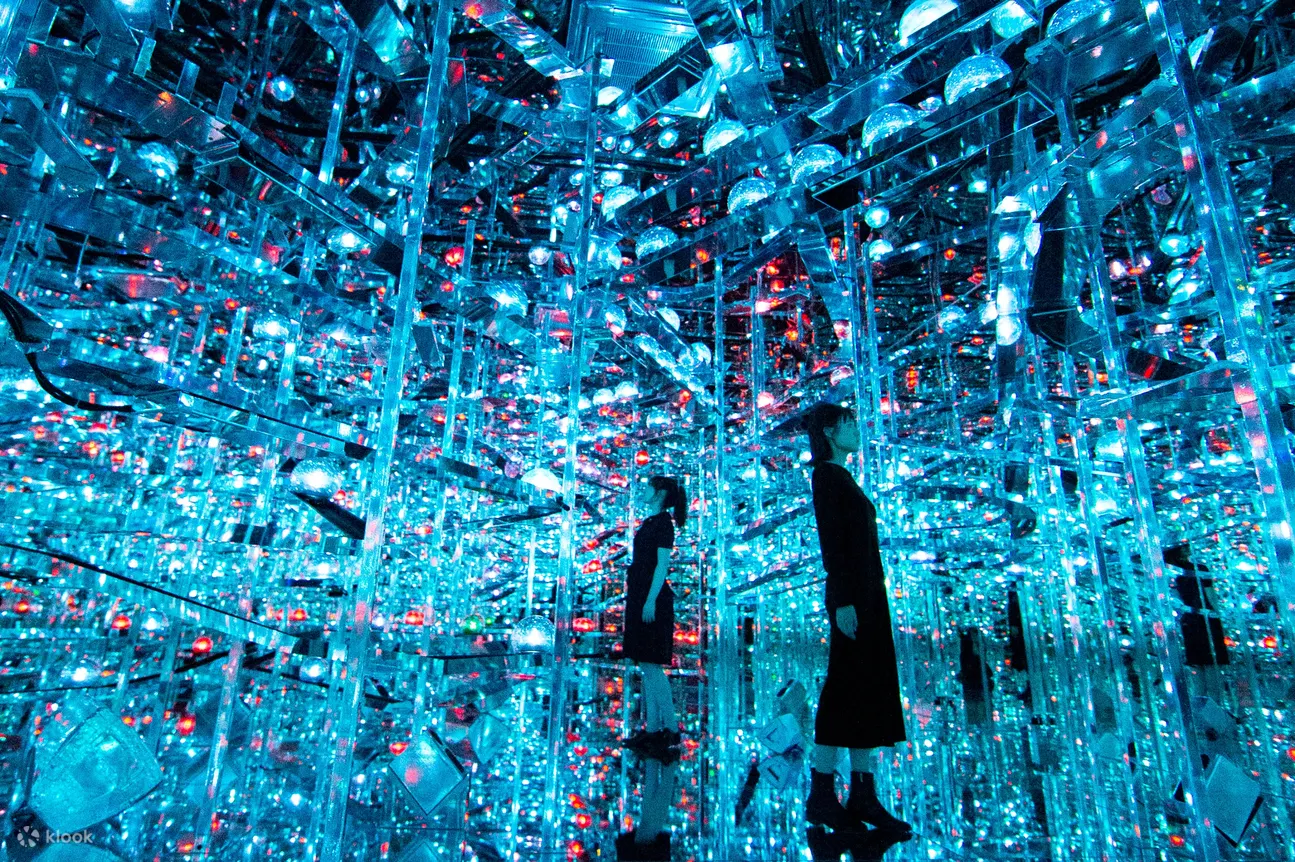
Winter is also when Tokyo lights up. Illuminations take over shopping streets and gardens from November through February, and a few spots pair the lights with something more offbeat.
When to Avoid Tokyo Crowds
If you're trying to figure out when to avoid Tokyo crowds, steer clear of three windows: late March through early April (cherry blossoms), most of November (autumn leaves), and Golden Week, a string of national holidays that runs from late April into early May. New Year's, from around December 29 to January 3, is also packed since many Japanese travelers head home or take short trips during that stretch.
For the calmest sightseeing, aim for late January through February, or the rainy season in June. Both come with fewer tourists and noticeably better hotel rates.
Tokyo Festivals and Events by Month
Sanja Matsuri fills Asakusa's streets with portable shrines every May. | Photo via Wikimedia Commons
Here's a quick reference for what's happening throughout the year:
- January: New Year's temple visits, sumo tournament season begins
- March–April: Cherry blossom festivals and hanami picnics citywide
- May: Sanja Matsuri in Asakusa, one of Tokyo's largest and rowdiest festivals
- July–August: Summer fireworks festivals along the Sumida River and Tokyo Bay
- November: Peak autumn foliage and illumination kickoffs
- December–February: Winter illuminations and holiday markets across the city
FAQs About the Best Time to Visit Tokyo
1. What is the best month to visit Tokyo?
Late March through early April is the top pick if you want cherry blossoms, while late October to mid-November is just as strong for cooler weather and fall color.
2. Is Tokyo hot in summer?
Yes. Summer highs typically run from the upper 80s to mid-90s Fahrenheit, with heavy humidity that makes it feel hotter than the number on the thermometer.
3. When is cherry blossom season in Tokyo?
Cherry blossoms usually peak between the last week of March and the first week of April, though the exact dates shift slightly each year.
4. Is Tokyo good to visit in winter?
Winter works well if you don't mind cold, dry days. You'll get thinner crowds, lower hotel prices, and some of the best illuminations of the year.
5. When is the rainy season in Tokyo?
Tokyo's rainy season, tsuyu, runs from early June to around mid-July, bringing frequent rain and high humidity.
6. What month has the least crowds in Tokyo?
February is typically the quietest month, followed closely by parts of the rainy season in June.
No Matter When You Go, Tokyo Has Something for You
There's no single best time to visit Tokyo, just the season that matches what you're after. Pick your priority (blossoms, foliage, budget, or breathing room), then start browsing Tokyo tours and experiences on Klook to build the rest of your trip around it.
What is Klook?
Klook is a leading pan-regional experiences platform in Asia Pacific, purpose built to digitalize experiences and make them accessible to every traveler.
Our mission is to build the digital infrastructure for the global experience economy — empowering merchants to share their passions and travelers to discover the heartbeat of each destination. We operate a mobile-first, curated platform featuring diverse experiences across global destinations.