

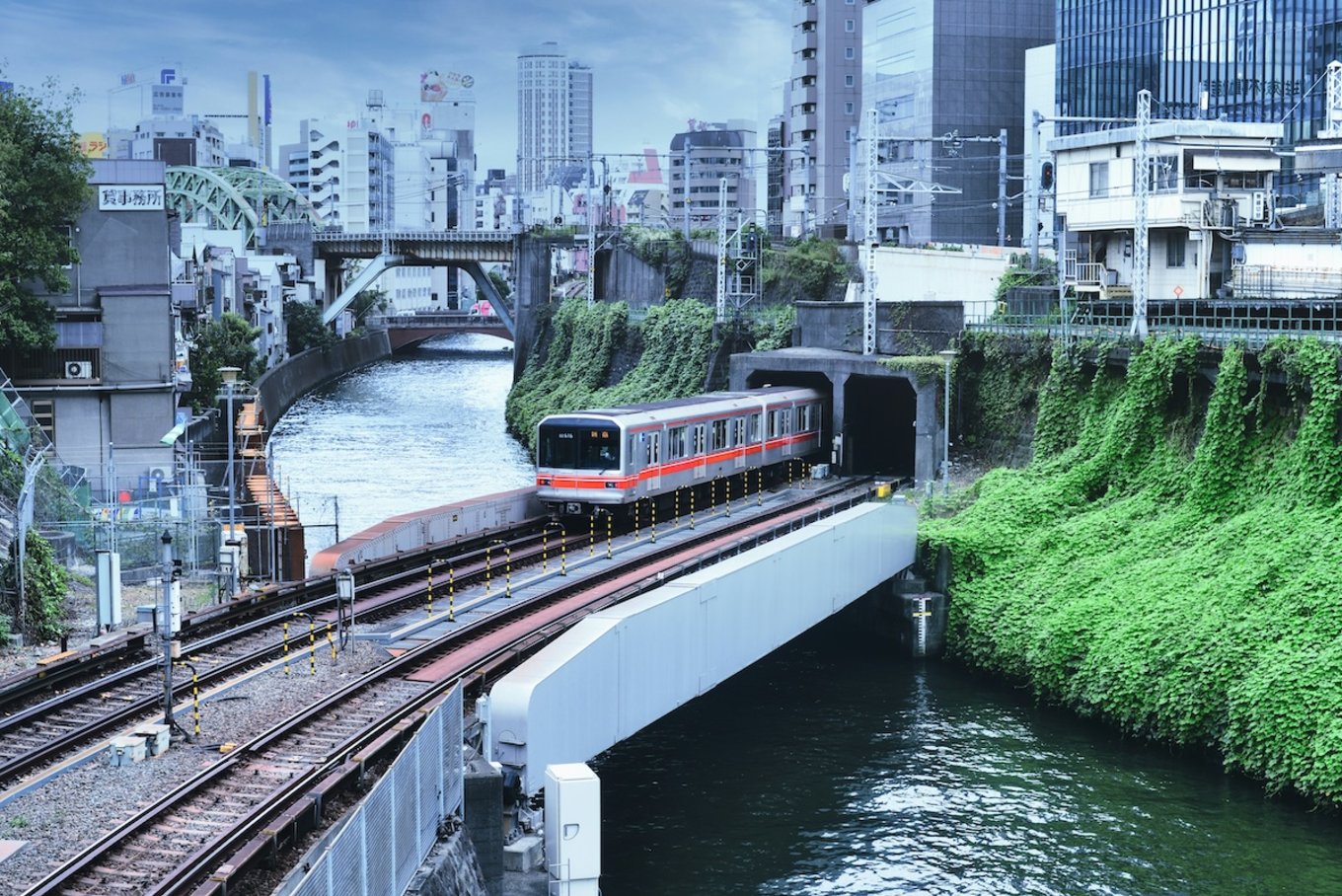
Getting around Tokyo can feel like a puzzle the first time you look at a subway map covered in colored lines and station names in two scripts. The good news: once you know which train, IC card, or bus fits your day, the city's transportation system turns from confusing into genuinely easy to use. Tokyo's rail network is often held up as the gold standard for public transport in Japan, and once you get the hang of it, you'll wonder why every city doesn't work this way.
This guide breaks down every way to get around Tokyo: the JR Yamanote Line, IC cards, buses, and taxis, so you spend less time studying a map and more time out seeing the city.
At a Glance: Which Way to Get Around Tokyo
Mode | Best For | Typical Cost | Good to Know |
|---|---|---|---|
Subway / Tokyo Metro | Central sightseeing | About 1.50–2.50 per ride | Covers nearly every major tourist spot |
JR Yamanote Line | Looping between big hub stations | About 1.30–2.00 per ride | Easiest line for first-timers |
Bus | Routes trains don't reach | Flat fare, around $1.50 | Handy near temples and waterfront areas |
Taxi | Late nights, luggage, small groups | $4+ flag-down, rises fast | Convenient but the priciest option |
Walking | One neighborhood at a time | Free | Best way to see Asakusa or Shibuya up close |
Which Way Should You Get Around Tokyo?
For most sightseeing days, the subway and JR trains get you everywhere you need to go. The Tokyo public transport network is dense enough that you're rarely more than a short walk from a station, and trains run so often that a few minutes is the usual wait.
Buses come in handy on routes the trains skip, like reaching a specific temple or a stretch of waterfront with no station nearby. Once you're already in a neighborhood like Asakusa or Shibuya, walking is often the fastest and most enjoyable way to cover the last stretch between sights.
The JR Yamanote Line and Tokyo Metro: Your Tokyo Subway Map Cheat Sheet
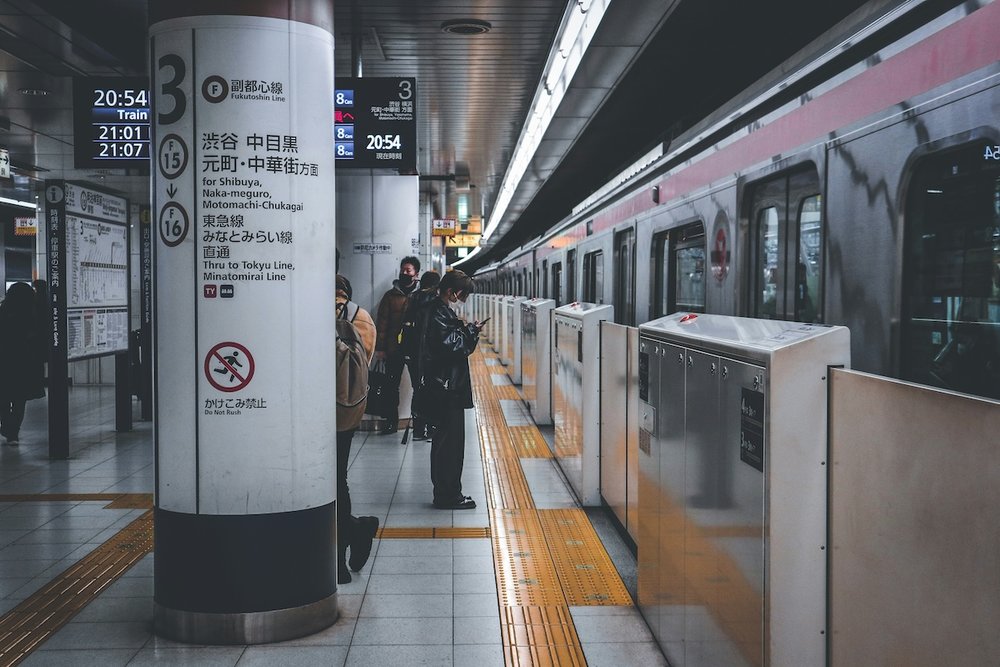
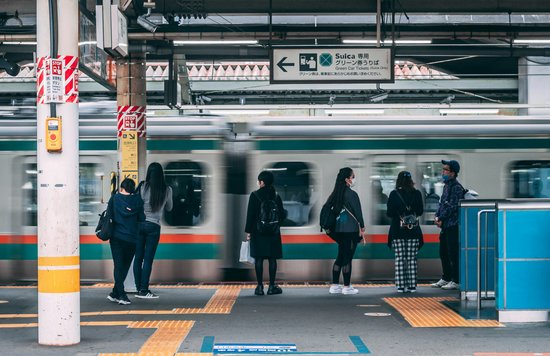
Tokyo metro | Image Credit: BREAKIFY via Unsplash
The JR Yamanote Line is the loop that ties Tokyo together. It circles past Shinjuku, Shibuya, Ueno, and Tokyo Station, so if you're not sure which train to take, there's a decent chance a Yamanote train gets you close.
Underneath the JR lines sits Tokyo's subway network, split between Tokyo Metro and Toei Subway. A Tokyo subway map can look overwhelming at first glance, with more than a dozen color-coded lines crossing the city, but station signs list line colors and numbers in English, so it reads easier in person than it does on paper.
If you want a deeper Tokyo train guide before your trip, this rundown of train travel in Tokyo walks through ticket machines, platform signs, and how to dodge the worst of rush hour. Once you've got the trains down, day trips outside the city get a lot easier too. For ideas on where the rails can take you, check out day trips by train.
Suica, Pasmo, and Tokyo IC Cards vs. Day Passes
A Suica card (or its twin, Pasmo) is the easiest way to handle getting around Tokyo without thinking about fares. Tap in, tap out, and the correct fare gets deducted automatically on the subway, a JR train, or a bus.
Day passes make more sense if you're planning several rides in a single day, especially across multiple lines. The Greater Tokyo Pass covers a wide range of trains and buses across the city and nearby areas, which can work out cheaper than paying per ride if you're moving around all day.
For a tighter focus on central sightseeing, The Tokyo Pass is worth comparing against your planned route. Run the math on how many rides you'll actually take. If it's fewer than five or six, a plain IC card on pay-as-you-go is usually the cheaper call.
Tokyo Buses: When to Use Them
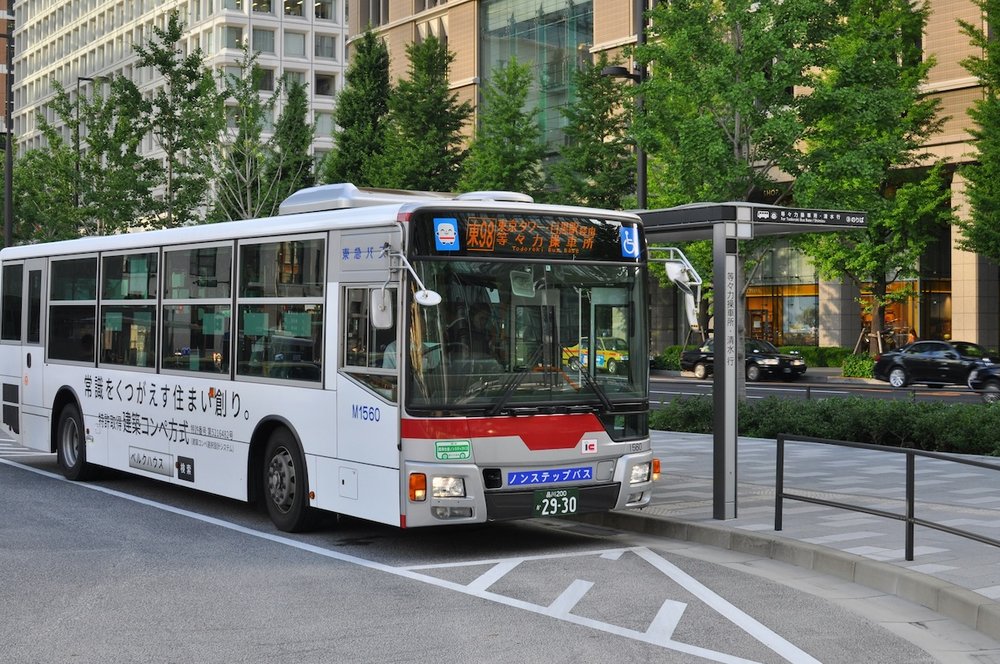
Tokyo Bus | Image Credit: Abdur Ahmanus via Unsplash
The Tokyo bus system fills in the gaps left by the trains, and it's worth knowing about even if you use it just once. Routes near temples, parks, and waterfront areas like Odaiba often run better by bus than by rail.
Board at the front, pay with your IC card or exact change, and check the display for your stop name in English. Buses in central Tokyo run on a flat fare, so there's no fare table to work out ahead of time.
Taxis in Tokyo: When They're Worth the Cost
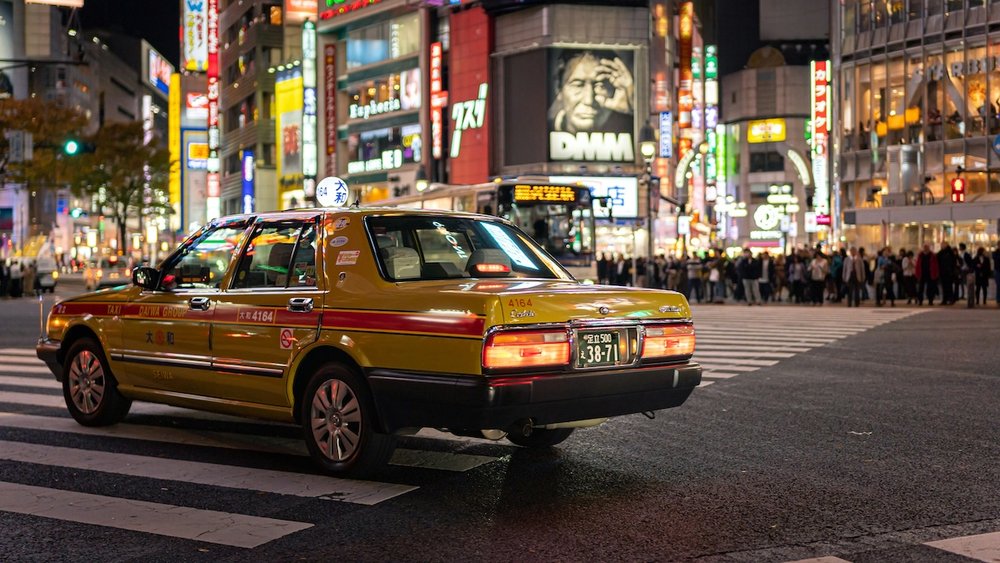
Tokyo taxi | Image Credit: Grzegorz Kaliciak via Unsplash
A Tokyo taxi costs more than the train, but it earns its price late at night once the trains stop running, usually around midnight. It's also the easier call with heavy luggage or a small group splitting the fare.
Drivers rarely speak much English, so have your destination written out or saved on your phone. Doors open and close automatically, so let the driver handle that part instead of reaching for the handle yourself.
Navigating Transfers at Tokyo's Biggest Stations
Big stations are where getting around Tokyo gets a little more complicated, mainly because a handful of them are practically cities in their own right. Shinjuku Station alone has over 200 exits and regularly ranks as the busiest station on the planet.
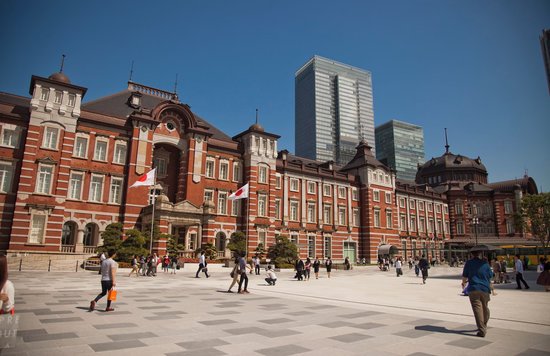
Shibuya Station and Ueno Station are smaller than Shinjuku, but still stack multiple train companies on top of each other, so give yourself extra time when switching lines. Tokyo Station follows the same pattern: it links the JR network with the Shinkansen, so budget a few extra minutes any time your route runs through it.
Follow the colored signs toward your line rather than hunting for a specific exit number, since exits change more often than line colors do. Google Maps and transit apps do the transfer logic for you, so you can just check which platform to head to next.
Rush Hour Timing and Other Tokyo Transportation Tips
Rush hour in Tokyo runs roughly 7:30 to 9:30 AM and again from 5:30 to 7:30 PM, and trains during those windows pack in tight enough that station staff sometimes help push doors closed. If your schedule allows it, shift your rides outside those windows and the whole day gets more comfortable.
Klook Tip: Load extra fare onto your IC card before rush hour hits so you can tap through the gate and go, instead of stopping at a machine in a crowded station.
One more of the simplest Tokyo transportation tips: staying near a major line cuts your daily commute down by a lot.
FAQs about Getting Around Tokyo
How do I get around Tokyo as a tourist?
Use the subway and JR trains for most sightseeing, hop on a bus for routes the trains don't cover, and walk within neighborhoods like Asakusa or Shibuya. A Suica or Pasmo card handles fares across all of them.
Should I get a Suica or Pasmo card?
Either works exactly the same way on every train, subway, and bus in Tokyo. Grab whichever one is available when you arrive; there's no real difference for visitors.
Is the Tokyo subway easy to navigate for first-time visitors?
Yes, once you get past the first look at the map. Station signs are in English, transit apps handle transfers, and the Yamanote Line loop makes it easy to reorient if you get turned around.
Is a Tokyo transit pass worth it, or is pay-as-you-go cheaper?
It depends on how many rides you'll actually take in a day. If you're moving around constantly, a pass usually saves money; for a lighter schedule, a plain IC card tends to work out cheaper.
How do I transfer between JR and subway lines?
JR and the subway are run by different companies, so you may need to exit through the fare gates and tap back in on the other system. Your IC card handles the fare calculation either way.
Are taxis in Tokyo expensive compared to trains?
Yes, noticeably. Taxis make the most sense late at night, with heavy luggage, or when splitting a fare among a small group; for everyday sightseeing, the trains are the cheaper and often faster option.
Ready to Get Moving?
Once you've got your IC card loaded and a rough sense of the Yamanote loop, getting around Tokyo stops feeling like a challenge and starts feeling like part of the trip. Sort your transit pass before you land, and the rest of your Tokyo itinerary falls into place a lot faster.
Related Guides


What is Klook?
Klook is a leading pan-regional experiences platform in Asia Pacific, purpose built to digitalize experiences and make them accessible to every traveler.
Our mission is to build the digital infrastructure for the global experience economy — empowering merchants to share their passions and travelers to discover the heartbeat of each destination. We operate a mobile-first, curated platform featuring diverse experiences across global destinations.