Tokyo museums cover a lot more ground than most first-time visitors expect. In one trip you can walk through 400 years of samurai history, stand barefoot in a room full of glowing orchids, and watch a hand-built Edo-period village come to life with sound and light.
This Tokyo museum guide picks nine spots that make the most of that range, split by theme so you can plan around whatever you're into. Before we get into it, here's a quick snapshot of what you're working with:
Museum | Entry fee (adult) | Location |
Tokyo National Museum | ¥1,000 (~US$6) | Ueno Park |
Fukagawa Edo Museum | ¥400 (~US$2.50) | Koto, near Kiyosumi-Shirakawa |
Tokyo Metropolitan Teien Art Museum | ¥1,000–1,400 (~US$6–9), varies by exhibition | Meguro / Shirokanedai |
Art Aquarium Museum Ginza | ¥2,300–2,700 (~US$14–17) | Ginza Mitsukoshi |
teamLab Planets | ¥3,600–4,200 (~US$22–26), seasonal | Toyosu |
Ghibli Museum | ¥1,000 (~US$6) | Mitaka |
Small Worlds Tokyo | ¥2,700 (~US$17) | Ariake |
National Museum of Nature and Science | ¥630 (~US$4) | Ueno Park |
Konica Minolta Planetaria Tokyo | ¥1,600–1,900 (~US$10–12) | Yurakucho |
Ready to plan your route around
Tokyo? Let's get into it.
History museums in Tokyo
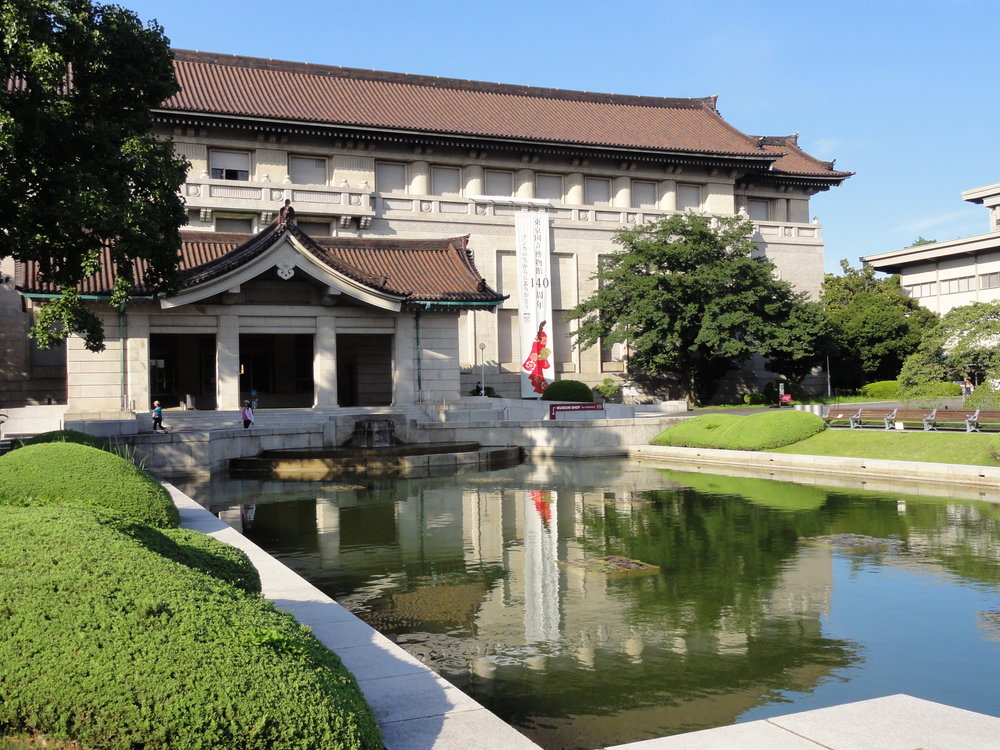
📌 Tokyo National Museum
The
Tokyo National Museum is the oldest and largest museum in Japan, and it's the closest thing to a one-stop tour of the country's art history. Its five buildings hold more than 120,000 objects, including National Treasure swords, samurai armor, and Buddhist sculpture spanning centuries. If you only have time for one history stop on this list, make it this one.
Galleries rotate often enough that if you visit again, it doesn't feel repetitive, and the grounds themselves, set among
Ueno Park's gardens, are worth the walk before you even reach the entrance.
Tips for visiting Tokyo National Museum
Start at the Honkan (main building), then move to the Toyokan for Asian art if you have time left
Go on a Friday or Saturday for extended evening hours and smaller crowds
Wear comfortable shoes; the walk between buildings adds up
💴Entry fee: ¥1,000 (~US$6) for adults; free for visitors under 18 and over 70
🕓Opening hours: 9:30am–5pm daily (until 8pm Fri & Sat), closed Mondays
🚆How to get there: 10-minute walk from Ueno Station's Park Exit (JR lines, Ginza/Hibiya Metro lines)
📌 Fukagawa Edo Museum
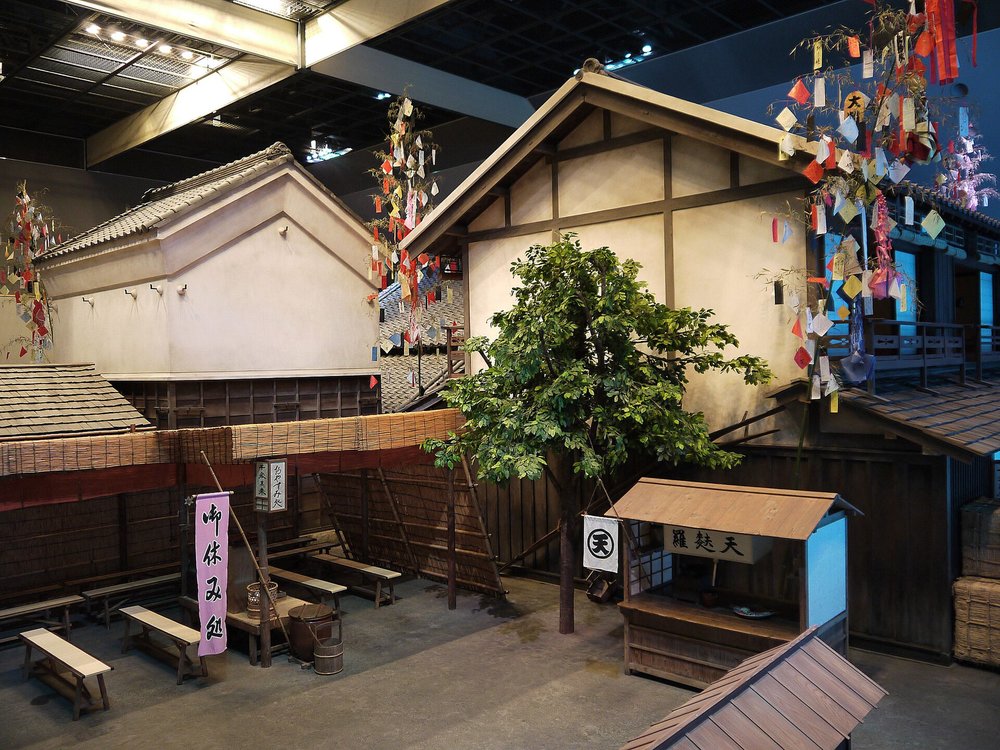
For a smaller, more hands-on look at old Tokyo, head to the
Fukagawa Edo Museum in Koto. Instead of artifacts behind glass, this museum recreates an entire Edo-period neighborhood indoors, complete with a rice shop, a boatman's room, and a rooftop cat that never seems to move.
It's small, so most visitors are done in about an hour, but the volunteer guides on-site are known for stopping to explain details you'd otherwise miss!
Tips for visiting Edo Museum
Take your shoes off before entering the recreated buildings; there's a rule board at the entrance
Combine your visit with Kiyosumi Gardens for a small discount on both admissions
Budget 45 minutes to an hour; it's a small museum built for a focused visit
💴Entry fee: ¥400 (~US$2.50) for adults
🕓Opening hours: 9:30am–5pm daily, closed the 2nd and 4th Monday of each month
🚆How to get there: 3-minute walk from Kiyosumi-Shirakawa Station (Oedo & Hanzomon lines)
Art museums in Tokyo
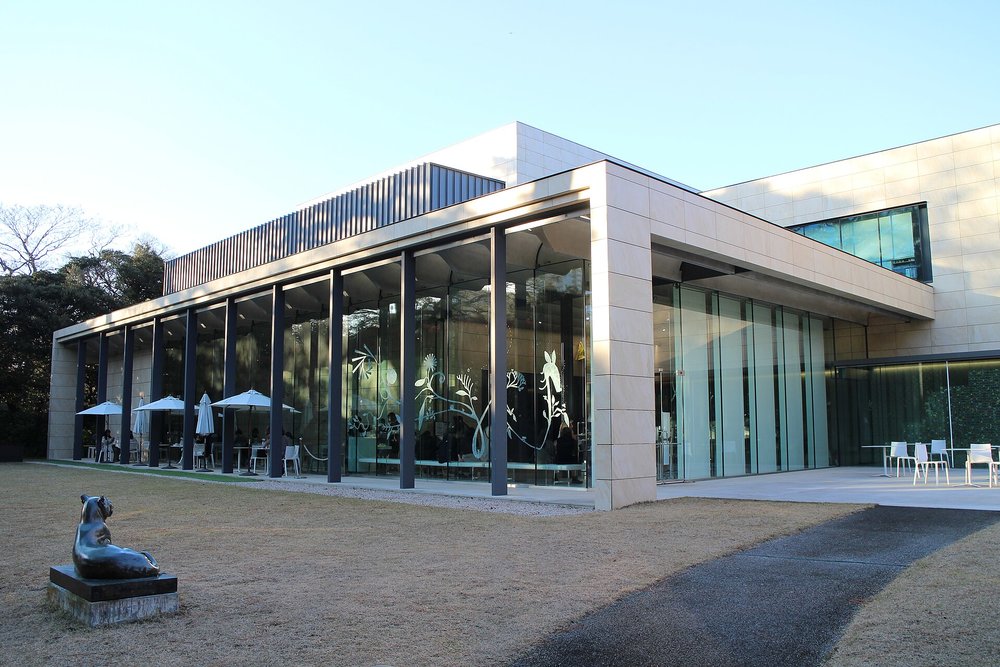
📌 Tokyo Metropolitan Teien Art Museum
The
Tokyo Metropolitan Teien Art Museum is an art deco villa turned gallery, built in 1933 as the residence of Prince Asaka and opened to the public as a museum in 1983. The building itself, with glasswork by René Lalique and interiors by Henri Rapin, often competes with whatever's on display for your attention.
There's no single permanent collection; exhibitions rotate through modern paintings, sculpture, and design work throughout the year. The gardens outside, split between Japanese and Western-style grounds, are just as big a draw as the building.
Tips for visiting Tokyo Metropolitan Teien Art Museum
Buy the exhibition ticket rather than the garden-only pass; it includes garden access anyway
Photography is generally not allowed inside, though a few exhibitions make exceptions
Budget 1 to 2 hours, more if you want to linger in the garden
💴Entry fee: ¥1,000–1,400 (~US$6–9) for adults, varies by exhibition; garden-only entry ¥200 (~US$1.25)
🕓Opening hours: 10am–6pm, last admission 5:30pm; closed the 2nd and 4th Wednesday of each month
🚆How to get there: 7-minute walk from Meguro Station (JR Yamanote & Tokyu Meguro lines), or 6-minute walk from Shirokanedai Station (Toei Mita & Namboku lines)
📌 Art Aquarium Ginza
Part aquarium, part art installation,
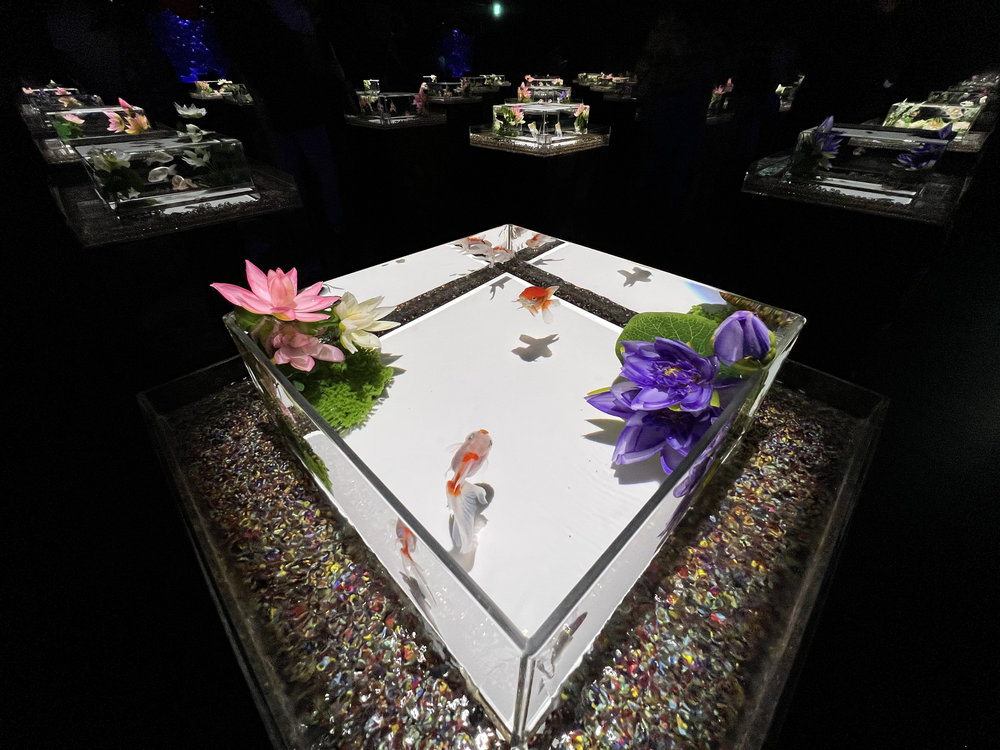
Art Aquarium Museum Ginza turns the old Edo-period tradition of goldfish appreciation into a modern sensory experience. Thousands of goldfish swim through tanks shaped like bamboo columns and Edo Kiriko cut glass, set against music, lighting, and seasonal scent design that changes throughout the year.
It's small and can be done in under an hour, but it's unlike anything else on this list, and it sits right inside Ginza Mitsukoshi department store, so it's easy to add into a shopping afternoon.
Tips for visiting Art Aquarium Ginza
Photography is allowed throughout, so bring a phone or camera that handles low light well
Go on a weekday if you can; the space is small enough that weekends get crowded
There are no lockers inside the museum itself, so use the ones in Ginza Mitsukoshi
💴Entry fee: ¥2,300–2,700 (~US$14–17) for adults; children 12 and under free (up to 2 per adult)
🕓Opening hours: 10am–7pm daily, last entry 6pm
🚆How to get there: Exit A7 of Ginza Station (Ginza, Marunouchi & Hibiya lines), inside Ginza Mitsukoshi
📌 teamLab Planets
No list of Tokyo museums is complete without
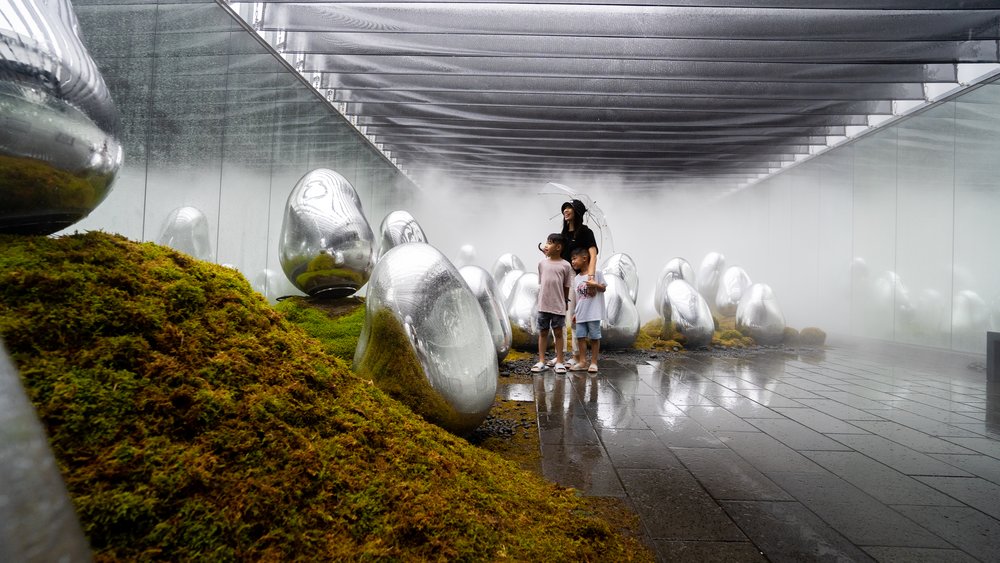
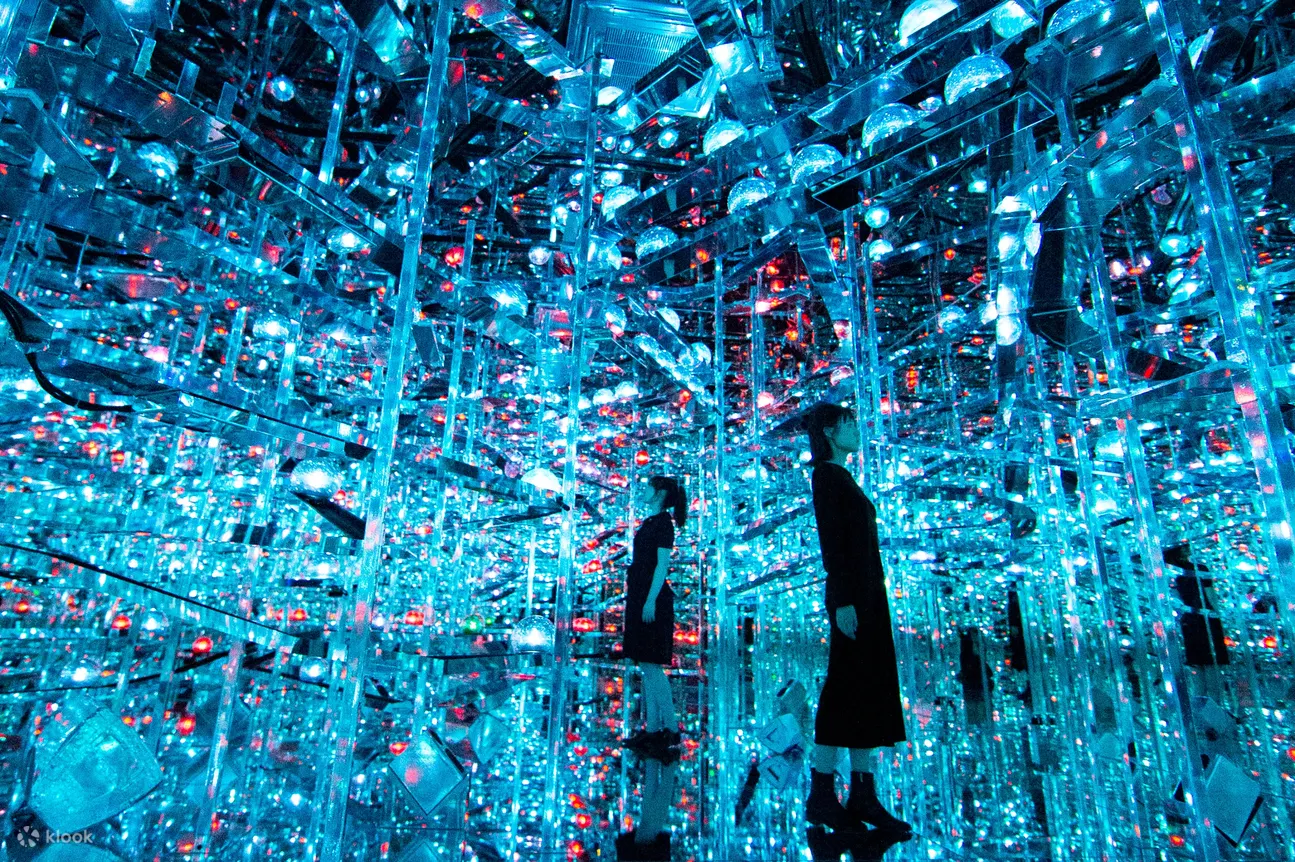
teamLab Tokyo's flagship space in Toyosu. teamLab Planets isn't really a museum in the traditional sense: you walk barefoot through ankle-deep water while koi projections scatter into flowers around your feet, then move through a mirrored room and a garden of live orchids.
There’s even a major 2026 expansion that added new outdoor zones, which is why most most visitors spend 90 minutes to two and a half hours here. It's easily one of the most photographed spots in the city!
Tips for visiting teamLab Planets
Wear clothes you don't mind getting a little wet; you'll be walking through water barefoot
Book the first slot of the day if you want the quietest run
Bring a small towel; a few spots hand them out but supplies run low on busy days
💴Entry fee: Around ¥3,600–4,200 (~US$22–26) for adults, seasonal pricing
🕓Opening hours: 9am–10pm daily, last admission 9pm
🚆How to get there: 1-minute walk from Shin-Toyosu Station (Yurikamome Line), or 10-minute walk from Toyosu Station (Yurakucho Line)
Anime & pop culture museums in Tokyo
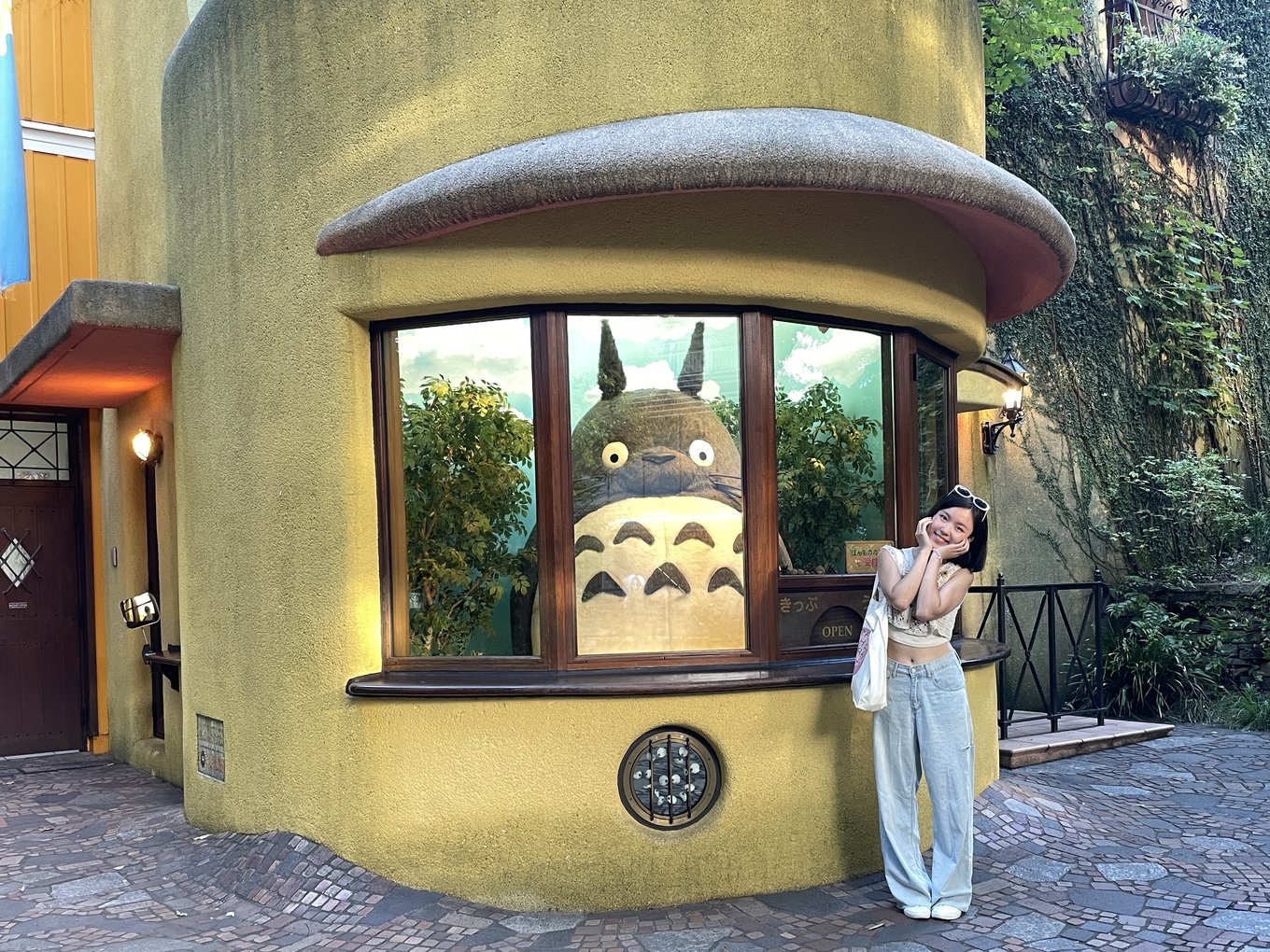
📌 Ghibli Museum
The
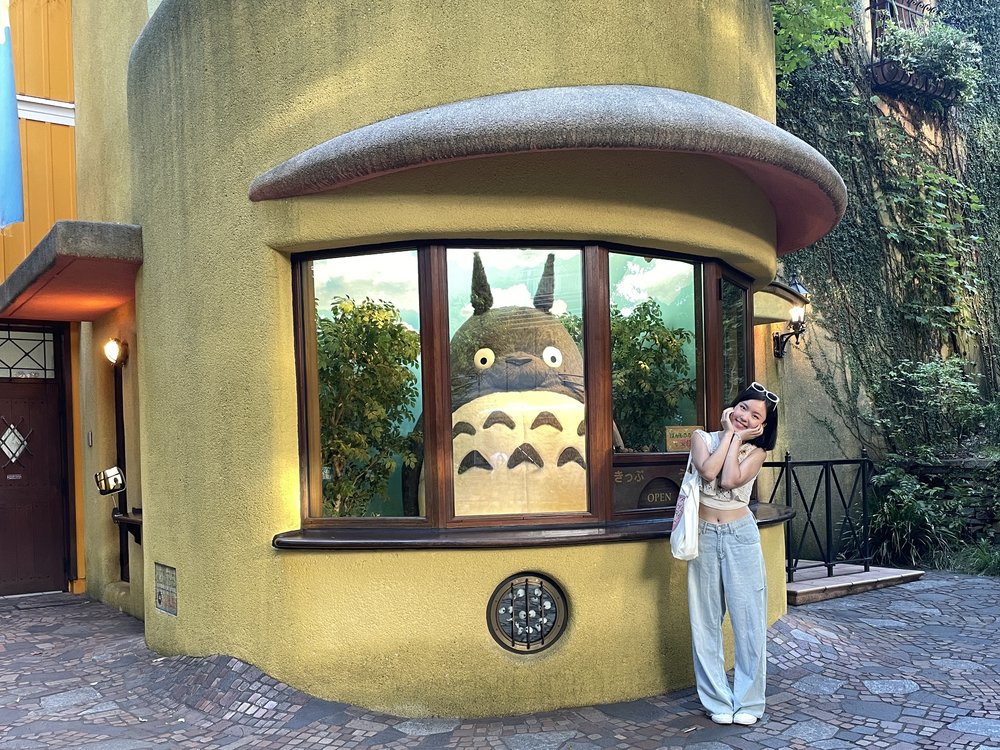
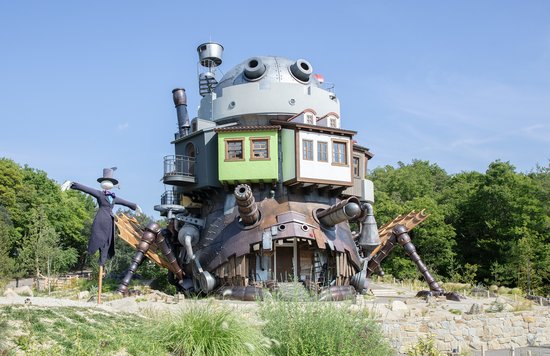
Ghibli Museum in Mitaka is one of the hardest tickets in Tokyo to get, and one of the most rewarding once you're inside. Built around the work of Studio Ghibli, the museum has no set route; you wander through winding staircases, a life-size Catbus for kids, and a small theater screening short films you won't find anywhere else.
Tickets go on sale on the 10th of each month, at 10am Japan time, for visits the following month, and they typically sell out within minutes. If a specific date matters to you, set a reminder and have the Ghibli Museum booking page open the moment sales open.
Tips for visiting Ghibli Museum
Set an alarm for 10am Japan time on the 10th of the prior month; tickets sell out fast
Photography is only allowed outside the building, including the rooftop and café
Plan for around two hours, plus travel time to Mitaka from central Tokyo
💴Entry fee: ¥1,000 (~US$6) for adults (19+); reduced rates for younger visitors
🕓Opening hours: 10am–6pm, most days except Tuesdays
🚆How to get there: 15-minute walk from Mitaka Station's south exit (JR Chuo Line), or a community bus runs every 15 minutes; also a 15-minute walk through Inokashira Park from Kichijoji Station
📌 Small Worlds Tokyo
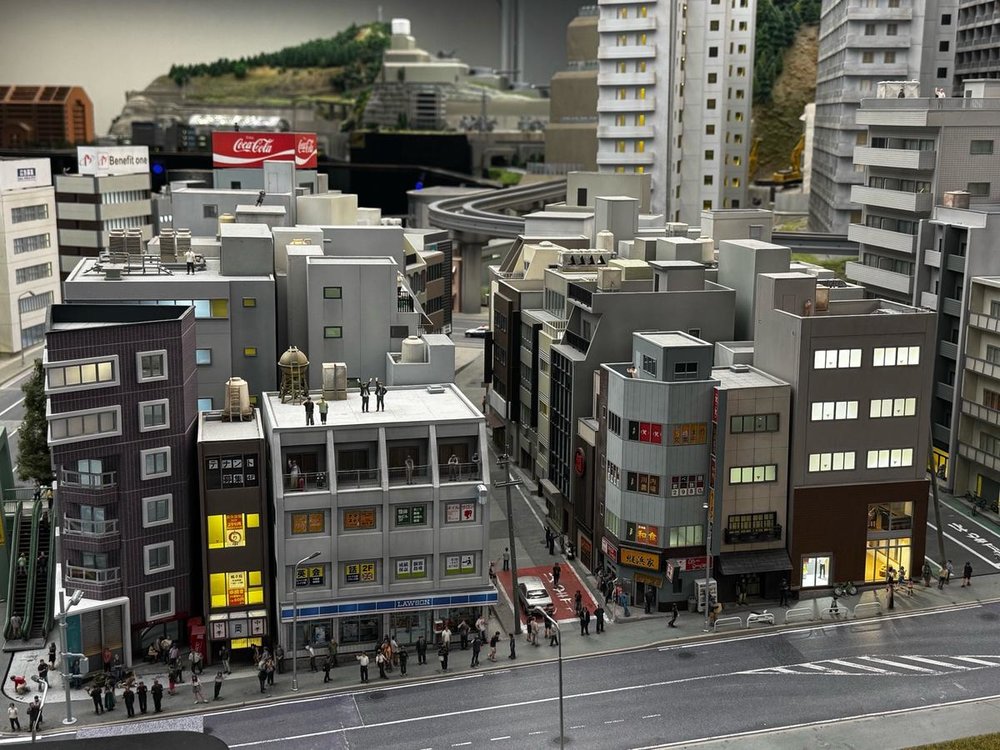
Small Worlds Tokyo takes miniature model-making and turns it into a full museum. Its eight zones, including a space center, an airport with moving planes, and a Sailor Moon-themed diorama, run on day-night cycles with interactive lighting that reacts as you get close. It's detailed enough to hold adults' attention as easily as kids'.
You can also get scanned into a tiny 3D figurine and added to one of the dioramas, a fun extra if you've got time to spare!
Tips for visiting Small Worlds Tokyo
Buy tickets online ahead of your visit; it saves a queue at the entrance
Budget at least 90 minutes if you want to see all eight zones properly
Ask about the figurine-making service if you want a souvenir with your own likeness in it
💴Entry fee: ¥2,700 (~US$17) for adults
🕓Opening hours: 9am–7pm daily
🚆How to get there: 3-minute walk from Ariake Tennis-no-Mori Station (Yurikamome Line), or 9-minute walk from Kokusai-Tenjijo Station (Rinkai Line)
Science museums in Tokyo
📌 National Museum of Nature and Science
Also in Ueno Park, the
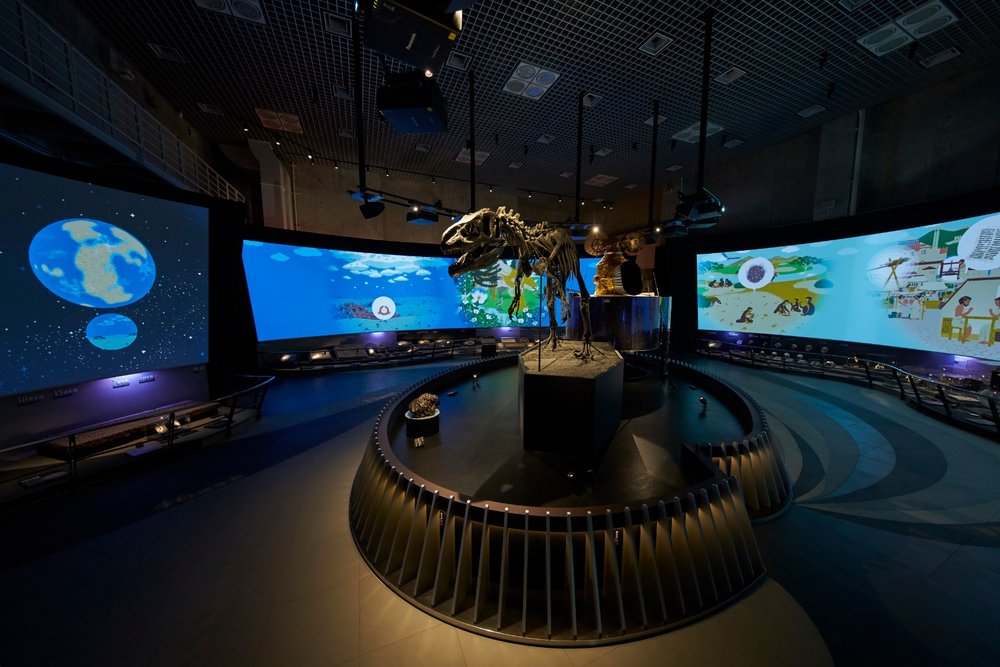
National Museum of Nature and Science splits into two buildings: the Japan Gallery, covering the archipelago's natural and human history, and the Global Gallery, home to dinosaur skeletons, a biodiversity exhibit, and hands-on physics demos.
It's one of the better science museums Tokyo has for families, since almost every section has something to touch, press, or climb into. Admission is one of the cheapest tickets on this list, and the museum waives entry entirely on International Museum Day and Culture Day each year!
Tips for visiting National Museum of Nature and Science
Start with the Global Gallery for dinosaurs and hands-on experiments; it's the crowd favorite
Go on May 18 or November 3 for free admission to the permanent exhibitions
Combine with the Tokyo National Museum, since both sit inside Ueno Park
💴Entry fee: ¥630 (~US$4) for adults; free for visitors 18 and under
🕓Opening hours: 9am–5pm (until 8pm Fri & Sat), closed Mondays
🚆How to get there: 5-minute walk from Ueno Station's Park Exit (JR lines, Ginza/Hibiya Metro lines)
📌 Konica Minolta Planetaria
For something calmer,
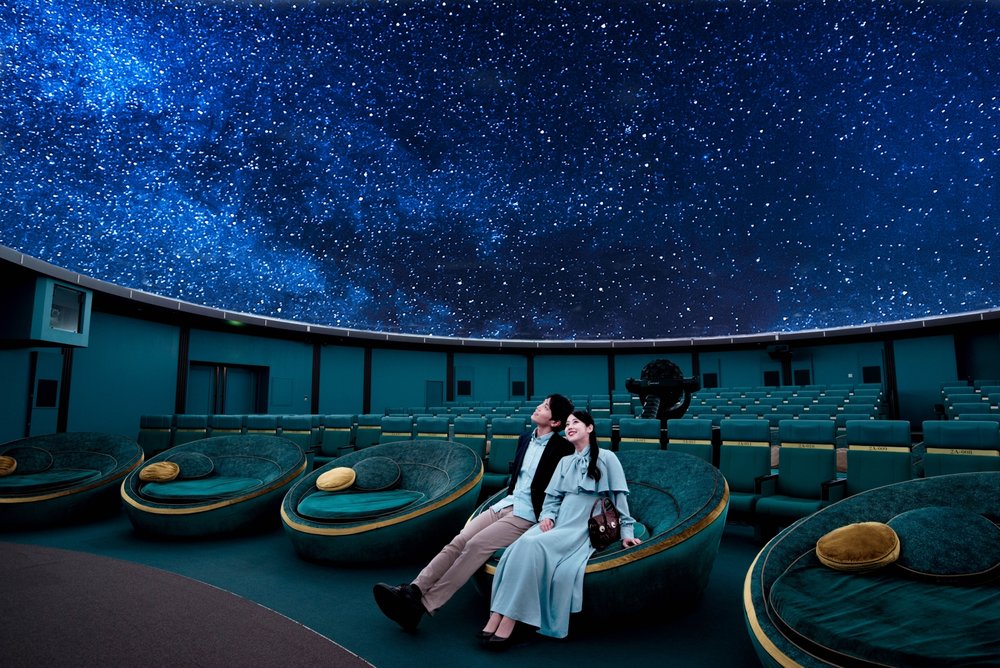
Konica Minolta Planetaria Tokyo sits inside Yurakucho Mullion, a few minutes from Yurakucho and Ginza stations. It runs both standard astronomy shows and "healing planetarium" programs built around scent and ambient music instead of narration, which makes it an easy, low-key stop to fold into a Ginza afternoon.
The dome theater's lineup changes often enough that repeat visits show you something new each time!
Tips for visiting Konica Minolta Planetaria
Check the show schedule ahead of time; some programs have age restrictions
Arrive at least 15 minutes early, since latecomers may not be seated once a show starts
Stop by the attached café and gift shop even if you don't catch a show; both are open to the public
💴Entry fee: Around ¥1,600–1,900 (~US$10–12), depending on the show
🕓Opening hours: Varies by day; check the official schedule before visiting
🚆How to get there: 3-minute walk from Yurakucho Station (JR lines & Tokyo Metro Yurakucho Line), inside Yurakucho Mullion
Is the Tokyo Pass worth it for museum hopping in Tokyo?
If you're planning to hit several museums on this list,
The Tokyo Pass is worth a look. It's a smartphone pass that gets you unlimited entry to 50+ cultural spots around the city, including museums, gardens, and zoos, for a set number of consecutive days. Note that special exhibitions aren't included, only permanent collections!
Museum | Included in The Tokyo Pass? |
Tokyo National Museum | ✅ |
Fukagawa Edo Museum | ❌ |
Tokyo Metropolitan Teien Art Museum | ✅ |
Art Aquarium Museum Ginza | ✅ |
teamLab Planets | ❌ |
Ghibli Museum | ❌ |
Small Worlds Tokyo | ✅ |
National Museum of Nature and Science | ✅ |
Konica Minolta Planetaria | ❌ |
5 of the 9 museums come with the pass, so it makes the most sense if you're also adding other participating spots to your itinerary!
FAQs about Tokyo museums
What are the must-visit museums in Tokyo?
The Tokyo National Museum and teamLab Planets are usually the two names that come up first. For a wider mix, add the National Museum of Nature and Science, the Ghibli Museum, or the Mori Art Museum in Roppongi.
Which Tokyo museums are free to enter?
A few free museums Tokyo travelers ask about most: the Tokyo Metropolitan Art Museum's permanent exhibitions are often free, and the National Museum of Nature and Science waives entry on International Museum Day (May 18) and Culture Day (November 3). Visitors under 18 also get free entry to the Tokyo National Museum year-round.
How do you get tickets to the Ghibli Museum?
Tickets go on sale on the 10th of each month at 10am Japan time, for entry the following month, through the official Lawson Ticket system. They sell out within minutes, so have your account and payment details ready in advance.
What is there to see at teamLab in Tokyo?
teamLab Planets in Toyosu is the main teamLab Tokyo stop, with rooms you walk through barefoot in shallow water, a mirrored infinite crystal universe, and a garden of live orchids that respond to movement. A recent expansion added outdoor zones, so plan for closer to two hours.
How many museums are in Ueno Park?
Ueno Park holds five major museums within walking distance of each other: the Tokyo National Museum, the Tokyo Metropolitan Art Museum, the National Museum of Nature and Science, the National Museum of Western Art, and the Ueno Royal Museum. Two or three fit comfortably in a single day.
What is the best museum in Tokyo for art lovers?
For classical Japanese art, the Tokyo National Museum is the clear pick. For contemporary work, try the Mori Art Museum in Roppongi for its international shows and skyline views, or the Tokyo Metropolitan Art Museum for a rotating mix of Japanese and international exhibitions.
How much time do you need for the Tokyo National Museum?
Most visitors spend two to three hours to see the main Honkan building comfortably, plus a gallery or two. Add closer to four hours if you want every building, especially during a special exhibition.
More Tokyo guides for you
What is Klook?
Klook is a leading pan-regional experiences platform in Asia Pacific, purpose built to digitalize experiences and make them accessible to every traveler.
Our mission is to build the digital infrastructure for the global experience economy — empowering merchants to share their passions and travelers to discover the heartbeat of each destination. We operate a mobile-first, curated platform featuring diverse experiences across global destinations.