Cool Things to Do in Japan: At a Glance
Experience | Where | What Makes It Cool | Best For |
Vending machine snacking | Nationwide | Hot corn soup, fresh eggs, even umbrellas all from a machine | A quick, cheap curiosity stop |
Capsule hotel stay | Tokyo, Osaka, nationwide | Pod-sized bed, shared baths, lockers instead of a closet | Budget and novelty-minded travellers |
Micro Pig Cafe | Tokyo, Kyoto, Hiroshima, Osaka | Miniature pigs nap in your lap over a drink | Animal lovers, families |
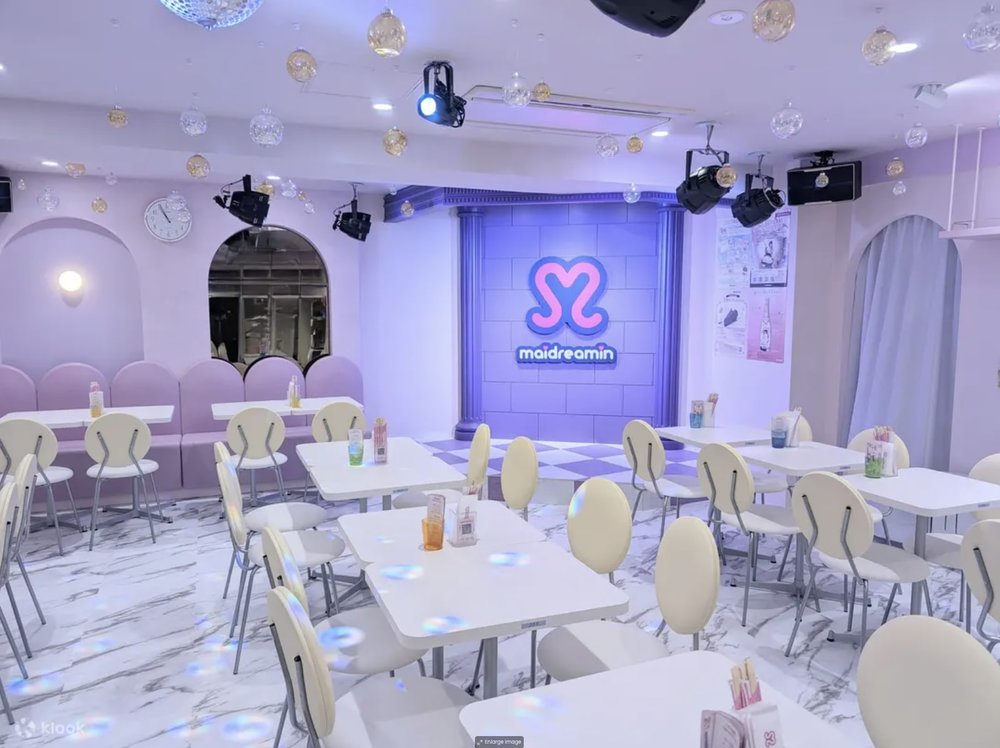
Maid Cafe at Maidreamin | Akihabara, Tokyo | Costumed servers and otaku pop-culture theatre | First-time Tokyo visitors |
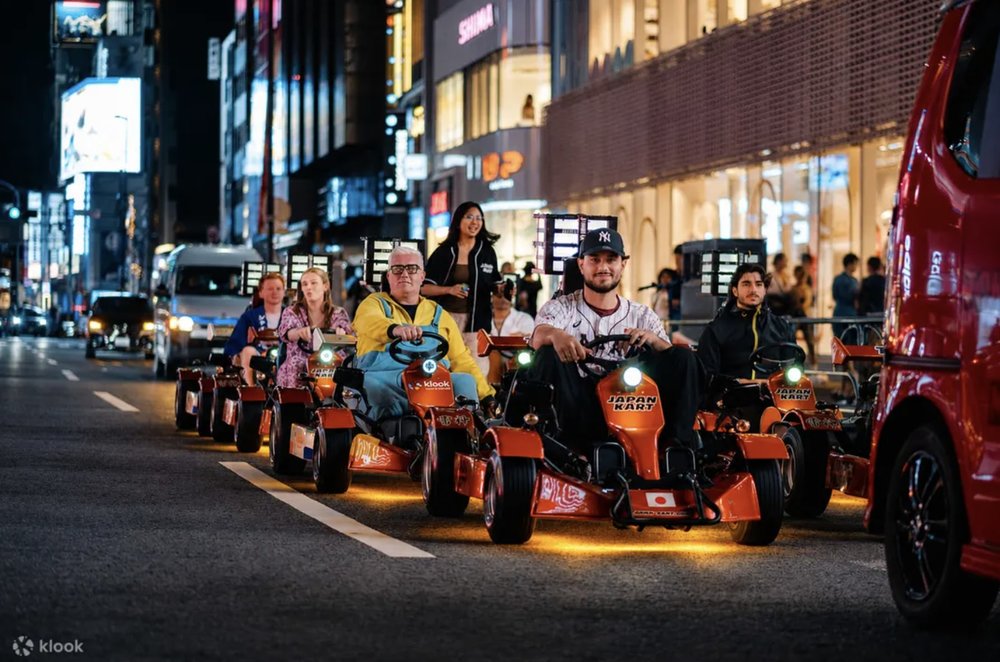
Street go-karting | Shibuya, Tokyo | Drive real Tokyo streets in costume, guide car included | Groups, thrill-seekers |
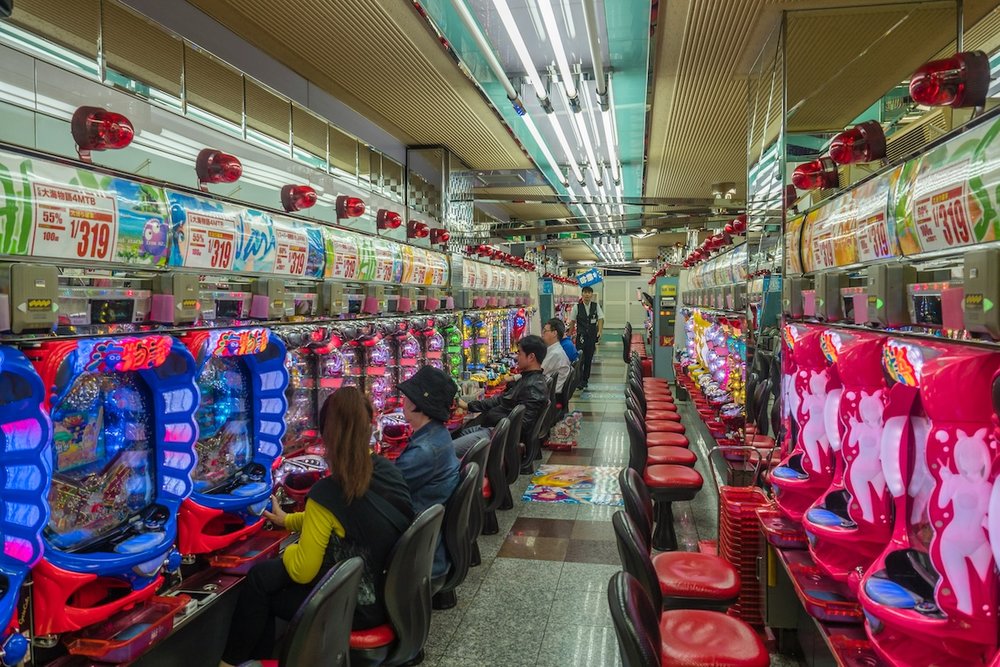
Purikura & arcades | Nationwide, dense in Osaka | Retro games and elaborate photo-sticker booths | Nightlife and arcade fans |
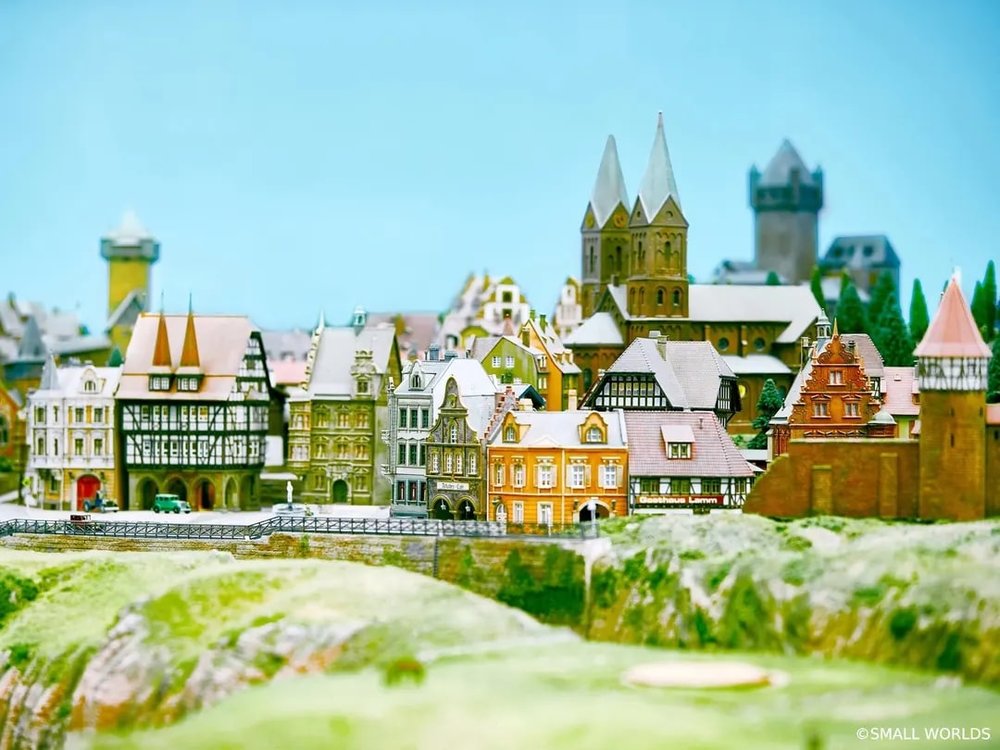
Small Worlds Tokyo | Tokyo | One of the world's largest indoor miniature museums | Detail-obsessed visitors, families |
Spa World | Osaka | Bath floors themed by country, alternating by gender | Relaxation plus novelty |
Indoor drifting | Fukuoka | Drift a real car indoors on a closed course | Adrenaline seekers |
The coolest things to do in
Japan are the vending machines dispensing hot corn soup, the capsule hotels you can book for the night, the cafés and restaurants staffed by costumed servers or robots, and the go-karts you drive through real city traffic in costume. Most of these experiences cluster in
Tokyo,
Osaka, and
Fukuoka, and they're cheap: a vending machine drink runs ¥100–200 (roughly $0.65–$1.30 at current exchange rates), and a capsule hotel bed starts around ¥3,000 (about $19) a night.
If you're flying in from the US, Japan's tourist visa waiver covers stays under 90 days (no paperwork required) and nonstop flights land in Tokyo in 11–13 hours from the West Coast, 14–15 from the East Coast.
Japan's Vending Machine Culture: What You Can Actually Buy
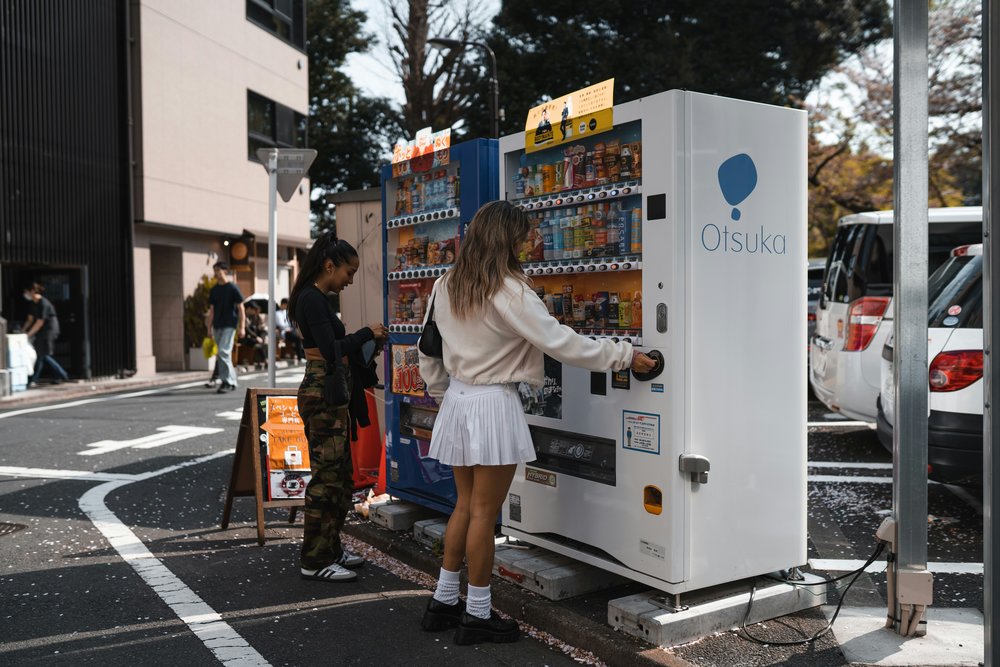
Japan's roughly 4 million vending machines sell a lot more than soda. You'll find hot corn soup, farm-fresh eggs, whole cooked meals, and even umbrellas, often just steps from your hotel.
Canned coffee, green tea, and hot corn soup are staples of the heated racks you'll see glowing orange or red at convenience stores and train stations, typically priced ¥100–200 (about $0.65–$1.30). Some machines go further and heat dishes like soba noodles, fried rice, and curry to order. Egg vending machines dispense farm-direct eggs in 6- or 10-packs and show up more often outside chicken farms in rural areas like Kyushu and Chiba. Rice machines dispense 1–5kg bags of freshly milled rice 24 hours a day, and umbrella machines appear near stations for when the weather turns without warning.
Sleeping in a Capsule Hotel: What a Night Is Really Like
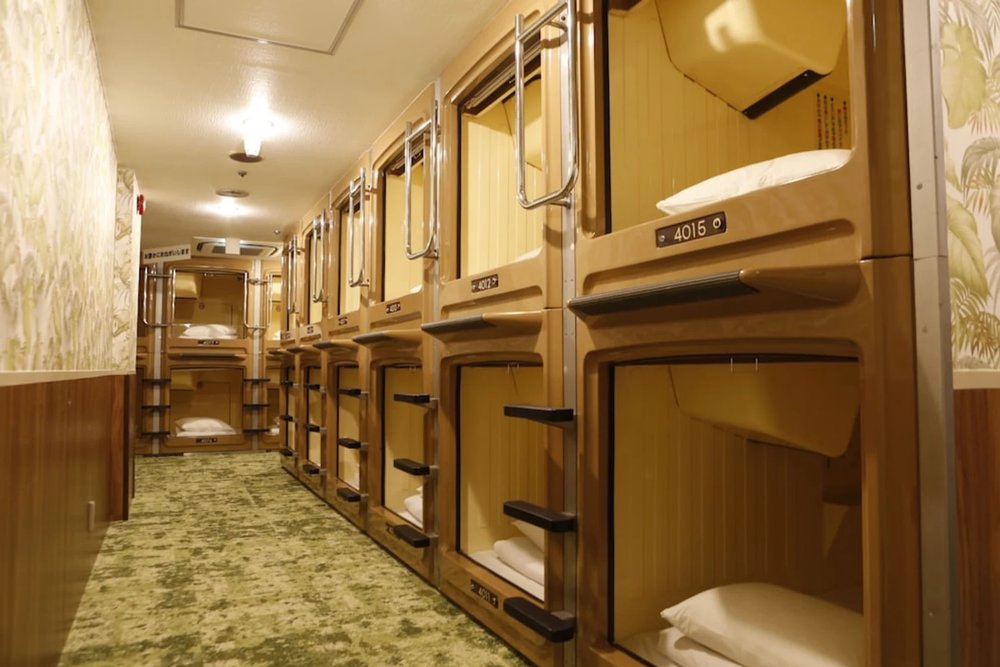
A capsule hotel bed is a compact pod, roughly 1.2m wide, 2m long, and 1m tall, enough to sit up and lie flat but not stand. It typically costs ¥3,000-6,000 ($19–$37) a night, with a shared bathing area instead of a private bathroom.
Floors are usually split by gender, so you won't be sharing a room with mixed groups. At check-in you leave your shoes at the entrance, get a locker for your luggage (your bags don't come into the pod with you), and are handed a set of pajamas or a robe. Toilets are down the hall, and many capsule hotels, especially the more upmarket brands, include a full communal bathing area in sento or onsen style rather than just a shower stall. Checkout is usually by 10:00–11:00 AM, and most properties won't let you back into your pod to nap afterward, so plan separate luggage storage if you've got a later flight.
Quick facts: Price ¥3,000–6,000/night ($19–$37) · Pod size ~1.2m x 2m x 1m · Checkout 10:00–11:00 AM · Floors split by gender · Luggage stored in lockers, not the pod.
Themed Cafés and Restaurants With a Twist
Japan's themed dining goes well beyond a novelty logo on the menu. You can have miniature pigs nap in your lap over coffee, get served by costumed staff in Akihabara, or watch a robot barista pull your espresso.
The
Micro Pig Cafe has branches in Tokyo (Harajuku and Meguro), Kyoto, Hiroshima, and Osaka. Drinks start from about ¥600, with ¥300 pig-feed snacks, and reservations are required since space around the pigs is limited.
What travellers say: One guest wrote that their “three pigs were engaged and fun” and “at the very end they took a nap in our laps,” while another said the pigs were “so cute” even though the accompanying doughnut wasn't as fresh as expected. A third guest who booked through Klook mentioned getting “a free postcard plus a MiPig doughnut included, which was a nice little touch.”
For a different kind of themed dining, the
Maid Cafe Experience at Maidreamin in Akihabara puts you in a costumed-server, otaku pop-culture setting that's become a fixture of first-time Tokyo trips.
What travellers say: A first-timer called it “cool thing to try as a novice in Tokyo! "It's like a must-get-out-of-the-way bucket item.”
Go-Karting Through Tokyo in Costume
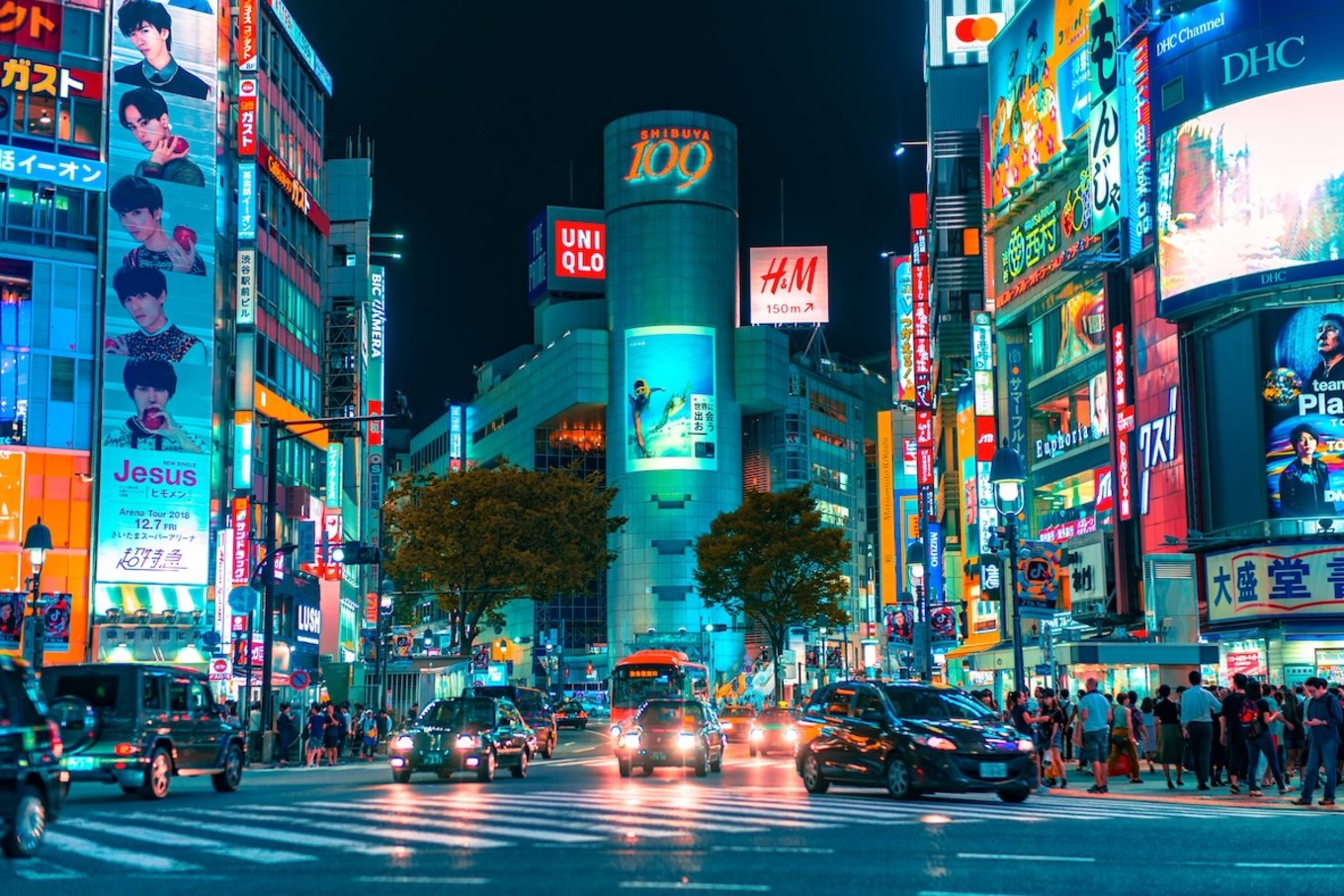
You can drive a street-legal go-kart dressed as your favourite character straight through Shibuya traffic, past Shibuya Crossing and neon-lit side streets, with a guide car leading the group by radio.
The catch is licensing: a US driver's license alone doesn't qualify you to drive. You'll need an International Driving Permit based on the 1949 Geneva Convention, a Japanese driver's license, or (for a short list of nationalities including Germany, France, Switzerland, Taiwan, Belgium, and Monaco) your home license with an official Japanese translation. Sort the International Driving Permit before you fly, since it isn't something you can arrange in Japan.
What travellers say: Riders consistently flag how manageable the karts are, saying “we felt very safe and the go karts are very responsive” and liking the evening tours specifically: “we did the evening tour which I highly recommend as you see the city come to life.”
Arcades and Purikura Booths
Japan's arcades stack floors of claw machines and rhythm games with purikura (photo sticker) booths that go well beyond a US photo booth: built-in skin-smoothing filters, sticker pens for decorating your prints, and private editing rooms.
Akihabara and Shinjuku are the densest arcade districts in Tokyo, and Osaka's Den Den Town covers the same ground on a smaller, less crowded scale. If you only try one purikura session, budget extra time, half the experience is the editing booth afterward, not just the photo.
Quirky Museums and Novelty Baths
For something quieter than cafés or karting, Japan's novelty museums and themed baths reward a slower, more detail-focused visit.
Small Worlds Tokyo is one of the world's largest indoor miniature museums, with dioramas detailed enough to reward a genuine close look rather than a quick walkthrough.
What travellers say: “Amazing attraction for those who love miniature models. The Japanese attention to detail really shines through in amazingly immersive exhibits, highly recommended for families with kids.”
In Osaka,
Spa World is a bath complex with floors themed by country (Europe and Asia), which alternate access by gender on a rotating schedule so every visitor eventually gets both. Adult admission runs ¥2,000–2,500 depending on weekday or weekend, with an extra ¥1,300 charge for the late-night period between midnight and 5 AM.
What travellers say: “A large and diverse spa facility with different themed baths from around the world. Very clean and well-maintained. It can feel slightly crowded, but there's enough variety to still enjoy the experience. Good for a relaxed half-day visit.”
Where to Find the Most of This in One Trip
If you're short on time, Tokyo covers themed cafés and karting, Osaka covers novelty baths and arcades, and Fukuoka adds a different kind of adrenaline: indoor Crazy Kart racing with drifting-style action.
Tokyo is the easiest base for the Micro Pig Cafe, Maid Cafe, robot cafés, Small Worlds Tokyo, and street go-karting; most of it is within a short train ride of
central Tokyo. Osaka is the better stop for Spa World and dense arcade districts like Den Den Town. Fukuoka's contribution is more adrenaline than novelty: the
Indoor Drifting Experience at Fukuoka Mobility Square lets you race Crazy Karts on an indoor course, with drifting-style driving and no public-road driving involved.
If your trip leans more toward culture and history than pure novelty, Klook's
Unique Theme Parks in Japan guide covers the country's more traditional theme-park side.
Frequently Asked Questions
What are the coolest things to do in Japan?
The novelty side of Japan travel centres on vending machines selling hot corn soup and fresh eggs, capsule hotels you can book for a night, themed cafés like the Micro Pig Cafe, and street-legal go-karting through Tokyo. Most of these are clustered in Tokyo, Osaka, and Fukuoka and cost far less than a typical day of sightseeing.
What are the weirdest attractions in Japan?
Small Worlds Tokyo (a giant indoor miniature-model museum), Spa World (an Osaka bath complex with floors themed by country), and futuristic cafés and other robot-themed experiences are among the stranger stops that don't fit a typical temples-and-culture itinerary. The museums and baths reward a slower visit than the cafés and karting do.
What can you buy from vending machines in Japan?
Beyond canned coffee and soda (typically ¥100–200), Japan's vending machines dispense hot corn soup, farm-fresh eggs in 6- or 10-packs, heated dishes like soba and curry, freshly milled rice by the bag, and umbrellas for sudden rain. It's one of the cheapest, easiest ways to sample the country's gadget-forward culture between other plans.
What is it like to stay in a capsule hotel?
You get a private pod roughly 1.2m x 2m x 1m, enough to sit up and lie flat, not to stand, with a shared bathing area, toilets down the hall, and a locker for your luggage rather than a room. Floors are typically split by gender, checkout is usually by 10:00–11:00 AM, and a night runs about ¥3,000–6,000 ($19–$37).
What themed cafés and restaurants is Japan known for?
The Micro Pig Cafe (miniature pigs sit in your lap over coffee), Maid Cafe experiences like Maidreamin in Akihabara, and futuristic cafés and other technology-focused attractions are among the stranger stops that don't fit a typical temples-and-culture itinerary.. Each earns its reputation through one specific, concrete gimmick rather than a themed logo alone.
Can tourists go go-karting on the streets in Japan?
Yes, through guided tour operators in Shibuya and other districts, but you'll need a valid licence, either an International Driving Permit based on the 1949 Geneva Convention, a Japanese driver's licence, or (for select nationalities) a home licence with an official Japanese translation. A US driver's licence alone doesn't qualify, so arrange an International Driving Permit before you leave.
Related Articles
What is Klook?
Klook is a leading pan-regional experiences platform in Asia Pacific, purpose built to digitalize experiences and make them accessible to every traveler.
Our mission is to build the digital infrastructure for the global experience economy — empowering merchants to share their passions and travelers to discover the heartbeat of each destination. We operate a mobile-first, curated platform featuring diverse experiences across global destinations.



![[usxanz] JR Hokkaido Rail Pass](https://res.klook.com/image/upload/fl_lossy.progressive,q_85/c_fill,w_550,h_356/v1727345460/ovsaszuqdz6lsitdqhax.jpg)
![[global] Japan Kid-Friendly Itinerary Blog Cover](https://res.klook.com/image/upload/fl_lossy.progressive,q_85/c_fill,w_550,h_356/v1730430369/jhffwcljditmuftnxgff.jpg)