
A 7 day Tokyo itinerary gives you enough time to explore the city's most iconic neighborhoods, experience its unique blend of tradition and modernity, and fit in at least one unforgettable day trip to destinations like Mount Fuji or Hakone. It strikes the ideal balance between depth and variety: you won't feel rushed through Shibuya's neon-lit crossings or Asakusa's ancient temples, and you'll still have breathing room to venture beyond the city limits. This guide breaks down exactly how to structure your week, where to stay, how to get around, and what to budget for a 2026 trip.
Tokyo can feel overwhelming at first glance. The city sprawls across dozens of distinct neighborhoods, each with its own personality, and the sheer volume of things to see and do can paralyze even the most enthusiastic planner. Maximize your time in Japan without burning out by clustering nearby attractions together and saving day trips for strategic points in your week!
If you're visiting Japan for the first time, our first-timer guide to Japan covers the basics you'll want before diving into the specifics.
How to Plan Your 7 Days in Tokyo
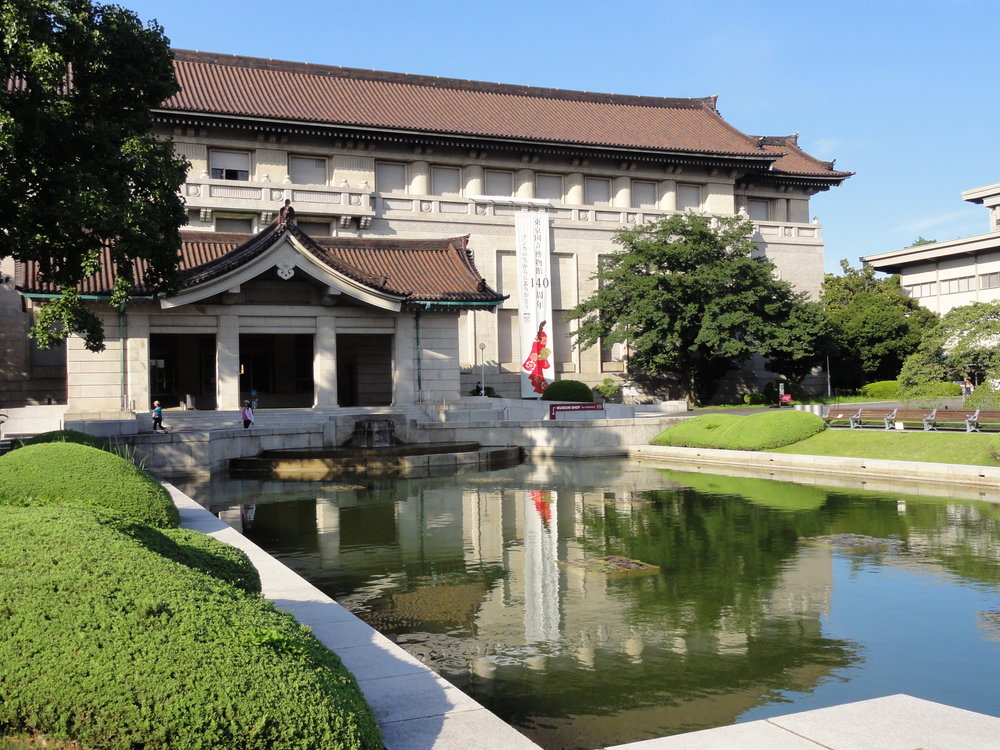
Tokyo National Museum | Photo Credits: inu-photo on Flickr
The key to planning a successful week in Tokyo is grouping neighborhoods geographically and building in flexibility for spontaneous discoveries. Tokyo's train system is remarkably efficient, but constantly crisscrossing the city wastes precious hours, so your itinerary should flow logically from one area to the next.
- Start by identifying your non-negotiables. Most first-time visitors want to experience Shibuya Crossing, explore the traditional streets of Asakusa, see Tokyo Skytree from up close, and take at least one day trip outside the city. From there, fill in the gaps with neighborhoods that match your interests: Harajuku for street fashion and youth culture, Ginza Tokyo for upscale shopping and galleries, Akihabara for anime and electronics, or Ueno for museums and parks.
- Consider your travel style when deciding how much to pack into each day. If you prefer a relaxed pace with long lunches and spontaneous detours, plan for two to three major activities per day. If you're an efficient planner who wants to see as much as possible, you can comfortably fit in four to five stops with strategic timing. Our guide to Tokyo things to do by traveler type can help you match activities to your preferences before committing to a schedule.
- Timing matters too. Check the best time to visit Japan to understand how seasons affect crowds, costs, and what you'll experience. Cherry blossom season (late March to early April) and autumn foliage (November) are peak periods with higher prices and bigger crowds, while shoulder seasons offer better value and more breathing room.
Day-by-Day Tokyo Itinerary with Day Trips
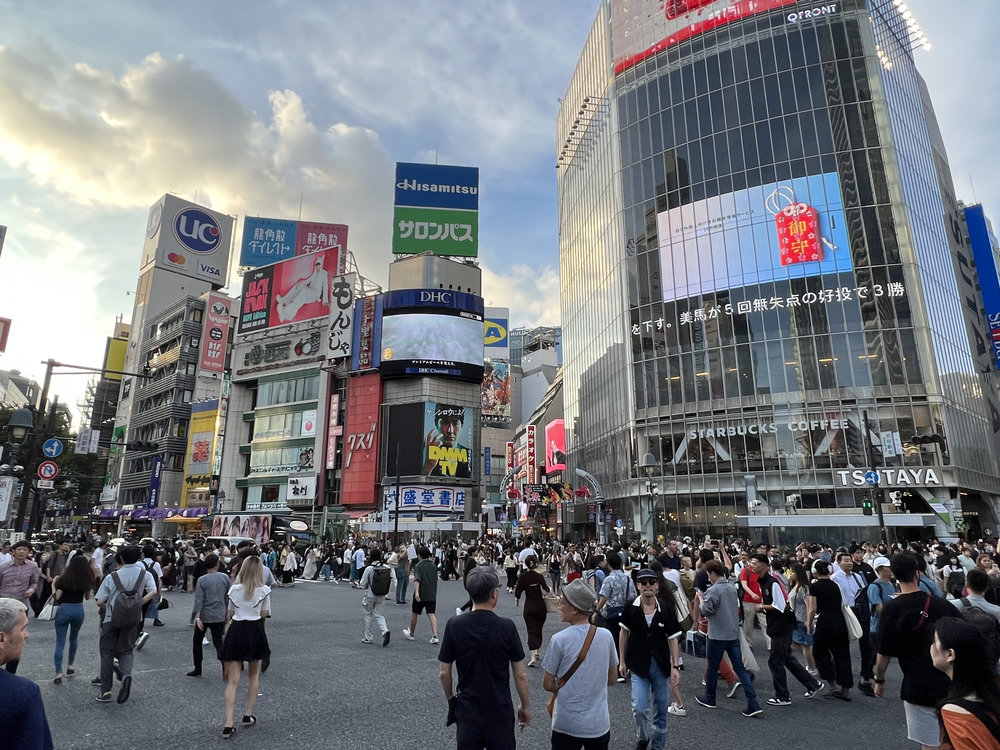
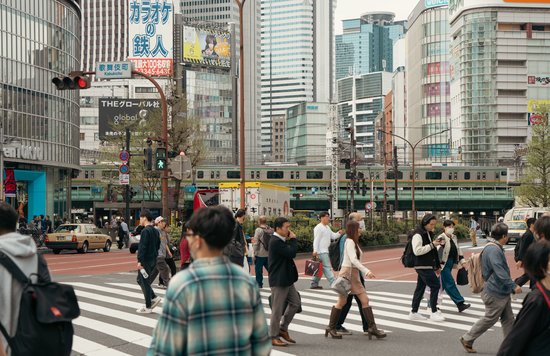
The Shibuya Scramble Crossing
Day 1: Arrival and Shinjuku
Land at Narita or Haneda airport and make your way to your accommodation. If you arrive by mid-afternoon, Shinjuku is the perfect neighborhood to ease into Tokyo's energy. The area around Shinjuku Station, the world's busiest railway hub, offers everything from department stores to izakayas tucked into narrow alleyways. Wander through Omoide Yokocho (Memory Lane) for a glimpse of old Tokyo, then head to the Tokyo Metropolitan Government Building's free observation deck for sunset views over the city. If you'd prefer a guided introduction to the city, a Tokyo highlights day tour can orient you quickly.
Day 2: Shibuya, Harajuku, and Meiji Shrine
Start your morning at Meiji Shrine, set within a peaceful forest that feels worlds away from the surrounding city. From there, walk down to Harajuku's Takeshita Street for a sensory overload of colorful fashion, crepes, and quirky shops. Spend your afternoon in Shibuya, cross the famous scramble crossing, explore the shops around Shibuya 109, and grab dinner in one of the neighborhood's countless restaurants. As evening falls, consider a Tokyo iconic night views tour to see the city illuminated from its best vantage points.
Day 3: Asakusa and Tokyo Skytree
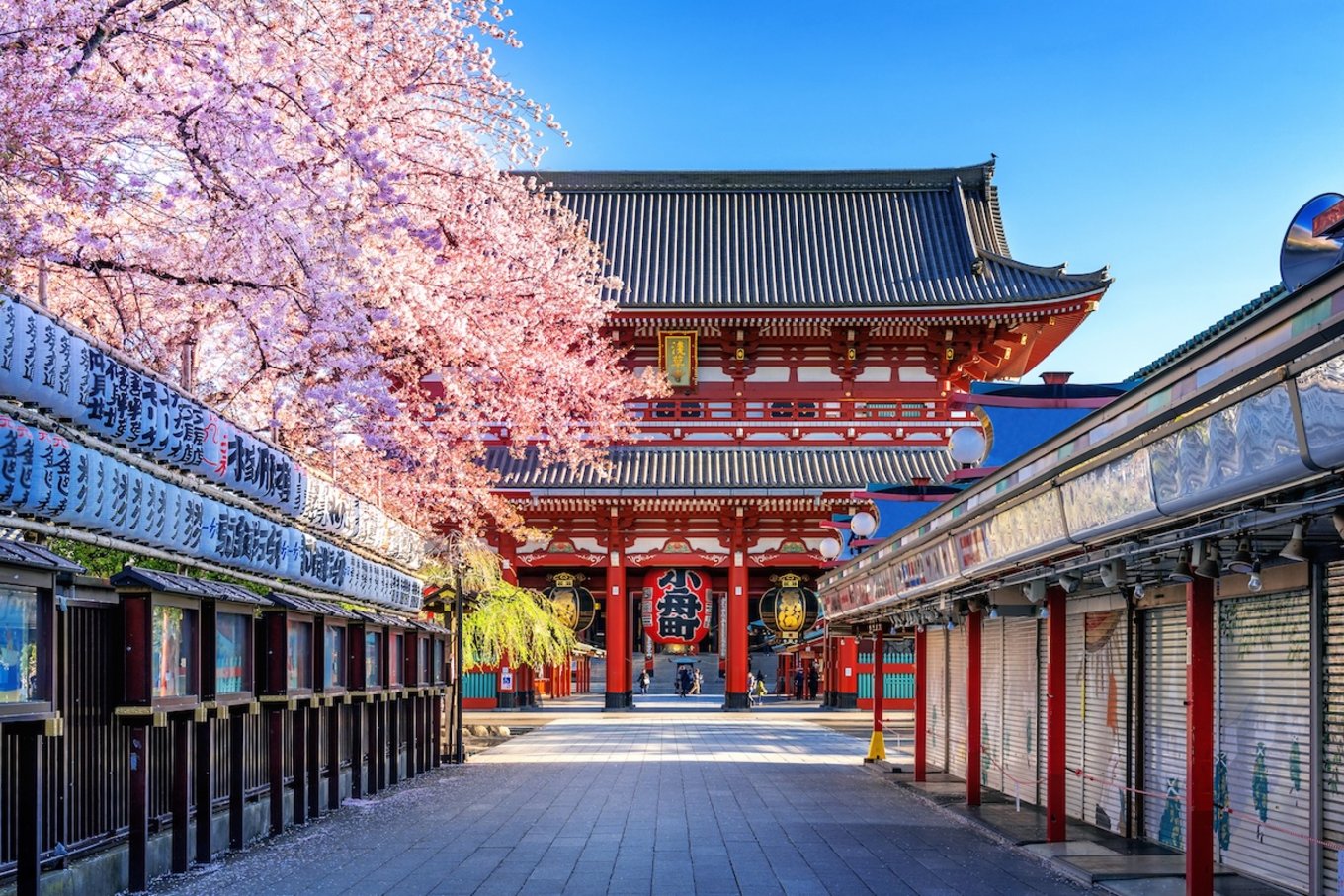
Asakusa is where Tokyo's traditional heart beats strongest. Arrive early at Senso-ji Temple to walk through the iconic Kaminarimon gate and browse Nakamise shopping street before the crowds build. Spend the morning exploring the surrounding streets, then head to Tokyo Skytree for panoramic views from Japan's tallest structure. The observation decks offer clear sightlines to Mount Fuji on good weather days. End your afternoon in the Sumida riverside area or cross back to explore more of Asakusa's traditional craft shops.
Day 4: Day Trip to Mount Fuji
Dedicate a full day to Japan's most iconic landmark. A day trip from Tokyo to Mount Fuji typically includes stops at the Fuji Five Lakes region, with Lake Kawaguchi offering the most accessible views and photo opportunities. You can reach the area independently by train and bus, or join a guided tour that handles all the logistics. The journey takes roughly two hours each way, leaving plenty of time to explore Fuji's lower slopes, visit Oshino Hakkai's spring-fed ponds, or browse the outlet shops at Gotemba.
Day 5: Akihabara and Ueno
Akihabara is Tokyo's electronics and anime district, packed with multi-story arcades, manga shops, and themed cafes. Even if you're not into gaming or anime, the neighborhood's sheer intensity makes it worth experiencing. From there, it's a short walk or one train stop to Ueno, home to Tokyo's largest concentration of museums. Ueno Park itself is lovely for a stroll, and you can easily spend hours in the Tokyo National Museum or the National Museum of Nature and Science. The area around Ameyoko market offers great street food and bargain shopping.
Day 6: Ginza, Tokyo Station, and Odaiba
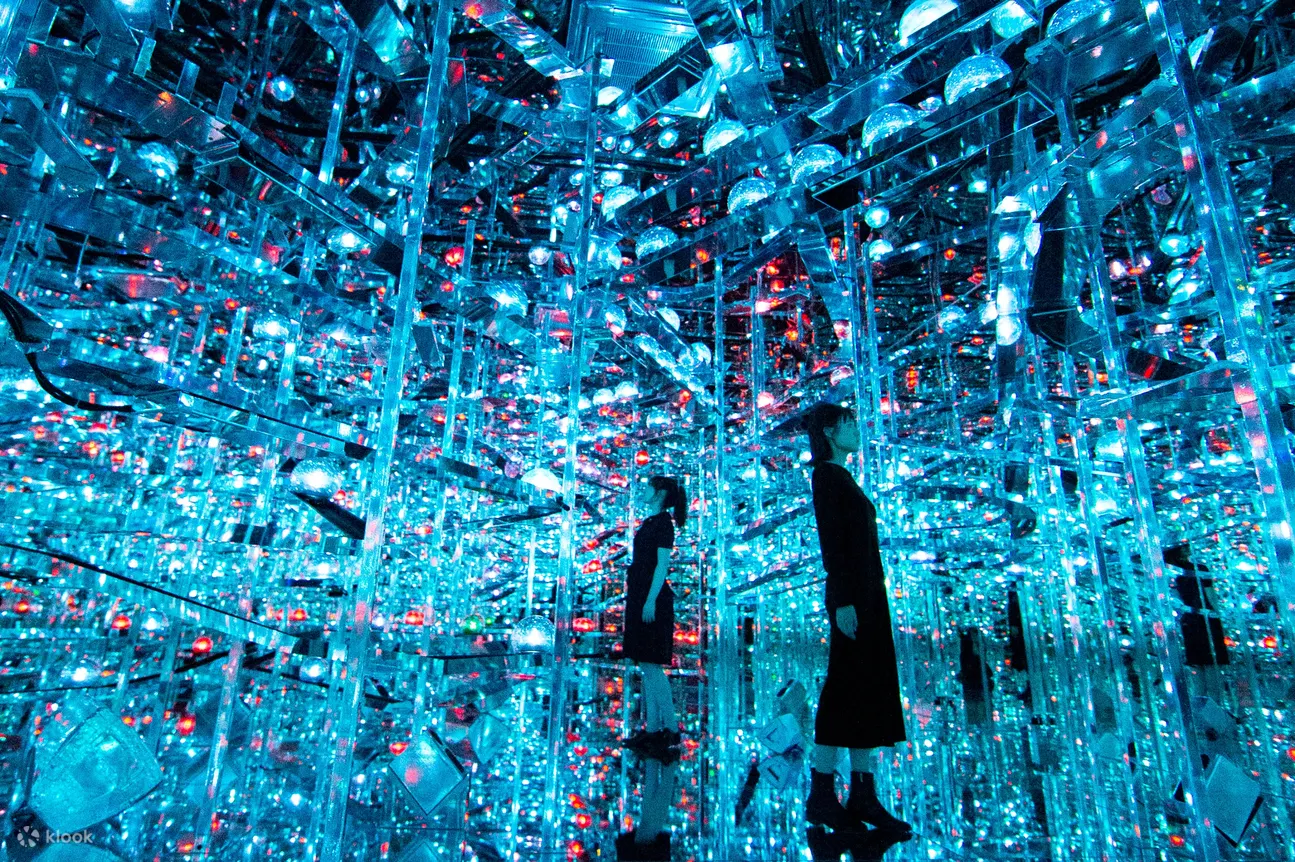
Ginza Tokyo represents the city's sophisticated side: flagship stores, art galleries, and some of the country's best restaurants line its broad avenues. Start with a morning coffee and window shopping, then head to nearby Tokyo Station to admire its restored red-brick facade and explore the underground shopping arcades. In the afternoon, take the Yurikamome line to Odaiba, a waterfront entertainment district with views back toward the city skyline or teamLab digital art museums.
Day 7: Flexible Day or Second Day Trip
Your final full day offers flexibility based on what you've loved most. You could revisit a favorite neighborhood, explore somewhere new like Shimokitazawa or Yanaka, or take a second day trip to Hakone for hot springs and mountain scenery. If you're considering extending your trip beyond Tokyo, this is also a good day to take a shinkansen to Osaka for a taste of Kansai culture, the journey takes just over two hours and opens up a completely different side of Japan.
Best Day Trips from Tokyo: Mt. Fuji, Hakone & Beyond
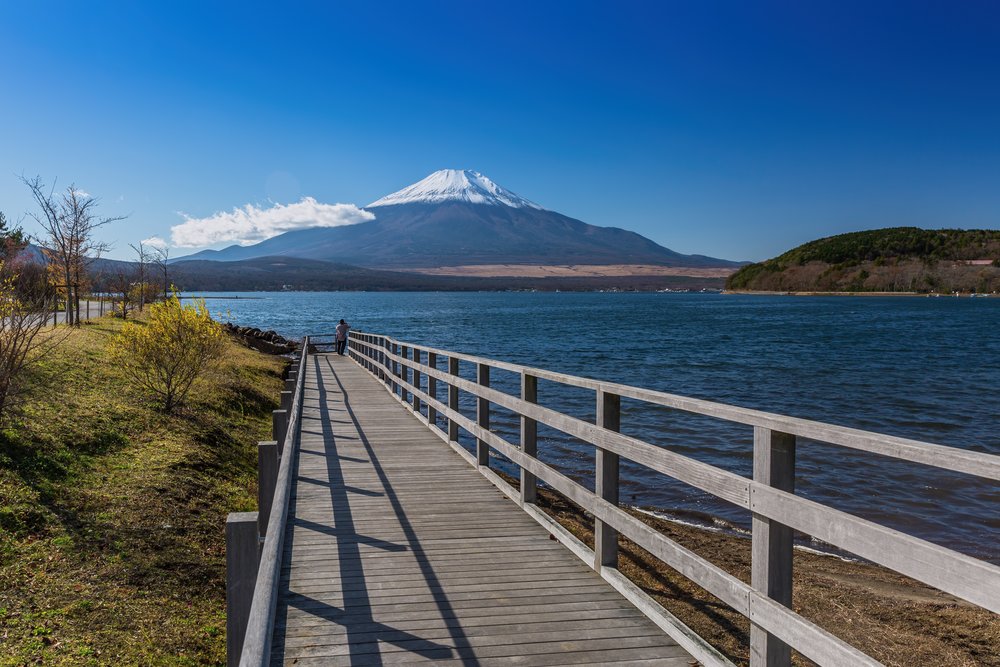
Mount Fuji views from Lake Yamanaka
These day trips from Tokyo transform a city-focused itinerary into a broader exploration of Japan's landscapes and culture. The most popular options, Mount Fuji and Hakone, are easily reachable within two hours and offer dramatic contrast to Tokyo's urban intensity.
Mount Fuji
Japan's highest peak and most recognizable symbol sits roughly 100 kilometers southwest of Tokyo. While climbing Fuji is only possible during the summer season (July to early September), you can enjoy spectacular views year-round from the surrounding Fuji Five Lakes region. Lake Kawaguchi is the most accessible base, with direct buses from Shinjuku and plenty of viewpoints, museums, and ropeway rides. For a comprehensive Fuji experience, the Mount Fuji classic route day tour covers the essential stops with transportation included. If you want to explore more of the region, the Mt. Fuji, Lake Kawaguchi, Oshino Hakkai, and Gotemba tour adds the traditional village of Oshino Hakkai and outlet shopping at Gotemba Premium Outlets.
Hakone
This mountain resort town offers hot springs, art museums, scenic boat rides across Lake Ashi, and, on clear days, stunning Fuji views. The Hakone Free Pass covers most transportation within the area and lets you loop through the region by train, cable car, ropeway, and boat. Many visitors combine Hakone with an overnight stay at a traditional ryokan, but it's entirely doable as a day trip if you start early.
Nikko
About two hours north of Tokyo, Nikko is home to the ornate Toshogu Shrine, a UNESCO World Heritage site set among towering cedar forests. The area also offers waterfalls, hiking trails, and a quieter atmosphere than the Fuji region. It's an excellent choice if you've already seen Fuji or prefer cultural sites over natural landmarks.
Kamakura
Just an hour south of Tokyo, this coastal town served as Japan's political center in the 12th and 13th centuries. The Great Buddha statue, numerous temples, and hiking trails connecting shrines make it perfect for a half-day or full-day excursion. You can combine Kamakura with nearby Enoshima island for beach views and seafood.
Getting Around Tokyo: IC Cards, Rail Passes & Transport Tips
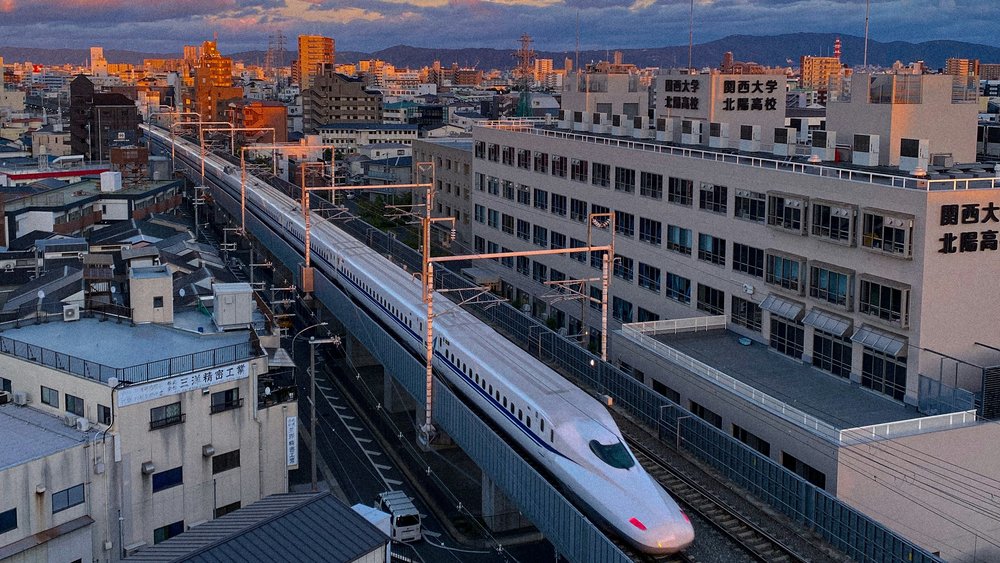
Tokyo's public transportation system is one of the world's most efficient, and mastering it will save you significant time and money throughout your week. The network combines JR (Japan Railways) lines, Tokyo Metro, Toei Subway, and private railways into an interconnected web that reaches virtually every corner of the city.
IC Cards
An IC card, either Suica or Pasmo, is essential for any Tokyo visit. These rechargeable smart cards let you tap in and out of trains, subways, and buses without buying individual tickets. You can also use them at convenience stores, vending machines, and many restaurants. Purchase one at any major station or airport upon arrival and load it with yen as needed. The cards themselves cost 500 yen (refundable when you return them), and you can add value at station machines or through mobile apps.
⚠️ Note: A regular Suica has a ¥500 deposit, but Welcome Suica has no deposit and is valid for 28 days.
Rail Passes
Whether you need a rail pass depends on your itinerary. The Japan Rail Pass covers unlimited travel on JR lines nationwide, including Shinkansen bullet trains, but only makes financial sense if you're taking multiple long-distance trips, like combining Tokyo with travel to Osaka, Kyoto, or Hiroshima. For Tokyo-only travel, the pass isn't cost-effective.
For getting around the city, consider a Tokyo Subway Ticket (24, 48, or 72-hour unlimited rides on Metro and Toei lines) if you plan to make more than three or four subway trips per day. Otherwise, pay-as-you-go with your IC card is usually cheaper and more flexible.
Airport Transfers
From Narita Airport, the Narita Express (N'EX) reaches central Tokyo in about an hour. From Haneda Airport, the Tokyo Monorail or Keikyu Line connects to the city in 15 to 30 minutes depending on your destination. Both airports have clear English signage and helpful staff at ticket counters.
Tokyo Budget Breakdown: Daily Costs for 2026
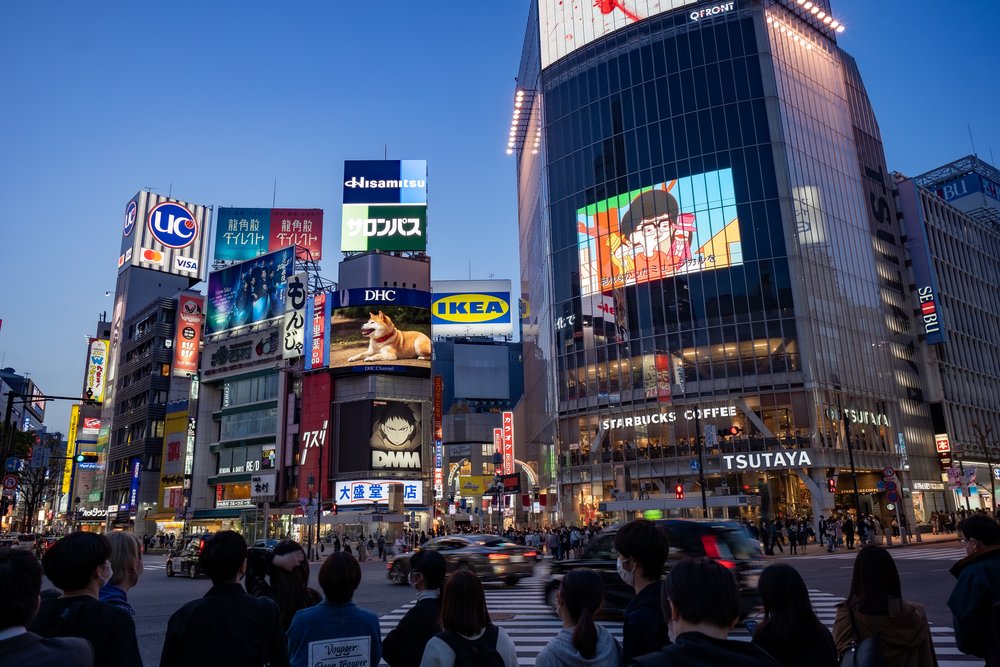
Photo Credit: Yuya Uzu
Understanding what Tokyo actually costs helps you plan realistically and avoid unpleasant surprises. While Tokyo has a reputation for being expensive, it offers options across every budget level, and smart planning can stretch your yen significantly.
Accommodation
Budget travelers can find hostels and capsule hotels for 3,000 to 5,000 yen per night (roughly $20 to $35 USD). Mid-range hotels in Tokyo typically run 10,000 to 20,000 yen ($65 to $130 USD) per night, while upscale properties and Tokyo Disney hotels start around 25,000 yen ($165 USD) and climb from there. Airbnb tokyo options vary widely but often provide good value for groups or longer stays, with entire apartments available from around 8,000 yen per night.
Food
Eating well in Tokyo doesn't require a big budget. Convenience store meals (surprisingly good quality) cost 500 to 800 yen. Ramen, curry, or Donburi at casual restaurants run 800 to 1,200 yen. A nice sit-down lunch with drinks might cost 1,500 to 2,500 yen, while dinner at a mid-range izakaya or restaurant typically falls between 2,000 and 4,000 yen per person. High-end dining is available at every price point, but you can eat extremely well for 3,000 to 5,000 yen per day if you mix convenience stores, lunch specials, and casual dinners.
Transportation
Daily transport costs depend on how much you move around. A typical day of sightseeing using an IC card pay-as-you-go runs 800 to 1,500 yen. A 24-hour subway pass costs 1000 yen and makes sense on heavy transit days. Day trips add to this: expect roughly 4,000 to 6,000 yen round-trip to Mount Fuji or Hakone by public transport, or the cost of a guided tour if you prefer that route.
Activities and Attractions
Many of Tokyo's best experiences are free: walking through neighborhoods, visiting shrines, and people-watching costs nothing. Paid attractions vary: Tokyo Skytree observation deck runs about 2,100 yen, teamLab museums cost around 3,600 yen, and temple entry fees are typically 300 to 500 yen. Budget 2,000 to 5,000 yen per day for activities depending on your plans.
Daily Budget Estimates
A budget traveler can manage on 8,000 to 12,000 yen per day ($55 to $80 USD) including accommodation, food, transport, and some activities. Mid-range travelers should budget 15,000 to 25,000 yen ($100 to $165 USD) per day for comfortable hotels, good restaurants, and paid attractions. Luxury travelers can easily spend 40,000 yen or more daily on premium hotels, fine dining, and private experiences.
Frequently Asked Questions
Is 7 days enough time to see Tokyo?
Yes, seven days is enough time to experience Tokyo's major highlights and take one or two day trips outside the city. You'll be able to explore key neighborhoods like Shibuya, Shinjuku, Asakusa, and Ginza at a comfortable pace while still having time for attractions like Tokyo Skytree and a day trip to Mount Fuji. Seven days won't let you see everything, Tokyo is simply too vast for that, but it provides a satisfying introduction that covers the essentials without feeling rushed.
What is the best area to stay in Tokyo for a week?
Shinjuku is the best area for most first-time visitors staying a week in Tokyo. Its central location and exceptional train connections let you reach any neighborhood quickly, and the area offers hotels in Tokyo at every budget level from capsule hotels to luxury properties. Shibuya is a strong alternative if you prefer a younger, trendier atmosphere, while Asakusa suits travelers who want a more traditional experience closer to historic temples.
What are the best day trips from Tokyo for a 7-day itinerary?
Mount Fuji and Hakone are the best day trips from Tokyo for a week-long itinerary. Mount Fuji offers Japan's most iconic scenery and can be visited year-round for views, while Hakone provides hot springs, mountain scenery, and Lake Ashi boat rides. Nikko and Kamakura are excellent alternatives—Nikko for UNESCO-listed shrines and cedar forests, Kamakura for coastal temples and the Great Buddha statue. Most travelers can comfortably fit one or two day trips into a seven-day Tokyo itinerary.
How should I structure 7 days in Tokyo by neighborhood?
Structure your week by clustering nearby neighborhoods together to minimize transit time. A logical flow might be: Day 1 in Shinjuku, Day 2 covering Shibuya and Harajuku, Day 3 in Asakusa and Tokyo Skytree, Day 4 for a Mount Fuji day trip, Day 5 exploring Akihabara and Ueno, Day 6 in Ginza Tokyo and Odaiba, and Day 7 flexible for revisiting favorites or a second day trip. This approach keeps you moving efficiently through the city rather than backtracking across town.
Should I book Tokyo attractions in advance for 2026?
Yes, you should book popular Tokyo attractions in advance, especially for 2026 when tourism numbers are expected to remain high. TeamLab museums, Tokyo Skytree observation decks, and any Disney-related experiences including Tokyo Disney hotels require advance booking to guarantee entry. Day trip tours to Mount Fuji also fill up during peak seasons. Temples and shrines generally don't require reservations, but ticketed attractions and guided tours benefit significantly from early booking.
Can I combine a Tokyo itinerary with a trip to Osaka?
Yes, you can easily combine Tokyo with travel to Osaka thanks to the Shinkansen bullet train, which connects the two cities in about two hours and fifteen minutes. If you have seven days total, consider spending four to five days in Tokyo and two to three days in Osaka and nearby Kyoto. Alternatively, use your flexible day for a same-day round trip to Osaka to sample its famous street food and different urban energy before returning to Tokyo for your flight home.
How does a 7-day Tokyo itinerary differ from a 5-day itinerary?
A 7-day Tokyo itinerary allows for deeper neighborhood exploration and multiple day trips, while a Tokyo 5 day itinerary requires tighter prioritization and typically limits you to one day trip at most. With seven days, you can spend full mornings in areas like Asakusa or Ueno without rushing, take both a Mount Fuji trip and a Hakone excursion, and still have a flexible day for unexpected discoveries. Five days covers the highlights but at a faster pace with less room for spontaneity.
Related Articles

What is Klook?
Klook is a leading pan-regional experiences platform in Asia Pacific, purpose built to digitalize experiences and make them accessible to every traveler.
Our mission is to build the digital infrastructure for the global experience economy — empowering merchants to share their passions and travelers to discover the heartbeat of each destination. We operate a mobile-first, curated platform featuring diverse experiences across global destinations.