
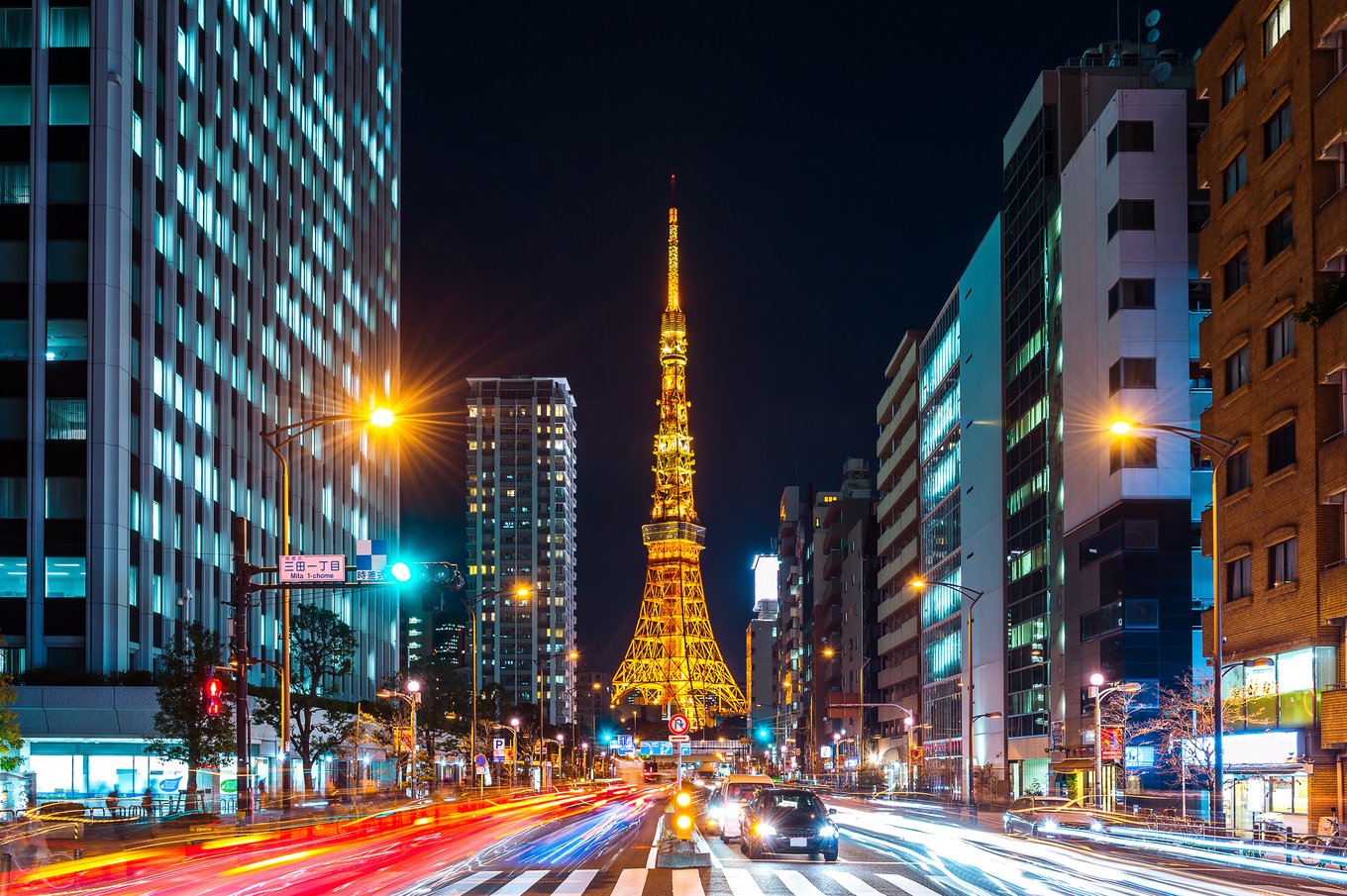
Tokyo has enough neighborhoods, attractions, and hidden corners to keep you busy for days, while its excellent rail connections make it easy to explore beyond the city. Ten days based in Tokyo means you skip the hassle of packing and unpacking across multiple cities while still accessing Japan's most rewarding escapes via quick train rides. This guide breaks down exactly how to structure your days, where to stay, and how to make every moment count in 2026.
Why Spend All 10 Days Based in Tokyo?
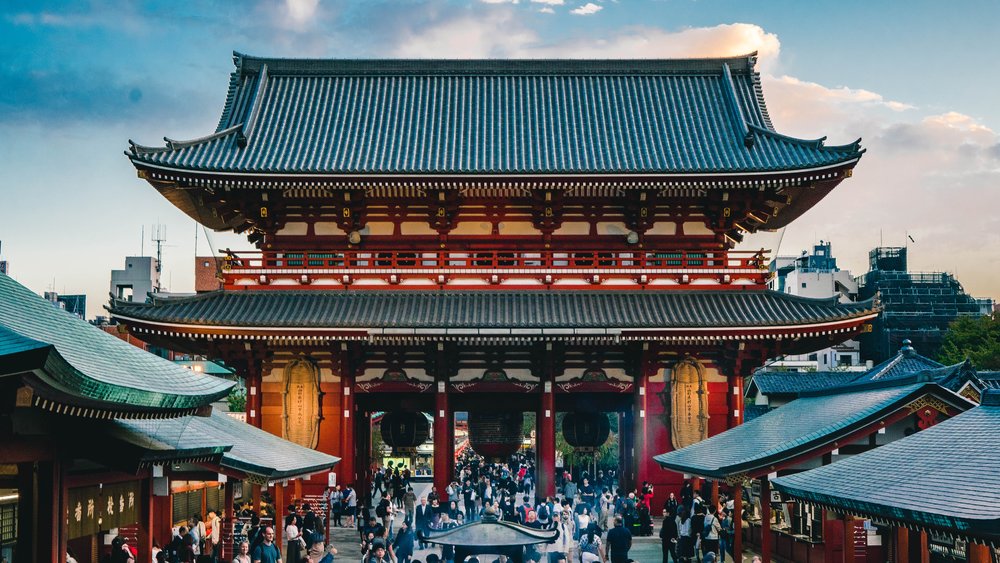
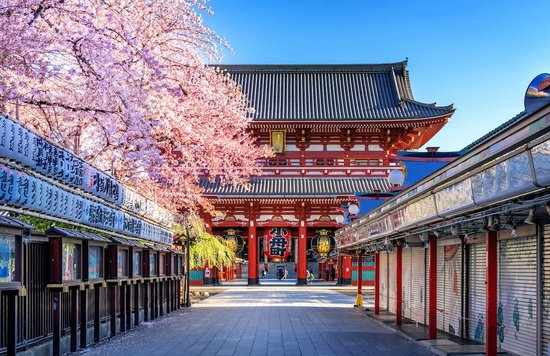
Der Sensoji Tempel in Asakusa
Staying in Tokyo for the full 10 days eliminates the logistical headaches of multi-city travel while still giving you access to Japan's most scenic destinations. Most 10-day Japan itineraries split time between Tokyo, Kyoto, and Osaka, but that means hours lost to train transfers, hotel check-ins, and luggage shuffling. By keeping Tokyo as your home base, you trade that friction for deeper neighborhood exploration and stress-free day trips.
Tokyo's rail network makes this work beautifully. Mt Fuji, Hakone, Nikko, and Kamakura are all reachable in under two hours by train, meaning you can wake up in your hotel, spend a full day exploring, and return to the same bed that night. For families with kids or couples who want to avoid the chaos of constant movement, this single-base approach keeps energy levels high and planning simple.
You also get to experience Tokyo's neighborhoods at a pace that actually lets you absorb them. Rushing through Shibuya, Shinjuku, Asakusa, and Ginza in three days means surface-level visits. Ten days lets you return to favorites, stumble into hidden spots, and build the kind of trip memories that come from slowing down rather than racing through a checklist.
Best Time to Visit Tokyo for Your Trip
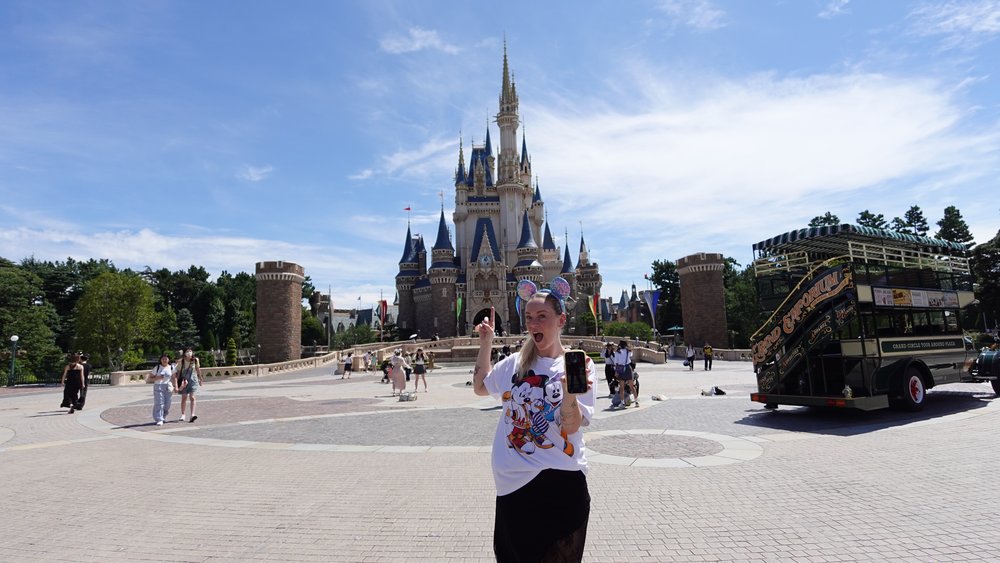
Tokyo Disneyland’s Cinderella Castle
The best time to visit Tokyo depends on what you want to experience, but late March through early April (cherry blossom season) and mid-November through early December (autumn foliage) offer the most visually stunning backdrops. Spring brings the famous sakura blooms to parks like Ueno and Shinjuku Gyoen, while autumn transforms Meiji Jingu's ginkgo-lined avenues into golden corridors.
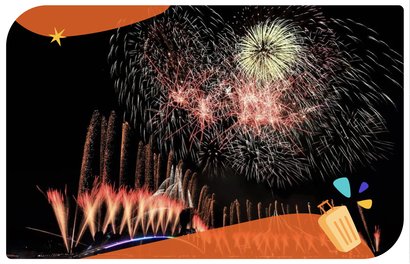
If you're planning around school holidays or want to avoid peak crowds, consider late May or early October. These shoulder seasons offer mild weather, thinner tourist numbers, and lower accommodation prices. Summer (June through August) brings humidity and occasional typhoons, though it's also when you'll find vibrant festivals and fireworks displays. Winter (December through February) is cold but clear, with fewer crowds and the chance to see Mt Fuji's snow-capped peak on day trips.
For a deeper look at seasonal timing across all of Japan, including how Tokyo's weather compares to Kyoto and Osaka, check out our guide on the best time to visit Japan.
Day-by-Day Tokyo Itinerary: Days 1–5
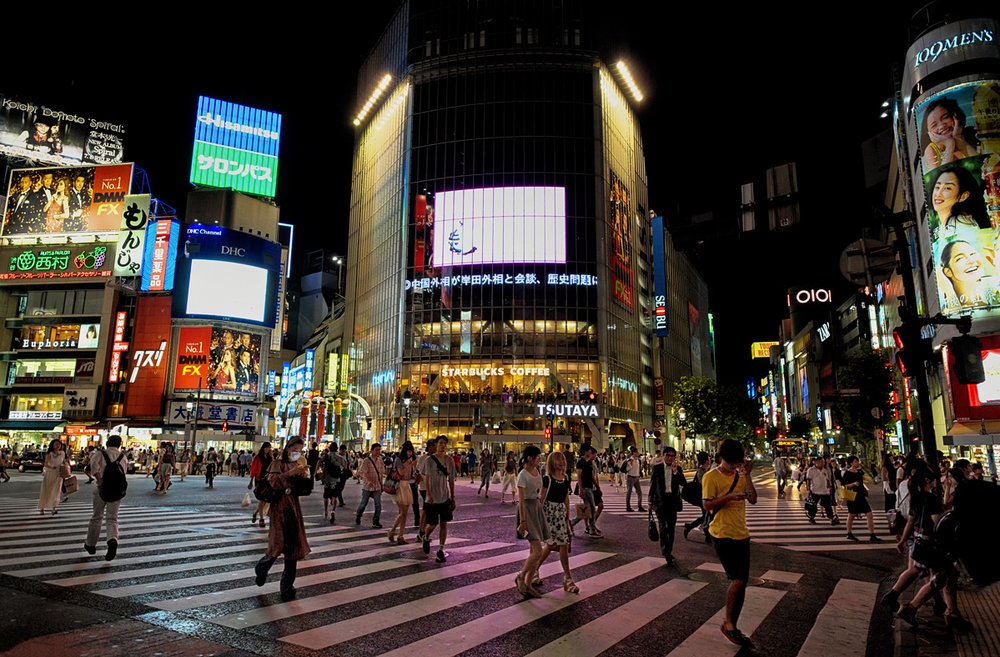
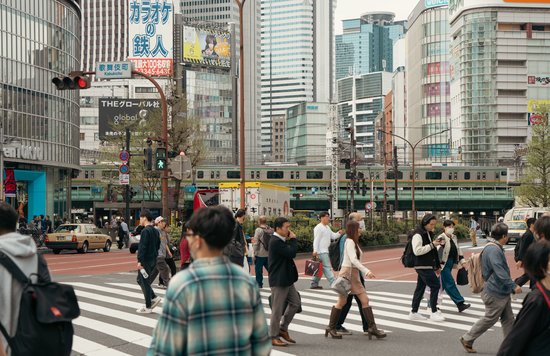
Nighttime energy at Shibuya Crossing in Tokyo | Photo Credit: Wikimedia Commons
The first five days of your Tokyo itinerary should focus on the city's essential neighborhoods and iconic attractions, building a foundation before you venture out on day trips.
Day 1: Arrival and Shibuya orientation.
Land at Narita or Haneda, pick up your IC card (a rechargeable transit card that works on all Tokyo trains and buses), and head to your hotel. If you arrive with energy to spare, ease into the city with an evening walk through Shibuya. Watch the famous scramble crossing from the Shibuya Sky observation deck, grab dinner in one of the area's countless Izakayas, and let the jet lag settle.
Day 2: Harajuku, Meiji Shrine, and Omotesando.
Start your morning at Meiji Jingu, Tokyo's most important Shinto shrine, set within a forested park that feels miles away from the city's neon chaos. From there, walk through Harajuku's Takeshita Street for quirky fashion and crepes, then stroll down Omotesando's tree-lined boulevard for upscale shopping and architecture. End the day in Shinjuku, exploring the neon-lit alleys of Golden Gai or the observation deck at the Tokyo Metropolitan Government Building (free entry).
Day 3: Asakusa, Tokyo Skytree, and Sumida River.
Spend the morning at Senso-ji Temple in Asakusa, Tokyo's oldest temple, and browse the Nakamise shopping street for traditional snacks and souvenirs. Walk along the Sumida River to Tokyo Skytree, where the observation decks offer panoramic views of the entire city. If you're traveling with kids, the nearby Sumida Aquarium makes a solid afternoon addition.
Day 4: Tsukiji Outer Market, Ginza, and Odaiba.
Start early at Tsukiji Outer Market for fresh sushi, tamagoyaki (Japanese omelet), and street food. Wander through Ginza Tokyo's upscale shopping district, stopping at the Ginza Six department store or the Sony Store. In the afternoon, take the Yurikamome line to Odaiba for waterfront views and a relaxed evening along the bay.
Day 5: Ueno and Akihabara.
Ueno Park houses multiple museums, including the Tokyo National Museum and the Ueno Zoo, making it ideal for families or culture-focused travelers. In the afternoon, head to Akihabara for electronics, anime merchandise, and multi-story arcades. This day works well as a lighter-paced buffer before your day trips begin.
If you want a more detailed breakdown of these first five days, our 5-day Tokyo itinerary covers each neighborhood in depth.
Day-by-Day Tokyo Itinerary: Days 6-10 with Day Trips
For days 6 through 10, you can mixing day trips from Tokyo with deeper neighborhood exploration.
Day 6: Mt Fuji day trip.
This is the highlight day trip for most visitors. Take an early train to Kawaguchiko (about two hours from Shinjuku) for iconic views of Mt Fuji reflected in the lake. Rent bikes to explore the shoreline, ride the Kachi Kachi Ropeway for elevated views, and visit the Chureito Pagoda if time allows. Return to Tokyo by evening.
Day 7: Recovery and Shimokitazawa or Yanaka.
After a full day trip, keep things low-key. Shimokitazawa offers vintage shops, indie cafes, and a bohemian vibe that contrasts with Tokyo's busier districts. Alternatively, Yanaka's old-town atmosphere, traditional shotengai (shopping streets), and quiet temples provide a glimpse of pre-war Tokyo.
Day 8: Nikko day trip.
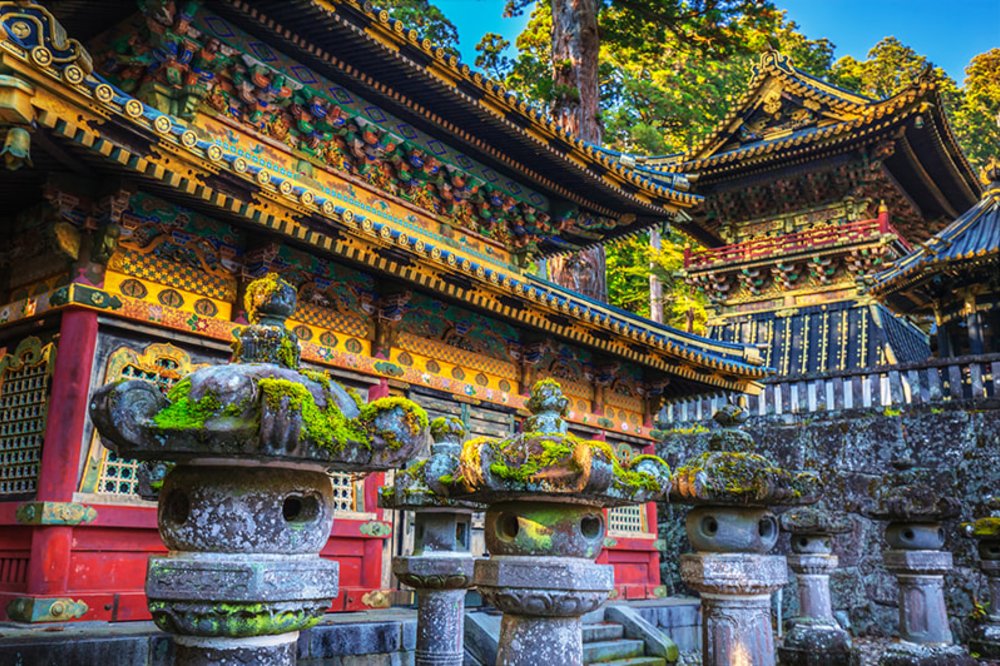
Nikko, about two hours north of Tokyo, is home to the ornate Toshogu Shrine (a UNESCO World Heritage Site), stunning waterfalls, and forested hiking trails. The Tobu Railway offers a direct limited express from Asakusa. Plan for a full day to see the shrine complex and at least one natural attraction like Kegon Falls.
Day 9: Kamakura day trip.
An hour south of Tokyo, Kamakura offers the Great Buddha statue, hillside temples, and a laid-back coastal atmosphere. Walk the Daibutsu hiking trail between temples, explore Hase-dera's gardens, and end the day with fresh seafood near the beach. This day trip pairs well with a quick stop in Enoshima if you have extra time.
Day 10: Final Tokyo exploration and departure prep.
Use your last full day to revisit favorite spots, pick up last-minute souvenirs, or explore a neighborhood you missed. If your flight is in the evening, consider a morning visit to the Imperial Palace East Gardens or a final bowl of ramen in Shinjuku before heading to the airport.
For travelers considering extending beyond Tokyo after these 10 days, our Tokyo, Kyoto, and Osaka itinerary maps out how to continue your Japan itinerary.
Mt Fuji Day Trip from Tokyo and Other Escapes
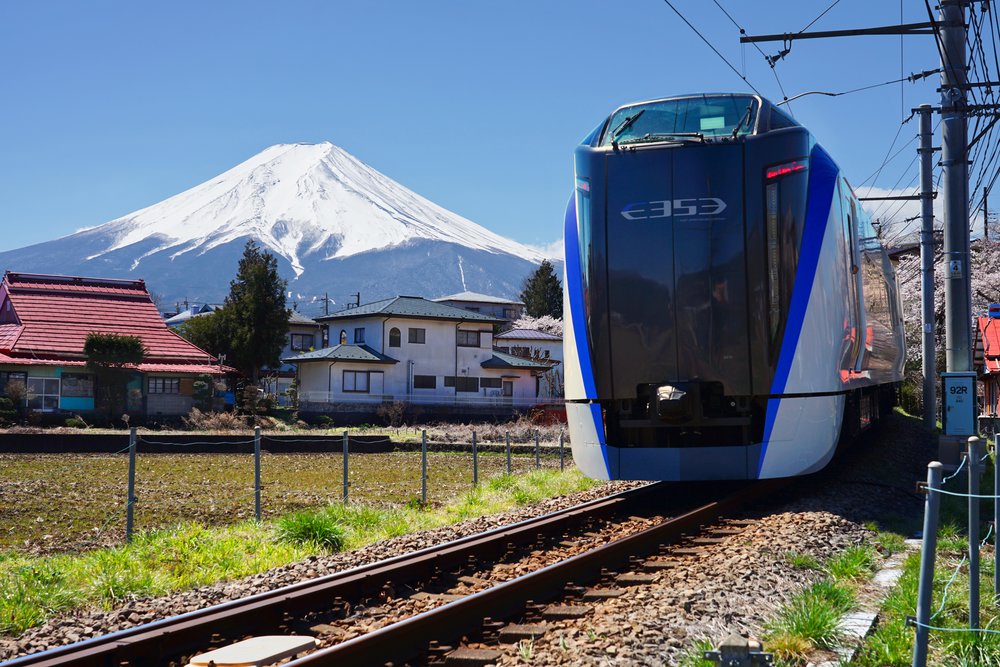
Fuji excursion train
A Mt Fuji day trip from Tokyo is the most popular escape for visitors with 10 days, and for good reason. The mountain is Japan's most iconic natural landmark, and on clear days, the views from Kawaguchiko or Hakone are unforgettable. Most travelers take the JR Chuo Line to Otsuki, then transfer to the Fujikyu Railway to reach Kawaguchiko Station. The journey takes about two hours each way, leaving a solid six to seven hours for exploration.
Beyond Mt Fuji, several other day trips from Tokyo deserve consideration:
- Hakone: Hot springs, open-air museums, and views of Mt Fuji from across Lake Ashi. The Hakone Free Pass covers most transport and attractions.
- Nikko: UNESCO-listed shrines, waterfalls, and mountain scenery. Best for history and nature lovers.
- Kamakura: Coastal temples, the Great Buddha, and a relaxed beach-town atmosphere. Easy access via the JR Yokosuka Line.
- Yokohama: Chinatown, waterfront parks, and the Cup Noodles Museum. Just 30 minutes from central Tokyo.
Where to Stay: Hotels in Tokyo vs Airbnb Tokyo
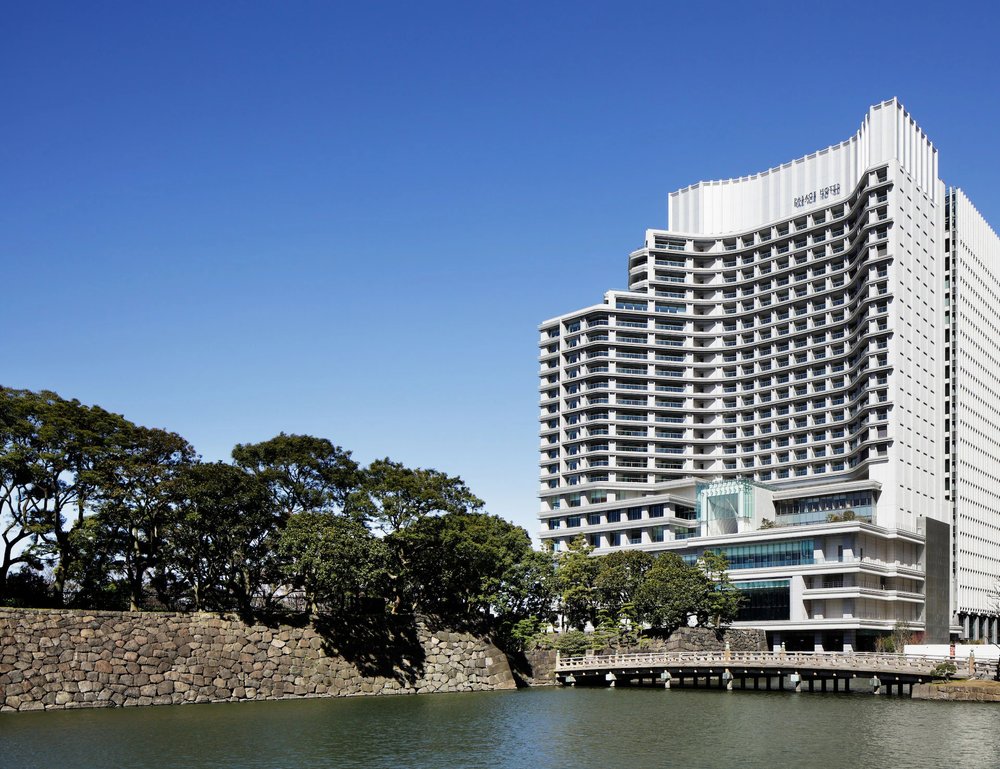
Palace Hotel Tokyo
Choosing between hotels in Tokyo and Airbnb Tokyo comes down to trip length, group size, and how much space you need. For a 10-day stay, both options have clear advantages.
Hotels offer convenience, daily housekeeping, and locations optimized for transit access. Staying near major stations like Shinjuku, Shibuya, or Tokyo Station puts you within walking distance of train lines that connect to every neighborhood and day trip destination. Business hotels (compact, affordable, and efficient) are a popular choice for solo travelers and couples, while larger international chains offer family-friendly amenities and English-speaking staff.
Airbnb Tokyo works well for families or groups who want more space, kitchen access, and a neighborhood feel. A 10-day stay in a residential area like Meguro or Nakano can feel more immersive than a hotel in a tourist hub. However, Japan's minpaku (short-term rental) regulations mean fewer listings than in other major cities, and some buildings prohibit short-term guests entirely. Book early and verify the listing is legally registered.
For families traveling with kids, our Japan family itinerary guide includes accommodation tips tailored to traveling with children.
Budget Breakdown and Transport Tips
A realistic budget for 10 days in Tokyo ranges from $2,500 to $5,000 per person, depending on accommodation choices, dining preferences, and activity spending. Here's a rough breakdown:
- Accommodation: $80-$200 per night for mid-range hotels; $100–$150 per night for well-located Airbnbs.
- Food: $30-$80 per day, depending on whether you're eating at convenience stores and ramen shops or splurging on sushi omakase.
- Transport: $5–$15 per day using an IC card for metro and local trains; day trip trains add $20–$50 per excursion.
- Activities and attractions: $10–$50 per day for museum entries, observation decks, and experiences.
For transport, an IC card (Suica or Pasmo) is essential. Load it at any station and tap to ride trains, buses, and even pay at convenience stores. For day trips, individual tickets or regional passes (like the Hakone Free Pass) often make more sense than a JR Pass, which is designed for longer cross-country travel.
Frequently Asked Questions
Is 10 days enough time to see Tokyo?
Yes, 10 days is enough time to see Tokyo's major highlights and fit in two to four day trips. This duration lets you explore essential neighborhoods like Shibuya, Shinjuku, Asakusa, and Ginza at a comfortable pace while still escaping to Mt Fuji, Nikko, or Kamakura. Most first-time visitors find 10 days strikes the right balance between depth and variety.
What are the best day trips to take from Tokyo on a 10-day trip?
The best day trips from Tokyo include Mt Fuji (Kawaguchiko or Hakone), Nikko for its UNESCO shrines and waterfalls, and Kamakura for coastal temples and the Great Buddha. Yokohama is a quick option if you want Chinatown and waterfront views without a long train ride. Most travelers fit two to three day trips into a 10-day itinerary.
How many day trips should I include in a 10-day Tokyo itinerary?
Two to four day trips work well in a 10-day Tokyo itinerary. This leaves enough days for thorough city exploration while giving you meaningful escapes to natural and cultural destinations outside the capital. Spacing day trips with recovery days in between keeps energy levels sustainable.
Is $5,000 enough for 10 days in Tokyo?
$5,000 per person is a comfortable budget for 10 days in Tokyo, covering mid-range hotels, a mix of casual and upscale dining, day trip transport, and paid attractions. Budget-conscious travelers can manage with $2,500-$3,000 by choosing business hotels, eating at convenience stores and ramen shops, and limiting splurge meals.
What is the best time of year to visit Tokyo?
Late March through early April (cherry blossom season) and mid-November through early December (autumn foliage) offer the most scenic conditions. Shoulder seasons like late May and early October provide mild weather with fewer crowds. Summer is humid with occasional typhoons, while winter is cold but clear with lower tourist numbers.
What Tokyo neighborhoods should I prioritize in a 10-day itinerary?
Prioritize Shibuya and Shinjuku for nightlife and shopping, Asakusa for traditional temples and Tokyo Skytree views, Harajuku for youth culture and Meiji Shrine, and Ginza Tokyo for upscale dining and department stores. Ueno and Akihabara round out the essentials with museums, parks, and electronics districts.
Should I stay in a hotel or Airbnb in Tokyo for 10 days?
Hotels offer convenience, central locations, and daily housekeeping, making them ideal for first-time visitors. Airbnb Tokyo suits families or groups who want more space and kitchen access, though availability is limited due to Japan's rental regulations. For a 10-day stay, either option works well depending on your priorities.
Related Articles
What is Klook?
Klook is a leading pan-regional experiences platform in Asia Pacific, purpose built to digitalize experiences and make them accessible to every traveler.
Our mission is to build the digital infrastructure for the global experience economy — empowering merchants to share their passions and travelers to discover the heartbeat of each destination. We operate a mobile-first, curated platform featuring diverse experiences across global destinations.