
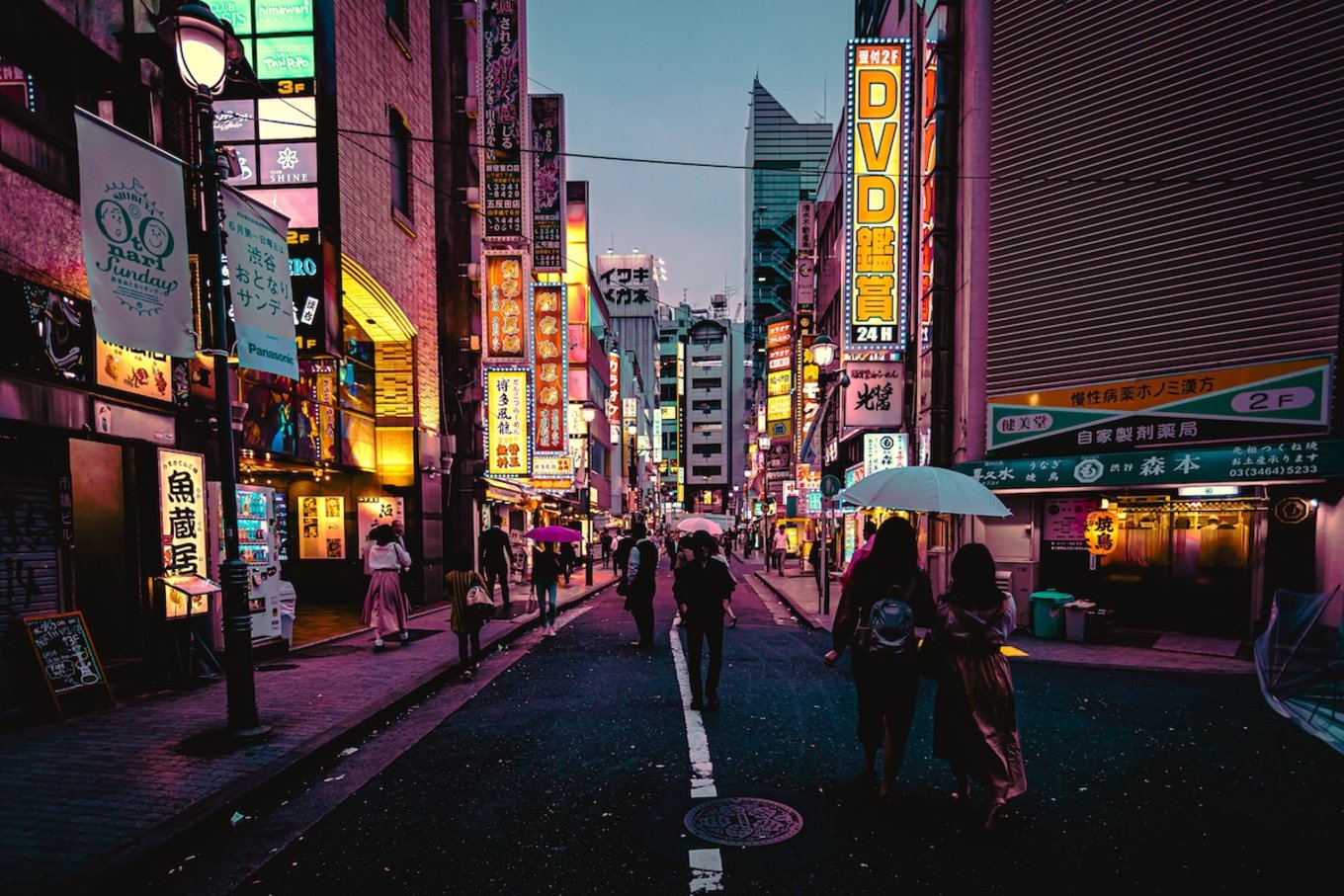
You’ve probably saved a few photos already: the crowd at Shibuya Crossing, the orange-and-white glow of Tokyo Tower after dark. Then you opened a map of Tokyo and every neighborhood started to look like its own trip. Sound familiar?
About 14 million people live in Tokyo, and the train network is good enough that most spots are a short ride apart. Flights from the West Coast run around 11 hours, so you’ll want your days to count. This Tokyo travel guide sorts the best things to do in Tokyo by style: temples and gardens, skyline views, pop culture, food, and Tokyo day trips.
Prices below are rough USD conversions at about ¥150 to $1, so check the final amount when you book.
Temples, gardens and old Tokyo
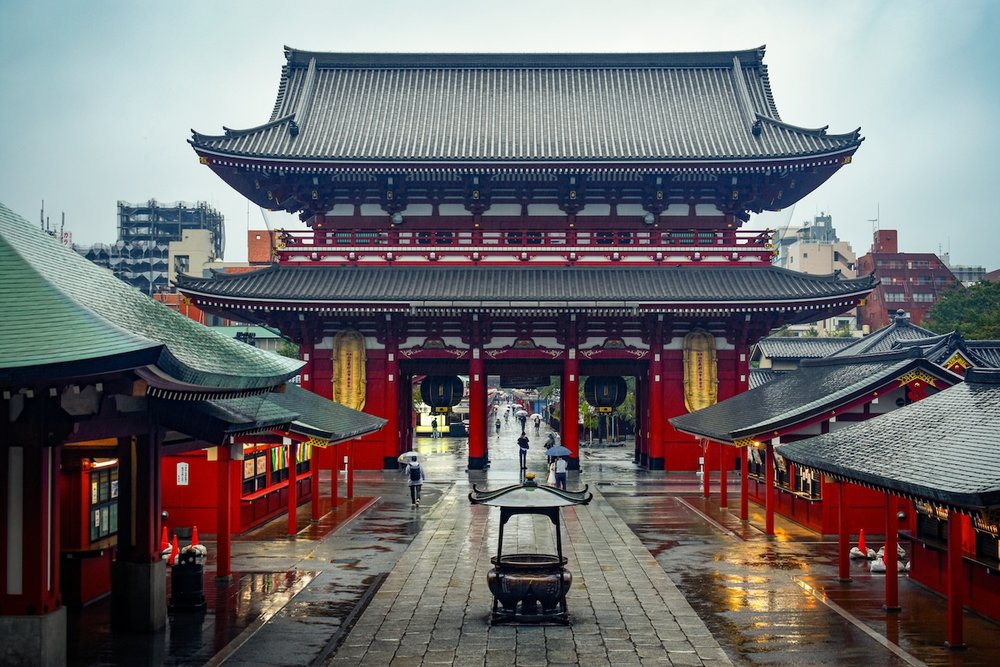
Senso-ji Temple in Tokyo | Image Credit: Alex via Unsplash
Old Tokyo is quieter than the skyline suggests. Leave the main roads and you get gravel paths, incense smoke and temple bells, usually a few minutes from a train station. Most of what’s below is free or close to it.
1. Senso-ji Temple
Senso-ji Temple is Tokyo’s oldest temple, founded in 645, and entry is free. Walk in through the red Kaminarimon gate with its giant paper lantern and you’re on your way to the main hall.
Go before 9 a.m. if you can, because by midday the approach is shoulder to shoulder. The main hall opens at 6 a.m. (6:30 in winter) and closes at 5 p.m.
Getting there: Asakusa Station (Ginza and Asakusa lines), about 3 minutes’ walk
2. Nakamise-dori
Nakamise-dori is the shopping street that leads to Senso-ji, roughly 250 meters long with about 90 shops. It’s the easiest place in Tokyo to eat a snack and buy a souvenir in the same five minutes.
Try ningyo-yaki (small sponge cakes filled with sweet red bean paste) for a couple of dollars. Prices run a bit higher here than elsewhere, so it’s better for snacks than gifts.
Getting there: It starts at the Kaminarimon gate, a short walk from Asakusa Station
3. Meiji Jingu Shrine
Meiji Jingu Shrine sits right beside Harajuku’s crowds, yet it feels miles away. The grounds cover about 170 acres of forest with roughly 100,000 trees, and entry is free.
Allow 15 minutes to walk in to the main shrine, and watch for traditional wedding processions on weekends. There isn’t much to see beyond the walk and the main hall, so it suits people who like quiet more than sights.
Getting there: Harajuku Station (JR Yamanote Line), about 1 minute to the south entrance
4. Imperial Palace East Gardens
Free, flat and rarely crowded, these gardens sit in the middle of Marunouchi’s office towers. You can walk the old castle foundations and lawns in about an hour.
The palace itself isn’t open to casual visitors. The gardens close on Mondays and Fridays, so check the day before you go.
Getting there: Otemachi Station (several lines), about 5 minutes’ walk to Otemon Gate
5. Shinjuku Gyoen
About $3 (¥500) buys you 144 acres of lawns, ponds and greenhouses in the middle of Shinjuku. It’s the easiest place in the city to sit down and do nothing.
Cherry blossoms peak in late March and early April, and fall colors arrive in November. Alcohol isn’t allowed inside, and the park closes on Mondays.
Getting there: Shinjuku-gyoemmae Station (Marunouchi Line), about 5 minutes’ walk
6. Yanaka Ginza
Most of Tokyo has been rebuilt, but Yanaka still has low wooden houses and corner shops. Yanaka Ginza is its main street, only a couple hundred meters long.
Grab a menchi-katsu (fried minced-meat cutlet) for a few dollars and wander the side streets, where cat statues pop up everywhere. It’s a small area, so 1 to 2 hours is plenty.
Getting there: Nippori Station (JR Yamanote Line), about 3 minutes’ walk
7. Ueno Park
Ueno Park is free to enter, and it holds several of Tokyo’s biggest museums, a zoo and a pond covered in lotus leaves in summer. It works well as a full half day.
Most museums charge separately and many close on Mondays, so pick one rather than trying them all. Afterward, walk five minutes to Ameyoko, the market strip under the train tracks, for street food.
Getting there: Ueno Station (JR Yamanote Line, Park Exit), about 2 minutes’ walk
Skyline views and city icons
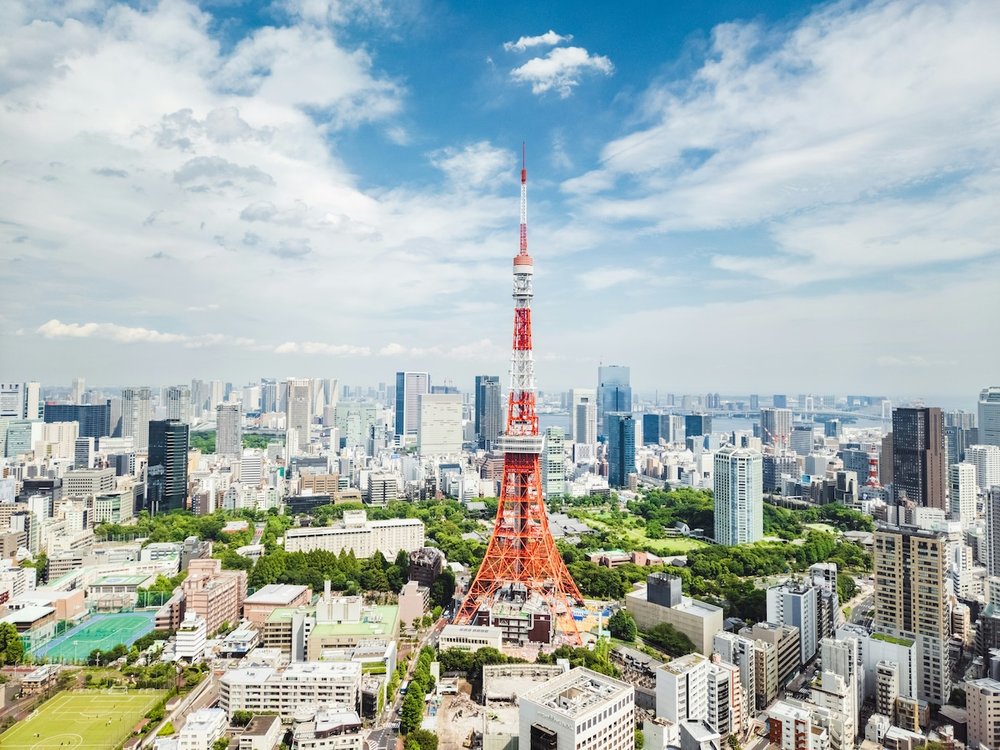
Tokyo Skytree | Image credit: A Y via Unsplash
Tokyo is flat for miles, so a view from above shows you how big it really is. The best Tokyo attractions for height are easy to book ahead, and each has a cheaper option nearby. Our Tokyo top attractions guide has more if you want a longer list.
Tokyo Tower
At about $10 for the Main Deck, Tokyo Tower is the cheaper way to see the city from above. The tower is 333 meters tall and opened in 1958, and the 150-meter deck is high enough to pick out individual streets.
If you want more context, the Tokyo Tower walking tour pairs the Top Deck with Zojo-ji, the Buddhist temple at the tower’s base. The catch is that it’s a half-day tour, so it’s not the quick-photo option.
Getting there: Akabanebashi Station (Oedo Line), about 5 minutes’ walk
Tokyo Skytree
Skytree is the tall one. At 634 meters it’s Japan’s tallest structure, and Tembo Deck tickets (350 meters) start around $12, with weekends costing more.
If you’re already heading to Asakusa, Klook’s Asakusa Skytree half-day experience bundles both areas into one morning. Crowds are the downside, so book a timed ticket for the first slot.
Getting there: Oshiage Station (Hanzomon and Asakusa lines), connected through the Solamachi mall
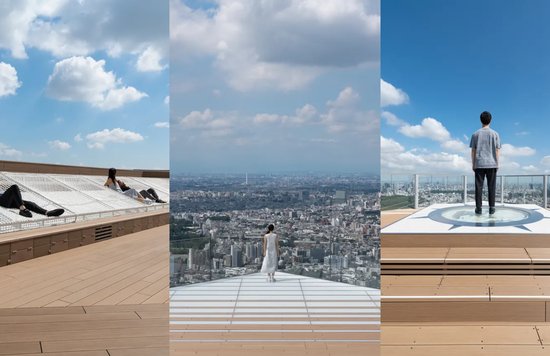
3. Shibuya Sky
Shibuya Sky tickets run roughly $15 to $20, depending on the time slot. The open-air rooftop sits 229 meters up, so it’s the pick if you want wind in your face and photos with no glass.
Sunset slots sell out first, so book a few days ahead. It’s also the best place to watch the crowd below without craning your neck.
Getting there: Shibuya Station, connected to Shibuya Scramble Square
4. Tokyo Metropolitan Government Building
It’s free. The twin-towered building in Shinjuku has a 202-meter observation deck on the 45th floor, and it costs nothing.
On clear days you can spot Mt. Fuji, most often in winter. Expect a short security line, and check which deck is open that day since only one is open on some days.
Getting there: Shinjuku Station West Exit, about 10 minutes’ walk
Modern and pop culture Tokyo
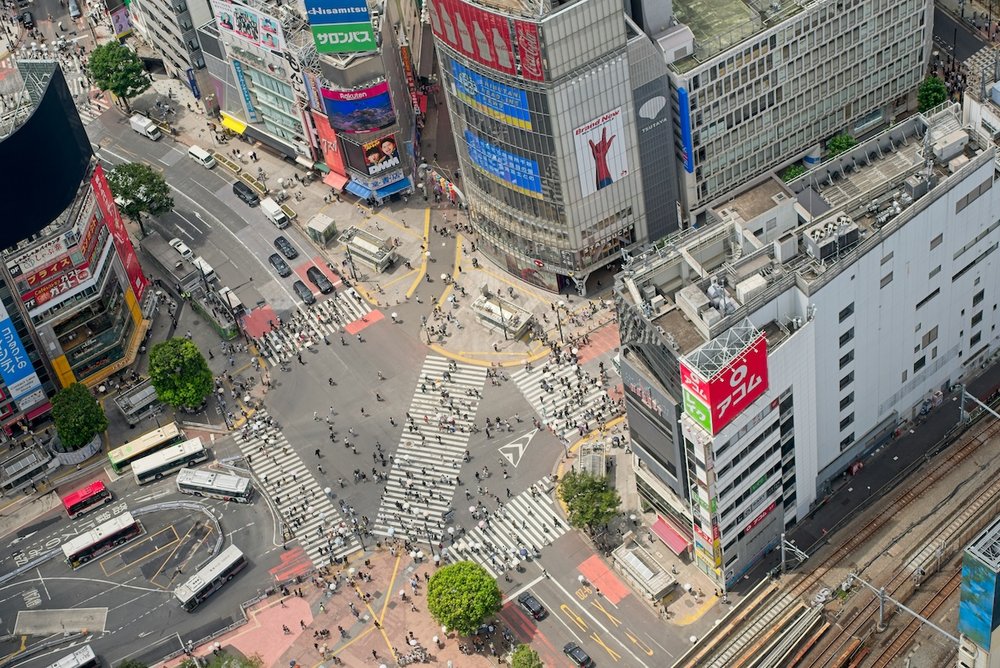
Shibuya Scramble Crossing | Image credit: Stefan Szankowski via Unsplash
This is the Tokyo you’ve seen in movies: neon, arcades and a lot of noise. Some of the most fun things to do in Tokyo live in these few neighborhoods, but they’re easy to overdo. Pick one or two areas per day.
1. Shibuya Scramble Crossing
Up to roughly 3,000 people cross at once when the lights change at Shibuya Scramble Crossing, and it’s free. It’s the photo everyone wants, and it works better in person than you’d expect.
Ten minutes is plenty to cross a few times and grab pictures. The best views are from the Starbucks in the Tsutaya building or from Shibuya Sky (see #10), and everything looks better after dark. Hachiko’s statue is right outside the station.
Klook Tip: Arrive just after sunset. The screens are lit and the crowds peak, so one 15-minute visit gets you the full effect.
Getting there: Hachiko Exit, Shibuya Station (JR Yamanote Line), about 1 minute
2. Harajuku Takeshita Street
Takeshita Street is about 350 meters of crepe stands, thrift shops and tiny boutiques. A crepe runs around $5, and most of the clothes are cheap.
Weekends get packed, so go on a weekday before noon. Pair it with Meiji Jingu, which is a 5-minute walk away and the opposite mood.
Getting there: Harajuku Station (JR Yamanote Line), Takeshita Exit, about 1 minute
Akihabara
Akihabara is where anime, manga and retro games share the same blocks, and arcade plays start at ¥100 (about 70 cents). It suits anyone who likes gadgets, collectibles or just wandering through bright, loud stores.
Multi-story arcades and secondhand game shops make it a good rainy-day plan. Some floors in the bigger shops are adults-only, so check the signs before you wander up.
Getting there: Akihabara Station (JR Yamanote Line), Electric Town Exit, about 1 minute
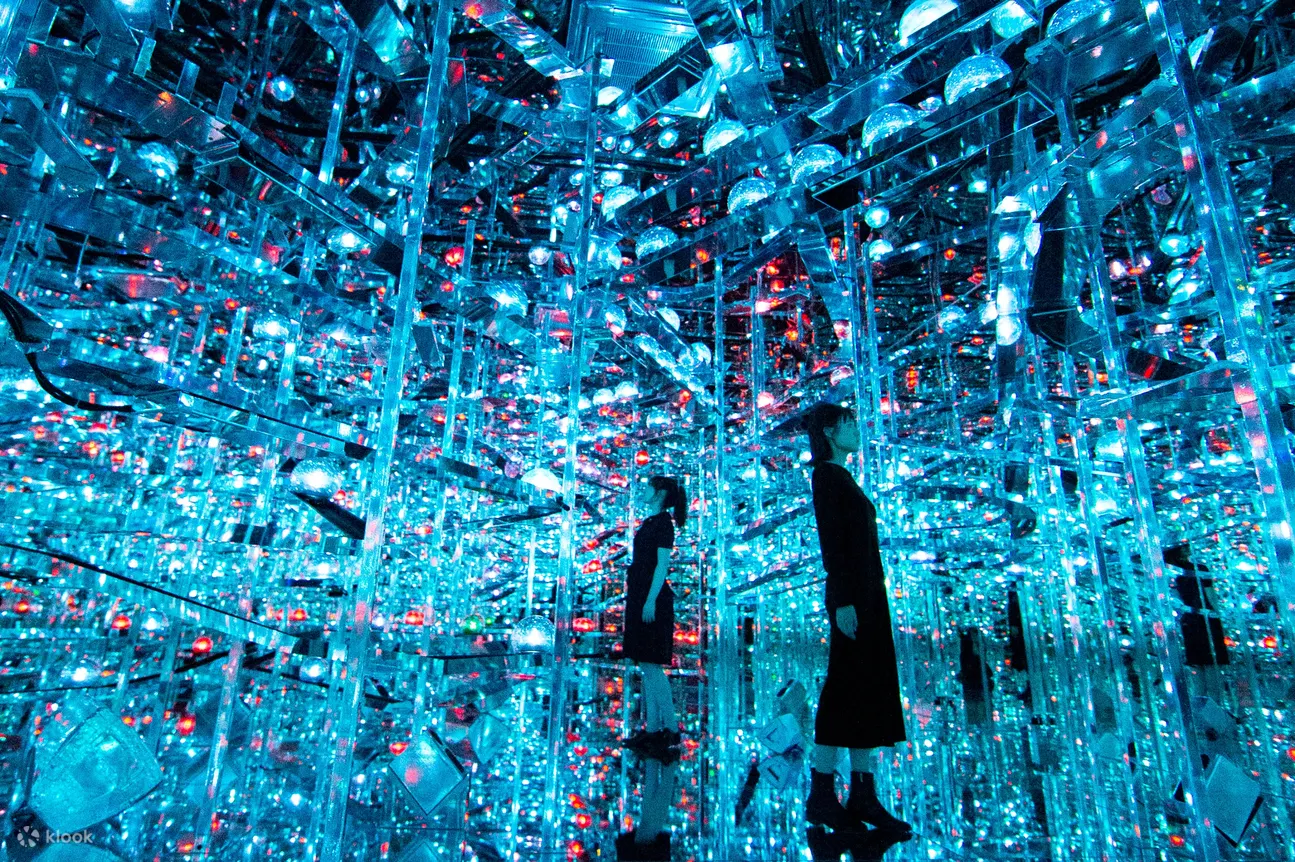
teamLab Borderless
The teamLab exhibits here have no map and no set route. Artworks drift from room to room, so you’ll lose track of time; plan on 2 to 3 hours. The popular rooms can feel crowded.
teamLab Borderless tickets start around $25 and climb on busy dates, and slots sell out. Our teamLab ticket guide walks through booking.
Klook Tip: Wear pants or shorts instead of a skirt, since some floors are mirrored. Shoes stay on here; teamLab Planets in Toyosu is the barefoot, wade-through-water one.
Getting there: Kamiyacho Station (Hibiya Line), a few minutes’ walk to Azabudai Hills
5. Shinjuku Golden Gai
Golden Gai packs about 200 tiny bars into six narrow alleys, and most seat 6 to 10 people. It’s the heart of Shinjuku nightlife if you’d rather have a small, slightly cramped evening than a big club.
Many bars charge a cover of roughly $3 to $7, and drinks start around $5 to $7, so bring cash. Pick bars with an English sign out front, because a few are regulars-only.
Getting there: Shinjuku-sanchome Station, about 5 minutes’ walk
Food in Tokyo
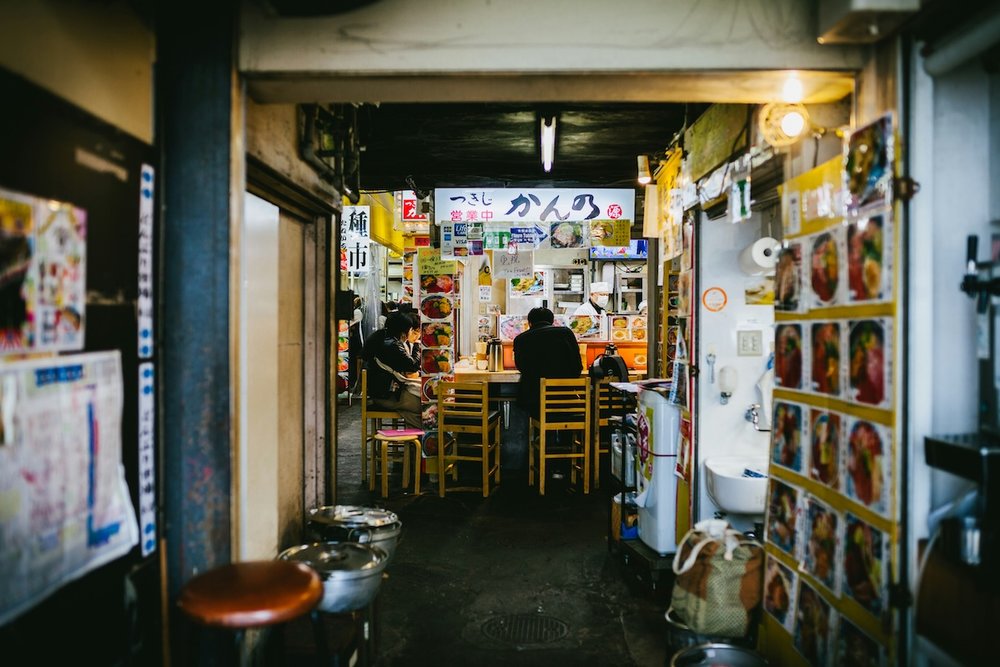
Tsukiji Outer Market | Image Credit: Karsten Gohm via Unsplash
In Tokyo, some of the best meals come from a counter with eight stools and a ticket machine out front. You can eat well for under $10, which surprises most first-timers. These six cover the basics.
Tsukiji Outer Market
Tsukiji’s outer market starts winding down by early afternoon, so aim to arrive before 10 a.m. It’s the best breakfast stop in the city.
Hundreds of stalls sell tamagoyaki (sweet rolled omelet) skewers for a couple of dollars and seafood rice bowls for roughly $13 to $25. Many stalls close on Sundays and some Wednesdays, and the lanes are tight, so eat at the stall rather than while walking.
Getting there: Tsukiji Station (Hibiya Line), about 1 minute
Ramen at Tokyo Station
A bowl of ramen runs about $7 to $10, and Tokyo-style shoyu ramen (soy sauce broth with chewy noodles) is the one to try first.
Tokyo Ramen Street, a basement food lane at Tokyo Station, puts several well-known shops in one place. Lines build at lunch, and you order from a ticket machine, so check the picture buttons and hand the ticket to staff.
Getting there: Tokyo Station, Yaesu side, basement level (follow signs for Tokyo Ramen Street)
Izakaya at Omoide Yokocho
Omoide Yokocho is a smoky alley of yakitori stalls beside the Shinjuku train tracks, where skewers cost about $1 to $2 each. It suits small groups who want a first izakaya (Japanese pub) night.
Order a drink first, since most places add a small table charge (about $2 to $3) that comes with a snack. It’s tiny and loud, so it works better for groups of one to four than for big parties.
Getting there: Shinjuku Station, West Exit, about 1 minute
Conveyor belt sushi
Conveyor belt sushi is the budget way to eat sushi in Tokyo, with plates starting around $1 to $2. It’s also the easiest way to try a lot of things without committing to a full set.
Most chains have English touchscreen menus, and lunch lines move fast. It won’t match a chef’s counter, but it’s fresh, cheap and good for picky eaters.
Getting there: Branches near most major stations; search for “kaitenzushi” on your map app
Themed cafes
Themed cafes are about the show more than the food. Maid cafes in Akihabara usually add a seating or show charge, so a drink, a snack and the fee often land around $15 to $25.
Popular spots like the Pokémon Cafe in Nihonbashi need reservations, so book ahead. If photos matter to you, ask about the rules first, since many cafes limit them.
Getting there: Akihabara Station (JR Yamanote Line) for maid cafes; Nihonbashi Station for the Pokémon Cafe
Depachika food halls
Department store basements, called depachika, sell ready-made bento boxes for about $6 to $10. It’s a good night to skip the restaurant line.
Prices drop in the evening, when stalls mark down fresh food. Isetan in Shinjuku and Mitsukoshi in Ginza are two good places to start, and you can eat on a bench in a nearby park.
Getting there: Isetan Shinjuku connects directly to Shinjuku-sanchome Station
Tokyo day trips worth the early alarm
Tokyo is a great base for the rest of Japan, and a few places are easy to reach in a morning. These three are the most popular Tokyo day trips for first-timers, and each has a different feel.
Hakone
Hakone is the classic hot spring escape, about 85 minutes from Shinjuku by train or around 2 hours by bus. Think Lake Ashi boats, hot spring baths and the steam vents at Owakudani.
The direct bus to Hakone leaves from Shinjuku and keeps the trip simple. Mt. Fuji is often hidden by clouds, so aim for a clear morning.
Klook Tip: Check the Mt. Fuji forecast the night before and swap days if it’s cloudy.
- Getting there: Odakyu Romancecar from Shinjuku Station, about 85 minutes to Hakone-Yumoto
Nikko
Nikko is a long day, but Toshogu Shrine, a UNESCO World Heritage site, is carved and gilded in a way you won’t see in Tokyo. It’s the pick for history lovers and anyone chasing fall color.
The Nikko day tour from Tokyo combines Toshogu with Kegon Falls (a 97-meter waterfall) and handles the transport. Fall colors usually peak between October and early November, and you’ll climb a lot of stairs.
Getting there: Tour pickup in Tokyo; by train, about 2 hours from Asakusa Station (Tobu Line)
Kamakura
Kamakura is the easy one. It’s about an hour from Tokyo Station on the JR Yokosuka Line, and it feels like a seaside town.
The Great Buddha at Kotoku-in is roughly 44 feet tall and costs about $2 to see (¥300). Take the vintage Enoden tram out to Hase, and avoid weekend afternoons when the trains fill up.
Getting there: Kamakura Station (JR Yokosuka Line), about 1 hour from Tokyo Station
FAQs about things to do in Tokyo
What is Tokyo best known for?
Tokyo is best known for pairing futuristic neon districts with quiet temples, plus a food scene that has long held more Michelin stars than any other city. Shibuya Crossing, Senso-ji, Akihabara’s arcades and ramen counters are what most visitors come for first.
How many days do you need in Tokyo?
Plan on 4 to 5 days for a first Tokyo itinerary, or 3 if you’re short on time. Add one day for each of the day trips above, and leave one open morning, especially after an 11-hour flight.
What is the best neighborhood to stay in Tokyo?
Shinjuku is the easiest pick for first-timers, because it’s a major rail hub with direct buses to Hakone and plenty of food and nightlife. Its main station is huge and confusing, so if you want something calmer, Asakusa has older, cheaper stays and a direct subway line to Shibuya.
Is Tokyo expensive to visit?
It’s cheaper than most first-timers expect, apart from your hotel. A day of food, train rides and one ticketed sight typically lands around $60 to $90 per person, and free stops like Senso-ji and Meiji Jingu help.
What food should you try in Tokyo?
Start with ramen, sushi and yakitori, then add monjayaki (a runny, pan-fried batter dish from the Tsukishima area) if you want something local. Most casual meals cost $15 or less.
How do you get around Tokyo as a tourist?
Use the trains and subway with an IC card like Suica or PASMO, which you tap at the gates. On iPhone, you can add Suica to Apple Wallet before you fly, and most rides cost about $1 to $3. Trains stop around midnight, so check your last train before a night out.
Ready to plan your Tokyo trip?
With this many things to do in Tokyo, your first full day could be an early walk through Senso-ji before the crowds, ramen for lunch, and a sunset slot at Shibuya Sky.
Your next step is to book the timed tickets, like teamLab and Skytree, before you fly, and leave the rest of your days loose. Browse tickets, tours and transport on Klook so the hard-to-get slots are already locked in.
Related blogs
What is Klook?
Klook is a leading pan-regional experiences platform in Asia Pacific, purpose built to digitalize experiences and make them accessible to every traveler.
Our mission is to build the digital infrastructure for the global experience economy — empowering merchants to share their passions and travelers to discover the heartbeat of each destination. We operate a mobile-first, curated platform featuring diverse experiences across global destinations.