
Hiroshima food at a glance
Dish | What it is | Where to try it | Approx. price |
|---|---|---|---|
Hiroshima-style okonomiyaki | Layered pancake with noodles, cabbage, and pork or seafood | Okonomimura, Hondori, ekie at Hiroshima Station | ¥1,000–¥1,500 |
Grilled oysters (kaki) | Fresh Hiroshima Bay oysters, grilled in the shell | Omotesando shopping street, Miyajima | ¥300–¥500 per piece |
Hiroshima tsukemen | Cold, spicy dipping noodles | Downtown noodle shops, Shinkaen | ¥800–¥1,000 |
Onomichi ramen | Soy-based broth with pork back fat, flat noodles | Onomichi city, an easy day trip from Hiroshima | ¥700–¥900 |
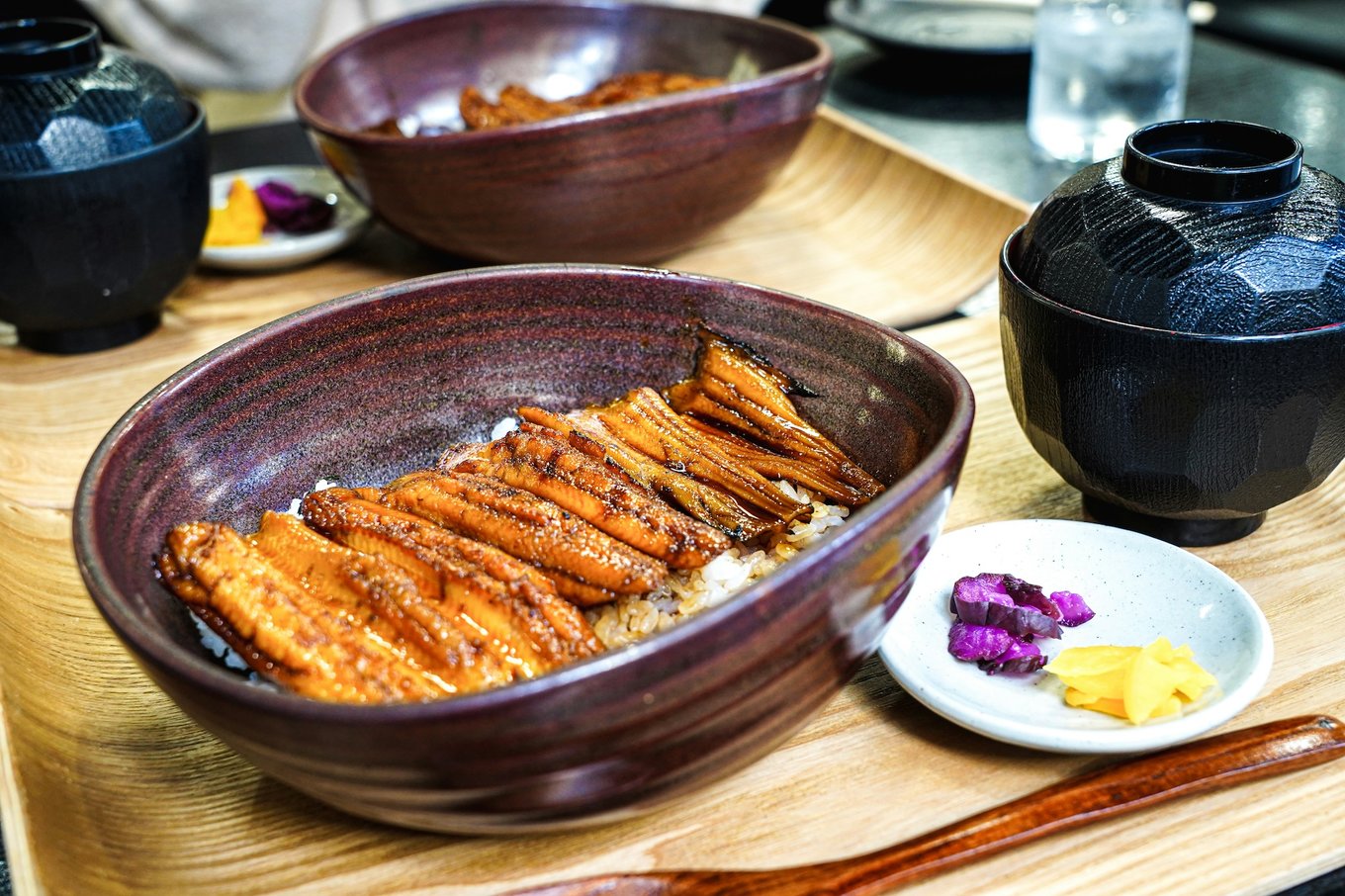
Anago-meshi | Grilled conger eel over dashi-simmered rice | Miyajimaguchi Station, Miyajima island | ¥2,000–¥3,000 |
Momiji manju | Maple-leaf cake with sweet bean, custard, or chocolate filling | Omotesando shopping street, Miyajima | ¥100–¥150 each |
If you're wondering what to eat in Hiroshima, the short answer is: start with okonomiyaki. Search Okonomimura Hiroshima and you'll land on the city's most famous answer to that question, a whole building of okonomiyaki counters. Hiroshima food centers on this layered, noodle-stuffed pancake, then branches out into fresh oysters from Hiroshima Bay, spicy cold noodles, and a maple-leaf cake you'll find in every souvenir shop. This guide breaks down what makes each dish different, where locals actually go, and how to build a food-first day around Hiroshima and the nearby island of Miyajima.
Hiroshima is easy to reach from Tokyo, Osaka, or Kyoto by Shinkansen, and most of the dishes on this list are within walking distance of Hiroshima itself.
Hiroshima-style okonomiyaki: the dish that defines Hiroshima food
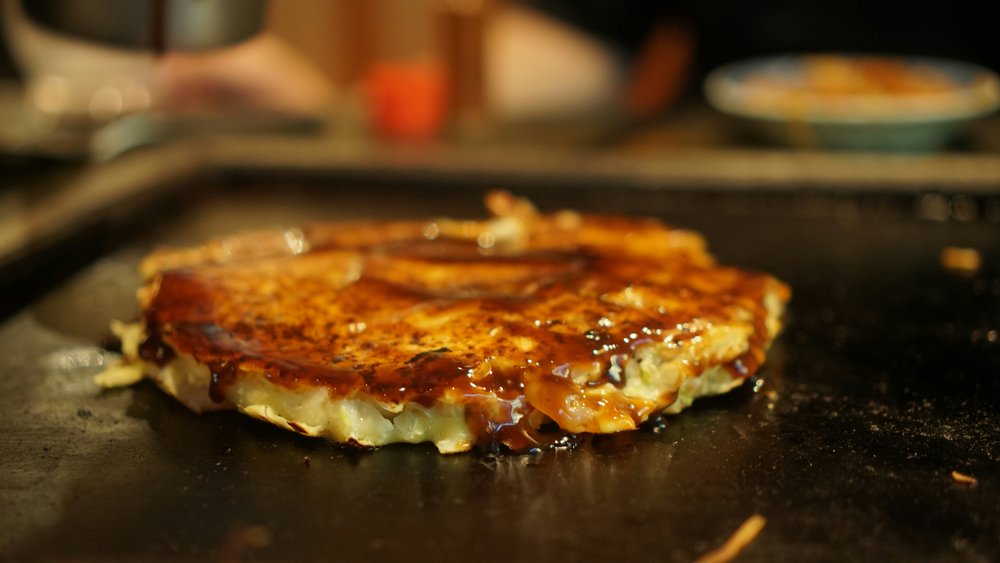
Okonomiyaki in a pan | Photo Credits: ibmoon Kim from Unsplash
Ask anyone what Hiroshima food means and Hiroshima okonomiyaki comes up first. The Osaka version mixes everything, batter, cabbage, and toppings, into one bowl before cooking it into a single round pancake. Hiroshima-style okonomiyaki does the opposite: every layer gets cooked separately, then stacked. Cabbage goes on in a pile that looks too tall to work, a thin crepe-like batter holds the base together, and a layer of yakisoba or udon noodles gets built right in.
That noodle layer is the giveaway that you're eating the Hiroshima version and not the Osaka one. Pork belly, egg, and green onion usually go on top, and the whole stack gets finished with a sweet-savory okonomiyaki sauce. It's cooked to order on a teppan griddle, so you can watch the layers go on before the cook flips the whole thing over. If you only try one dish on this list, make it this one.
Klook Tip: Order it “soba-iri” (with noodles) if you want the classic Hiroshima build, and ask for a fried egg on top if you see other diners getting one!
Okonomimura: Hiroshima's okonomiyaki food hall
Okonomimura is a multi-floor building in the Shintenchi area, packed with small, independent okonomiyaki counters – roughly 20-plus stalls in total (exact counts vary by source). Each floor holds a handful of stalls, and each one cooks its own version with a slightly different sauce, noodle type, or topping mix. It's less a restaurant and more a food court built entirely around one dish.
First-timers often freeze at the entrance because every stall looks the same from outside. A good approach is to walk up a floor or two and peek at which counters have a line of regulars, that's usually your best bet. Seating is tight and communal, with stools right at the griddle, so it's a good spot to eat solo or squeeze in without a reservation.
Klook Tip: Okonomimura gets busy around lunch and dinner rush. Arrive slightly before noon or after 8 PM if you'd rather skip the wait.
Hiroshima oysters: fresh, farmed, and everywhere
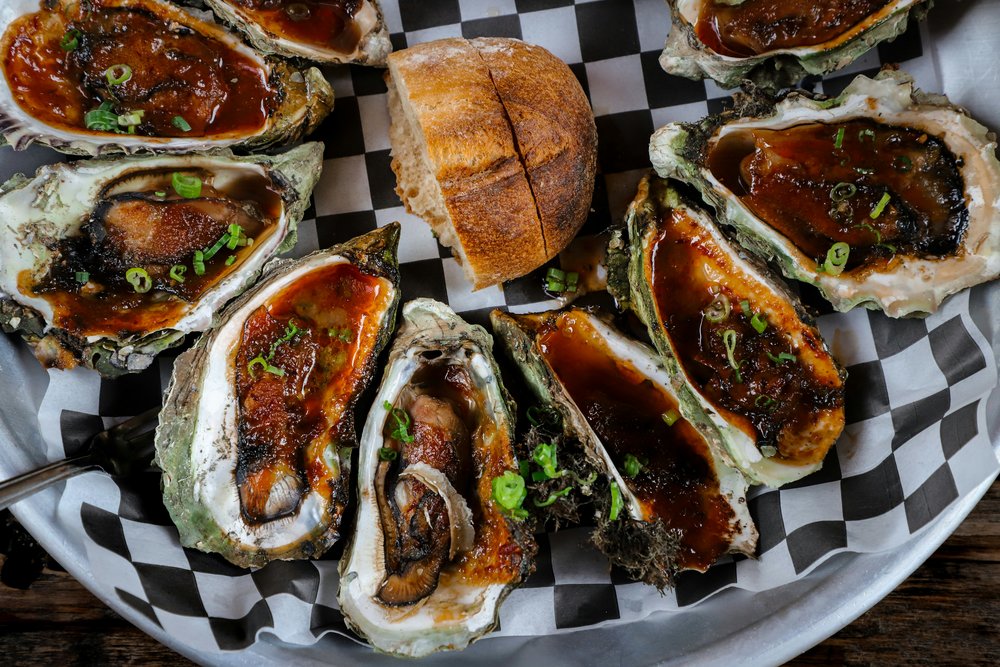
Grilled oysters in a plate | Photo Credits: Mario Verduzco from Unsplash
Hiroshima Prefecture produces roughly 60% of Japan's farmed oysters, thanks to the calm, nutrient-rich waters of Hiroshima Bay. That scale is part of why oysters show up on so many menus here: grilled, fried, in a hot pot, or raw at the source. Locals call them kaki, and the season generally runs from autumn through winter, when the oysters are at their plumpest.
You'll find oyster stalls scattered through downtown Hiroshima, but the more memorable version is grilled at the source on Miyajima island. Shells go straight onto a charcoal grill until they pop open, and you eat them right there, dusted with a little citrus or soy. If Hiroshima oysters are the reason you booked this trip, plan to eat at least one round on the island itself.
Miyajima's grilled oysters: the food stop on your day trip
Miyajima, officially Itsukushima, is the small island south of Hiroshima best known for its floating torii gate, and it's also where Hiroshima's oyster culture is easiest to see up close. The Omotesando shopping street connects the ferry pier to Itsukushima Shrine, and it's lined with oyster grills, momiji manju bakeries, and small food stands the whole way.
Grilled oysters here (yaki-gaki) are sold by the piece, straight off the coals, and eating a couple on the walk to the shrine has become part of the Miyajima routine for a lot of visitors. Between the oysters, the anago-meshi counters, and the momiji manju bakeries, Miyajima food is reason enough on its own to make the crossing.
This is also the natural bridge between the food side of a Hiroshima trip and the sightseeing side, since Itsukushima and its torii gate are usually the reason people make the trip out to the island in the first place.
Hiroshima tsukemen: the city's spicy cold noodles
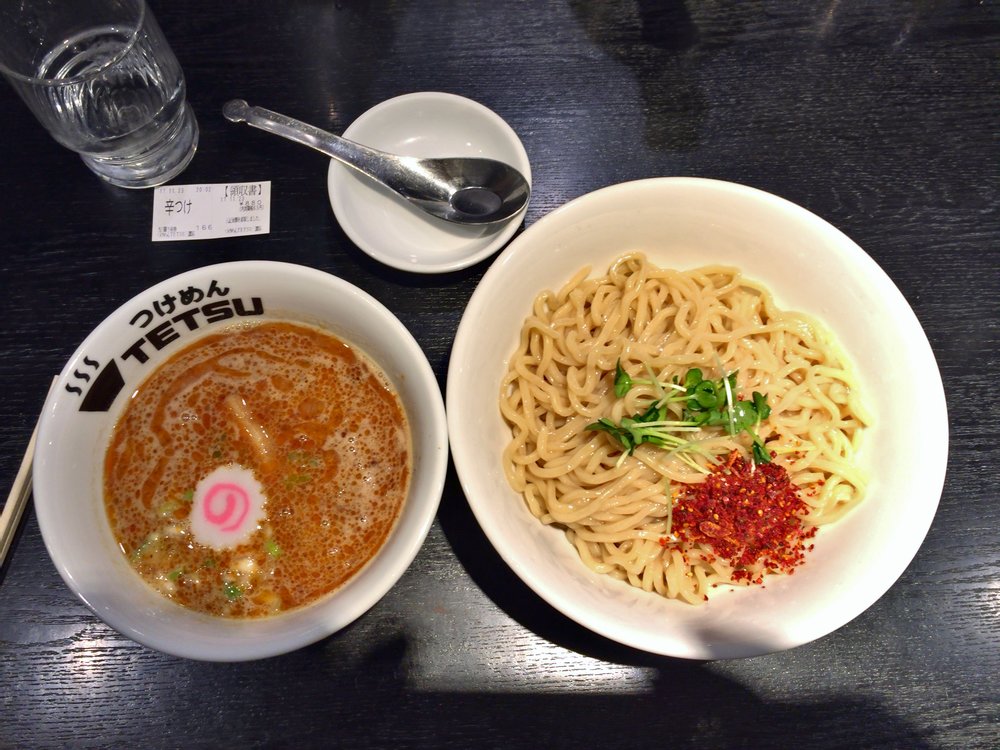
Hiroshima Tsukemen | Image Credit: nakashi from Chofu, Tokyo, JAPAN, CC BY-SA 2.0, via Wikimedia Commons
Hiroshima tsukemen is a cold noodle dish that's said to have started at a shop called Shinkaen in Hiroshima City, and it's built differently from the tsukemen you'll find elsewhere in Japan. Chilled Chinese-style noodles come on their own plate, and you dip them into a separate bowl of hot, spicy sauce built on a soy sauce base with chili oil and chili pepper.
The dish got a nationwide following after media attention around the early 2000s turned it into a local point of pride, and it's still considered one of the more distinctive things to eat in Hiroshima. Toppings usually include chashu pork, boiled vegetables, and a soft-boiled egg. It's spicier and colder than most ramen-adjacent dishes in Japan, which makes it a good pick on a hot day between sightseeing stops.
Hiroshima ramen vs. Onomichi ramen: two very different bowls
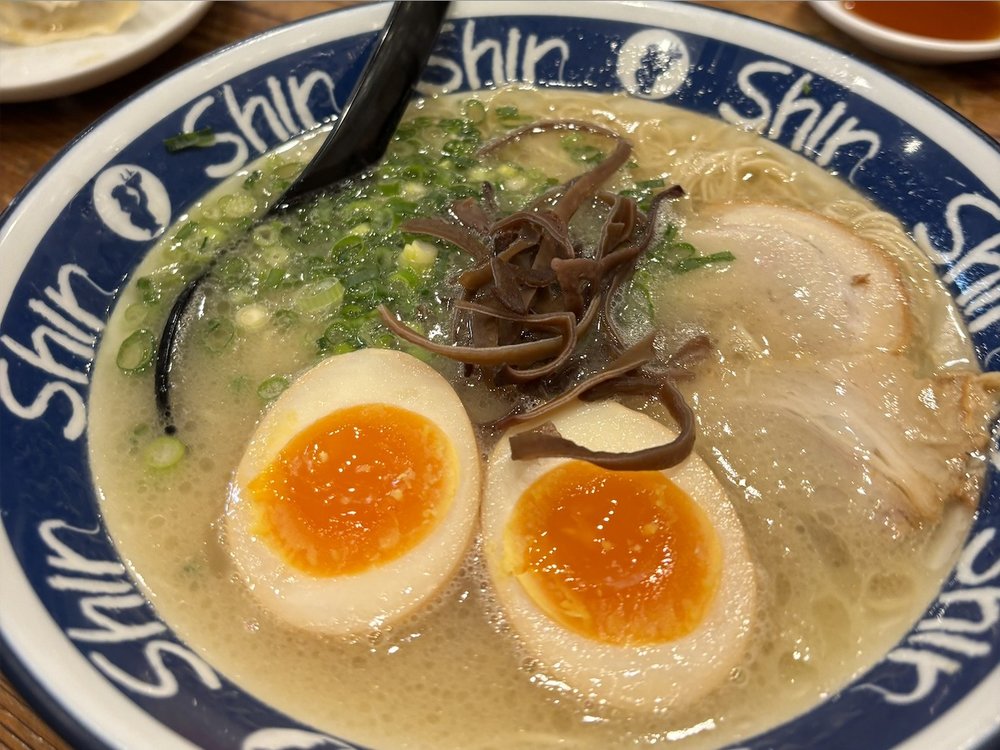
Hiroshima Ramen
Hiroshima-city ramen typically leans on a tonkotsu-shoyu base, a pork bone broth finished with soy sauce, paired with thin noodles. It's rich but not as heavy as a straight tonkotsu bowl, and you'll find it at counters throughout the city, including several inside Hiroshima Station itself.
Onomichi ramen is a different dish from a different town, about an hour from Hiroshima by train, and it's worth knowing the difference before you order. It's built on a chicken and small dried fish (iriko) broth, finished with soy sauce and topped with solid squares of pork back fat that melt into the soup as you eat. The noodles are flat and slightly chewy, and the flavor comes across as saltier and more seafood-forward than Hiroshima-city ramen. If you have an extra day, pairing the two styles back to back is a good way to taste how much regional variation exists within a single prefecture.
Anago-meshi: Miyajima's grilled conger eel rice
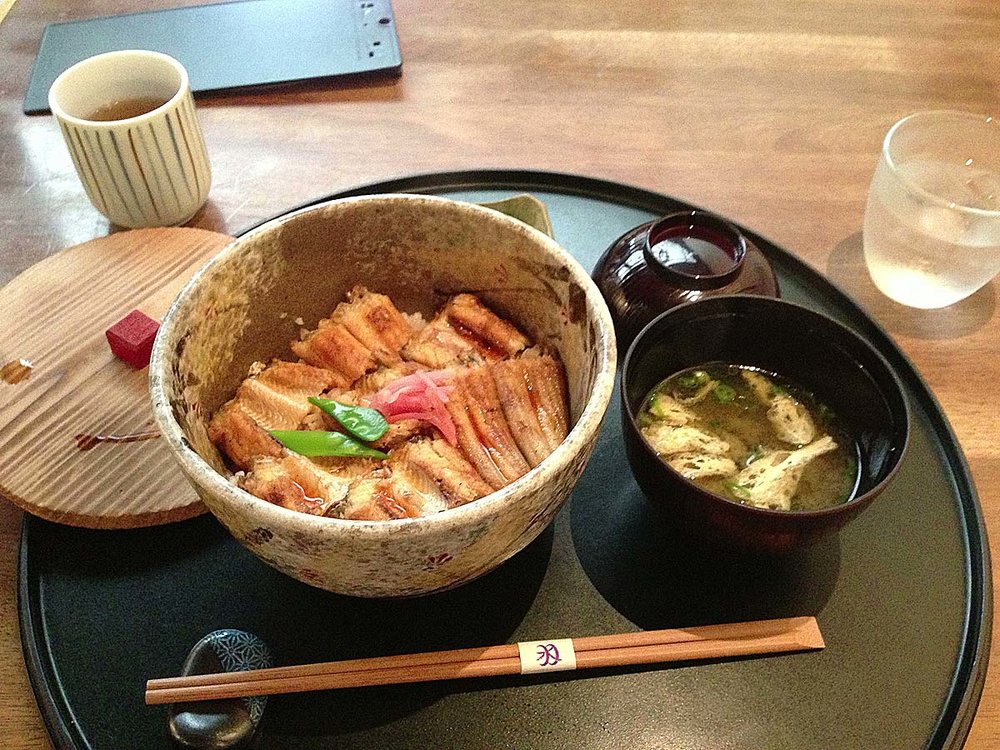
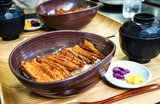
Anago Meshi | Image Credit: z tanuki, CC BY 3.0 via Eikimedia Commons
Anago-meshi is grilled conger eel served over rice simmered in a dashi broth, and it's one of the older dishes on this list, dating back to 1901, when a vendor named Ueno Tanikichi started selling it as a bento at Miyajimaguchi Station. The conger eel, less fatty than the unagi eel used elsewhere in Japan, comes from the fast-moving waters around the Ono Seto strait near Miyajima, which locals credit for its delicate texture.
The dish is simple: thin slices of grilled eel, glazed in a soy-mirin-sake sauce, laid over warm rice that's picked up flavor from the same broth. It's heavier than a plate of oysters and makes a good sit-down lunch if you're spending a full day on or around Miyajima, rather than grazing on street food alone.
Momiji manju: Hiroshima's edible souvenir
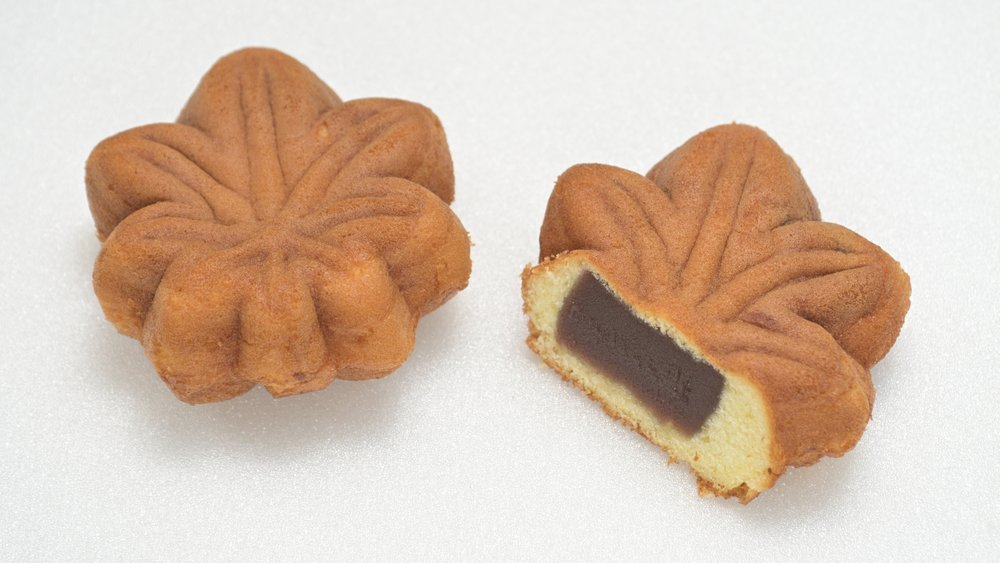
Momiji Momiji manju | Image Credit: Ocdp, CC0, via Wikimedia Commons
Momiji manju is a small, maple-leaf-shaped cake, usually filled with sweet red bean paste, though custard, chocolate, and cheese versions are common now too. It was first made on Miyajima around 1906, and the maple leaf shape ties directly to the island's autumn foliage and to the maple tree as Hiroshima Prefecture's official symbol.
You'll find it freshly baked and sold warm along Omotesando shopping street, and fried versions (age-momiji) have become popular alongside the classic steamed kind. If you'd rather sit down with your sweets instead of eating on the move, Shukkeien Garden has a traditional teahouse where you can pair matcha and wagashi with a view of the garden's landscaped ponds.
Where to eat in Hiroshima: Hondori and Hiroshima Station
Hondori is Hiroshima's main covered shopping arcade, running through downtown Naka Ward, and it's one of the easiest places to eat well without much planning. Okonomimura sits at one end of the arcade, and the rest of the street is lined with ramen counters, bakeries, and casual restaurants, making it a solid base for an afternoon of Hiroshima street food.
Hiroshima Station is the other reliable option, especially if you're arriving by train and don't want to travel far for your first meal. The ekie shopping complex inside the station has a dedicated okonomiyaki floor with several well-known counters, plus ramen and quick bites, so it works well as either your first stop off the shinkansen or a last meal before heading out.
Saijo: pair your meal with Hiroshima's sake
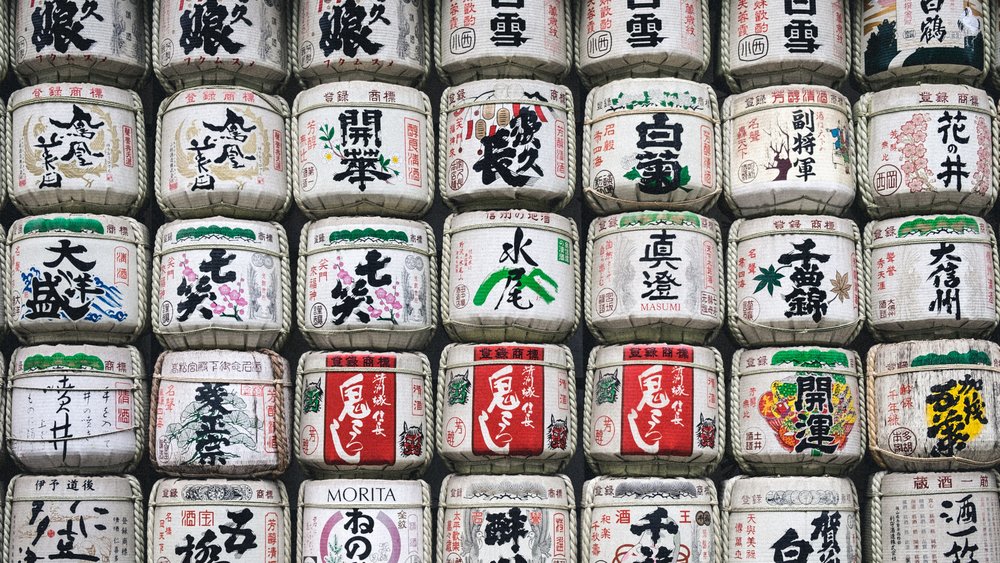
Indulge in the traditional liquor of Japan: sake. Image Credits - Erik Eastman on Unsplash
Saijo, in Higashi-Hiroshima City, is one of Japan's three major sake-producing towns, alongside Nada and Fushimi. Seven breweries still operate around Saijo Station, and the historic streets between them have been recognized as a modern industrial heritage site. It's roughly a 40-minute train ride from Hiroshima Station on the Sanyo Main Line, which makes it a manageable half-day trip if you want to pair a meal with the region's food.
Walking Sake Brewery Street lets you compare styles across several breweries, and a few have cafes or shops built into the old buildings, serving sweets and dishes made with the same water used for brewing. It's a natural pairing trip after a morning of okonomiyaki or oysters, and a good way to round out a Hiroshima food itinerary with something to drink alongside everything you've eaten.
Guided ways to eat like a local in Hiroshima
If you'd rather not hunt down every stall yourself, a guided food tour covers a lot of ground in a short window. The Eat Like a Local: Hiroshima experience walks you through several local spots with a guide who can explain what you're eating as you go, which is useful if you want context beyond just okonomiyaki.
For something after dark, the Hiroshima 3-Hour Walking Tour: Food & Drink at Night covers the downtown food and drink scene once the shops close and the izakayas fill up. Both are a good option if you're short on time and want a curated route through Hiroshima's food scene instead of piecing it together stall by stall.
FAQs about Hiroshima food
What food is Hiroshima famous for?
Hiroshima is best known for its layered okonomiyaki, which includes noodles and a tall pile of cabbage cooked separately before being stacked. Beyond that, the prefecture is known for fresh oysters from Hiroshima Bay, anago-meshi (grilled conger eel rice), and momiji manju, the maple-leaf-shaped cake sold across Miyajima.
What is the difference between Hiroshima and Osaka okonomiyaki?
Osaka-style okonomiyaki mixes the batter, cabbage, and toppings together before cooking them into one pancake. Hiroshima-style okonomiyaki cooks each layer separately and stacks them – cabbage, batter, protein, and a layer of noodles – which gives it a denser, more textured bite than the Osaka version.
What is Okonomimura and is it worth visiting?
Okonomimura is a multi-floor building in Hiroshima's Shintenchi area filled with small okonomiyaki counters, each run independently with its own take on the dish. It's worth visiting if you want to compare a few versions in one stop, though the atmosphere is closer to a busy food court than a sit-down restaurant.
Where can you eat the best oysters in Hiroshima?
Hiroshima Bay accounts for around 60% of Japan's farmed oysters, so you'll find them on menus across the city, but the Omotesando shopping street on Miyajima island is the most popular spot to eat them grilled straight off the coals. Autumn through winter is peak oyster season if you want them at their best.
What should you eat on Miyajima island?
Miyajima is the place to try grilled oysters, anago-meshi (grilled conger eel rice), and momiji manju, all sold along the Omotesando shopping street between the ferry pier and Itsukushima Shrine. It's an easy day trip from Hiroshima and covers several of the region's signature dishes in one walk.
What is Hiroshima tsukemen?
Hiroshima tsukemen is a cold noodle dish served with a separate bowl of hot, spicy dipping sauce made from a soy sauce base with chili oil. It started at a shop called Shinkaen in Hiroshima City and is distinct from tsukemen served in other parts of Japan, mainly because of how spicy and cold the combination is.
Where is the best area to eat in Hiroshima?
Hondori, the city's main covered shopping arcade, and the area around Hiroshima Station are the two most reliable spots for Hiroshima restaurants. Hondori has Okonomimura at one end plus ramen counters and casual restaurants along its length, while Hiroshima Station's ekie complex has a dedicated okonomiyaki floor that works well for a first or last meal in the city.
Related Articles
![[usxanz] JR Hokkaido Rail Pass](https://res.klook.com/image/upload/fl_lossy.progressive,q_85/c_fill,w_550,h_356/v1727345460/ovsaszuqdz6lsitdqhax.jpg)
What is Klook?
Klook is a leading pan-regional experiences platform in Asia Pacific, purpose built to digitalize experiences and make them accessible to every traveler.
Our mission is to build the digital infrastructure for the global experience economy — empowering merchants to share their passions and travelers to discover the heartbeat of each destination. We operate a mobile-first, curated platform featuring diverse experiences across global destinations.