Kyoto festivals at a glance
Festival / Season | When | Best For |
Cherry blossom season (hanami) | Late March–early April | First-time visitors, photography |
Gion Matsuri | All of July (parades July 17 & 24) | Culture-focused travelers, festival first-timers |
Daimonji Gozan Okuribi | August 16 | One-night visitors, evening city views |
Jidai Matsuri | October 22 | History fans, costume-and-parade lovers |
Kurama Fire Festival | October 22 (evening) | Travelers wanting something less crowded than central Kyoto |
Autumn foliage (koyo) season | Mid-November–early December | Repeat visitors, temple garden walks |
Winter illuminations & New Year | Mid-December–early January | Quiet-season travelers, cultural rituals |
Kyoto runs on a festival calendar shaped by more than a thousand years of Shinto and Buddhist practice, with major celebrations in every season: cherry blossom viewing and illuminated night events in spring, Gion Matsuri throughout July, Jidai Matsuri and the Kurama Fire Festival in autumn, and temple illuminations and New Year rituals in winter. If you're timing a Kyoto trip around a specific festival, the dates below are what to build your itinerary around, along with what to expect once you're there and how far ahead to book.
Why Kyoto's Festival Calendar Is One of Japan's Richest
Kyoto was Japan's imperial capital for more than 1,000 years, and its festival calendar reflects that history directly: nearly every major matsuri traces back to a specific Shinto ritual, Buddhist observance, or imperial court tradition that's still practiced today, largely unchanged.
Locals often group three festivals together as Kyoto's "three major festivals": the Aoi Matsuri in May, Gion Matsuri in July, and Jidai Matsuri in October. Each one is tied to a specific shrine and a specific origin story, which is part of why they've survived more or less intact for centuries. Add in seasonal cherry blossom and autumn foliage celebrations, plus New Year rituals rooted in Buddhist practice, and you get a city where there's genuinely something significant happening almost every month of the year.
Spring in Kyoto: Cherry Blossom Festivals and Hanami (March–April)
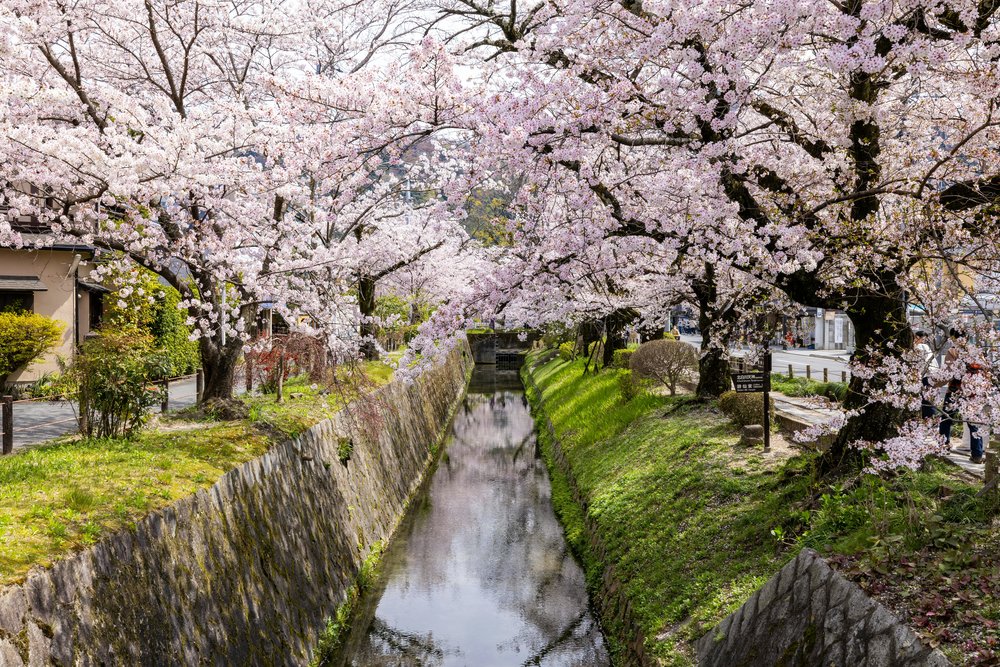
Kyoto's cherry blossoms typically bloom in the last week of March and reach peak bloom in the first few days of April, turning hanami spots like Maruyama Park, the Philosopher's Path, and the banks of the Kamo River into the city's busiest, most photographed places for about two weeks.
Hanami itself is simple: people gather under blooming trees, often with a picnic, to mark the season passing. If you want the daytime version, get to a popular spot early in the morning before the crowds build, especially on weekends. If you'd rather see the blossoms after dark, several sites around Kyoto run illuminated night viewing during peak bloom, and
Nijo Castle 2026 Sakura Nights is one of the most elaborate: it runs nightly from 6:00 PM to 10:00 PM
, and combines a projection-mapped immersive theatre performance with the first-ever night access to the Ninomaru Palace.
Peak bloom: around March 31–April 2 in a typical year
Where to go: Maruyama Park, the Philosopher's Path, Nijo Castle
Book ahead: Nijo Castle Sakura Nights sells out on peak-bloom weekends
Summer in Kyoto: Gion Matsuri and Other Traditions (July–August)
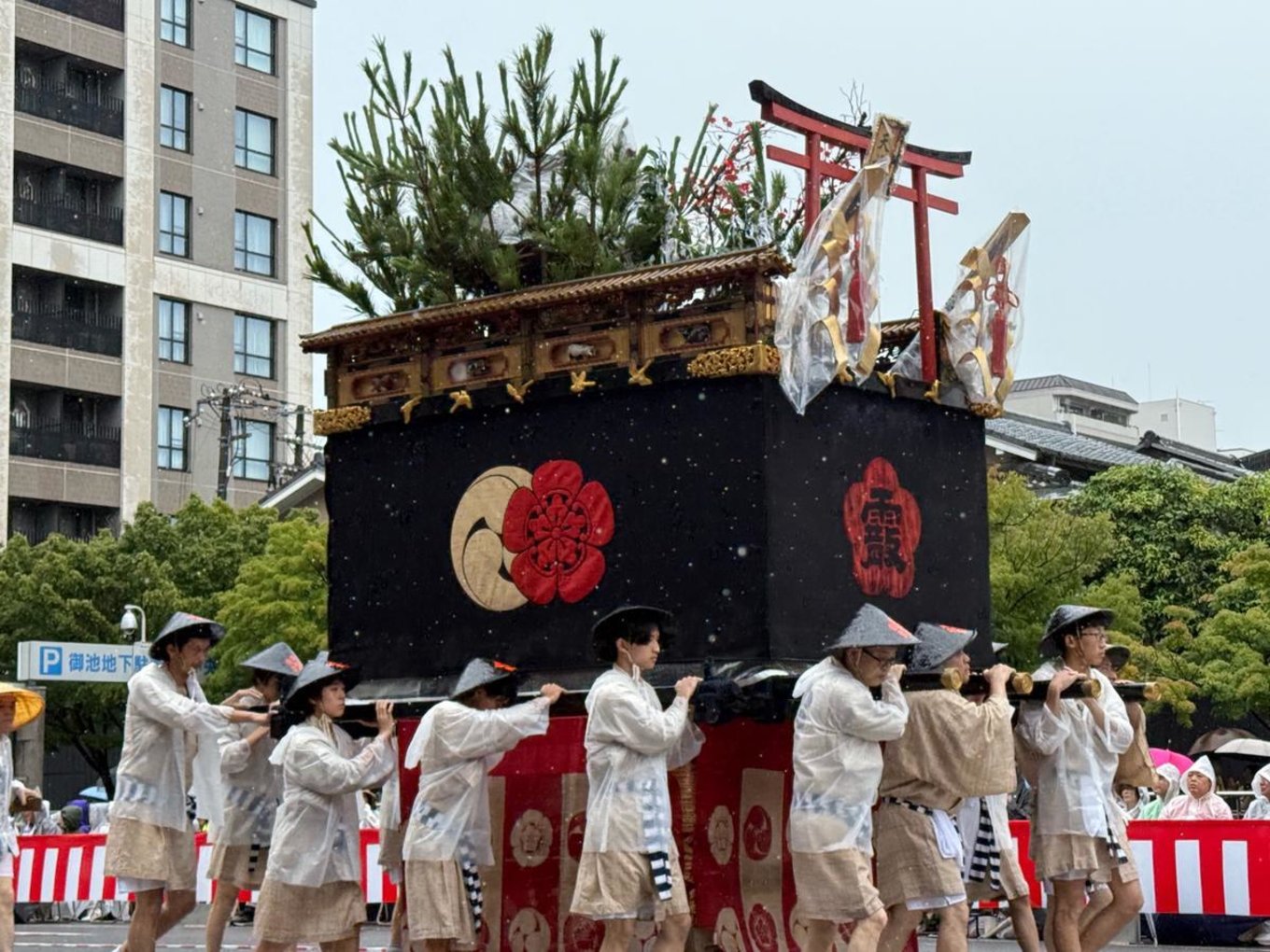
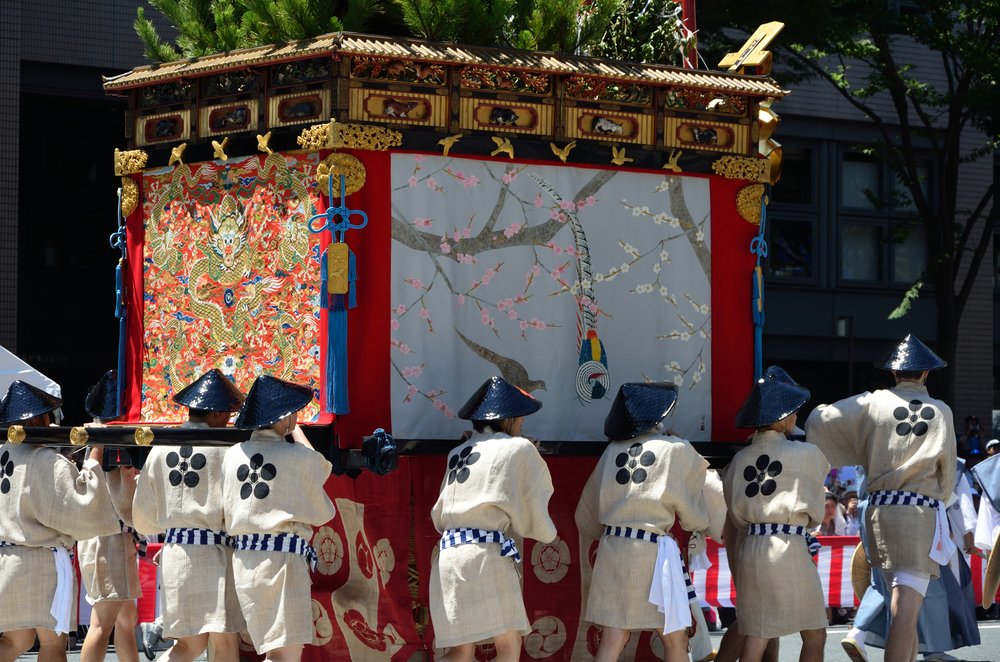
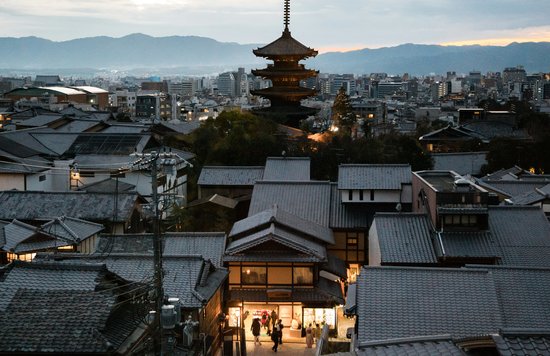
Gion Matsuri is Kyoto's most famous festival and runs the entire month of July, centered on
Yasaka Shrine, with two grand float processions, the Yamaboko Junko, on July 17 and July 24.
The festival's roots go back to 869 CE, when the imperial court held a purification ritual at Yasaka Shrine to appease the spirits believed to be causing a plague. That same core idea, that the festival wards off illness and misfortune, still shapes the event today. In the run-up to each parade, Kyoto's Yoiyama evenings, July 14–16 ahead of the first parade, and July 21–23 ahead of the second, turn the Muromachi merchant district into a pedestrian-only festival, with lanterns lit outside homes, family heirlooms put on display, and food stalls filling the side streets.
The processions themselves are split into two: the Saki (Former) Yamaboko Junko on July 17, with 23 towering floats, and the Ato (Latter) Yamaboko Junko on July 24, with 11 floats. Both follow a roughly three-kilometer route along Shijo, Kawaramachi, and Oike streets. If you want to understand what you're looking at beyond the spectacle, the
Gion Matsuri Festival Gallery covers the festival's history and the craftsmanship behind the floats, and it's worth visiting even outside July since it runs year-round.
Parades: Saki Yamaboko Junko, July 17; Ato Yamaboko Junko, July 24
Evening festivities: Yoiyama, July 14–16 and July 21–23
Book ahead: paid viewing seats and small-group tours for the parade dates sell out well before July
Gion Matsuri isn't Kyoto's only summer tradition. On August 16, the Daimonji Gozan Okuribi sends off ancestral spirits with giant fire characters lit across five mountains around the city; the most famous, a blazing "dai" character on Mt. Nyoigatake, is visible from several points around town. Late July also brings the Mitarashi Matsuri at Shimogamo Shrine, where visitors wade barefoot through a shallow stream holding candles as a health and purification ritual.
Autumn in Kyoto: Jidai Matsuri and Fall Foliage Festivals (October–November)
Kyoto's autumn calendar peaks on a single date, October 22, when Jidai Matsuri's 2,000-person historical procession and the Kurama Fire Festival's torch-lit ritual both take place. It’s followed by weeks of foliage-driven events through mid-November and into early December.
Jidai Matsuri, held every year at
Heian Shrine, traces a procession from the Kyoto Imperial Palace to the shrine, with roughly 2,000 participants in costume representing the city's history in reverse chronological order. It was established in 1895 to mark Kyoto's founding, and watching the full procession pass takes about two hours.
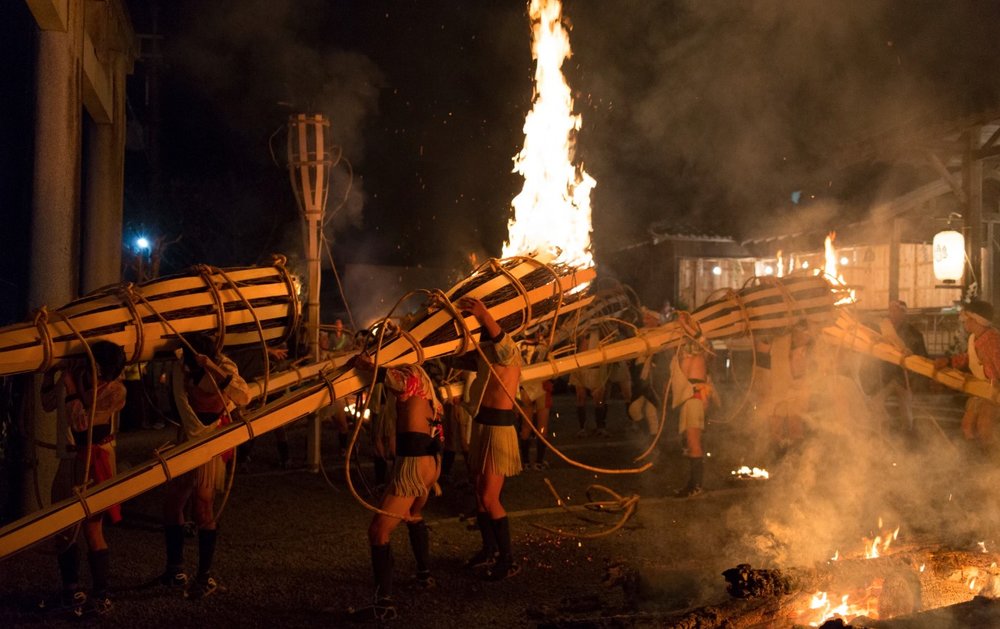
That same evening, the Kurama Fire Festival takes over the mountain village of Kurama, north of central Kyoto. It honors Yuki Shrine's guardian deities with a procession of torches, some weighing up to 80kg, carried through the village from around 6:00 PM until close to midnight. It's a rougher, more rustic alternative to Jidai Matsuri's formal parade.
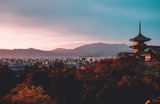
Autumn foliage (koyo) season generally runs from mid-November through early December. Higher-elevation spots like Kurama, Ohara, and Kibune turn color one to two weeks before valley-floor areas such as central Kyoto and Arashiyama. Several temples add night illuminations to the season, and for a guided evening version that covers two of the best-known spots, the
Autumn Night Maple Tour takes in both Kinkaku-ji and Arashiyama after dark.
Jidai Matsuri & Kurama Fire Festival: both on October 22
Foliage peak: mid-November to early December
Book ahead: night maple tours sell out fastest on peak-color weekends
Winter in Kyoto: Illuminations and New Year Traditions (December–January)
Kyoto's winter festival season centers on temple light-up events through December and the countdown rituals of Joya-no-Kane and hatsumode on New Year's Eve and Day.
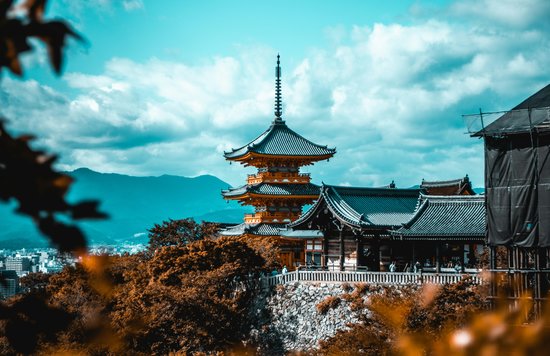
Several temples run seasonal night illuminations in the run-up to winter, including reflection lighting at Kodai-ji's Garyoen pond and light-ups at Kiyomizu-dera. On December 31, temples across the city perform Joya-no-Kane, ringing their bells 108 times at midnight to mark the new year and, in Buddhist tradition, to purify 108 earthly desires. Chion-in's ceremony, rung by a team of monks, is among the best known. Many visitors then follow with hatsumode, the year's first shrine or temple visit, either right after midnight or across the first few days of January, when Kyoto's major shrines see some of their heaviest foot traffic of the year.
Planning Your Trip Around Kyoto's Festival Calendar
Most of Kyoto's festival dates are fixed on the calendar: Gion Matsuri's parades, Jidai Matsuri, the Kurama Fire Festival, and Joya-no-Kane all fall on the same date every year. Cherry blossoms and autumn foliage are the exception, since both shift by a week or two depending on that year's weather, so it's worth checking an updated seasonal forecast rather than locking travel dates too far in advance.
Season | Best for | Trade-off |
Spring (cherry blossoms) | First-time visitors who want the classic Kyoto photo | The priciest, most crowded lodging window of the year |
Summer (Gion Matsuri) | Culture-first travelers who want to be inside a real festival | Hot, humid weather and packed streets during Yoiyama nights |
Autumn (Jidai Matsuri, foliage) | Comfortable weather and dramatic scenery | Jidai Matsuri and Kurama Fire Festival both fall on October 22, so you can't casually catch both without planning |
Winter (illuminations, New Year) | Fewer crowds and lower hotel rates | Some illumination events run limited or shifting schedules year to year |
Crowds build around all of these dates. Gion Matsuri's Yoiyama evenings, the Jidai Matsuri procession route, and peak cherry blossom and autumn foliage weekends are consistently Kyoto's busiest of the year, with hotel rates and activity availability both tightening. Getting to a viewing spot early in the morning, or picking a weekday over a weekend, makes a real difference at all of these events.
Because fixed-date festivals like Gion Matsuri and Jidai Matsuri are known years ahead, it's worth booking tickets, guided tours, and paid viewing seats for those as soon as your travel dates are set. For weather-driven events like cherry blossoms and autumn foliage, it's usually safer to book flexible, date-adjustable activities first and lock in anything fixed-date only once a short-range seasonal forecast is out.
If you're traveling from the United States, US passport holders can generally enter Japan visa-free for short-term tourism. Nonstop flights from the US West Coast reach Kansai or Tokyo in 10-11 hours. From there, Kyoto is accessible via limousine bus or train (75-120 minutes from Kansai) or the Shinkansen bullet train (~2 hours and 15 minutes from Tokyo). Japan's currency is the yen, and while card acceptance is widespread in Kyoto, it's worth carrying some cash for smaller festival food stalls and shrine offerings where card readers are less common.
Frequently Asked Questions
What is the most famous festival in Kyoto?
Gion Matsuri is Kyoto's most famous festival and one of Japan's three great festivals nationally. It runs the entire month of July, centered on Yasaka Shrine, with its two headline float processions, the Yamaboko Junko, taking place on July 17 and July 24.
When is Gion Matsuri held in Kyoto?
Gion Matsuri runs throughout July, but the main events cluster around two windows: the Yoiyama evening festivities on July 14–16 and July 21–23, and the Yamaboko Junko float processions on July 17 and July 24.
What festivals happen in Kyoto in the summer?
Gion Matsuri dominates July, but Kyoto's summer calendar also includes the Mitarashi Matsuri in late July, where visitors wade barefoot through a shallow stream at Shimogamo Shrine for good health, and the Daimonji Gozan Okuribi on August 16, when giant fire characters are lit across five mountains around the city to send off ancestral spirits.
Is Kyoto crowded during festival season?
Yes. Kyoto's festival dates are also its busiest travel dates. Gion Matsuri's Yoiyama evenings, the Jidai Matsuri procession route, and peak cherry blossom and autumn foliage weekends all draw large crowds, and hotel rates and activity availability tighten as a result. Arriving at key sites early in the morning, or visiting on a weekday instead of a weekend, both help meaningfully.
What is the best time to see cherry blossoms in Kyoto?
Kyoto's cherry blossoms typically bloom in the last week of March and reach peak bloom in the first few days of April, though exact dates shift year to year and are usually only confirmed a few weeks in advance. Popular viewing spots include Maruyama Park, the Philosopher's Path, and the Kamo River, with illuminated night viewing available at events like Nijo Castle's Sakura Nights.
What festivals happen in Kyoto in autumn?
Kyoto's biggest autumn date is October 22, when both Jidai Matsuri, a 2,000-person historical costume procession from the Imperial Palace to Heian Shrine, and the Kurama Fire Festival, a torch-lit evening ritual in the mountain village of Kurama, take place. From mid-November into early December, autumn foliage season also brings night illumination events at temples and guided evening tours through spots like Arashiyama and Kinkaku-ji.
Are there New Year celebrations and traditions in Kyoto?
Yes. On December 31, temples across Kyoto perform Joya-no-Kane, ringing their bells 108 times at midnight to mark the new year, with Chion-in's ceremony among the best known. Many visitors then continue the tradition of hatsumode, the year's first shrine or temple visit, either right after midnight or during the first few days of January.
Related Articles
What is Klook?
Klook is a leading pan-regional experiences platform in Asia Pacific, purpose built to digitalize experiences and make them accessible to every traveler.
Our mission is to build the digital infrastructure for the global experience economy — empowering merchants to share their passions and travelers to discover the heartbeat of each destination. We operate a mobile-first, curated platform featuring diverse experiences across global destinations.