
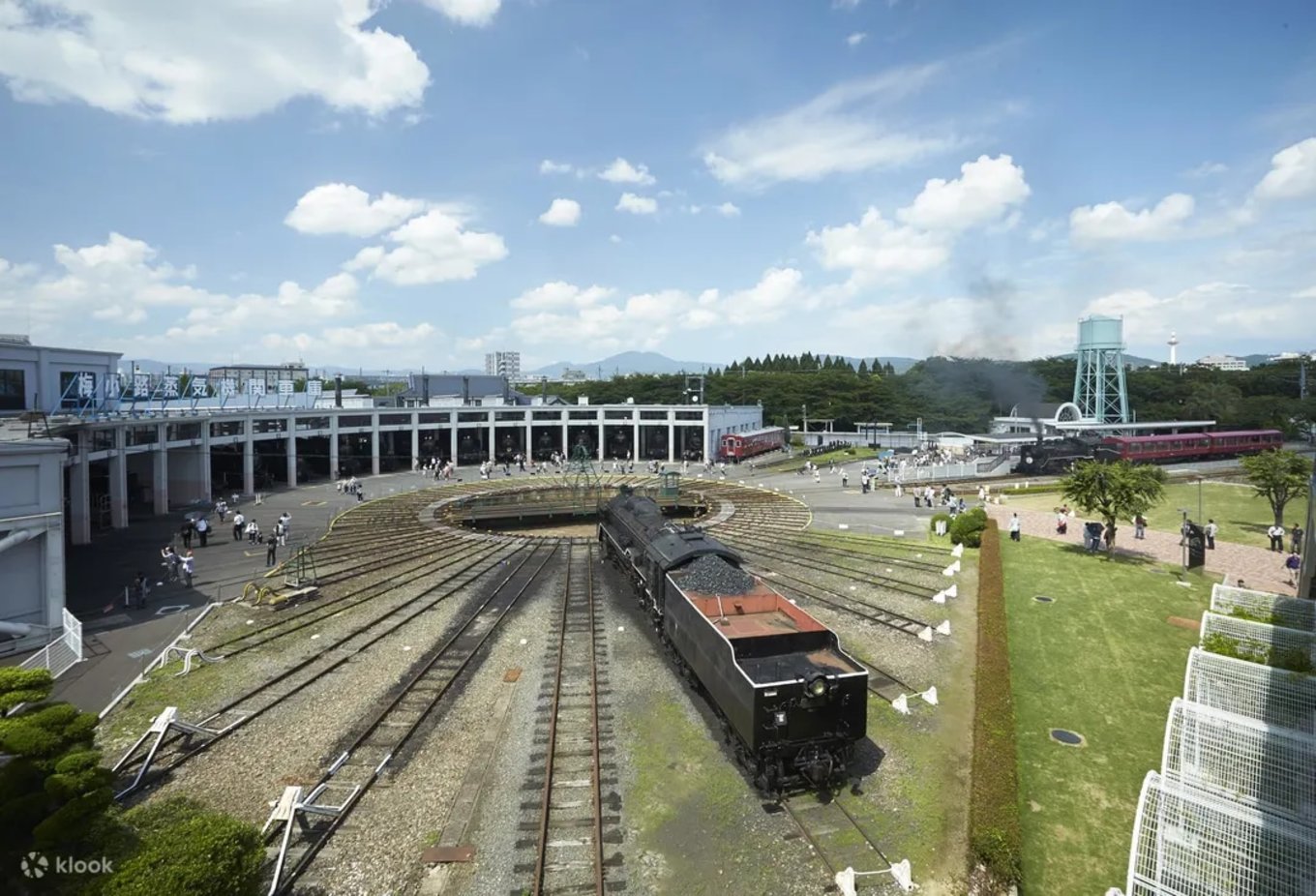
The best museums in Kyoto are the Kyoto National Museum for classical Japanese art, The National Museum of Modern Art, Kyoto for modern and contemporary work, the Kyoto Railway Museum for families, and the Kyoto International Manga Museum for pop culture. Between them you get national treasures, hands-on craft, and a few genuinely fun afternoons that have nothing to do with temples. Here’s how they compare, what they cost, and how to fit two or three of them into a single day without hitting a closed door.
Kyoto’s museum scene at a glance
Kyoto museums fall into four broad groups: history and national treasures, traditional crafts, modern and contemporary art, and niche pop culture. You don’t need to see all of them. Pick based on what you’re actually into, because a morning at the Manga Museum and a morning at the National Museum are completely different days out.
If you only have time for one, make it the Kyoto National Museum, the city’s anchor institution that sits right in Higashiyama. Travelling with kids? Go to the Railway Museum instead. Here’s the quick comparison:
Museum | Best for | Adult ticket | Closed |
|---|---|---|---|
Kyoto National Museum | Japanese art, swords, kimono, tea ware | ¥700 | Mondays |
The National Museum of Modern Art, Kyoto | Nihonga, modern craft, photography | ¥430 (Collection Gallery) | Mondays |
Kyoto Railway Museum | Families, train fans | ¥1,500 | Wednesdays |
Kyoto International Manga Museum | Manga readers, teens, rainy days | About ¥900 | Wednesdays |
Fukuda Art Museum | Japanese painting in a quieter setting | Varies by exhibition | Check before you go |
Gekkeikan Okura Sake Museum | Sake brewing history in Fushimi | Check before you go | Check before you go |
Prices and closing days can change, especially around special exhibitions and the New Year period, so it’s worth a quick check on the official site before you go.
History and national treasures museum in Kyoto
Kyoto National Museum
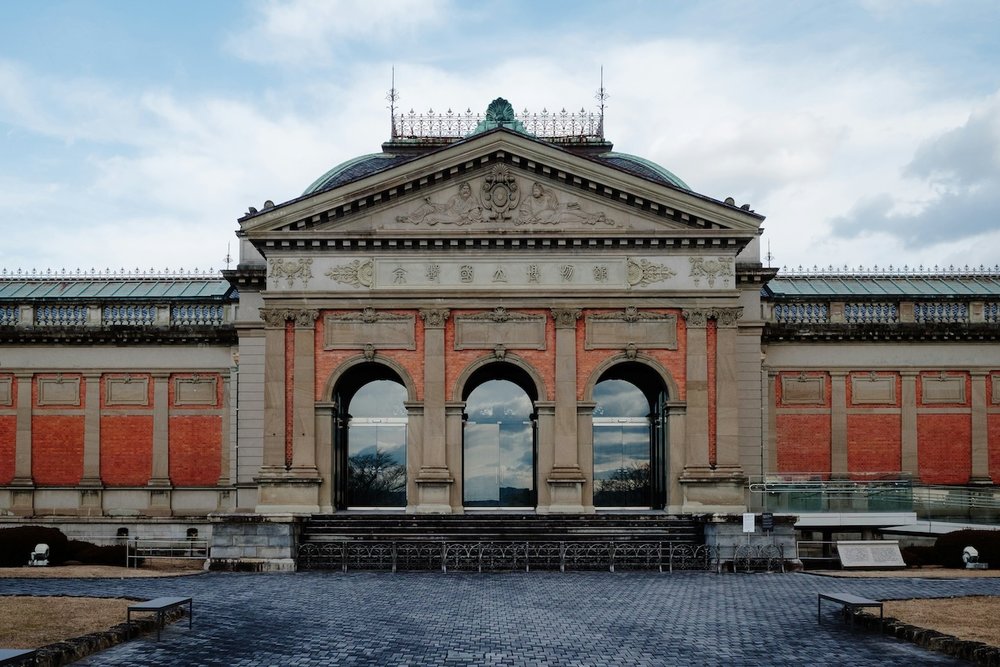
Kyoto National Museum | Image Credit: Leongsan via Unsplash
For Japanese history and classical art, the Kyoto National Museum is the one to book. It opened in 1897 in Higashiyama Ward and holds one of the country’s most important collections of traditional Japanese art and artefacts: samurai armour and swords, Kyoto painting and calligraphy, tea ceremony ware, and textiles and kimono.
The collection exhibition costs ¥700 for adults, which is one of the better-value tickets in the city. Standard hours are 9:30 to 17:00 with last entry at 16:30, and on Fridays it stays open until 20:00 with entry until 19:30. Give yourself around two hours for the collection galleries, or closer to three if a special exhibition is running.
It’s closed on Mondays, but if the Monday is a national holiday then the museum opens and closes the following Tuesday instead. Hours also shift depending on whether a special exhibition, a collection exhibition, or only the gardens are open.
If you want city-level history rather than national art, the Museum of Kyoto covers the story of Kyoto and the wider Kansai region, including how the city’s traditions spread outward. It’s a good primer early in a trip, the temples make a lot more sense afterwards.
Traditional crafts and living heritage museums in Kyoto
Kyoto’s craft museums are the ones where you can usually do something rather than just look. That’s the real difference between them and the fine art institutions, and it’s why they work well as an afternoon activity when you’ve had enough of walking.
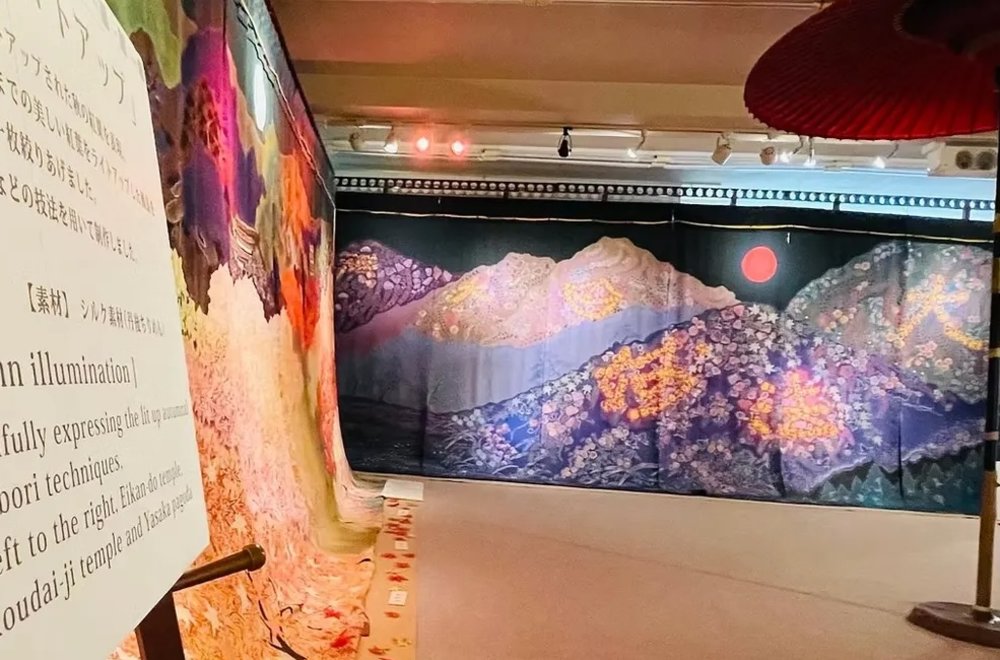
Kyoto Shibori Museum
Shibori Museum
A shibori class at the Shibori Museum is the easiest way to explore Japanese crafting. Shibori is Japan’s traditional resist-dyeing technique: fabric is bound, stitched, or folded before dyeing so the tied sections stay pale. You come away with something you actually made. It’s a good rainy-day option and works for most ages.
Gion Festival Gallery
For festival culture, the Gion Festival Gallery covers Kyoto’s most famous summer festival, including the floats and the craftsmanship behind them. It’s a way to experience Gion Matsuri outside of July, which is when most visitors are in town.
Gekkeikan Okura Sake Museum
Out in Fushimi, the Gekkeikan Okura Sake Museum sits in Japan’s sake-brewing heartland, a short hop from Fushimi Inari Shrine. The brewery opened in 1909 and the museum displays around 400 items used in traditional sake production, so you can see how the whole process worked before it was mechanised. You can pair it with Fushimi Inari in the same trip as they’re in the same part of the city.
Modern and contemporary art museum in Kyoto
The National Museum of Modern Art, Kyoto
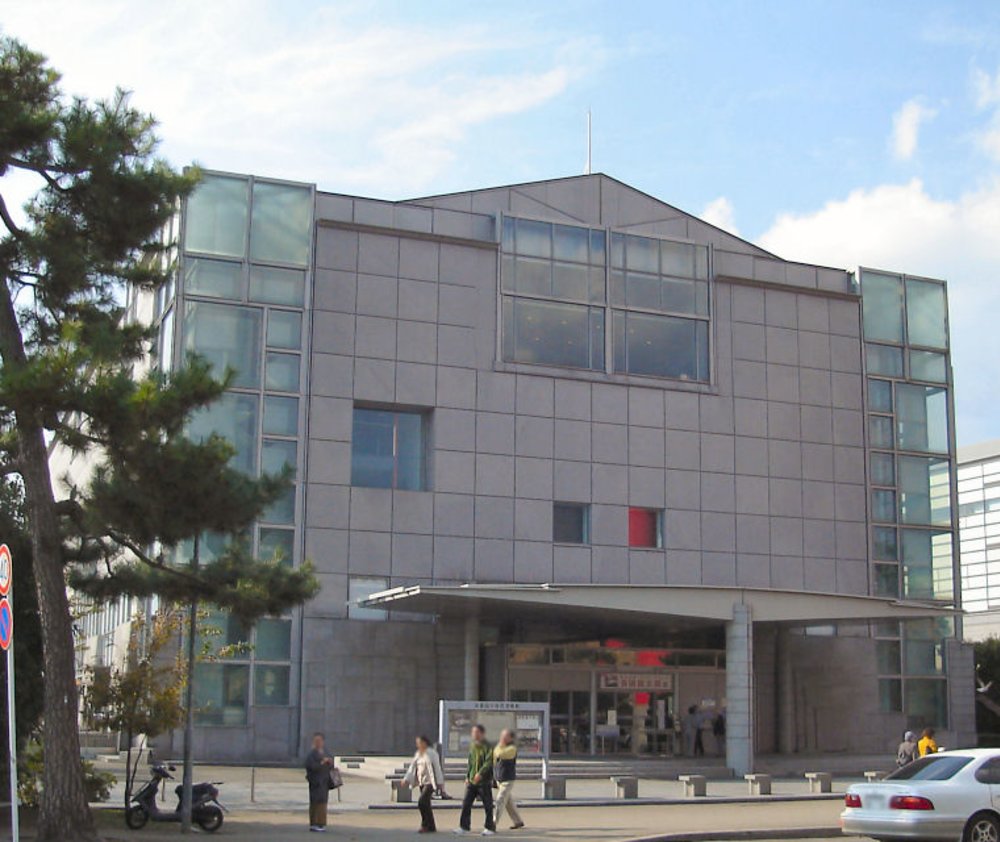
National Museum of Modern Art Kyoto | Image Credit: +- at Japanese Wikipedia, CC BY-SA 3.0 via Wikimedia Commons
Kyoto does have a serious modern art scene, and The National Museum of Modern Art, Kyoto is the lead venue. Locals call it MoMAK. Its collection spans nihonga (Japanese-style painting), textiles, metalwork, woodcraft, photography, and jewellery, so it covers modern craft as much as fine art.
Entry to the Collection Gallery is ¥430 for adults and ¥130 for university students, and it’s free for high school students and under as well as seniors 65 and over. Special and travelling exhibitions are priced separately, but those tickets include the Collection Gallery too. Hours are 10:00 to 18:00 with admission until 17:30, extended to 20:00 on Fridays. Like the National Museum, it’s closed Mondays with the same national-holiday swap to Tuesday.
Here’s the tip most guides skip: MoMAK has reciprocal discounts with two nearby institutions. Show a same-day ticket stub or membership card from the Hosomi Museum and you get the group rate at MoMAK, and it works in reverse. The same arrangement applies with the Kyoto City KYOCERA Museum of Art for special exhibitions. If you’re doing more than one art museum in the Okazaki area, buy in that order and you’ll pay less. There’s also a night discount on the Collection Gallery from 18:00 on Fridays, which brings the adult rate down to ¥220.
For Japanese painting in a calmer setting, the Fukuda Art Museum is worth checking out. It’s smaller and much quieter than the national museums, which is exactly the point on a busy travel day.
Niche and pop-culture museums in Kyoto
These two are the ones families and enthusiasts should prioritise, and they’re different from the art museums above.
Kyoto Railway Museum
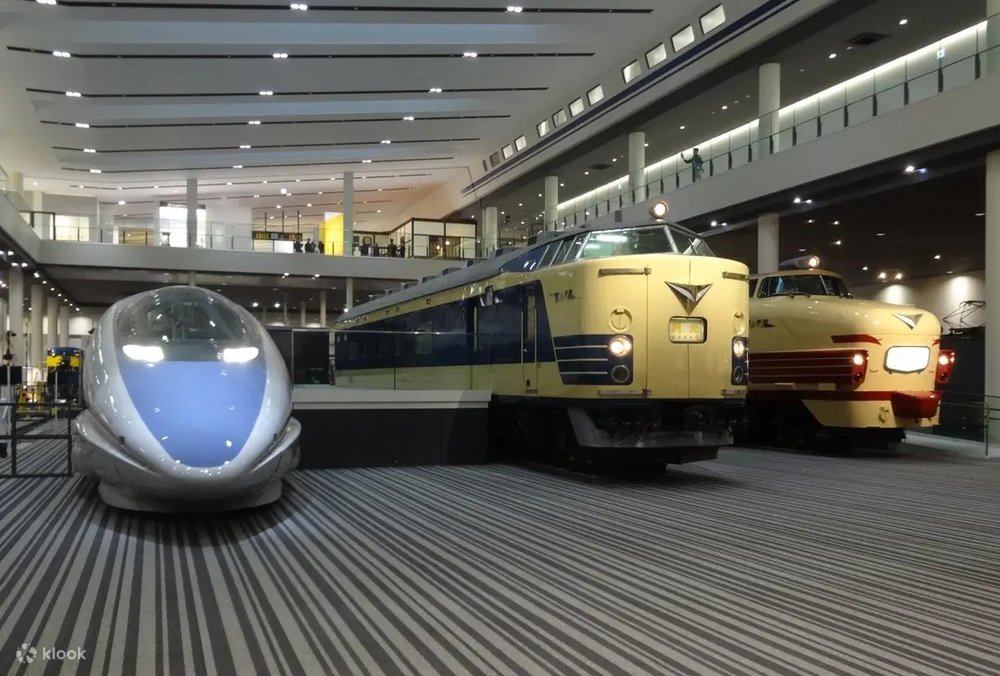
Kyoto Railway Museum
The Kyoto Railway Museum is one of Japan’s largest railway museums and the strongest pick if you’re travelling with kids. It spreads across three floors of a 30,000-square-metre building and displays 54 retired trains, from steam locomotives through to the Shinkansen. Adult tickets are ¥1,500, students ¥1,300, and elementary and middle school students just ¥500. It’s open 10:00 to 17:00 with last admission at 16:30, and closed on Wednesdays, though it does open on Wednesdays that fall in national or school holidays. It also closes from 30 December to 1 January. Plan on two to three hours minimum; kids will happily stretch it longer.
Kyoto International Manga Museum
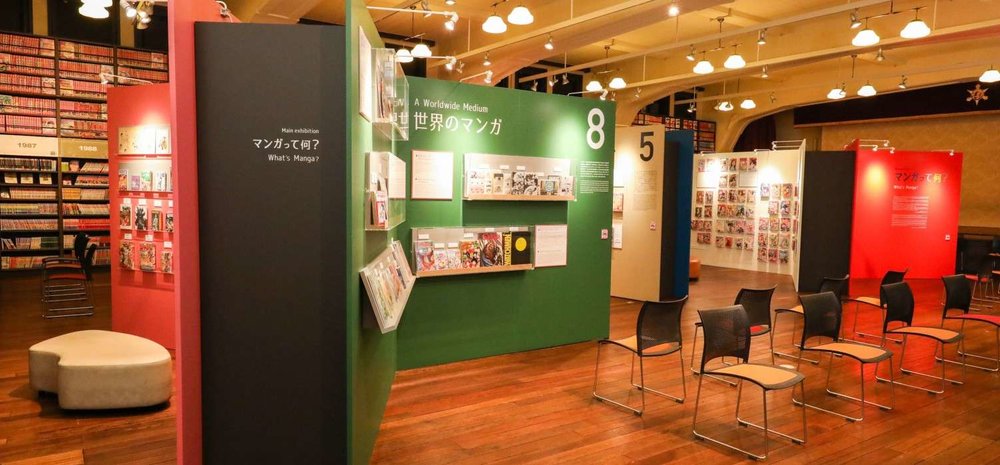
The Kyoto International Manga Museum is housed in a converted elementary school and holds more than 300,000 manga across three floors and a basement. The format is unusual: it’s as much a reading room as a museum, so you can pull volumes off the shelves and just sit with them. Adult admission is ¥1,200 for adults over 18, ¥400 for ages 13–18 and ¥200 for ages 6–12 and children below elementary age get in free. Hours are 10:00 to 17:00 with last admission at 16:30, and it’s closed on Wednesdays or the following day if that Wednesday is a national holiday.
Two practical notes. Your ticket allows re-entry throughout the day, so you can head out for lunch and come back. And if you’re holding a Kyoto city subway pass, you get 20% off at the counter, just show it when you buy. One rule to plan around: elementary school children can’t enter unaccompanied, so someone junior-high age or older needs to be with them.
How to plan a museum day in Kyoto
The single most useful thing to know is that Kyoto’s museums don’t share a closing day. The Kyoto National Museum and MoMAK both close Mondays. The Railway Museum and the Manga Museum both close Wednesdays.
Group by area, not by category. The Kyoto National Museum sits in Higashiyama, so pair it with Kiyomizu-dera and the Gion side of the city. MoMAK is in the Okazaki museum district alongside the Kyoto City KYOCERA Museum of Art and the Hosomi Museum, which is where those reciprocal ticket discounts pay off. The Railway Museum is near Kyoto Station, making it an easy first or last stop on a travel day. The Manga Museum is central and downtown, so it fits between other plans.
If you’re doing two museums in one day, start with the bigger one in the morning when you’re fresh, then use the afternoon for the lighter option. Both the National Museum and MoMAK stay open late on Fridays, so a Friday lets you push one of them into the evening and free up the daylight for temples and gardens.
Buy tickets ahead of time where you can as it saves queuing at the vending machines, which is where the time actually goes at the busier museums. You can book Kyoto attractions and museum tickets in advance and pick the dates that work around those closing days.
Frequently Asked Questions
What is the best museum to visit in Kyoto?
The Kyoto National Museum is the best all-round choice. It holds the city’s most significant collection of Japanese art and artefacts, swords, kimono, calligraphy, tea ware, and at ¥700 for the collection exhibition it’s good value. If you’re travelling with children or you’re not a fine-art person, the Kyoto Railway Museum is the better pick.
Is the Kyoto National Museum worth visiting?
Yes, especially if you want context for everything else you’re seeing in Kyoto. It opened in 1897 and covers samurai armour and swords, Kyoto painting and calligraphy, tea ceremony artefacts, and textiles and kimono. Two hours is enough for the collection galleries, and its Higashiyama location means you can combine it with a temple morning.
Are Kyoto museums closed on any particular day of the week?
There isn’t one shared closing day, which catches a lot of visitors out. The Kyoto National Museum and The National Museum of Modern Art, Kyoto both close on Mondays or on the Tuesday instead, if that Monday is a national holiday. The Kyoto Railway Museum and the Kyoto International Manga Museum both close on Wednesdays. Plan art for a Wednesday and pop culture for a Monday.
How much time do you need for Kyoto museums?
Budget around two hours for the Kyoto National Museum or MoMAK, or closer to three if a special exhibition is on. The Kyoto Railway Museum needs two to three hours and easily more with kids. The Manga Museum is open-ended, it’s a reading room as much as a museum, so people often stay several hours. Two museums in a day is comfortable; three is a stretch.
Is the Kyoto Railway Museum good for kids?
It’s one of the best family attractions in Kyoto. There are 54 retired trains on display across three floors, from steam locomotives to the Shinkansen, and tickets for elementary and middle school students are only ¥500. It’s close to Kyoto Station, so it works well on an arrival or departure day. Just remember it’s closed on Wednesdays outside of national and school holidays.
What is there to do at the Kyoto International Manga Museum?
You read. The museum sits in a converted elementary school and holds more than 300,000 manga across three floors and a basement, and you’re free to take volumes off the shelves and settle in. Adult admission is around ¥900, tickets allow same-day re-entry, and a Kyoto city subway pass gets you 20% off. It’s a strong rainy-day option and central enough to drop into between other plans.
Related Articles

What is Klook?
Klook is a leading pan-regional experiences platform in Asia Pacific, purpose built to digitalize experiences and make them accessible to every traveler.
Our mission is to build the digital infrastructure for the global experience economy — empowering merchants to share their passions and travelers to discover the heartbeat of each destination. We operate a mobile-first, curated platform featuring diverse experiences across global destinations.