Planning a trip to
Japan? You’re in for one of the best holidays of your life. Whether you’re travelling solo, visiting as a couple, or exploring with family, Japan has a way of making every trip feel special. But a bit of prep goes a long way. Japan runs on its own set of unwritten rules, and knowing them before you land makes everything smoother.
Whether it’s your first visit or your fifth, these Japan travel tips will save you time, money, and a few awkward moments. Read on for everything you need to know before you go!
Japan has a cheat code; it's called Klook! 🧡
Japan can feel like a lot to figure out. But every game has a cheat code, and Japan's is
Klook.
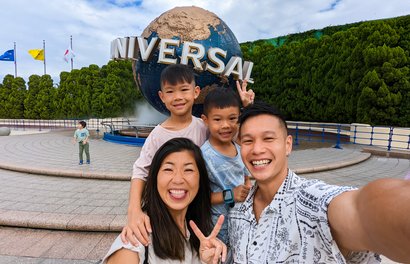
This June, we're teaming up with Family Fizz for a real family trip to Japan, and there are three ways to play:
Pre-booked and locked in: Some parts of their itinerary are already sorted, so you can see exactly how easy it is to plan Japan with Klook
Chosen on the day: The Family Fizz kids pick between activities in real time and book straight through Klook, just like you would on your own trip
Voted by you: Follow along on Family Fizz's
Instagram page, vote on where they head next (see Mount Fuji or go on a tea ceremony in Kyoto?), and watch your pick come to life!
Every experience on their trip is bookable straight through Klook, so you can follow along and plan your own Japan adventure at the same time. Their trip, your rules.
Going live on 25 June 2026. Press start! 🕹️
1. Choosing the best time to visit and where to visit
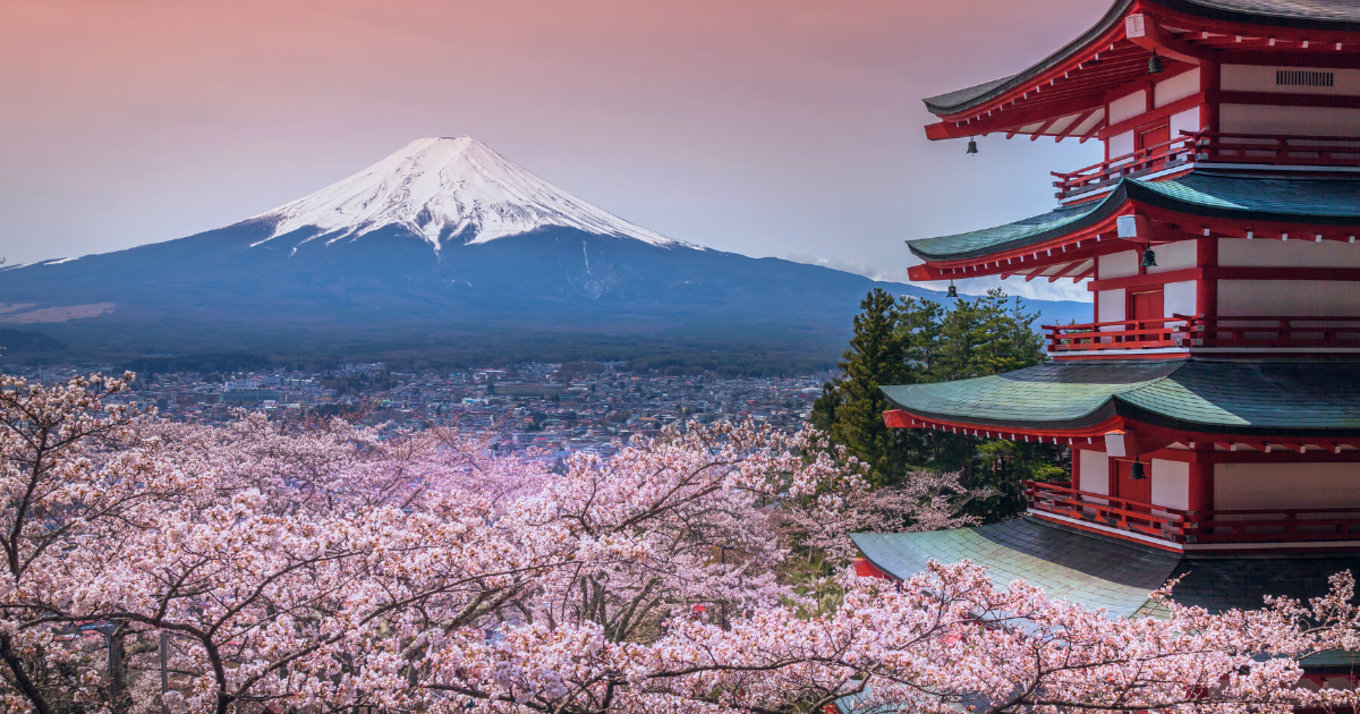
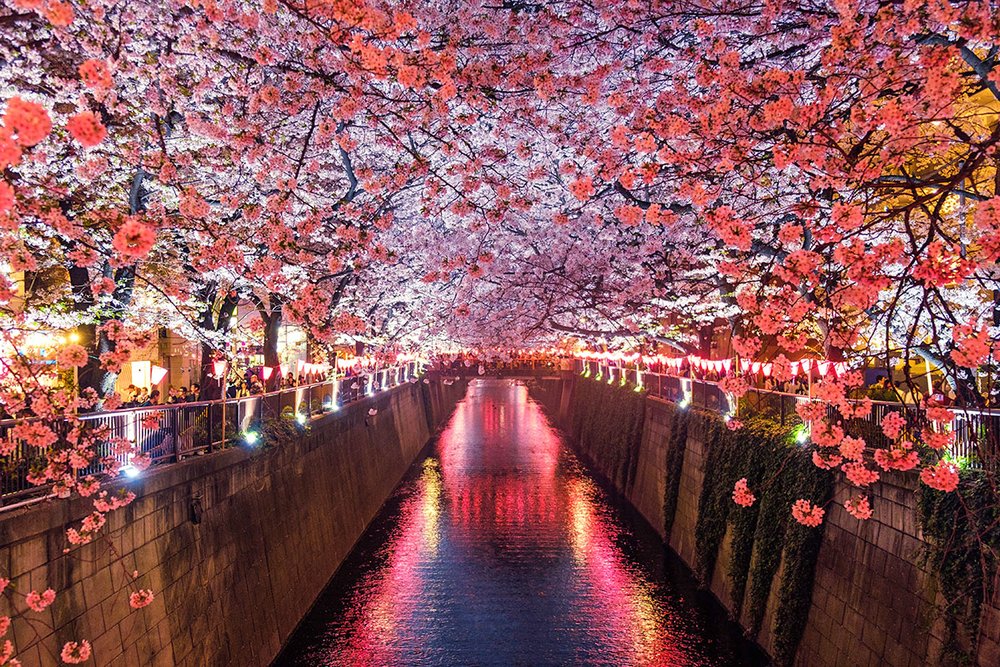
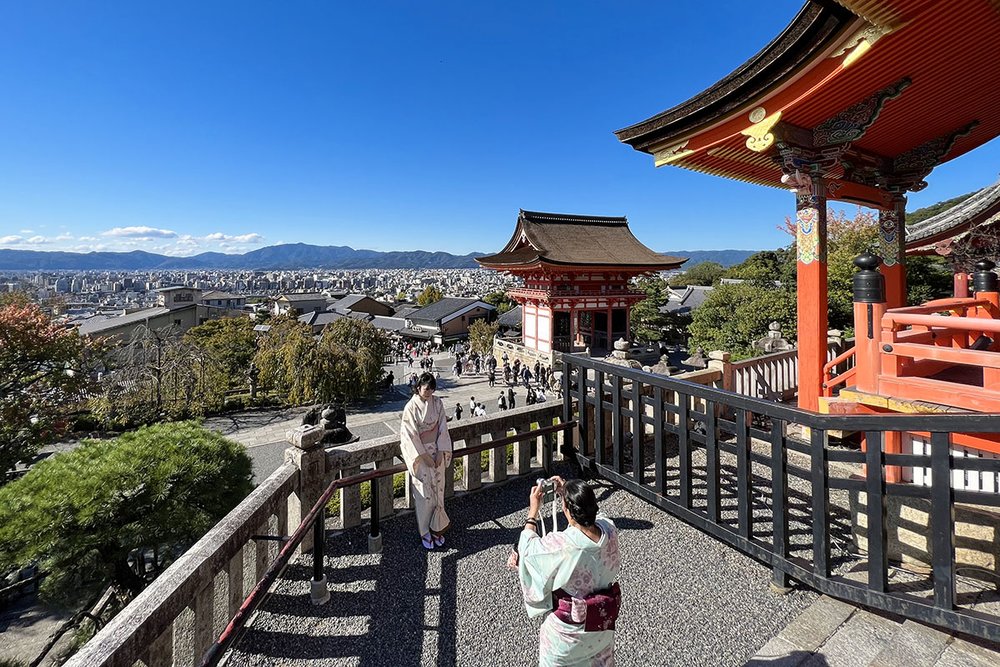
Japan looks completely different depending on when you arrive. Spring (March–April) is the peak season for sakura (cherry blossoms), and it's deservedly popular. Just expect bigger crowds and higher hotel prices. Autumn (September–November) brings cooler weather and stunning red maple leaves, which is just as beautiful with a more relaxed atmosphere.
If you're after snow, winter (December–February) transforms Hokkaido and the Japanese Alps into proper winter wonderlands. Summer (June–August) is hot and humid, but June has gorgeous ajisai (hydrangea) blooms, and the far north stays pleasantly cool.
At the same time, it’s worth thinking about where you go, not just when you visit. Most first-time travellers follow the classic “Golden Route” (Tokyo, Kyoto, and Osaka), but Japan is much more diverse than that.
Region | Best known for | Why visit |
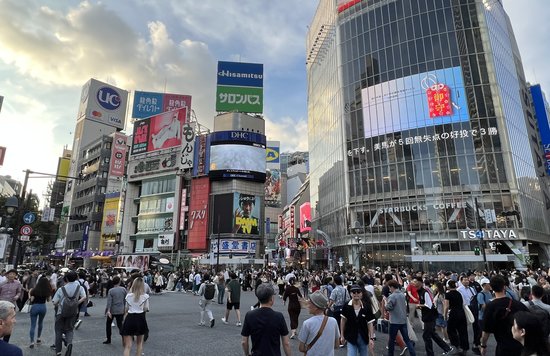
Tokyo | City life, shopping, pop culture | Fast-paced introduction to modern Japan |
Kyoto | Temples, traditional culture | Best for history, shrines, and seasonal scenery |
Osaka | Street food, nightlife | Fun, lively atmosphere and amazing food scene |
Sapporo (Hokkaido) | Snow sports, winter festivals | Skiing, snowboarding, and winter landscapes |
Okinawa | Beaches, diving, island life | Clear waters, coral reefs, relaxed tropical vibe |
Hakone / Mt. Fuji area | Hot springs, Fuji views | Easy nature escape from Tokyo |
2. Buy popular attraction tickets in advance
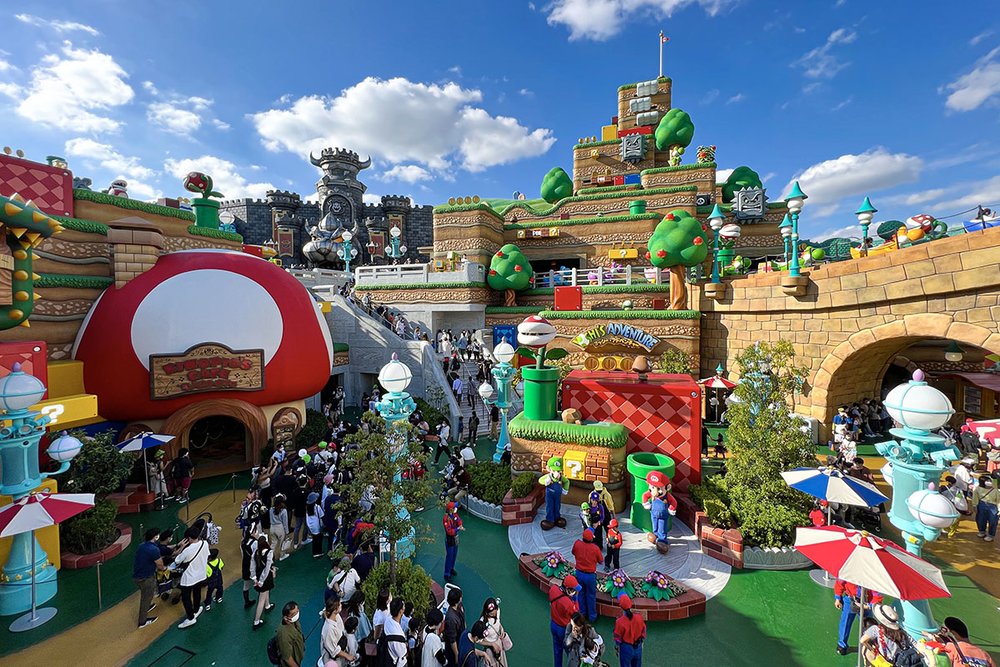
Japan's top theme parks and attractions sell out fast, especially during peak seasons. Another practical reason to book ahead: many official attraction websites don't reliably accept non-Japanese credit cards.
Rather than risk a declined payment at the last minute, it's worth securing your tickets early through
Klook, which handles international payments without the hassle.
Popular Japan attractions to book ahead:
3. Save 10% with Tax-Free Shopping
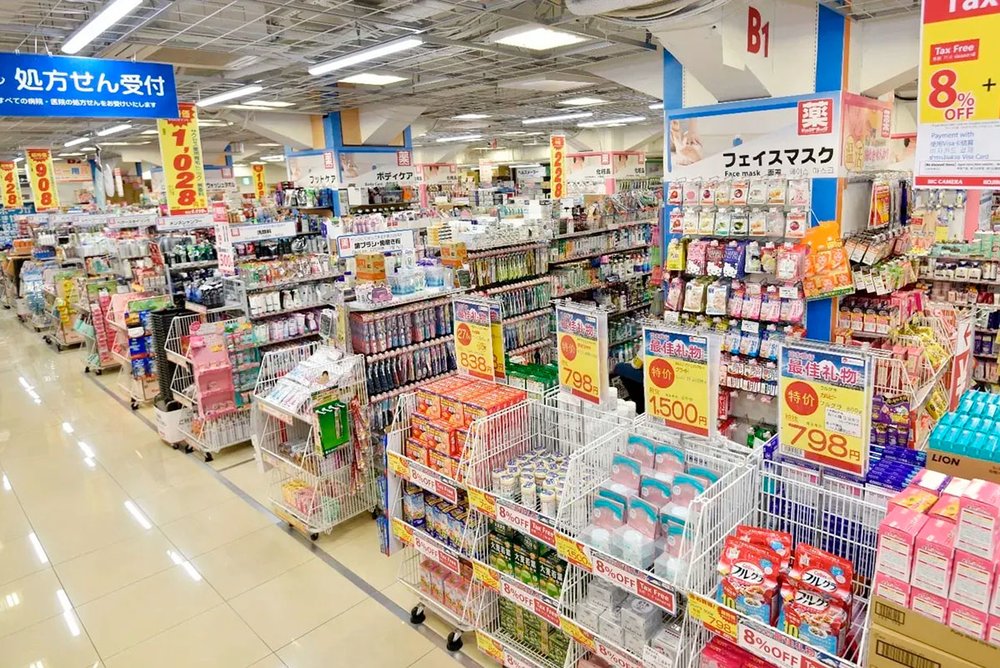
This is one of the Japan travel tips that can add up. Japan charges a 10% consumption tax on most purchases, but as a tourist, you can claim it back at tax-free counters in participating shops, as long as you spend at least ¥5,000 in a single store visit. Just look for the "Tax-Free Shop" sign and bring your actual passport (not a photocopy) to process it at the till.
🚨New Japan tax free shopping changes:
Starting in November 2026, Japan plans to switch to a “pay first, claim tax refund later” system, meaning you may need to pay the full price upfront and process refunds before leaving the country.
Your tax-free items will be sealed in a bag. This means you can't open them while you're still in Japan. A tip from us, ask the staff to pack consumables into smaller bags so they're easier to fit in your luggage!
4. Bring a reusable bag
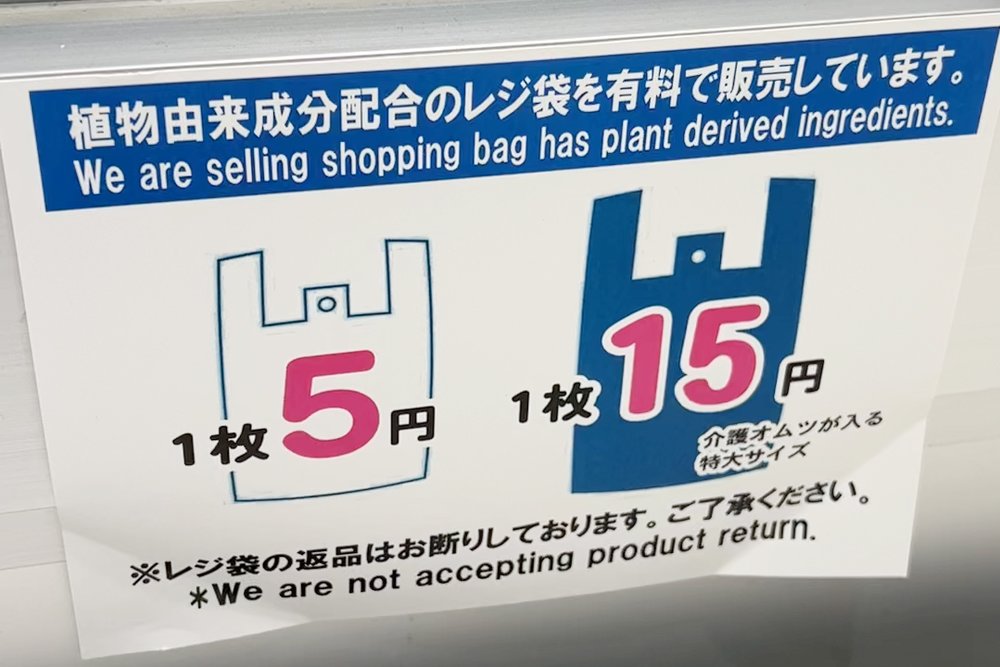
Since 2020, Japan has been charging for single-use plastic carrier bags, usually between ¥3 and ¥10 per bag. It's a small amount, but you never know when a souvenir or snack will catch your eye. Pack a foldable tote in your day bag and you're sorted!
5. Carry some cash
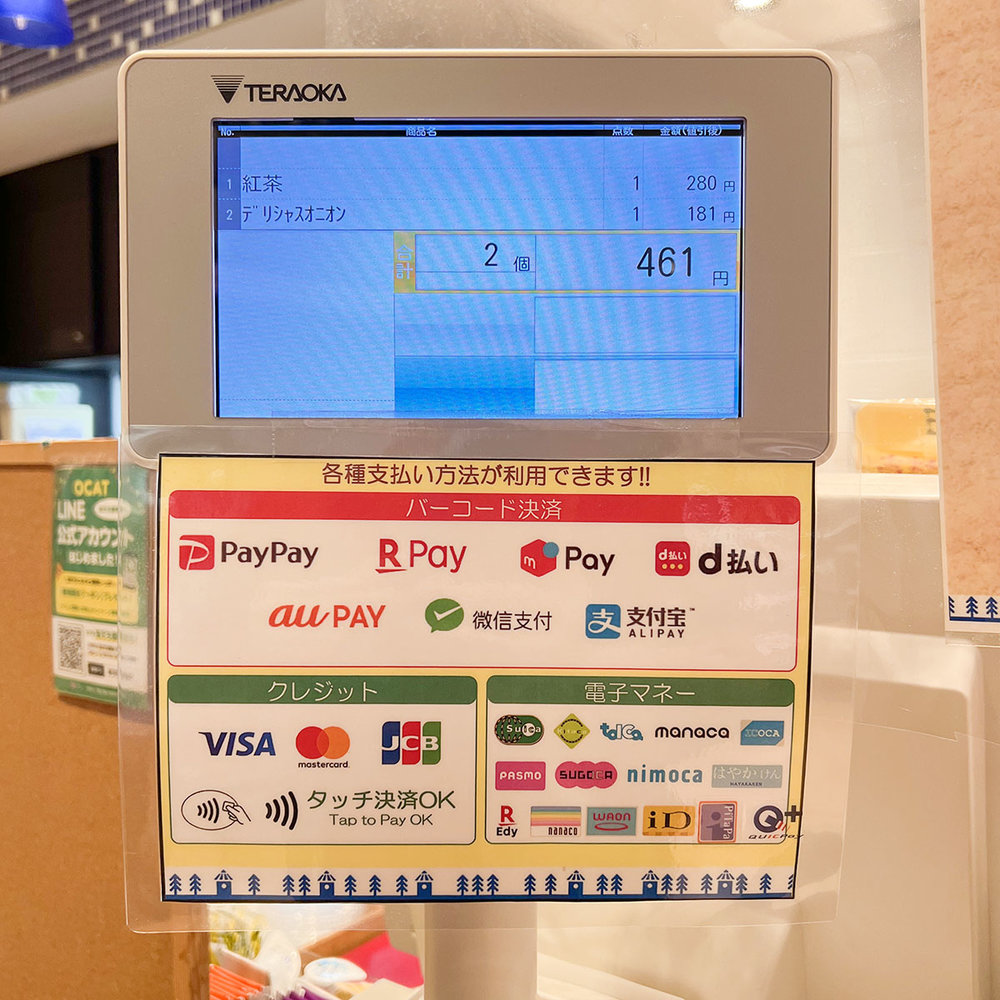
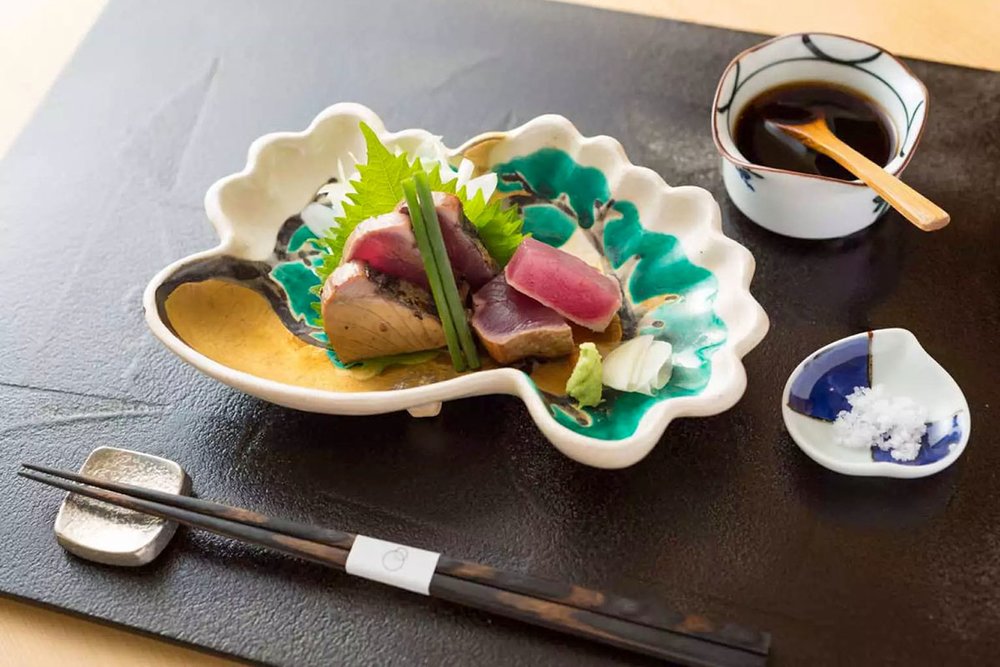
Japan is more cashless than it used to be, but cash still matters more here than in the UK. Street food stalls, smaller restaurants, vending machines, and coin lockers often don't accept cards. Some traditional restaurants that use ticket machines also prefer cash, and if you end up at a kaiseki (multi-course) restaurant, many still run cash-only.
The safest approach is to carry a mix of both. ATMs at 7-Eleven, FamilyMart, and Japan Post are your best bet for withdrawing yen. They're reliable with international cards and widely availab
💡Klook Tip: If you're using a travel card, check your provider's international withdrawal fees before you go. Some charge per transaction, which adds up quickly if you withdraw small amounts regularly
6. Download these apps before you land
Getting around Japan is much easier with the right apps on your phone. Here are the ones worth installing before you leave:
You'll also want a reliable data connection to use all of the above. A Japan eSIM is one of the most convenient options. You don’t need to swap your SIM or queue at the airport, just activate it before you travel and you're connected the moment you land. 7. Get a Suica or PASMO card
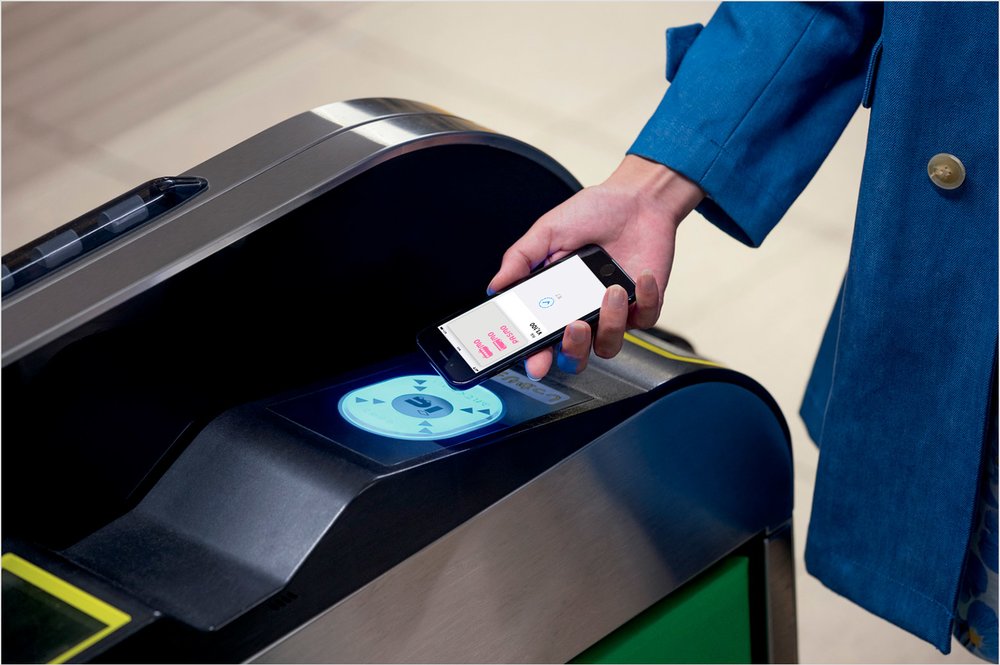
Think of a Suica or PASMO card as Japan's equivalent of an Oyster card. You load money onto it and tap in and out on trains, buses, and even some taxis. It works across most of Japan's public transport network and is far quicker than buying individual tickets at the machine each time.
If you have an iPhone, you can add a Suica card directly to your Apple Wallet and top it up via Apple Pay, no need to get a physical card. For everyone else, you can pick up a physical
Suica card at major stations. Leftover balance isn't wasted either: you can spend it at vending machines, convenience stores, and coin lockers!
8. Avoid rush hour on the trains
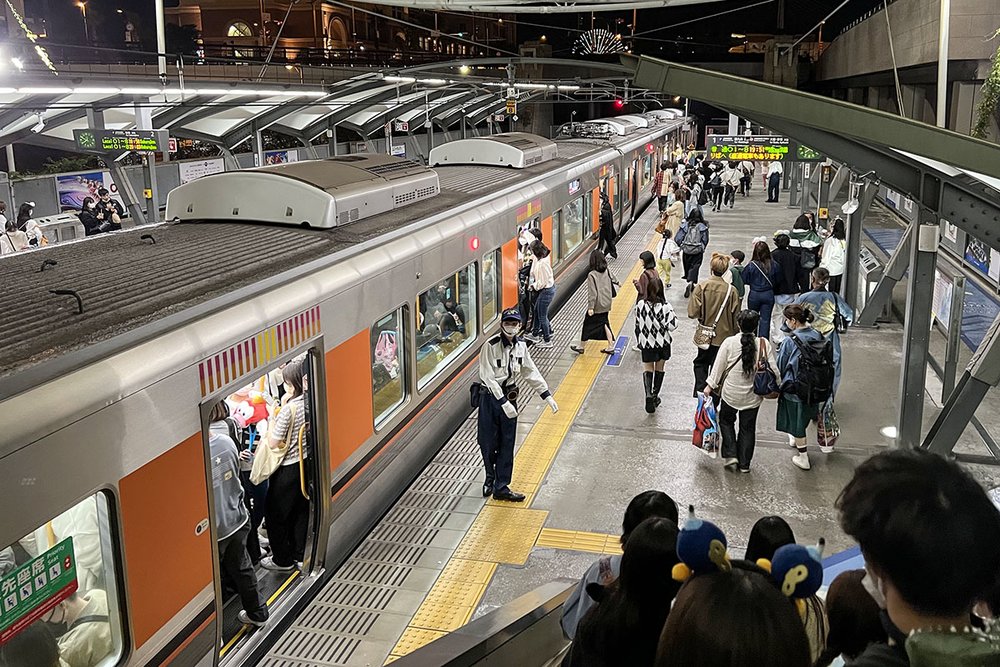
The videos you've seen of people being packed onto Tokyo trains are not exaggerated. Rush hours in major cities are around 8:00 to 9:30 AM and 5:30 to 7:30 PM on weekdays. It's not dangerous, but it's not a great experience either.
If your schedule is flexible, plan your main journeys outside these windows. Sightseeing in the morning before the commuter rush or grabbing a long lunch before heading to your next stop is an easy way to sidestep the worst of it.
9. Buy your JR Pass before you leave the UK
The
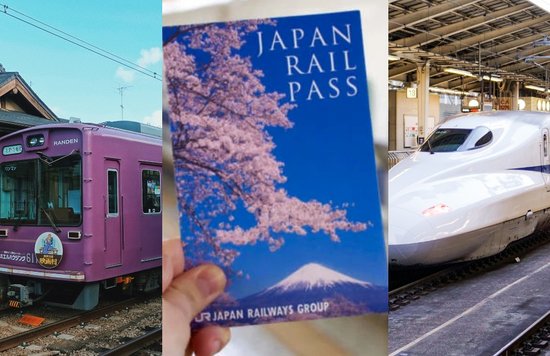
Japan Rail Pass (JR Pass) gives you unlimited travel on most JR trains across Japan, including the
Shinkansen (bullet trains). It's one of the better value options if you're planning to travel between multiple cities like Tokyo, Kyoto, Osaka, Hiroshima and beyond.
The key thing to know: you can no longer buy a JR Pass once you're in Japan. It must be purchased in advance. Passes that require a physical Exchange Order also need to be delivered to your address before you travel, so give yourself at least one to two weeks.
10. You might not always need a JR Pass
This follows on from the tip above: depending on your itinerary, a full JR Pass might not be the most cost-effective option. If you're mainly based in one city or travelling between two, there are regional passes that could save you money.
Transport Pass | Major Places Covered |
Kyoto-Osaka Sightseeing Pass (1 or 2 Days) | Osaka, Kyoto, Uji |
Kansai Railway Pass (2 or 3 Days) | Osaka, Kyoto, Kobe, Nara, Himeji |
Kintetsu Rail Pass (1, 2, 5 or 5 Days Plus) | Osaka, Kyoto, Nara, Nagoya |
Hakone Freepass (2 or 3 Days) | Round-trip between Tokyo and Hakone, Hakone Transportations |
Once you're in the city, a day pass often makes more sense than a Suica card for sightseeing-heavy days. The
Tokyo Subway Pass and
Osaka Metro Pass are both solid options if you're covering a lot of ground.
11. Check your luggage size before boarding the Shinkansen
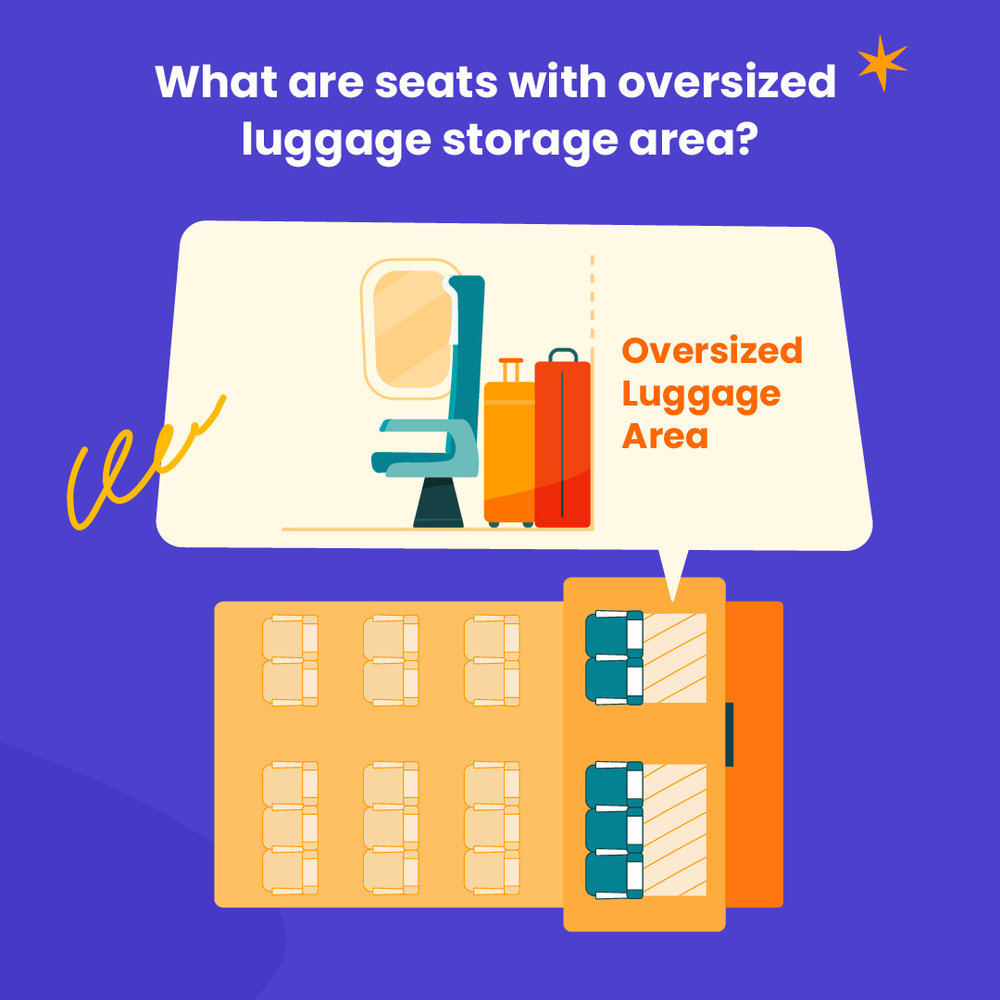
This one catches people out. On the Tokaido, Sanyo, and Kyushu Shinkansen lines, oversized luggage now requires a reserved seat with a dedicated storage area behind it.
If your suitcase measures more than 160cm in total (length + width + height), it counts as oversized. That usually means anything larger than a 26" case.
Travelling with standard cabin luggage or a 24" suitcase? You're fine to use the overhead rack. If you're unsure, measure before you leave and reserve the right seat if needed. Failing to do so can result in a ¥1,000 fine!
12. Use a luggage forwarding service
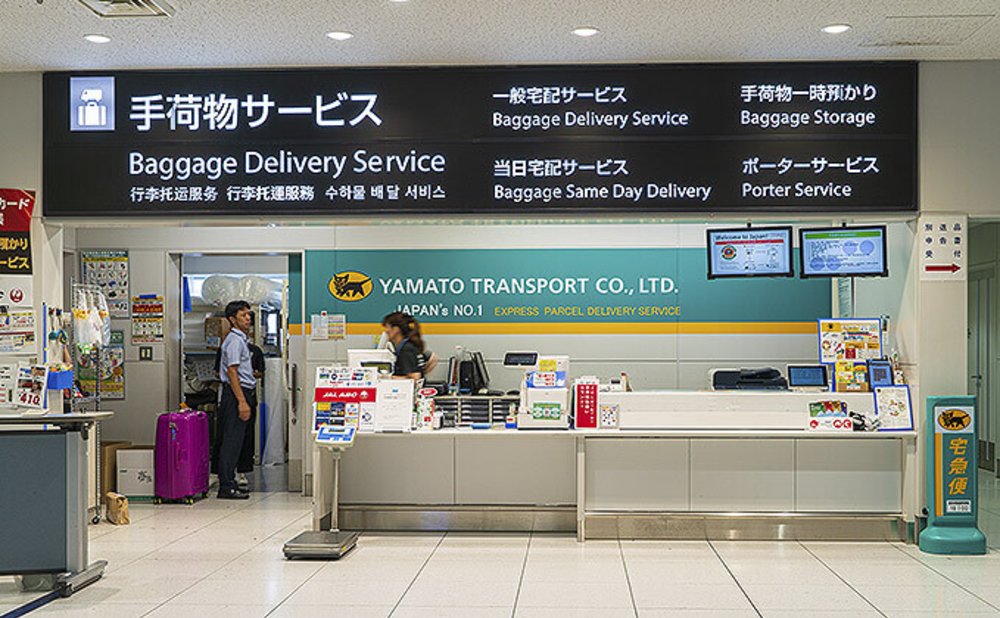
Dragging a large suitcase through busy train stations and up narrow ryokan staircases gets old quickly. Japan’s luggage forwarding services (takuhaibin) let you send your bags ahead to your next hotel, usually for next-day delivery. It’s one of the most underrated Japan trip tips, and it’s not expensive.
In most cases, you’ll hand your luggage over at your hotel by a morning cut-off time, and it will arrive at your next destination the following day. The service runs between hotels, airports, and delivery counters, so you can even send luggage straight from the airport and travel hands-free.
13. Book popular restaurants in advance
Long queues outside restaurants are a very normal sight in Japan. Some of the best spots fill up within minutes of opening, and at many traditional restaurants, showing up without a reservation means being turned away at the door, even at opening time.
For well-known places, especially anything in the Michelin guide or heavily featured online, a reservation is your safest bet. Many restaurants don't have an online booking system and rely on phone reservations only, so asking your hotel concierge to call on your behalf is often the easiest route.
14. Get late-night discounts at konbini
Japan's convenience stores (konbini) are impressive. You can buy freshly made onigiri (rice balls), hot food, great coffee, and a surprisingly good range of desserts, all available 24 hours. Lawson, FamilyMart, and 7-Eleven each have their own cult favourites (the fried chicken at Lawson is a classic), so it's worth trying all three.
Here's a tip that many visitors miss! Head to a konbini after 8:00 or 9:00pm and look for yellow discount stickers on bento boxes, sandos (sandwiches), and fried chicken. You'll often find ¥50 or more knocked off items that are still perfectly fresh!
15. Be polite, it genuinely matters
Japanese culture places a high value on politeness, and a little effort goes a long way.
A few basics: don't eat while walking (it's considered rude in many areas, and signs in popular markets often say as much), avoid talking on the phone on trains, queue properly, and bow slightly when greeting or thanking someone. You don't need to get it perfect, locals will appreciate the effort regardless.
FAQs about Japan travel tips
What do I need to know before going to Japan for the first time?
Japan is an incredibly rewarding destination, but a few things are worth knowing upfront
Book attraction tickets before you leave the UK (especially for Tokyo Disney Resort and USJ)
Get a Suica card for seamless public transport, and use a luggage forwarding service between cities to travel light.
For shopping, always ask for tax-free processing when you spend over ¥5,000 in one shop, and pick up discount coupons for stores like Don Quijote and Bic Camera before you head out.
If you’re planning street karting (
Shibuya go-karting), you’ll need an International Driving Permit (IDP) plus your original driving licence. It’s strictly checked and required to join.
Is Japan contactless or should I carry cash?
Japan has become more cashless in recent years, but cash is still essential in many situations. Street food stalls, smaller restaurants, vending machines, and coin lockers often don't accept cards. The safest approach is to carry both. Withdraw yen at ATMs in convenience stores like 7-Eleven or FamilyMart, which reliably accept international cards.
What apps do I need for travelling in Japan?
Three apps make a real difference:
Japan Travel by Navitime for navigating public transport (especially useful if you have a rail pass)
Google Translate for deciphering Japanese-only menus using the camera function
Tabelog for finding well-rated local restaurants.
Do I need reservations for restaurants in Japan?
Yes, especially for well-known or highly rated restaurants. Many of the best places fill up days or even weeks in advance. Casual ramen shops and izakayas (Japanese gastropubs) are usually fine without one, but for a special dinner or a popular lunch spot, booking ahead saves you a lot of time waiting in line.
Get ready to explore Japan with us!
What is Klook?
Klook is a leading pan-regional experiences platform in Asia Pacific, purpose built to digitalize experiences and make them accessible to every traveler.
Our mission is to build the digital infrastructure for the global experience economy — empowering merchants to share their passions and travelers to discover the heartbeat of each destination. We operate a mobile-first, curated platform featuring diverse experiences across global destinations.