
Vietnam is one of Southeast Asia's most rewarding destinations, packed with street food, history, and scenery that'll keep you busy for weeks. But before you get to any of that, there's a bit of groundwork to do. Arriving in Vietnam is easy once you know what to expect; it's the not knowing that trips most first-timers up.
This step-by-step guide walks you through everything from sorting your visa to clearing customs and getting out of the airport without a fuss. Think of it as your pre-flight checklist for a trip that starts on the right foot!
Step 1: Check if you need a visa
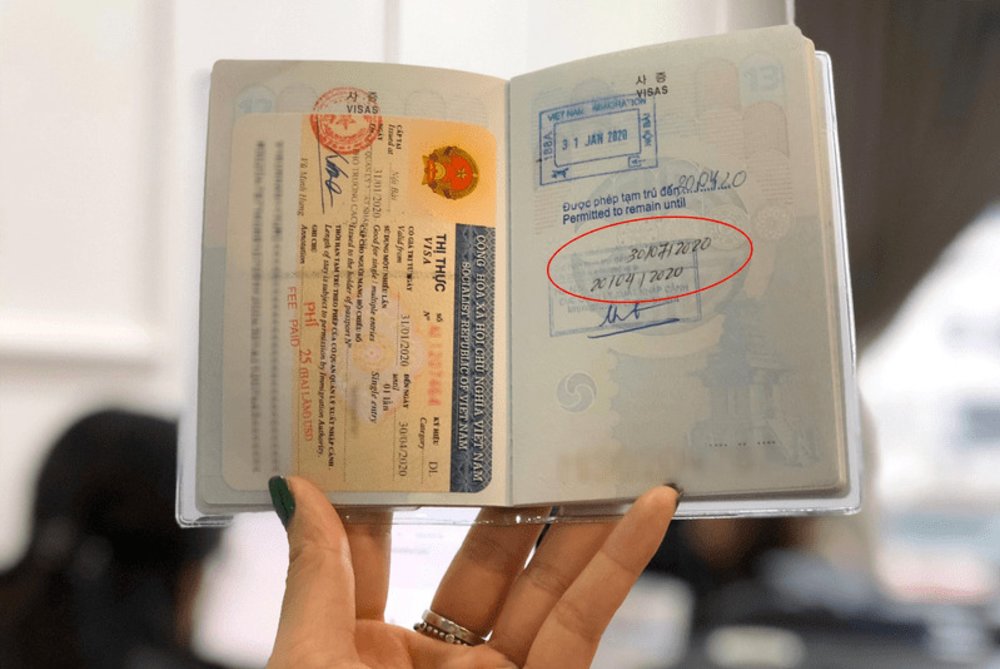
Vietnam e-Visa | Photo Credits: Vietnam Embassy
The first thing to sort before arriving in Vietnam is whether you need a visa at all. Good news for UK passport holders: you're currently eligible for a 45-day visa exemption, which means no visa required for short trips. That said, Vietnam entry requirements can change, so always double-check the latest rules before you fly!
If you're staying longer than 45 days, you'll need to apply for a Vietnam e-visa before you travel. It's valid for up to 90 days (single or multiple entry), processed entirely online. If you are still confused about the process, you can avail of the Vietnam e-Visa service to guide you through the entire process!
Klook Tip: Even if you qualify for the visa exemption, carry a printout of your return flight and proof of accommodation. Vietnam border control officers sometimes ask to see these at the immigration desk.
Step 2: Download an eSIM before your flight

Photo by Dynamic Wang on Unsplash
Landing in a new country and fumbling around for a SIM card at the airport is avoidable. Download a Vietnam eSIM before you fly and you'll have data the moment you switch your phone on after landing. No queuing at a SIM kiosk, no worrying about compatibility.
eSIMs work on most modern smartphones; just check yours is unlocked and supports eSIM before you travel. Having data from the get-go means you can pull up Google Maps, contact your hotel, and book a Grab straightaway!
Step 3: Book your airport transfer in advance
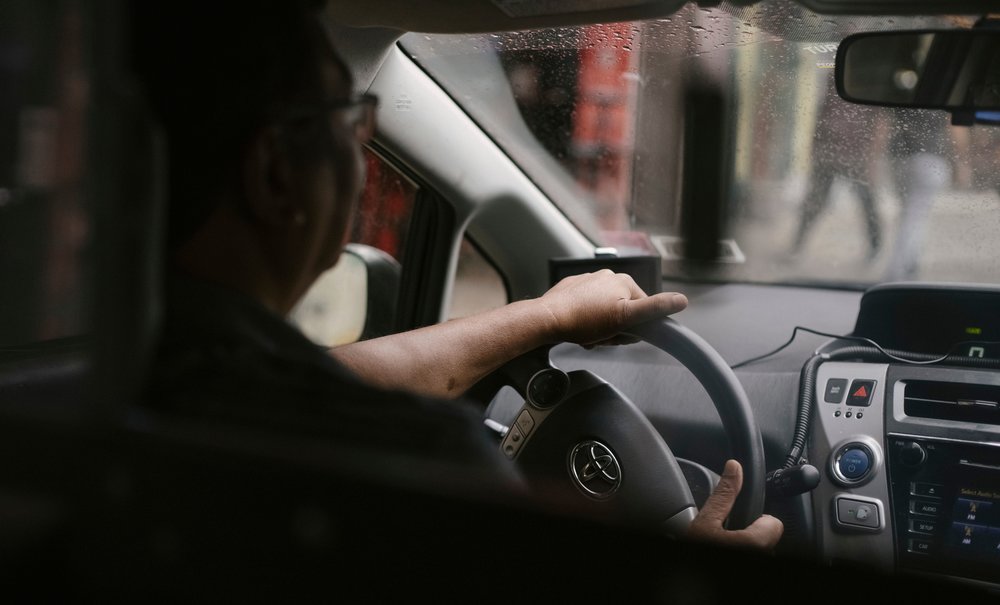
Private airport transfer in Vietnam | Photo Credits: Tim Samuel on Pexels
One of the easiest ways to start a Vietnam trip on the wrong foot is stepping out of arrivals and being surrounded by taxi drivers quoting inflated fares. It sometimes happens at both Noi Bai Airport in Hanoi and Tan Son Nhat Airport in Ho Chi Minh City.
Booking a transfer in advance means a driver will be waiting with your name on a sign. No haggling, no guessing the fare, no stress after a long-haul flight from the UK. Ride-hailing apps like Grab are also reliable, but a pre-booked transfer is the most straightforward option when you're arriving tired and jet-lagged.
💡Klook Tip: Pre-book your private Vietnam airport transfer here so you can head straight to your hotel without any hassle.
For Ho Chi Minh city
For Da Nang
For Hanoi
Step 4: Prepare your arrival documents
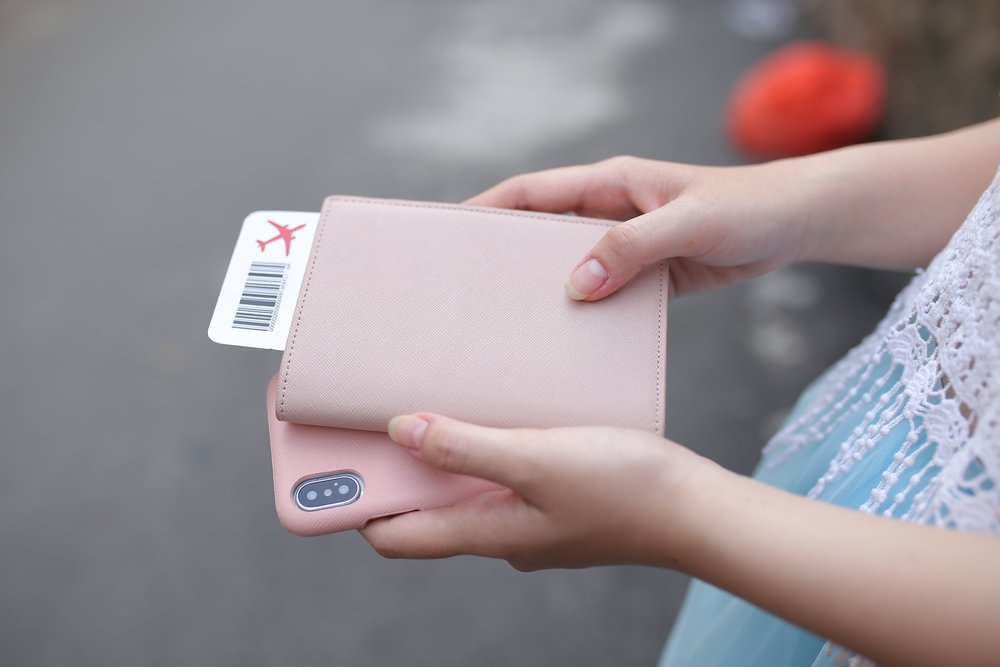
Arrival documents | Photo Credits: Thiếu Quân Võ Vũ on Pexels
Getting your paperwork together before landing makes the whole process of arriving in Vietnam much quicker. Vietnam border control will want to see several documents at the immigration desk, so have everything accessible before you join the queue.
Here's what to have on hand:
- Valid passport (at least 6 months validity beyond your travel dates)
- Vietnam e-visa (if applicable — printed or saved on your phone)
- Return or onward flight ticket
- Proof of accommodation (hotel booking confirmation)
- Completed customs declaration form (handed out on the plane or available at the airport)
The Vietnam customs declaration form covers items you're bringing in, including cash over USD 5,000, valuables, and certain restricted goods. Fill it in accurately because getting caught with an undeclared item causes far more hassle than it's worth.
Step 5: Know what to expect at the airport
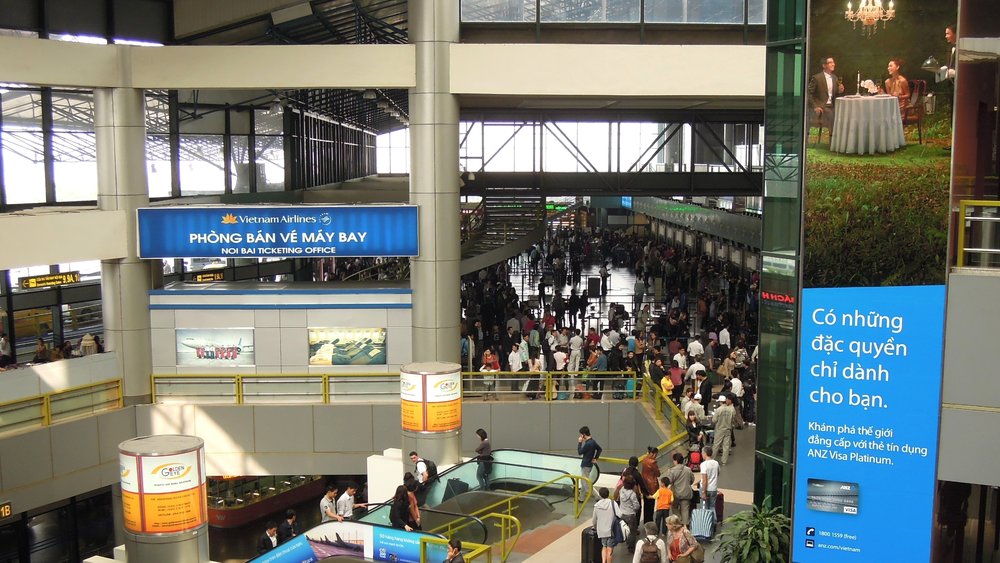
Lines at Noi Bai International Airport, Hanoi | Photo Credits: David McKelvey on Flickr
Immigration
Both Noi Bai Airport (Hanoi) and Tan Son Nhat Airport (Ho Chi Minh City) have dedicated immigration lanes for foreign visitors. Queue times at Noi Bai Airport immigration and Tan Son Nhat Airport arrival desks vary depending on how many flights have landed at the same time, but early mornings and late afternoons tend to be the busiest.
Have your passport, visa documents, and customs declaration form ready before you reach the desk. Officers will take your fingerprints and photo as part of the standard Vietnam border control process. Keep your answers brief and straightforward if asked about your visit!
💡Klook Tip: Book a fast track immigration service in advance so you can breeze through arrivals and get your Vietnam adventure started right away.
For Ho Chi Minh city
For Da Nang
For Hanoi
Baggage claim
After clearing immigration, follow the signs to baggage claim. Carousels are labelled by flight number, and luggage trolleys are free to use. If your bag doesn't appear within a reasonable time, go to the airline's baggage desk in the arrivals hall before you exit the secure area.
Getting through customs
Once you've collected your luggage, you'll pass through customs before entering the main arrivals hall. Use the green lane if you have nothing to declare. Items over duty-free limits, including alcohol, tobacco, and high-value electronics, must go through the red lane. Arrivals halls at both airports have ATMs, currency exchange counters, SIM card vendors, and tourist information desks near the exit.
Klook Tip: Ignore anyone outside the airport who approaches you offering taxis or tours. Use your pre-booked airport transfer or Grab once you're through arrivals.
Step 6: Exchange some Vietnamese dong
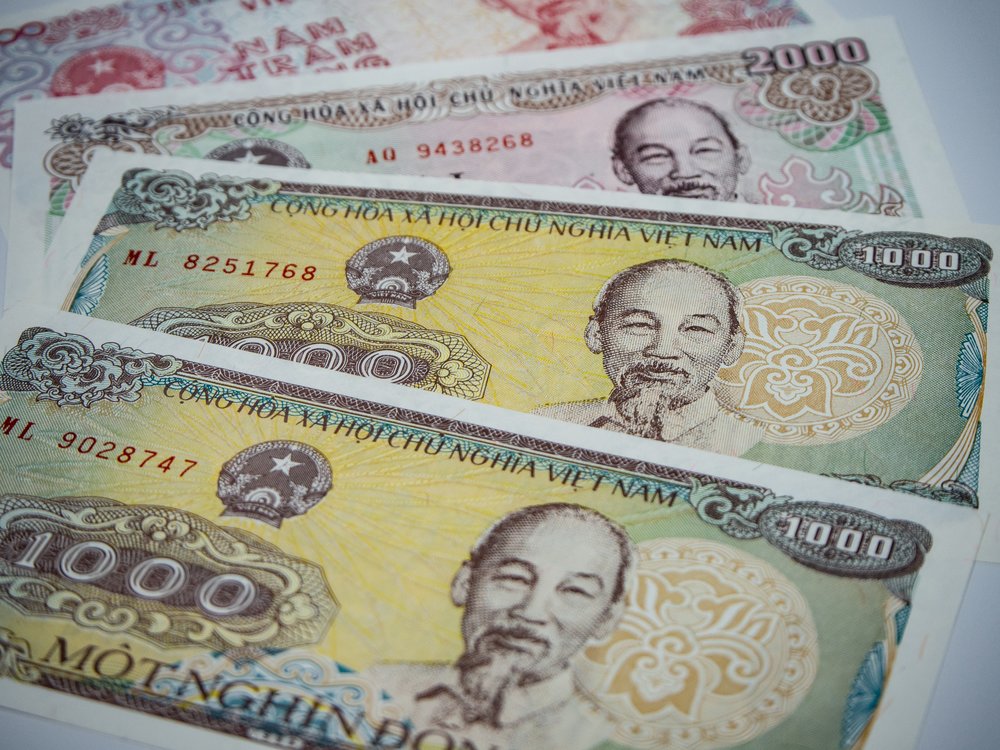
Vietnamese dong | Photo Credits: Forextime.com on Flickr
Vietnam is still very much a cash-first country, especially outside the main cities. While card payments are increasingly accepted in hotels and tourist restaurants, you'll need dong (Vietnamese currency, VND) for street food, local markets, motorbike taxis, and smaller shops.
The best exchange rates are found at local banks or gold shops in the city, not at the airport. ATMs are widely available in Hanoi and Ho Chi Minh City, so withdrawing cash after you clear arrivals is a practical option. Just use a reputable bank ATM rather than standalone machines in tourist areas, which often charge higher fees.
Klook Tip: Watch out for currency scams. Lots of money changers near tourist spots quote a great rate but short-change you during the count. Stick to ATMs or authorised bank exchange counters.
Step 7: Start exploring Vietnam!
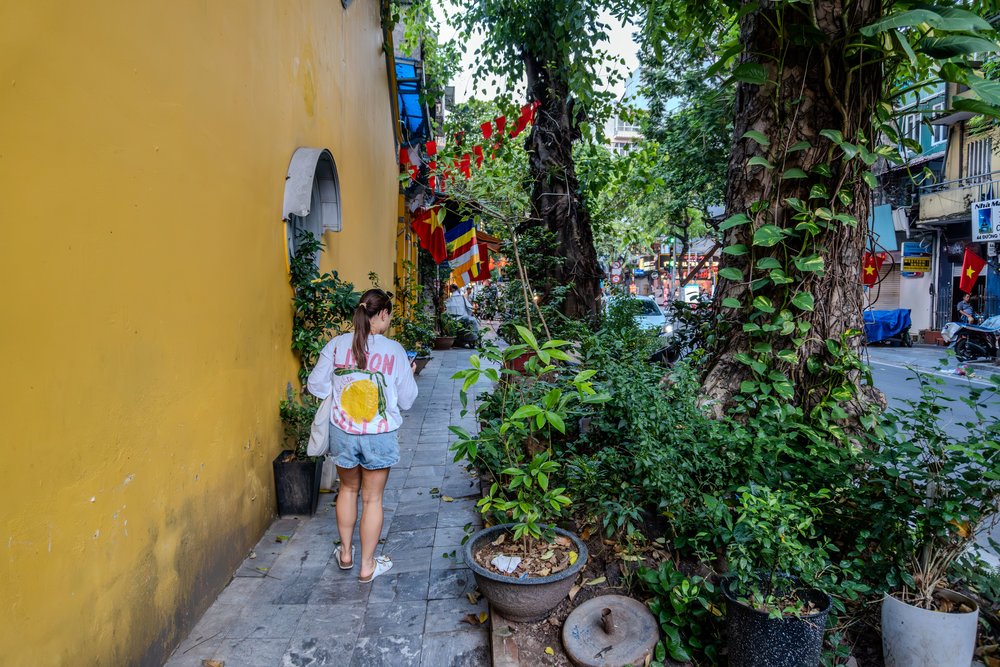
Exploring Vietnam | Photo Credits: Jordan Coleman on Pexels
Once you've cleared the airport, the good stuff begins. Before you land, it's worth pre-booking the experiences that fill up fastest. Sun World Ba Na Hills, VinWonders Phu Quoc, and Cu Chi Tunnels day tour are all popular with UK travellers and regularly sell out.
Securing your tickets in advance means you can head straight there on the day without worrying about availability. It also gives you more flexibility to plan the rest of your time in Ho Chi Minh City and beyond!
FAQs about arriving in Vietnam
Do I need a visa to enter Vietnam?
UK passport holders are currently eligible for a 45-day visa-free stay in Vietnam, so most short-trip travellers won't need to do anything in advance. If you're staying longer than 45 days, you'll need to apply for a Vietnam e-visa before you travel, which allows stays of up to 90 days on a single or multiple-entry basis.
Always verify the latest Vietnam entry requirements with the Vietnamese embassy or the UK government's official travel advisory before booking your flights.
How long does it take to get through immigration at Vietnam airports?
Processing times at Noi Bai Airport and Tan Son Nhat Airport can range from around 20 minutes to well over an hour, depending on how many international flights have landed at the same time. Having all your documents ready before you reach the desk helps speed things along.
If you'd rather not queue, both airports offer a fast-track service with a priority immigration lane and a dedicated assistant to guide you through from the gate to arrivals.
Can I get a Vietnam e-visa on arrival at the airport?
No, the Vietnam e-visa must be applied for online before you travel. There is a visa on arrival option, but this also requires pre-approval from a visa agency before you fly; you can't simply turn up at the desk and apply on the spot.
For most UK travellers, applying for the official Vietnam e-visa in advance through the government portal or a trusted service provider is the easiest and most reliable route.
What can I bring into Vietnam without paying customs duty?
Standard duty-free allowances when arriving in Vietnam include up to 200 cigarettes (or 250g of tobacco), 1.5 litres of spirits over 22% ABV (or 2 litres under 22%), and 3 litres of beer or wine. Gifts and goods worth up to roughly £300 (10,000,000 VND) are also permitted.
Cash amounts over USD 5,000 or equivalent must be declared on your Vietnam customs declaration form, as must high-value electronics that appear to be for commercial use.
How do I get from Noi Bai Airport to Hanoi city centre?
Noi Bai Airport is around 30–45 km from Hanoi's Old Quarter, with journey times of 45–60 minutes depending on traffic. Options include metered airport taxis from reputable companies (Mai Linh and Noi Bai Taxi are reliable choices), the Grab app, or public bus Route 86 into the city centre.
Pre-booking a private transfer is the most straightforward option, especially for late-night arrivals or if you're travelling with a lot of luggage.
More Vietnam travel guides for you



What is Klook?
Klook is a leading pan-regional experiences platform in Asia Pacific, purpose built to digitalize experiences and make them accessible to every traveler.
Our mission is to build the digital infrastructure for the global experience economy — empowering merchants to share their passions and travelers to discover the heartbeat of each destination. We operate a mobile-first, curated platform featuring diverse experiences across global destinations.