
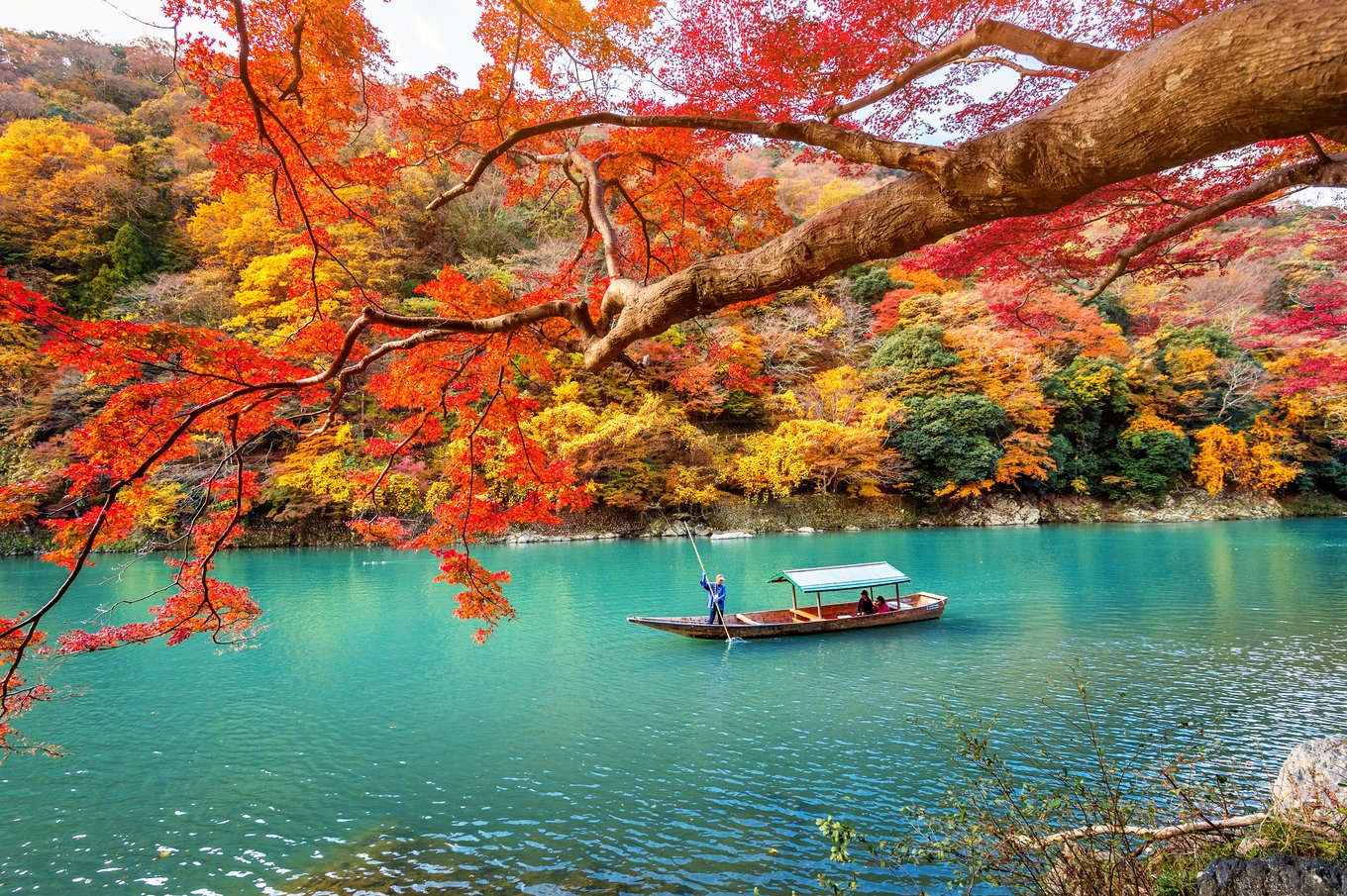
Autumn in Japan might just be the best-kept secret the country has to offer. While cherry blossom season gets most of the attention, koyo (the annual changing of the leaves) is every bit as spectacular, and far less frenetic. From mid-September through to early December, the whole country shifts into a sea of crimson, amber, and gold.
If you’re travelling from the UK, autumn is also one of the most practical times to go. The weather is mild and comfortable, flights are often more affordable than peak spring, and the itinerary practically writes itself.
Read on to find out why the best time to visit Japan in autumn could be your most memorable trip yet, and which spots are absolutely worth putting on your list.
Note: Seasonal tours and activities in Japan might be unavailable during off-season, so we suggest bookmarking this blog so you can book it right away once it’s available, usually near autumn (around August).
What months are autumn in Japan?
Japan is a rather long and slim archipelago, so it experiences different climates in different areas. While autumn in Japan generally starts from mid-September all the way to early December, it typically starts in Hokkaido, while the rest of the regions may experience it from October to November.
So if you want to visit a specific region, make sure to time your trip during peak momijigari (the Japanese tradition of red leaf hunting) season.
What is Japan like in autumn?
Autumn in Japan is highly anticipated both by locals and tourists alike, especially the changing of colours known as koyo. Locals look forward to annual forecasts that predict when the fall colours will finally emerge, and the surroundings will transform into yellow, gold, and red.
Did you know Japan actually has two waves of foliage changes in the season—one for yellow leaves and another for red ones?
The ginkgo trees of greater Tokyo will turn yellow, and the maple trees will follow by turning red.
When is the best time to visit Japan in autumn??
Hokkaido experiences the start of Japan’s autumn foliage season first. It starts in mid-September and ends in early November. The best viewing times are from October to December in other parts of Japan, like Tokyo and Kyoto.
Why is autumn the best season in Japan?
Besides the gorgeous autumnal colours, the season makes way for cool and pleasant weather. It’s the perfect time to wear your cute knit sweaters and go for walks in the cities and towns of Japan.
During this time, you won’t have to worry about the heat that summer brings or the rains of Spring. Sure, autumn in Japan can get a tad chilly, especially right before winter starts, but that’s what fall coats and sweaters are for! Because of the scenery, weather, and fabulous fall fashion, many agree that autumn is the best season in Japan.
What are the best places to enjoy autumn in Japan?
Osaka
1. Minoh Park
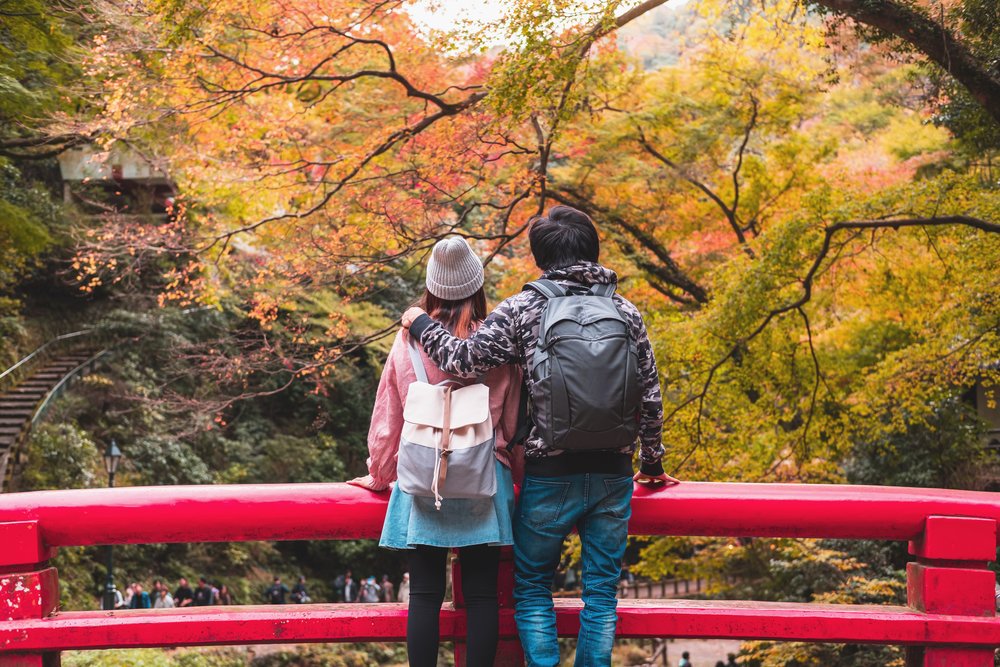
Minoh Park in Osaka during autumn
Minoh Park is about 30 minutes north of central Osaka and is one of the most underrated autumn spots in the Kansai region. While Kyoto pulls the bigger crowds, Minoh stays relatively quiet, which means you can actually stop and take photos without that much people in the background.
The park follows a forested trail that leads up to a waterfall, lined with maple trees that turn warm red in November. Follow the inclined path and look back across the bridge for one of the best natural frames in Osaka. While you're at it, grab some freshly fried maple leaf tempura from one of the street stalls along the way; it sounds like a novelty, but it's delicious!
Klook Tip: Getting around Osaka is easy with the Osaka Amazing Pass, which covers unlimited rides on the subway, tram, and bus, plus free entry to over 40 attractions across the city, including the Osaka Castle and Umeda Sky Building!
2. Osaka Castle
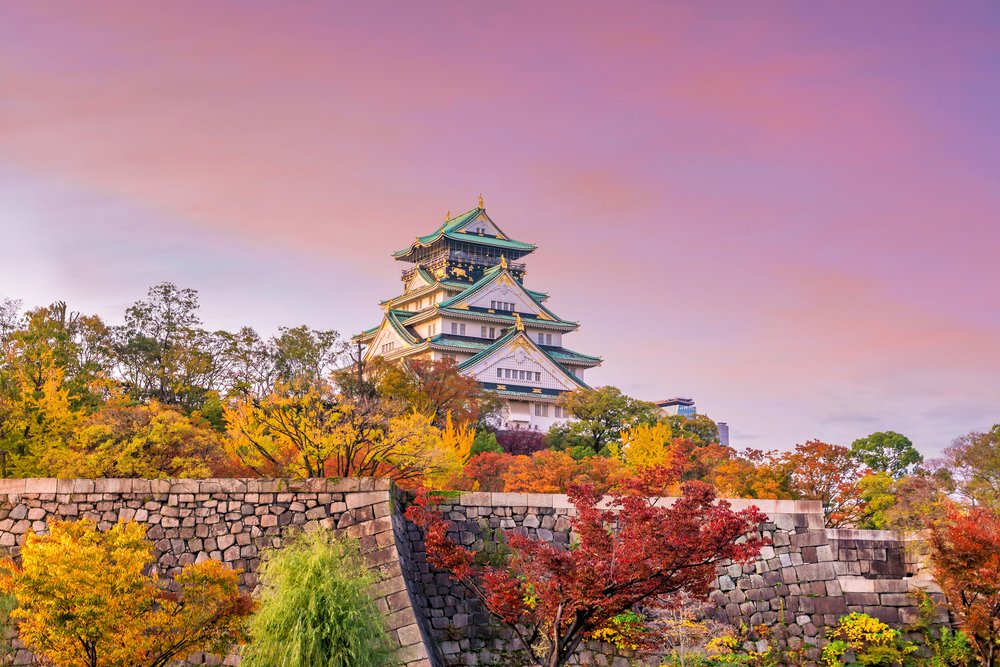
Go on a picnic surrounded by golden and red ginkgo trees in the Osaka Castle grounds
Go deep into a golden oasis of ginkgo trees when you drop by the iconic Osaka Castle. This heritage site has long been a popular picnic spot and especially so during the fall season. Many passionate autumn fans lean against ginkgo trees to catch sight of the grand castle draped in yellow hues.
To capture the shot, climb to the top of Osaka Castle for a majestic overview of Japan’s finest city. Not a single photobomber in sight!
After exploring Osaka, you can explore other areas of Japan with the JR Whole Japan Rail Pass! Not only will you get access to various railways, but you’ll also be able to ride local buses and Miyajima Ferry.
Kyoto
3. Sagano Romantic Train
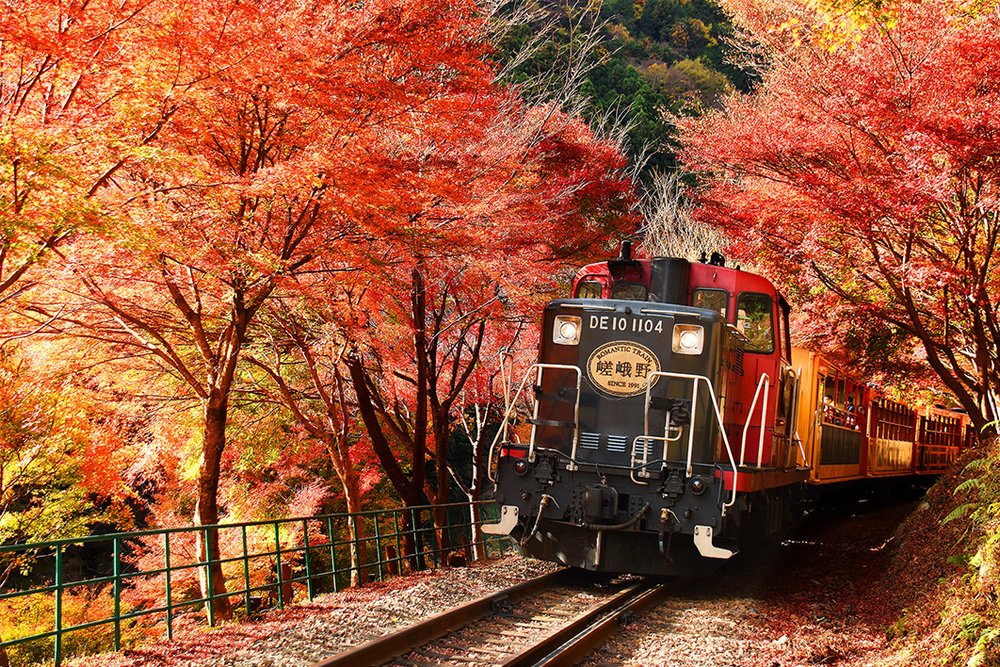
Hop aboard the Sagano Romantic Train and see the autumn foliage up close!
Hop aboard the Sagano Romantic Train, a 25-minute ride that takes you around the Arashiyama district. As you glide past landscapes flamed in a blanket of fiery red, you’ll understand why it’s known as one of the most romantic trails.
4. Tofukuji Temple
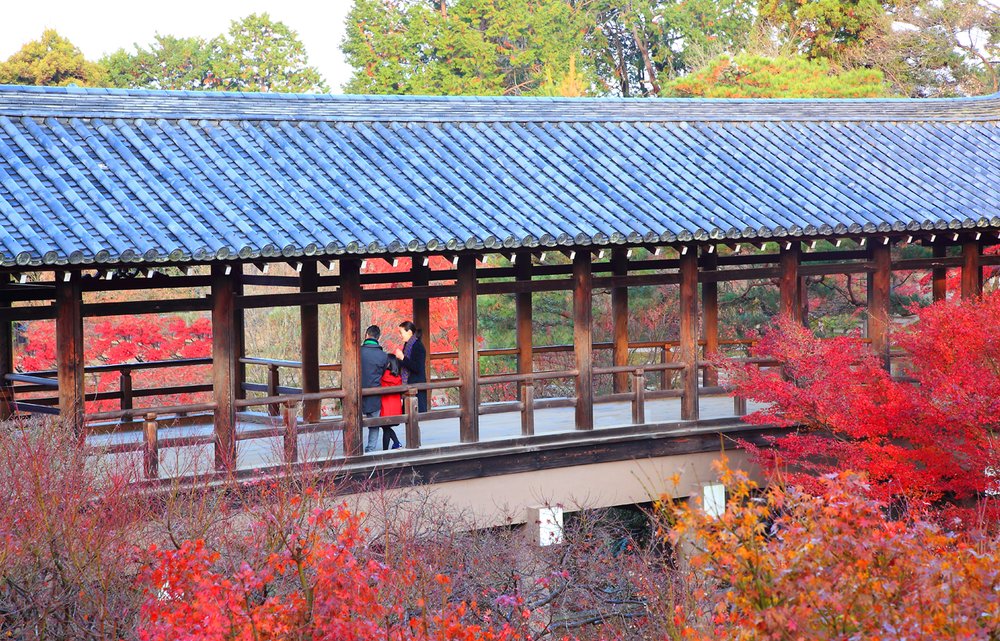
The most famous place for viewing maple leaves in Kyoto, Tofukuji Temple
For the “avid fans of autumn” (and yes, that's a thing), the autumn foliage at Tofukuji Temple is a household name. Every year, the Zen temple at Southeastern Kyoto blossoms into the most vibrant crimson, beckoning locals and travellers alike to fall in love with Japan all over again.
The best vantage point is not at the peak of Tofukuji Temple but along the Tsutenkyo Bridge. The 100-meter-long walk is lavished with valleys of burgundy maple trees, another sight you wouldn’t want to miss. Capture the temple at its peak in November.
5. Tenryuji Temple
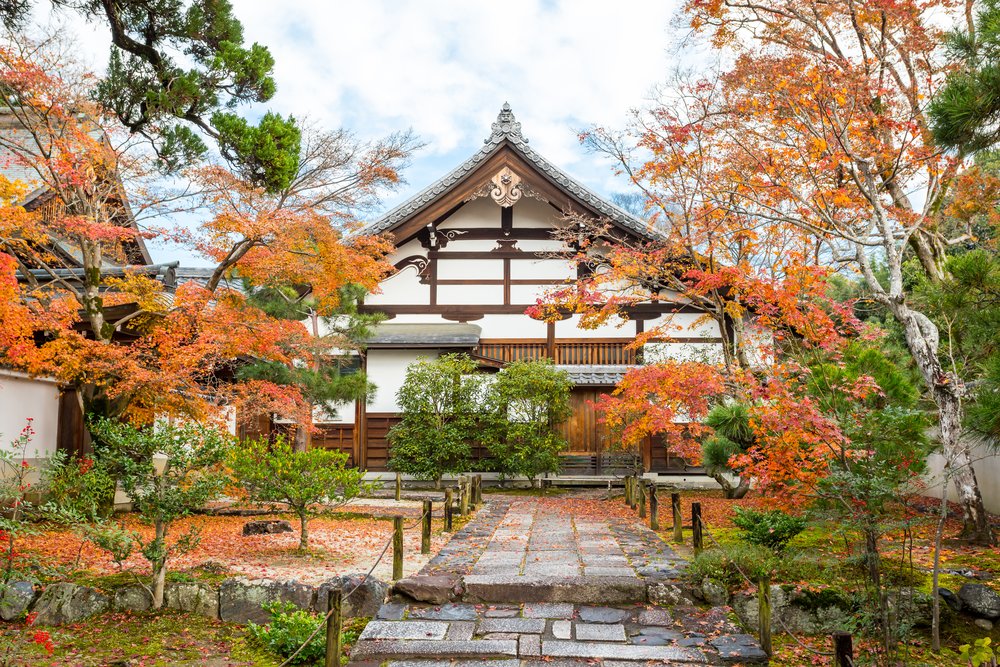
The Tenryuji Temple framed by autumn leaves
Second to none, the Tenryuji Temple is another unbeatable spot for catching autumn hues. Waste no time and head straight inside to the Hyakkaen Garden for even more stunning foliage.
This UNESCO World Heritage Site is also home to famous paintings like “The Cloud Dragon” right on the ceiling of the Hatto Hall, which are well worth a stop, especially if you’re with your significant other!
If both the Tofukuji and Tenryuji Temples are on the agenda for autumn in Japan and you prefer being chauffeured around (who doesn’t!?), then this autumn leaves tour in Kyoto is for you.
Tokyo
6. Watarase Keikoku Railway
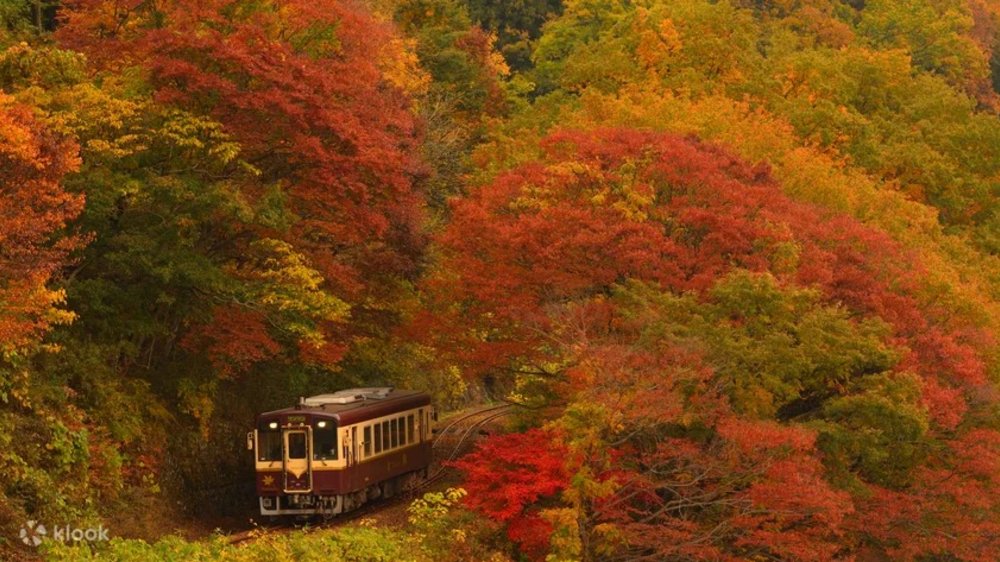
The Watarase Keikoku Railway
A ride on the Watarase Keikoku Railway is like a scene straight out of a romcom!
Even the lazy are rewarded here! Simply sit back and enjoy the gorgeous swath of red gliding by.
Once outside the city, the Takatsudokyo Gorge is a stop along the Watarase Keikoku Railway route worth sitting up for. The popping red bridge is hard to miss and makes for a great photo! If you’re feeling energetic, you can disembark here and cross the iconic geometric bridge for another vantage point of the amber rainforest.
7. Rikugien
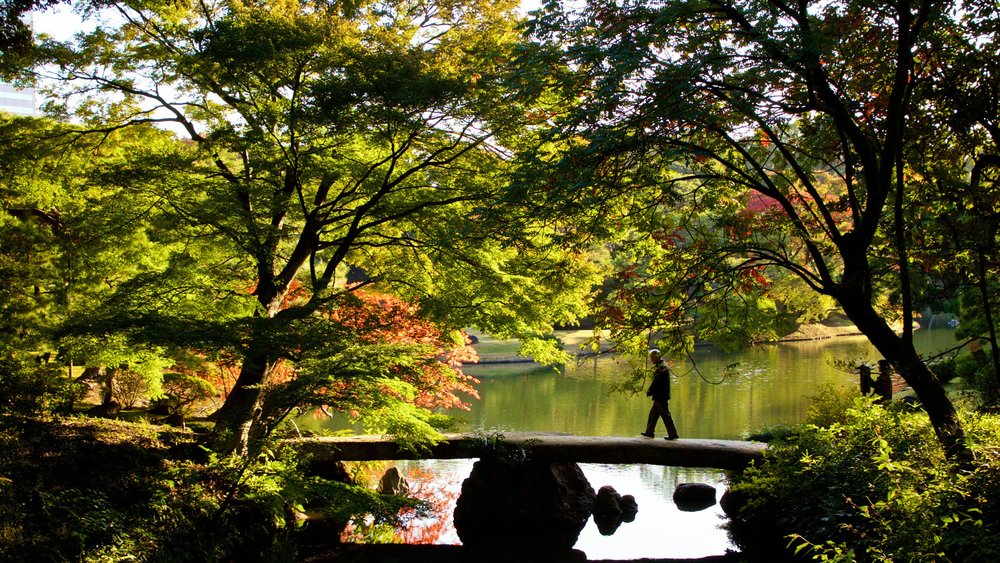
Get ready for a fall photoshoot at the well-manicured garden of Rikugien!
The Rikugien Gardens is Tokyo’s most famous landscaped garden, with aesthetics you’ll find during the Edo period. The garden actually takes a whole hour to cover, so be sure to set aside sufficient time. Accentuated by the peaceful stream running along the Togetsukyo Bridge, the entire setup is one #insta-worthy backdrop that will up your photo game.
Most places close when the day ends but not for Rikugien. Travellers and locals alike can still catch the autumn season in full bloom even when the sun has long set—it’s well worth a visit after dark.
Hokkaido
8. Daisetsuzan National Park, Kogen Onsen Ponds
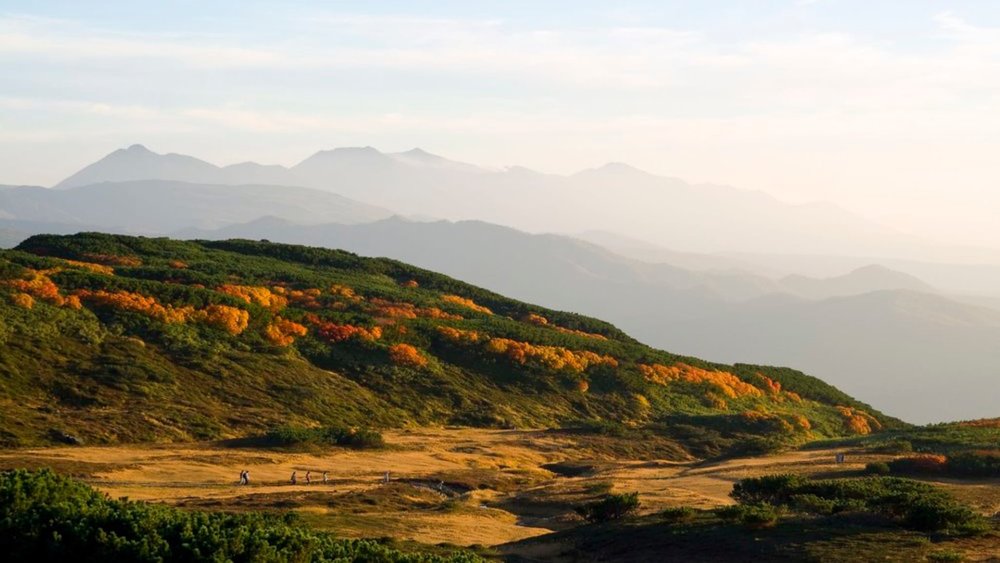
Sneak in some exercise on your autumn trip by going to Daisetsuzan National Park.
Any seasoned hikers in Japan would know that Daisetsuzan National Park has nothing shy of the most spectacular autumn scenes. However, only regulars would know that the real deal is near the river beds.
Kogen Onsen Ponds is a hot spring located deep inside the park. Definitely an autumn pick for those on board the #fitspo journey, the trade-off is guaranteed worth the sweat.
If you prefer taking things easy, we have just the plan for you: go on this two-day-one-night day trip with autumn leaves viewing.
9. Hoheikyo Gorge
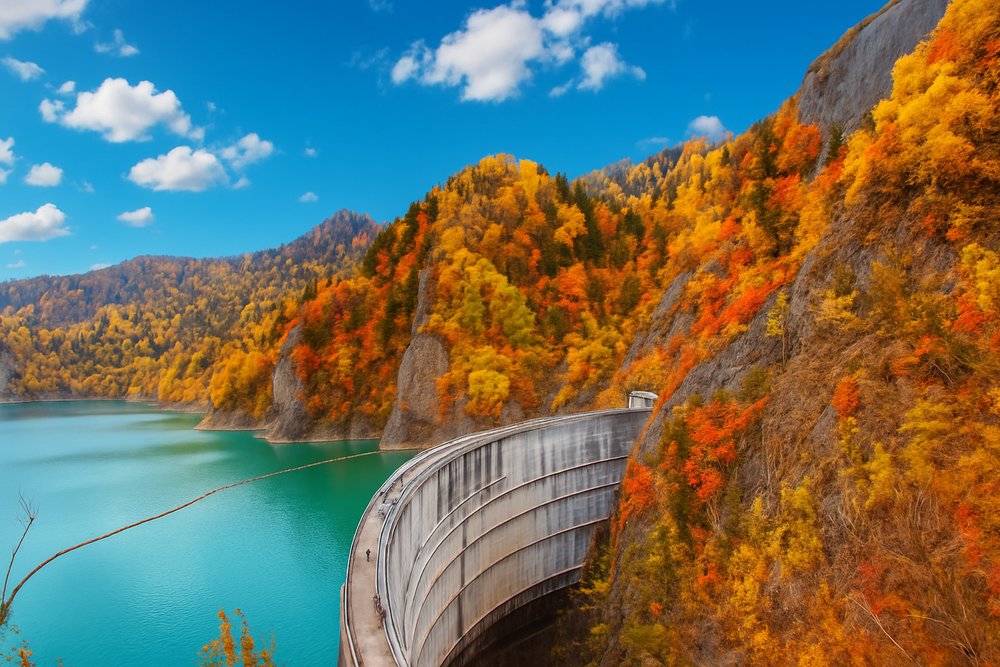
The Hoheikyo Gorge during autumn
Hokkaido is where Japan's autumn begins, and Hoheikyo Gorge is one of the best reasons to make the journey north. By mid-to-late September, the steep valley walls are already blazing with scarlet and orange maples; a full month before Kyoto and Tokyo even start to turn.
The gorge is about an hour south of Sapporo, following the Toyohira River upstream into the mountains, and the contrast of the fiery treeline against the turquoise water below is one of those views that genuinely stops you in your tracks.
The Houheikyo one-day tour from Sapporo pairs the gorge with a stop at Fukidashi Park, a spring-fed natural park set against Hokkaido's wide-open countryside, making it an easy, well-rounded day out from the city. If you want the full autumn colour experience without the crowds of central Honshu, this is the trip to book.
Kyushu
10. Beppu
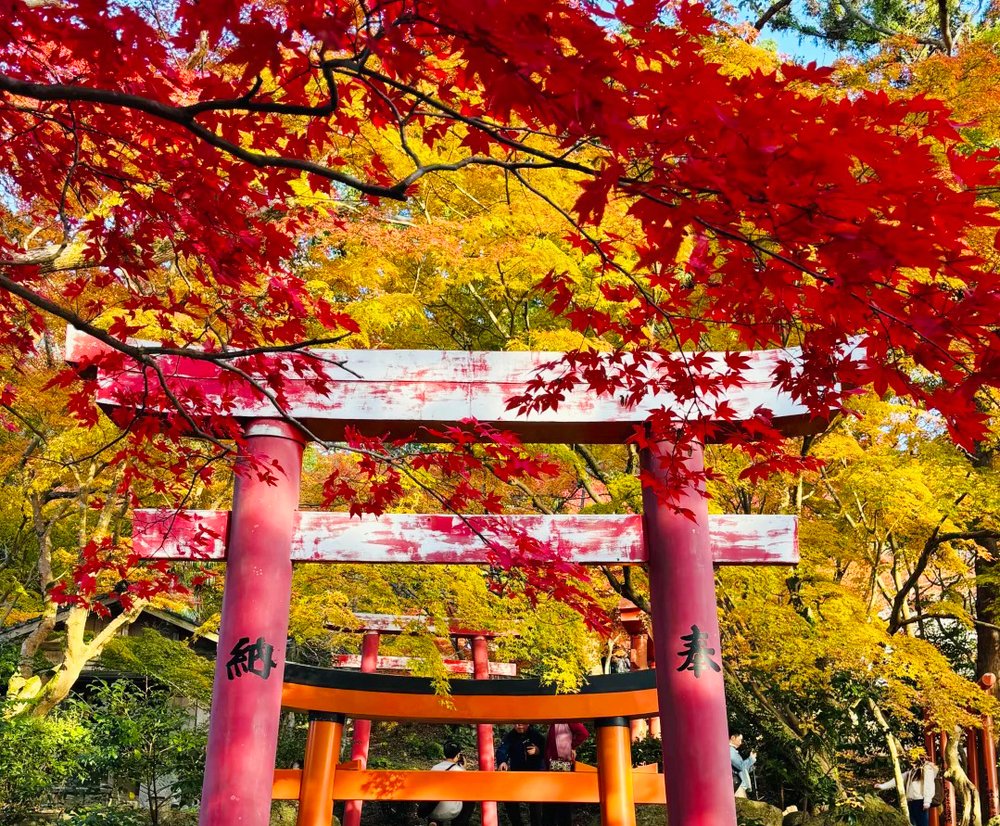
Kamado Shrine during autumn in Beppu, Oita Prefecture
Kyushu tends to be overlooked in standard Japan itineraries, but it deserves far more credit when it comes to autumn. Beppu, famous for its steaming onsen (hot spring baths), is surrounded by hillsides that blush deep red in November, and the combination of dramatic scenery and a warm soak afterwards is hard to argue with.
The Beppu Fall Colour Viewing day tour from Fukuoka covers the top autumn viewpoints in the area without requiring you to sort out transport independently. It's an enjoyable day out that showcases Japan during autumn at a more relaxed pace than the big city circuits.
Are there autumn festivals in Japan?
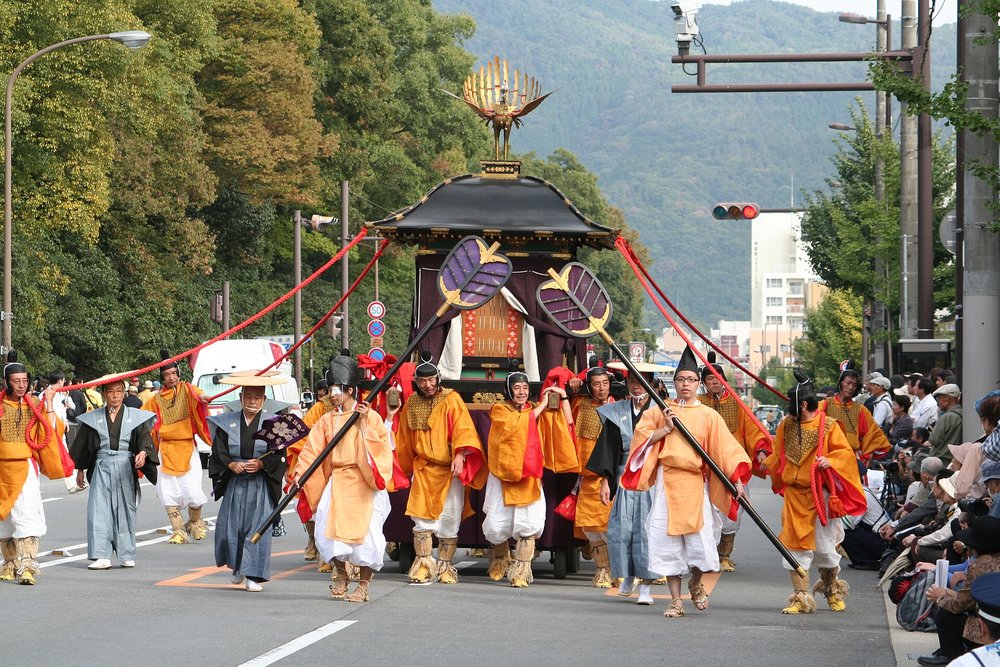
The Jidai Matsuri, an autumn festival in Japan | Photo from Corpse Reviver on Wikimedia
Yes! The leaves may be the headline act, but Japan's autumn festival calendar is worth factoring into your plans too.
• Jidai Matsuri (Festival of the Ages), Kyoto: Held on 22nd October, this enormous historical procession through central Kyoto features thousands of participants in costumes spanning 1,200 years of Japanese history. One of the biggest autumn festivals in Japan, and free to watch.
• Jingugaien Icho Festival, Tokyo: Usually runs from mid-November to early December along the famous ginkgo avenue. Free entry and easy to work into a Tokyo day.
• Autumn illuminations (nationwide): Many temples and parks run special evening light-up events during peak koyo, including Tofukuji, Eikan-do in Kyoto, and Rikugien in Tokyo. Worth checking specific dates before you travel.
• Danjiri Matsuri, Kishiwada (Osaka area): A lively neighbourhood festival featuring dramatic wooden floats pulled through the streets. A great insight into local festival culture if you're basing yourself in Osaka.
What to wear in Japan in autumn?
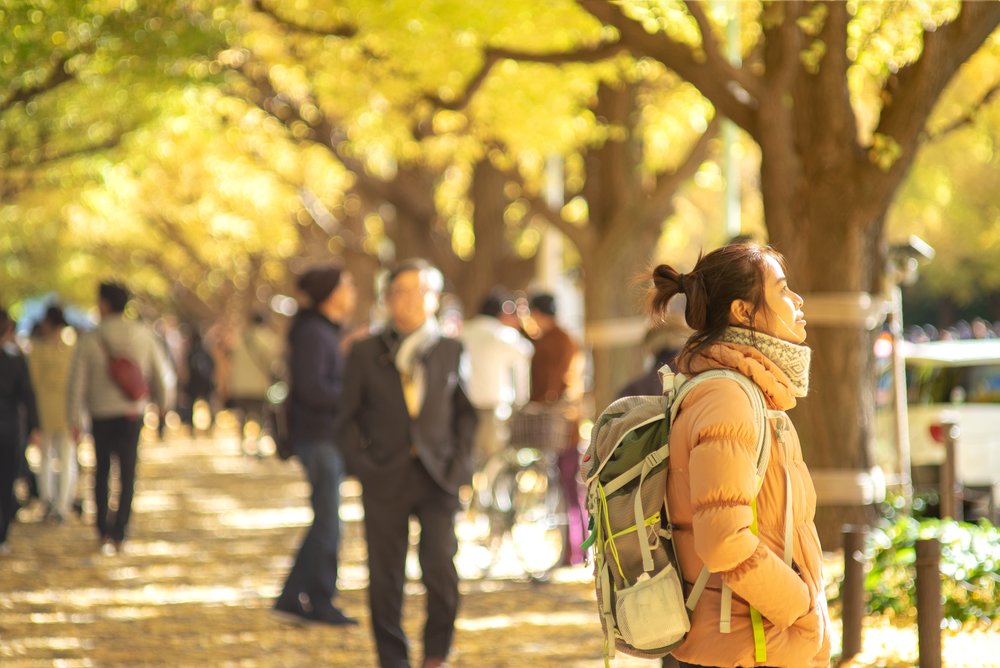
Pack the right clothes during autumn in Japan!
Packing for Japan during autumn is fairly straightforward; the key is layers.
Early autumn (September to October) can still feel warm during the day, particularly in Tokyo and Osaka, where temperatures may reach 20-25°C. Evenings cool off quickly though, so a light jacket or knit jumper is always useful to have to hand.
By November, temperatures across most of Japan settle between 10-15°C in the daytime. A mid-layer fleece or warm coat and comfortable walking shoes will see you through most days well. If you're heading north to Hokkaido, pack warmer because it can drop close to freezing by late October, and the wind chill on open ground adds to it.
FAQs about the best time to visit Japan in autumn
What is the best month to visit Japan for autumn?
November is the peak month for koyo across most of Japan, particularly in Kyoto and Tokyo. That said, the timing varies by region:Hokkaido peaks between late September and October, while Osaka and further south can stay colourful into early December.
If you’re doing a multi-city route, mid-to-late November gives you the best chance of catching good colour in several places on the same trip.
Is October a good time to visit Japan?
Yes, especially if Hokkaido or the Japanese Alps are on your itinerary. October is one of the best times to visit Japan in autumn for those northern regions, and across the rest of the country the weather is pleasant and crowds are noticeably more manageable than November.
Is Japan rainy in autumn?
Autumn is one of the driest seasons in Japan. The rainy season runs from June to July, and the late summer typhoon season generally wraps up by September or October. From mid-October through November, you can usually expect clear skies and crisp, sunny days, ideal for photography and outdoor sightseeing.
Is it better to visit Japan in September or October?
It depends on what you're after. September is great for Hokkaido's early autumn colours, but the rest of Japan is still warm and fairly summery. October opens up more options: the north is in full koyo swing, and Tokyo and Kyoto start to shift by late in the month.
What is the cheapest month to go to Japan?
January and February tend to be the cheapest months for flights and accommodation, falling well outside peak tourist season. Within autumn itself, September and early October are generally more affordable than November as prices for both flights and hotels tend to rise as peak koyo approaches.
More Japan travel guides for you

What is Klook?
Klook is a leading pan-regional experiences platform in Asia Pacific, purpose built to digitalize experiences and make them accessible to every traveler.
Our mission is to build the digital infrastructure for the global experience economy — empowering merchants to share their passions and travelers to discover the heartbeat of each destination. We operate a mobile-first, curated platform featuring diverse experiences across global destinations.