
Osaka is Japan's undisputed food capital, and the must-visit spots for foodies include the neon-lit stalls of Dotonbori, the sizzling teppanyaki grills of Namba, and the neighborhood izakayas where locals gather for kushikatsu and ice-cold beer.
The city's culinary identity centers on bold, unpretentious dishes served fresh from street vendors and family-run restaurants that have perfected their craft over generations.
Whether you're chasing affordable street eats under ¥1,000 or planning a sit-down meal at a celebrated okonomiyaki restaurant, this Osaka food guide covers everything you need to eat your way through the city in 2026.
What Makes Osaka Japan's Kitchen
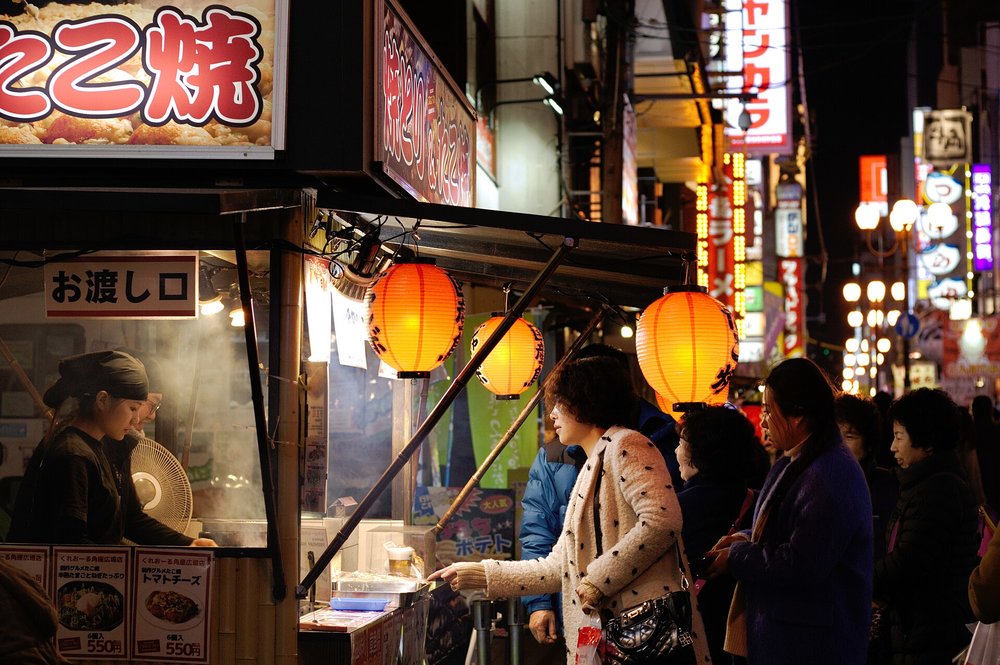
Street food stall in Dotonbori | Photo Credits: chopstuey on Wikimedia
Osaka earned its nickname "Japan's Kitchen" (tenka no daidokoro) centuries ago as the nation's rice trading hub, and that merchant-class appetite for hearty, satisfying meals still defines the city's food culture today. Unlike Tokyo's kaiseki tradition or Kyoto's delicate presentation, Osaka food is designed to fill you up without hurting your wallet.
The city's culinary philosophy revolves around kuidaore, eating until you drop. This isn't just a saying; it's a way of life you'll notice the moment you step into any of Osaka's major dining districts. Locals take their food seriously, and they expect value, flavor, and generous portions.
What sets Osaka apart is the sheer concentration of food options within walkable neighborhoods. Areas like Dotonbori, Shinsekai, and Shinsaibashi pack hundreds of restaurants, izakayas, and street stalls into just a few city blocks. You can explore food and dining options around Shinsaibashi Station without ever needing to hop on a train.
Iconic Osaka Food Specialties You Need to Try
1. Takoyaki
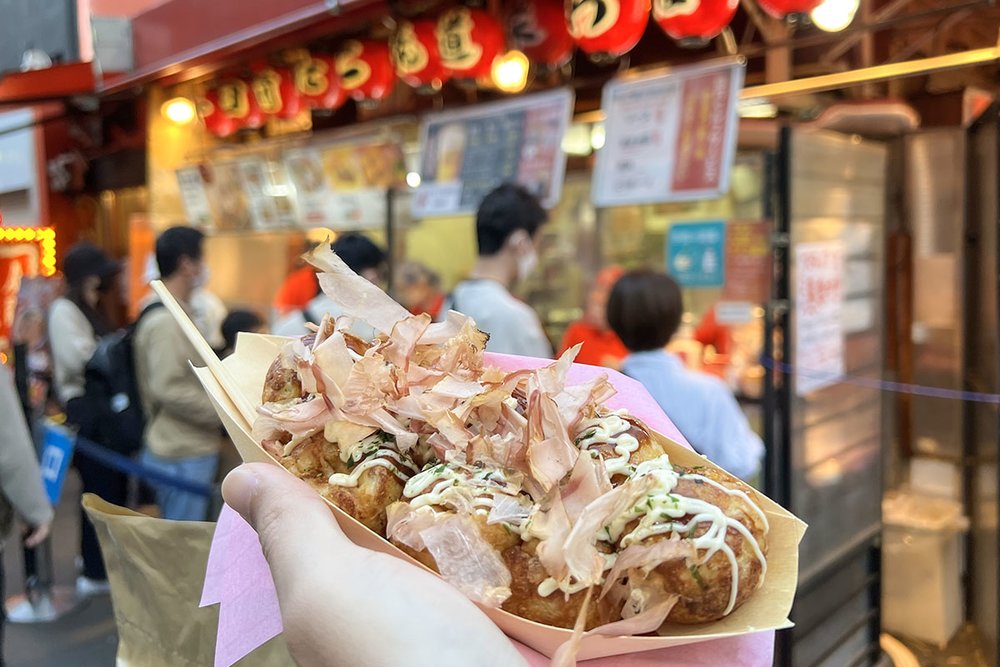
Takoyaki, those crispy-on-the-outside, molten-on-the-inside octopus balls, originated in Osaka in the 1930s. A proper takoyaki has a tender piece of octopus at its center, surrounded by a savory batter that's been expertly turned in a specialized griddle.
They're finished with a sweet-savory sauce, mayonnaise, bonito flakes, and dried seaweed. Expect to pay around ¥400–¥600 for a serving of six to eight pieces.
2. Okonomiyaki
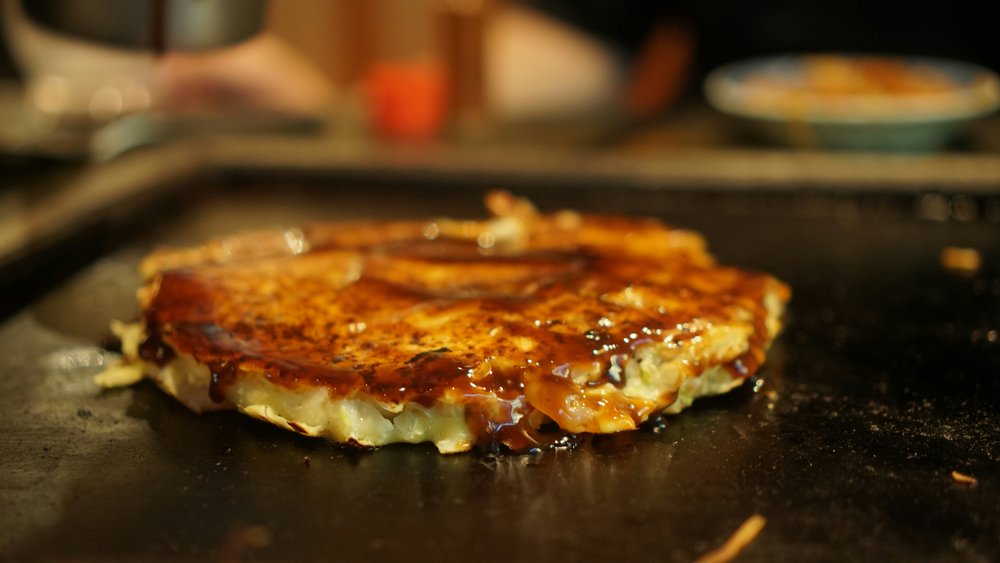
Okonomiyaki in a pan | Photo Credits: ibmoon Kim from Unsplash
Okonomiyaki is often described as a savory pancake, but that undersells it. The Osaka-style version layers shredded cabbage, batter, pork belly, and your choice of toppings on a hot griddle, then gets dressed with a thick brown sauce, mayo, and more bonito flakes. Many restaurants let you cook it yourself at your table, which is half the fun.
3. Kushikatsu
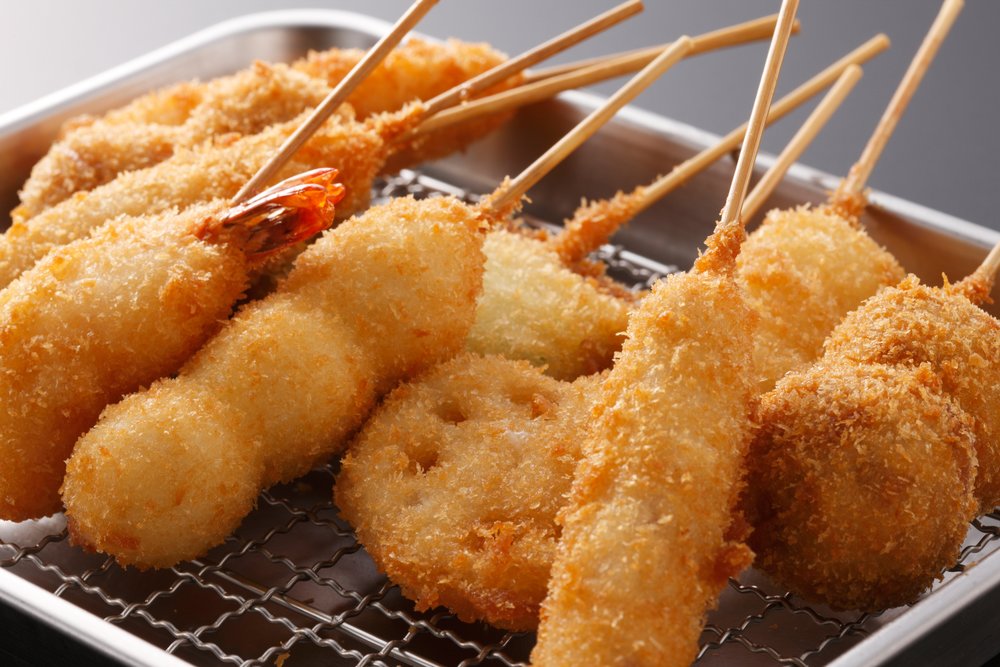
Kushikatsu—deep-fried skewers of meat, seafood, and vegetables—comes from Osaka's Shinsekai district. The golden rule: never double-dip in the communal sauce. Restaurants take this seriously, and you'll see signs reminding diners of the etiquette.
Best Dotonbori Street Food Under 1,000 Yen
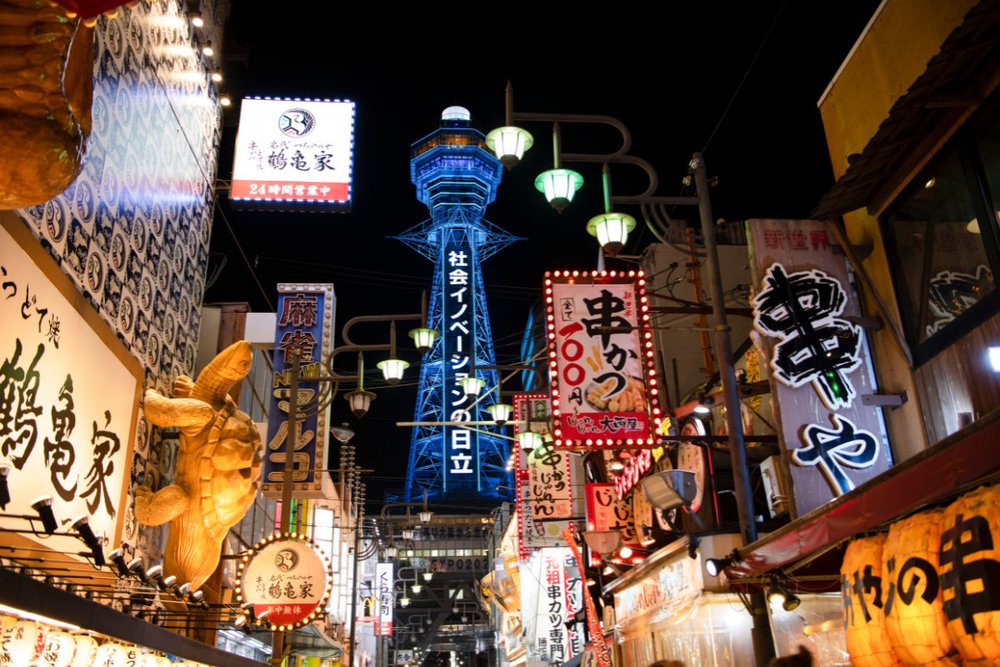
Dotonbori is Osaka's most famous food street, and you can eat extremely well here without spending more than ¥1,000 per item. The neon-lit canal-side strip is packed with vendors selling takoyaki, okonomiyaki, gyoza, and grilled seafood, most of it priced for budget-conscious travelers and hungry locals alike.
Start with takoyaki from one of the area's legendary stalls. Prices typically range from ¥400 to ¥600 for a boat of six to eight pieces. The best vendors have lines, and that's usually a good sign. Watch the cooks flip each ball with practiced precision using metal picks, turning them until they achieve that perfect golden crust.
Gyoza (pan-fried dumplings) are another affordable option, usually running ¥300–¥500 for a plate of six. Look for shops where you can see the dumplings being made fresh. The crispy bottom and juicy filling make these an ideal walking snack or light meal.
Osaka Food Tours Worth Booking in 2026
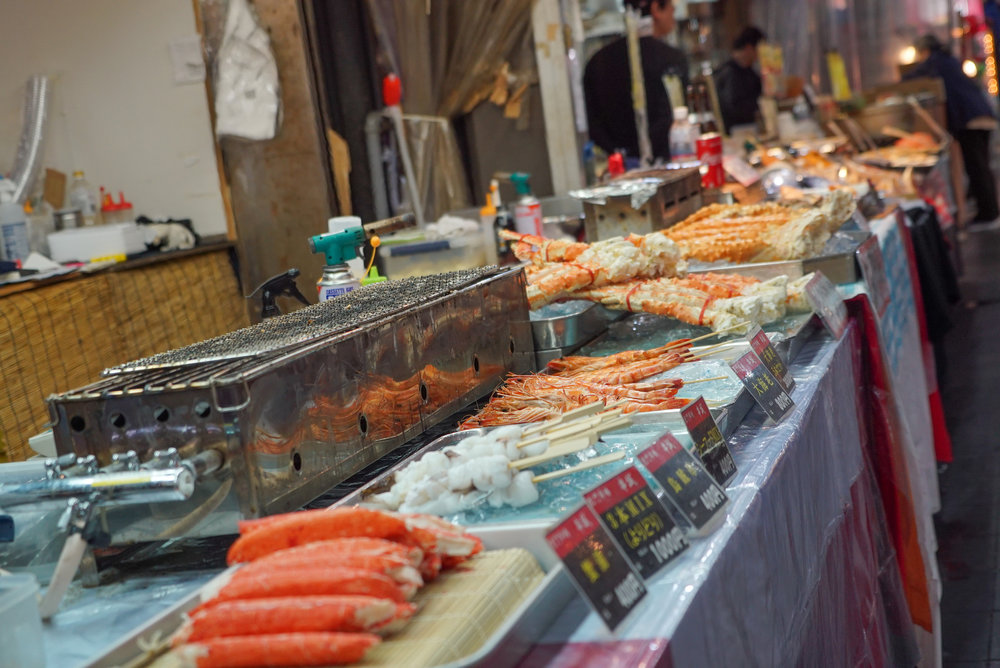
Fresh Seafood at Kuromon Ichiba Market
Joining a guided food tour is one of the most efficient ways to experience Osaka's culinary scene, especially if you're short on time or visiting for the first time. A good tour takes the guesswork out of finding authentic spots and often includes access to places you might walk right past on your own.
For a comprehensive tasting experience, consider the Osaka: Guided Food Tour with 12 Dishes and 2 Drinks. This option works well for culinary explorers who want to maximize their tasting opportunities in a single session.
If you'd rather explore after dark, the Osaka nighttime guided food tour takes you through the city's illuminated food streets when the atmosphere is at its liveliest. Evening tours often include stops at izakayas and standing bars that cater primarily to locals.
The main advantage of booking a tour is efficiency. Guides know which stalls have the shortest lines, which restaurants require reservations, and which hidden spots serve the best versions of classic dishes. For trip planners coordinating a family itinerary, a food tour can anchor your Osaka dining plans while leaving room for independent exploration.
Frequently Asked Questions
What is Osaka most famous for food?
Osaka is most famous for takoyaki (octopus balls), okonomiyaki (savory pancakes), and kushikatsu (deep-fried skewers). These three dishes define the city's street food culture and are available at countless stalls and restaurants throughout Osaka.
The city's reputation as "Japan's Kitchen" stems from its merchant-class history and the local philosophy of kuidaore—eating until you drop.
What are the must-try Osaka street foods for first-time visitors?
First-time visitors should try takoyaki, okonomiyaki, kushikatsu, gyoza, and taiyaki. Takoyaki and okonomiyaki are Osaka's signature dishes, while kushikatsu offers a fun, interactive dining experience with its strict no-double-dipping rule.
Gyoza and taiyaki round out the experience with affordable, portable options perfect for eating while exploring Dotonbori or Shinsekai.
How much does street food cost in Osaka?
Street food in Osaka typically costs between ¥400 and ¥1,500 per item. Takoyaki runs ¥400–¥600 for a serving, gyoza plates cost ¥300–¥500, and a bowl of ramen at a standing counter ranges from ¥700–¥900. Budget-conscious travelers can easily eat well for under ¥2,000–¥3,000 per day by grazing at street stalls rather than committing to sit-down restaurants.
Where is the best area to eat in Osaka?
Dotonbori is the best area to eat in Osaka for first-time visitors, offering the highest concentration of street food stalls, restaurants, and iconic neon-lit atmosphere.
Shinsekai is the go-to neighborhood for kushikatsu, while Kuromon Market specializes in fresh seafood. Shinsaibashi and Namba provide excellent options for both casual street eats and upscale dining.
What is the difference between takoyaki and okonomiyaki?
Takoyaki are small, round balls made from batter with a piece of octopus inside, cooked in a specialized griddle and served as a portable snack. Okonomiyaki is a larger, flat savory pancake made with shredded cabbage, batter, and various toppings like pork belly, cooked on a flat griddle and eaten with chopsticks at a table.
Both are topped with similar sauces and bonito flakes, but the format and eating experience are completely different.
What are the best teppanyaki and Japanese BBQ restaurants in Osaka?
The best teppanyaki restaurants in Osaka serve premium Wagyu beef, often sourced from nearby Kobe, cooked by skilled chefs on iron griddles in front of you. Expect to pay ¥3,000–¥10,000 or more per person at quality establishments.
Japanese BBQ restaurants offer a more casual, affordable alternative where you grill your own meat at the table. Both styles benefit from advance reservations, especially during peak tourist seasons.
Are there vegetarian, halal, or dietary-friendly options in Osaka?
Yes, Osaka has vegetarian, halal, and dietary-friendly options, though they require more planning than standard dining. Many traditional dishes contain dashi (fish stock) or pork, but vegetarian-friendly restaurants and halal-certified eateries exist throughout the city, particularly in tourist areas like Dotonbori and Namba.
What is Klook?
Klook is a leading pan-regional experiences platform in Asia Pacific, purpose built to digitalize experiences and make them accessible to every traveler.
Our mission is to build the digital infrastructure for the global experience economy — empowering merchants to share their passions and travelers to discover the heartbeat of each destination. We operate a mobile-first, curated platform featuring diverse experiences across global destinations.