

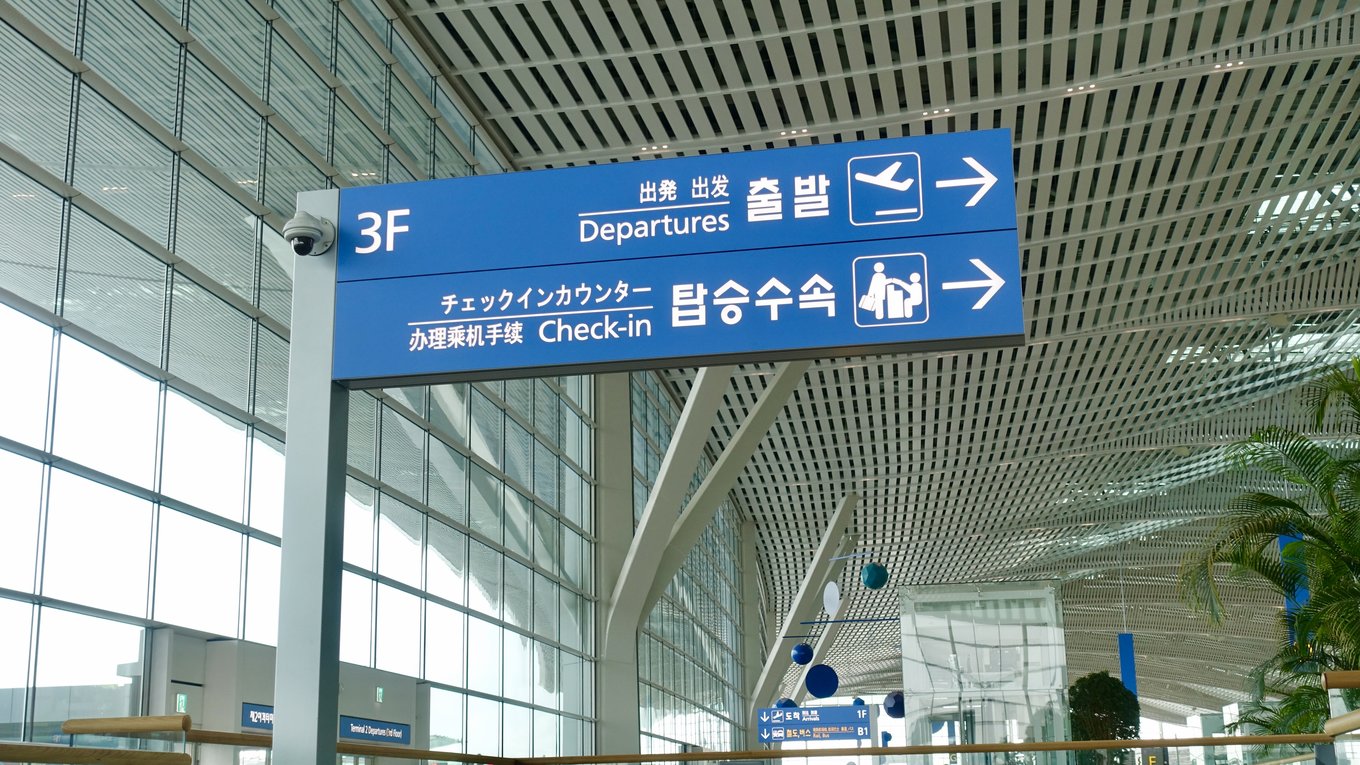
Planning a trip to South Korea? Good news first: US citizens get South Korea 90-day visa-free entry for tourism or business. That covers most travelers, and it's the easiest part of the Korea entry requirements for US citizens in 2026.
But "no visa" doesn't mean "no paperwork." You still need a few travel documents before you board your flight to Incheon. Skip them, and you could face a longer wait at Korea Incheon immigration, or worse, get turned away at check-in.
Below, we'll cover what South Korea visa USA rules actually mean for you, plus the e-Arrival Card and what to expect once you land!
Do US citizens need a visa for South Korea in 2026?
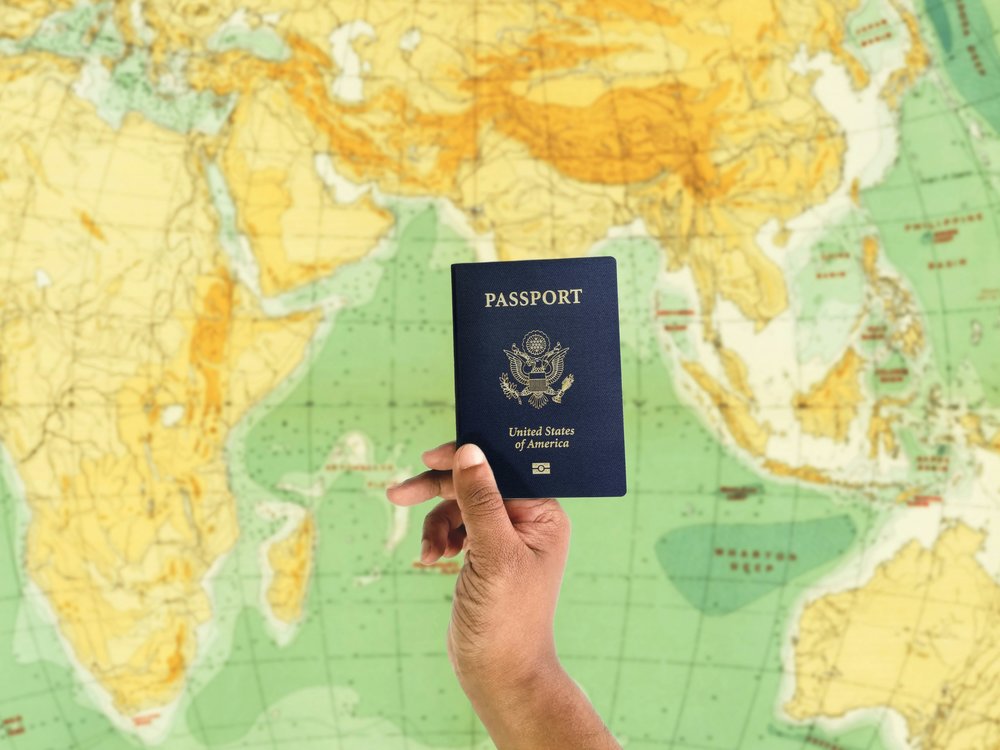
Always have your valid US passport with you | Photo by Global Residence Index on Unsplash
No. US citizens can stay in South Korea for up to 90 days without a visa, as long as you're visiting for tourism or business. This is one of the easiest South Korea entry requirements to meet. It kicks in automatically at the border, so there's nothing extra to apply for.
Visa-free entry works for most common reasons to visit: sightseeing, seeing family or friends, going to a conference, or short business meetings. It doesn't cover work, study, or long-term stays. If your trip falls into one of those categories, you'll need to apply for a visa through the Korean Embassy or Consulate before you travel.
South Korea entry requirements for US citizens at a glance
Here's a quick breakdown of what's required, recommended, or optional for US citizens visiting South Korea in 2026:
Requirement | Required? | Things to Know |
|---|---|---|
Passport | Yes | Must be valid for your entire stay |
Visa | No | For stays up to 90 days |
K-ETA | Not currently required | US citizens are temporarily exempt through December 31, 2026 |
e-Arrival Card | Yes* | Required unless you have an approved K-ETA |
Return or onward ticket | Recommended | May be requested by immigration |
Accommodation details | Recommended | Hotel booking or host address |
Proof of funds | Sometimes | Rarely requested but good to have on hand |
Optional but recommended | Covers unexpected medical costs |
Normally, South Korea asks visitors from visa-free countries to apply for a K-ETA (Korea Electronic Travel Authorization) before they arrive. That rule is on pause for US citizens right now. The K-ETA exemption for 2026 runs through December 31, and K-ETA becomes required again starting January 1, 2027.
How to complete the Korea e-Arrival Card

Filling up South Korea e-Arrival Card | Photo Credits: cottonbro studio on Pexels
Since US citizens don't need a K-ETA right now, the e-Arrival Card takes its place. It's free, quick, and easy to fill out on the official Korea e-Arrival Card website. Here's how to get it done:
Step 1: Enter your email address and accept the terms and conditions to start.
Enter your passport info. Type in your valid passport details.
Step 2: Add your arrival and departure dates and where you're staying.
Step 3: Look everything over before you submit, since mistakes can slow things down.
Step 4: Once it goes through, you'll get a confirmation. Screenshot it or save the PDF to your phone, and try to do all this a day or two before you fly so you're not stuck hunting for Wi-Fi at check-in.
Documents US citizens should prepare before traveling to Korea
Valid passport
Your passport needs to stay valid for your whole trip. Unlike some countries, Korea doesn't ask for six extra months of validity past your travel dates. Still, it's smart to renew early if yours is close to expiring. Passport validity is one of the first things an immigration officer checks, so don't leave it to chance.
Return or onward flight ticket
Your visa-free stay is capped at 90 days. Proof of when you're leaving (or where you're headed next) helps show your trip fits inside that window. Keep a digital or printed copy of your itinerary on hand.
Accommodation confirmation
A hotel booking or the address of where you're staying (like a friend's place) is one of the most common things immigration asks for. It's an easy one to prepare, so save it on your phone before you land.
Proof of sufficient funds
This one's rarely requested, but it doesn't hurt to have a bank statement or account balance ready just in case. Think of it as a backup, not something you'll need at every stop.
Completed e-Arrival Card
Since K-ETA isn't required for US citizens right now, the e-Arrival Card is your main piece of digital paperwork. Submit it within 72 hours of arrival and keep your confirmation saved.
What happens at South Korean immigration?

Incheon Airport | Photo Credits: Minseong Kim on Wikimedia
Landing at South Korea is pretty simple once you know what to expect. Here's the rundown, step by step:
- Passport check: An officer scans your passport, just like at most international airports.
- Photo or fingerprint scan: Some travelers get asked for this as an extra security step. It's quick and nothing to worry about.
- A few quick questions: Officers might ask why you're visiting, how long you're staying, where you're staying, and about your return flight. These are routine, so keep your answers simple.
- Baggage claim: Grab your bags once you're through the passport check.
- Customs: If you're not bringing in anything that needs to be declared, head straight for the green "nothing to declare" lane and you're done.
South Korea essentials to book before you go
Once your paperwork's sorted, it's time for the fun part: planning what to actually do once you land. Here are a few things worth booking ahead.
Discover Seoul Pass
First trip and want to pack in a lot of sightseeing? Check out the Discover Seoul Pass. It gets you free admission to dozens of popular attractions around the city, plus discounts on select experiences. That means more sightseeing without paying full price everywhere you go.
South Korea eSIM
Getting connected the moment you land makes everything easier, from pulling up maps to translating menus. A South Korea eSIM activates instantly with a QR code, so you can set it up before you even leave home. It's especially handy for ride-hailing apps, translation tools, and navigation once you're out exploring.
AREX Incheon Airport Express
After a long flight, you don't want to wait in a taxi line. The AREX Incheon Airport Express is the fastest way to get from Incheon International Airport into Seoul. It's a non-stop train with comfy seats and room for your luggage.
WOWPASS prepaid card
The WOWPASS is a prepaid card made for international visitors. Use it at restaurants, convenience stores, shops, and attractions across the country. It also makes currency exchange and top-ups easy, so you can skip carrying around too much cash.
Load it right, and it can cover transportation too, making it a handy all-in-one option for your trip.
FAQs about South Korea entry for US citizens
Do US citizens need a visa for South Korea in 2026?
No, US citizens don't need a visa for tourism or business trips of up to 90 days. That covers most travelers heading to South Korea in 2026. If your trip is for work, study, or a longer stay, you'll need to apply for a visa ahead of time through a Korean Embassy or Consulate.
Is K-ETA still required for US citizens?
Not right now. The K-ETA exemption for US citizens runs through December 31, 2026, so you can skip that step for now. Starting January 1, 2027, K-ETA is expected to become mandatory again. If you're traveling after that date, check the official K-ETA site closer to your trip.
Do US citizens need an arrival card for Korea?
Yes. Since K-ETA isn't required right now, US citizens need to fill out the e-Arrival Card instead. It's free, done online within 72 hours of arrival, and covers basics like your passport, flight, and accommodation details.
What is required for US citizens to visit South Korea?
At minimum, you'll need a valid passport and a completed e-Arrival Card. It also helps to have your return flight and accommodation details on hand in case immigration asks. No visa or K-ETA is needed right now for stays of up to 90 days.
More South Korea guides for you



What is Klook?
Klook is a leading pan-regional experiences platform in Asia Pacific, purpose built to digitalize experiences and make them accessible to every traveler.
Our mission is to build the digital infrastructure for the global experience economy — empowering merchants to share their passions and travelers to discover the heartbeat of each destination. We operate a mobile-first, curated platform featuring diverse experiences across global destinations.