
Kyoto was Japan's capital for over a thousand years, and honestly, it still acts like it. Wooden temples, quiet gardens, and old wooden houses line the streets, and the whole city just makes you want to slow down and wander for a while. Kyoto temples alone could fill an entire trip, but trust us, there's a lot more going on here too.
If you're putting together a list of things to see in Kyoto, get ready to have way too many options. This city is packed with temples and shrines, plus markets, forests, and neighborhoods that look like they haven't changed in decades (in a good way). Here's a quick at-a-glance look before we dive in:
Spot | Known for | Entry fee |
|---|---|---|
Fushimi Inari Taisha | Thousands of orange torii gates up a mountain | Free |
Kinkaku-ji | The gold-covered pavilion everyone photographs | ¥500 |
Kiyomizu-dera | A wooden temple with jaw-dropping city views | ¥500 |
Arashiyama Bamboo Grove | A towering, otherworldly bamboo path | Free |
Nishiki Market | Kyoto's go-to spot for street food | Free |
Gion | The city's famous geisha district | Free |
Philosopher's Path | A peaceful, tree-lined canal walk | Free |
1. Fushimi Inari Taisha
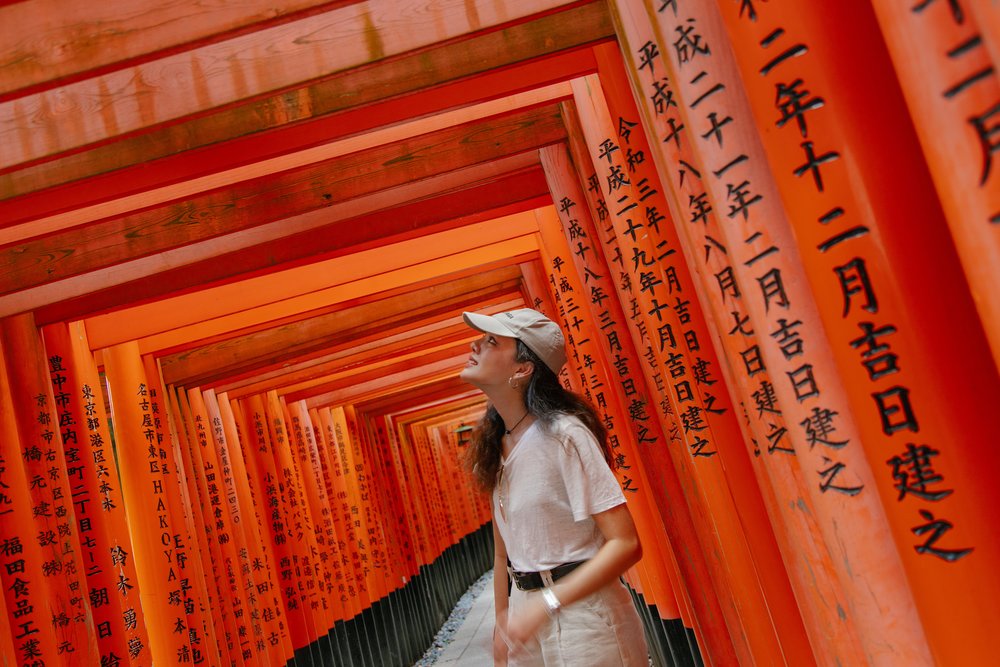
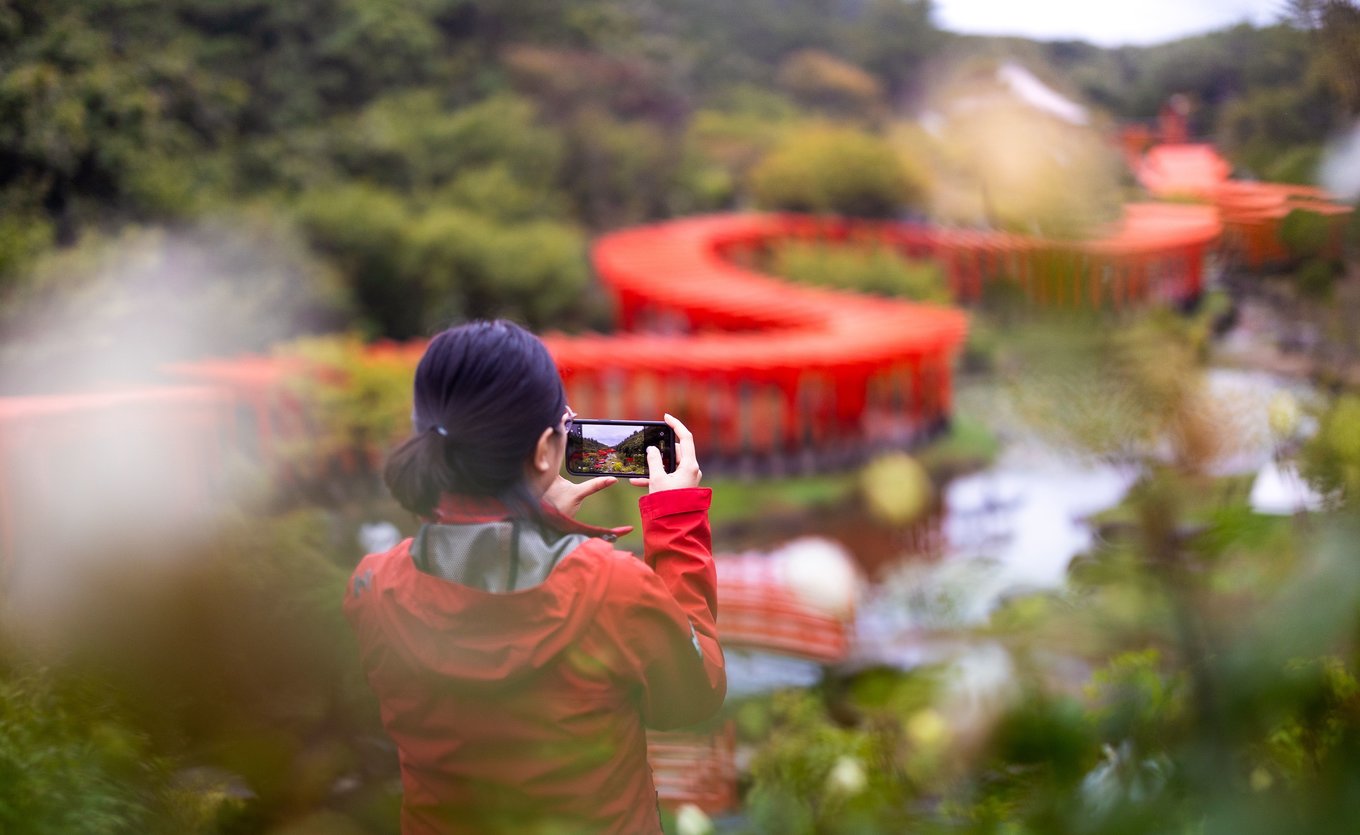
Photography at Fushimi Inari Shrine
No list of Kyoto attractions would be complete without the Fushimi Inari Taisha. It's famous for its thousands of orange torii gates that wind up Mount Inari and form a tunnel-like path through the forest.
It's dedicated to Inari, the Shinto god of rice and business, and you'll spot little fox statues all over the grounds since foxes are considered Inari's messengers. Walking the full loop to the summit and back takes about two to three hours, but you don't have to go all the way up to snap a great photo.
Want the full story behind the gates and the offerings left along the trail? A Fushimi Inari cultural walking tour is worth it for the context alone.
Fushimi Inari Taisha
📍 Address: 68 Fukakusa Yabunouchicho, Fushimi Ward, Kyoto
🚉 How to get there: Take the JR Nara Line to Inari Station, right at the shrine entrance
🕐 Hours: Open 24 hours, every day
💴 Entry fee: Free
2. Kinkaku-ji (Golden Pavilion)
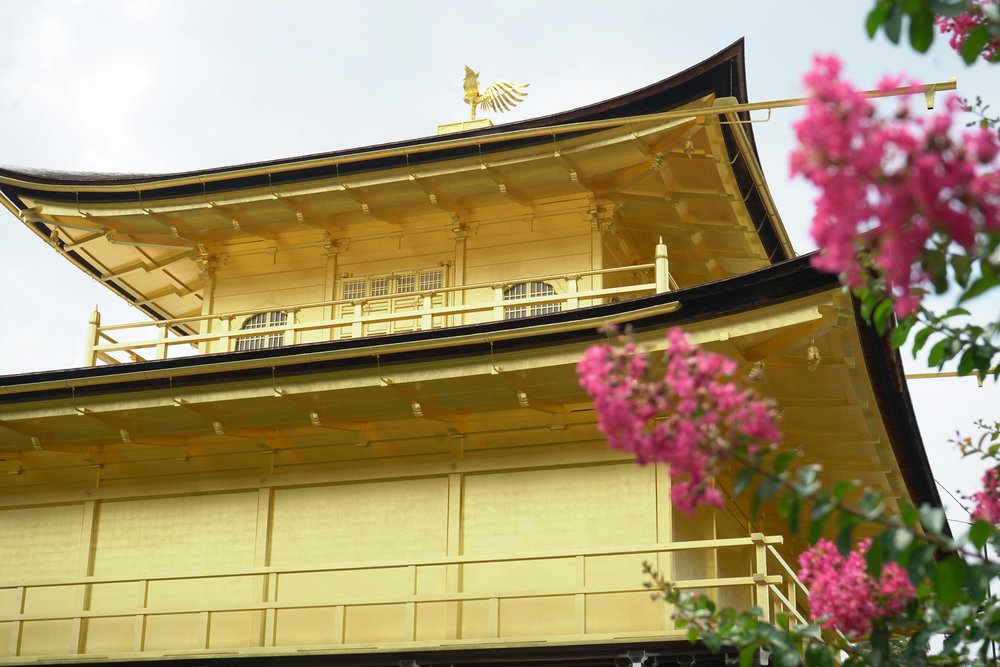
The upper 2 floors of the temple are covered in real gold | Photo by Yosuke Ota on Unsplash
Kinkaku-ji, better known as the Golden Pavilion, is one of the most photographed things to see in Kyoto, and it's easy to see why. The top two floors of this Zen temple are covered in real gold leaf, and the whole thing sits at the edge of a reflecting pond.
The current building is actually a 1955 reconstruction since the original burned down, but it was rebuilt to match the historic design down to the detail.
Try to show up early in the morning so you can beat the crowds and catch calmer water for photos. A Kyoto early morning tour is built around that exact timing, so you can see the pavilion before the tour groups roll in.
Kinkaku-ji (Golden Pavilion)
📍 Address: 1 Kinkakujicho, Kita Ward, Kyoto
🚌 How to get there: Bus 101 or 205 from Kyoto Station to Kinkakuji-michi stop
🕐 Hours: 9:00 AM–5:00 PM daily
💴 Entry fee: ¥500 adults, ¥300 students
3. Kiyomizu-dera
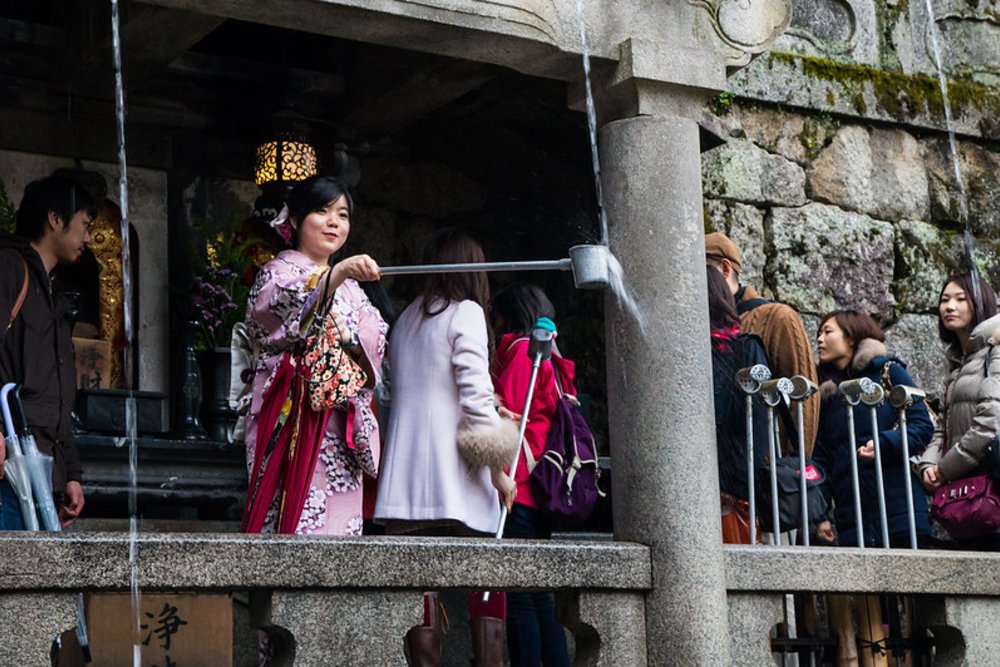
Drink from the sacred Otowa Waterfall for luck and blessings / Photo from Shenghung Lin on Flickr
Kiyomizu-dera is a wooden temple perched on a hillside, held up entirely by wooden pillars without a single nail. The main hall's wide stage looks out over Kyoto and the hills beyond, and the view is especially good during cherry blossom season and fall foliage.
This is also one of the best spots in the city for a kimono photo, since the old streets and staircases nearby make such a great backdrop. Plenty of visitors book a kimono rental experience in Kyoto close by so they can walk around dressed for the part!
Kiyomizu-dera
📍 Address: 1-294 Kiyomizu, Higashiyama Ward, Kyoto
🚌 How to get there: Bus 100 or 206 to Gojo-zaka or Kiyomizu-michi, then a short uphill walk
🕐 Hours: 6:00 AM–6:00 PM daily (hours shift seasonally, with late-night openings during spring and fall illuminations)
💴 Entry fee: ¥500 adults
4. Arashiyama Bamboo Grove
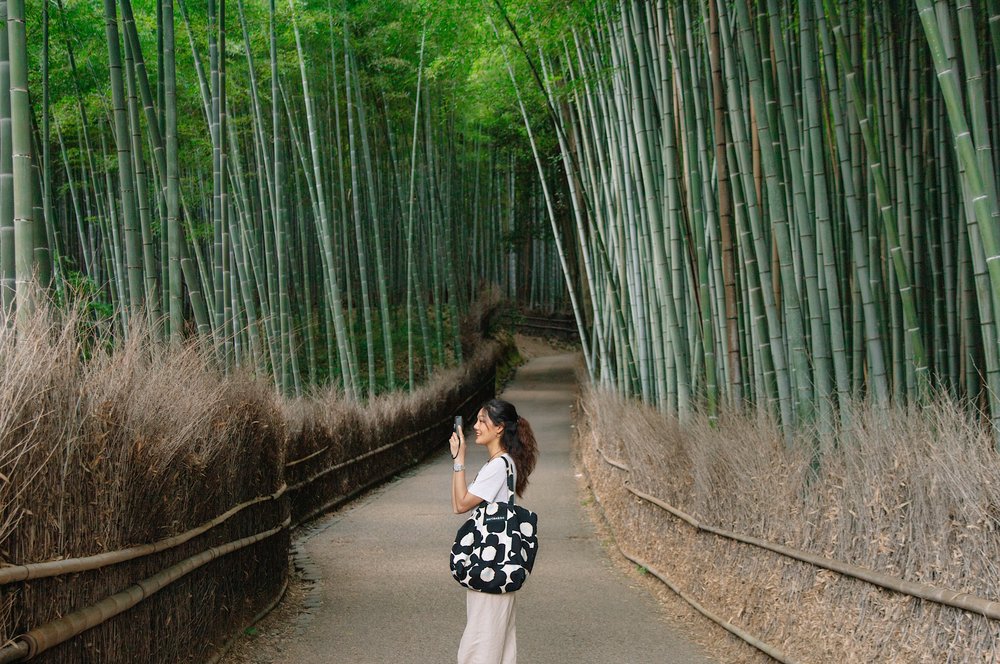
The Arashiyama Bamboo Forest
The Arashiyama Bamboo Grove is one of those places in Kyoto that looks almost fake in photos, and somehow it's even more impressive in person. Tall bamboo stalks rise up on either side of a stone path, and the light filtering through the leaves changes constantly depending on the time of day.
This spot gets busy fast, so timing matters here more than almost anywhere else on this list. An Arashiyama Bamboo Grove early morning walking tour gets you there before the crowds, in a small group with a guide who'll point out details you'd otherwise walk right past.
Arashiyama Bamboo Grove
📍 Address: Sagaogurayama Tabuchiyamacho, Ukyo Ward, Kyoto
🚉 How to get there: JR Sagano Line to Saga-Arashiyama Station, then a short walk
🕐 Hours: Open 24 hours, since it's a public path
💴 Entry fee: Free
5. Nishiki Market
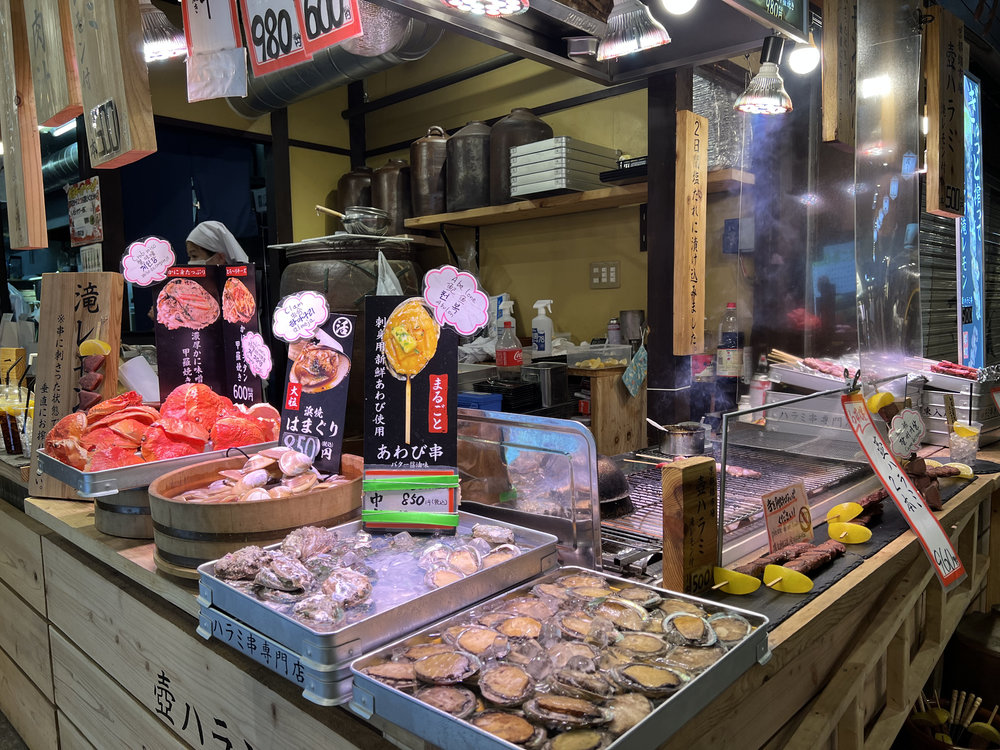
A stall along Nishiki Market
Nicknamed "Kyoto's Kitchen," Nishiki Market is a narrow covered street packed with more than a hundred small shops and food stalls. It's the best place in the city to try local snacks like grilled skewers, pickles, and fresh tofu, all without ever sitting down for a full meal.
Kyoto sightseeing doesn't have to be all temples and shrines, and this market is proof. If you want to know what's actually worth trying instead of guessing your way down the aisle, a Nishiki Market food tour covers the best stalls with a local guide leading the way.
Nishiki Market
📍 Address: Nishikikoji-dori, Nakagyo Ward, Kyoto
🚇 How to get there: A short walk from Shijo Station on the Karasuma subway line
🕐 Hours: Most shops open around 9:00 AM–6:00 PM, though individual hours vary
💴 Entry fee: Free to walk through (pay per item)
6. Gion district
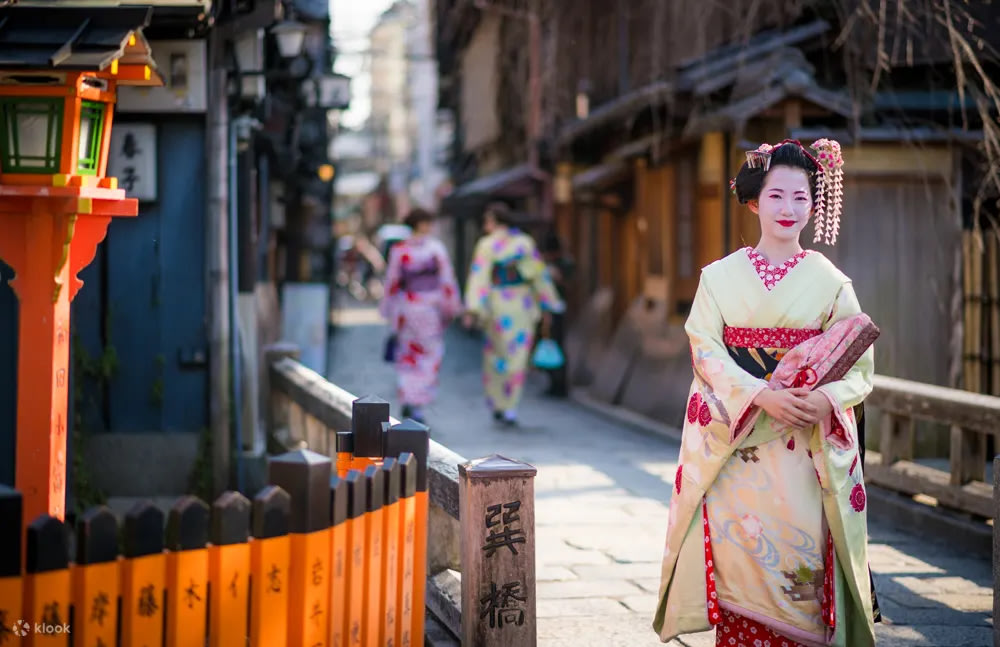
Gion is Kyoto's most famous geisha district, known for narrow streets lined with wooden machiya houses, teahouses, and small restaurants. If you're lucky, you might spot a geiko or maiko heading to an appointment in the early evening, though it's worth remembering they're working, not posing for tourist photos.
A geisha district guided walking tour walks you through the area's history and points out a few lesser-known spots you'd probably miss on your own!
Gion
📍 Address: Gion, Higashiyama Ward, Kyoto
🚉 How to get there: A short walk from Gion-Shijo Station or Kyoto-Kawaramachi Station
🕐 Hours: Open 24 hours, since it's a public neighborhood
💴 Entry fee: Free
7. Philosopher's Path
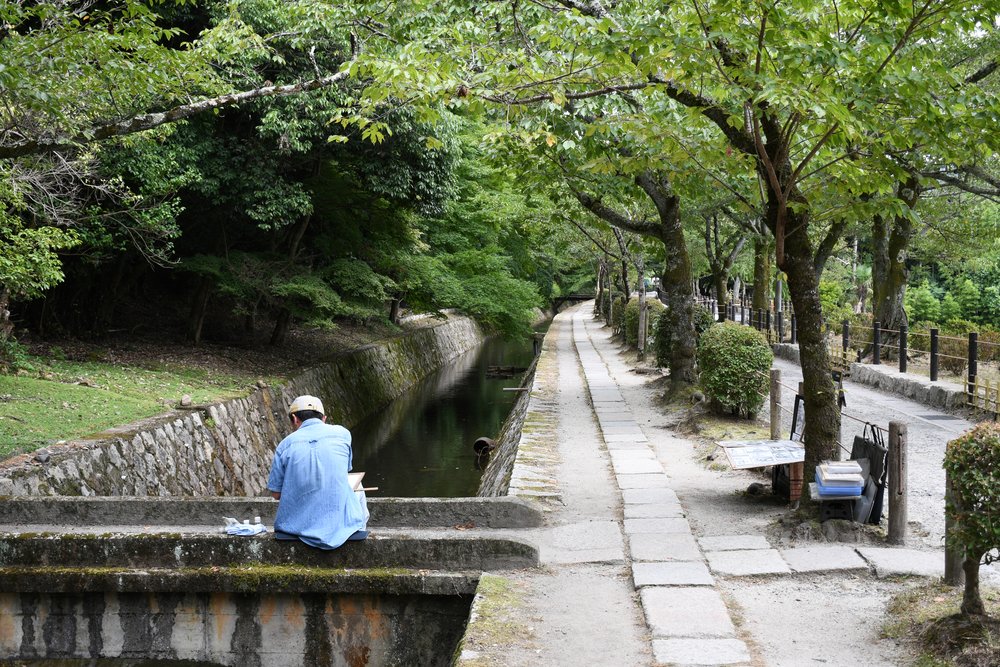
The Philosopher’s Path trail | Photo by Gzzz on Wikimedia Commons
The Philosopher's Path is a stone walkway that follows a canal lined with hundreds of cherry trees, linking Ginkaku-ji (the Silver Pavilion) to Nanzen-ji temple. It's named after a Kyoto University philosopher who supposedly walked this exact route every day while working through his ideas.
This path is at its absolute best during cherry blossom season, but it's a calm, scenic walk any time of year, with small cafes and shops tucked along the way. It's an easy add-on if you're already checking out temples in the northern Higashiyama area, and a nice breather from busier Kyoto attractions.
Philosopher's Path
📍 Address: Follows the canal between Ginkaku-ji and Nanzen-ji, Sakyo Ward, Kyoto
🚌 How to get there: Bus 5 or 100 to Ginkakuji-michi, then walk to the canal path
🕐 Hours: Open 24 hours, since it's a public walking path
💴 Entry fee: Free
Tips for visiting Kyoto's sightseeing spots
Get connected before you land
You'll want maps, translation apps, and train schedules on hand the second you touch down, so grab a Japan eSIM ahead of time. It sets up in minutes and saves you from hunting for wifi between temple visits.
Grab a day pass for the bus and subway
Since a lot of these spots aren't right next to a train line, the Kyoto City Subway and Bus 1 Day Pass is an easy way to hop around without paying per ride.
Or skip the planning altogether
If you'd rather not figure out bus routes at all, the Kyoto Hop-On Hop-Off sightseeing bus loops past many of the attractions on this list, so you can just hop off wherever looks interesting.
Start early, always
Kyoto's biggest names, like Fushimi Inari and Kinkaku-ji, get busy by mid-morning. Showing up right at opening (or earlier, for spots like Fushimi Inari that never close) is the easiest way to get photos without a crowd in them.
FAQs about things to see in Kyoto
What is Kyoto most famous for?
Kyoto is best known for its temples and shrines, especially Fushimi Inari Taisha and its thousands of red torii gates. It's also known for Kyoto's traditional geisha culture in the Gion district, along with cherry blossoms in spring and fall foliage in autumn.
How many days do you need to see Kyoto?
Three to four days is a solid amount of time to cover the main things to see in Kyoto without feeling rushed. That's enough time to visit the major temples, walk through Arashiyama, explore Gion, and still have room for a day trip or two. If you only have a day or two, just focus on two or three areas instead of trying to see it all.
What is the number one thing to do in Kyoto?
Most visitors put Fushimi Inari Taisha at the top of their Kyoto itinerary, thanks to its thousands of gates and the hike up Mount Inari. Kinkaku-ji is a close second for its gold-covered pavilion and reflecting pond.
What is the best time of year to visit Kyoto?
Spring, from late March to early April, is Kyoto's most popular season thanks to cherry blossoms along spots like the Philosopher's Path. Autumn, especially November, is just as striking with red and orange foliage around temples like Kiyomizu-dera.
Both seasons bring bigger crowds, so if you'd rather skip the busiest weeks, early summer or winter are quieter alternatives.
Is Fushimi Inari free to visit?
Yes, Fushimi Inari Taisha is free to enter and open around the clock, with no ticket needed for the main shrine or the trail up Mount Inari. That makes it one of the most accessible Kyoto attractions on this list. Guided tours of the shrine do cost extra, but they're optional and mostly add context to what you're already seeing for free.
What is the best way to get around Kyoto?
Kyoto's bus network covers most major attractions and is often more useful than the subway, since a lot of temples aren't anywhere near a train line. A day pass can save you money if you're hitting several stops in one day. For places like Arashiyama or Fushimi Inari, the JR and private train lines are usually faster and less packed than buses during peak hours.
What day trips can you take from Kyoto?
Kyoto makes a great base for day trips to nearby cities like Nara, known for its free-roaming deer and Todai-ji temple, or Osaka, about 15 minutes away by train. Uji, famous for matcha, and Kobe, known for its beef, are also easy half-day trips. Most of these are under an hour away, so they're simple to fit around your Kyoto sightseeing plans.
More Kyoto guides for you


What is Klook?
Klook is a leading pan-regional experiences platform in Asia Pacific, purpose built to digitalize experiences and make them accessible to every traveler.
Our mission is to build the digital infrastructure for the global experience economy — empowering merchants to share their passions and travelers to discover the heartbeat of each destination. We operate a mobile-first, curated platform featuring diverse experiences across global destinations.