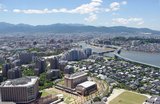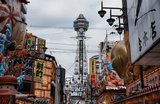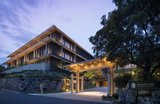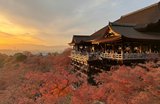

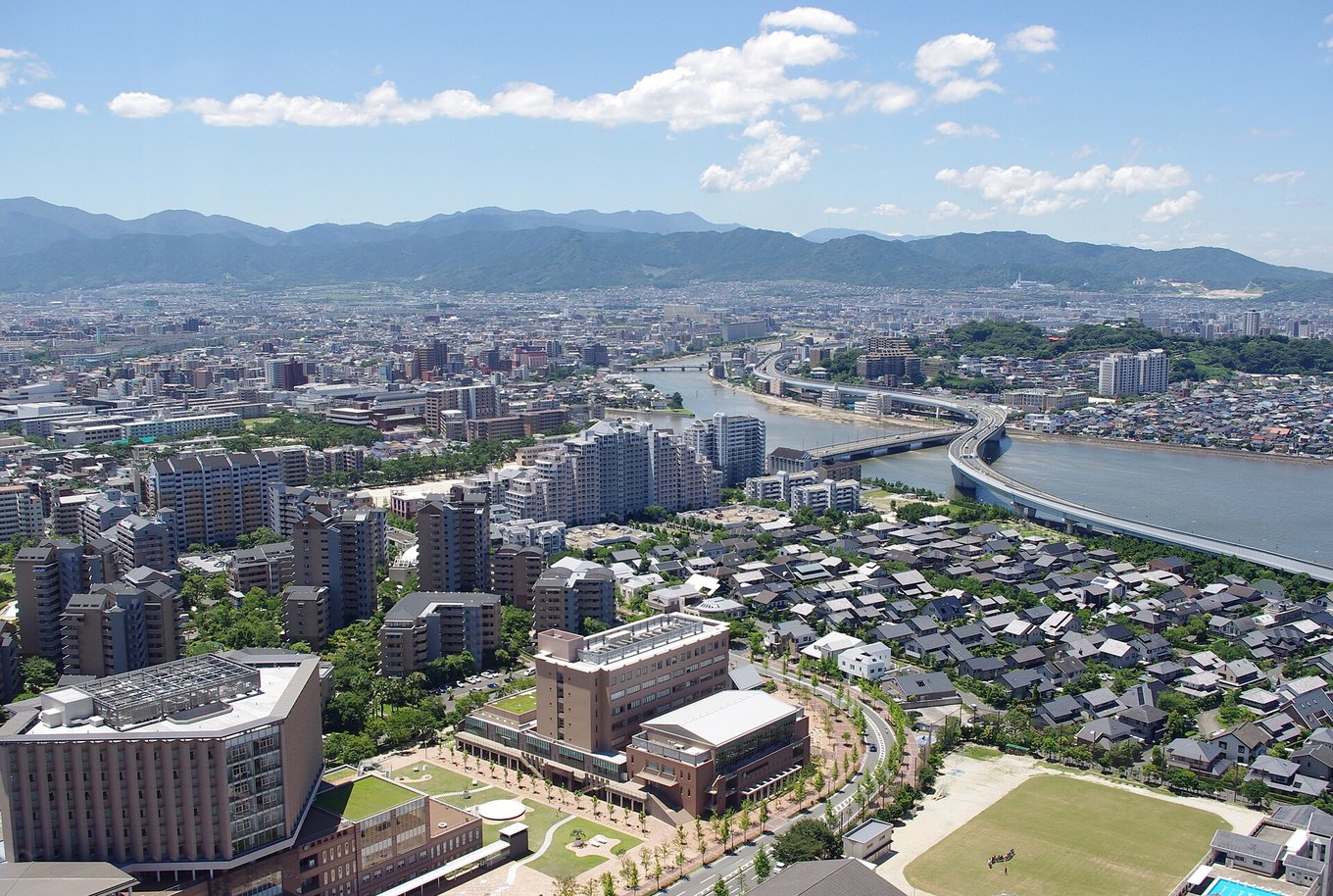
If you're trying to figure out how to spend 3 days in Fukuoka, you've picked a city that rewards a slower pace. Fukuoka sits on the northern coast of Kyushu, and it's compact enough that you can cover the food scene, the shopping streets, and a shrine town outside the city without feeling rushed. This Fukuoka itinerary is built around three easy zones: Hakata, Tenjin, and a Dazaifu day trip.
There aren't many direct flights from the US to Fukuoka, so most travelers connect through Tokyo, Osaka, or another Asian hub first. That extra layover is easy to justify once you factor in how much you can fit into just 3 days in Fukuoka: real food, a walkable downtown, and a shrine town you can reach without an overnight stay.
Fukuoka has mild winters and hot, humid summers, so spring (late March to April) and fall (October to November) are the most comfortable seasons to walk around. Whatever time of year you go, this Fukuoka 3-day trip plan works because everything sits along one subway line.
Klook Tip: Grab a one-day or two-day Fukuoka City Subway pass if you're bouncing between Hakata, Tenjin, and Ohori Park more than twice in a day. It pays for itself fast.
For more background on the city before you land, check out the Fukuoka destination page.
Fukuoka 3-day itinerary at a glance
Day | Area | Highlights |
|---|---|---|
Day 1 | Hakata | Hakata ramen, Canal City Hakata, Nakasu yatai food crawl |
Day 2 | Tenjin & the bay | Tenjin shopping streets, Ohori Park, Fukuoka Tower |
Day 3 | Dazaifu (day trip) | Dazaifu Tenmangu Shrine, umegae mochi, approach street shops |
Day 1: Hakata, Canal City, and a yatai food crawl
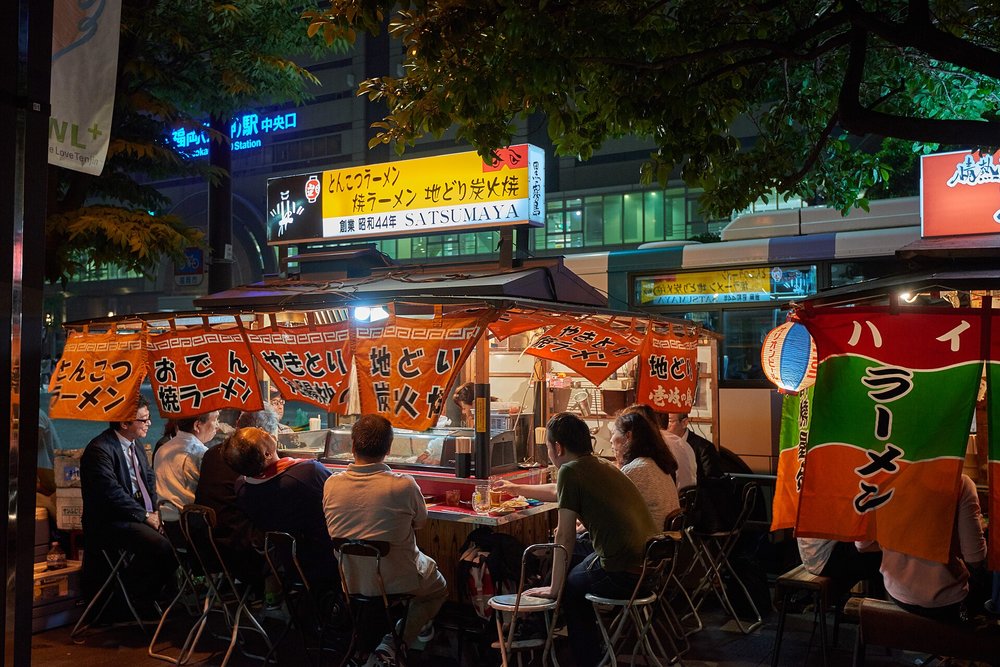
Yatai in Fukuoka | Image Credit: Thomas Au, CC BY 2.0 via Wikimedia Commons
Start your Fukuoka food itinerary where you'll probably land first: Hakata Station. This is the transport hub of the city, but it's also home to some of the best ramen in Japan, so there's no reason to rush off before eating. Hakata-style ramen is thin noodles in a rich pork bone broth called tonkotsu, and you'll find shops tucked into the station's basement food halls and the streets just outside.
From Hakata Station, it's a short walk to Canal City Hakata, a mall built around an actual canal running through the middle of it. Beyond the shopping, Canal City has a good mix of casual restaurants, a movie theater, and a fountain show that runs on the hour, so it's a comfortable spot to kill an afternoon if the weather turns.
As evening sets in, head over to Nakasu for the main event: the yatai. These small outdoor food stalls line the riverbank and serve everything from ramen and yakitori to motsunabe (a hot pot made with beef or pork offal, more delicious than it sounds). Pull up a stool at Nakasu Yatai Yokocho and order a few small plates from different stalls rather than filling up at just one.
Klook Tip: Yatai stalls seat 8 to 10 people max, so arrive right at opening (usually around 6 PM) if you want a spot without a wait.
Directions: Canal City Hakata is about a 10-minute walk from Hakata Station, or a short ride to Gion Station on the subway. Nakasu Yatai Yokocho sits along the Nakagawa riverbank, a 10-minute walk from Canal City or Tenjin Station. Most yatai open around 6 PM and close late, so there's no need to rush dinner.
Day 2: Tenjin, Ohori Park, and Fukuoka Tower
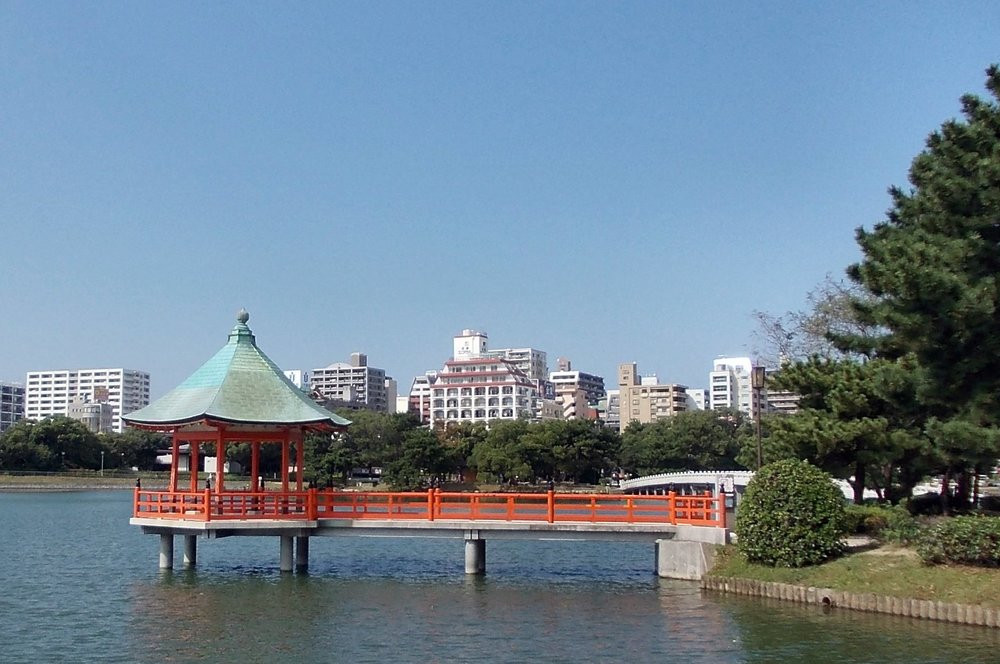
Ohori Park | Image Credit: STA3816, CC BY-SA 3.0 via Wikimedia Commons
Day two shifts from Hakata to Fukuoka's other main hub. Hakata to Tenjin is a five-minute subway ride, or about a 25-minute walk if you want to see the streets in between. Tenjin is the shopping and business district, with department stores, underground malls, and a denser concentration of cafés than Hakata.
Spend your morning browsing Tenjin before heading toward the bay side of the city for some green space. Ohori Koen, often written as Ohori Park, is built around a large pond modeled after a scene from a Chinese classic, with a walking path that circles the whole thing. It's a good midday reset, especially if you've spent the morning indoors.
Ohori Park sits right next to Fukuoka Castle ruins, so it's easy to combine both in one stop before continuing toward the bay. The stone walls and old gates are what's left of the castle, and the elevated sections give you a decent view over the park without needing an entrance fee.
Directions: Ohori Koen is a 5-minute walk from Ohorikoen Station on the subway. The Fukuoka Castle ruins connect to Ohori Park by a short walking path, and no ticket is required for the grounds.
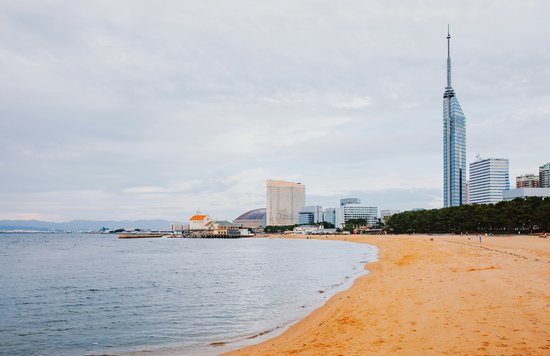
In the afternoon, make your way to Fukuoka Tower for a look at the city from above. The observation deck faces the coastline, and it's one of the better spots to catch sunset if your timing lines up. The tower sits close to Momochi Seaside Park, so you can wrap up the day with a walk along the water. If you time it right, you'll catch the lights along the bay switching on just as the sky starts to change color.
Directions: Fukuoka Tower is about a 15-minute bus ride from Tenjin, or a longer walk if you want to pass through Momochi Seaside Park on the way.
If you have extra energy or want to build in a fourth day, the coastal scenery continues west toward Itoshima, where you can join an Itoshima day tour for beaches and quieter countryside views.
Klook Tip: Fukuoka Tower's observation deck gets busy right at sunset. Head up 30 to 45 minutes early to grab a spot by the windows.
Day 3: Dazaifu day trip
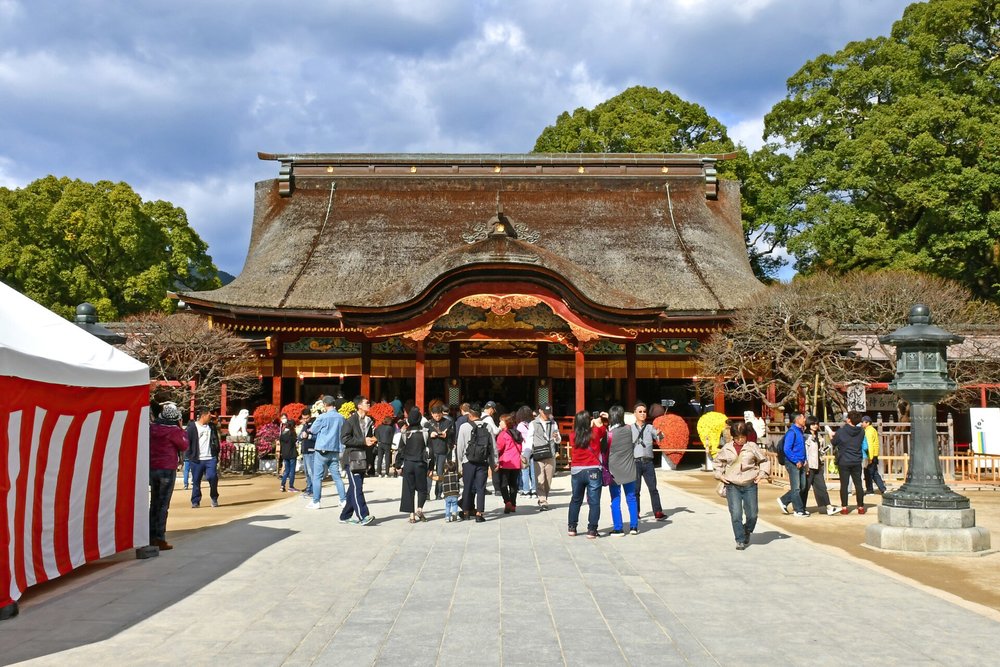
Dazaifu Tenmangu Shrine Honden | Image Credits: ScribblingGeek, CC BY-SA 4.0 via Wikimedia Commons
Save your last day for a half-day trip outside the city. Dazaifu sits about 30 minutes from central Fukuoka by train, which makes a Dazaifu day trip an easy add without cutting too far into your last morning or afternoon back in the city.
The main draw is Dazaifu Tenmangu Shrine, dedicated to the god of learning and one of the most visited shrines in Japan. Students come here to pray before exams, and the grounds are lined with plum trees that bloom in late winter. The approach street leading up to the shrine is packed with small shops selling umegae mochi, a warm rice cake filled with sweet red bean paste and pressed with a plum blossom pattern.
Beyond the main hall, the shrine grounds have a small pond crossed by three bridges, said to represent the past, present, and future. It's worth the extra ten minutes to walk through rather than heading straight back to the station.
Directions: Dazaifu Tenmangu Shrine is about a 5-minute walk from Dazaifu Station. From central Fukuoka, take the train from Tenjin (Nishitetsu Fukuoka Station) to Dazaifu, with one transfer at Nishitetsu Futsukaichi. The full ride runs around 30 to 40 minutes. The shrine grounds are free to enter; only the museum charges admission.
If you'd rather not plan the logistics yourself, this Dazaifu and Yufuin day tour pairs the shrine visit with the hot spring town of Yufuin for a fuller day out.
Cruise passengers or anyone short on time can also look at this Dazaifu cruise shore excursion, which is built specifically around limited port hours.
Klook Tip: Get to Dazaifu Tenmangu Shrine before 10 AM on weekends. Tour groups start arriving mid-morning, and the approach street gets tight fast.
If Dazaifu's plum blossoms or the shrine architecture grab your interest, this is genuinely worth the half-day. It's close enough that skipping it on a Fukuoka 3-day trip would be a missed opportunity, and it doesn't require an overnight stay or major schedule changes.
Getting around: Hakata, Tenjin, and the bay area
This Fukuoka travel plan works because the city is small and the subway is simple. The Fukuoka City Subway's Airport Line connects Hakata Station, Tenjin, and Ohori Park in one straight shot, and most rides between them take 10 minutes or less. Walking is also realistic for shorter hops, especially between Tenjin and Ohori Park, or around Nakasu in the evening when the yatai are out.
A few practical notes as you build your Fukuoka itinerary:
- Hakata Station has direct trains to Dazaifu, Yufuin, and other parts of Kyushu, so it doubles as your day-trip base.
- Tenjin's underground mall network connects several subway exits, which is handy if it's raining.
- IC cards (like Suica or Nimoca) work on the subway, buses, and most trains around the city.
Fukuoka also makes a solid base for exploring more of Kyushu or connecting onward through Japan if this trip is part of a longer route.
FAQs about 3 days in Fukuoka
Can you suggest a 3-day itinerary for Fukuoka?
Yes. A solid structure is Day 1 in Hakata for Canal City and the Nakasu yatai stalls, Day 2 in Tenjin with Ohori Park and Fukuoka Tower, and Day 3 as a half-day Dazaifu day trip to Dazaifu Tenmangu Shrine.
Is 3 days enough time to see Fukuoka?
For most travelers, yes. Three days covers the main food experiences, the two central districts, and a day trip to Dazaifu without feeling packed. If you want to add Itoshima or Yufuin, a fourth day gives you more breathing room.
What should I do on day 1 in Fukuoka?
Focus on Hakata. Eat ramen near Hakata Station, browse Canal City Hakata in the afternoon, and head to the Nakasu yatai stalls for dinner once they open in the early evening.
Is Dazaifu worth adding to a Fukuoka itinerary?
It's one of the easiest additions on this list. Dazaifu is about 30 minutes from central Fukuoka, and Dazaifu Tenmangu Shrine is worth the trip on its own, especially if you're there during plum blossom season.
What food should I try during a Fukuoka trip?
Tonkotsu ramen is the obvious answer, but don't skip motsunabe, mentaiko (spicy marinated cod roe), and umegae mochi in Dazaifu. The Nakasu yatai stalls are the best place to sample several dishes in one night.
Should I split my time between Hakata and Tenjin?
Yes. Hakata and Tenjin each have their own character, Hakata leans toward food and transit, Tenjin leans toward shopping and cafés, and they're only a few minutes apart by subway, so splitting your time doesn't cost you much travel time.
Ready to plan your trip
Three days is plenty of time to get a real feel for Fukuoka, from the yatai stalls in Nakasu to the plum trees at Dazaifu Tenmangu Shrine. Book your activities ahead of time and you'll spend more of your trip eating and exploring instead of planning it on the fly.
Related guides
What is Klook?
Klook is a leading pan-regional experiences platform in Asia Pacific, purpose built to digitalize experiences and make them accessible to every traveler.
Our mission is to build the digital infrastructure for the global experience economy — empowering merchants to share their passions and travelers to discover the heartbeat of each destination. We operate a mobile-first, curated platform featuring diverse experiences across global destinations.