
Fukuoka is the gateway to Kyushu, Japan's southern main island, and it might be the easiest major city in the country to get around. The airport sits five minutes by subway from Hakata Station, so you can land and be sitting in front of a bowl of tonkotsu ramen within the hour. That compact layout is why the Fukuoka attractions on this list feel so doable in two or three days.
The city splits neatly into three moods. Hakata is the transport hub and the temple district, Tenjin is where the shopping and nightlife live, and the bay area gives you tower views, beaches, and sunsets over Hakata Bay. Add a food culture built around open-air stalls, and you get a city that rewards wandering as much as a checklist. Here's how we'd tackle things to do in Fukuoka on a first trip.
Canal City Hakata: a great starting point
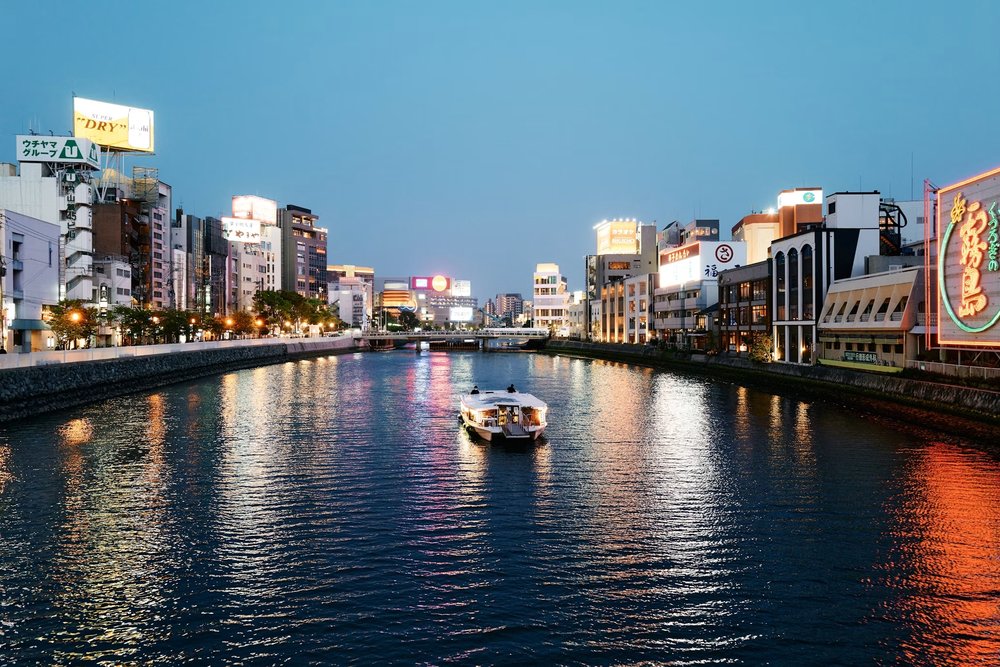
Canal City Hakata is a shopping and entertainment complex built around a curving artificial canal, and it looks nothing like a standard mall. The color-blocked buildings were designed by American architect Jon Jerde, and fountain shows run every 30 minutes at the canal stage, with music and a projection show after dark.
The fifth floor holds Ramen Stadium, where eight shops serve regional styles from across Japan, and there's a cinema and theater in the same complex. It's a solid rainy-day backup and an easy first stop if you're staying near Hakata Station. Give yourself two hours if you plan to eat here.
Address: 1-2 Sumiyoshi, Hakata Ward, Fukuoka
Getting there: 10-minute walk from Hakata Station, or 1 minute from Kushida Jinja-mae Station
Ohori Park: the city's green center
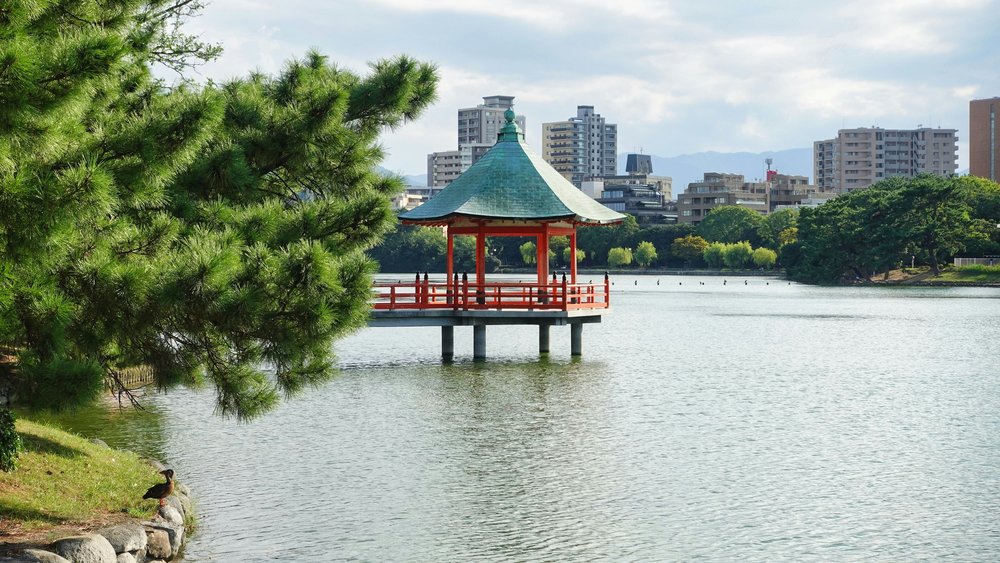
Ohori Park was built around the former moat of Fukuoka Castle, and the central pond still follows the shape of the original waterway. A path loops roughly two kilometers around the water, crossing stone bridges and small islands. Locals run it in the mornings, and swan boats go out on weekends.
Next door, Maizuru Park and the Fukuoka Castle ruins turn into one of the best cherry blossom spots in Kyushu in late March. The Fukuoka Art Museum sits at the southeast corner, so you can pair a walk with a gallery visit.
Klook Tip: Cherry blossoms usually peak here from late March into early April, and the castle ruins get packed by mid-morning. Go before 9am.
Address: 1-2 Ohorikoen, Chuo Ward, Fukuoka
Getting there: Ohori Koen Station on the Kuko subway line, exit 3
Fukuoka Tower and the bay area
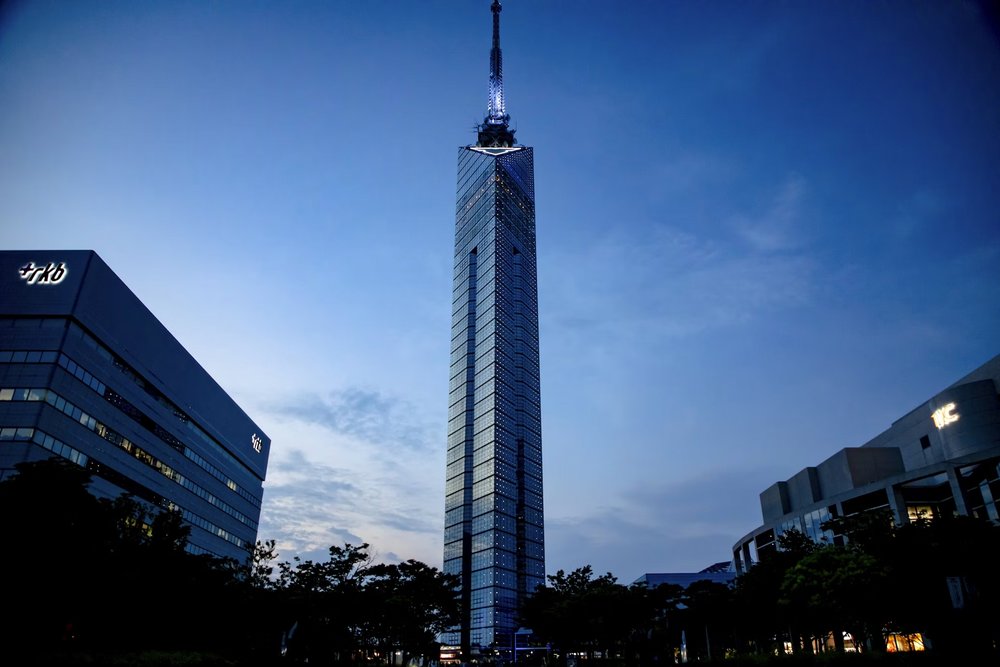
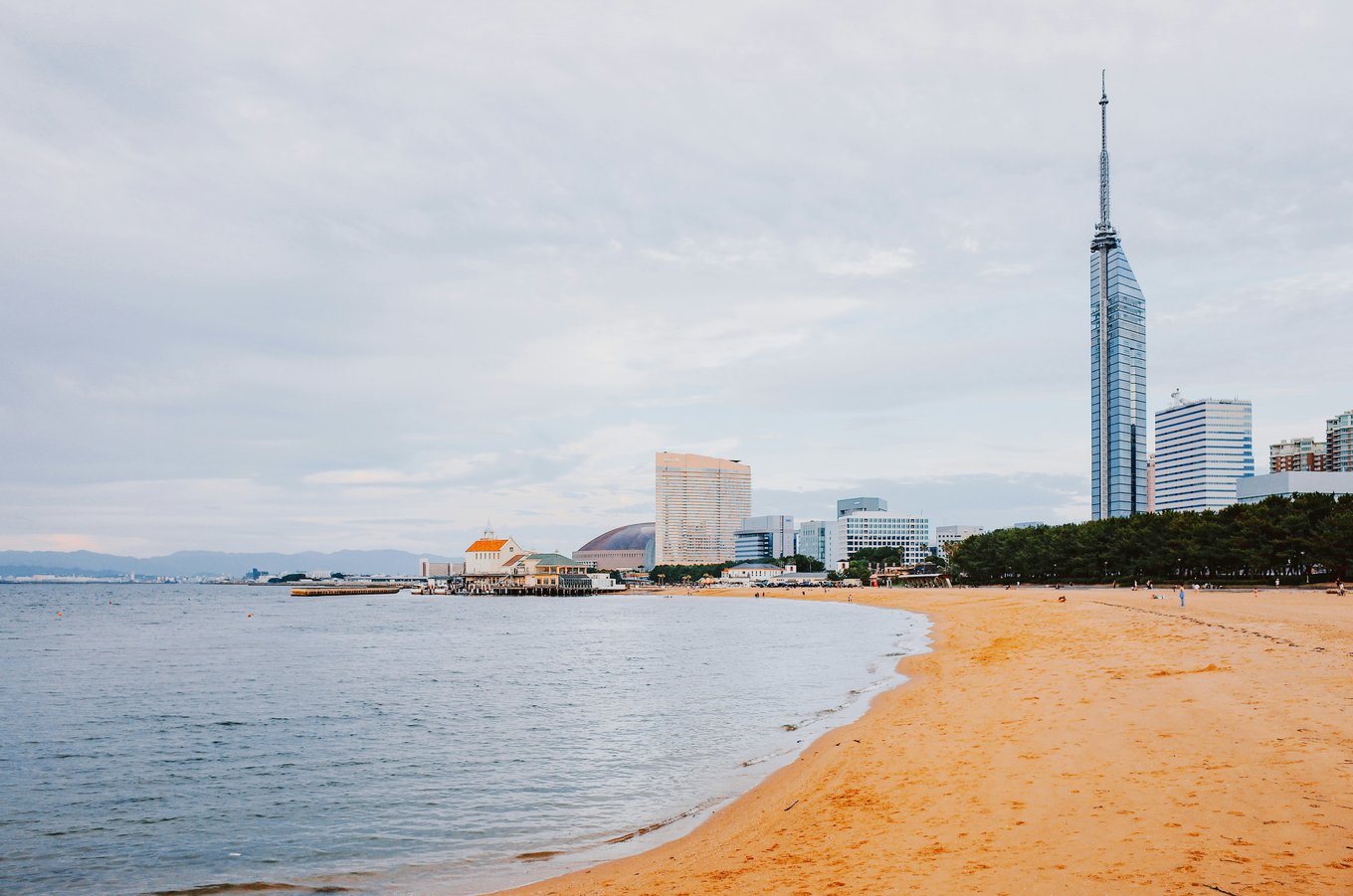
Fukuoka Tower is Japan's tallest seaside tower at 234 meters, wrapped in 8,000 half-mirrors that throw the light around all afternoon. The observation deck sits at 123 meters and costs about $7 for adults, with Hakata Bay on one side and the city grid on the other. Come 30 minutes before sunset and you get both versions.
Momochi Seaside Park is a two-minute walk away, with a sandy stretch and a few waterfront restaurants. To combine the tower with the coastline west of the city, this Itoshima and Fukuoka Tower tour adds the Totoro-style forest path, Sennyo-ji temple, and the Couple Rocks.
Address: 2-3-26 Momochihama, Sawara Ward, Fukuoka
Getting there: Nishitetsu bus 306 from Hakata Bus Terminal, about 25 minutes to Fukuoka Tower
Kushida Shrine: the heart of Hakata
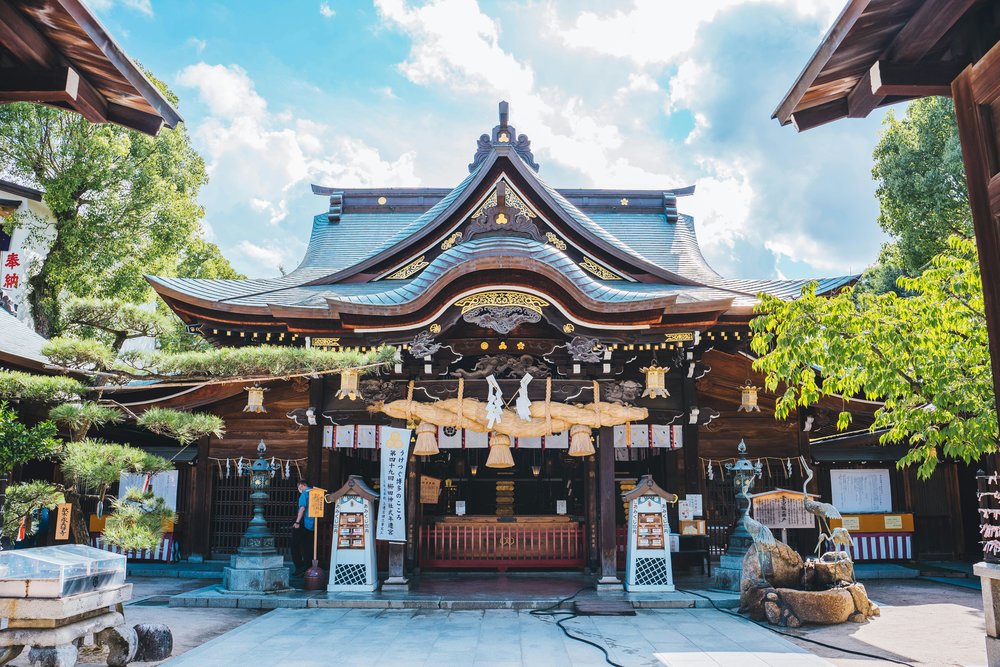
If you visit only one of the Fukuoka temples and shrines in the old town, make it Kushida Shrine. Founded in 757, it's the spiritual home of Hakata Gion Yamakasa, the July festival where teams race one-ton floats through the streets at dawn. A kazariyamakasa (decorated festival float) over 10 meters tall stands on the grounds all year, except in June when it's swapped out.
The Kamikawabata shopping arcade and the Hakata Machiya Folk Museum are both steps away, which makes this an easy hour. Entry to the shrine grounds is free and it opens early, which makes it one of the few Fukuoka attractions you can see properly before 9am.
Address: 1-41 Kamikawabatamachi, Hakata Ward, Fukuoka
Getting there: 5-minute walk from Gion Station, exit 2
Dazaifu Tenmangu Shrine: the essential day trip
A Dazaifu day trip is the addition almost every local will push you toward, and it takes about 30 minutes by Nishitetsu train from Tenjin with a transfer at Futsukaichi. Dazaifu Tenmangu honors Sugawara no Michizane, the deity of learning, so you'll see students buying ema (wooden prayer plaques) before exam season. The approach road is lined with shops selling umegae mochi, a grilled rice cake stamped with a plum blossom.
Plan on half a day. The grounds hold around 6,000 plum trees that bloom from mid-February, and the Kyushu National Museum sits behind the shrine up a short escalator tunnel. Short on time? This Dazaifu half-day tour handles the transport, which helps if you're arriving by cruise.
Klook Tip: The main hall recently came out of its first restoration in 124 years, and the temporary forest-roofed hall is being taken down. Check the shrine's official site before you go so you know what's open.
Address: 4-7-1 Saifu, Dazaifu, Fukuoka Prefecture
Yufuin: onsen town on the same route
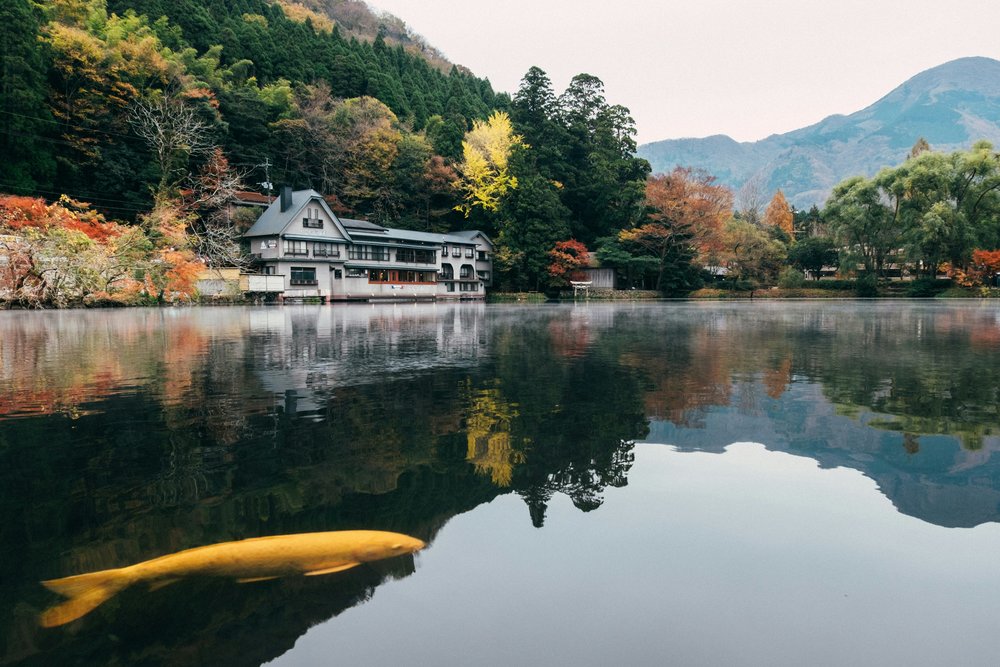
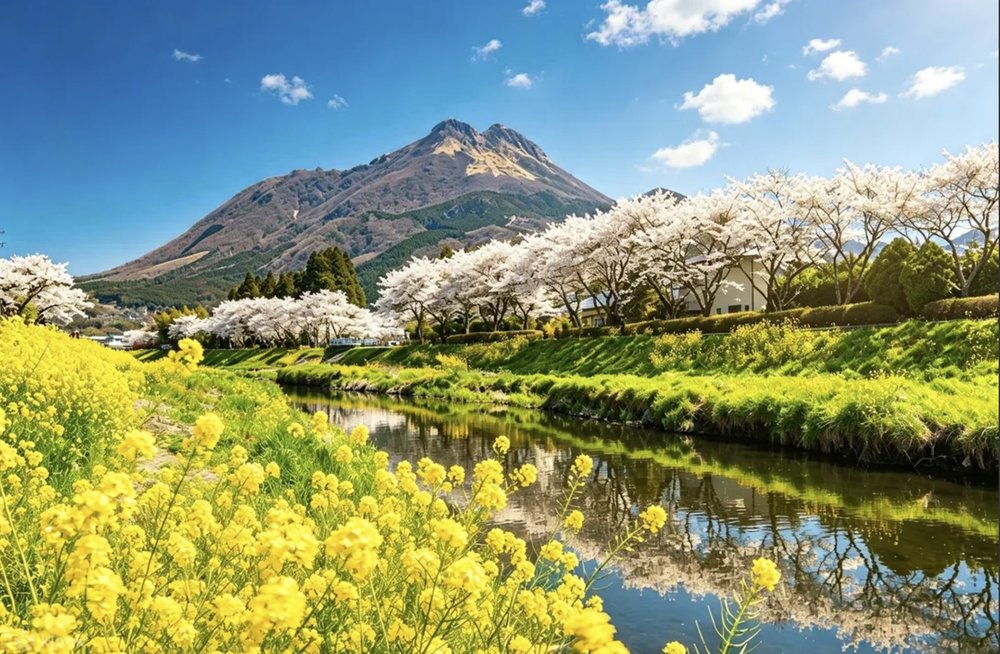
Two hours southeast of the city, Yufuin is a hot spring town under the twin peaks of Mount Yufu. A canal-side street of craft shops runs between the station and Lake Kinrin, and the town is built around its onsen (hot spring baths). It pairs well with Dazaifu, and a Dazaifu and Yufuin day trip covers the shrine in the morning and the onsen town in the afternoon.
Doing this by public transport means a bus plus train connection on a tight schedule, so the guided version earns its place. Bring a small towel for the foot baths.
Tenjin and its underground city
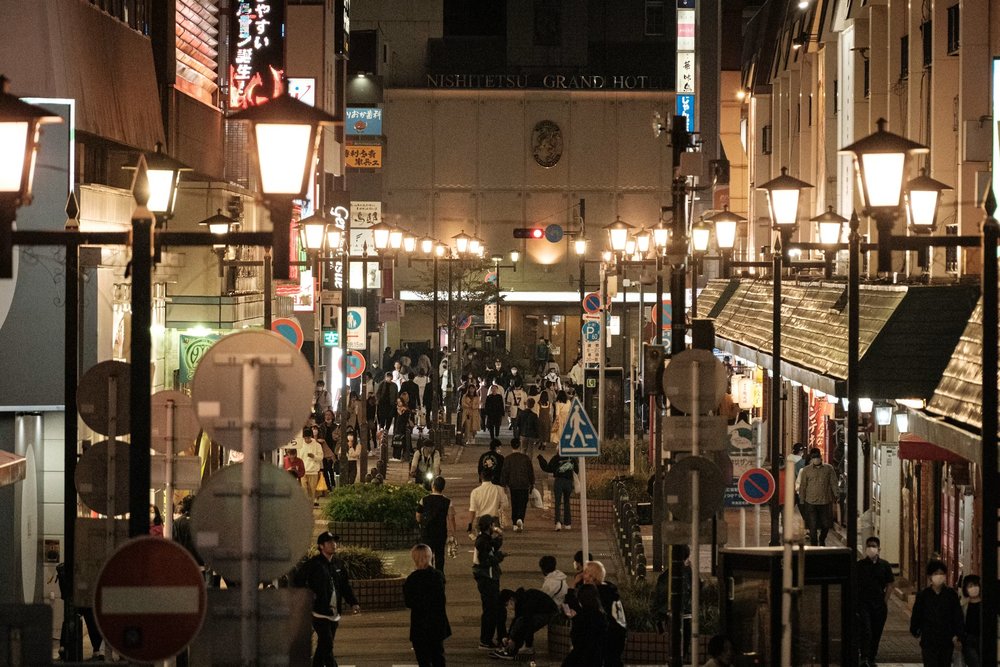
Tenjin is Fukuoka's commercial core, and the part people underestimate sits below it. Tenjin Chikagai is a 590-meter underground arcade with about 150 shops across 12 avenues, laid out with stained glass and stone floors modeled on 19th-century Europe. It links Tenjin and Tenjin-Minami subway stations directly, so you can cross the district without going outside.
Above ground, Tenjin Central Park and the Fukuoka City Red Brick Culture Hall are worth 20 minutes on the way through. Tenjin is also the main long-distance bus hub for Kyushu and the rest of Japan, which makes it a practical base for the top attractions in Fukuoka and beyond.
Hakata's yatai: dinner on a folding stool
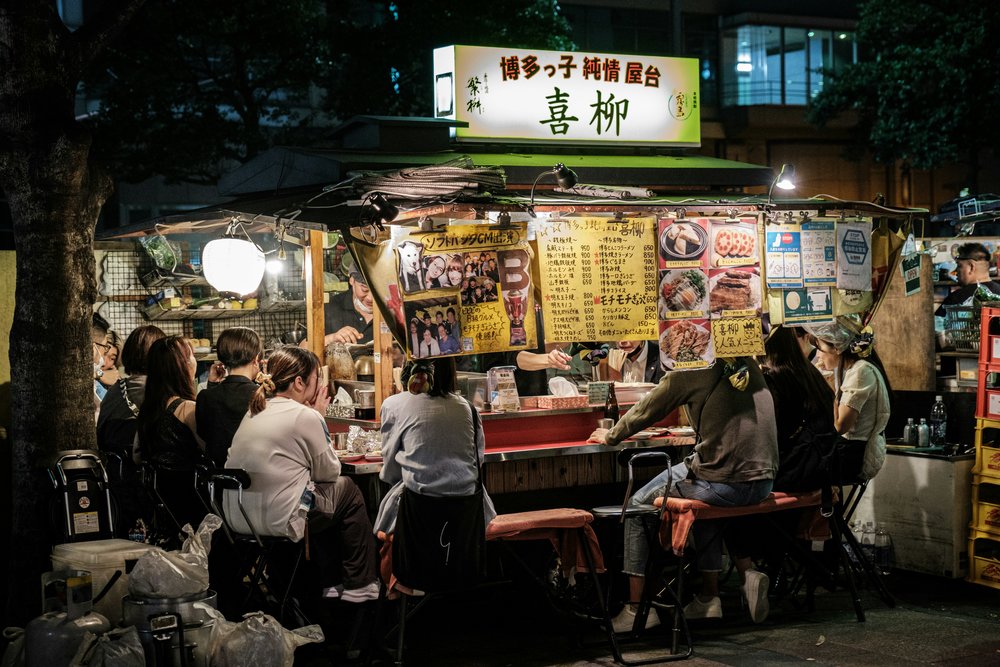
Around 100 licensed yatai (open-air food stalls) set up across Nakasu, Tenjin and Nagahama each evening, more than anywhere else in the country. Most seat eight to ten people at a counter, with menus built on tonkotsu ramen, yakitori (grilled skewers), mentaiko (spicy cod roe), and beer. Expect $10 to $20 a person with a drink.
Nakasu island has the highest concentration and the best river views, while the Tenjin stalls tend to be cheaper and more local. Stalls open around 6pm and run past midnight, and cash is still king.
Klook Tip: Yatai are open-air, so check the forecast. Most stalls close in heavy rain or typhoon weather.
How to get around the top attractions in Fukuoka
The subway does most of the work. The Kuko line runs from the airport through Hakata, Nakasu-Kawabata, and Tenjin to Ohori Koen in about 20 minutes end to end, and a one-day pass costs around $4.50. Single rides run $1.50 to $2.50, and the last trains leave around 11:45pm.
The bay area is the one gap, since Fukuoka Tower and Momochi are served by bus. Walking works well within each district: Hakata Station to Canal City to Kushida Shrine is a comfortable 25-minute stroll.
FAQs about Fukuoka attractions
What are the top attractions and must-see places in Fukuoka?
Canal City Hakata, Ohori Park, Fukuoka Tower, Kushida Shrine, and Dazaifu Tenmangu Shrine as a half-day trip out of the city. Add the Nakasu yatai stalls in the evening and Tenjin for shopping, and you've covered the main Fukuoka must-see places in about three days.
Is Fukuoka worth visiting for a few days?
Yes, and two to three days is the sweet spot. The city is compact enough to see the top attractions Fukuoka is known for without long transit days, and it works well as a base for Dazaifu, Yufuin, and Itoshima.
What is Fukuoka most famous for?
Tonkotsu ramen and its yatai stall culture, first and foremost. It's also known as Kyushu's gateway city, for the Hakata Gion Yamakasa festival in July, and for being one of the most walkable large cities in Japan.
Is Dazaifu worth a day trip from Fukuoka?
It is. The train from Tenjin takes about 30 minutes, and Dazaifu Tenmangu is one of the most important shrines in the country, with the Kyushu National Museum right behind it. Half a day is enough unless you add Yufuin.
What is the best area in Fukuoka for sightseeing?
Hakata is the most practical base, since it puts you near the station, Canal City, and the old temple district. Tenjin is better for shopping and nightlife, and the two are five minutes apart by subway.
What food is Fukuoka known for?
Tonkotsu ramen (thin noodles in a rich pork bone broth), mentaiko, motsunabe (offal hotpot), and Hakata udon. Most are easiest to try at the yatai stalls or in the ramen court at Canal City.
Start planning your Fukuoka trip
Fukuoka packs a lot into a small footprint. You get shrines that predate Tokyo and a waterfront built for sunsets, plus some of the best cheap food in Japan. Pick three or four of these Fukuoka attractions per day, leave the evenings for the stalls, and book the Dazaifu and Itoshima trips ahead so your transport is sorted. Check current prices and availability on Klook before you go.
Related guides

What is Klook?
Klook is a leading pan-regional experiences platform in Asia Pacific, purpose built to digitalize experiences and make them accessible to every traveler.
Our mission is to build the digital infrastructure for the global experience economy — empowering merchants to share their passions and travelers to discover the heartbeat of each destination. We operate a mobile-first, curated platform featuring diverse experiences across global destinations.