
Kyoto was Japan's capital for more than a thousand years, and it still looks the part. Roughly 1,600 Buddhist temples, 400 Shinto shrines and entire streets of wooden machiya (traditional merchant townhouses) sit inside a city you can cross in under an hour. It's a short bullet train ride from Osaka and about 75 minutes from Kansai International Airport, so it slots easily into any Japan trip.
The trick is that Kyoto's sights cluster by neighborhood, not by fame. The smartest things to do in Kyoto are grouped by area: Higashiyama and Gion in the east, Arashiyama in the west, and Fushimi in the south. Plan two full days if you want the headline Kyoto attractions without rushing, or three if you want a slower pace and a day trip.
1. Walk the Higashiyama slopes up to Kiyomizu-dera
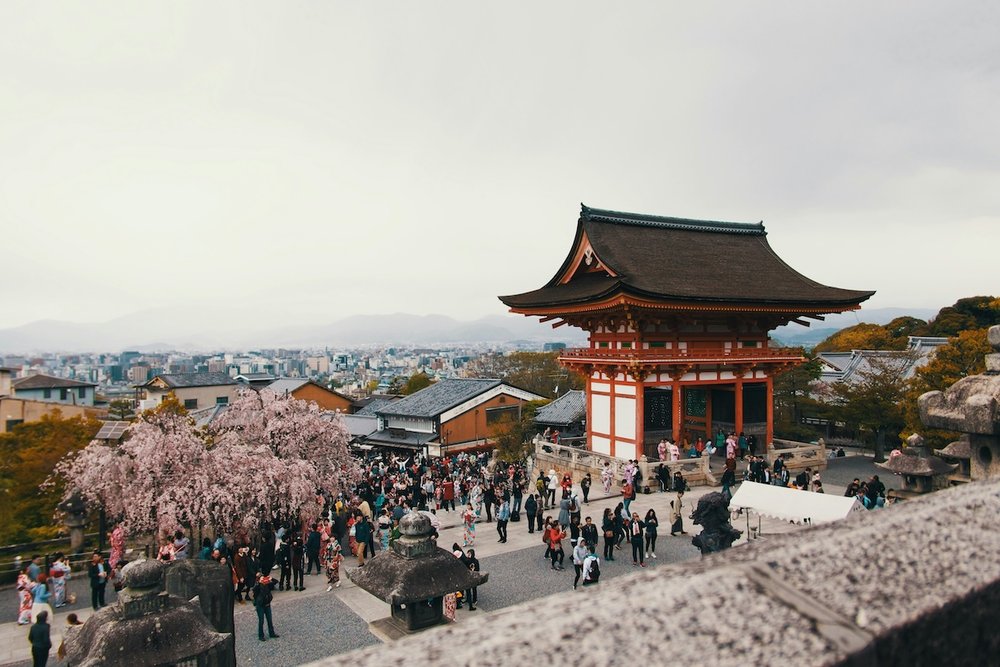
Kiyomizu Dera | Image Credit: Nomadic Julien via Unsplash
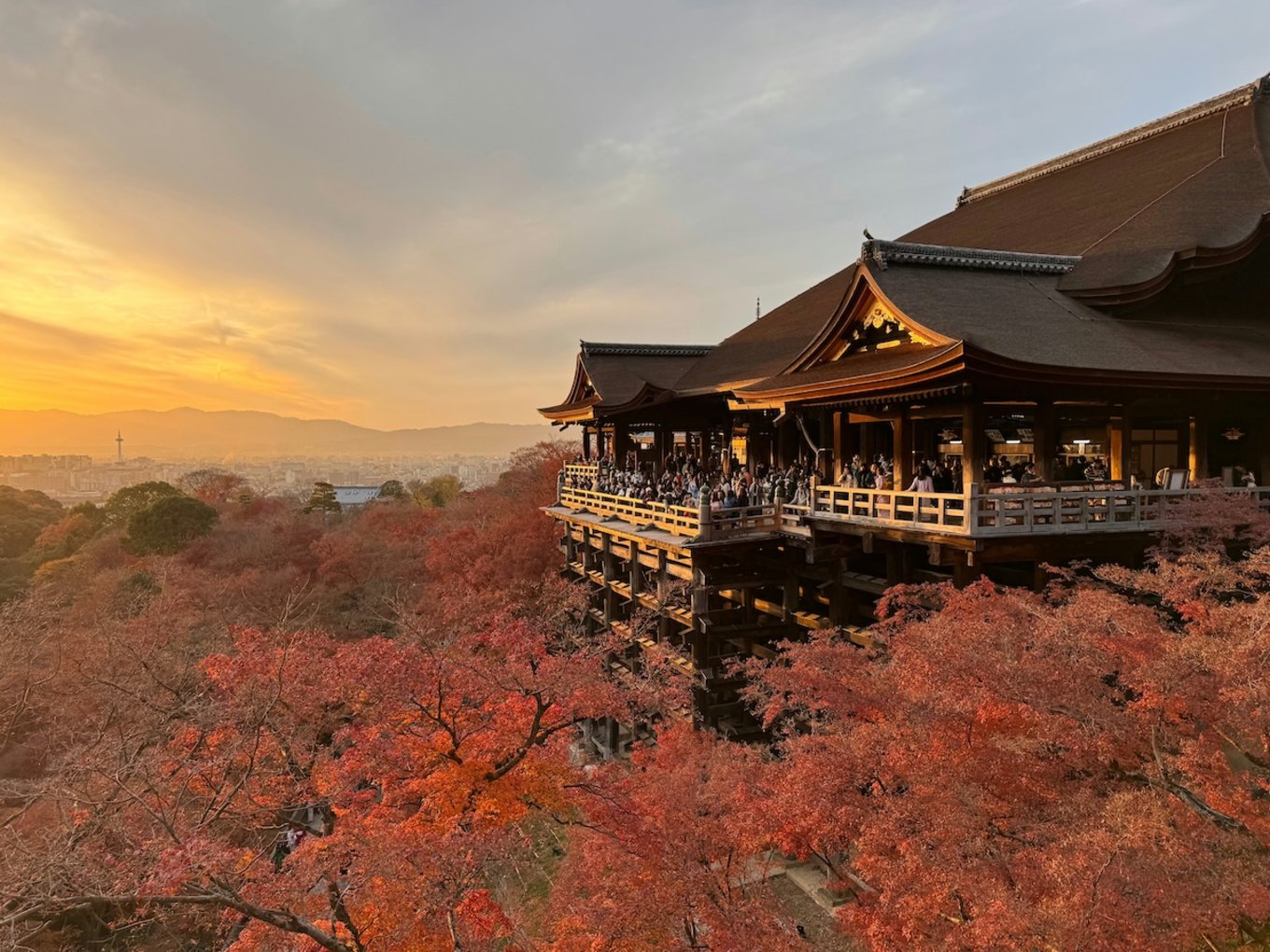
Start in eastern Kyoto, where the streets climb uphill in stone steps and the crowds thin out before 8am. Kiyomizu-dera Temple is the anchor here, a wooden hall built out over the hillside on a lattice of pillars with no nails holding it together. The view across the city from the veranda is the one you've seen on postcards, and it's better in person.
The approach roads, Sannenzaka and Ninenzaka, are half the reason to come. They're lined with pottery shops, matcha stands and yatsuhashi (cinnamon rice-flour sweets) samples handed out for free.
Address: 1-294 Kiyomizu, Higashiyama Ward, Kyoto
- Getting there: Bus 100 or 206 to Gojo-zaka, then a 10-minute uphill walk
- Nearby: Yasaka Shrine, Maruyama Park
Klook Tip: Entry is about $3. Go at opening (6am) if you want the veranda to yourself.
2. Spend an evening in Gion, Kyoto's geisha district
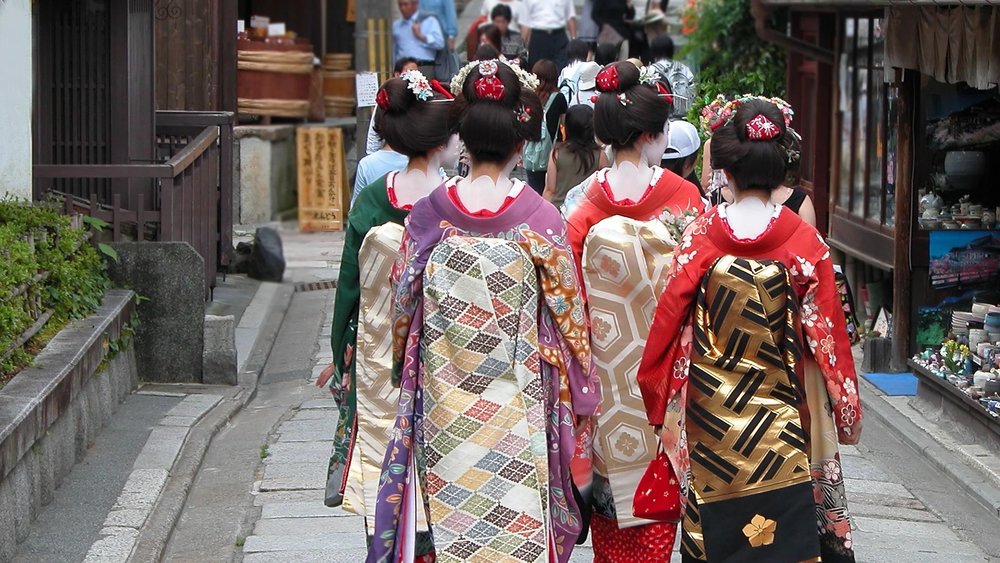
Gion, Kyoto
Gion is the Kyoto geisha district, and it's at its best after dark when the lanterns come on along Hanamikoji Street. Geiko and maiko (Kyoto's terms for geisha and apprentice geisha) still work here, moving quickly between teahouses around 6pm. If you spot one, keep your distance and don't block the street. Photography is banned on the private lanes, and the fines are real.
Shirakawa Canal, a block north, is quieter and prettier. Willow trees hang over the water, restaurants back onto the canal, and it's one of the few places in central Kyoto where you can walk for ten minutes without a crowd. Come back in April and the cherry trees along it are the best in the city.
Address: Gion, Higashiyama Ward, Kyoto
- Getting there: Gion-Shijo Station (Keihan Line), 3-minute walk
- Nearby: Yasaka Shrine, Pontocho Alley
3. Climb through the torii gates at Fushimi Inari Shrine
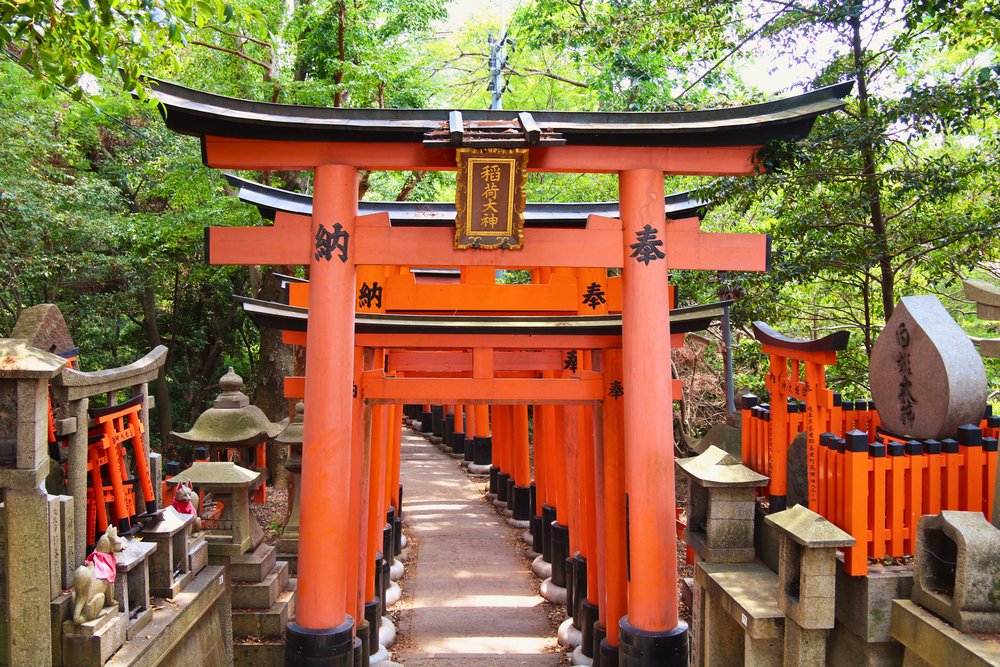
Red torii gates at Fushimi Inari Shrine | Photo Credits: Bruna Santos on Pexels
If you do one thing in Kyoto, make it this. Fushimi Inari Taisha is the head shrine of Inari, the Shinto deity of rice and business, and around 10,000 vermilion torii gates form a tunnel up the side of Mount Inari. Each one was donated by a business, with the company name painted on the back.
Most people turn around at the Yotsutsuji intersection, about 30 minutes up, where the view opens over southern Kyoto. Keep going and the full loop takes two to three hours, with almost nobody on the upper path. Fushimi Inari Shrine is free and open 24 hours, so pre-dawn or late evening visits are genuinely peaceful. A Fushimi Inari walking tour helps if you want the stories behind the fox statues and gates.
Address: 68 Fukakusa Yabunouchicho, Fushimi Ward, Kyoto
- Getting there: JR Inari Station, directly outside
- Nearby: Tofuku-ji Temple, Fushimi sake district
4. Walk the Arashiyama Bamboo Grove early
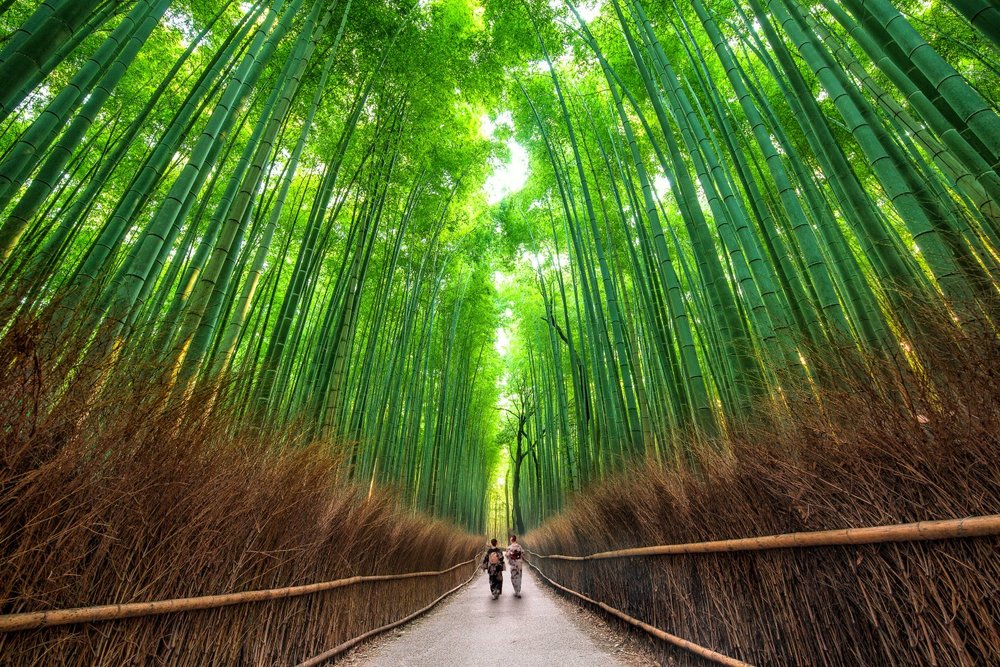
Arashiyama Bamboo Forest
The Arashiyama Bamboo Forest sits on the western edge of the city, and the walk through it takes about 15 minutes. Green stalks arch overhead, the light goes soft and the wind through the canes makes a sound the Japanese government officially lists as one of the country's 100 soundscapes to preserve.
It gets busy by 9am, so treat the Arashiyama Bamboo Grove as a sunrise stop and build the rest of your morning around it. Tenryu-ji Temple's garden is right at the southern entrance, the Iwatayama Monkey Park is across the Togetsukyo Bridge, and a half-day Arashiyama tour covers the area without you working out bus routes.
Address: Ukyo Ward, Kyoto
- Getting there: JR Saga-Arashiyama Station, 10-minute walk
- Nearby: Tenryu-ji Temple, Togetsukyo Bridge
Klook Tip: The grove is free and always open. Arrive by 7am and you'll share the path with a handful of joggers.
5. See how the shoguns lived at Nijo Castle
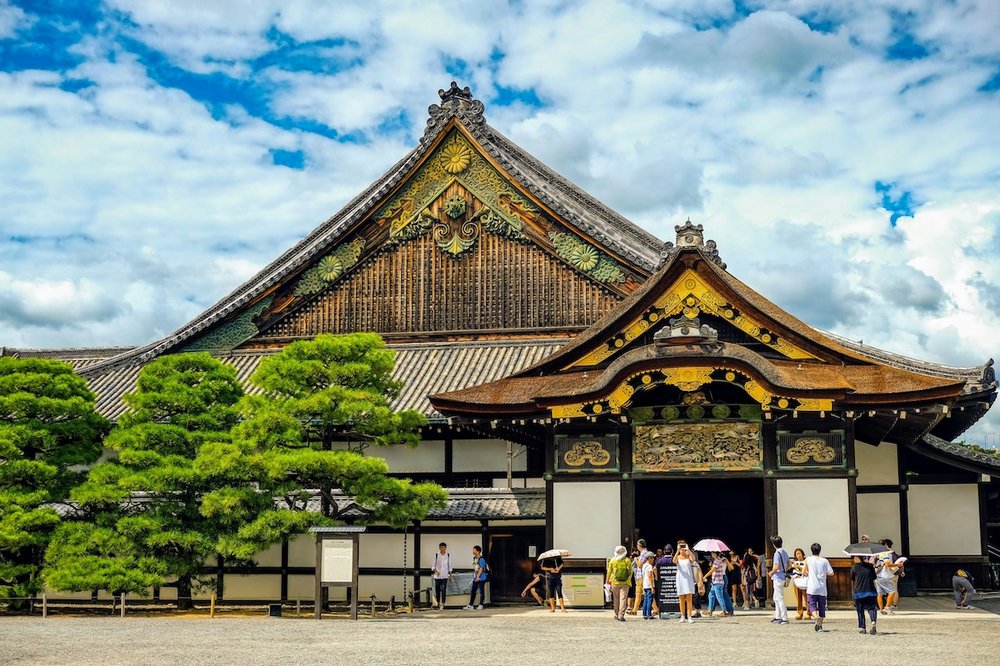
Nijo Castle | Image Credit: Eleonora Albasi via Unsplash
Nijo Castle is central Kyoto's big historical set piece, built in 1603 as the Kyoto residence of the Tokugawa shoguns. The Ninomaru Palace interior is the highlight, with painted tiger screens, gold leaf on the walls and the famous nightingale floors that chirp underfoot to warn of intruders.
Give it about 90 minutes, including the garden and the outer moat walk. It pairs well with Kinkaku-ji, the gold-leafed Golden Pavilion in the north of the city, and this Kyoto panoramic day tour links both with Arashiyama in a single day if your time is short.
Address: 541 Nijojocho, Nakagyo Ward, Kyoto
- Getting there: Nijojo-mae Station (Tozai Line), 1-minute walk
- Nearby: Kyoto Imperial Palace, Nishiki Market
6. Pick your Kyoto temples instead of chasing all of them
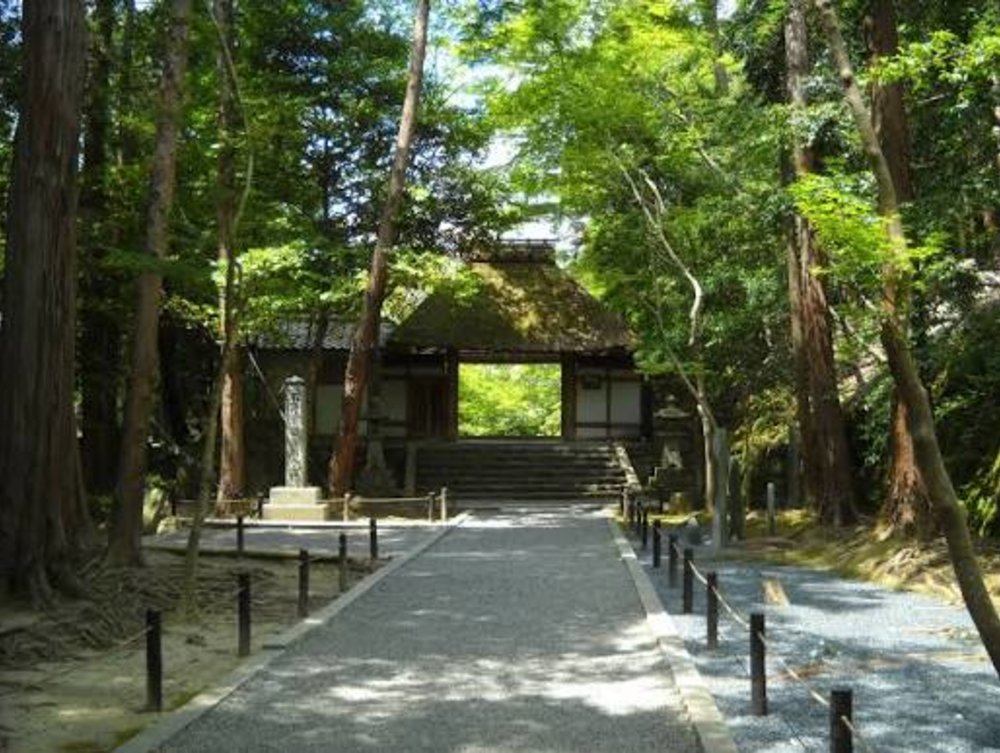
Honen-in Temple Kyoto | Image Credit: Cun Cun, CC BY-SA 4.0 via Wikimedia Commons
Temple-hopping is one of the classic things to do in Kyoto, and trying to see all of them is the fastest way to burn out. If it's your first time, four is plenty: Kiyomizu-dera for the view, Kinkaku-ji for the gold, Ginkaku-ji for the moss garden, and Tofuku-ji for fall color. That's a full but manageable day and a good spine for any Kyoto itinerary.
Entry runs $3 to $5 per site, and most close by 5pm. Buy a one-day bus pass at Kyoto Station for around $5, since the city's temples sit far apart and taxis add up fast. Our guide to Kyoto temples breaks down which ones suit which kind of day.
7. Take a Kyoto day trip into the wider Kansai region
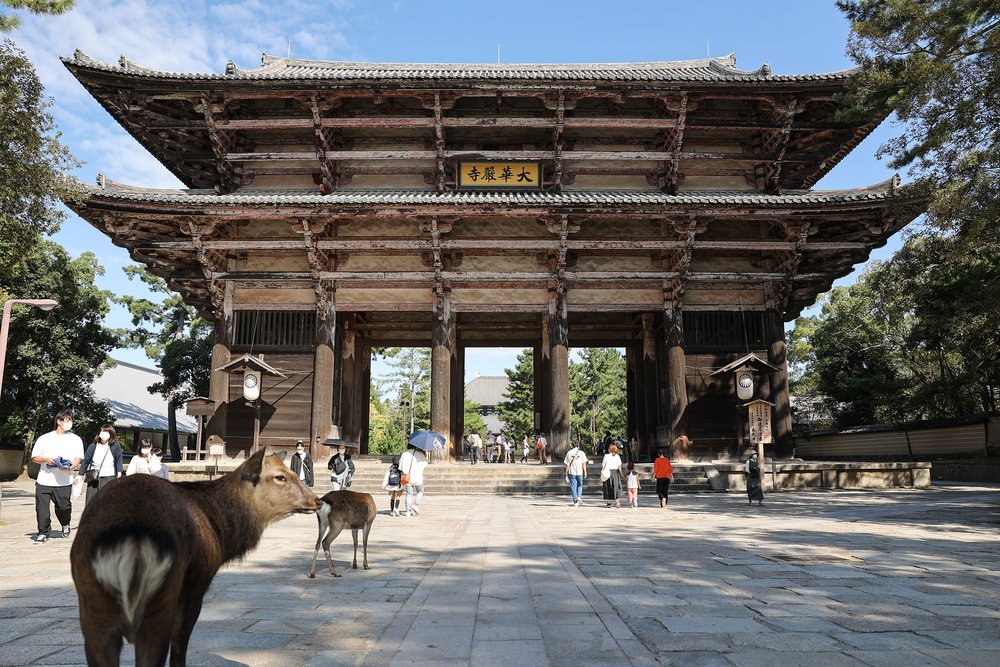
Nara Deer Temple
Some of the best things to do in Kyoto aren't in Kyoto at all. Nara is 45 minutes away with free-roaming deer and the enormous bronze Buddha at Todai-ji. Uji, 20 minutes south, is Japan's matcha capital and home to the temple on the 10-yen coin. Osaka is 15 minutes by shinkansen, which is why a Kyoto day trip from Osaka works equally well in reverse.
Our guide to the best day trips from Kyoto covers timings and train lines for each. If you're staying two nights or fewer, skip these and keep to the city.
8. Time your visit around the crowds
The best things to do in Kyoto shift with the season. Peak periods are cherry blossoms in early April and fall foliage in late November, both stunning and both packed. Late May, early June and September give you decent weather and far more breathing room.
Kyoto in winter is the sleeper pick. January and February bring cold, clear days, the lowest hotel rates of the year, and the occasional snowfall that turns Kinkaku-ji into the single best photo you'll take in Japan. Bring a warm coat and start early, since daylight goes by 5pm.
Klook Tip: Temple etiquette is simple. Bow at shrine gates, rinse hands at the water basin, take shoes off where you see a rack, and keep your voice down inside halls.
FAQs about things to do in Kyoto
What are the must-see attractions in Kyoto?
Fushimi Inari Shrine, the Arashiyama Bamboo Grove, Kiyomizu-dera Temple, Gion and Kinkaku-ji cover the essentials. Those five give you a shrine, a natural landmark, a hillside temple, a historic district and a castle-era pavilion.
How many days do you need in Kyoto?
Two full days is the realistic minimum for the main sights, split east and west. Three days lets you slow down and add a day trip. Five days suits you better if you want to actually sit in the gardens rather than photograph them.
Is Kyoto worth visiting as a day trip from Osaka?
Yes, and plenty of people do it. The shinkansen takes 15 minutes and local trains take about 30. You'll only manage two areas in a day, so pick Fushimi Inari plus Higashiyama, or Arashiyama plus central Kyoto.
What is the best time of year to visit Kyoto?
April and November are the most beautiful and the most crowded. May, June, September and October offer a good balance. Kyoto in winter is the cheapest and quietest, with a real chance of snow on the temples.
What is Kyoto famous for?
Its temples and shrines, its geisha culture in Gion, traditional crafts like kimono weaving and pottery, kaiseki dining, and matcha from nearby Uji. It also escaped bombing in World War II, which is why so much of the old city survives.
Which Kyoto temples should first-time visitors prioritize?
Kiyomizu-dera and Kinkaku-ji first, then Ginkaku-ji and Tenryu-ji in Arashiyama. Fushimi Inari is a shrine rather than a temple, and it belongs on every list regardless.
Start planning your Kyoto trip
Kyoto rewards planning more than most cities, mostly because everything worth seeing opens early and fills up by mid-morning. Sort your list of things to do in Kyoto by neighborhood, book the two or three experiences you actually care about, and leave gaps for the tea shops and side streets you'll find on the way. Browse Kyoto tours and tickets on Klook and lock in the big ones before you fly.
Related blogs

What is Klook?
Klook is a leading pan-regional experiences platform in Asia Pacific, purpose built to digitalize experiences and make them accessible to every traveler.
Our mission is to build the digital infrastructure for the global experience economy — empowering merchants to share their passions and travelers to discover the heartbeat of each destination. We operate a mobile-first, curated platform featuring diverse experiences across global destinations.