
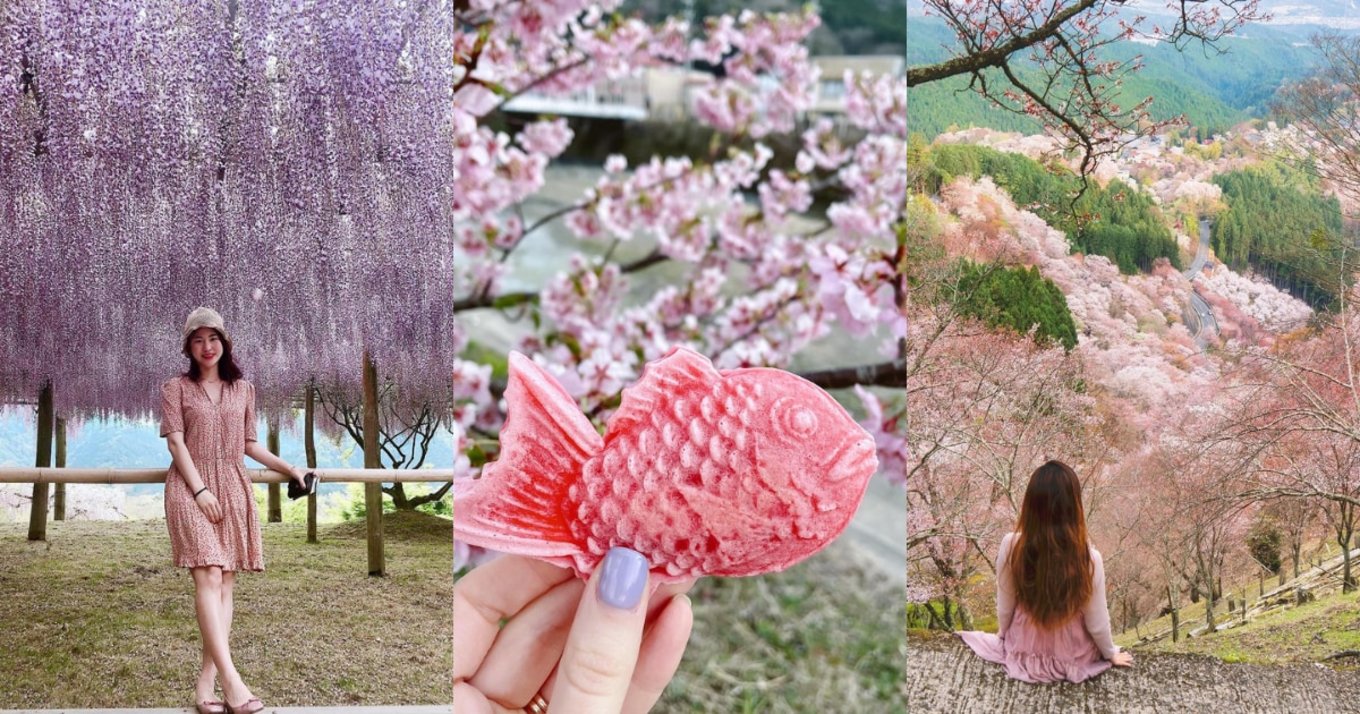
The most popular season in Japan is coming up! If you've been wondering when to visit, then you better plan ASAP because spring is the best time to see the country!
So, when is spring in Japan, exactly? Its spring months last from March to May, which are usually the busiest, with tourists flocking to see cherry blossoms in full bloom. Fun fact: Cherry blossoms, or sakura, are Japan's symbolic flower!
The weather is also nice and cool, which makes it perfect for sightseeing and taking part in spring activities.
Japan weather in spring usually ranges from 4 to 18 degrees Celsius, so don't forget to pack a thick coat and sweater for your visit! To know more about how to enjoy spring like the locals, keep reading below!
How does Japan welcome spring?
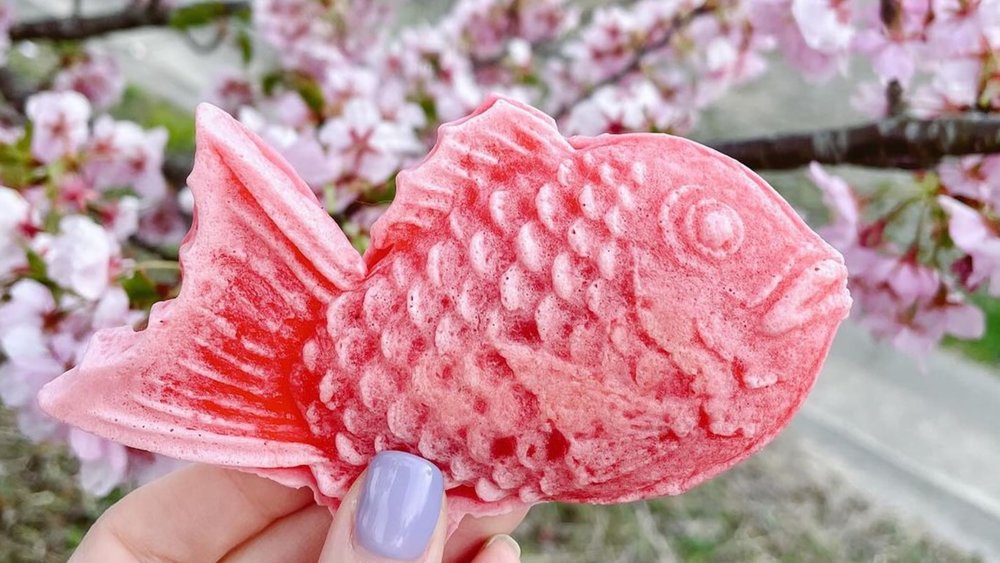
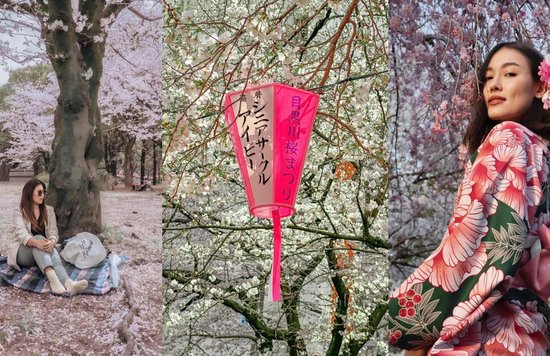
Catch the first blooms of the cherry blossom season in Japan! Credits to @hadleysui on Instagram
Spring in Japan represents new life and new beginnings as the landscape comes alive with different flora after a cold winter.
In Japanese, hana means "flower", and mi means "to look at." The Hanami Festival is a flower-viewing celebration that was originally practiced by Japanese high society to view ume (plum) blossoms.
You can easily have your own hanami with a picnic at any of the top cherry blossom spots in each city for a date amongst the flowers. You can also try a kimono rental service and have a private photoshoot with your loved ones to commemorate the experience!
Klook tip: If the weather is already too warm for a kimono during your visit, you can opt to try out a yukata rental service instead, which uses a thinner fabric and keeps you cooler throughout the day.
Cultural activities that the Japanese do in spring
One of the things Japan is known for is its uniquely themed festivals, from ones about cherry blossoms to onsen or hot springs. Each city has its own spring traditions, but here are some of the most popular throughout the country.
Aoi Matsuri
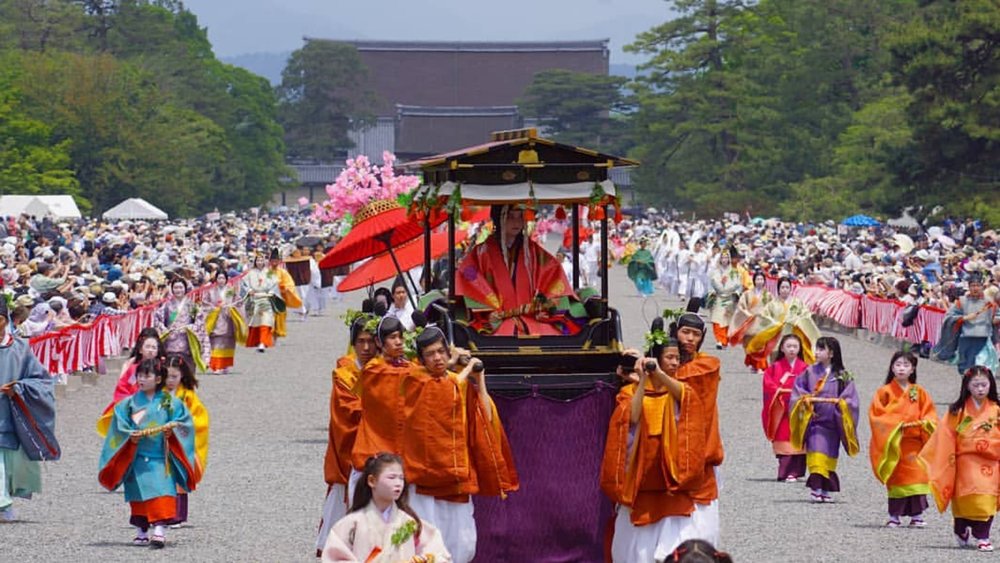
See the traditional costumes and celebrations up close! Credits to @kyotophotograph on Instagram
Japan's spring wouldn't be complete for the locals without the Aoi Matsuri, which is one of the oldest and most celebrated parades in Japan. The festival is held on May 15th every year, and there's a parade that runs from the Imperial Palace to the Kamigamo Shrine and the Shimogamo Shrine in Kyoto.
It's a ritual from the time of Emperor Kinmei, when the country was struck by hard rain, typhoons, and poor harvests for several days. The emperor sent representatives to make offerings to the deities at the two shrines, after which the natural disasters stopped.
The Aoi Matsuri continues until today, as participants dress in costumes inspired by the Heian period and carry offerings to the gods for protection against natural disasters.
Kanda Matsuri
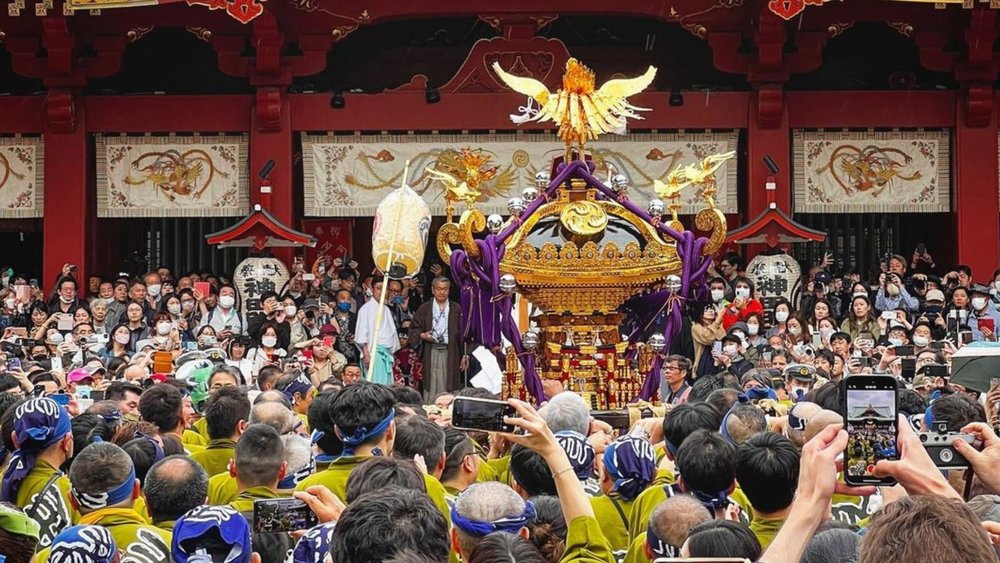
Take note of these cultural festivals when visiting Japan. Credits to @konnicheewah on Instagram
The Kanda Matsuri is one of the most famous festivals in Tokyo, but the festivities are only held every other year in May.
The festival is held over the course of a week at Kanda Myojin, just a 3-minute car ride away from Akihabara Station with different events each day. One of the main events includes over 200 mikoshi, or portable shrines, being paraded through the downtown area of Kanda Shrine as people pray for wealth and good fortune for the new year.
Klook tip: Planning to take the subway in Tokyo? Get unlimited train rides for 24-72 hours with the Tokyo Subway Ticket, so you’ll no longer need to buy tickets every time!
4 things to do in Japan in spring
1. Pick as many strawberries as you can
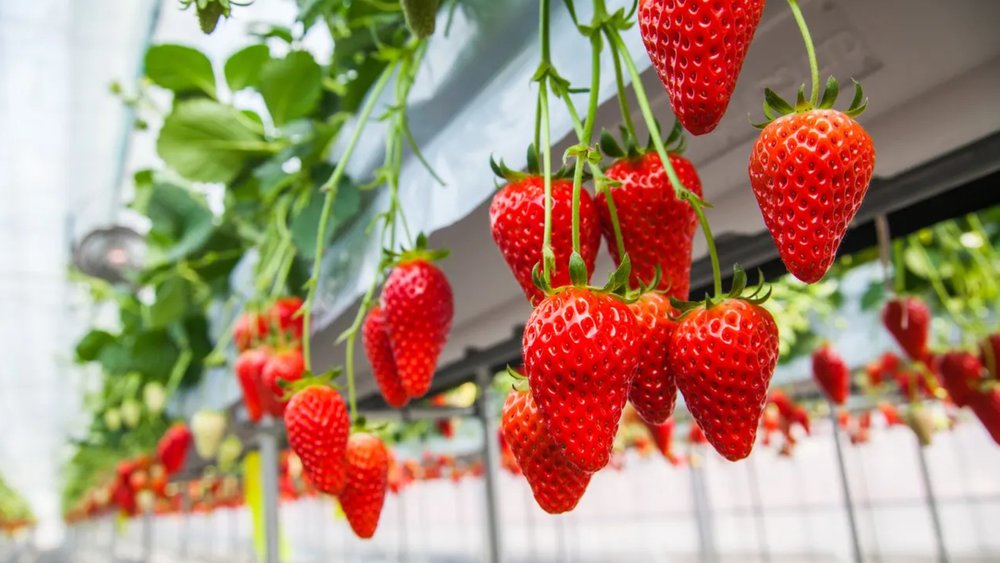
Pink and red strawberries to match the pink and white blossoms! Credits to Klook
When experiencing spring in Japan, you absolutely have to have strawberries. The fruits are the queen of the season, and Gunma Prefecture (easily accessible via the JR Tokyo Wide Pass).
Klook Tip: Gunma Prefecture is famous for its Yayoihime strawberries, which have an addicting balance of sweetness and acidity.
Strawberry picking is easily one of the must-try spring activities in Japan 'cause they'll be at their most ripe. Plus, you can have as many strawberries as you want without breaking the bank.
2. Try different teas and a game of Chakabuki
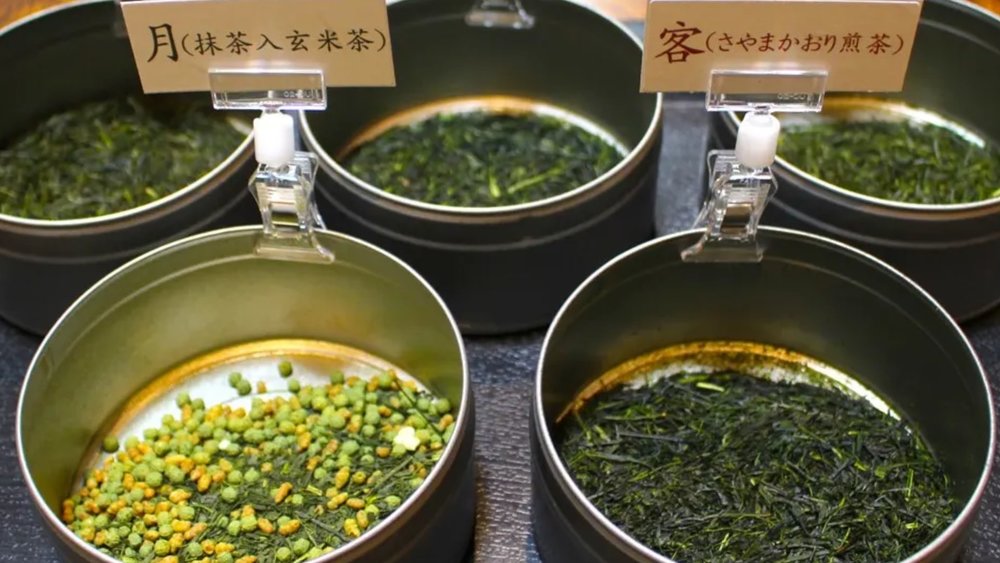
You'll be amazed at the many kinds of tea and their unique characteristics! Credits to Klook
Spring in Japan doesn't only usher in cherry blossoms but also the ichibancha (first tea) season, which begins with the first harvest, usually in early April. Green tea farmers wait to pick the most flavourful and aromatic tea of the year.
They have milder and sweeter tastes than those harvested in later seasons and are rich in vitamins and minerals. They're even said to bring good luck! Plus, ichibancha also yields the highest grades of sencha, matcha, gyokuro and tamaryokucha, so if you've been waiting to try these teas out, do it now.
Get an in-depth look at Japanese tea culture, and the process of growing and making Japanese tea with a visit to a tea farm. This Shizuoka farm is well-known for high-quality green tea or matcha. While you're there, you can also try your hand at a game of Chakabuki. It's a traditional game where participants guess the types of tea only through their fragrance, appearance, and taste.
3. Trek the Tateyama Kurobe Alpine Route
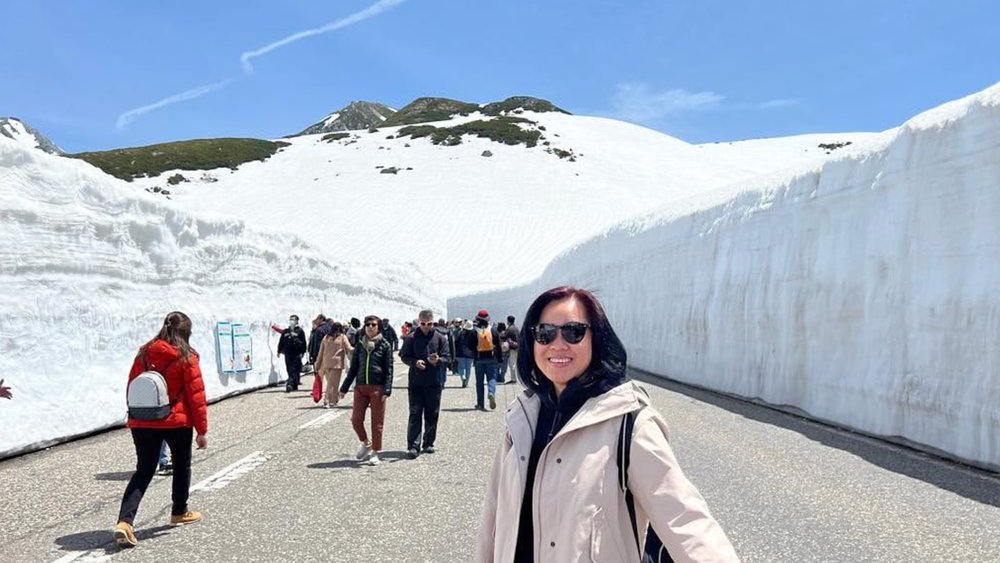
The tall snow walls will make you feel so small. Credits to @martafriendly on Instagram
The winter season may be over, but the Tateyama Kurobe Alpine Route actually opens in spring—in April, to be exact—and it's the best way to experience the snow and cool weather, even for just a little while. Trek through Japan's own Northern Alps with snow walls up to 20m high! The path is literally carved through the snow, and you'll be face-to-face with pure white walls.
Take in the views of the Tateyama Mountain Range, which offers different views throughout the seasons, but in the spring, it's completely covered in snow. You can also brave the Tateyama Ropeway for a bird's-eye view of the entire range that will leave you in awe.
4. Relax in an onsen

This is what hot spring dreams are made of! Credits to @lamsailong on Instagram
Springtime in Japan is a great time to take a dip in an onsen! The weather isn't too chilly like in the winter, and it isn't too warm like in the summer. The Beppu Hatto Onsen Festival takes advantage of the weather and happens every April.
Beppu, also known as the hot springs capital of Japan, has eight different onsen towns in the city, each offering a variety of bath types, such as mud baths, sand baths, steam baths, and more. The festival actually celebrates the heaps of onsens in the city, and they even hold a Beppu Bath Marathon where participants go to 42 onsens within five days, and more than 100 onsens become free for a limited time!
Klook tip: Planning to visit the 7 Hot Spring Hells in Beppu? Enjoy hassle-free access without lining up for tickets at each one with the Beppu Jigoku Onsen Ticket!
4 places to go in Japan in spring
1. Mount Fuji
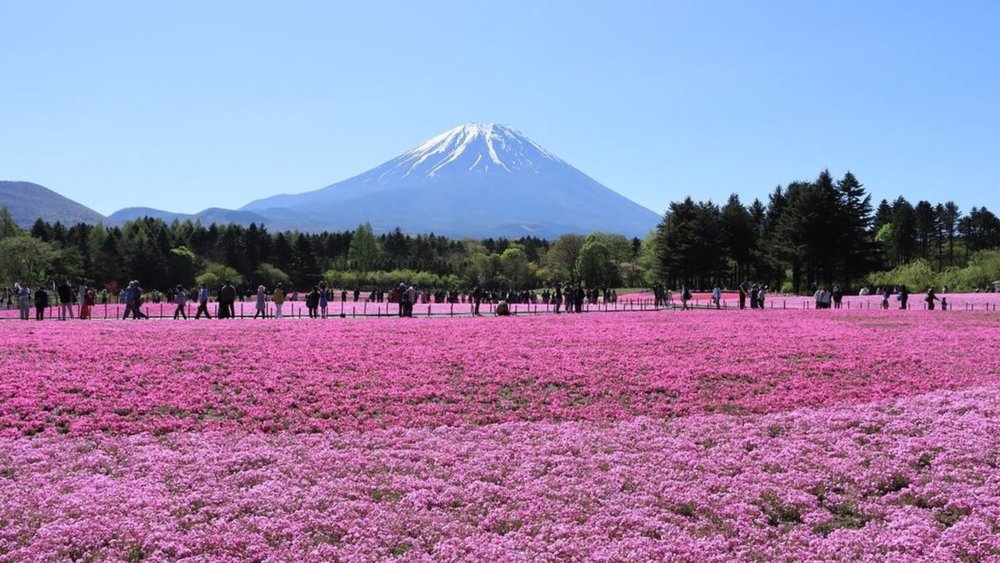
Mid-April will be the best time to see Mount Fuji and its shibazakura. Credits to @honu380anna on Instagram
Mount Fuji is one of Japan's most iconic landmarks, with the tallest peak in the country at 3,776m. It's a must on any trip to Japan as tourists from all around the world visit to see the scenery: the snow-capped mountains and the Fuji Five Lakes, especially!
And while the best time to visit Japan for clear views of Mount Fuji is typically from November to February, April and May offers views that are just as beautiful, with around 500,000 pink moss in bloom for the Shibazakura Festival. And hey, isn’t spending spring in Tokyo a part of everyone’s bucket list?
Klook tip: As traveling between Tokyo and Mount Fuji can be quite difficult, we recommend booking Mount Fuji tours instead. This way, you can minimize planning and maximize the fun! Some recommendations include:
- Mount Fuji Popular Scenic Spots Day Tour: Access to Ladder Town, Oshino Hakkai, Lake Kawaguchi, Lawson Convenience Store
- Mount Fuji Hot Spots One-Day Tour: Choice of locations including Oishi Park, Hakone Shrine, and more, depending on what suits your needs.
Mount Fuji 5th St. & Ropeway & Fruit Picking Oshino Hakkai from Tokyo: Access to Kachi-Kachi Ropeway and fruit picking at Yamanashi Orchard.
2. Golden Route Cherry Blossom Viewing Spots
Although you'll spot cherry trees just strolling around Japan, parks, and gardens are undoubtedly the best cherry blossom spots, especially if you're planning to enjoy hanami. Make the most of the sakura season in these areas:
Kyoto
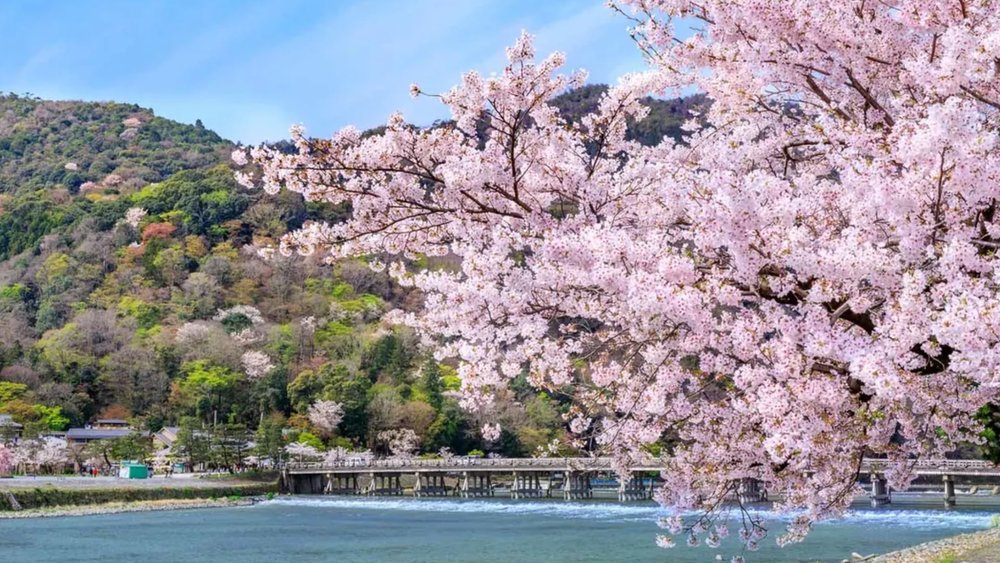
Your camera rolls will be full of cherry blossom pics by the end of this tour! Credits to Klook
Spend an entire day of sightseeing on this cherry blossom tour through Kyoto's best viewing areas. Yodogawa Kasen Park lets you experience a 1.4km pink tunnel of 250 cherry blossom trees coupled with a warm cup of tencha (a local speciality) from a nearby cafe.
If you want more sakura, you can explore Arashiyama on a rickshaw or with a guided tour that takes you to Togetsukyo Bridge, where you can watch the cherry blossoms fall against the waters of the Katsura River, just past the famous bamboo grove forest.
Lastly, aside from being a sacred temple and a world heritage site, Daigoji Temple is also known for having many cherry trees (about 700!) and beautiful blooms throughout its grounds.
Tokyo
![Feel like you're in your own drama at the Meguro River. Credits to @jpdeoliveira on Instagram]](https://res.klook.com/image/upload/fl_lossy.progressive,q_85/c_fill,w_1000/v1709609406/df2bc8lh2zzqxta3yai9.jpg)
Feel like you're in your own drama at the Meguro River. Credits to @jpdeoliveira on Instagram]
If you want the best of the best spots for seeing the cherry blossoms in Japan, then make sure to visit Meguro River. 800 pink and white cherry trees run on either side of the river, making it look straight out of an anime in the day. Then, it transforms into a magical wonderland at night with all the lanterns!
Klook tip: See the best of Tokyo’s cherry blossom spots with this guided tour that takes you to Sumida River Cruise, Asakusa, and Ueno Park OR Chidorigafuchi, Meguro River, and Sakurazaka
Osaka
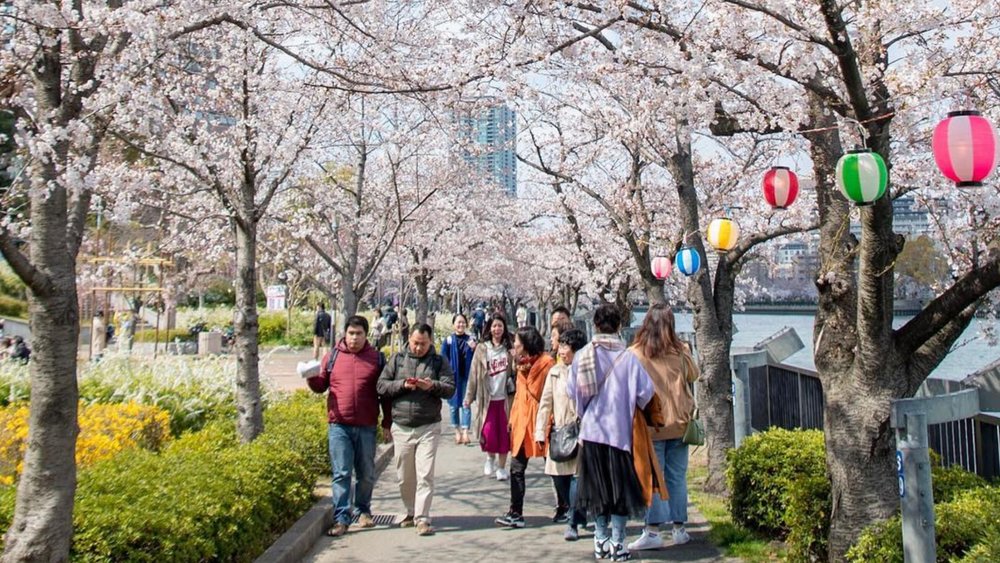
Every day is a great day out in the spring. Credits to @parka248 on Instagram
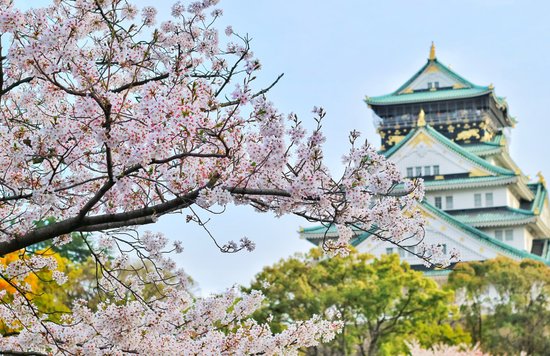
Osaka Castle is the symbol of the city, as it used to be the largest castle in Japan. It also happens to be one of the best sakura spots! The five-story castle offers unparalleled views of the city, along with over 4,000 cherry trees.
Another recommended cherry blossom viewing spot in Osaka is Kema Sakuronamiya Park has even more trees, almost 5,000 of which span the Okawa River, leaving plenty of space for picnics and hanami parties.
3. Hokkaido
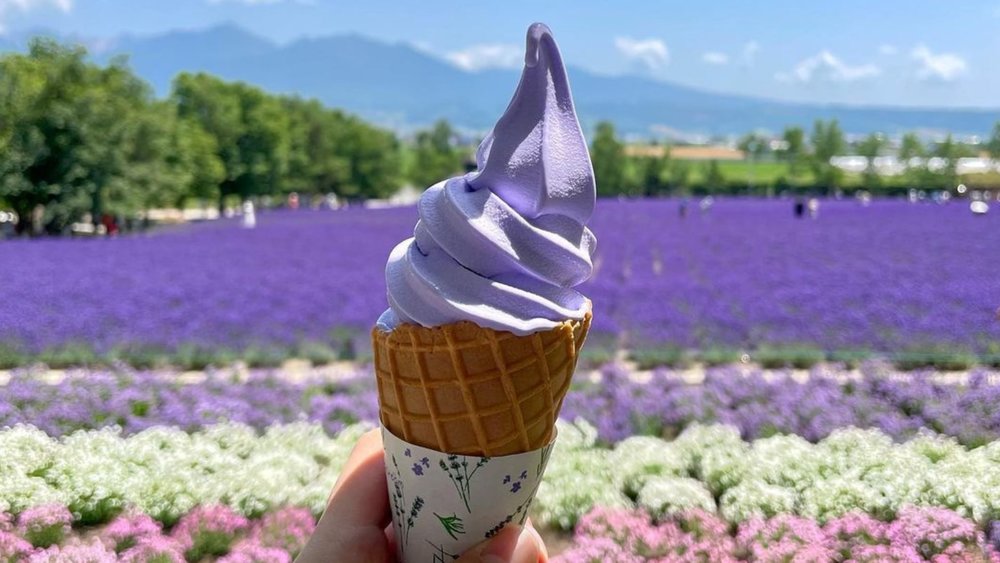
Farm Tomita will be every flower lover's dream! Credits to @borissal_photoya on Instagram
Since it's at the northernmost tip of Japan, Hokkaido is the last area to welcome the spring season. The rest of Japan might start to feel the summer heat in May, but Hokkaido stays cool even around this time. So, if you missed the winter slopes, you can still head to Hokkaido to ski up until May!
You can also catch Hokkaido's cherry blossoms since they don't start flowering until towards the end of spring. Make your way to Farm Tomita as well for their Spring Field of tulips, chives, poppies, and perennials.
Klook tip: For ease of access, it’s best to get a JR Hokkaido Rail Pass to reach Farm Tomita, especially if you’re planning to travel to other parts of Hokkaido. We also recommend a Farm Tomita tour from Sapporo if you’d rather have a set itinerary instead of planning everything yourself.
4. Yoshino
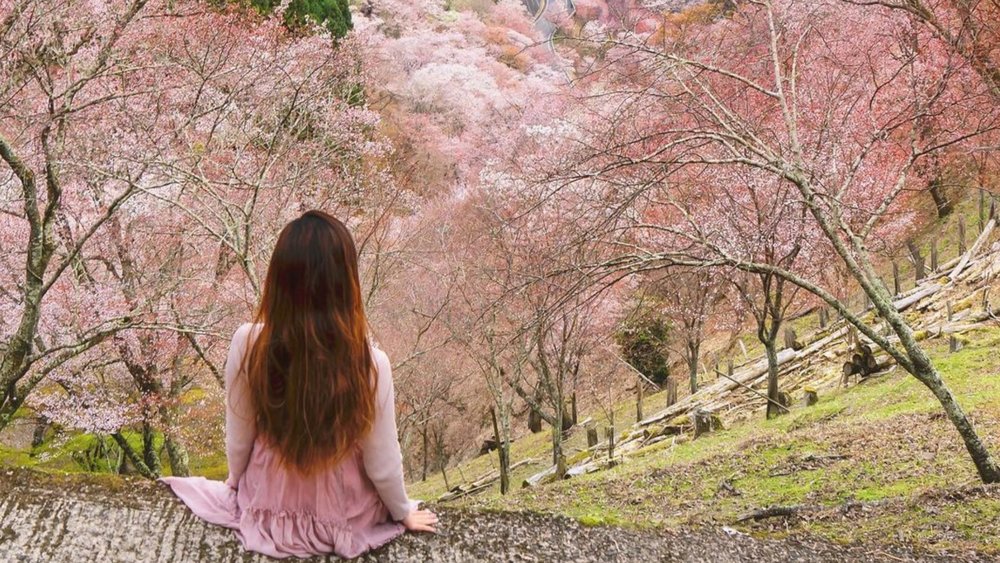
The hills are alive with the blooming cherry trees! Credits to @kyoko1903 on Instagram
Cherry blossom fans will tell you that the mountain village of Yoshino should be at the top of your itinerary on your spring trip to Japan. The village and the hills of Mount Yoshino are patterned in shades of pink, with 30,000 cherry trees everywhere you turn!
Start at Tsubosakadera Temple, home of the Cherry Blossom Buddha, before you make your way up Mount Yoshino. You won't even have to hike to the peak to appreciate the view since the Yoshimizu-jinja Shrine is already one of the best locations to see cherry blossoms.
You won't even have to hike to the peak to appreciate the view since the Yoshimizu-jinja Shrine is already one of the best locations to see cherry blossoms.
3 unique spring activities
1. Pass through the Wisteria Tunnel
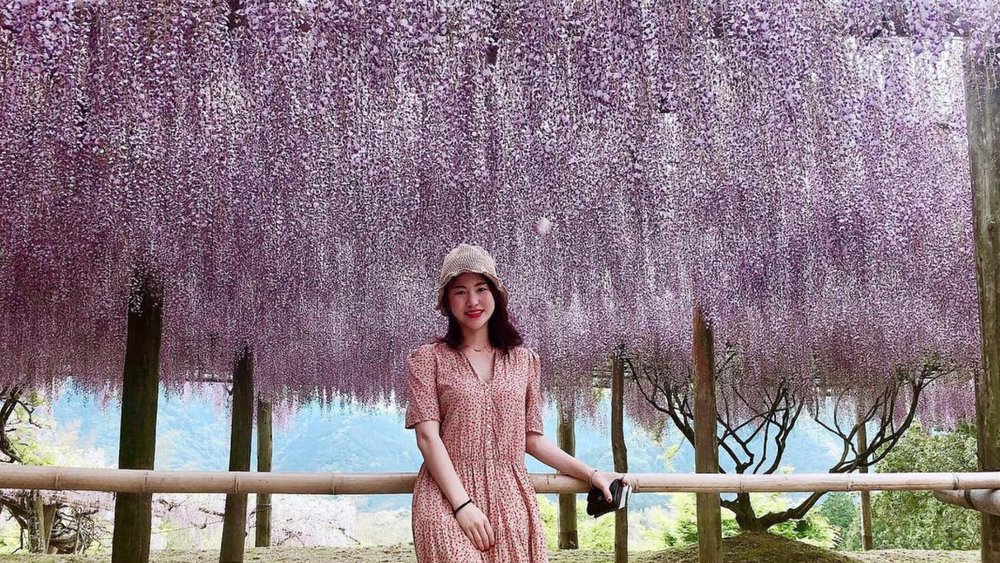
Be transported to a purple wonderland of wisteria! Credits to @jelly__been__ on Instagram
Head to Kawachi Fuji Garden to see some of the most spectacular floral displays in the world, specifically of wisteria. The garden features a special collection of wisteria trees that form a roof of drooping flowers, a hillside viewpoint overlooking the seas of wisteria, and two long tunnels of colorful wisteria trees. The garden is only open twice a year, during spring and autumn, so don't miss out on this opportunity.
2. Watch the Miyako Odori
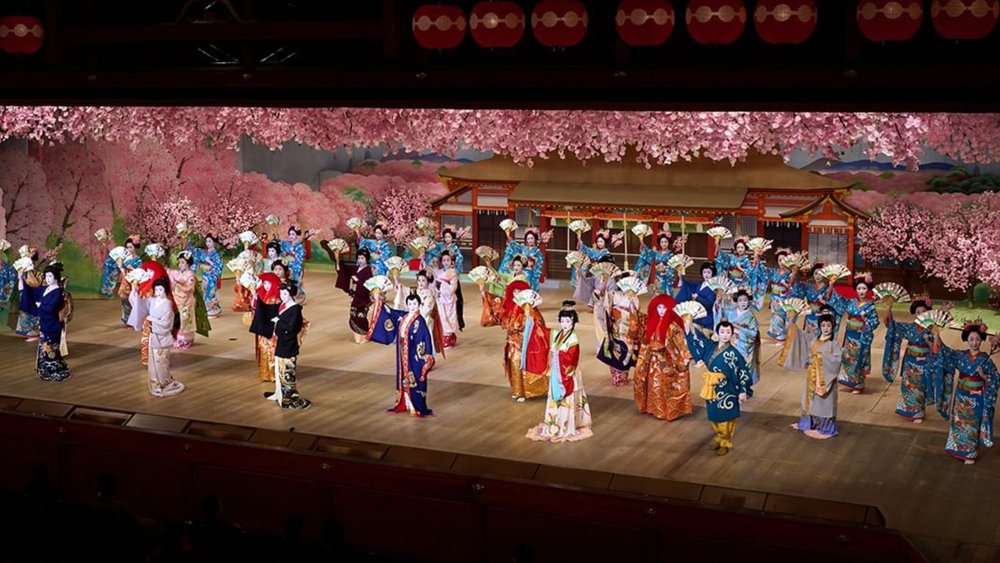
Catch a performance by the amazing geisha and maiko. Credits to @miyako_odori on Instagram
The Miyako Odori, also known as "The Dance of the Capital," is a unique spring tradition in Kyoto meant to lift local spirits after Tokyo was first recognized as the capital. The performance has been going on for 143 seasons now, and it only takes place in April. The Miyako Odori features maiko (apprentice geishas) and geisha performing songs, dances, and theatrical performances inspired by Japanese culture, folklore, and the cherry blossom season.
3. Make a wish on a Daruma Doll
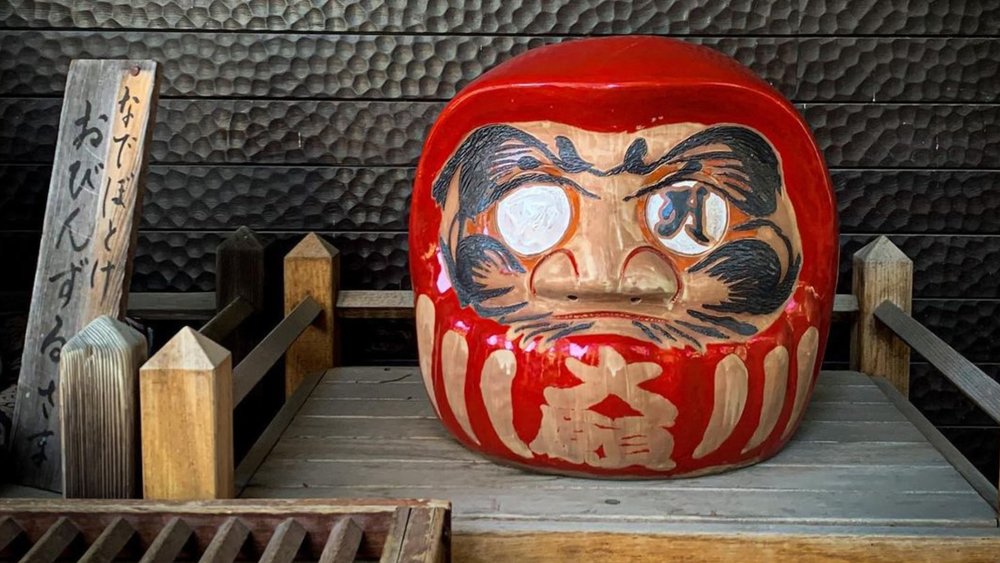
It's great motivation to work towards your wishes. Credits to @tencha.ldn on Instagram
Experience the Jindaiji Temple Daruma Doll Fair right at the beginning of Japan's spring season, a tradition that began in Tokyo during the Edo period. Daruma Dolls are traditional Japanese dolls used as talismans for good luck or gifts of encouragement. Their colour and design can differ depending on the artist, but they are usually red and inspired by the Indian monk, Bodhidharma.
The cherry blossom season is the most awaited season in Japan, and there are heaps of events happening throughout the country—from festivals to tea tastings—to give you a blooming spring experience like no other. Just make sure to check the cherry blossom forecast ahead of your trip to guarantee you see cherry blossoms in Japan, and book your tickets early before they sell out!
FAQs
What is spring weather like in Japan? How does it vary by region?
Spring in Japan is generally very mild, with plenty of sunshine and minimal amounts of rain. However, it’s important to note that the weather varies depending on the exact location:
- Northern Japan (Hokkaido): Generally cooler temperatures ranging from 0°C to 17°C, with snow still possible, especially in the mountains.
- Central Japan (Kansai, Tokyo): Expect temperatures between 15°C and 25°C, which leans cooler in March but quickly warms up in May.
- Southern Japan (Kyushu, Okinawa): Warmer temps starting from 20C, with an earlier rainy season.
What are the major festivals or events in Japan during spring?
Some major festivals in Japan during the springtime include:
- Flower viewing festivals like cherry blossoms, plum blossoms, and wisteria
- Fruit picking, particularly strawberries and cherries
- Aoi Matsuri, Kanda Matsuri, and Miyako Odori
- Harvesting tea leaves and performing tea ceremonies
Each region in Japan has its own traditions, and even shared ones may occur at different times. For example, cherry blossoms in Hokkaido generally peak later than the ones in central Japan due to the cooler weather.
Is spring in Japan crowded, and what are the best ways to avoid the crowds?
Yes, spring in Japan is crowded, especially during the peak of the cherry blossom season (late March - mid April) or during Golden Week (late April - early May).
To avoid crowds, it’s best to visit popular attractions early on weekdays, as people generally arrive after 10:00am. You can also consider visiting areas outside of the Golden Route, such as Hokkaido, Kyushu, or Shikoku, which offer similar spring activities but with smaller crowds.
What should you pack for spring travel in Japan?
Japan’s spring season is generally very mild, but expect temperature fluctuations throughout the day. We recommend bringing quick-drying clothes that are easy to layer, such as:
- Breathable shirts, long or short sleeve
- Comfortable sweaters or cardigans
- A waterproof jacket
- A lightweight scarf
Some other essentials include:
- Comfortable walking shoes and socks
- Sunglasses and sunscreen
- Insect repellant
- A compact umbrella
If you plan on visiting destinations still buried under snow (think Hokkaido and Northern Japan), then winter essentials such as thermals, snow boots, and thicker coats will be required.

Which places in Japan are especially good to visit in spring aside from the cherry blossom hotspots?
Some other popular springtime destinations in Japan include:
- Shizuoka and Kyoto: for tea farms, tea tasting, and tea ceremonies.
- Tochigi: for viewing the wisteria at Ashikaga Flower Park.
- Northern Tokyo: for strawberry picking.
- Hokkaido: to catch late snowfall, especially in mountain ranges.
- Shikoku: to experience outdoor activities like the Shikoku Pilgrimage or the Shimanami Kaido biking trail.
- Beppu: for the Beppu Hatto Onsen Festival.
What is Klook?
Klook is a leading pan-regional experiences platform in Asia Pacific, purpose built to digitalize experiences and make them accessible to every traveler.
Our mission is to build the digital infrastructure for the global experience economy — empowering merchants to share their passions and travelers to discover the heartbeat of each destination. We operate a mobile-first, curated platform featuring diverse experiences across global destinations.
✨ Follow us for more deals and inspiration for your upcoming travels