
Kyoto is most vibrant during spring, between the months of March and May, after the snow has melted and trees start growing leaves. Of course, this is also when delicate cherry blossom trees and bright-coloured flowers in Japanese gardens contrast against the beautiful scenery.
Combine that with the perfect weather, and it's definitely something you'd want to experience for yourself. You can do something relaxing, like strolling around the gardens or booking a Zen meditation at a temple. Surely, there’s so much to do in every Kyoto garden.
If you're jet-setting to Japan soon and are planning to explore a beautiful garden, then you've come to the right place. We've made a guide to the best Kyoto gardens for you.
Where are the 3 Great Gardens of Japan?
Kenroku-en Garden in Kanazawa City, Ishikawa Prefecture
![Don't miss the chance to take a lovely stroll along the beautiful Kenroku-en garden!] [Image credits @sharp3 on Unsplash](https://res.klook.com/image/upload/fl_lossy.progressive,q_85/c_fill,w_1000/v1709682853/mh67z9sgf1dqbjyliduq.jpg)
Don't miss the chance to take a lovely stroll along the beautiful Kenroku-en garden!] [Image credits @sharp3 on Unsplash
You can find one of the best Japanese gardens in Kanazawa City, the Kenroku-en landscape garden. It used to be the outer garden of Kanazawa Castle.
Literally translating to "garden of the six sublimities," Kenroku-en signifies spaciousness, seclusion, artificiality, antiquity, abundant water, and broad views. A stroll around the garden is guaranteed to give you a better understanding of this, seeing as it has heaps of water features, bridges, tea houses, stones, hidden nooks, and, of course, foliage.
Spring is a particularly lovely time to go here because plum blossoms cover the southern end while cherry blossoms flower along the streams on the northeastern side. If you want to explore more of Kanazawa City, you can book a Cultural Zone Pass and visit different sites in two days.
Location: Kenrokumachi, Kanazawa City, Ishikawa Prefecture
Total admission cost: 320 YEN (2.05 USD)
How to get there: From Kanazawa Station, take the Kanazawa Loop Bus and get off at the Kenrokuen stop.
Kairaku-en Garden in Mito City, Ibaraki Prefecture
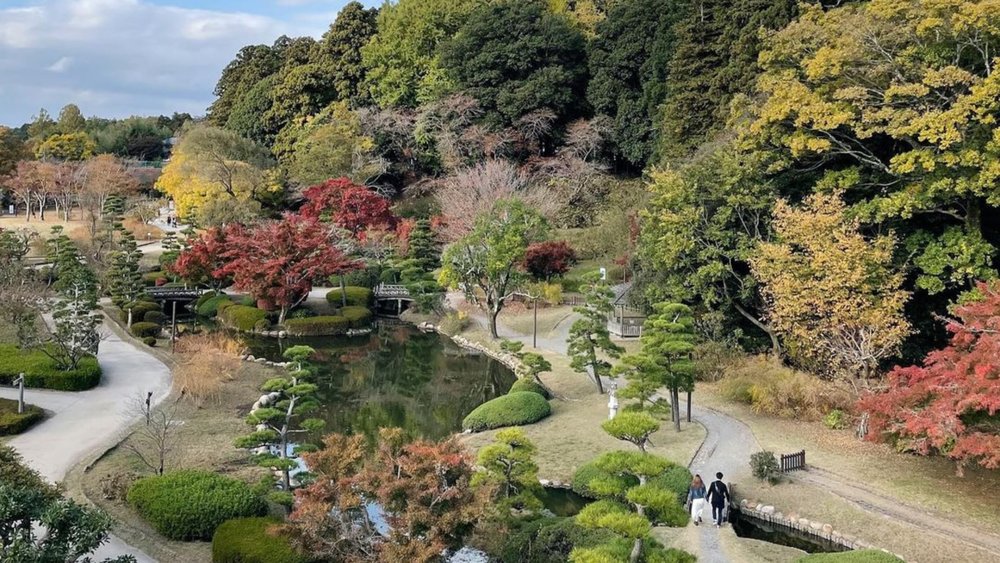
Enjoy the breathtaking views and rich history of Kairaku-en Garden!
Kairaku-en Garden is what some people consider the best garden in Japan. It was built by the local lord Tokugawa Nariaki in 1841, who also opened it to the public. That explains why the name literally means "park to be enjoyed together"!
It's best to visit this Japanese garden during the Mito Plum Festival (Mito Ume Matsuri), from mid-February to late March. It's during this period that the garden is decorated by a gorgeous variety of white, pink, and red plum blossoms.
Apart from the plum trees, Kairaku-en also houses a bamboo grove, cedar woods, and a Kobuntei, a traditional Japanese-style resting house.
Location: Tokiwacho, Mito City, Ibaraki Prefecture
Total admission cost: 320 YEN (2.05 USD)
How to get there: From Mito Station, take the Kanto Tetsudo Bus and get off at the Kairakuen Bus Stop.
Koraku-en Garden in Okayama City, Okayama Prefecture
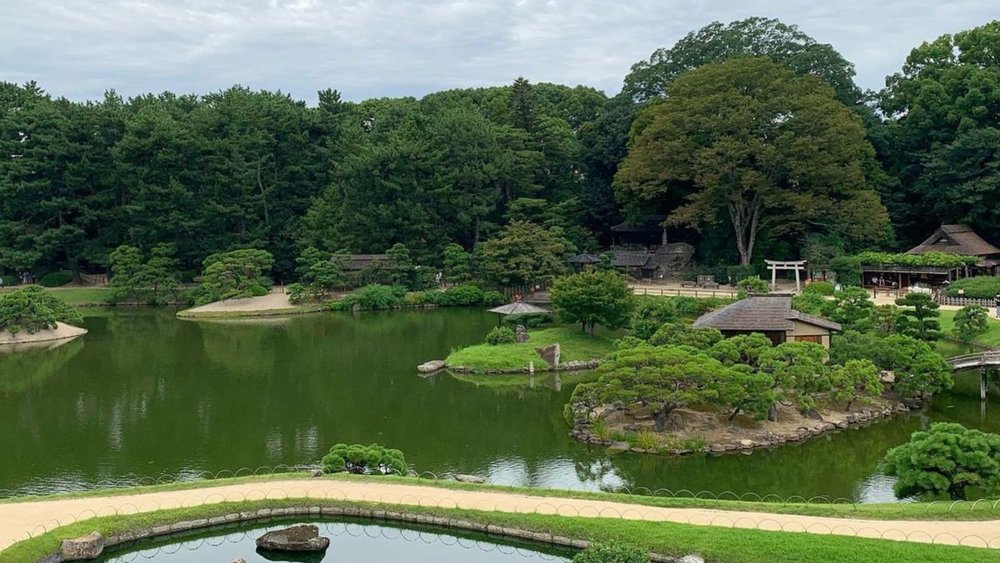
Recharge your spirit while strolling around Korakuen-Garden! Image credits @inti_djamant on Instagram
Koraku-en Garden is Okayama City's main attraction and is located right beside Okayama Castle. It has the typical sights you can find in any Japanese garden—a large pond, streams, walking paths, and a hill that serves as a lookout point. One of its unique features, though, is the spacious lawn that surrounds the pond like a soft green blanket.
Completing Koraku-en's striking landscape are groves of cherry, plum, and maple trees, rice and tea fields, a crane aviary, and even an archery range. No wonder it's regarded as another one of the best gardens in Japan!
Location: Okayama City, Okayama Prefecture
Total admission cost: 500 YEN (3.21 USD)
How to get there: From Okayama Station, take the Okaden Bus #18 bound for Fujiwara Danchi and get off at the Korakuen-mae stop.
Each of these Japanese gardens is unique, with their respective design being culturally regarded as an art form. They are among the finest surviving examples of man-made wonders!
Hungry for more garden destinations? Well, this article is a garden lover's paradise because we've curated a list of 7 Kyoto gardens worth adding to your Kyoto itinerary.
These Kyoto Gardens Are Unique Man-Made Wonders
1. Karesansui Garden at Ryoan-ji Temple, Ukyo Ward
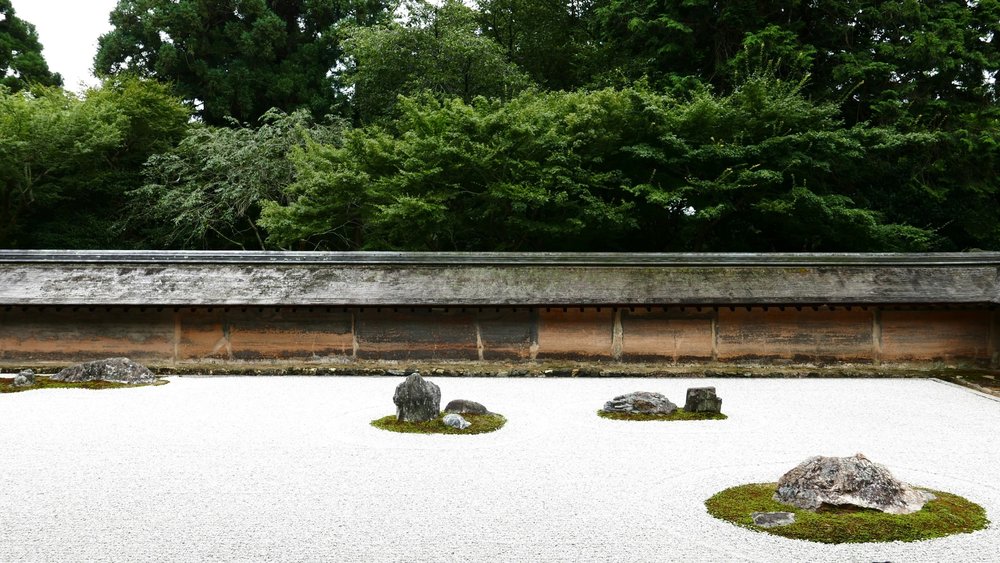
Don't miss the chance to take a lovely stroll along the beautiful Ryoan-ji Temple! Image credits @cazat69 on Unsplash
Ryoan-ji Temple is home to one of the most famous rock gardens in the world—Karesansui. Despite its simplicity, Karesansui remains a popular tourist spot because of the mystery that surrounds its designer and the reason for its creation.
The Ryoan-ji stone garden displays 15 mystical rocks that appear as if they're floating in a sea of pure white sand. Interestingly, it's designed in such a way that no matter what angle the garden is looked at, you can only see 14 rocks.
Location: Ryōanji Goryōnoshitachō, Ukyo Ward, Northwest Kyoto
Total admission cost: 600 YEN (3.85 USD)
How to get there: From Kyoto Station, take Kyoto City Bus #50 to Ritsumeikan Daigaku-Mae. The temple is approximately a 7-minute walk from the bus stop.
2. Hojo Garden at Nanzen-ji Temple, Sakyo Ward
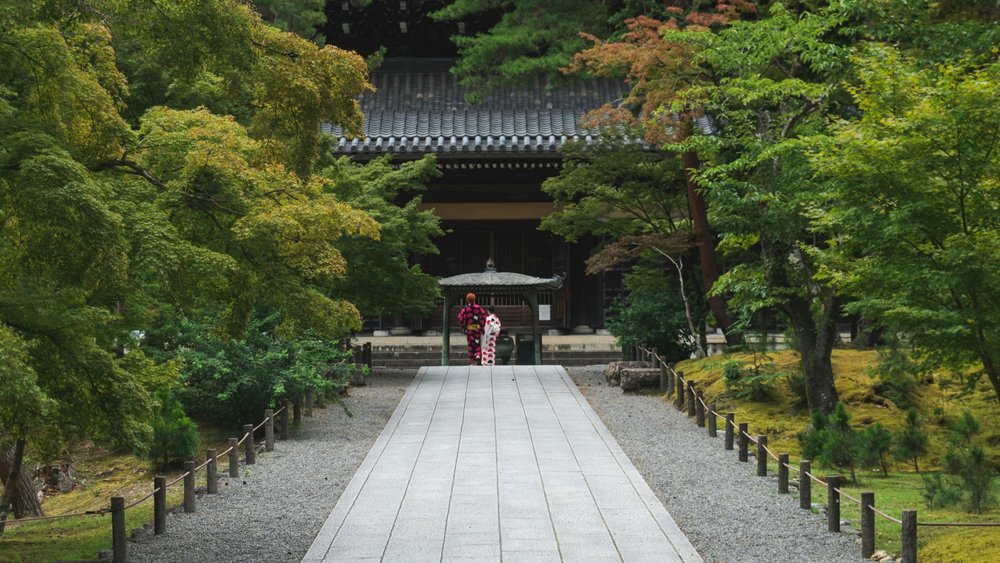
Enjoy the breathtaking views and rich history of the Nanzen-ji Temple! Image credits @remi_b on Unsplash
Nanzen-ji Temple is the head temple of one of the schools within the Rinzai sector of Japanese Zen Buddhism, and inside it, you'll find another one of the top Kyoto botanical gardens—Hojo Garden. There are multiple sub-temples and gardens within the temple grounds, but Hojo Garden takes the cake.
It's defo worth a visit, especially if you're interested in seeing rock arrangements that are said to resemble the image of tigers and cubs crossing through water.
Location: Nanzenji Fukuchicho, Sakyo Ward, Eastern Kyoto
Total Admission cost: 600 YEN (3.85 USD)
How to get there: Take the subway from Kyoto Station to Keage Station. It's about a 5-minute walk to the temple.
3. Sōgen-chi Garden at Tenryu-ji Temple, Ukyō Ward
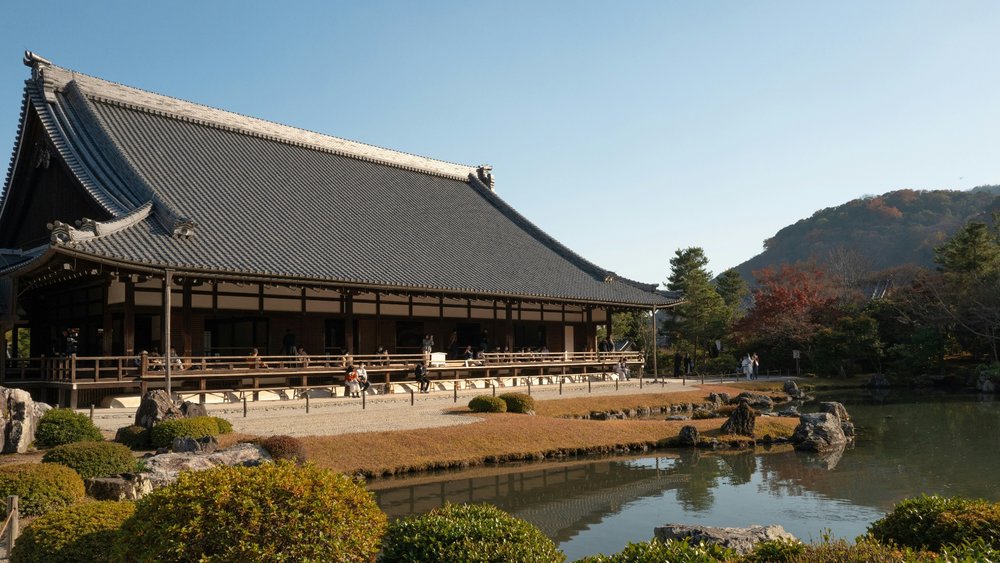
Recharge your spirit while strolling around Tenryu-ji Temple! Image credits @hiewyick on Unsplash
The highlight of any visit to Tenryu-ji Temple is the Sōgen-chi Garden, a masterpiece that's skillfully designed to be framed by the mountains that surround it—they call this borrowed scenery. This Kyoto garden landscape features a beautiful pond in the centre of trees with striking colours.
Safe to say, it's one of the top attractions in Kyoto, and it surely deserves the designation "Special Place of Scenic Beauty in Japan"!
Location: Susukinobaba-chō, Ukyō Ward, Western Kyoto
Admission cost for the garden: 500 YEN (3.21 USD)
Admission cost for the garden and temple buildings: 800 YEN (5.14 USD)
How to get there: From Kyoto Station, take the JR San-in line from track 32 or 33. Get off at JR Saga-Arashiyana and walk for about 7 minutes to the temple.
4. Shin-en Gardens at Heian Shrine, Sakyo Ward
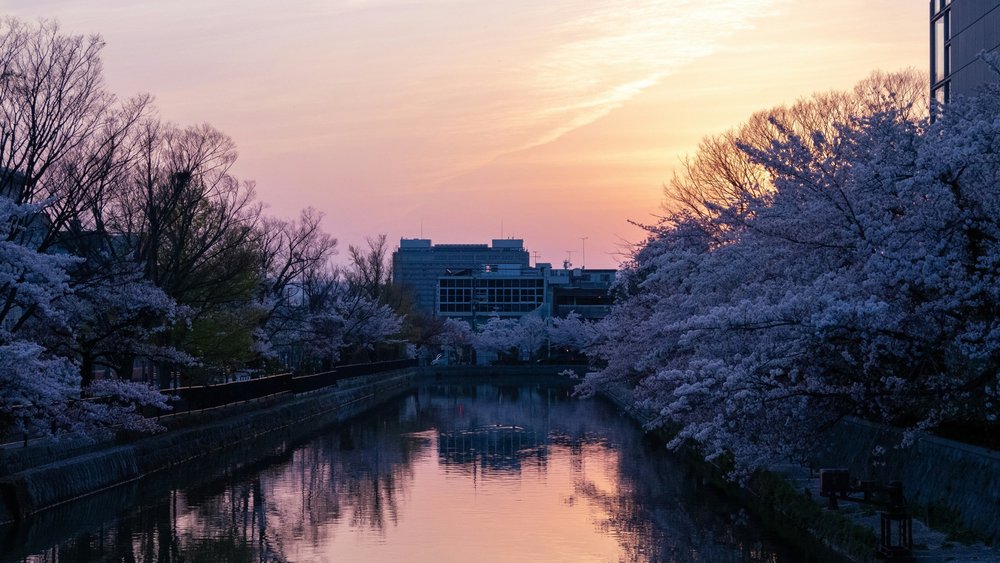
Take a relaxing walk among the cherry blossoms at Heian Shrine! Image credits @shellingfordyu on Unsplash
Built for the 1,100th anniversary of Kyoto, the Heian Jingu Shrine has a must-see stroll garden that's especially beautiful during cherry blossom season. With a large pond, a Chinese-style bridge decorated by weeping cherry blossoms, other plant varieties, and the temple's main buildings, walking through this garden feels like exploring paradise.
If you want to go all out, you can even rent out traditional Japanese garments and have memorable kimono experiences in Japan.
Location: Okazaki Nishitennōchō, Sakyo Ward, Eastern Kyoto
Total Admission cost: 600 JPY (3.85 USD)
How to get there: From Kyoto Station, take the Kyoto City Bus #5 or Raku Bus #100. Get off at Okazaki Park Art Museum (Heian Jingu station), then walk northbound for about 5 minutes to the shrine.
5. Katsura Rikyu Garden at Katsura Rikyu, Nishikyo Ward
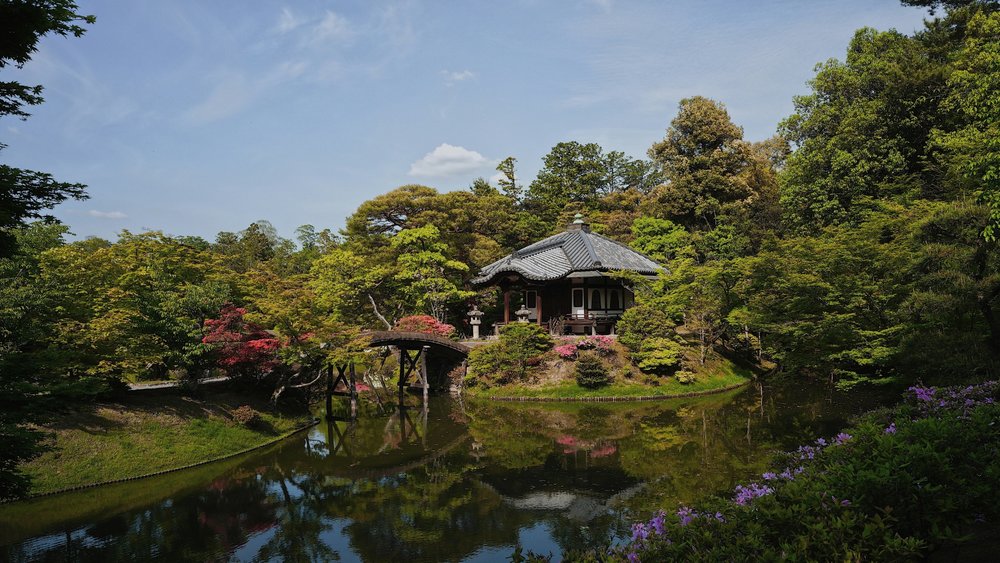
Experience zen like no other while touring the Katsura Imperial Villa! Image credits @kaitokinjo on Unsplash
A holy grail of Japanese architecture and garden design, the Katsura Imperial Villa gives a glimpse of what it would've been like to live like the imperial family during the Edo period. The centrepiece is the beautiful Shoin garden (a garden accompanying a Shoin or "study"), where a peaceful pond and towering maple trees rest.
This strolling garden is perfect if you want to avoid crowds because you can only visit via a pre-booked tour through the Imperial Household Agency office in Kyoto Imperial Park. The availability of slots booked on the same day is limited, so it's best to schedule your visit months in advance.
Location: Katsuramisono, Nishikyo Ward, Western Kyoto
Total admission cost: 1,000 YEN (6.42 USD)
How to get there: From Kyoto Station, take the Hankyu Line to Katsura Station. It's about a 15-minute walk to the Villa.
6. Kinkaku-ji Temple Gardens, Kita Ward
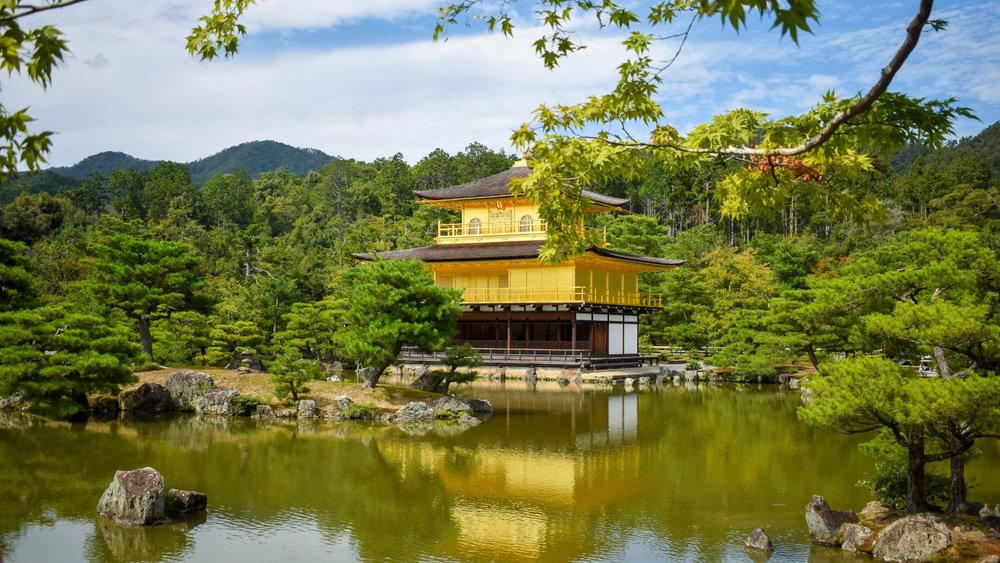
Get dazzled by the *literal* glittering charm of the Kinkaku-ji Temple! Image credits @elenoosh on Unsplash
Kinkaku-ji Temple, one of the most famous Kyoto gardens, attracts tourists with the bling of the Zen temple. The golden pavilion is completely covered with gold leaf on the top two floors! But before rushing to the pavilion, make sure to take in the natural beauty of the garden—moss-covered stones, fir trees, and a lake reflecting the view of its shiny protagonist.
Location: Kinkakujichō, Kita Ward, Northwestern Kyoto
Total admission cost: 500 YEN (3.21 USD)
How to get there: From Kyoto Station, take the Karasuma Line to Kitaoji Station, then walk two minutes to the bus terminal, where a number of Kyoto City Buses (#101, 102, 204, or 205) will take you to the Kinkakuji-Michi bus stop.
7. Ginkaku-ji Temple Gardens, Sakyo Ward
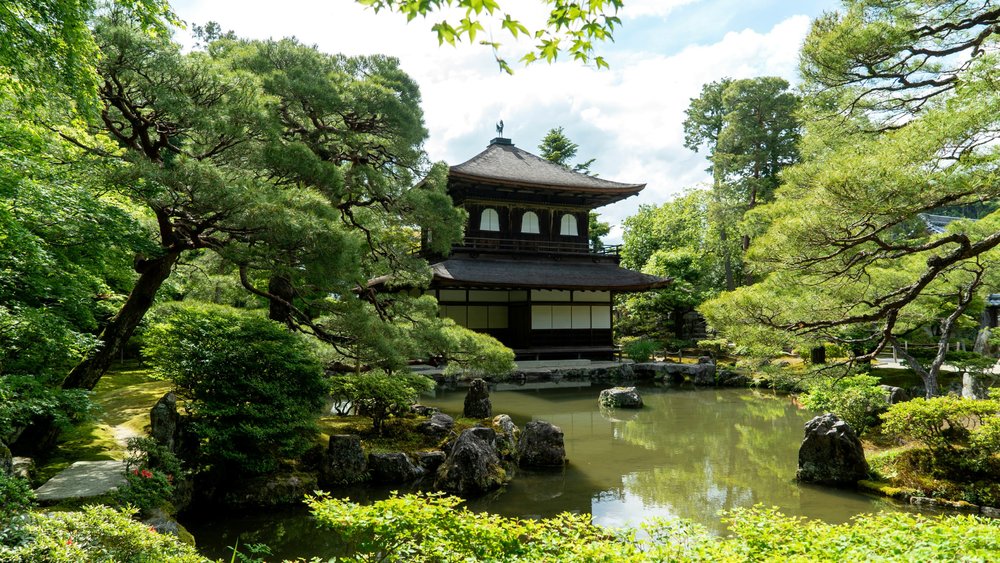
Ginkaku-ji Temple is the definition of paradise on earth! Image credits @davidemrich on Unsplash
Modelled after Kinkaku-ji's golden pavilion, Ginkaku-ji's Temple is aptly dubbed as the "silver pavillion.". The name comes from the silvery appearance the building gets when moonlight reflects on its exterior, which used to be covered in black lacquer.
The Shogun Stroll Garden (Shoguns were military leaders appointed by emperors) inside Ginkaku-ji is one of the best traditional gardens in Kyoto, reportedly designed by the great painter and landscape artist Sōami. The landscape showcases various styles, including a dry sand garden, a beautiful moss garden, ponds, little streams, and diverse plants.
Location: Ginkakujichō, Sakyo Ward, Eastern Kyoto
Total admission cost: 500 YEN (3.21 USD)
How to get there: From Kyoto Station, take the Karasuma Line to either Imadegawa Station or Marutamachi Station. After this, ride the Kyoto City Bus to Ginkakuji-mich, then walk for about 7 mins to reach the temple.
Whether it's the mystery surrounding the designer, the rich history that precedes the temples, or just the calming effect of well-maintained natural sights—there's something about these Japanese gardens that people can't help but adore! Whether it's to learn more about Japanese culture, calm your mind, or simply enjoy the scenery, these gardens are definitely worth the visit.
8. Kyoto Botanical Gardens, Sakyo Ward
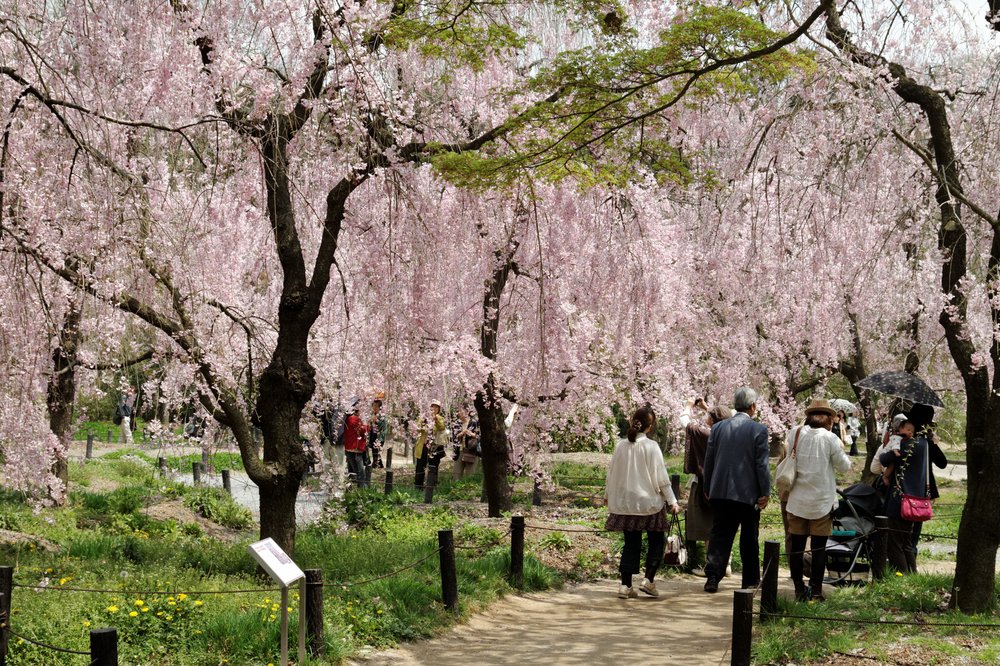
Cherry blossoms at the Kyoto Botanical Gardens | Photo Credit: Wikimedia Commons
Kyoto Botanical Gardens is the oldest public botanical garden in Japan and a favorite spot for visitors who want a relaxed break from temple hopping. Opened in 1924, the gardens showcase over 12,000 plant species arranged across spacious walking paths, open lawns, and themed sections that change beautifully with the seasons.
Location: Shimogamo Hangicho, Sakyo Ward, Northern Kyoto
Total admission cost: 500 YEN (3.21 USD)
How to get there: From Kyoto Station, take the Karasuma Line to Kitaoji Station, then walk about 10 minutes to the main entrance
One of the highlights is the large conservatory, where tropical plants, orchids, and rare species thrive year-round. Spring brings cherry blossoms and tulips, summer fills the grounds with lush greenery, autumn adds warm tones from maple trees, and winter offers quiet paths with seasonal blooms. Explore the beautiful views of Kyoto with a day tour that’s customizable to what you’re looking to visit.
FAQs about Kyoto gardens
1. What are the most beautiful gardens to visit in Kyoto?
Kyoto is known for its temple gardens, stroll gardens, and rock gardens that reflect different styles and seasons. Popular choices include garden areas at Ginkaku-ji Temple, Ryoan-ji Temple, and Heian Shrine, each offering a distinct look and atmosphere.
2. Do Kyoto gardens charge an entrance fee?
Many Kyoto gardens charge a small entrance fee, usually between 300 and 600 yen, especially those inside temple or shrine grounds. Public gardens and temple courtyards may be free, but special garden areas often require a ticket.
3. Which Kyoto gardens are best for photography?
Gardens with ponds, bridges, and seasonal plants are great for photos, especially during cherry blossom and autumn leaf seasons. Heian Shrine Garden, Ginkaku-ji Temple gardens, and the Ryoan-ji stone garden are popular spots for both wide shots and close-up details.
4. Are Kyoto gardens open year-round?
Most Kyoto gardens are open throughout the year, with only short closures during severe weather or special maintenance days. Visiting in different seasons offers new scenery, from spring blossoms to autumn colors and quiet winter views
5. Which Kyoto garden is least crowded?
Gardens that require reservations or are slightly farther from major tourist areas tend to be quieter. Places like Katsura Imperial Villa or smaller temple gardens outside central districts usually offer a more relaxed experience.
What is Klook?
Klook is a leading pan-regional experiences platform in Asia Pacific, purpose built to digitalize experiences and make them accessible to every traveler.
Our mission is to build the digital infrastructure for the global experience economy — empowering merchants to share their passions and travelers to discover the heartbeat of each destination. We operate a mobile-first, curated platform featuring diverse experiences across global destinations.
✨ Follow us for more deals and inspiration for your upcoming travels