

Planning a trip to Japan? The good news is that getting there as an American is pretty straightforward. US citizens can visit Japan visa-free for up to 90 days for tourism or short-term business: no visa application, no approval wait, and no fees.
That said, there are still a few things you'll want to sort out before you board your flight. From passport requirements to customs declarations and a heads-up on restricted medications, this guide covers the Japan entry requirements US citizens need to know for 2026.
Do US citizens need a visa for Japan?
US citizens do not need a tourist visa to enter Japan. The US is one of over 70 countries included in Japan's visa exemption program, which means you can enter and stay for up to 90 days without applying for anything in advance.
This applies to tourism, short-stay visits, and general sightseeing. If you're planning to work, study, or stay longer than 90 days, you'll need a different visa category, but for a typical vacation or trip, you're good to go.
Klook Tip: Your 90-day visa-free stay starts the day you arrive in Japan, not the day you booked your trip. Plan your itinerary accordingly if you're doing a longer multi-country trip through Asia.
Japan entry requirements US citizens need to prepare
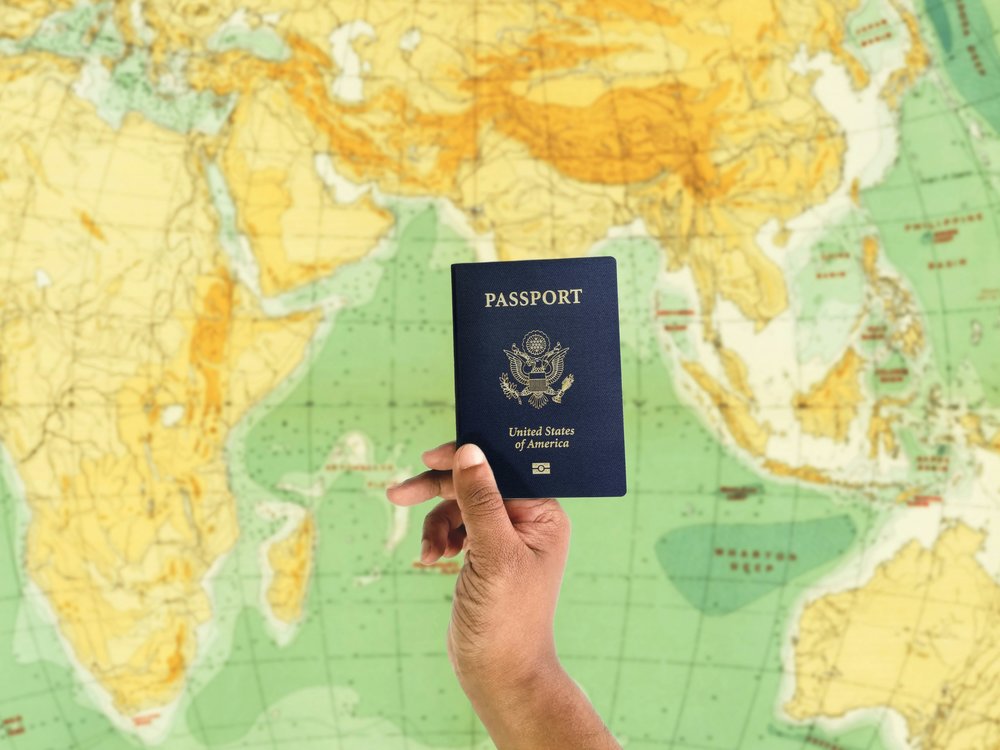
Always have your valid US passport with you | Photo by Global Residence Index on Unsplash
Before booking that flight to Japan, make sure to have these requirements with you!
1. A valid US passport
Your passport must be valid for the full duration of your stay in Japan. While Japan itself doesn't require six months' validity beyond your departure date, most airlines do, so it's worth checking with your carrier before you fly. You'll also need at least one blank page for your entry stamp.
Keep your passport on you (or a photo of the key pages on your phone) while traveling in Japan. Some stores and tax-free counters will ask to see it when processing refunds.
2. Proof of onward travel and financial means
Japanese immigration officers may ask to see proof that you're leaving the country before your 90 days are up. This is typically a return flight or an onward ticket to your next destination. It doesn't need to be printed; having it on your phone is fine.
Immigration officers can also ask how you intend to support yourself during your stay, so having access to funds or a credit card helps.
Note: US citizens entering visa-free are not permitted to work in Japan, and anyone found working without the correct visa is subject to arrest and deportation.
3. Complete your Customs and Immigration requirements via Visit Japan Web
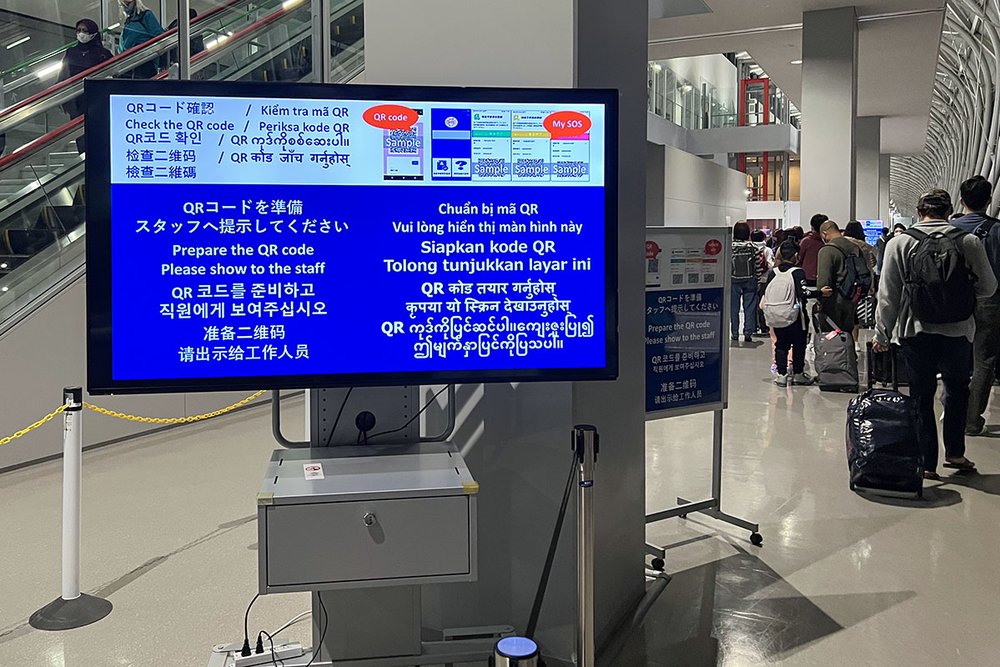
Prepare your Visit Japan Web QR and present it in Immigration
You will be required to complete a customs and immigration form directly on the Visit Japan Web. All you have to do is:
- Create an account
- Fill in your details, as well as for any accompanying children
- Fill in when you plan to enter Japan
- Complete the entry procedure that includes Immigration Disembarkation Card and Customs Declaration
- Upon completion, there will be a QR code generated for both the Immigration and Customs procedures
These are the documents you need to prepare for registration:
- Passport
- Flight details
- Accommodation address
You can also check our in-depth Japan Visit Web guide for more information about the process!
4. Get an International Driving Permit and travel insurance (optional)
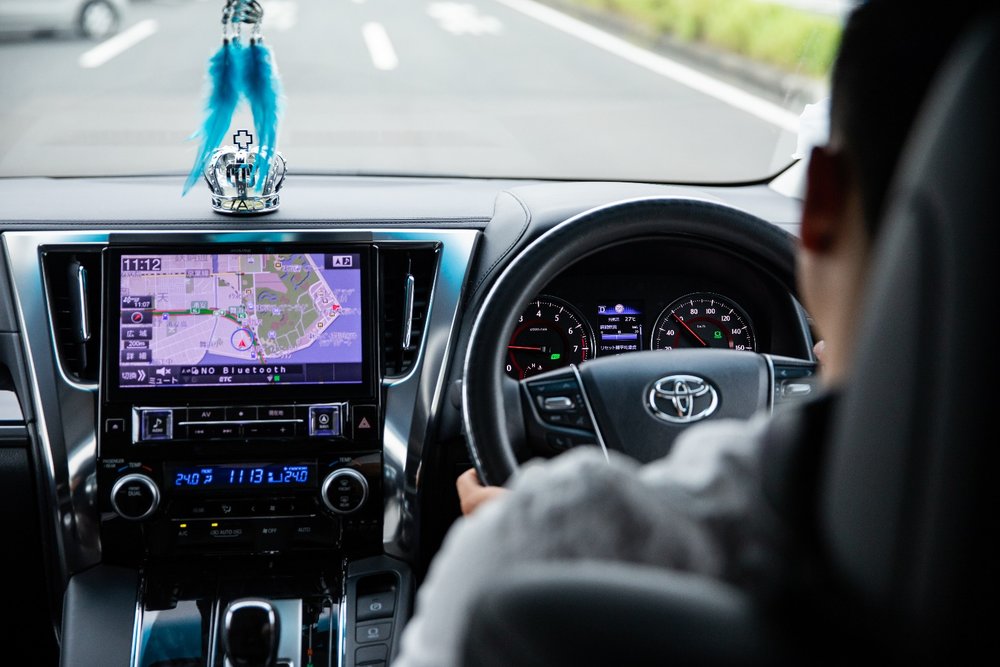
With an International Driving Permit, you can go on a road trip in Japan!
If you're planning to rent a car in Japan or drive a go-kart during your Japan trip, then best secure a driving permit! Anyone with a driver's license can apply for an International Driving Permit. US citizens can go to the American Automobile Association to get a permit.
One thing to keep in mind: Japan drives on the left side of the road, which means the steering wheel is on the right. If you're used to driving in the US, give yourself a little extra time to adjust before hitting busier roads.
And hey, while travel insurance is not part of the list of required documents, we highly recommend you get travel insurance so you can be ready for any unforeseen events like accidents, natural disasters, and more.
What happens when you arrive in Japan
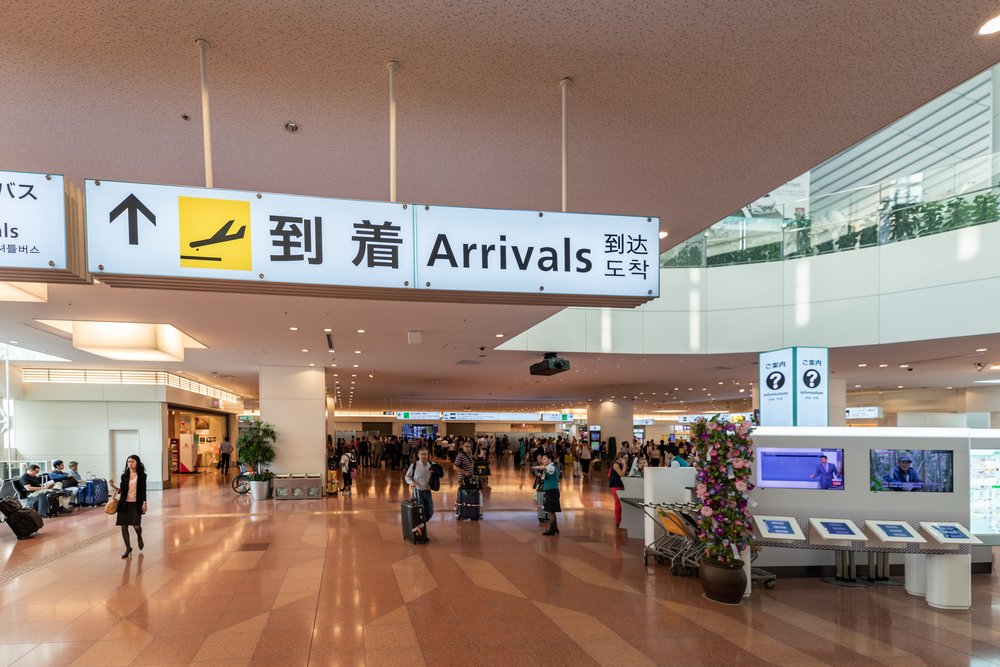
Touchdown, Japan!
Once your flight lands, here's what the arrival process looks like at most major airports:
Immigration: Head to the immigration counters and present your passport. If you've registered on Visit Japan Web, use the QR code lanes as these tend to move faster. All foreign nationals (with exceptions for diplomats, certain military personnel, and children under 16) are required to provide fingerprints and have their photo taken as part of standard entry procedure.
Customs: After collecting your luggage, proceed to customs. If you declare everything through Visit Japan Web, scan your customs QR code. If not, hand over your completed paper form. If you’re going through the e-Gates, you can complete digital customs clearance at participating terminals, just make sure to check signage on arrival.
Getting to the city: From Tokyo Station and beyond, trains are your best friend. If you're flying into Narita, the Narita Express connects directly to central Tokyo. Flying into Kansai International? Shin-Osaka Station is the gateway to the Kansai region, with easy connections to Kyoto Station via the Shinkansen.
Klook Tip: If you have a long layover at Narita before your connecting flight or before formally entering Japan, a Narita Airport layover tour is a great way to make the most of the downtime. No separate visa needed for airside transit.
Book these Japan trip essentials!
Visit Japan fuss-free and book these travel essentials:
1. eSim Japan

Stay connected in Japan with an eSIM
Getting an eSim Japan is your best way to stay connected during your stay in Japan. There's no guarantee that there will be free Wi-Fi everywhere, so it's best to get an eSim that already comes with a high-speed and stable Internet connection. That way, you can easily navigate your way around using your preferred map app.
Another good thing about getting an eSim is that you don't have to remove your already existing SIM card to replace it with an international SIM for your trip.
To know more, check out this Japan eSim guide.

2. Narita Airport Train (Narita Express N'EX)
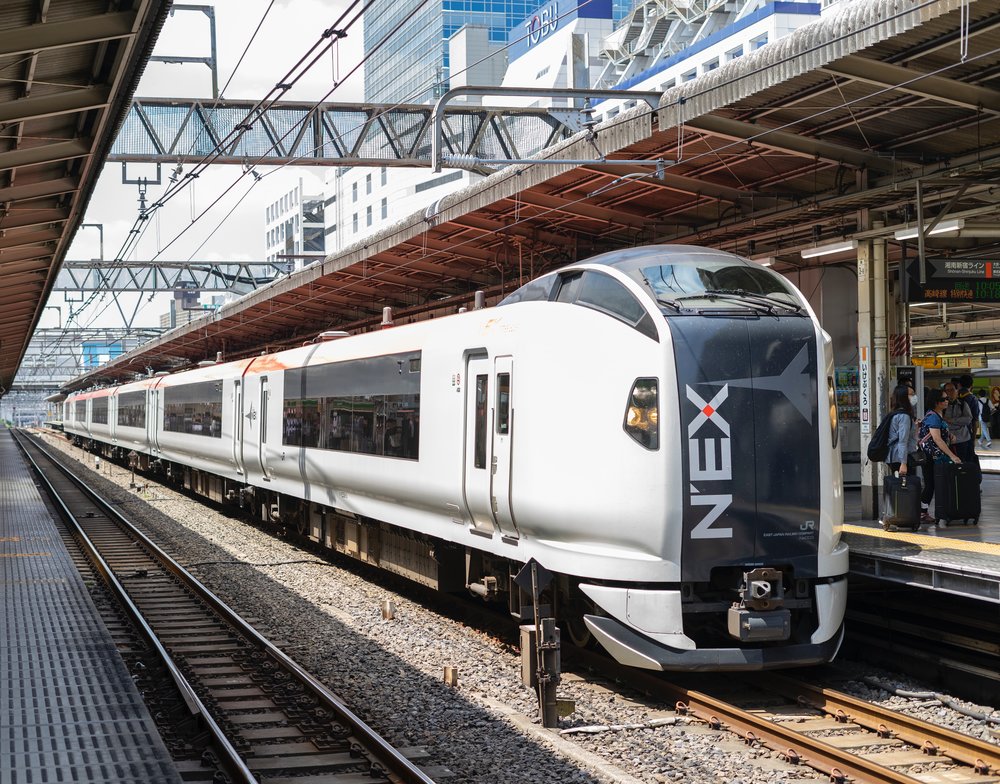
The Narita Express waiting for passengers at the station. Photo Credit: Ving N on Unsplash
Getting from Narita to central Tokyo is one of the easiest parts of your trip, only if you plan it ahead of time. The Narita Express (N'EX) is the most direct option, running from Narita International Airport straight to Tokyo Station, Shinjuku, and Shibuya with no transfers required. The journey takes around 50-60 minutes, and trains run regularly throughout the day.
Tickets start from around USD 19.75 for a reserved seat in Ordinary Car, or USD 24.59 if you want the Green Car upgrade (wider seats, more legroom, and a power socket at every seat). You can book directly through Klook: select your departure terminal, destination, and travel date, choose your preferred time and seat class, and you're done.
For a full breakdown of all your options from Narita, check out the guide to getting to Tokyo from Narita Airport. Flying into Haneda instead? This guide has you covered:

3. Luggage Delivery Service

Travel luggage-free and avail a luggage delivery service in Tokyo
If you're doing last-minute shopping on your last day in Japan and you've checked out of your hotel already, carrying your luggage with you as you go around can be tiring.
To get the load off your back, you'll need a hotel luggage delivery service — from your hotel to the airport or another hotel, depending on what you need.
You can also consider a storage locker at your nearby stations as well!
4. Bullet train tickets

With the shinkansen, getting around Japan is fast
And of course, one of the most important of them all, getting around Japan; and the Shinkansen (bullet train) is the best way to do it. Traveling at speeds of up to 320 km/h, it connects major cities like Tokyo, Kyoto, Osaka, and Hiroshima with minimal fuss. The trains run on the dot, seats are comfortable, and routes cover most of the country.
For US travelers doing a multi-city trip, there are two main options: point-to-point Shinkansen tickets or a JR Pass.
Individual tickets work best if you're sticking to one or two routes: Tokyo to Kyoto starts from USD $83.95, and Tokyo to Osaka from USD $87.40. The JR Pass (from USD $312 for 7 days) makes more sense if you're covering a lot of ground across the country, as it gives you unlimited travel on JR trains including most Shinkansen lines.
FAQs about Japan entry requirements for US citizens
Do US citizens need a visa to visit Japan?
No. US citizens are visa-exempt for visits of up to 90 days for tourism and short-term business. You don't need to apply for a visa in advance or pay any fees. Simply arrive with a valid passport and proof of onward travel, and you're good to go.
How long can Americans stay in Japan without a visa?
US citizens can stay in Japan for up to 90 days under the visa exemption program. Your 90 days begin on the day you enter Japan. If you want to stay longer, you'd need to apply for the appropriate visa category from outside Japan before your trip.
Does your passport need to be valid for 6 months to enter Japan?
Japan officially only requires your passport to be valid for the duration of your stay, and not six months beyond it. However, many airlines have their own policies requiring six months' validity, so check with your carrier before flying. It's also good practice to renew if your passport expires within six months of your travel dates.
Do you need to fill out a customs declaration form when entering Japan?
Yes. Every traveler entering Japan must complete a customs declaration. You can do this digitally through Visit Japan Web before you arrive (recommended) or on the paper form distributed on your flight. Either way, have it ready before you reach the customs counter.
What is JESTA and will US travelers need it to visit Japan?
JESTA is Japan's planned Electronic System for Travel Authorization, a pre-travel authorization system for visa-exempt visitors, similar to the US ESTA. It's currently scheduled to launch in 2028 and does not apply to travel in 2026. Keep an eye on official Japanese government announcements for updates closer to launch.
Ready to explore Japan the smart way? Check out these inspirations!
What is Klook?
Klook is a leading pan-regional experiences platform in Asia Pacific, purpose built to digitalize experiences and make them accessible to every traveler.
Our mission is to build the digital infrastructure for the global experience economy — empowering merchants to share their passions and travelers to discover the heartbeat of each destination. We operate a mobile-first, curated platform featuring diverse experiences across global destinations.