The best food in
Japan comes down to a short list of dishes almost every traveler ends up trying: sushi, ramen, tempura, udon, soba, tonkatsu, yakitori, Japanese curry, Takoyaki and Okonomiyaki, plus wagyu beef if you are splurging. Where you eat matters as much as what you eat:
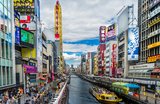
Osaka is Japan's street food capital,
Hokkaido is its seafood capital,
Fukuoka is the ramen capital, and
Kyoto is where you go for refined, seasonal kaiseki. Below is the full breakdown by dish, by region, by cost, and by the practical stuff first-time visitors always ask about.
At a glance: must-try Japanese dishes
Dish | What it is | Where it's best |
|---|
Sushi | Vinegared rice topped with raw fish or seafood | Tokyo (Ginza, Toyosu) |
Ramen | Wheat noodles served in a rich, simmered broth | Fukuoka (Hakata tonkotsu) |
Tempura | Seafood and vegetables fried in a light, crisp batter | Tokyo |
Udon | Thick, chewy wheat noodles, served hot or cold | Kagawa; nationwide |
Soba | Thin buckwheat noodles, served hot or cold | Nagano; Tokyo |
Tonkatsu | Breaded, deep-fried pork cutlet | Tokyo; Nagoya for miso katsu |
Yakitori | Charcoal-grilled chicken skewers | Tokyo izakaya alleys |
Japanese curry | Thick, mild curry sauce over rice | Nationwide |
Takoyaki | Octopus-filled batter balls, crisp outside, soft inside | Osaka (Dotonbori) |
Okonomiyaki | Savory cabbage pancake with pork and toppings | Osaka and Hiroshima |
Wagyu / Kobe beef | Heavily marbled premium Japanese beef | Hyogo (Kobe) |
Kaiseki | Multi-course meal built around seasonal ingredients | Kyoto |
Konbini food | Onigiri, sandwiches and hot snacks from convenience stores | Nationwide |
Itadakimasu! Enjoy all the famous food in Japan!
The several prefectures of
Japan provide a buffet of flavors, each reflecting the region's own culinary traditions and local ingredients. Every prefecture offers the opportunity to go on a culinary trip that includes your favorite Japanese foods. 🍣
Whether you're touring
Tokyo's lively streets or
Kyoto's calm temples, make sure to try the local delicacies and revel in the gastronomic delights that make Japan a foodie's paradise. To help you get started, we've compiled a list of famous Japanese foods so you may try the greatest flavors from each location!
Sushi and seafood 🍣
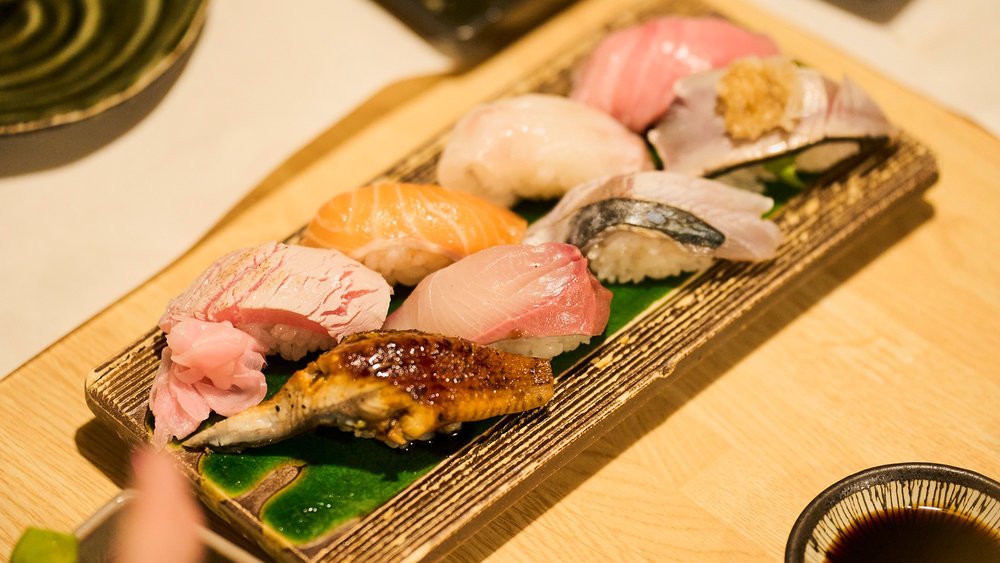
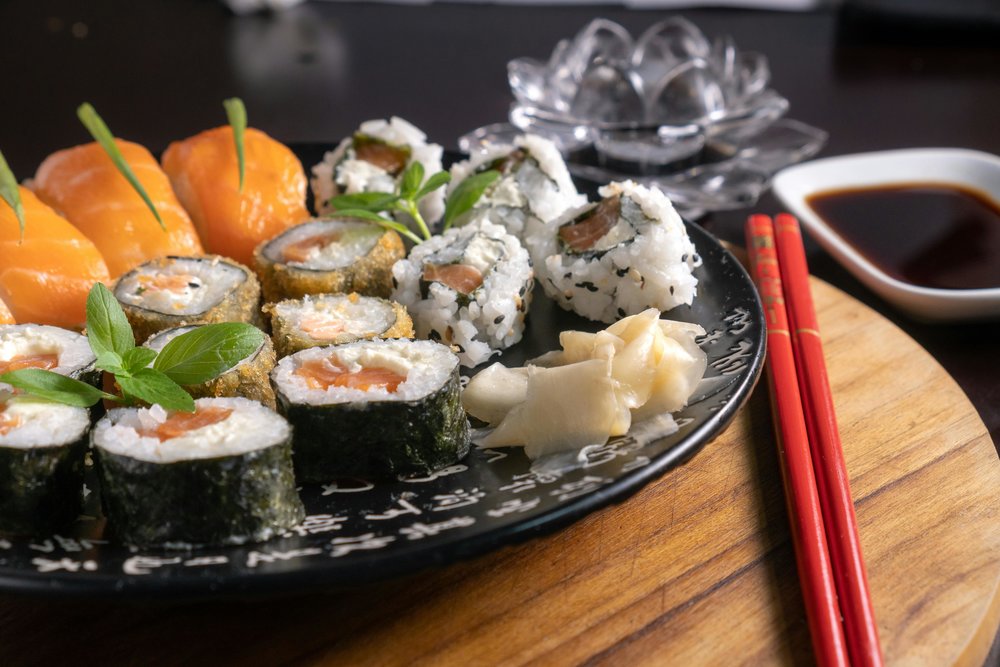
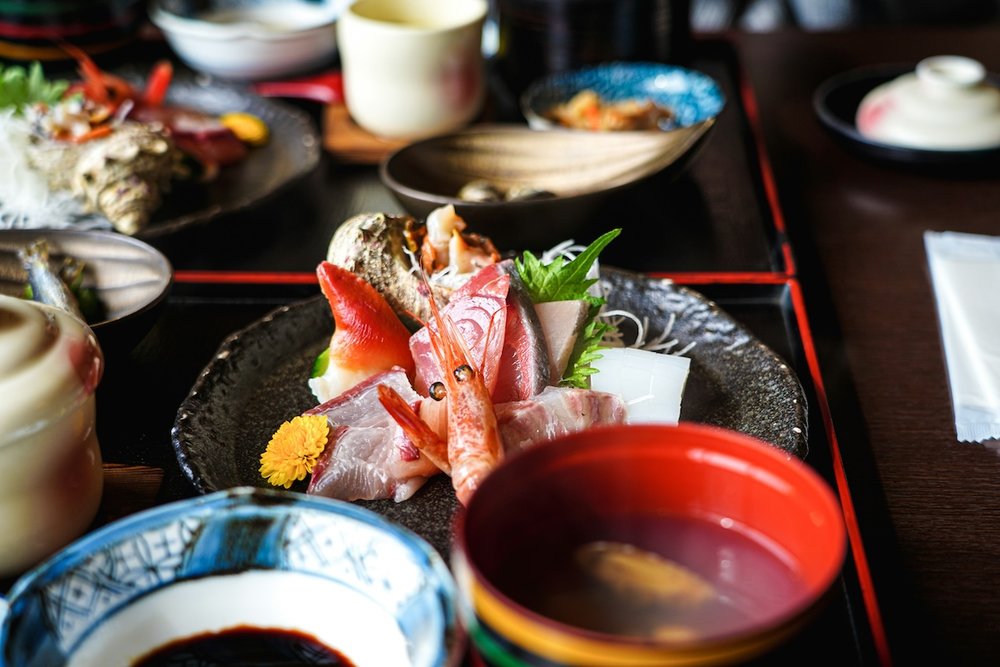
Sushi is Japan's most famous dish worldwide: vinegared rice topped with raw fish, served either as nigiri (hand-pressed), maki (rolled) or sashimi (fish on its own, no rice). Tokyo is the natural place to eat it, from conveyor-belt shops near train stations to the counter sushi of Ginza. Salmon, tuna and shrimp are the everyday favorites; sea urchin (uni), crab and scallops are the treats to look for in the north.
Beyond sushi, seafood shows up as sashimi, grilled fish set meals, oysters in Hiroshima, and fugu (puffer fish), which is prepared only by licensed chefs and sliced thin enough to see the plate through it.
Noodles: ramen, udon and soba 🍜
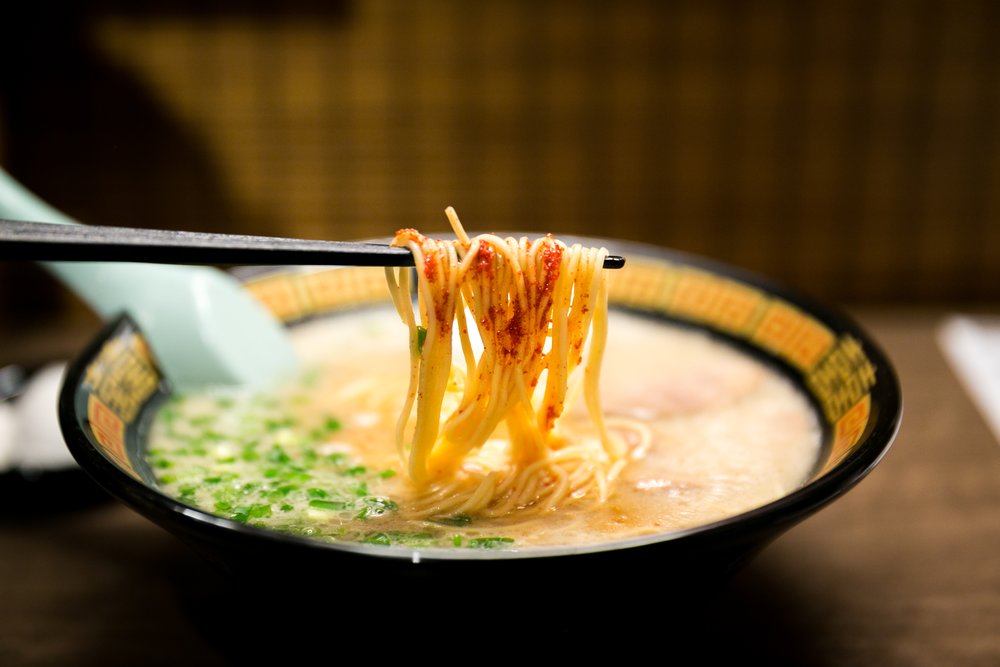
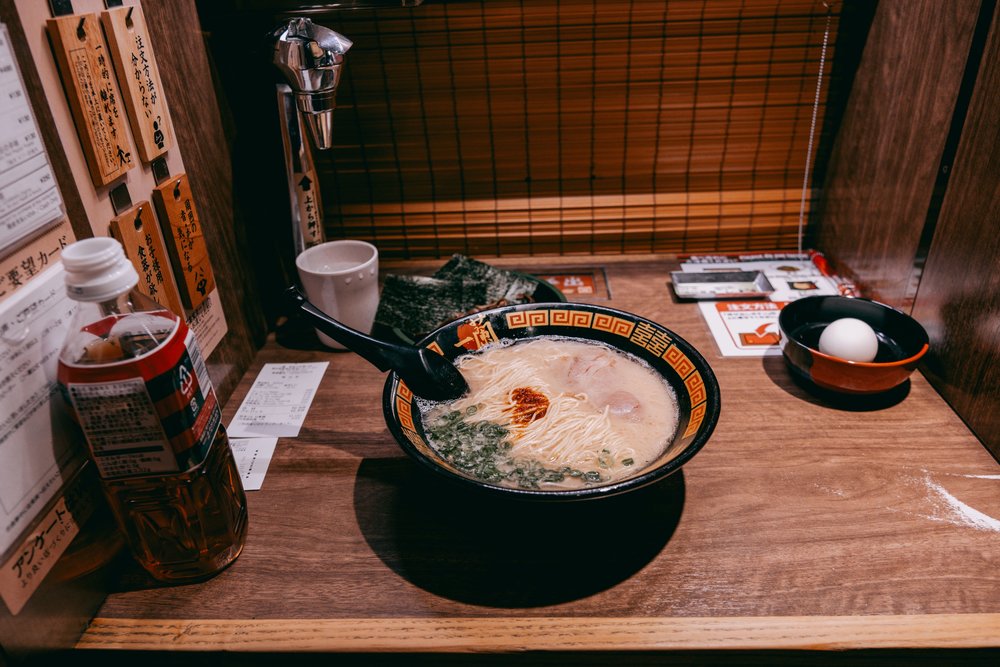
Ramen is arguably the most popular everyday food in Japan today — cheap, fast, and endlessly regional. Hakata tonkotsu (pork bone) in Fukuoka, miso ramen in Hokkaido, and shoyu (soy sauce) ramen in Tokyo are the three styles worth seeking out. Most shops take your order at a vending machine by the door.
Udon are thick, chewy wheat noodles served hot in broth or cold with dipping sauce, and Kagawa on Shikoku is the udon heartland. Soba are thinner buckwheat noodles with a nuttier flavor, strongly associated with Nagano and with Tokyo's old standing-room soba counters. Both are among the cheapest sit-down meals in Japan.
Street food and everyday eats 🍢
Japan's street food is concentrated in food districts, markets and festival stalls rather than spread across every sidewalk. Takoyaki and okonomiyaki lead the list, but there is a lot more worth ordering:
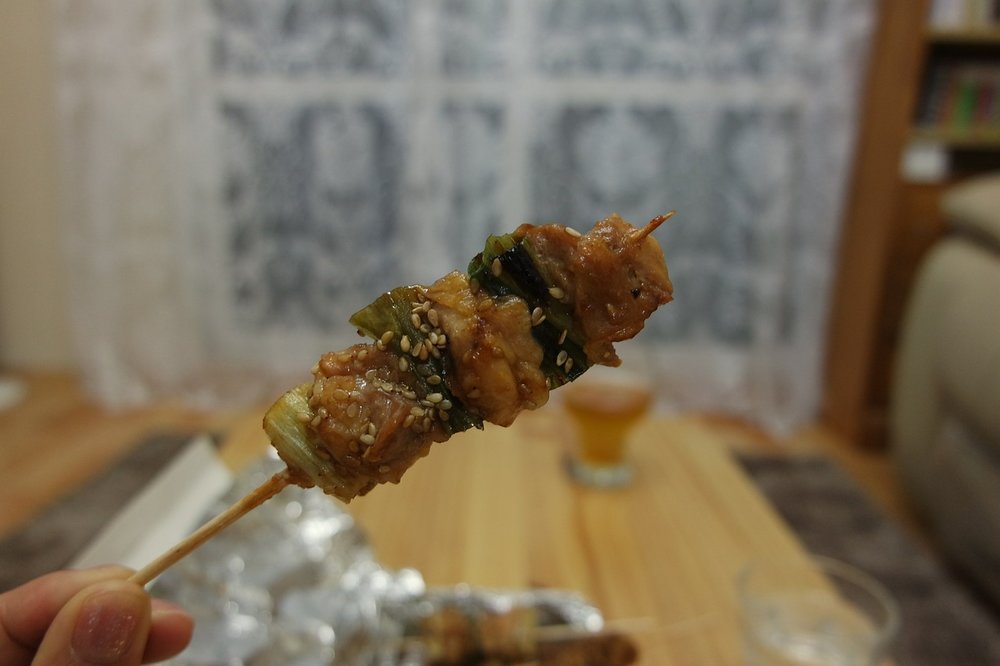
Yakitori — charcoal-grilled chicken skewers, salted (shio) or glazed (tare), eaten at izakaya and under-the-tracks alleys.
Tonkatsu — a breaded, deep-fried pork cutlet served with shredded cabbage, rice and miso soup.
Tempura — seafood and vegetables in a light batter, eaten with dipping sauce or over rice as tendon.
Japanese curry — thick, mild and slightly sweet, poured over rice or with a katsu cutlet on top.
Yakisoba, taiyaki, dango, melon pan and grilled corn — the classic festival and shopping-street snacks.
Konbini food — onigiri rice balls, egg sandwiches, oden and fried chicken from 7-Eleven, FamilyMart and Lawson. It is genuinely good, open 24 hours, and the easiest option for picky eaters and early starts.
Wagyu and premium dining 🥩
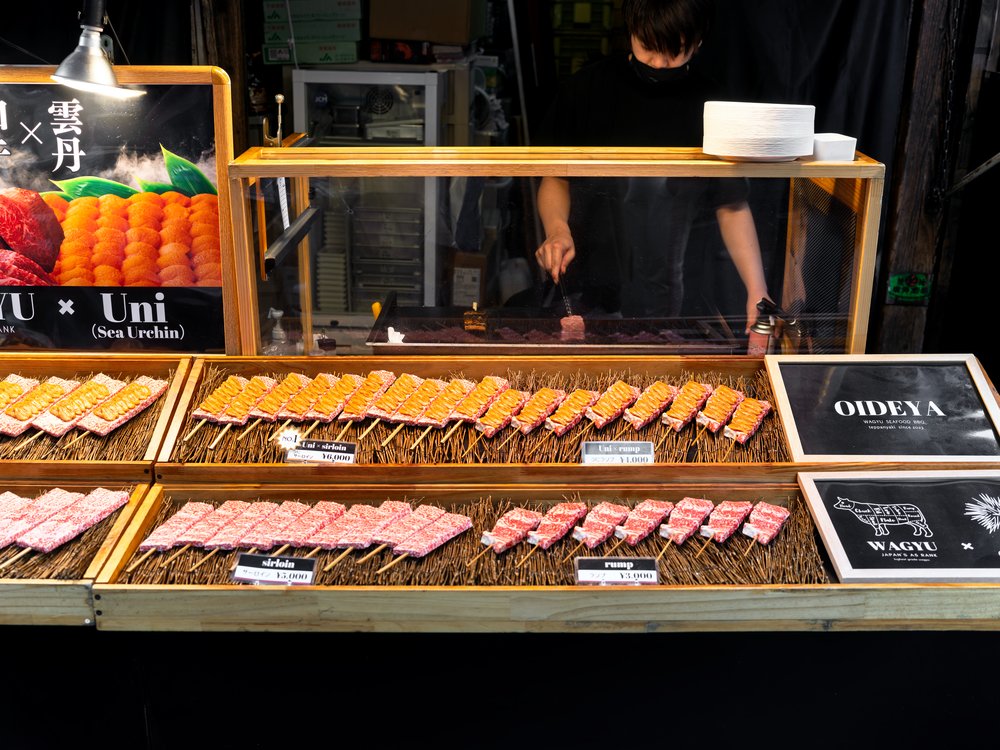
Wagyu refers to Japan's four native cattle breeds, prized for dense marbling that melts as it cooks. Kobe beef from Hyogo is the most famous branded wagyu, but Matsusaka, Omi and Hida beef are equally sought after. It is usually served as teppanyaki (grilled in front of you), sukiyaki or shabu-shabu, and a little goes a long way.
At the other end of the spectrum is kaiseki, a multi-course seasonal tasting menu rooted in Kyoto's tea ceremony tradition. Expect a dozen small, precisely plated courses that change with the month. Both are worth booking well ahead — the best counters and kaiseki houses fill up weeks in advance.
Regional highlights in Japan: best food by area
Japan's regional specialties are the reason food-focused itineraries work so well here. Here's what to eat in nine areas, and what each one is best for.
1. Hokkaido: Fugu
Best for: seafood and dairy.
Begin your culinary adventure of the famous foods in Japan in the
Hokkaido prefecture! While a sushi platter sounds amazing, how about trying something new like puffer fish? 🐡 Locally referred to as
fugu, this exotic fish is carved to show its delicate translucence that's dipped in ponzu to enhance the natural umami.
Of course, don't pass on the velvety soft-serve ice cream made with Hokkaido's finest milk and the iconic Sapporo beer. 🍺
2. Tokyo: Fresh sushi and wagyu
Best for: sushi, and the widest range of restaurants in the country.
Next stop:
Tokyo, where food adventures never slow down. Between sightseeing, snack your way through classic street foods like
takoyaki and charred
yakitori, especially in lively neighborhoods like Shinjuku, where the energy stays high well into the night 🍢
And if you want to see a different side of Tokyo, join this
Shinjuku food tour and walk through hidden alleys and local eateries and sample famous Japanese dishes like
gyoza, fresh sushi, and crispy
kushikatsu.
To round things out, head to the backstreets of Ginza for a more refined meal and try an expertly crafted sushi made with fresh fish or melt-in-your-mouth wagyu.
3. Osaka: Takoyaki and okonomiyaki
Best for: street food — this is Japan's street food capital.
Often referred to as the “Kitchen of Japan,” you're guaranteed to find many famous Japanese foods in
Osaka! The city is known for its street food culture, particularly the takoyaki. 🦑 These piping-hot octopus-filled balls are crispy on the outside and soft on the inside, creating a burst of flavors with each bite.
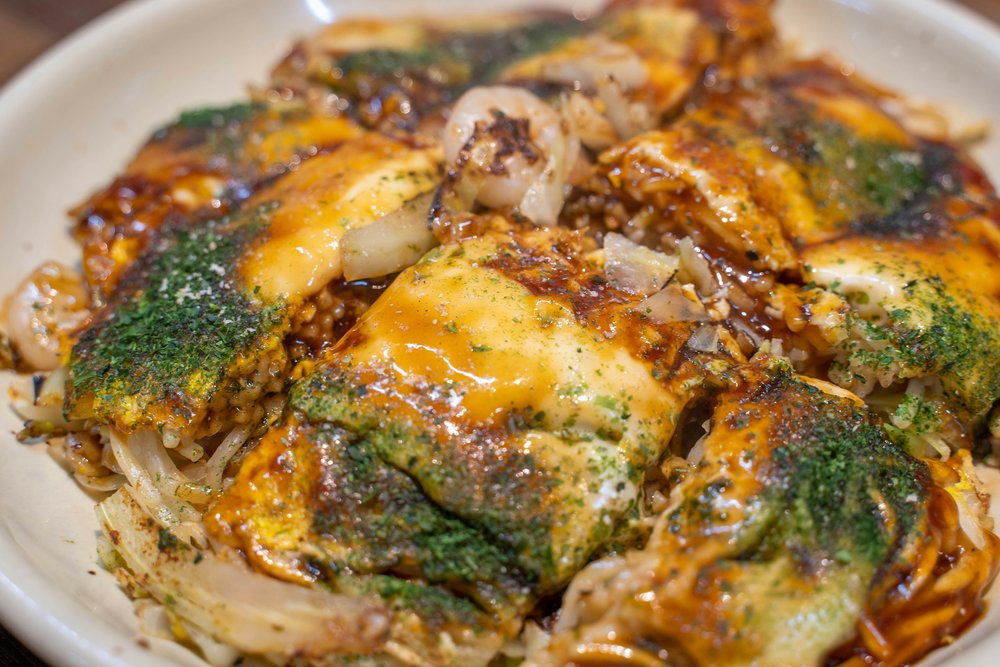
Another favorite food in Japan is the okonomiyaki, a savory pancake packed with cabbage, pork, and a variety of toppings.
To eat like a local, join this
Osaka food tour in Shinsekai, where you'll hop between hidden eateries and sample 13 different dishes in one go, including takoyaki, yakitori, and taiyaki as a dessert.
4. Kyoto: Kaiseki and yudofu
Best for: refined, traditional dining and matcha sweets.
Taste the delicate flavors of kaiseki, a multi-course meal that showcases the finest seasonal ingredients, as you look for famous foods in Japan. Don't forget to try yudofu, a comforting hot pot dish featuring silken tofu in a flavorsome broth.
And as you wander through
Kyoto's historic streets, keep an eye out for matcha-flavored sweets, such as matcha ice cream or traditional wagashi (Japanese confectionery). 🍵
5. Hiroshima: Okonomiyaki and oysters
Best for: oysters and layered, noodle-packed okonomiyaki.
Hiroshima offers a unique twist on classic favorite foods in Japan. Hiroshima-style
okonomiyaki takes center stage here, a savory pancake layered with cabbage, pork, and noodles, and topped with a rich and tangy sauce that results in a delicious combination of textures and flavors. 🥘
Another culinary highlight you can't miss in Hiroshima are the plump and juicy oysters that are best enjoyed grilled or served fresh, as well as the local sake that's deeply rooted in Japanese culture. 🦪
Klook Tip: For an easy way to try it all, join a
Hiroshima night food tour and hop between hidden local spots that come alive after dark.
6. Nagoya: Hitsumabushi and Nagoya tebasaki
Best for: grilled eel, and bold miso-based flavors.
Nagoya's claim to fame lies in its delectable
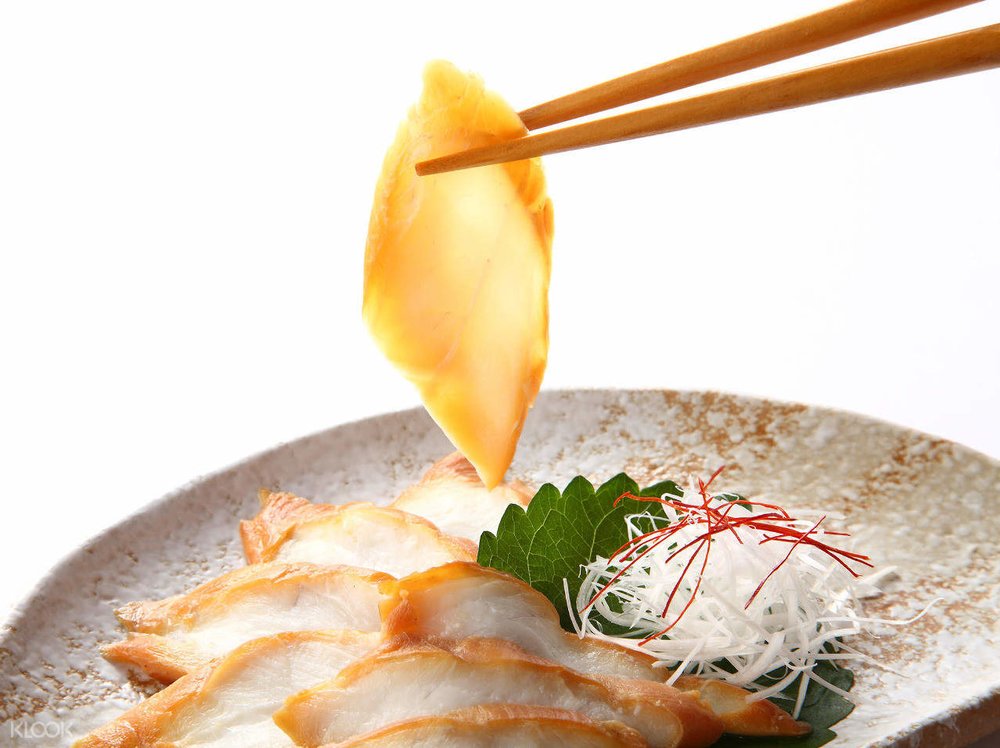
hitsumabushi, a mouthwatering grilled eel dish served atop a bed of rice. Hitsumabushi is eaten in three stages: plain, then with condiments, then with dashi broth poured over the rice. It's no wonder why hitsumabushi is a favorite food in Japan!
You'll never run out of fried foods here either, as the region specializes in miso katsu, a deep-fried pork cutlet crowned with a luscious red miso sauce, and the Nagoya tebasaki, which are succulent chicken wings seasoned with a tangy and spicy glaze. 🍱
Klook Tip: To taste these local favorites and more, join this
Nagoya street food tour, where you'll roam around Osu Shopping Street and try Japanese snacks like mochi and onigiri.
7. Fukuoka: Ramen
Best for: ramen, and open-air yatai stalls.
No culinary adventure through Japan would be complete without visiting
Fukuoka! It's the undisputed ramen capital of the country and home to one of the most famous foods in Japan. 🍜
Hakata ramen, a local favorite, has thin, straight noodles soaked in a rich, pork-based tonkotsu broth. Each bowl is topped with tender slices of chashu and garnished with green onions, seaweed, and pickled ginger. The symphony of flavors will surely captivate your senses. 😋
8. Hyogo: Kobe beef and sobameshi
Best for: wagyu beef.
Hyogo is famous worldwide for one thing: Kobe beef, one of Japan's most luxurious foods. This premium wagyu is known for its rich marbling, melt-in-your-mouth texture, and incredible flavor when grilled simply.
Another local favorite is sobameshi, a hearty stir-fry of yakisoba noodles and rice that started as comfort food in Kobe. Together, they show two sides of Japanese cuisine: refined indulgence and everyday local charm.
Klook Tip: For a memorable food experience, treat yourself to a
Kobe beef teppanyaki meal, where skilled chefs cook each cut right in front of you for maximum flavor and flair.
9. Okinawa: Goya champuru and sata andagi
Best for: distinctive island cooking you won't find on the mainland.
The final stop on this list will take you to
Okinawa's distinct cuisine that's influenced by its subtropical climate and unique cultural heritage. One must-try favorite food in Japan is
goya champuru, a delicious stir-fry dish that includes bitter melon, tofu, and pork.
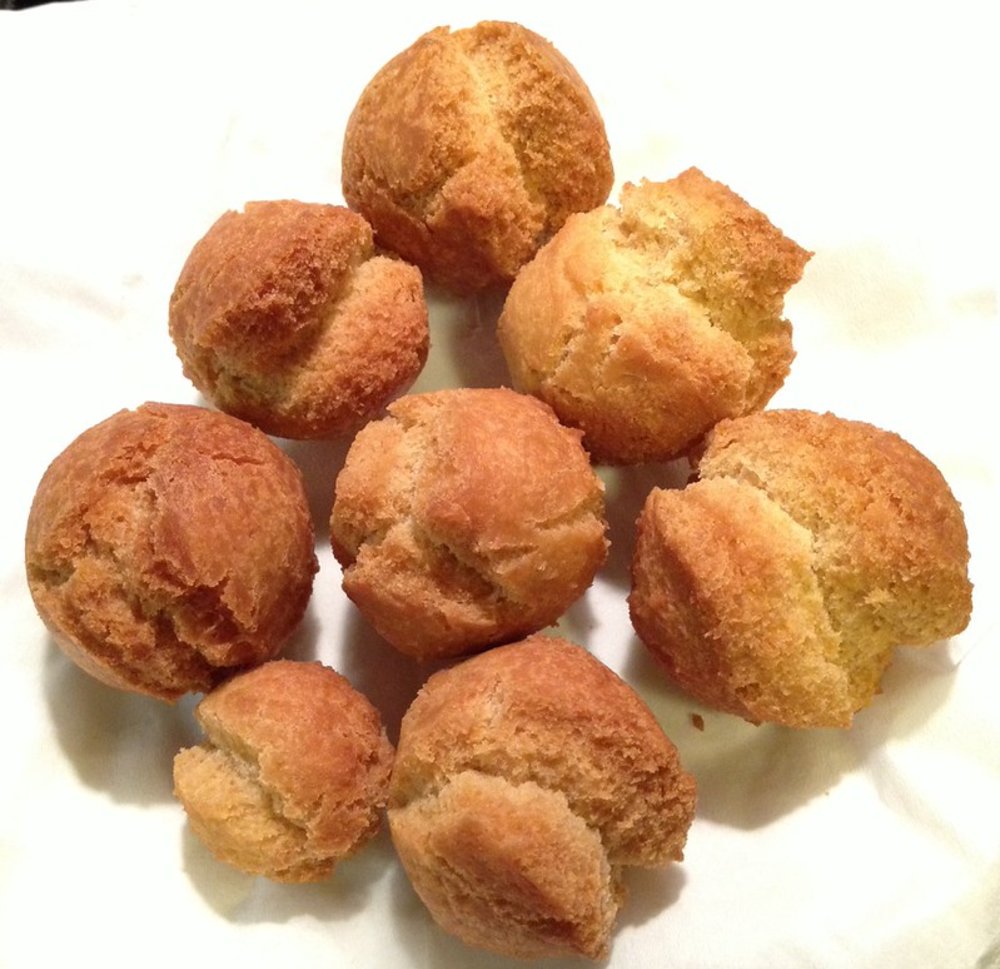
To satisfy your sweet tooth, indulge in sata andagi, Okinawa's beloved deep-fried doughnuts! And don't forget to make room for awamori, a traditional Okinawan distilled spirit. 🍶
Food experiences beyond eating out
Some of the best eating in Japan happens somewhere other than a restaurant table. These are the experiences worth building into a food-focused itinerary:
Market tours —
Tsukiji Outer Market in Tokyo is the country's most famous food market and a historic seafood hub, where you can graze on tamagoyaki, grilled scallops and tuna skewers stall by stall.
Nishiki Market in Kyoto is a centuries-old covered street showcasing traditional Kyoto ingredients — pickles, yuba, tofu and matcha.
Dotonbori in Osaka is the neon-lit street food district that earned the city its food-capital reputation.
Cooking classes — learn to roll sushi, fold gyoza or make ramen from scratch, usually with a market visit first. It's the easiest way to take Japanese food home with you.
Izakaya hopping — izakaya are Japan's casual pubs, where small plates arrive one at a time alongside beer, sake or highballs. Ordering a few dishes at a time and staying a couple of hours is the point.
Guided food tours — the fastest way to get past the language barrier and into the small places locals actually use, especially in Osaka, Hiroshima and Nagoya.
You can browse and book food tours, cooking classes and restaurant reservations across
Japan on Klook.
How much does eating in Japan cost?
Japan is cheaper to eat in than most travelers expect, largely because the low end is so good — a convenience store breakfast or a bowl of ramen costs a fraction of a comparable meal in the US, and tipping is not practiced anywhere. Use the ranges below as a planning guide and check current prices before you go, as they move with the yen.
Meal | Typical price (JPY) | Approx. USD | Notes |
|---|
Convenience store breakfast | ¥400–800 | $3–6 | Onigiri, sandwich, coffee |
Bowl of ramen | ¥900–1,500 | $6–10 | Often the cheapest sit-down meal |
Udon or soba lunch | ¥500–1,000 | $3–7 | Standing counters are cheapest |
Conveyor-belt sushi | ¥120–500 per plate | $1–3.50 per plate | ¥1,500–3,000 a meal ($10–20) |
Counter sushi lunch set | ¥3,000–8,000 | $20–55 | Far cheaper than the same shop at dinner |
Izakaya dinner with drinks | ¥3,000–6,000 | $20–40 | Per person, several small plates |
Kaiseki dinner | ¥15,000–40,000 | $100–270 | Lunch ¥6,000–15,000 ($40–100) |
Kobe beef teppanyaki | ¥10,000–30,000 | $70–200 | Lunch courses are the value option |
Rough daily budget: eating from convenience stores and noodle shops keeps a day's food costs low; one mid-range restaurant dinner a day is comfortable for most travelers; a single wagyu or kaiseki meal will typically cost more than a full day of everything else combined.
Practical tips for eating out in Japan
Etiquette
Say itadakimasu before eating and gochisousama deshita when you finish — both are appreciated and neither is required of visitors.
Finishing your food, especially rice, is the polite default. Leaving a little is not a scandal, but clearing the plate signals you enjoyed it.
Slurping noodles is fine and normal. Sticking chopsticks upright in rice or passing food chopstick-to-chopstick is not — both echo funeral rites.
Eating while walking is discouraged in most places. At street food stalls and markets, eat next to the stall, then move on — many have a bin or a small standing area for exactly this.
Tipping is not practiced and can cause confusion. Don't leave money on the table.
Paying and booking
Cards are widely accepted in cities, but small ramen shops, market stalls, izakaya and rural restaurants are still cash-only. Carry yen; convenience store ATMs accept foreign cards.
Many ramen and set-meal shops use a ticket vending machine at the entrance — pay first, hand the ticket to the counter.
Sushi counters, kaiseki restaurants and wagyu specialists usually require reservations, often weeks ahead. Some accept bookings only by phone or through a Japanese platform, which is where a booking service or hotel concierge helps.
Dietary needs, allergies and kids
Vegetarian and vegan travelers should plan ahead: dashi (fish stock) is in a lot of dishes that look plant-based, including miso soup and many noodle broths. Shojin ryori (Buddhist temple cuisine), yudofu in Kyoto and dedicated vegan restaurants in the big cities are the reliable options, and apps like HappyCow and Vegewel map them.
Allergy sufferers should carry a written card in Japanese naming the ingredient. Buckwheat (soba), egg, shellfish, wheat and soy are all common and often unlisted on English menus.
Traveling with picky eaters or young kids? Convenience stores, family restaurant chains, curry houses, tonkatsu shops and udon counters are the reliable fallbacks — mild, familiar and everywhere.
Good food, good mood! 😋
Street snacks, regional specialties, and iconic dishes make famous Japanese foods a highlight of every trip. Each area offers its own flavors and food traditions that add something special to the journey. Travel with an appetite, follow the local favorites, and let every meal shape the experience, because in Japan, great food is always part of the adventure. 🍽️✨
FAQs about famous Japanese foods
What are the top 10 Japanese foods?
The top Japanese foods include sushi, ramen, tempura, udon, soba, yakitori, tonkatsu, okonomiyaki, takoyaki, and Japanese curry. These dishes cover everything—noodles, rice bowls, fried favorites, and street food snacks. You'll see them everywhere, in casual shops, train stations, and local restaurants.
Which food is most popular in Japan?
Ramen is one of the most popular foods in Japan today. It's affordable, fast, and comes in many regional styles, so people never get bored. Sushi is also extremely popular, especially for special meals and celebrations.
What is Japan's most famous dish?
Sushi is Japan's most famous dish around the world. It's known for its clean flavors, fresh seafood, and beautiful presentation. Many people associate sushi directly with Japanese cuisine.
What is Japanese traditional food?
Japanese traditional food is called washoku, which focuses on balance, seasonality, and simple flavors. Meals usually include rice, soup, fish or vegetables, and small side dishes. Ingredients are lightly seasoned to highlight natural taste. This style of eating values harmony and respect for nature.
What is a typical Japanese breakfast?
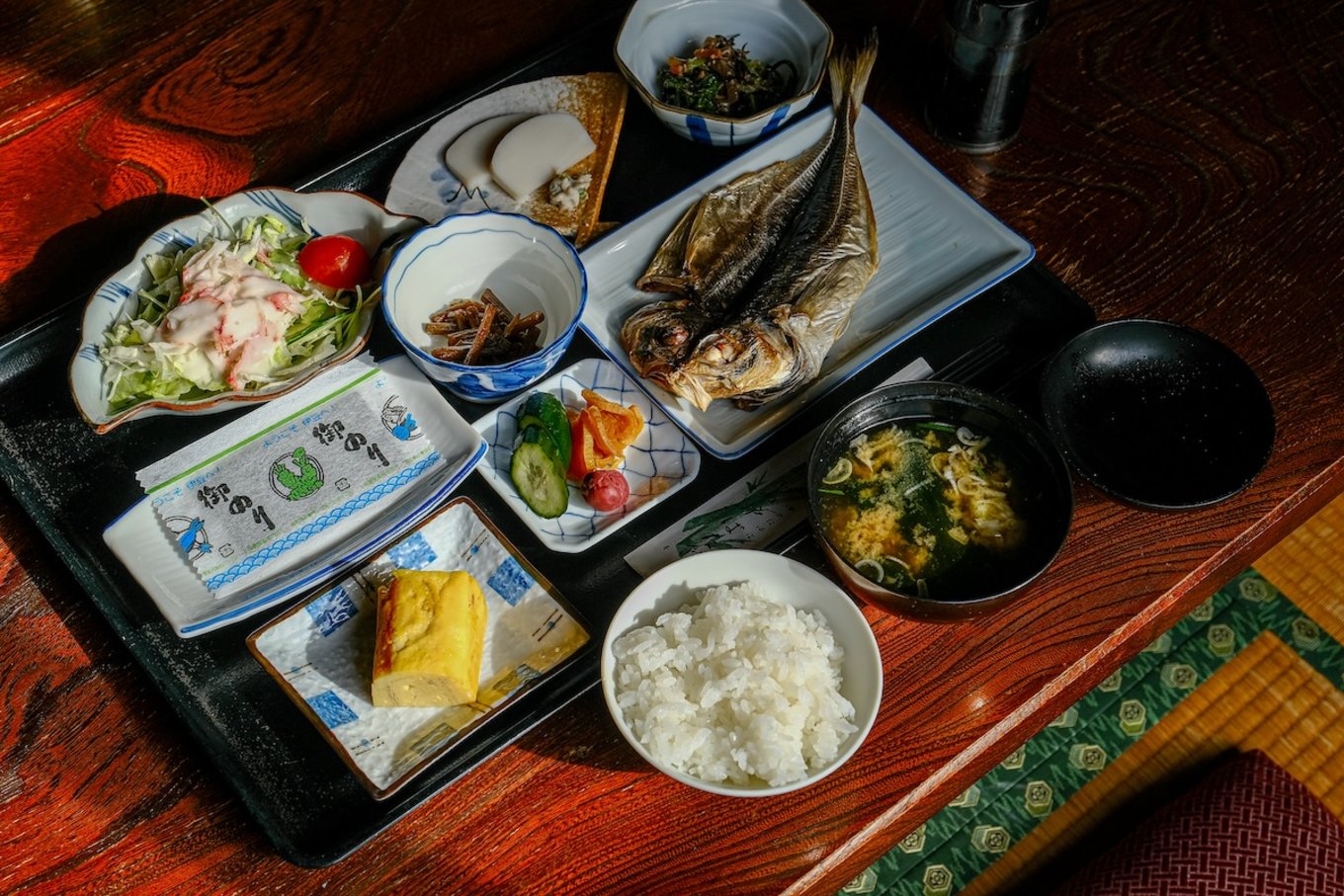
A traditional Japanese breakfast is a savory set meal: steamed rice, miso soup, grilled fish, pickles, and often natto (fermented soybeans) or a rolled omelet. Hotels serve this alongside a Western spread, and convenience stores cover the quick version with onigiri, sandwiches and hot coffee.
Is street food common in Japan?
Street food in Japan is concentrated rather than constant. You'll find it in dedicated food districts like Dotonbori in Osaka, in covered markets like Nishiki and Tsukiji, at festivals, and at Fukuoka's open-air yatai stalls — but not on every corner, because eating while walking is discouraged. Convenience stores fill the gap the rest of the time.
What is the best city in Japan for food?
Osaka is widely considered Japan's best food city and is nicknamed the “Kitchen of Japan,” thanks to its street food culture. Tokyo offers the greatest range and the most high-end restaurants, Kyoto is the destination for traditional kaiseki, and Fukuoka is the ramen capital. For a food-first trip, Osaka and Tokyo together cover the most ground.
How much does eating out cost in Japan?
Eating out in Japan spans a wide range: a convenience store meal or a bowl of ramen sits at the low end, a mid-range restaurant dinner in the middle, and wagyu or kaiseki at the top — a single premium meal can cost more than several days of casual eating. Tipping is not practiced, so the menu price is what you pay. See the cost table above for a meal-by-meal breakdown.
What Japanese food should first-time visitors try?
First-time visitors should start with sushi, ramen, tempura, tonkatsu and okonomiyaki, then add takoyaki in Osaka and wagyu at least once. Convenience store onigiri and a set-meal lunch are worth trying too — they show how good everyday food in Japan is, not just the special-occasion dishes.
Related Articles
What is Klook?
Klook is a leading pan-regional experiences platform in Asia Pacific, purpose built to digitalize experiences and make them accessible to every traveler.
Our mission is to build the digital infrastructure for the global experience economy — empowering merchants to share their passions and travelers to discover the heartbeat of each destination. We operate a mobile-first, curated platform featuring diverse experiences across global destinations.







![[global] Japan Kid-Friendly Itinerary Blog Cover](https://res.klook.com/image/upload/fl_lossy.progressive,q_85/c_fill,w_550,h_356/v1730430369/jhffwcljditmuftnxgff.jpg)
![[usxanz] JR Hokkaido Rail Pass](https://res.klook.com/image/upload/fl_lossy.progressive,q_85/c_fill,w_550,h_356/v1727345460/ovsaszuqdz6lsitdqhax.jpg)