
You’ve got a rough window for your Japan trip, a Shinkansen map open in another tab, and one nagging question: when should Nagoya fit in? It’s a fair thing to wonder, because this city feels like a different place every season. The best time to visit Nagoya comes down to what you’d rather trade: perfect weather, lower prices, or a calmer crowd.
Here’s the quick version: spring wins overall, fall comes close, summer is humid, and winter is the underrated budget pick. Most US flights connect through Tokyo or another hub. From Tokyo, Nagoya is about 1 hour 40 minutes away by bullet train (35 minutes from Kyoto), so it slots into almost any Japan trip.
Spring (March through May): best overall, mild and blooming
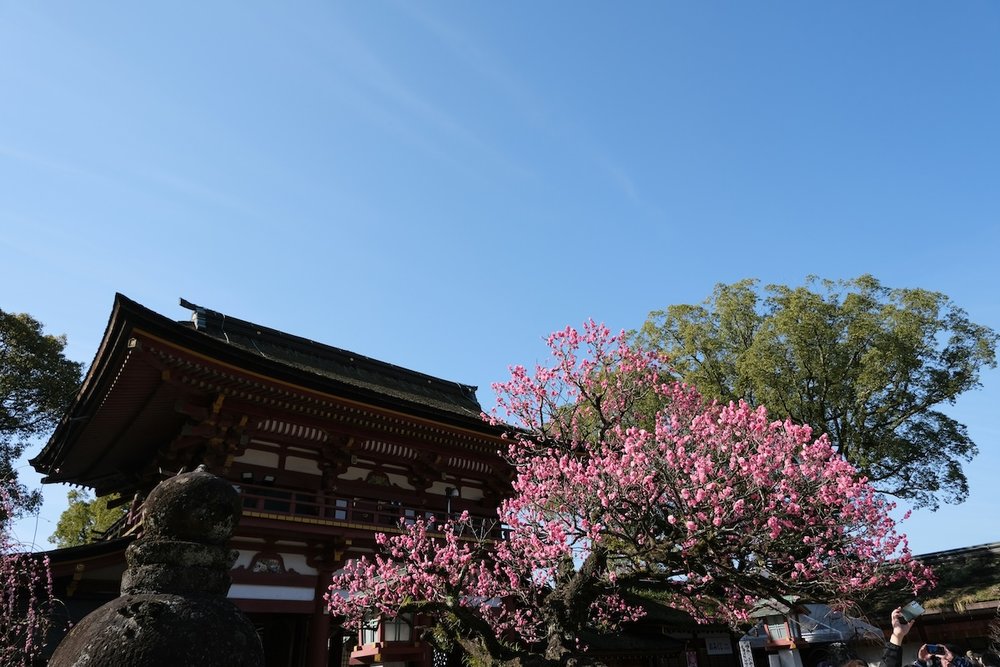
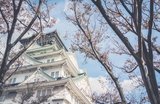
Spring in Nagoya | Image credit: Luo Jin Hong via Unsplash
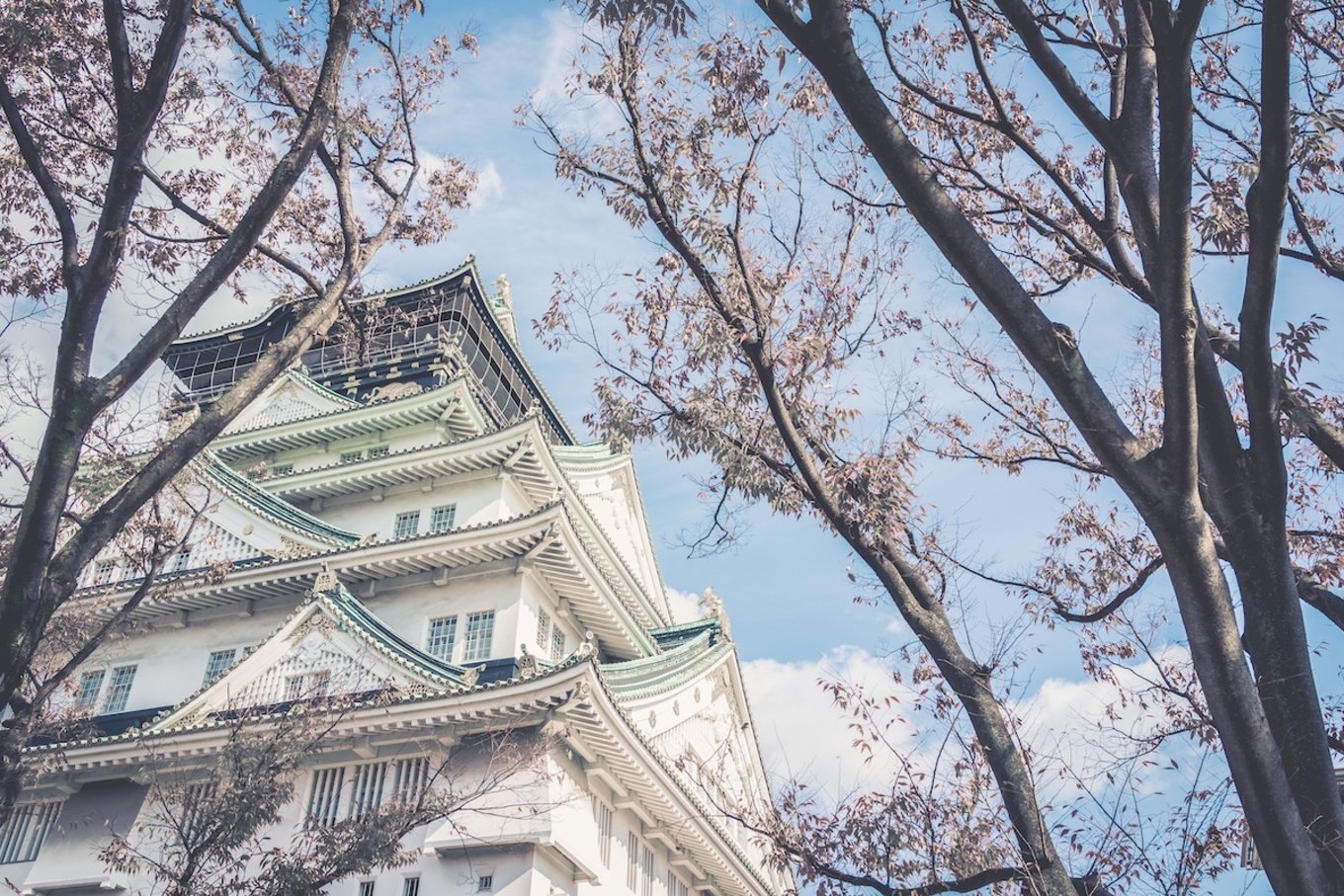
Spring is when Nagoya looks its best, and for most travelers it’s the best time to visit Nagoya. The Nagoya cherry blossom season usually peaks around the turn of March into April, with around 900 trees blooming across Nagoya Castle against its golden shachihoko (tiger-fish roof ornaments). The main keep has been closed to visitors for restoration, but the grounds are open, with admission around 500 yen (about $3). Even at peak bloom, it feels roomier than the headline blossom spots in Kyoto or Tokyo, which is a real perk.
Nagoya weather by month stays kind through spring. March runs near 40°F at night and 58°F by day, April highs reach about 67°F, and May climbs into the mid-70s. Pack a light jacket for evenings, since early March can still feel cool. Rain picks up in May, so a compact umbrella earns its space.
Want a second blossom stop? Tsuruma Park has around 750 cherry trees and a hanami (flower-viewing picnic) crowd that’s mostly local.
Klook Tip: Go on a weekday morning, and check the bloom forecast about a week before you fly, since peak dates shift with the weather.
Summer (June through August): hot, humid, and festival-heavy
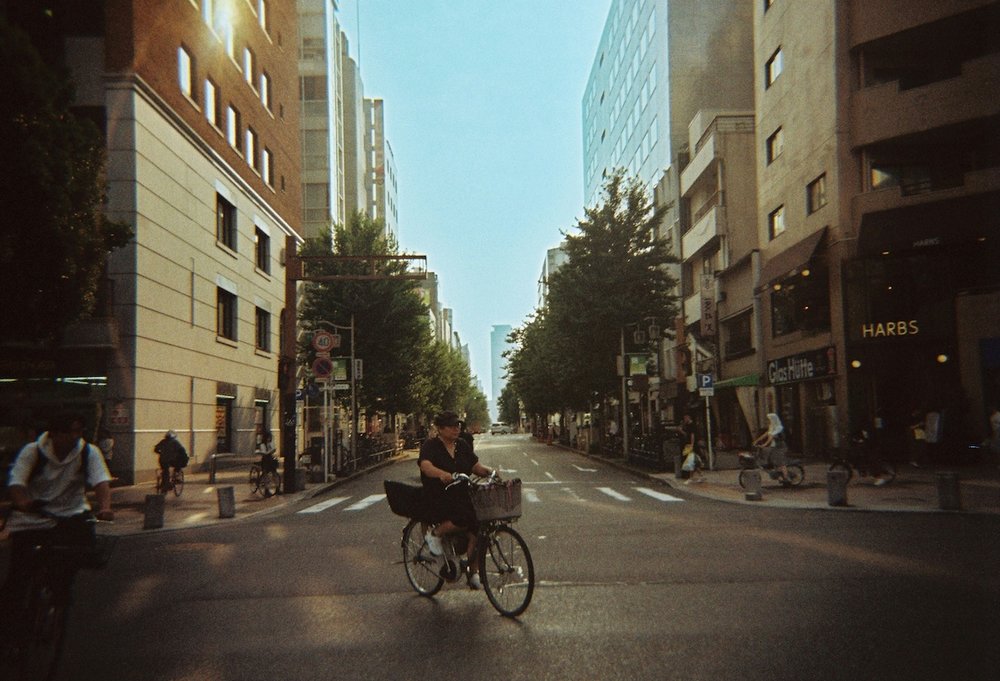
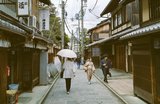
Summer in Nagoya | Image credit: nhxl bdl via Unsplash
The humidity is the part people warn you about, and a Nagoya humid summer earns that reputation. June brings the rainy season (tsuyu), and by August highs average about 90°F with lows near 77°F, so nights barely cool off. It feels even hotter than the number suggests. Do your outdoor sightseeing before 11 a.m. and save afternoons for air-conditioned stops, like the underground shopping arcades near Nagoya Station.
Summer still has plenty going for it. Nagoya festivals fill the calendar, including the Atsuta Festival on June 5, the Port Festival in July, and the Nagoya Castle Summer Festival in August. The biggest anchor is the Nagoya Basho sumo tournament, a 15-day event in mid-July that starts on a Sunday. The 2027 dates are July 11 through 25 at IG Arena, roughly a 10-minute walk from the castle.
Tickets are hard to get, and they usually go on sale in mid-May. This sumo tournament viewing tour bundles a seat with a licensed English-speaking guide, and durations run about 4 hours depending on the option. It costs more than a bare ticket, but you get the seat and someone to explain the rituals.
Klook Tip: Sumo days run long. Bring a small towel and a hat, and eat before you go, since arena food is pricey.
Fall (September through November): comfortable, colorful, a close second
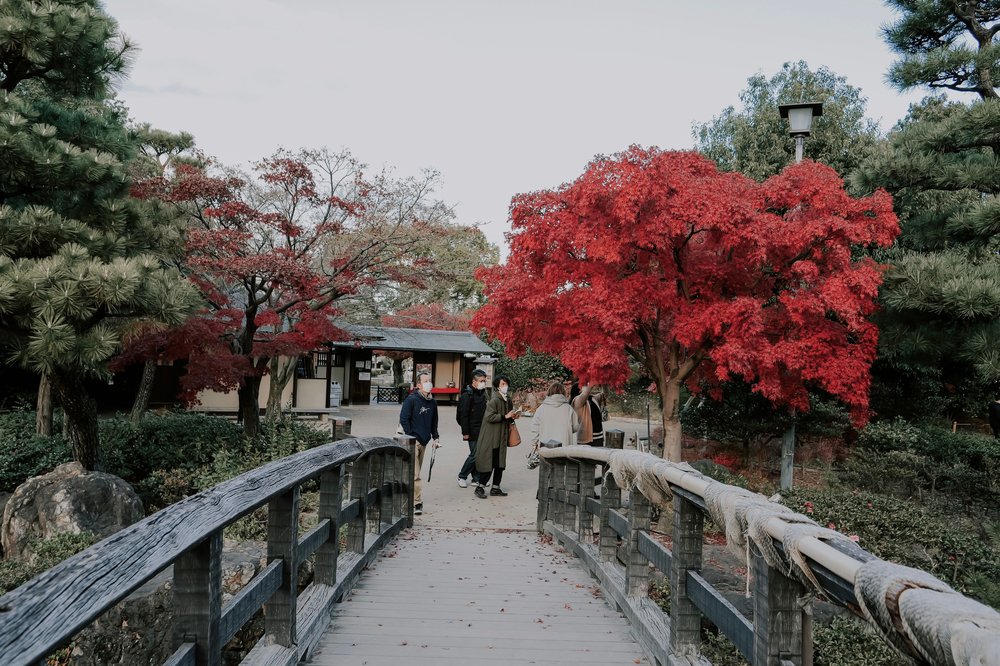
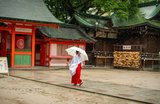
Fall in Nagoya | Image credit: Huu Huynh via Pexels
Fall suits travelers who want spring’s comfort and don’t mind swapping blossoms for maple leaves. September still runs hot, with highs near 84°F. October settles around 73°F, and November cools to about 62°F. City foliage usually peaks between mid-November and early December.
October is festival month. The Nagoya Matsuri takes over Hisaya Odori Park, the long green strip through Sakae, with parades in mid-October. The park hosts events and seasonal light displays through the year, so it’s an easy add-on in any season.
For serious color, head to Korankei Gorge, where more than 4,000 maple trees glow red in mid-to-late November. Getting there by train and bus can take about two hours, and weekends get busy.
Winter (December through February): cheapest, chilly, and underrated
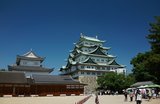
Winter is the quiet season, and that’s the appeal. Highs sit around 48°F to 52°F with lows near freezing, and it’s one of the driest stretches of the year, so clear days are common. Nagoya off-season travel also means shorter lines at the castle. Rates usually dip outside blossom and foliage weeks, which makes this the best time to visit Nagoya on a tight budget.
Skip the New Year holidays, when prices climb and crowds return. After that, the snow country just outside the city becomes your bonus.
Klook Tip: Light-up dates are limited, so lock in your Shirakawa-go day before you book your hotel.
FAQs about best time to visit Nagoya
What is the best month to visit Nagoya?
Early April is the best month, when the cherry blossoms peak and highs sit near 67°F. Late October through mid-November is a close second for comfortable weather and fall color.
Is Nagoya hot in the summer?
Yes, and the humidity makes it feel hotter than the thermometer says. August highs average about 90°F with lows near 77°F, so plan sightseeing early in the day.
When do the cherry blossoms bloom in Nagoya?
Usually from late March through early April, with peak bloom around the turn of the month. The castle’s cherry blossom festival typically runs in that same window, but exact dates shift each year, so check the forecast a week out.
Is Nagoya worth visiting in winter?
Yes, especially if you want shorter lines and lower prices. It’s cold but dry, and day trips like the Shirakawa-go light-up give you real snow-country scenery.
When is the Nagoya sumo tournament held?
The Nagoya Basho sumo tournament is held in mid-July and lasts 15 days, starting on a Sunday. The 2027 dates are July 11 through 25, and tickets typically go on sale in mid-May.
Ready to pick your dates?
Now that you know the best time to visit Nagoya, the fun part is choosing your version of the trip. Late March means golden shachihoko glinting over pink branches. January means quiet castle paths and a hot plate of miso katsu (pork cutlet with red miso sauce) afterward. Pick your dates, then book the tours and tickets that sell out first, like sumo seats and light-up evenings, on Klook.
Related blogs
What is Klook?
Klook is a leading pan-regional experiences platform in Asia Pacific, purpose built to digitalize experiences and make them accessible to every traveler.
Our mission is to build the digital infrastructure for the global experience economy — empowering merchants to share their passions and travelers to discover the heartbeat of each destination. We operate a mobile-first, curated platform featuring diverse experiences across global destinations.