
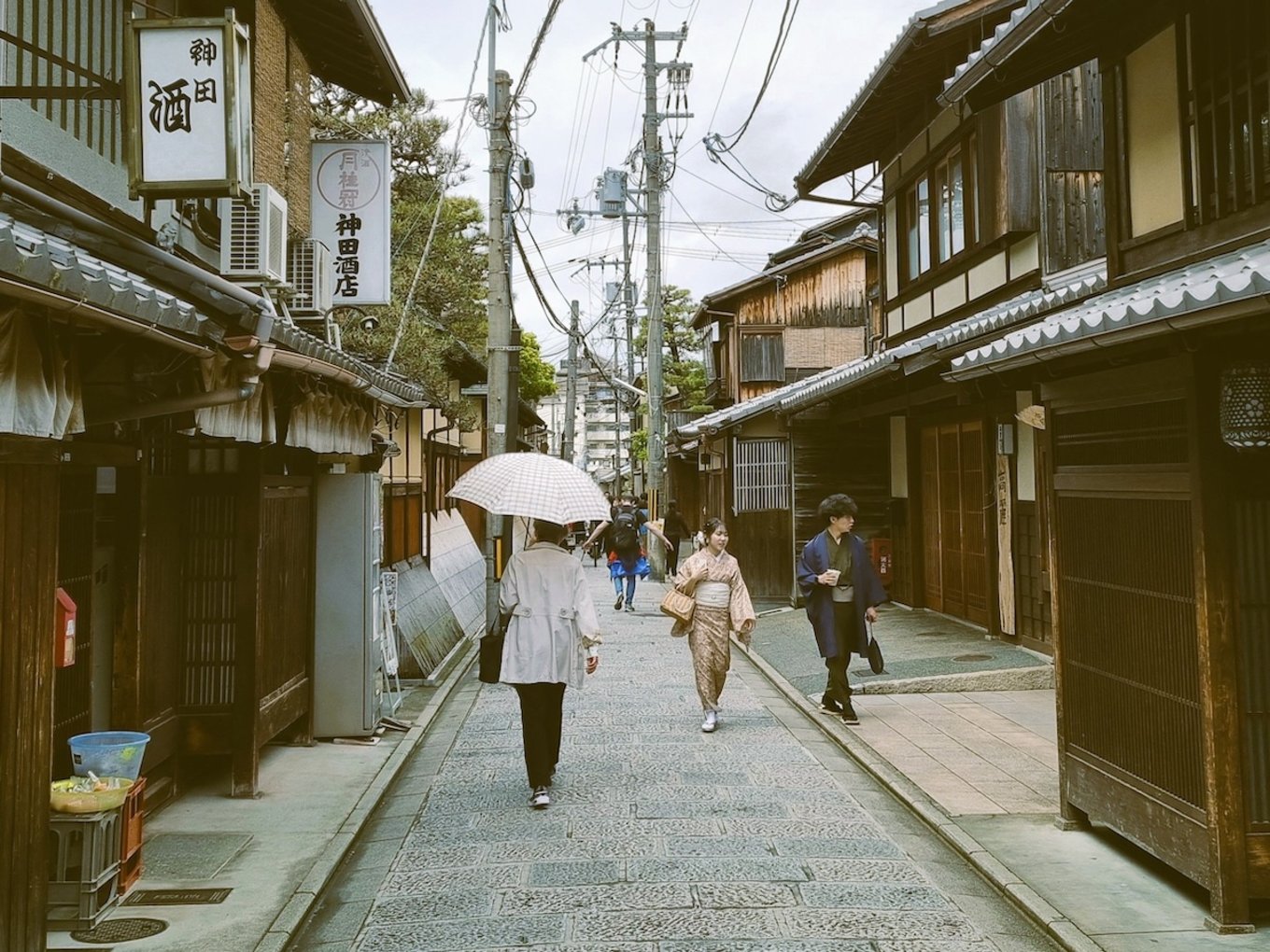
You’ve probably got three tabs open right now: flight prices, a half-finished Kyoto wish list, and a weather chart that doesn’t settle anything. Kyoto changes a lot from one season to the next, and since it’s a long flight from the US, you only want to get the timing right once.
The best time to visit Kyoto is late March to early April for cherry blossoms, or mid-November to early December for fall color, and fall edges ahead for most people. Both windows are gorgeous, and both are busy. Below, you’ll find what each season feels like, what it costs in crowds and cash, and how it fits into a bigger Japan trip.
The best time to visit Kyoto, season by season
Skimmers, this part’s for you. Kyoto has two clear sweet spots and two seasons that ask for a trade-off, and each one fits in a single line.
- Spring (March to May): Most popular and priciest, thanks to the cherry blossoms.
- Summer (June to August): Hot, humid and rainy early on, but the easiest on your budget.
- Fall (September to November): Arguably the best all-around pick, with mild weather and deep red maples.
- Winter (December to February): Cold, quiet and underrated, with lower prices.
Still torn between spring and fall? Skip ahead to the side-by-side comparison below.
Kyoto weather by month at a glance
Kyoto sits in a basin ringed by mountains, so summers run hotter and winters colder than you’d guess from a map. Here’s what to pack for, using rounded daytime highs.
- March to May: Highs climb from the mid-50s°F in March to the mid-70s by May. April has the nicest weather, while May turns rainy.
- June to August: Highs reach the low 80s°F in June and around 90°F by July. August is the hottest month, with highs in the low 90s.
- September to November: Highs ease from the mid-80s°F in September to the low 60s in November. Early fall is typhoon season, though Kyoto rarely takes a direct hit.
- December to February: Highs hover around 50°F, and January nights drop close to freezing.
Klook Tip: Pack layers for spring and fall. Mornings often start near 45°F, and afternoons can reach the 60s.
Spring (March to May): most popular, and the priciest
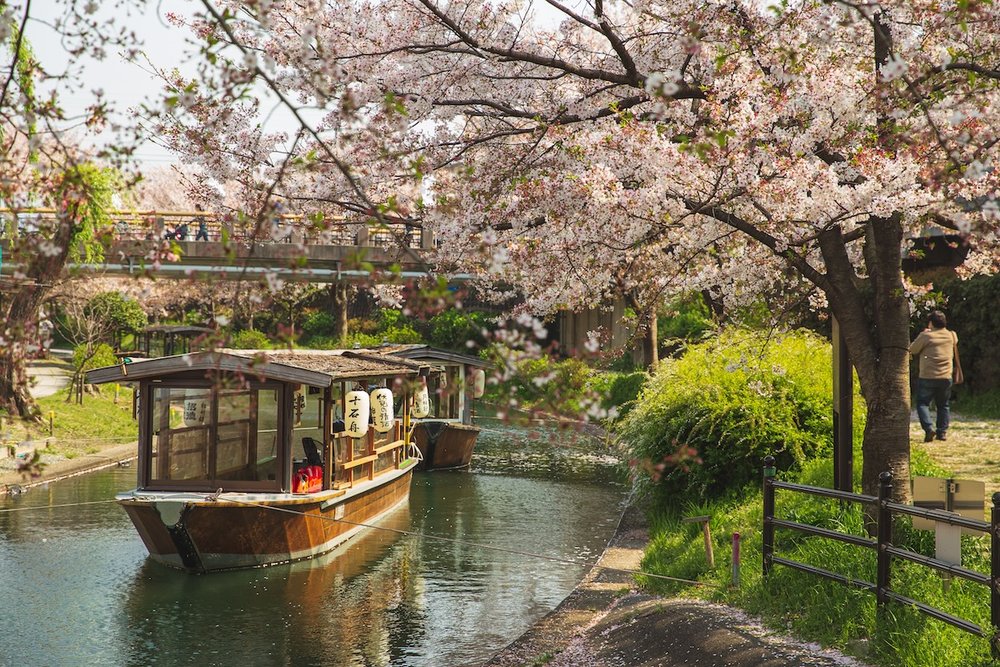
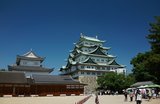
Kyoto spring | Image credit: Ryutaro Tsukata via Pexels
Spring is the season Kyoto gets photographed in, and the crowds know it. Kyoto cherry blossom season usually runs from late March through mid-April, with the citywide peak around the first week of April. Full bloom at any single spot only lasts about a week, and the exact dates move with each year’s weather.
Start at Maruyama Park, Kyoto’s most famous hanami (cherry blossom viewing) spot, right beside Yasaka Shrine in Gion. The big weeping cherry tree is lit up after dark, and the park fills fast on weekend evenings.
If you’d rather not juggle trains, the cherry blossom day tour starts around $47. It fits Fushimi Inari, Nara’s deer and the Arashiyama bamboo path into one day, so it suits first-timers with limited time. The trade-off is pace: you’ll get a couple of hours at each stop, not a slow morning.
Klook Tip: Check a live bloom forecast two to three weeks before you fly. Peak dates can shift by about a week either way.
Summer (June to August): hot, humid, and easy on your wallet
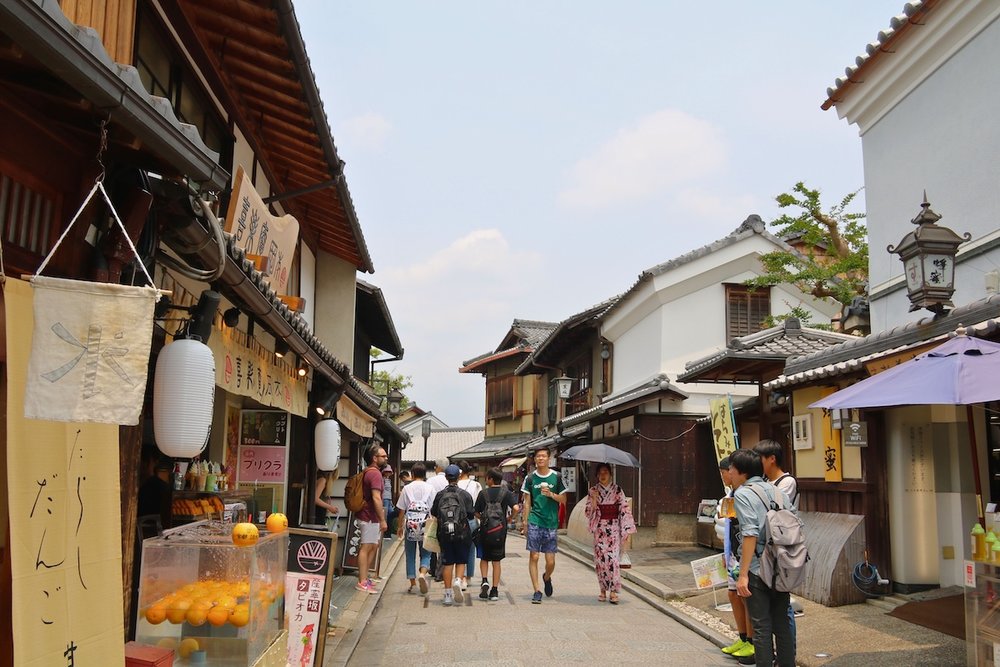
Kyoto summer | Image credit: Bruna Santos via Pexels
Summer is the season most guides tell you to skip, and honestly, that’s mostly fair. The Kyoto rainy season, called tsuyu (Japan’s early-summer rains), runs from early June to mid-July. After it clears, highs sit around 90°F with heavy humidity, and some days push past 95°F because the surrounding mountains hold the heat in.
There’s an upside, though. Hotel rates are often lower, especially in June, and moss gardens look their greenest after rain. The Gion Matsuri festival runs all through July, with the biggest parades in mid-month, and yuka (riverside dining platforms) open along the Kamo River. Plan temples for 8 a.m., then retreat indoors by noon.
Fall (September to November): arguably the best all-around pick
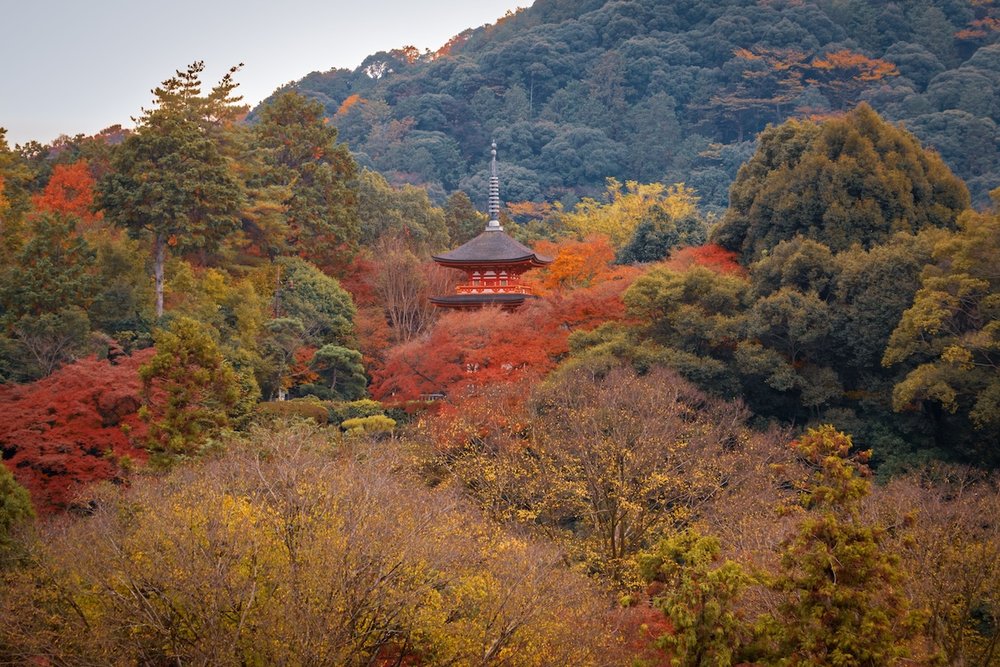
Kyoto in the Fall | Image credit: Emiliano Lara via Pexels
Fall might be the easiest season to love, because the weather finally cooperates. Kyoto autumn foliage starts in the higher hills in late October or early November, then moves into the city and peaks from mid-November through early December. November highs sit in the low 60s°F, and it’s usually drier than April. Many temples also stay open after dark for night illuminations.
Okochi Sanso Garden is a villa garden behind Arashiyama’s bamboo grove, and it’s one of the best spots in town for maples. Go right at opening, before the tour groups arrive.
For an evening plan, the autumn night maple tour costs $74.65 and pairs Kinkaku-ji with the Arashiyama train through lit-up maples. It’s a roughly 10-hour day, and Arashiyama gets packed on holidays. Bring a jacket, since the train is open-air.
Spring vs. fall: which one should you pick?
This is the question readers get stuck on most, so here’s the side-by-side.
- Spring: Soft pink blossoms, a short bloom window (about a week per spot) and cool mornings. It’s best for park picnics, canal walks and cherry trees framing temple roofs.
- Fall: Deeper reds and golds, a longer window (roughly three weeks as color moves across the city) and night illuminations.
- Both: Peak prices, packed trains and temples that feel crowded by 9 a.m.
If your dates are flexible, the best time to visit Kyoto is whichever window matches the mood you want. Choose spring for blossoms and a festive feel. Choose fall for steadier weather and a longer window if your dates are fixed.
Kyoto Gyoen National Garden works in both seasons. It’s a free, sprawling park in the city center, with cherry trees in spring and colorful maples and ginkgo in fall, and it’s big enough to soak up crowds.
Kyoto peak season: book temples and ryokan early
Kyoto’s peak season is rougher than in most of Japan, and it catches people off guard. Kyoto peak season hits twice: the first week of April and again from mid-to-late November. The city is compact and many temples are small, so the same crowds feel bigger than in Tokyo or Osaka. Hotels and ryokan (traditional Japanese inns) sell out months ahead and rates climb sharply, so lock in your stay as soon as your dates are set.
Tours fill up too. The Fushimi cherry blossom tour covers the Fushimi Jikkokubune Boat Walk, the Sewari Dike Cherry Blossom Tunnel and the Daigo-ji Temple.
Klook Tip: If you plan to ride the Sagano Scenic Railway in peak season, buy round-trip tickets at least a month ahead.
Winter (December to February): the underrated pick
Winter is the quiet one, and that’s the point. Highs hover around 50°F and January nights drop close to freezing. Snow is possible but not guaranteed, so a dusting on a temple roof is a bonus, not a promise. A snow-covered Kinkaku-ji is the shot everyone hopes for.
Kyoto off-season travel pays off in shorter lines and lower hotel rates, especially in January and February. The honest downsides: old wooden temples are unheated, so wear thick socks, and the Sagano Scenic Railway pauses in January and February. Some shops and restaurants also close around New Year. Early December still has late foliage in a few spots, if you want a bit of color with the quiet.
FAQs about the best time to visit Kyoto
What is the best month to visit Kyoto?
November is the best all-around month, with highs in the low 60s°F and peak fall color from mid-month. Early April is the runner-up if cherry blossoms are your priority. For fewer people, aim for early November or late March.
When is cherry blossom season in Kyoto?
Late March through mid-April, with peak bloom usually around the first week of April. Dates shift by about a week each year, so check a bloom forecast before you lock in flights.
When is the best time to see fall foliage in Kyoto?
Mid-November to early December is the safest window for the city’s main temples. Higher areas north of the city, like Takao, turn a bit earlier.
Is Kyoto worth visiting in winter?
Yes, especially if you want quiet temples and lower prices. Highs sit around 50°F, snow is possible but rare, and the Sagano Scenic Railway is paused in January and February.
What is the rainy season like in Kyoto?
Early June to mid-July brings warm, muggy weather with frequent showers. June averages rain on about 19 days, so pack a compact umbrella and plan indoor backups like Nishiki Market.
Is Kyoto too crowded during cherry blossom season?
It’s busy, especially the first week of April, but you can beat the worst of it. Get to Maruyama Park or a canal path by 7 a.m., and save the big temples for weekdays.
Pick your Kyoto window, then book the hotel first
Hotels are the piece that sells out, so start there once your dates are set. Then picture yourself at Maruyama Park at 7 a.m. in early April, cherry petals on the path and the tour buses still parked. When you’re ready, browse Kyoto tours and day trips on Klook and grab the popular ones early.
Related blogs



What is Klook?
Klook is a leading pan-regional experiences platform in Asia Pacific, purpose built to digitalize experiences and make them accessible to every traveler.
Our mission is to build the digital infrastructure for the global experience economy — empowering merchants to share their passions and travelers to discover the heartbeat of each destination. We operate a mobile-first, curated platform featuring diverse experiences across global destinations.