
Maybe the Forbidden City is already on your list, and now you’re wondering what else Beijing has that doesn’t feel like a history lesson. The 798 Art Zone is a good answer. It’s a 1950s electronics factory complex with sawtooth Bauhaus-style roofs, and artists took it over in the early 2000s and turned it into Beijing’s contemporary art hub.
The money side is easy. Walking the district costs nothing, and many galleries are free too. A few major spaces, like the UCCA Center for Contemporary Art, charge admission, usually between 8 USD and 14 USD depending on the show.
This Beijing one-day itinerary starts at 10 AM and wraps up around 5, with a time estimate for every stop. It covers the big-name galleries, street art, a lunch break and the old industrial relics at 751 D-Park next door. Planning more days in Beijing? The city page has tickets and tours for the rest of your trip.
Klook Tip: Spring and fall are the most comfortable seasons for a day on foot. Go Tuesday through Friday if you can, when galleries are open and crowds are lighter.
Getting to the 798 Art Zone and what to know first
There’s no subway stop at the gate, and the last stretch takes a little planning. One of the closest stations is Gaojiayuan, where Lines 12 and 14 meet, and it’s about a 550-meter (0.3-mile) walk to the Jiuxianqiao Road entrance. A taxi or DiDi from central Beijing usually takes 30 to 40 minutes and costs around 7 USD, depending on traffic.
Address: 798 Art Zone, No. 4 Jiuxianqiao Road, Chaoyang District, Beijing (北京市朝阳区酒仙桥路4号, show this to your driver)
Mondays are the catch. UCCA is closed that day, and many smaller galleries are too. Plan for Tuesday through Sunday, and check UCCA’s website for current exhibitions before you go, since lineups change every two to three months. Wear comfortable shoes: the district covers about 150 acres.
Heading over from the US? Flying nonstop from the West Coast takes about 14 to 15 hours. Give yourself a day to shake off jet lag before a long day on foot, and check the latest entry rules in our China visa-free guide before you book flights.
Once you’re in Mainland China, set up Alipay or WeChat Pay with your foreign card, because some smaller cafes and shops prefer mobile payment. Keep a little cash as backup.
10 AM: start at the UCCA Center for Contemporary Art (1.5 to 2 hours)
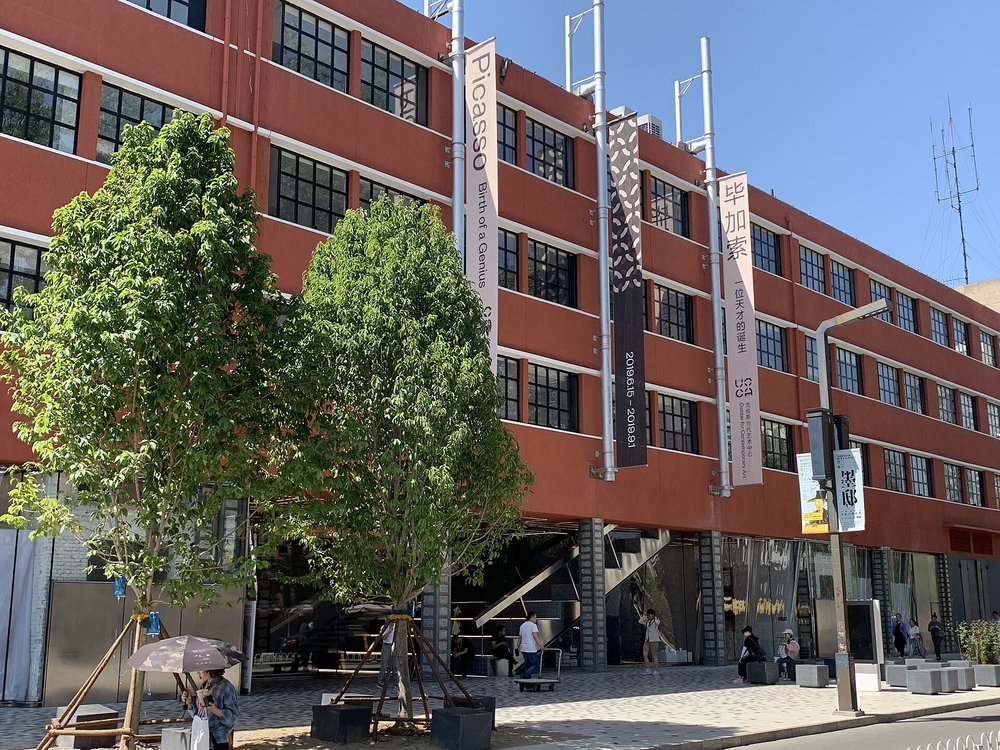
UCCA Center for Contemporary Art | Image credit: Simonfrank91, CC BY-SA 4.0, via Wikimedia Commons
Start here while your legs are fresh, because the UCCA Center for Contemporary Art is the anchor of the whole district. It sits inside a converted factory building, and the industrial bones are part of what you’re looking at. The exhibitions focus on Chinese contemporary art, plus some international names, across painting, sculpture, photography and video.
Budget about 8 USD to 14 USD and 1.5 to 2 hours. UCCA is open Tuesday through Sunday, 10 AM to 7 PM, with last entry at 6:30 PM. One honest downside: exhibitions rotate every few months, and some are very conceptual. Look at the current show before you pay.
Klook Tip: Buy your UCCA ticket at the front desk, which takes cash and credit cards. If you’re visiting from abroad, the museum’s website won’t sell you a ticket.
11:45 AM: gallery-hop through Long March Space, Tang Contemporary and Pace (about 1 hour)
After UCCA, the smaller galleries feel like a relief, since most are free and you can leave whenever you like. Long March Space, Tang Contemporary Art and Pace Beijing are a short walk from each other, and they’re some of the best Beijing art galleries for Chinese and Asian contemporary work. Give each one 15 to 20 minutes.
Don’t try to see everything, because the district has far more spaces than one day covers. Pick the shows that catch your eye from the sidewalk and skip the rest. A district map from the entrance helps you spot what’s nearby.
Want a bigger art fix? The Red Brick Art Museum works as a second-day trip, at about 18 USD on Klook. It’s a garden-style contemporary art museum in Cuigezhuang Township, and it’s a separate ride from 798, not a walk. Winter hours (October through April) run 10 AM to 5:30 PM, and it’s closed Mondays.
12:45 PM: lunch or coffee at one of the 798 cafes (about 1 hour)
Around now, you’ll probably hit a wall: tired legs and an empty stomach. The 798 cafes and restaurants fill the old workshops, and you’ll eat inside the same Bauhaus factory architecture you’ve been looking at all morning. A bowl of noodles or a rice dish at a casual spot runs about 7 USD per person.
If a place has a line, try another. Cafe prices run higher, and weekends get crowded. Sit for the full hour, because the afternoon covers more ground than the morning.
Klook Tip: Use this break to decide which galleries you still want to hit. Many close around 6 PM.
1:45 PM: street art, sculptures and small studios (about 1 hour 15 minutes)
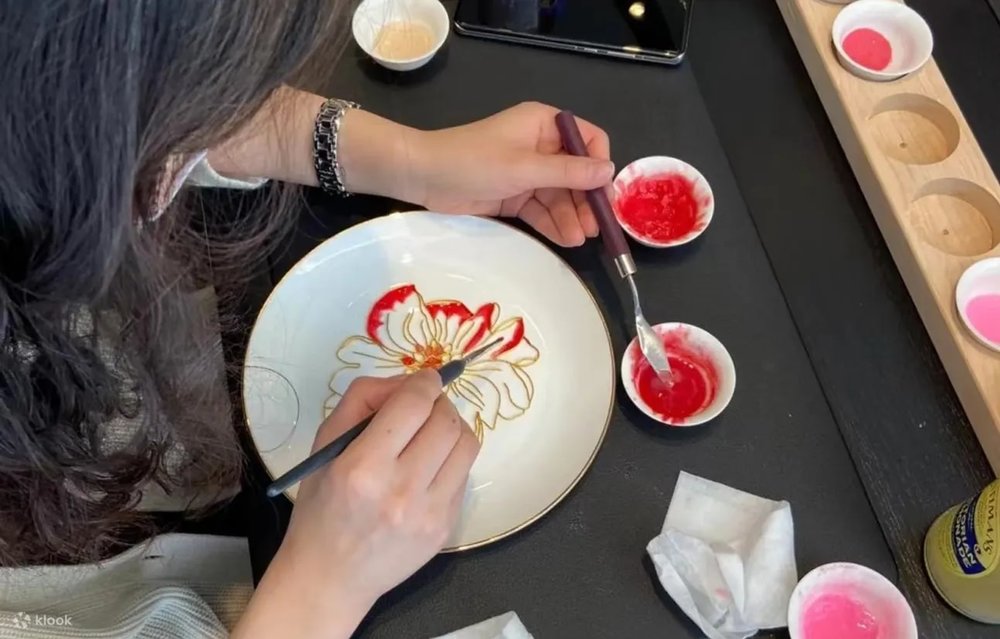
Beijing Intangible Cultural Heritage Experience
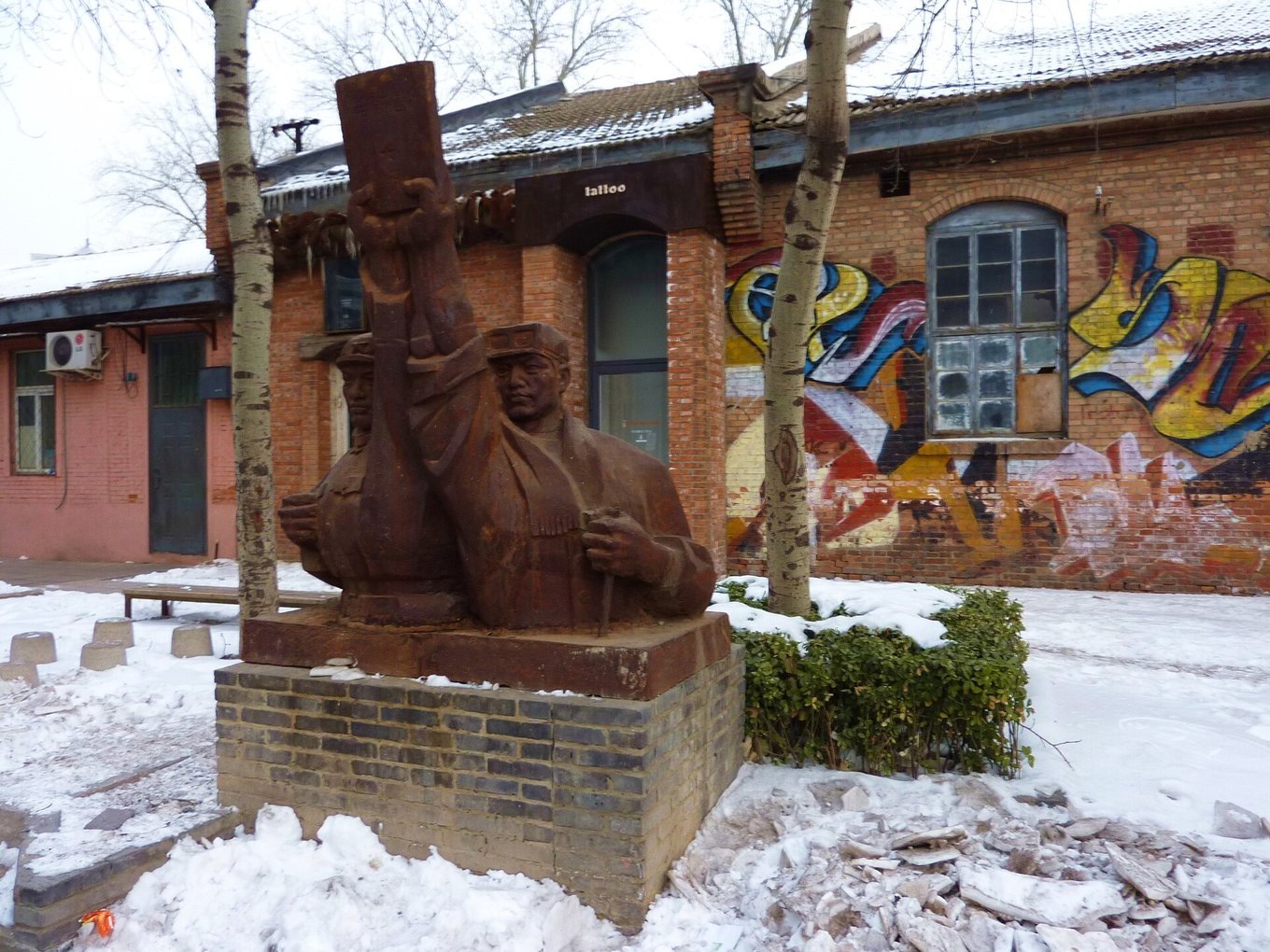
The lanes between the buildings are the best free part of the 798 Art Zone. Murals cover factory walls, and big sculptures sit along the lanes, which makes this the stretch where you’ll take the most photos.
Pop into any studio or design shop with an open door, since most don’t charge to browse. Names change often here. Treat any online list as a starting point rather than a promise.
If you’d rather make art than look at it, this cloisonné enamel workshop costs about 47 USD and runs 2 hours. You’ll make a pair of earrings or a coaster or photo frame, and no experience is needed. It’s near Chaoyangmen in central Beijing, which makes it a better fit for another day.
3 PM: the industrial relics at 751 D-Park (about 2 hours)
Next door, the mood shifts from galleries to heavy industry. 751 D-Park is a former gas plant and power station, and the old chimneys, gas tanks, pipes and a vintage steam train were kept in place. You can walk straight over from 798, and entry is free.
Allow about 2 hours to wander the pipe-lined walkways, photograph the tanks and poke into the design shops and exhibition spaces. If you can stay until dark, the structures are lit up and look completely different. One downside: check what’s open that day, since some exhibitions and events charge extra and venues keep their own hours.
5 PM: how to round out the day nearby
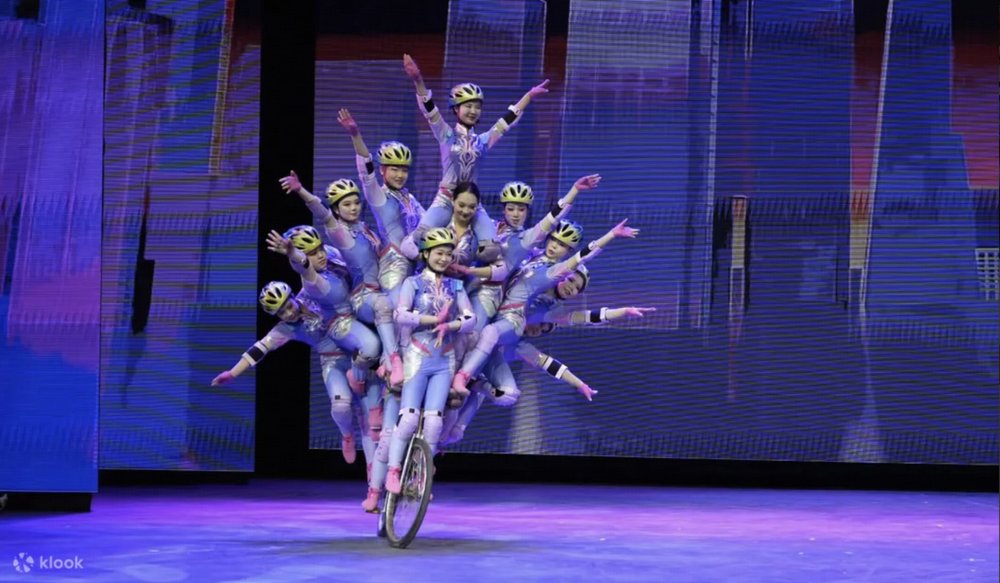
Chaoyang Theatre acrobatics show
By now you’ve earned a proper sit-down dinner, and Sanlitun is also in Chaoyang. Our Sanlitun guide covers where to eat and drink, and it’s an easy taxi ride from 798.
For a contrast, try the Nanluoguxiang guide on another evening. It covers a hutong lane that feels like old Beijing, a world away from the factory halls you just spent the day in.
Still got energy? The Chaoyang Theatre acrobatics show has a 5:30 PM session that lasts about an hour, and tickets are about 46 USD. The venue is a 373-meter (quarter-mile) walk from Hujialou Station on Line 10. If you’re going, trim 751 D-Park to about 90 minutes.
Address: Beijing Chaoyang Theatre, No. 36 North East Third Ring Road, Chaoyang District, Beijing
Klook Tip: Acrobatics tickets can’t be canceled or changed once booked. Lock in your route before you buy. Sessions run at 4:00 and 5:30 PM.
More things to do in Beijing if you have another day
One day covers the 798 Art Zone, but your Beijing list probably doesn’t stop there. Yonghe Temple, a classic sight in northeast Beijing, pairs easily with a 798 day. If the factory architecture was your favorite part, the Beijing National Stadium, known as the Bird’s Nest, is the city’s best-known piece of modern design.
For a culture-focused trip, the National Museum of China is Beijing’s major museum and a solid anchor for a day. It’s across town from 798 and deserves its own morning.
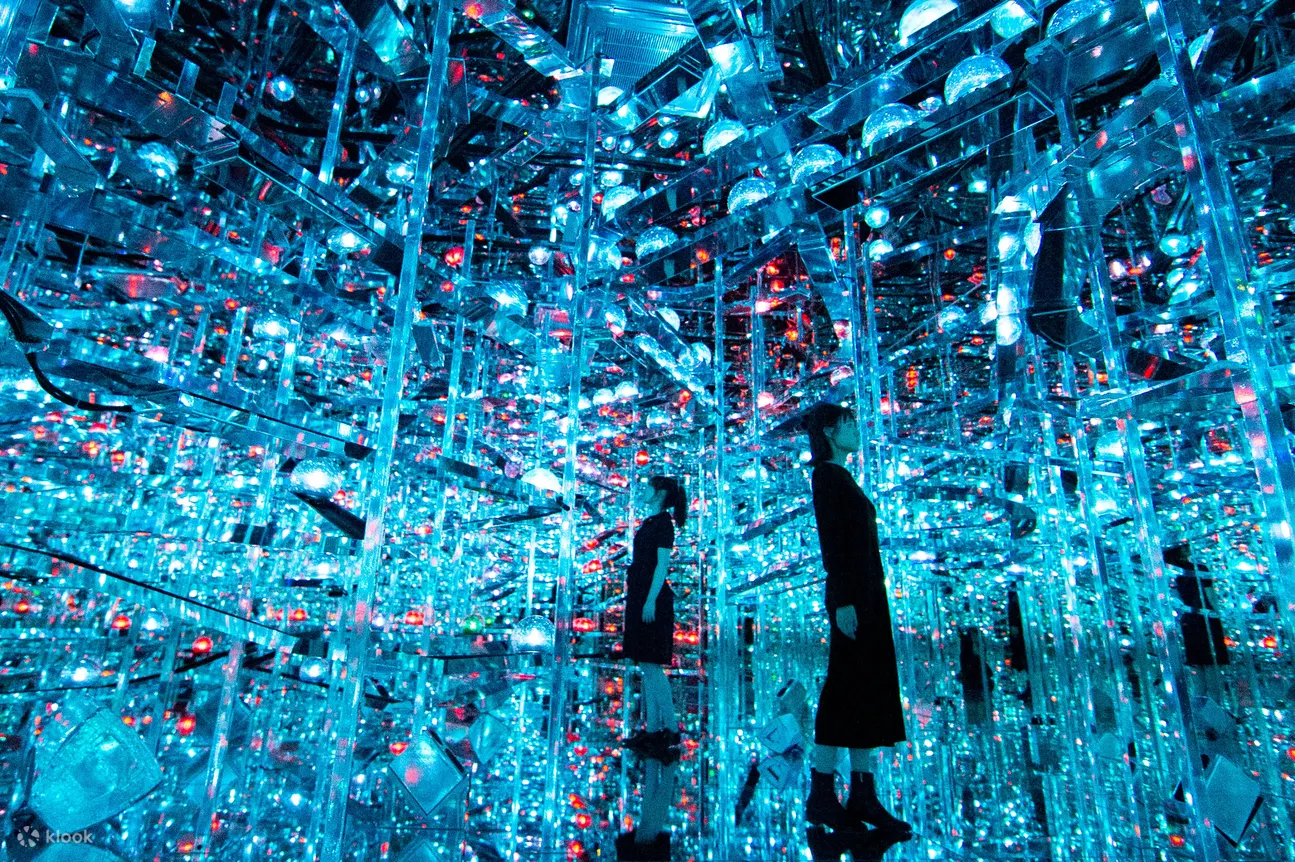
At about 7 USD, the Suspended Glass Art Museum is a short 3D projection show in a Wangfujing mall. Treat it as a quick, family-friendly add-on rather than an art museum.
FAQs about 798 Art Zone
Is the 798 Art Zone free to visit?
Yes, walking the district is free, and many galleries don’t charge admission. Bigger spaces like UCCA and some special exhibitions do, with UCCA usually between 8 USD and 14 USD.
How do I get to the 798 Art District by subway?
Take Line 12 or Line 14 to Gaojiayuan Station, then walk about 550 meters (0.3 miles) to the Jiuxianqiao Road entrance. Jiangtai Station on Line 14 also works, but it’s a longer walk, and a taxi covers the last stretch quickly.
How much time do you need at 798 Art Zone?
Plan on at least 4 hours for 798 alone. This itinerary uses about 7 hours, counting lunch and 751 D-Park.
Are galleries at 798 open on Mondays?
Mostly no. UCCA is closed on Mondays and many other galleries are too, though the lanes and outdoor art stay open. Plan your gallery time for Tuesday through Sunday.
What is the 798 Art Zone known for?
The 798 Art Zone is Beijing’s main hub for contemporary art, set in a 1950s factory complex with Bauhaus-style buildings. Artists started moving in during the early 2000s, and today it mixes galleries, studios, street art and cafes.
What is the difference between 798 and 751 D-Park?
798 is mostly galleries and studios in old electronics factories, while 751 D-Park is a former gas plant and power station with preserved chimneys, tanks and a steam train. They’re next door to each other, and 751 D-Park is free to enter.
Your 798 Art Zone day, planned
By 5 PM you’ll have a phone full of murals and rusted gas tanks, and a dinner plan in Sanlitun. Pick a Tuesday through Friday, check what’s showing at UCCA, and book your acrobatics seats on Klook once your route is set.
Related blogs
What is Klook?
Klook is a leading pan-regional experiences platform in Asia Pacific, purpose built to digitalize experiences and make them accessible to every traveler.
Our mission is to build the digital infrastructure for the global experience economy — empowering merchants to share their passions and travelers to discover the heartbeat of each destination. We operate a mobile-first, curated platform featuring diverse experiences across global destinations.