
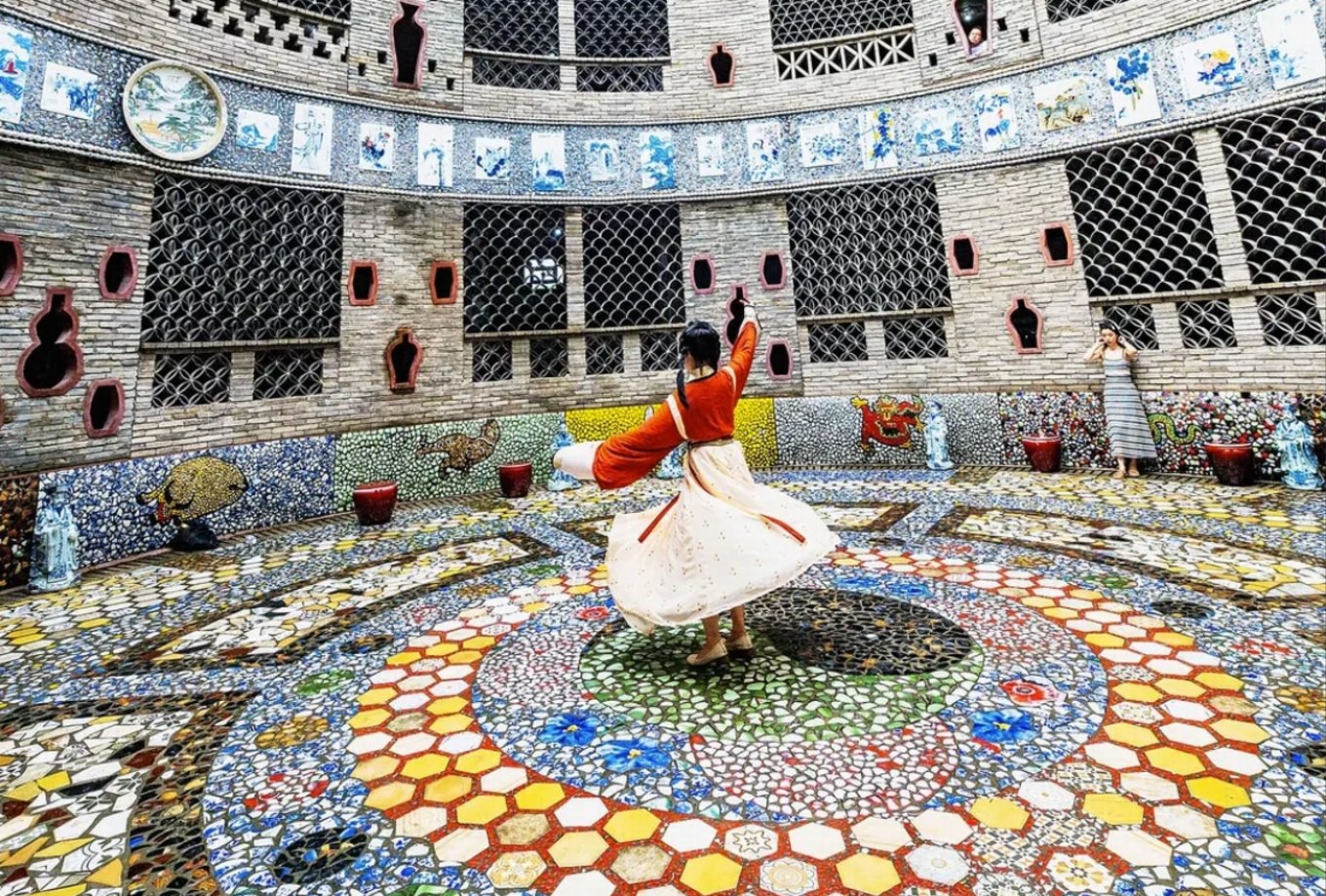
Maybe a blue-and-white vase in a museum got you wondering where pieces like that actually come from. The answer is Jingdezhen, a city in Jiangxi Province that has made Chinese porcelain for emperors, and later for export markets, for over a thousand years. It's still a working ceramics city, so the kilns here are more than history.
This guide covers the Jingdezhen ceramic kilns worth your time, plus the best things to do in Jingdezhen once you've seen them. On a first visit, you'll see a wood-fired egg-shaped kiln and potters shaping pieces by hand.
Jingdezhen is off the usual first-trip China route, so we'll start with getting there, then cover the kiln sites and a 2 to 3 day plan.
Getting to Jingdezhen from Shanghai
You might be wondering how far Jingdezhen really is. From Shanghai, a high-speed train to Jingdezhen North station takes about 4 hours, with seats usually running USD 25 to USD 35 each way. Flights take around 1 hour 20 minutes, but Jingdezhen Luojia Airport has limited service, with some routes only a couple of days a week.
Once you're in town, most Jingdezhen ceramic kilns and markets are a short taxi ride apart, usually USD 1.50 to USD 3 per trip (10 to 20 CNY). A taxi from the airport into the city runs about USD 4 (30 CNY). If you're building a bigger mainland China trip, Jingdezhen works well as a side trip from Shanghai. Spring and fall are the comfortable seasons.
Prefer to hand off the planning? A private customized Jiangxi tour is built around your route.
Klook Tip: Book your train to Jingdezhen North. The older Jingdezhen station only runs slower trains.
Ancient Kiln Folk Customs Expo Area: where the kilns still work
Come here if you want to see Jingdezhen ceramic kilns doing their job, not just sitting behind glass. Entry to the Ancient Kiln Folk Customs Expo Area is about USD 13 (95 CNY). The park has a Qing-era Zhen kiln (a wood-fired egg-shaped design) and a Yuan-era mantou (steamed bun) kiln. Craftspeople demonstrate throwing and painting.
Give it about 3 hours, because the park covers 83 hectares (roughly 205 acres) and the walking adds up. The catch is the shops inside, where prices run high for ordinary pieces. It closes at 5 p.m., so go in the morning.
Imperial Kiln Museum: porcelain made for emperors
Imperial Kiln Museum
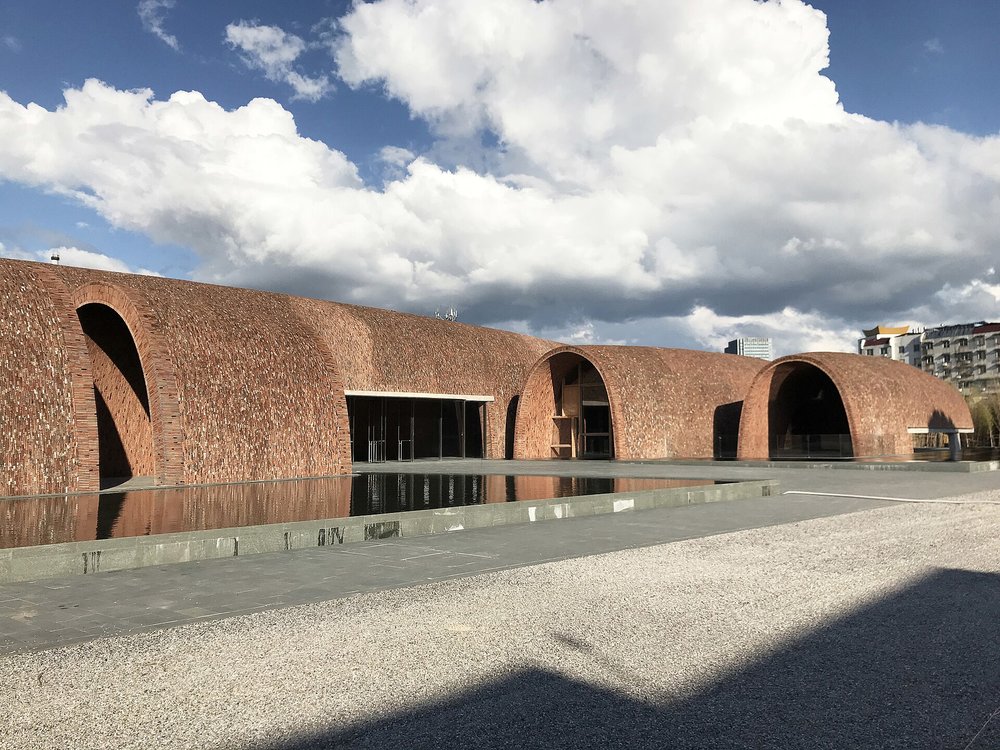
If the expo area shows how porcelain was made, the Imperial Kiln Museum shows who it was made for. It sits on the site of the kilns that supplied the Ming and Qing courts, and the arched brick halls are worth a look on their own. Entry is about USD 7 (53 CNY) through the Taoyangli district ticket, and 2 to 3 hours is plenty.
Planning is the tricky part: it's closed on Mondays, and you need to reserve an entry slot online first, so book a day or two ahead. Taoxichuan is walkable from here, which makes it an easy pairing.
Taoxichuan Ceramic Art Avenue: art by day, market by night
By daylight, Taoxichuan Ceramic Art Avenue is calm. Come back on a weekend evening and it's a different place. It's a former state-owned porcelain factory turned art district, with red brick buildings, galleries, cafés and studios, and entry is free.
The weekend market runs Friday through Sunday evenings, usually from late afternoon until about 9:30 p.m. Stalls rotate, so a second visit shows you different makers. Small handmade pieces often start around USD 7 to USD 14, which is more than the factory markets charge. Two to three hours covers it.
Klook Tip: Arrive around 4 p.m. to see the brick buildings in daylight, then stay for the market.
Sanbao Ceramic Art Village: studios in the hills
After the markets, Sanbao Ceramic Art Village is the quiet stop. It's a village in the bamboo hills with artists' studios and small galleries, and a mountain stream nearby. Wandering is free, and the Sanbao Peng Art Museum costs about USD 3 (20 CNY).
Lunch is part of the draw, with wood-fired pizza and a local chicken soup worth trying, at roughly USD 8 to USD 14 per person. Block off half a day. It's out of town, so plan a taxi both ways.
Take a Jingdezhen pottery class
A basic Jingdezhen pottery class costs around USD 7 (50 CNY) and runs about 2 hours. You can throw on the wheel or paint a blue-and-white design, and painting gives better results if you're nervous. Both Sanbao and the Ancient Kiln Folk Customs Expo Area offer sessions.
A throwing session with firing at Sanbao has been reported around USD 21 (150 CNY), so check the price when you book. Firing takes extra time, so book your class on day one, not your last afternoon. Ask if the workshop will ship the finished piece home.
Where to buy porcelain, and how to get it home
Prices swing a lot here, so where you shop matters more than what you buy. The Sculpture Porcelain Factory is the budget pick, with cups and bracelets for a few dollars. Its Saturday-morning Letian market adds independent artists' work (about USD 7 to get in). Studio pieces in Sanbao start around USD 40.
Stall owners at the cheaper markets often haggle a little, but studios with set prices usually don't. For anything fragile, ask the shop to pack and ship it, and get the quote and insurance terms before you pay. Keep your receipts in case you owe import duties back home.
A 2 to 3 day Jingdezhen itinerary
Yaoli Old Town
Two days covers the main Jingdezhen ceramic kilns and markets. A third gives you room to slow down.
- Day 1: Start at the Ancient Kiln Folk Customs Expo Area by 9 a.m., then have lunch. Spend the afternoon at Taoxichuan Ceramic Art Avenue and stay for the market if it's Friday through Sunday.
- Day 2: Spend the morning at the Imperial Kiln Museum (reserve ahead). Head to Sanbao for lunch, studios and your pottery class.
- Day 3 (optional): Shop the Sculpture Porcelain Factory, ideally on a Saturday morning, or leave the city for a countryside day.
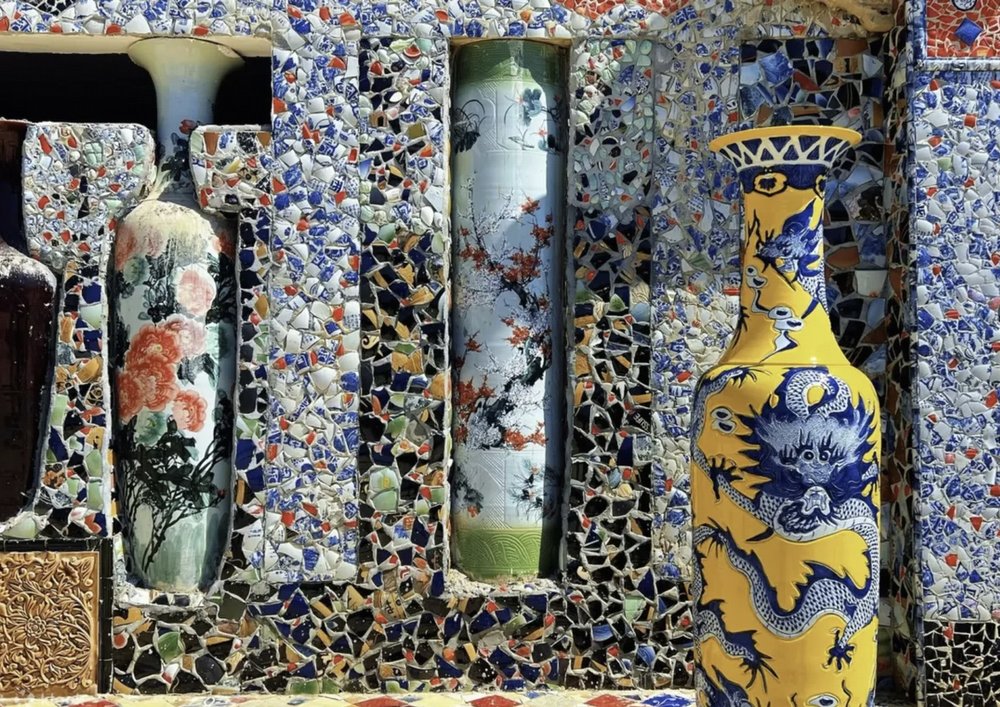
For that countryside day, the Yaoli Old Town tour is a small group trip to Yaoli and Dongbu Pier, so you skip the transport planning.
With an extra day, Wuyuan Huangling Scenic Area is a scenic change of pace from kiln-hopping.
Klook Tip: Arrive on a Friday so Taoxichuan's market lands on your first night. Remember the Imperial Kiln Museum is closed Mondays.
FAQs about Jingdezhen ceramic kilns
Why is Jingdezhen famous for porcelain?
It has made porcelain for the imperial court and export markets for over a thousand years. The imperial kilns served the Ming and Qing courts, and the city still runs working studios.
How do I get to Jingdezhen from Shanghai?
Take a high-speed train to Jingdezhen North station, which takes about 4 hours. Flights are faster at around 1 hour 20 minutes, but they run only a few days a week.
How many days do you need in Jingdezhen?
Two days covers the main kiln sites, one class and a market night. Add a third day if you want a slower pace or a countryside trip.
Can you take a pottery class in Jingdezhen?
Yes, at places like Sanbao Ceramic Art Village and the Ancient Kiln Folk Customs Expo Area. Sessions run about 2 hours, so ask what's included, since firing and shipping can cost extra.
What is the best place to buy porcelain in Jingdezhen?
For budget finds, go to the Sculpture Porcelain Factory. For artist-made pieces, Taoxichuan's weekend market and the Sanbao studios cost more but put you face to face with the maker.
When is the Taoxichuan weekend market open?
Friday through Sunday evenings, usually from late afternoon until about 9:30 p.m. Hours shift with the season, so check on the day.
Ready for your Jingdezhen trip?
By the end of day two, you'll probably have a hand-painted cup wrapped in a sweater and a short list for next time. Pick your dates first, ideally with a Friday arrival, then book your high-speed train to Jingdezhen North. After that, check Klook for Jingdezhen tours you can book before you go.
Related guides

What is Klook?
Klook is a leading pan-regional experiences platform in Asia Pacific, purpose built to digitalize experiences and make them accessible to every traveler.
Our mission is to build the digital infrastructure for the global experience economy — empowering merchants to share their passions and travelers to discover the heartbeat of each destination. We operate a mobile-first, curated platform featuring diverse experiences across global destinations.