
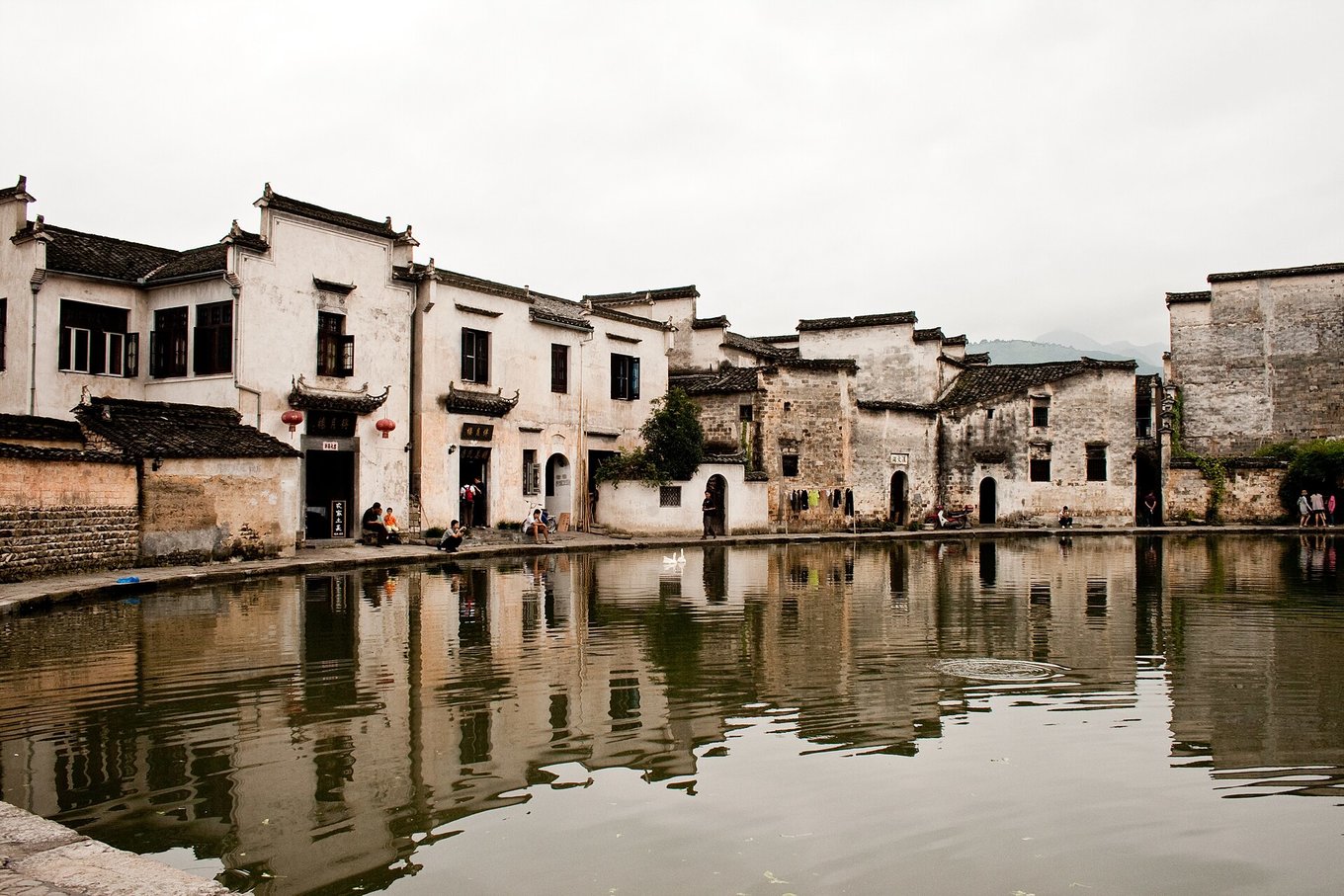
Somewhere between booking flights and saving photos of Anhui, one image probably stopped your scroll: white walls and black roofs, doubled in a still pond. That's Hongcun Village, and the real thing holds up. It's a UNESCO-listed Huizhou village (inscribed in 2000 together with nearby Xidi), laid out in the shape of an ox, with a centuries-old water system running through its lanes.
It's also a Crouching Tiger, Hidden Dragon filming location, so some of those rooftops may look familiar if you've seen the film.
It's a long way from the US, so a little planning pays off. You'll most likely fly into Shanghai or Beijing, take a high-speed train to Huangshan, then finish the trip by bus or car. This Hongcun Village guide covers the sights and costs, plus how to fit it into your Huangshan travel plans.
Huangshan to Hongcun: how to get there
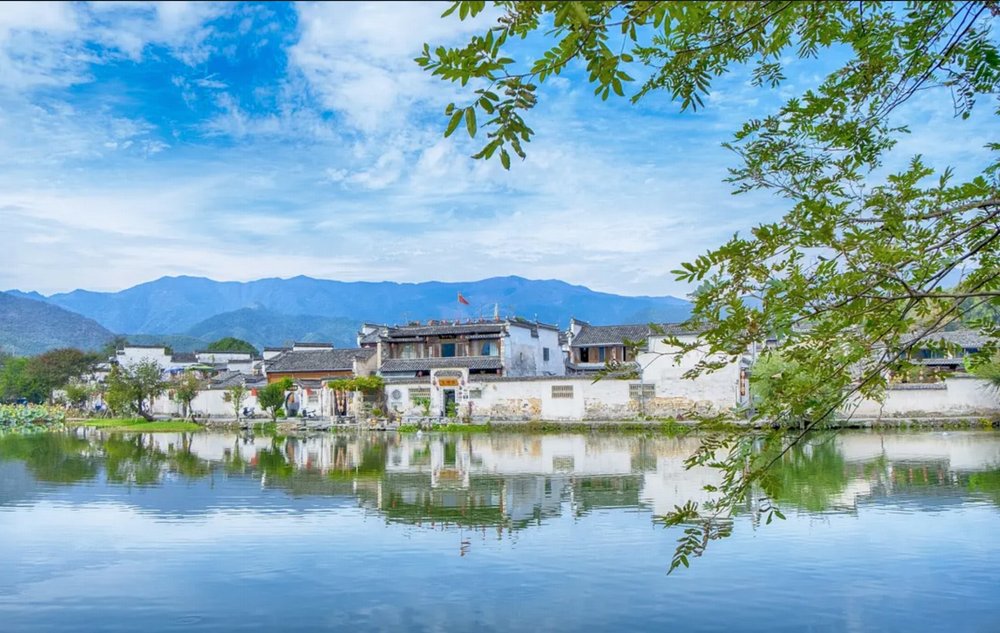
Hongcun and Xidi one day group tour
Hongcun Village sits in Yi County, about 55 km (34 miles) from Huangshan North station, and the trip is easier than the map suggests. Direct buses leave the station about once an hour between 9:25 AM and 5:25 PM, cost around USD 4 (CNY 30), and take roughly 1.5 to 2 hours. A taxi runs about USD 22 (CNY 160) and gets you there in around 1 hour 20 minutes.
Staying in Huangshan city instead? Buses also leave Huangshan Bus Station hourly between 8:00 AM and 4:00 PM. Huangshan North is a high-speed rail stop with trains to Shanghai, Beijing and Nanjing, so it slots easily into a longer route across Mainland China.
Klook Tip: Bus times shift with the seasons, so confirm the schedule at the station, and ask about the last return bus before you head into the village.
Want to skip the timetables? The one-day group tour costs USD 56.75 and covers Hongcun in the morning and Xidi in the afternoon, with tickets and Tunxi hotel pickup included. It suits first-timers who'd rather book once and go. The catch: the guide speaks Chinese, and you get about 2.5 hours at each village.
South Lake Hongcun: the view everyone comes for
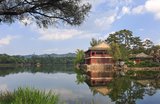
South Lake is usually the first stop, and most people slow down the second they see it. The half-moon lake curves around the village edge, with whitewashed houses reflected in the water. It was dug in 1607, when Moon Pond could no longer supply the village's growing water needs.
Go early, as tour groups tend to arrive mid-morning, and the quiet hour before that is when the reflections look best. Late afternoon is the second-best window.
Moon Pond Hongcun: the village's living room
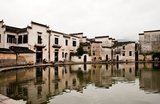
Walk inland and you'll reach Moon Pond, the crescent-shaped pond at the heart of the village. It's about 600 years old, and in the ox layout it's the stomach. You'll often see locals washing vegetables at the edge, a nice reminder that people still live here.
Old halls ring the water, including Lexu Hall, a Ming-era ancestral hall of the Wang clan. The pond is compact, so one slow lap covers it.
Chengzhi Hall: the grandest house in town
If you only go inside one house, make it Chengzhi Hall. A salt merchant named Wang Dinggui built it in 1855 for his family, and it covers roughly 2,100 square meters (about 22,600 square feet).
It's nicknamed the "Folk Imperial Palace" for its detailed wood, stone and brick carvings. The halls keep ticket-gate hours, roughly 7:30 AM to 5:30 PM, so save them for daytime.
The water channels: Hongcun's ox-shaped plumbing
Look down as you walk, because the village's best trick runs along its lanes. Narrow channels carry mountain spring water past the houses into Moon Pond, then on to South Lake. Ming-era builders planned the layout like an ox: the channels are the intestines, Moon Pond is the stomach, and South Lake is the belly.
The four bridges around the village are its legs, which is easier to appreciate on a map than on foot. Each household has a small opening to draw water, and the system still works after centuries.
Huizhou architecture: what you're looking at
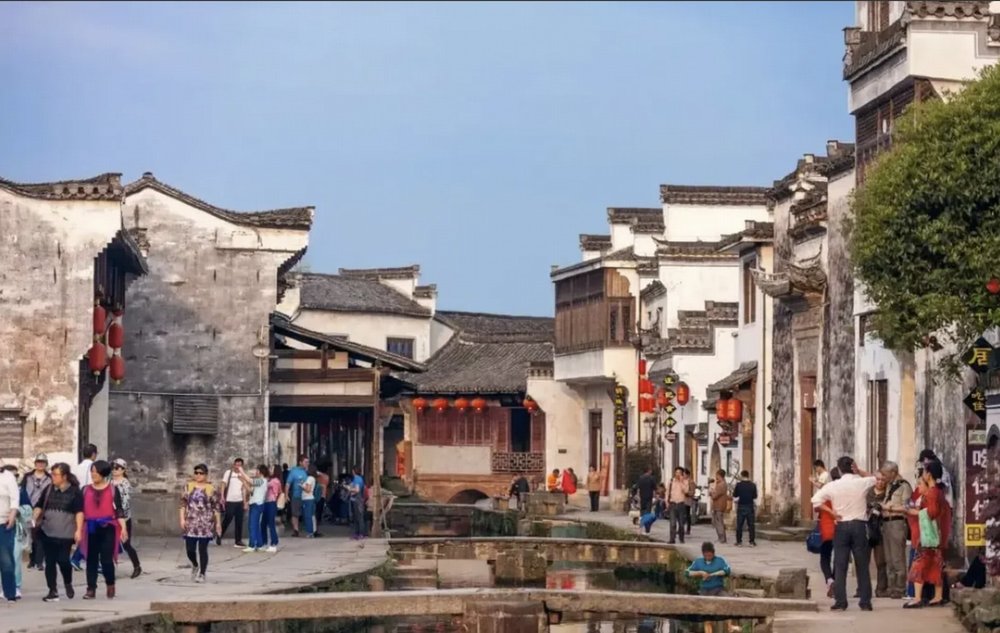
Tangmo Village
Those whitewashed walls and dark tile roofs are classic Huizhou architecture, built largely by merchants who made their money in salt. Look for carved wooden beams, doors and screens, plus courtyards open to the sky that let light and rain into the house.
Got a spare half day? Tangmo Village is a quieter Huizhou village roughly 25 km (15 miles) north of Huangshan city, with a garden at its water gate. Entry is USD 11.69, but buses there are limited, so plan on a taxi or a tour.
Klook Tip: Shoot early. Thin mist often sits on South Lake between about 6 and 8 AM, when reflections are sharpest and crowds are thinnest.
Tickets, timing and where to sleep
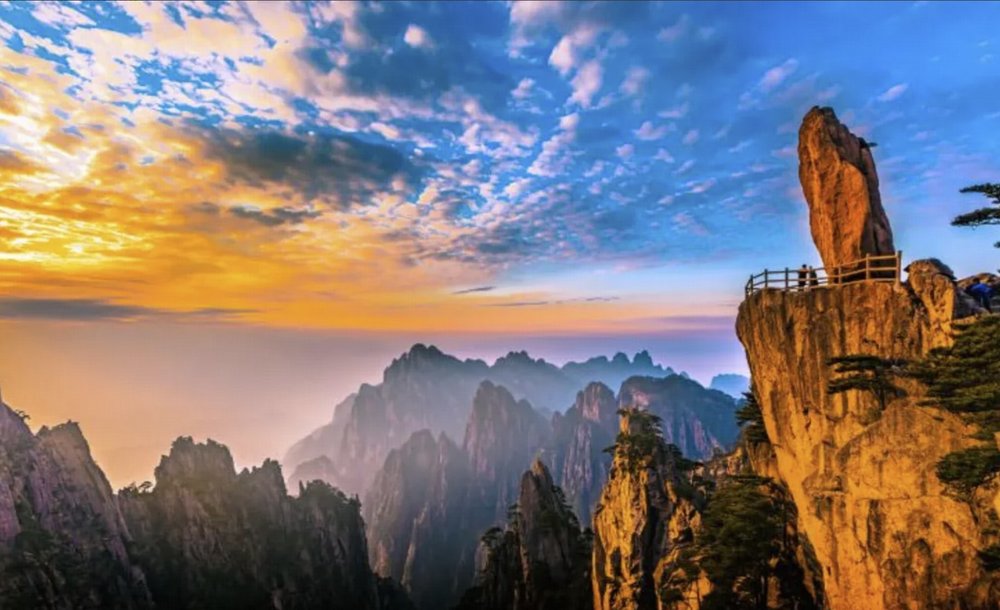
4-day Huangshan and Hongcun tour
Adult entry to Hongcun Village costs about USD 14 (CNY 104), and the ticket stays valid for 3 days with re-entry. That's handy if you sleep in the village. Ticket checks run roughly 7:30 AM to 5:30 PM, though the village itself stays open around the clock if you're staying overnight.
Plan on 2 to 3 hours for a quick loop and up to half a day if you like to wander. A day trip works if you mainly want South Lake, Moon Pond and Chengzhi Hall, especially paired with Xidi. Staying over is worth it for photos and quiet, and guesthouses run roughly USD 20 to USD 55 a night (CNY 150 to 400). The downside: rooms inside the village cost more than ones outside it.
Prefer an overnight built into a bigger trip? The 4-day Huangshan and Hongcun tour starts from USD 328.25 and pairs the mountain's summit with the village. It runs with a Chinese-speaking guide, and reviewers mention paying roughly CNY 570 (about USD 80) extra for meals and cable cars.
Klook Tip: Stay overnight and walk to South Lake around 6 AM. The ticket gate doesn't open until about 7:30, but the lanes are quiet and the mist sits on the water.
How to combine Hongcun with Xidi and Huangshan
A 3-day plan fits most first-timers: two villages, then the mountain. Xidi and Hongcun, among the best-known ancient villages in Anhui, share one UNESCO listing and sit close together.
Day 1: Take the bus to Hongcun Village, check in, and wander the lanes. Catch sunset at South Lake, then eat in the village.
Day 2: Walk to South Lake at first light, then head to Xidi, known for stone-paved lanes and carved merchant houses. A Xidi ticket is USD 14.65 on Klook, entry only with no guide. Sleep in Tunxi or near the mountain.
Day 3: Spend the day on Huangshan itself. The Huangshan Scenic Area ticket starts at USD 12.10, and cable cars are usually priced separately, so check the listing. It's a long day on foot, so wear proper shoes.
FAQs about Hongcun Village
How do I get to Hongcun Village from Huangshan?
Take a direct bus from Huangshan North station or Huangshan Bus Station, which costs around USD 4 each way. It takes roughly 1.5 to 2 hours, and a taxi cuts that to about 1 hour 20 minutes for around USD 22.
How much is the entrance fee for Hongcun?
Adult entry is about USD 14 (CNY 104). The ticket is valid for 3 days with re-entry, so it covers an overnight stay too.
Is it worth staying overnight in Hongcun?
Yes, if you care about photos or quiet. You'll see the village at sunrise before the day-trip groups arrive, though rooms inside the village cost more than ones outside.
What is the difference between Hongcun and Xidi?
Hongcun is the one for water views, with South Lake and Moon Pond giving you the best reflections. Xidi is denser, with stone-paved lanes and carved houses that suit architecture fans, and most day tours cover both.
What is the best time of year to visit Hongcun?
Spring (March to April) and autumn (October to November) bring mild weather and clear reflections. Late March also adds rapeseed flowers around the village, but avoid National Day week (October 1 to 7) and Labor Day (May 1 to 3), when crowds peak.
Which movie was filmed in Hongcun Village?
Crouching Tiger, Hidden Dragon, directed by Ang Lee, shot scenes here. The film came out in 2000, the same year the village earned its UNESCO listing.
Ready to plan your Hongcun trip?
Think of a 6 AM walk to South Lake, mist on the water, and nobody else around yet. That's the Hongcun Village trip worth planning for. Start by picking your train into Huangshan North, then book your tickets or tour on Klook before you fly.
Related blogs
What is Klook?
Klook is a leading pan-regional experiences platform in Asia Pacific, purpose built to digitalize experiences and make them accessible to every traveler.
Our mission is to build the digital infrastructure for the global experience economy — empowering merchants to share their passions and travelers to discover the heartbeat of each destination. We operate a mobile-first, curated platform featuring diverse experiences across global destinations.