
Planning a short trip to Tokyo can feel overwhelming, especially when there’s so much to see, eat, and experience in such a huge city. With three days, however, you can build a well-balanced trip that combines famous sights, vibrant neighborhoods, great food, and a few memorable experiences without spending your entire vacation rushing from one place to another. This guide takes you through a practical 72-hour Tokyo itinerary, with ideas for how to spend each day, which attractions are worth prioritizing, where you can fit in local dining and shopping, and how to get around efficiently.
Why 3 Days in Tokyo Is Ideal for First-Time Visitors
Three days is the sweet spot for first-time visitors who want to experience Tokyo's highlights without burning out. It's long enough to explore the city's distinct neighborhoods, sample incredible food, and visit a handful of top attractions, but short enough to keep the pace exciting rather than exhausting.
Many travelers use a 3-day Tokyo visit as a foundation, then return for deeper exploration. For those already thinking bigger, our 7-day Tokyo itinerary or 10-day travel plan expands on this framework with additional neighborhoods and experiences.
Where to Stay in Tokyo for a 3-Day Trip
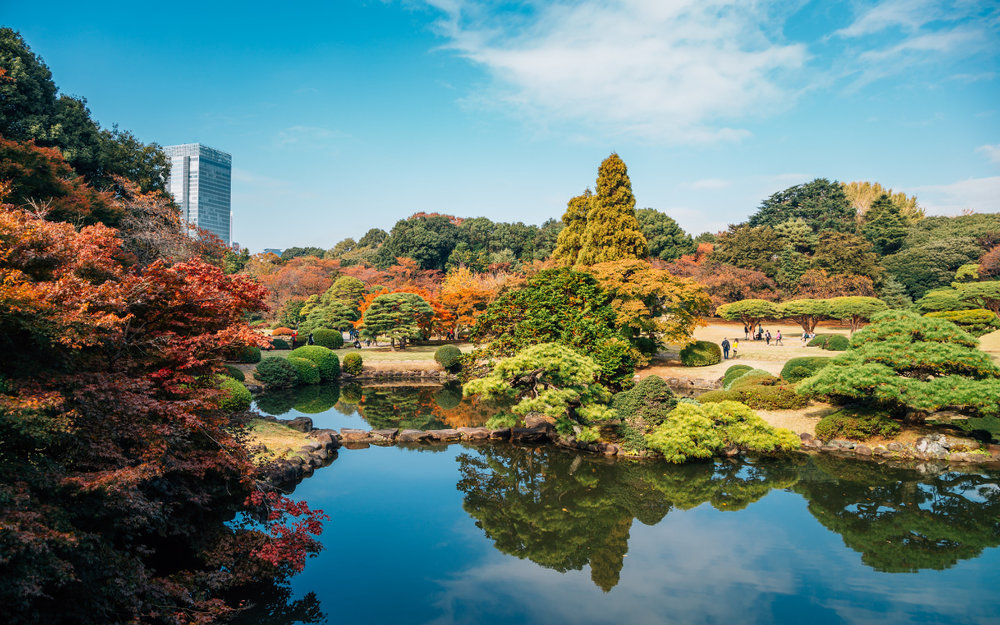
Shinjuku Gyoen National Garden
The best areas to stay in Tokyo for a 3-day trip are Shinjuku, Shibuya, and Tokyo Station, as each offers excellent train access and puts you within easy reach of major attractions.
Shinjuku
Shinjuku is ideal if you want to be in the heart of the action. It's home to one of the world's busiest train stations, which sounds intimidating but actually makes getting anywhere incredibly convenient. You'll find hotels in Tokyo at every price point here, from budget capsule hotels to upscale international chains. The neighborhood also comes alive at night with endless dining options and the atmospheric Golden Gai bar district.
Shibuya
Shibuya works well for travelers who want a slightly younger, trendier vibe. You'll be steps from the famous Shibuya Crossing, and the area has great shopping and nightlife. It's also well-connected to other parts of the city via multiple train lines.
Tokyo Station
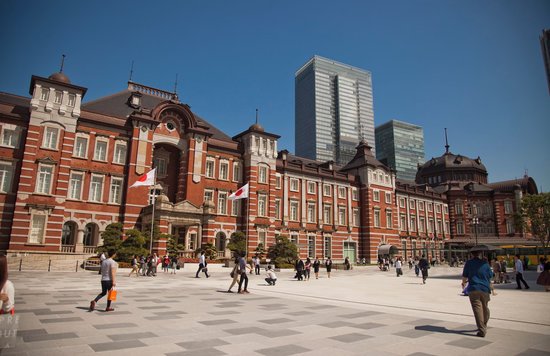
Tokyo Station is the most practical choice if you're planning day trips from Tokyo or arriving via the Narita Express. The Marunouchi and Nihonbashi areas nearby offer a more polished, business-district atmosphere with excellent restaurants and easy access to Ginza Tokyo for upscale shopping.
For budget-conscious travelers, consider areas like Ueno or Asakusa. They're slightly less central but offer lower accommodation prices and put you closer to traditional Tokyo attractions. Airbnb Tokyo options can also stretch your budget further, especially for groups or longer stays, though availability varies by neighborhood.
Day-by-Day Tokyo Itinerary: Morning to Evening Plans
This day-by-day breakdown gives you a realistic, walkable schedule that covers Tokyo's essential experiences without overloading your days.
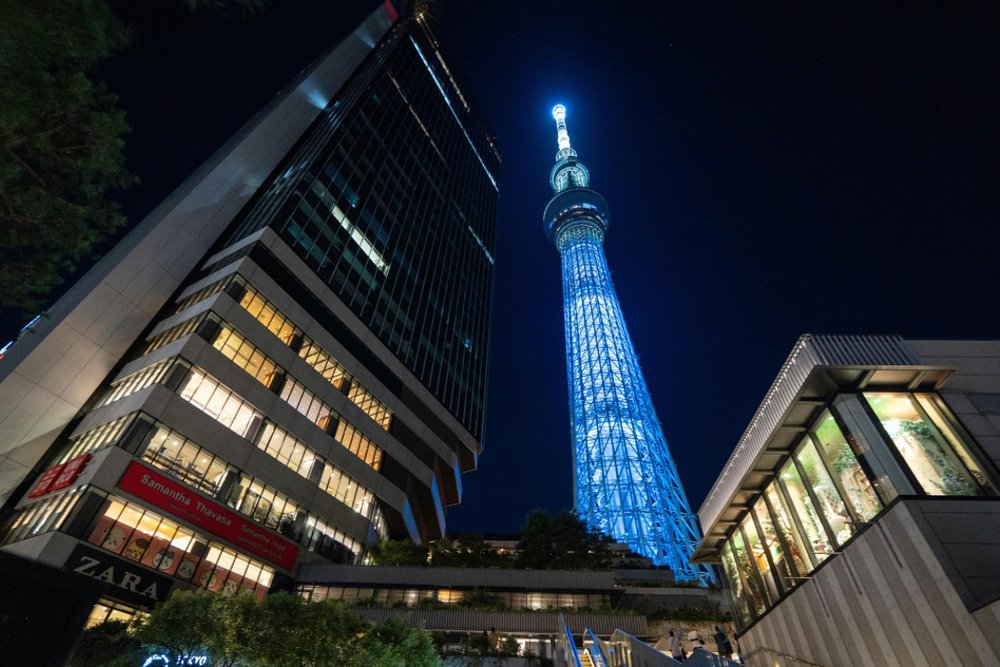
Tokyo Skytree
Day 1: East Tokyo’s Tradition and Temples
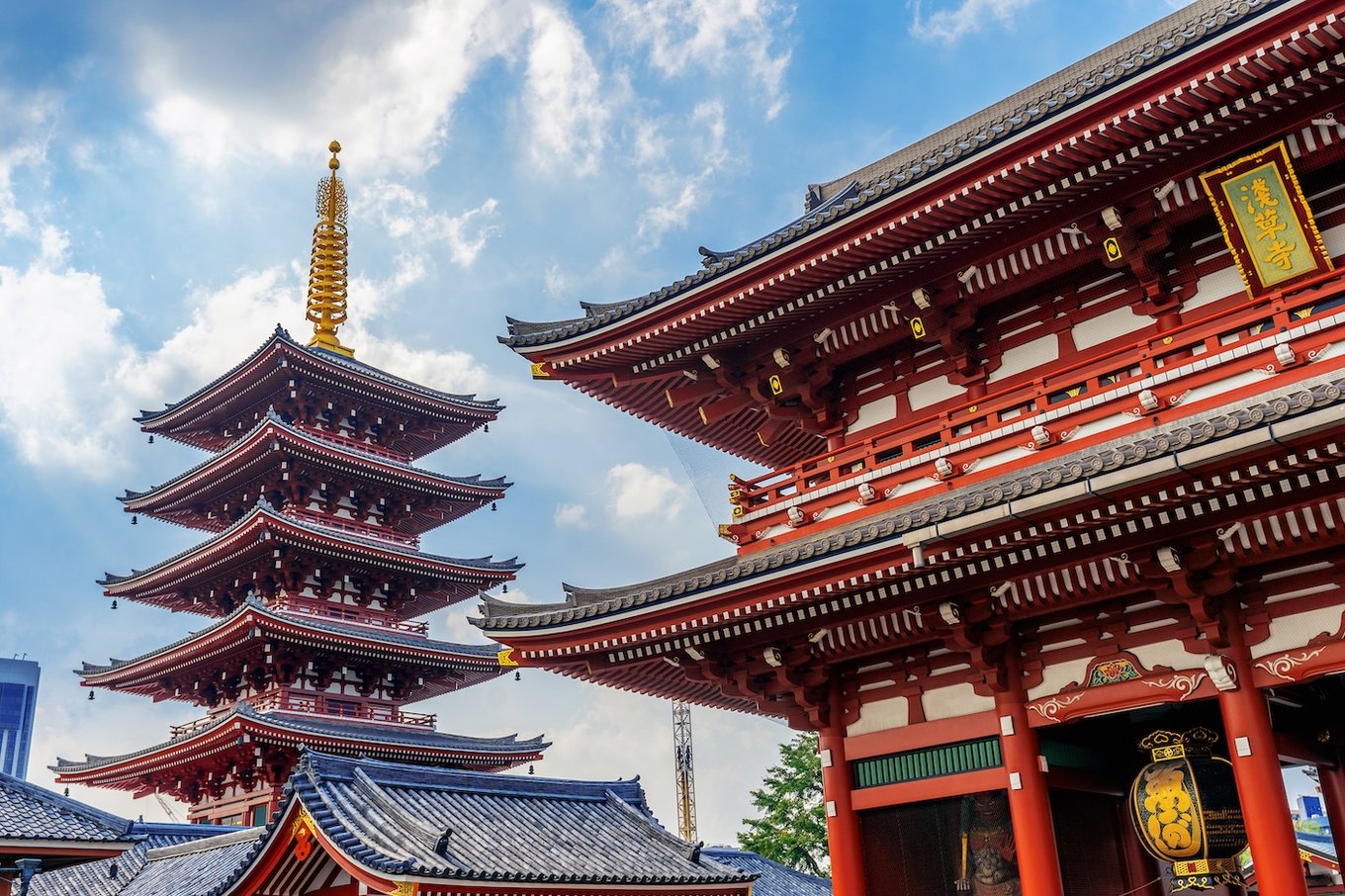
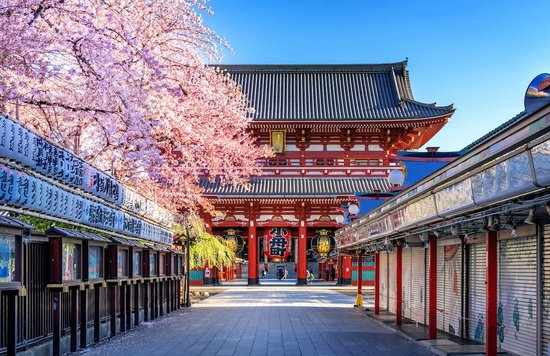
Start your morning at Senso-ji Temple in Asakusa, Tokyo's oldest and most famous Buddhist temple. Arrive by 8 AM to beat the crowds and take your time walking through the iconic Kaminarimon Gate and along Nakamise shopping street. The area is perfect for picking up traditional souvenirs and trying street snacks like freshly made senbei rice crackers.
From Asakusa, head to Tokyo Skytree, which is just a short walk or one train stop away. The observation decks offer panoramic views of the city, and visiting in the late morning means shorter queues than afternoon slots. Book your tickets in advance to skip the line.
Spend your afternoon exploring the Ueno area. Ueno Park is home to several excellent museums, including the Tokyo National Museum if you're interested in Japanese art and history. The park itself is pleasant for a stroll, and the Ameyoko market nearby is great for bargain shopping and casual eats.
End your first day with dinner in Asakusa or head back toward your hotel area. If you're staying in Shinjuku, the Omoide Yokocho alley offers atmospheric yakitori joints that feel like stepping back in time.
Day 2: Central and West Tokyo’s Modern Energy
Begin day two in Harajuku, arriving around 10 AM when shops start opening. Takeshita Street is famous for its quirky fashion and colorful crepe shops, while the backstreets of Ura-Harajuku offer more curated boutiques and cafes. Don't miss Meiji Shrine, a peaceful forested sanctuary just steps from the busy shopping streets.
Walk from Harajuku to Shibuya, which takes about 15 minutes and passes through pleasant residential areas. Timing your arrival at Shibuya Crossing matters, the intersection is busiest during evening rush hour, but midday crossings are impressive too. Head up to Shibuya Sky for sunset views; this observation deck has become one of Tokyo's most popular attractions, so advance booking is essential.
For dinner, explore Shibuya's endless restaurant options or take the train to Shinjuku for even more variety. The area around Shinjuku Station has everything from high-end sushi to casual izakayas.
Day 3: Immersive Experiences and Ginza
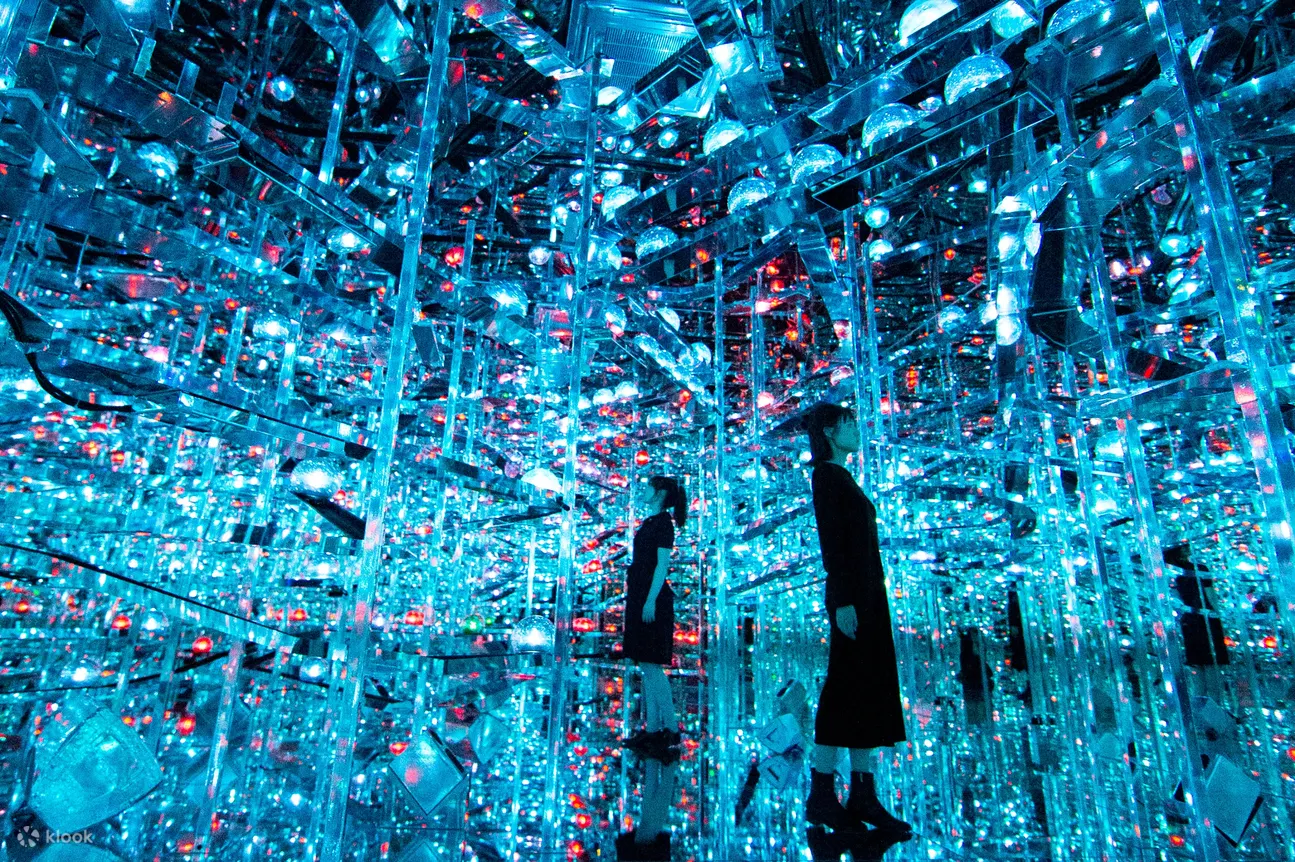
Dedicate your final morning to teamLab Planets in Toyosu, one of Tokyo's most unique attractions. This immersive digital art museum requires you to wade through water and walk barefoot through installations, it's unlike anything else you'll experience. Tickets sell out days or weeks in advance, especially for morning slots, so book as early as possible.
After teamLab, head to Ginza Tokyo for a completely different atmosphere. This upscale district is perfect for window shopping at flagship stores, browsing the massive Ginza Six mall, or treating yourself to a nice lunch. The area also has excellent department store food halls where you can pick up beautifully packaged snacks to bring home.
If you have energy left, spend your final evening in whichever neighborhood you enjoyed most during your trip. Alternatively, if theme parks are your thing, Tokyo Disney Resort can replace day three entirely, though be prepared for a full-day commitment.
How Much Does 3 Days in Tokyo Cost in 2026?
A realistic budget for 3 days in Tokyo ranges from ¥15,000 to ¥25,000 per person per day (approximately $95–$160 USD), depending on your accommodation and spending style.
Accommodation typically runs ¥8,000 to ¥15,000 per night (approximately $55 - $100 USD) for mid-range hotels in central areas like Shinjuku or Shibuya. Budget travelers can find capsule hotels or hostels for ¥3,000–¥6,000 (approximately $20 - $40 USD), while luxury options start around ¥25,000 (approximately $170 USD) and up.
Food is where Tokyo offers incredible value. You can eat well for ¥3,000 to ¥5,000 per day (approximately $20 - $35 USD) by mixing convenience store breakfasts, ramen or curry lunches, and casual izakaya dinners. Splurging on a nice sushi dinner or kaiseki meal will add ¥8,000 to ¥15,000 (approximately $55 - $100 USD) to your daily total.
Transport costs around ¥1,000 to ¥1,500 per day (approximately $7 - $10 USD) if you're using trains and subways efficiently.
Attractions and experiences vary widely. Many temples and shrines are free, while observation decks typically cost ¥1,800 to ¥2,500 (approximately $12 - $17 USD). teamLab Planets tickets run around ¥3,600 (approximately $25 USD). Budget ¥3,000 to ¥6,000 per day (approximately $20 - $40 USD) for paid attractions.
For a comfortable mid-range 3-day trip, expect to spend roughly ¥60,000 to ¥90,000 per person total (approximately US$380–570), excluding flights to Tokyo and major shopping. Budget travelers can manage around ¥40,000 to ¥55,000 ($252–$346 USD)by choosing hostels or budget accommodation, eating affordably, using public transportation, and focusing on free or low-cost attractions.
Getting Around Tokyo: Transport & IC Card Guide
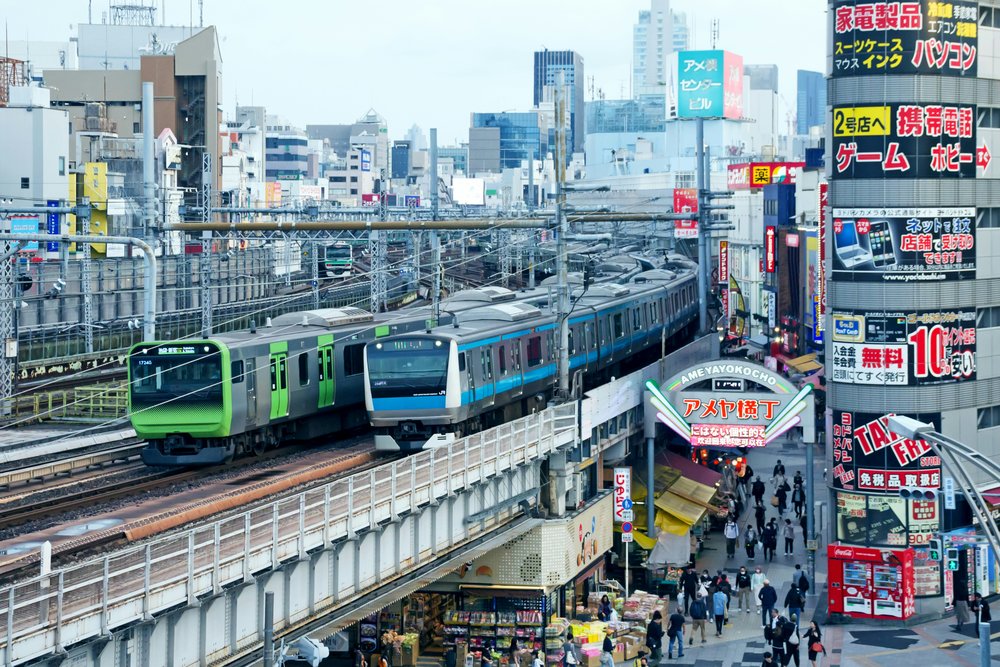
Tokyo trains that connect the city | Photo by Muhammad Irfan from Unsplash
The best way to get around Tokyo is by train and subway using a rechargeable IC card like Suica or Pasmo. These cards let you tap in and out of stations without buying individual tickets, and they work on virtually all trains, subways, and buses in the city.
Getting an IC card is straightforward. You can purchase a physical Suica card at JR stations or set up a digital version on your smartphone. Our Welcome Suica card guide walks through the setup process and explains which option works best for different travelers.
Tokyo's train system looks complicated on maps, but it's actually intuitive once you understand the basics. Google Maps provides accurate real-time directions, including which train car to board for the fastest transfers. Just enter your destination and follow the step-by-step instructions.
A few practical tips: trains stop running around midnight, so plan your evenings accordingly. Rush hour (roughly 7:30 to 9:30 AM and 5:30 to 8 PM) means packed trains; avoid traveling with luggage during these times if possible. Most stations have coin lockers where you can store bags for a few hundred yen.
Best Day Trips from Tokyo Worth Adding
Day trips from Tokyo are tempting, but with only 3 days, you'll need to weigh whether leaving the city is worth the travel time.
Mount Fuji is the most popular day trip, and it's doable if you're willing to dedicate a full day. The journey takes about 2 hours each way, leaving you 4-5 hours to explore the Fuji Five Lakes area or visit Chureito Pagoda for iconic photos. Our Tokyo to Fuji itinerary breaks down the best routes and what to see.
Nikko offers stunning temples, shrines, and natural scenery about 2 hours north of Tokyo. It's particularly beautiful in autumn when the leaves change. The Nikko Pass simplifies transportation and includes discounts on attractions.
Kamakura is the most accessible day trip, just under an hour from Tokyo. This coastal town has impressive temples, a giant Buddha statue, and pleasant beaches. It's manageable as a half-day trip if you start early.
For a first visit within only 3 days, staying in Tokyo usually makes more sense. The city has so much to offer that you won't run out of things to do. Save day trips for a return visit or consider extending your trip. If you're planning a broader Japan adventure, our Tokyo-Kyoto-Osaka itinerary shows how to connect multiple cities efficiently.
Frequently Asked Questions
Is 3 days enough time to see Tokyo?
Yes, 3 days is enough to experience Tokyo's highlights and get a genuine feel for the city. You can visit iconic neighborhoods like Shibuya, Asakusa, and Shinjuku, see major attractions including temples and observation decks, and enjoy excellent food throughout. You won't see everything, Tokyo is enormous, but you'll cover the essentials and likely leave wanting to return for more.
What is the best way to get around Tokyo in 3 days?
The best way to get around Tokyo is by train and subway using a rechargeable IC card like Suica or Pasmo. These cards work on all major transit lines and eliminate the need to buy individual tickets. For 3 days of heavy sightseeing, an unlimited pass like the Greater Tokyo Pass can save money and simplify your travels.
Where is the best place to stay in Tokyo for a 3-day trip?
Shinjuku and Shibuya are the best areas for first-time visitors due to their central locations and excellent train connections. Shinjuku offers the most convenient access to the rest of the city, while Shibuya puts you near trendy shopping and nightlife. Tokyo Station is ideal if you're planning day trips or arriving from Narita Airport.
What are the must-see attractions to include in a Tokyo itinerary?
Must-see attractions for a first Tokyo visit include Senso-ji Temple in Asakusa, Tokyo Skytree or Shibuya Sky for city views, Meiji Shrine in Harajuku, and teamLab Planets for immersive digital art. Shibuya Crossing and the neighborhoods of Shinjuku and Ginza Tokyo round out the essential experiences. Prioritize based on your interests rather than trying to check every box.
Should I book Tokyo attractions and experiences in advance?
Yes, advance booking is essential for popular attractions like teamLab Planets, Shibuya Sky, and Tokyo Disneyland. These venues frequently sell out, especially for preferred time slots like sunset at observation decks or morning entry at teamLab. Book 1–2 weeks ahead for peak season or weekends. Free attractions like temples and shrines don't require reservations.
What is the best time of year to visit Tokyo?
The best time to visit Tokyo is spring (late March to May) for cherry blossoms and pleasant weather, or autumn (October to November) for comfortable temperatures and fall foliage. Summer (June to August) is hot and humid with occasional typhoons, while winter (December to February) is cold but less crowded. Each season offers unique experiences, so there's no wrong time to visit.
Can I do a day trip from Tokyo if I only have 3 days?
You can do a day trip from Tokyo in 3 days, but it means sacrificing significant time in the city itself. Mount Fuji and Nikko require 4–5 hours of round-trip travel, leaving limited exploration time. For first-time visitors, staying in Tokyo usually makes more sense—the city has enough to fill a week. Save day trips for a return visit or extend your trip to 4–5 days.
Related Articles:
What is Klook?
Klook is a leading pan-regional experiences platform in Asia Pacific, purpose built to digitalize experiences and make them accessible to every traveler.
Our mission is to build the digital infrastructure for the global experience economy — empowering merchants to share their passions and travelers to discover the heartbeat of each destination. We operate a mobile-first, curated platform featuring diverse experiences across global destinations.