Time zone
GMT +09:00
No time difference
Currency
Japanese Yen
1JPY = 165.15VND
Official languages
Japanese
Best time to visit
APR - MAY
Cherry Blossom season
OCT
Jidai Matsuri (Festival of the Ages) and Kurama
NOV
Autumn is famous for its nice weather and scenery
Recommended trip duration
3 days
Flight time
4 hours
When departing from Manila
Top things to do in Kyoto

Spring deal
teamLab Biovortex Kyoto Ticket
Instant confirmation
From
₫ 792,711

5 off
Enjoy additional 15 off Shinkansen
Klook exclusive
Hozugawa River Boat Ride Experience in Kyoto
Morning departure
Up to 3 hrs
Instant confirmation
From
₫ 990,743
Nidec Kyoto Tower Ticket
Book now for today
Instant confirmation
₫ 149,438
5 off
Kyoto Kiyomizu-dera Temple: Popular Kimono Rental Experience | Kimono, Yukata, Furisode, Makeup, and Outdoor Photography Services | MOCOMOCO Kimono Kiyomizu-dera Store
Book now for today
English guided
Morning departure
Free cancellation
Instant confirmation
From
₫ 454,158
Spring deal
Kyoto Kimono & Yukata Rental Experience & Japanese Style Makeup & Photo Shoot (Ookini Kiyomizu Temple Main Store)
Book now for today
English guided
Morning departure
Free cancellation
Instant confirmation
From
₫ 495,445
Klook's choice
Amanohashidate & Ine no Funaya Boat Houses & Ine Bay Day Tour from Japan's Three Great Views (From Osaka or Kyoto)
Book now for tomorrow
English guided
Free cancellation
Instant confirmation
From
₫ 1,337,700
15 off
50 off
Sale
Spring deal
Klook's choice
Kyoto Amanohashidate & Ine Boathouse & Ine Bay Scenic One Day Tour (From Osaka or Kyoto)
Book now for tomorrow
English guided
Free cancellation
Instant confirmation
From
₫ 1,337,766
15 off
30 off
Sale
Kyoto Aquarium Admission Ticket
Book now for today
Instant confirmation
₫ 431,709
5 off
Spring deal
Klook's choice
Kyoto Arashiyama Fushimi Inari and Nara Deer Day Tour
Cherry Blossom Guarantee
Book now for tomorrow
Free cancellation
Instant confirmation
From
₫ 1,189,067
15 off
40 off
Sale
Spring deal
Klook's choice
Kyoto Kimono Rental Experience (Optional Elegant Hairstyle/Japanese Makeup/Photography) (Ookini Kimono Rental Yasaka Shrine Gion Store)
Book now for today
English guided
Morning departure
Free cancellation
Instant confirmation
From
₫ 495,445
Kyoto Traditional Japanese Tea Ceremony Culture & Matcha Tasting Experience
Book now for today
English guided
Morning departure
Up to 3 hrs
Free cancellation
From
₫ 1,011,532
Klook's choice
Kyoto: Tea Ceremony Meditation: Make Your Matcha with a Tea Master
Book now for tomorrow
English guided
Up to 3 hrs
Free cancellation
Instant confirmation
₫ 1,156,037
Top attractions in Kyoto
Nature park
Arashiyama
Arashiyama is a charming and popular district located in the western outskirts of Kyoto. Surrounded by the majestic Arashiyama Mountains, this area has been a go-to spot since the Heian Period and is known for its stunning cherry blossoms and vibrant fall colors. At the heart of Arashiyama, you can find the Togetsukyo Bridge, a central landmark filled with small shops, eateries, and attractions like the renowned Tenryuji Temple, the famous bamboo groves, and river pleasure boats. One of the most iconic sights is the Arashiyama Bamboo Grove, a serene pathway lined with soaring bamboo stalks that create an otherworldly atmosphere. With its rich history, and scenic beauty, Arashiyama is endorsed by the Japanese government is a must-visit destination in Kyoto.
Religious spot
Fushimi Inari Taisha
Welcome to Fushimi Inari Taisha, one of the most popular shrines in Kyoto and a must-visit destination for travelers exploring Japan. Located in Fushimi-ku, Kyoto, this historic site is dedicated to Inari Okami, the Shinto deity of rice, agriculture, and business prosperity.
The shrine is world-famous for its thousand torii gates (Senbon Torii), which create winding pathways up Mount Inari. From ancient times, worshippers have come here to pray for good fortune and prosperity, making it one of the most visited shrines throughout Japan.
Religious spot
Kiyomizudera Temple
Kiyomizu-dera, also known as the “Pure Water Temple,” is one of Kyoto’s most iconic landmarks. Located in Kyoto Prefecture, this historic temple is renowned for its Kiyomizu Stage, panoramic views, and rich cultural heritage. Recognized as a UNESCO World Heritage Site in 1994, it attracts millions of visitors annually who come to admire its spacious grounds, explore temple buildings, and experience traditional Japanese culture in a relaxed atmosphere.
Religious spot
Sanzen-in Temple
Nestled in the serene town of Ōhara, just an hour north of central Kyoto, Sanzen-in Temple offers a tranquil escape into the heart of Japan's spiritual and cultural heritage. This revered temple, founded in 804 by the monk Saicho, is a testament to the rich tapestry of Japanese history and religion. Known for its expansive grounds, lush gardens, and timeless architecture, Sanzen-in Temple invites visitors to explore its peaceful ambiance and delve into the depths of Japanese Buddhism. Whether you're seeking a moment of peace or a deeper understanding of Japan's spiritual traditions, this captivating destination promises a journey into the serene beauty and historical significance of Kyoto's cultural landscape.
Religious spot
Kinkakuji Temple
Kinkaku-ji Temple, also known as the Golden Pavilion Temple or Rokuon-ji, is a breathtaking Zen Buddhist temple located in Kyoto, Japan. Renowned for its top two floors entirely covered in gold leaf, the pavilion gleams brilliantly against the backdrop of the surrounding strolling landscape garden. A UNESCO World Heritage Site, it is particularly mesmerizing when reflected in the Mirror Pond, which was designed to capture the pavilion’s stunning image.
Originally built during the Heian period, the temple has been rebuilt several times. The current pavilion dates back to 1955 after the original structure was tragically set on fire by a monk who committed suicide. The temple’s architecture features three floors in different styles: the first in shinden style, the second in bukke style, and the third in a Chinese Zen hall style, reflecting the influence of the Rinzai sect of Zen Buddhism. Don’t miss the golden phoenix perched atop the roof, symbolizing rebirth and immortality.
Visitors can also enjoy the spiritual elements of Kinkaku-ji, including the Fudo Hall, Buddha’s ashes, and the serene Dharma waters, which produce soothing sound waves as they flow.
Geographical district
Gion
Located between Yasaka Shrine and the Kamo River, Gion is the most famous neighborhood in Kyoto. Also known as the Geisha district with Gion Kobu and Gion Higashi, this area and its narrow streets is filled with shops, restaurants, and teahouses where geiko (Kyoto lingo for geisha) and maiko (geiko apprentices) entertain guests. You'll find elegant townhouses, teahouses, traditional restaurants, and ancient temples, and a Gion shrine embracing you in its historic charm. Plus, Gion Matsuri, Japan's most renowned festival, happens right here! Although the grandest events of the Gion Festival take place across the Kamo River, Gion remains the heart of Geisha culture and Kabuki, offering a glimpse into Kyoto's captivating past and traditional Japan with Gion festival celebrations.
Tourist attraction
Nishiki Market
Known as Kyoto's pantry, Nishiki Market is the ultimate traditional food market in the city. As Kyoto's largest traditional food market, this famous local market gives you a mix of old-world charm and modern convenience. From tsukemono (Japanese pickles) to fresh tofu, Kyo-yasai (Kyoto vegetables) to wagashi (Japanese sweets), and different kinds of tea, fresh fish, and shellfish, get ready to immerse yourself in the vibrant flavors and rich culture of Kyoto at Nishiki Market!
Historical site
Nijō Castle
Nijo Castle (Nijō Castle) is a UNESCO World Heritage Site in Kyoto, Japan. Originally built in 1603, the castle served as the home of Tokugawa Ieyasu, the first shogun of the Edo Period. When you're there, make sure to check out the Ninomaru Palace. It's known for its "nightingale floors" that make a chirping sound when you walk on them. If you’re lucky, the Honmaru Palace might be open for special exhibits, giving you a chance to see beautiful traditional Japanese architecture up close. With its fascinating history and stunning scenery, it is a popular destination when you're in Kyoto. Don't miss out on the chance to explore this amazing spot—book your Nijo Castle tour today!
Park
Arashiyama Bamboo Forest
The Arashiyama Bamboo Forest is a must-visit spot in Kyoto, known for its extremely tall and green bamboo trees. When you're surrounded by these tall bamboo stalks, it feels like you've been transported to a whole new world. Walking through these amazing bamboo groves is perfect for taking pictures and enjoying nature. Plus, there are many other fun things to do nearby. You can visit the Tenryu-ji Temple, which is a UNESCO World Heritage site known for its attractive gardens and old buildings. You can also visit the Arashiyama Monkey Park, where you can watch playful monkeys, or go to the Okochi Sanso Villa to take in the amazing views. And let's not forget the delightful tea houses and small shops along the main street. Here, you can shop for local crafts and try delicious Japanese treats. Combine your visit to the Arashiyama Bamboo Grove with these nearby attractions, and you have the best adventure waiting for you in Kyoto, Japan.
Scenic spot
Fushimi Jikkokubune
Discover the enchanting allure of Fushimi Jikkokubune, a hidden gem in Kyoto that offers a tranquil escape from the bustling city life. This captivating destination is renowned for its charming boat rides along the historic canals, providing a unique perspective of Kyoto's natural and cultural splendor. Once a bustling castle town, Fushimi now invites visitors to sail through its serene waters, offering an unforgettable experience amidst scenic landscapes and traditional architecture. Perfect for those seeking a peaceful retreat, Fushimi Jikkokubune promises a unique glimpse into Japan's rich past and vibrant present, making it a must-visit for any traveler exploring Kyoto.
Railway station
Kyoto Station
Kyoto Station, a marvel of modern architecture, stands as a vibrant gateway to the historic city of Kyoto. Opened in 1997 to commemorate the 1200th anniversary of Kyoto's founding, this futuristic structure designed by Hara Hiroshi offers a striking contrast to the traditional image of Kyoto. As the city's main transportation hub, it seamlessly blends historical significance with contemporary design, making it a must-visit destination for travelers. More than just a transportation hub, Kyoto Station is a gateway to the rich cultural tapestry and historical wonders of Kyoto. With its modern architecture and strategic location, it serves as the perfect starting point for exploring the enchanting city and beyond. Whether you're a history buff, a culture enthusiast, or a culinary adventurer, Kyoto Station offers a unique blend of experiences that cater to every traveler's desires. Whether you're a first-time visitor or a seasoned traveler, Kyoto Station promises an unforgettable experience with its unique charm and convenience.
Scenic spot
Kyoto Imperial Palace
Kyoto Imperial Palace, also known as Kyoto Gosho, is a historic landmark in Kyoto, Japan. It sits in the spacious Kyoto Imperial Palace Park, a big, beautiful park in the middle of the city. It used to be the former ruling palace of the Japanese Imperial Family before they moved the capital to Tokyo in 1869. When you visit, you can stroll through the palace grounds and explore the impressive courtyards. Inside, you can explore the Emperor's Living Quarters, majestic halls used for state ceremonies, and beautiful gardens like the Tachibana Orange Tree Garden. You can also go on a guided tour of the palace, it's a great way to learn about the palace's history, from the Heian period to the Meiji Restoration. Besides its rich history, the palace is one of the best spots in the city to view cherry blossoms in the spring. With its central location near Kyoto Station and other historic sites like Nijo Castle, the Kyoto Imperial Palace is a must-visit destination. It shows off Kyoto's royal past and gives an educational experience in the city.
Transport in Kyoto
Spring deal
JR Haruka Kansai Airport Express Ticket
Instant confirmation
From
₫ 207,173
₫ 214,693
Sagano Romantic Train Ticket
Book now for today
Free cancellation
Instant confirmation
₫ 145,330
Limousine Bus Kansai Airport to Osaka and Kansai Area
Free cancellation
Instant confirmation
From
₫ 214,693
Spring deal
JR West Kansai Area Pass
Book now for today
Instant confirmation
From
₫ 445,900
Kintetsu Rail Pass
Instant confirmation
From
₫ 318,614
Spring deal
JR West Kansai Wide Area Pass
Book now for today
Instant confirmation
From
₫ 2,000,770
₫ 2,146,926
Spring deal
JR Kansai-Hiroshima Area Pass
Book now for today
Instant confirmation
From
₫ 2,787,872
Spring deal
Kyoto & Osaka Sightseeing Pass
Free cancellation
Instant confirmation
From
₫ 181,663
20 off
Kyoto City Subway and Bus 1 Day Ticket
Book now for today
Free cancellation
Instant confirmation
₫ 201,481
Spring deal
JR Whole Japan Rail Pass
Book now for tomorrow
Instant confirmation
From
₫ 8,257,407
Hankyu Pass
Free cancellation
Instant confirmation
From
₫ 214,693
Spring deal
Kansai Railway Pass
Free cancellation
Instant confirmation
From
₫ 858,770
Hotels in Kyoto
 Richmond Hotel Premier Kyoto Ekimae
Instant confirmation
From
₫ 1,803,486
Onyado Nono Kyoto Shichijo
Instant confirmation
From
₫ 2,839,120
Hop Inn Kyoto Shijo Omiya
Instant confirmation
From
₫ 1,057,961
Kyoto Umekoji Kadensho
Instant confirmation
From
₫ 2,865,320
THE BLOSSOM KYOTO
Instant confirmation
From
₫ 2,854,203
₫ 3,181,368
Hotel Forza Kyoto Shijo Kawaramachi
Instant confirmation
From
₫ 1,542,912
₫ 2,517,826
Sotetsu Fresa Inn Kyoto-Shijokarasuma
Instant confirmation
From
₫ 1,418,942
₫ 1,794,800
Mitsui Garden Hotel Kyoto Shijo
Instant confirmation
From
₫ 2,285,152
Sotetsu Fresa Inn Kyoto-Hachijoguchi
Instant confirmation
From
₫ 1,414,350
Sotetsu Fresa Inn Kyoto Kiyomizu Gojo
Instant confirmation
From
₫ 1,362,266
Richmond Hotel Premier Kyoto Shijo
Instant confirmation
From
₫ 2,565,467
Hotel The M's Kyoto
Instant confirmation
From
₫ 1,301,289
Kyoto travel guide
Reviews of Kyoto activities
Klook User
2026-03-07 02:59:54
The best money given out. This is such a good experience that we all enjoyed so much. The rickshaw drivers were knowledgeable and very kind and friendly. The communication with the company works smooth and they answer all questions promptly. Thank you for a wonderful time in Kyoto
Klook User
2026-01-03 12:44:31
We lucked out today and got a fantastic tour from Teri. She was so friendly and knowledgeable. We couldn’t have asked for a better tour guide. She got to know us a bit and we got to know her. Wonderful experience and highly recommend it to all! Nothing beats walking tours - fun even when it is a bit chilly outside.
Shay ****
2025-10-01 12:04:18
My husband and I loved the entire experience. It was unique, the staff was nice and did a perfect job. Thank you!
Klook User
2025-12-30 04:06:49
The experience with the traditional rickshaw in Japan was unique from the very first moment.
During the ride, Moto made the experience truly special. He spoke incredibly fluent English, which made communication very easy and comfortable, and allowed him to explain everything with great clarity. He was extremely informative and always tried to give as detailed explanations as possible, about Japanese culture.
Every question I had, he genuinely knew how to answer, and in a way that showed deep knowledge and real passion for what he does. What impressed me the most was that he was also familiar with elements from my home country, which made the conversation even more interesting and engaging. This was not just a ride, but a truly authentic cultural experience.
I highly and enthusiastically recommend it! You should definitely try this specific rickshaw experience and make sure to ask for Moto at this spot — it is absolutely worth it.
Klook User
2026-01-17 11:09:00
our guide Katsuhiko was great!!! we loved the bike tour - having a local guide show so much in the time was awesome. highly recommend it. thank you Katsuhiko 🙏
Jasmine ******
2026-03-06 09:42:43
booked me and my sister for kimono rental and hairstyle. shop was super busy but staff were soo friendly even though we were a bit late to our appointment. staff were super helpful especially when figuring out how to pair all the accessories with the kimono(since it can be a bit overwhelming with all the options). me and my sister had so much fun, would definitely do again !
Klook User
2025-09-12 14:35:58
I wholeheartedly recommend this place! ❤️ It was an incredible adventure and a truly unforgettable experience that will stay with me forever. The photos turned out absolutely phenomenal like true works of art and will be a beautiful keepsake for a lifetime. The photographer was amazing, paying attention to every detail, giving helpful guidance, and making the whole moment even more special and filled with emotion. The staff was incredibly kind, and everything went smoothly in a calm and welcoming atmosphere. If you’re planning a visit to Kyoto, I highly recommend booking this experience. it’s a memory you’ll treasure forever! 🌸
Klook User
2025-12-25 08:59:35
jiang Cheng is the best! She knows a lot of beautiful places to take pictures. Very professional and friendly. she waited for us to be finished for our kimono session. we are family of 4 so it takes time. we love her work for 30 minutes a lot of pictures and different poses with her own props. She also take our pictures at the Yasaka Pagoda so we are comfortable with her already. Highly recommended her!!! :)
Watcharobol ***
2025-12-05 14:47:55
This activity was a very good experience. The staff service was excellent. There were many kimono to choose from. We booked the basic set, but it was already very beautiful. If you want a minimalist style, you have to pay extra, and beautiful hairstyles also cost an extra 1650 yen. We added that as well. The hair was done quickly and beautifully. There was someone to help dress us, which was very convenient. They also lend out bags and shoes for free.
Quick facts about Kyoto
General info

What to know before visiting Kyoto
Kyoto – Top Places to Visit & Must-See Attractions
Kyoto is a city where centuries of history, refined aesthetics, and everyday life blend seamlessly. Once Japan’s imperial capital for more than a thousand years, Kyoto remains the heart of traditional Japanese culture, home to world-class temples, elegant gardens, atmospheric streets, and living customs that still shape daily life. From the quiet beauty of bamboo groves in Arashiyama to the lantern-lit alleys of Gion, the city offers moments of reflection, discovery, and inspiration in every season.
Whether you are visiting for the first time, planning a romantic escape, traveling with family, or seeking deeper cultural immersion, Kyoto offers a balance of heritage and nature that sets it apart from other Japanese cities. Explore UNESCO World Heritage sites, walk historic neighborhoods, savor refined local cuisine, and experience traditions that have been preserved across centuries. This guide brings together top attractions, neighborhood insights, itinerary ideas, food highlights, and practical tips to help you plan a memorable trip through Kyoto City and beyond.
Why Visit Kyoto
Kyoto stands out as one of Japan’s most meaningful destinations for travelers who value history, beauty, and authentic culture.
- Unmatched heritage – Kyoto Prefecture is home to numerous temples, shrines, and historic districts, including several world heritage sites that reflect the city’s role as Japan’s former capital city and spiritual center.
- Traditional neighborhoods – Areas such as Gion and Higashiyama preserve wooden townhouses, stone-paved streets, and centuries-old customs.
- Seasonal beauty – Cherry blossoms in spring, lush greenery in summer, vibrant foliage in autumn, and serene winter landscapes create year-round appeal.
- Convenient access – Easily reached from Osaka, Tokyo, and the Kansai region by fast trains, Kyoto is one of the most accessible major cities for domestic and international travelers.
For visitors searching “why visit Kyoto,” the answer lies in its ability to connect people with Japan’s past while remaining a living, evolving city.
Top Attractions in Kyoto
Kyoto’s most famous sights showcase its spiritual depth, architectural beauty, and connection to nature.
Fushimi Inari Taisha
Fushimi Inari Taisha is Kyoto’s most iconic Shinto shrine, famous for its thousands of bright vermilion torii gates that form tunnels along the forested paths of Mount Inari. Dedicated to Inari, the deity of rice, prosperity, and business success, the shrine has been a place of worship for centuries. Visitors can walk the full trail to the summit, passing smaller sub-shrines, fox statues, and scenic viewpoints along the way. The site is open 24 hours and free to enter, making it one of the most accessible yet spiritually powerful attractions in the city.
Kiyomizu-dera (Kiyomizu Temple)
Kiyomizu-dera is one of Kyoto’s most celebrated Buddhist temples and a UNESCO World Heritage site. Its massive wooden hall, built without nails, extends over the hillside and offers sweeping views of the city, especially beautiful during cherry blossom and autumn foliage seasons. Below the main hall flows the Otowa Waterfall, where visitors traditionally drink from three streams said to grant longevity, academic success, or good fortune in love. The surrounding Higashiyama streets are lined with traditional shops, making the area both cultural and scenic.
Arashiyama Bamboo Grove & Arashiyama District
Located in western Kyoto, Arashiyama is best known for its serene bamboo grove, where tall stalks sway gently and filter the light into a peaceful green glow. Beyond the bamboo path, the district offers riverside walks, scenic boat rides, the historic Togetsukyo Bridge, the Iwatayama Monkey Park, and important temples such as Tenryu-ji. Arashiyama is especially popular during spring blossoms and autumn leaves, offering a perfect blend of nature, culture, and relaxed sightseeing.
Gion District
Gion is Kyoto’s most famous traditional neighborhood, known for its preserved wooden townhouses, narrow stone-paved streets, and historic teahouses. It remains an active geisha district, where geiko and maiko (apprentice geisha) continue to perform classical arts such as dance and music. Walking through Hanamikoji Streetor along the Shirakawa canal in the evening reveals lantern-lit scenes that feel timeless. Gion is also home to fine dining, seasonal festivals, and important shrines, making it both a cultural center and a living heritage district.
Kinkaku-ji (Golden Pavilion)
Kinkaku-ji is one of Kyoto’s most photographed landmarks. The temple’s upper floors are covered in gold leaf, shimmering beautifully above a reflective pond and landscaped garden. Originally built as a retirement villa for a shogun, it was later converted into a Zen Buddhist temple. The surrounding garden is carefully designed for viewing from different angles, offering postcard-worthy scenes in every season, from snow-covered winters to vivid autumn colors.
Ginkaku-ji (Silver Pavilion)
Ginkaku-jipresents a contrasting aesthetic to the Golden Pavilion. Although never actually covered in silver, it represents the Japanese philosophy of wabi-sabi, which values simplicity, imperfection, and subtle beauty. The temple complex features a meticulously raked sand garden, moss-covered grounds, and quiet walking paths that encourage reflection. It is also the starting point of the Philosopher’s Path, a scenic canal-side walk lined with cherry trees.
Heian Shrine & Gardens
Heian Shrinewas built in 1895 to commemorate the 1,100th anniversary of Kyoto’s founding. Recognizable by its massive torii gate and wide open courtyard, the shrine recreates the architectural style of the ancient imperial capital. Behind the main buildings lie expansive gardens with ponds, arched bridges, seasonal flowers, and cherry trees that bloom spectacularly in spring. The shrine also hosts important cultural festivals, connecting visitors with Kyoto’s ceremonial traditions.
Nijo Castle
Nijo Castleis a UNESCO World Heritage site and a former residence of the Tokugawa shoguns. The palace is famous for its “nightingale floors,” which chirp when walked upon as a security measure against intruders. Inside, visitors can see elaborately painted sliding doors, tatami rooms, and audience halls that reflect the political power and refined artistry of the Edo period. The surrounding gardens, with ponds and manicured trees, offer a peaceful contrast to the ornate interiors.
Kyoto Imperial Palace
Once the residence of Japan’s imperial family, the Kyoto Imperial Palace sits within the spacious Kyoto Gyoen National Garden. Visitors can walk through wide gravel paths, view traditional palace architecture, and explore tranquil courtyards that reflect court life from centuries past. Although the current structures date from the 19th century, the site represents Kyoto’s historical role as the nation’s capital and a center of governance, culture, and ritual.
Nishiki Market
Often called “Kyoto’s kitchen,” Nishiki Market is a lively covered shopping street packed with food stalls, specialty shops, and family-run businesses that have operated for generations. Visitors can sample local delicacies such as yuba (tofu skin), pickled vegetables, matcha sweets, and seasonal snacks. Beyond eating, the market offers insight into Kyoto’s culinary heritage and everyday culture, making it a must-visit for food lovers.
Explore Kyoto by Neighborhood
Understanding Kyoto by area helps visitors plan efficiently and discover both highlights and hidden gems.
Gion & Higashiyama
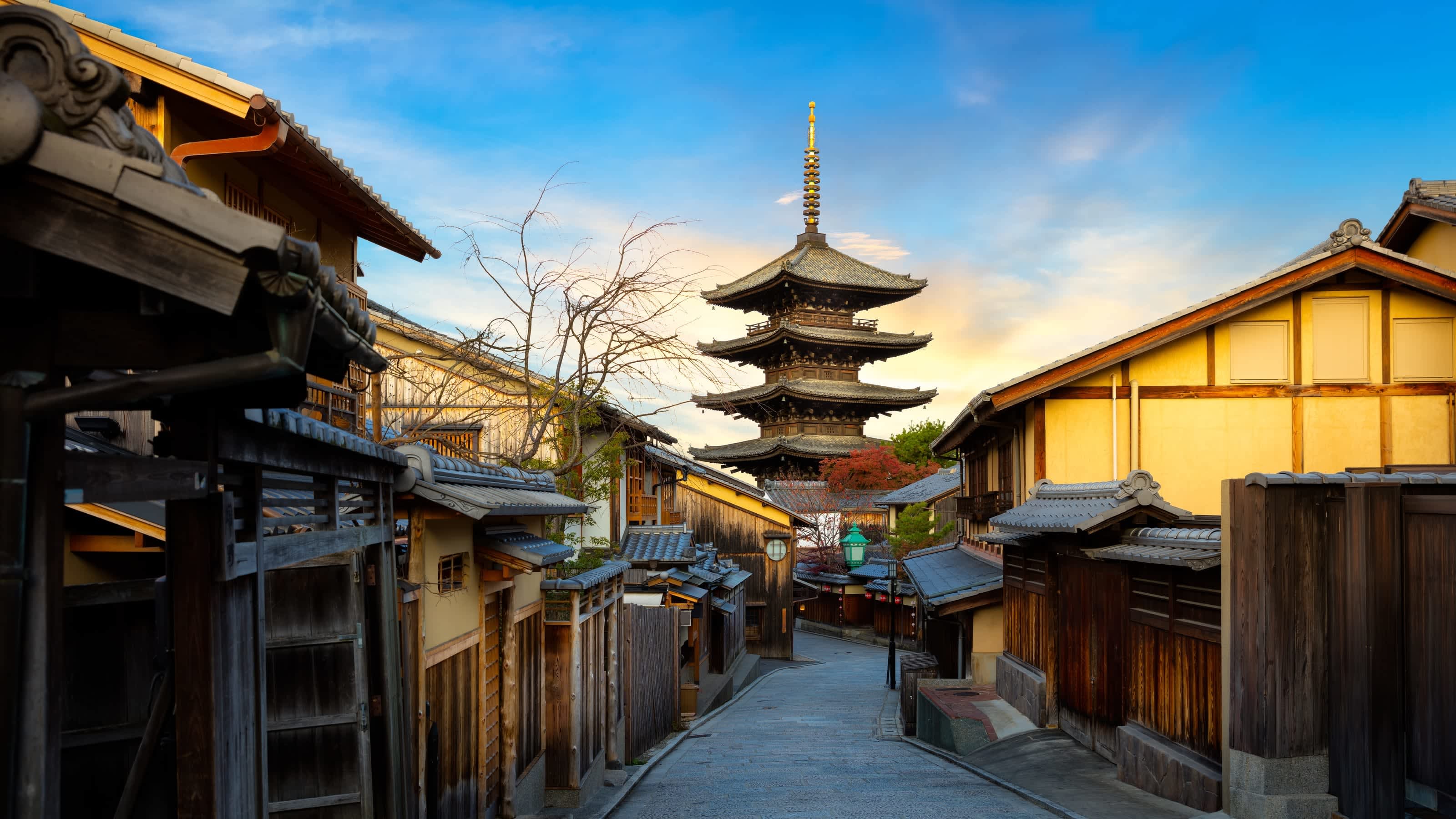
The cultural heart of eastern Kyoto is known for its traditional streets, tea houses, and historic sites. Walk past Yasaka Shrine, explore Ninenzaka and Sannenzaka, and visit Kiyomizu Temple. In the evenings, you may spot maiko or an apprentice geisha heading to appointments, a living reminder of Kyoto’s artistic heritage.
Arashiyama
Located in western Kyoto, Arashiyama is famous for its bamboo groves, Togetsukyo Bridge, river cruises, temples, and the monkey park. It offers a slower pace and beautiful scenery, especially during cherry blossom and autumn foliage seasons.
Downtown (Shijo–Kawaramachi / Pontocho)
Central Kyoto is where shopping, dining, and nightlife come together. Walk along the Kamo River, browse department stores and boutiques, and dine in Pontocho’s narrow alleyways filled with restaurants serving both traditional Japanese and modern cuisine.
Kyoto Station Area
A major transportation hub, Kyoto Station connects visitors to the city and beyond. Nearby you’ll find Kyoto Tower, museums, shopping centers, and easy access to trains and buses. It is one of the most practical bases for travelers.
Kyoto Itinerary Ideas
1-Day Kyoto Highlights
Fushimi Inari → Kiyomizu-dera → Gion → Pontocho
Perfect for short trips, this route covers iconic temples, traditional streets, and evening dining along the river.
2-Day Kyoto Cultural Route
Day 1: Eastern Kyoto (Kiyomizu Temple, Heian Shrine, Gion)
Day 2: Arashiyama and Downtown (bamboo groves, river walk, shopping)
Ideal for travelers who want both classic landmarks and local atmosphere.
3-Day Kyoto & Nearby
Spend two days exploring the city’s core, then add a day trip to Nara or Uji around Kyoto for temples, tea culture, and quieter landscapes.
Best Time to Visit Kyoto
- Spring (Mar–Apr): Cherry blossoms create breathtaking scenery across temples, parks, and rivers.
- Summer (Jul): Festivals such as the Gion Festival fill the streets with tradition and celebration.
- Autumn (Nov): Maple leaves transform gardens and mountain temples into vivid color.
- Winter (Dec–Feb): Fewer crowds, peaceful temple visits, and seasonal cuisine offer a different side of the city.
What to Eat in Kyoto
Kyoto’s cuisine reflects refinement, seasonality, and centuries of culinary tradition.
- Must-try dishes: Kaiseki multi-course meals, yudofu (tofu hot pot), matcha sweets, and local specialties like kyo yaki pottery-style dining presentations.
- Where to eat: Nishiki Market for street food, Pontocho for riverside dining, and Gion for traditional restaurants.
- Experiences: Tea ceremony sessions, cooking classes, and guided food tours introduce visitors to authentic Japanese culture through cuisine.
Kyoto Travel Styles
Kyoto for First-Time Visitors
Focus on classic temples, city passes, and walking tours that connect major attractions efficiently.
Kyoto for Families
Visit the aquarium, Arashiyama monkey park, interactive museums, and try kimono photo experiences with easy public transportation.
Kyoto for Couples
Evening strolls in Gion, scenic river cruises, traditional dining, and quiet gardens create a romantic atmosphere.
Kyoto for Culture Lovers
Join tea ceremony workshops, explore heritage tours, attend art and craft experiences, and visit historic sites linked to the imperial family and imperial palace.
Getting Around Kyoto
Kyoto’s layout makes travel simple with a mix of buses, subways, walking routes, and trains.
- Bus vs subway: Buses reach most temples; subways are faster for longer distances.
- IC cards & passes: Use rechargeable cards or the Kyoto City Subway & Bus Pass for convenience.
- Common mistakes: Not planning routes in advance, underestimating walking distances, or missing last bus times in outer districts.
Transport in Kyoto
Kyoto is well connected by trains, including access from Osaka, Tokyo, and other major cities in Japan. Local lines such as the Karasuma Line and other two lines of the subway network help travelers navigate central Kyoto efficiently.
Where to Stay in Kyoto
Kyoto offers a wide range of accommodation styles across the city:
- Downtown / City Center: Best for shopping, dining, and nightlife with easy access to major streets and public transportation.
- Gion & Higashiyama: Ideal for those who want to stay near historic temples and traditional neighborhoods.
- Kyoto Station Area: Convenient for trains, sightseeing, and exploring around Kyoto.
- Arashiyama / Western Kyoto: A quieter base close to nature, bamboo groves, and scenic gardens.
From modern hotels to traditional ryokan welcoming guests with refined hospitality, Kyoto provides options for every budget and travel style.
Travel Tips for Visiting Kyoto
- Follow proper etiquette at temples and shrines, including at any shinto shrine.
- Visit popular sites early morning or late afternoon to avoid crowds.
- Use luggage storage at Kyoto Station or hotels to travel light.
- Carry some cash, especially in traditional shops and smaller restaurants.
- Pack seasonally: light clothing in summer, layers in spring and autumn, and warm outerwear in winter.
FAQs about Kyoto
How many days should I stay in Kyoto?
How many days should I stay in Kyoto?
Is Kyoto expensive? How much does it cost to travel in Kyoto?
Is Kyoto expensive? How much does it cost to travel in Kyoto?
How do I avoid crowds in Kyoto?
How do I avoid crowds in Kyoto?
How do I get to Kyoto from Tokyo?
How do I get to Kyoto from Tokyo?
How do I get to Kyoto from the airport?
How do I get to Kyoto from the airport?
What is the best way to get around the city?
What is the best way to get around the city?
Is English widely spoken in Kyoto?
Is English widely spoken in Kyoto?
What is Kyoto Best Known for?
What is Kyoto Best Known for?
When is the Best Time to Visit Kyoto?
When is the Best Time to Visit Kyoto?
Where is the Best Location for Tourists to Stay in Kyoto?
Where is the Best Location for Tourists to Stay in Kyoto?
Explore more on Klook
Top attractions in Kyoto
- 1 Arashiyama
- 2 Fushimi Inari Taisha
- 3 Kiyomizudera Temple
- 4 Sanzen-in Temple
- 5 Kinkakuji Temple
- 6 Gion
- 7 Nishiki Market
- 8 Nijō Castle
- 9 Arashiyama Bamboo Forest
- 10 Fushimi Jikkokubune
- 11 Kyoto Station
- 12 Kyoto Imperial Palace
- 13 Pontocho
- 14 Kamo River
- 15 Toei Kyoto Studio Park
- 16 Arashiyama Monkey Park Iwatayama
- 17 Ninenzaka
- 18 Kitano Tenmangu Shrine
- 19 Kurama Hot Spring
- 20 Sanjusangen-do Temple