Quick Facts: Japan Visa Philippines At A Glance
Visa-free entry for Filipinos? | No |
Who needs to apply | All Philippine passport holders, regardless of trip length |
Two application routes | Japan eVisa (packaged tours only) or standard JVAC application |
Where to apply (JVAC) | Makati, Parañaque, Quezon City, Cebu, or Davao |
Visa fee | Free for Philippine passport holders (tourist visa) |
JVAC service fee | ₱800 per application |
Standard processing time | 5–10 working days after the Embassy receives the file; longer in peak season |
Single-entry visa validity | Must be used within 3 months of issuance |
Multiple-entry visa validity | Multiple-entry visas may be issued with varying validity periods (commonly up to 10 years), depending on the applicant's eligibility, travel history, and the Embassy's assessment. |
Even though
Japan is a short flight away, a Philippine passport still doesn't get you in the door visa-free. Every Filipino traveler needs a Japan visa before departure, whether it's a 4-day
Tokyo trip or a month-long island-hopping itinerary. The good news: there are now two ways to apply, and one of them is faster and lighter on paperwork than what most Filipino travelers are used to.
Does Japan require a visa for Filipinos?
Yes, Japan requires a visa for Filipinos. Japan does not offer visa-free entry to Philippine passport holders, so every Filipino traveler needs a Japan visa before flying, regardless of how short the trip is. This applies whether you're headed to Tokyo, Osaka, or anywhere else in the country.
Where things have changed in 2026 is how you apply. Depending on how you're traveling, you'll go through one of two routes: the Japan eVisa (only for travelers on a packaged tour) or the standard application through the Japan Visa Application Center (JVAC), run by VFS Global.
🗼 Plan Your Japan Trip With Klook 🗼
🚄 Getting Around Japan
✈️ Airport Transfers: Arriving & Departing Smoothly
📱 Stay Connected in Japan
🚗 Explore at Your Own Pace
🎟️ Must-Book Attractions for Your Itinerary
Japan eVisa vs standard JVAC application: which one is for you?
| Japan eVisa (packaged tour) | Standard JVAC application |
|---|
Who it's for | Filipinos joining a packaged tour with a Japan-designated travel agency | Independent travellers, business trips, family visits, and anyone not on a packaged tour |
Where you reside | Must reside in the Philippines | Must reside in the Philippines |
Application method | Fully online, through the JAPAN eVISA website | In-person at a JVAC branch |
Max stay | 15 days | Up to 90 days (tourist, single-entry) |
Bank certificate / ITR required? | No, for eligible eVisa applicants | Yes |
Best for | First-timers on a set tour package, simple documentation | Anyone planning their own flights, hotels, and itinerary |
If you've booked, or are planning to book, a packaged tour through a Japan-registered travel agency, the eVisa is worth checking first since it skips some of the heaviest paperwork. Everyone else, including independent travelers who prefer to plan their own
JR Pass routes and hotel bookings, needs to go through JVAC.
How the Japan eVISA works for Filipinos
The Japan eVISA system is available to Philippine nationals residing in the Philippines who are travelling as part of a packaged tour organised by a designated travel agency. According to the Embassy of Japan in the Philippines, eVISA issuance for this category began on 15 December 2025. Applications are completed through the official JAPAN eVISA website and processed through the Japan Visa Application Centre (JVAC), operated by VFS Global. As of 2026, independent travellers are still required to apply through the standard JVAC process.
What makes this route appealing:
✅ Applied for entirely online, no in-person JVAC visit required for document submission
✅ No bank certificate, bank statement, or Income Tax Return required for eligible applicants
✅ Stay of up to 15 days for tourism
✅ Faster turnaround for straightforward, complete applications
The trade-off is eligibility. If you want to book your own flights and hotels independently, rather than through a registered tour package, this route isn't open to you, and you'll need the standard JVAC application instead.
JVAC application: Step-by-step guide for independent travelers
This is the process for anyone not traveling on an eligible packaged tour, including most independent tourists, business travelers, and those visiting family or friends.
Step 1: Confirm which visa type you need
Most leisure travelers apply for the Temporary Visitor (Tourism) visa, valid for a single entry and a stay of up to 90 days. If you're visiting for business, attending a conference, or visiting relatives or friends, there's a separate visa category and document checklist for each, listed on the
Embassy of Japan in the Philippines website.
Step 2. Gather your required documents
Incomplete Japan tourist visa requirements are one of the most common reasons for delays, so double-check everything before your appointment:
✅ Philippine passport, valid for at least 6 months, with unbroken lamination and at least 2 blank pages
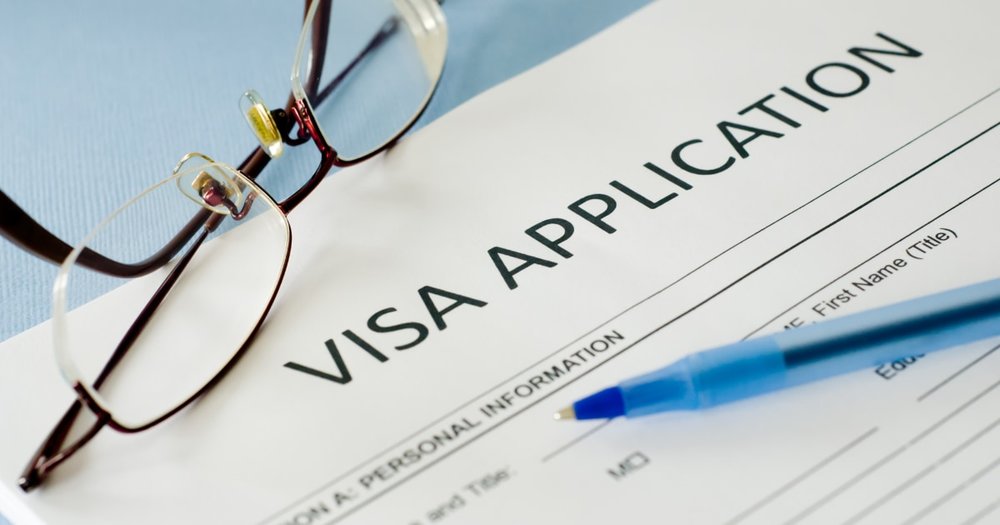
✅ Completed and signed visa application form, filled in without erasures
✅ Passport-size photo (45mm × 35mm, white background, taken within the last 6 months)
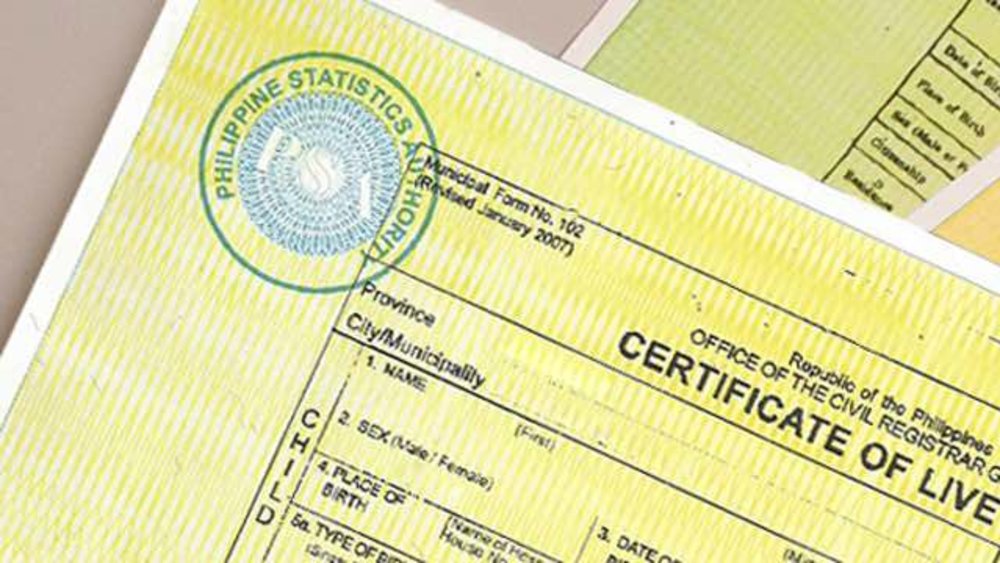
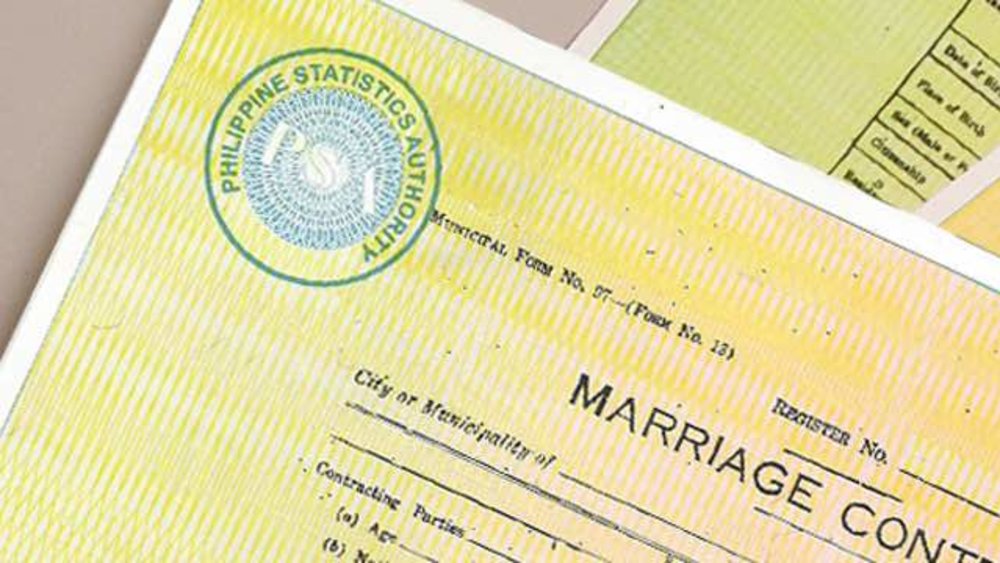
✅ PSA Birth Certificate (original, issued within the past year)
✅ PSA Marriage Certificate, if applicable
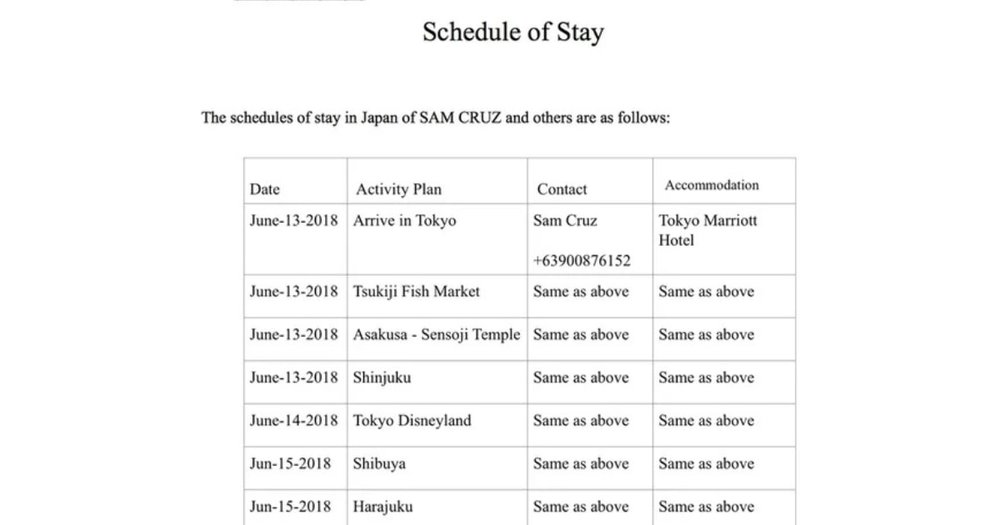
✅ Japan itinerary form, filled out with planned activities and dates
✅ Bank certificate showing your average daily balance for the past 6 months
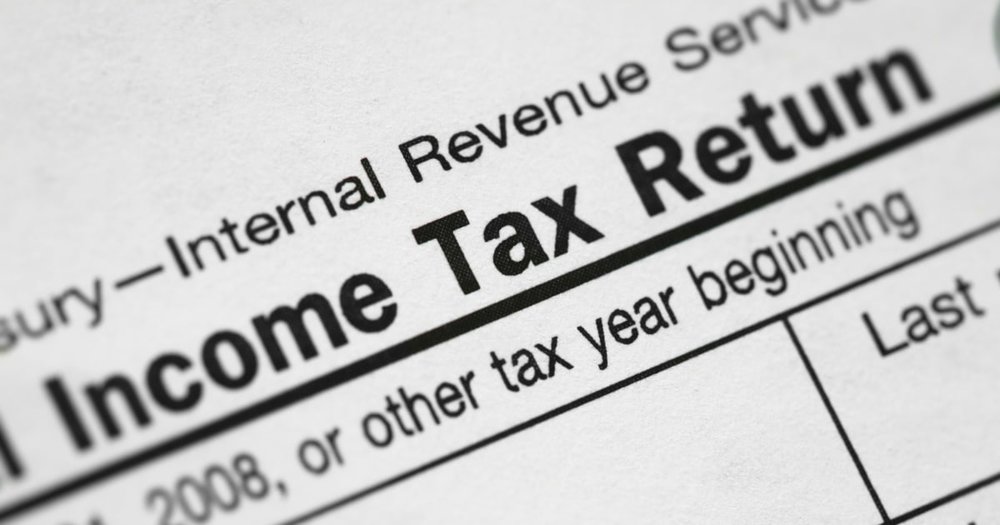
✅ Proof of income: Income Tax Return (Form 2316 for employees, Form 1701 for freelancers), or business registration documents for self-employed applicants
The Embassy doesn't set a minimum bank balance, but it does weigh your finances against your planned itinerary and daily expenses, so a sudden, unexplained large deposit right before applying can work against you rather than for you.
⚠️ Your passport can get rejected for reasons that have nothing to do with your visa documents.
Common ones people overlook:
✅ Photo page (Page 2) has a broken lamination
✅ Validity is less than 6 months from your intended travel date
✅ There's no traveler's signature on the passport
✅ There are fewer than 2 blank pages available for stamps
Here's a closer look at what each of these documents actually requires
1. Japan Visa Application Form For Filipinos
Download the
Japan Visa Application form here in A4 size. Applicants must type in their information or write it down in CAPITALIZED letters. Whatever method you decide on, make sure there are NO ERASURES and that all provided information is in fact true by the time you submit.
Make sure not to leave any blanks unfilled – if information is not applicable, write N/A. Check
this guide for a sample Japan visa application form.
For the sections that ask for information on flights and accommodations:
The embassy doesn’t necessarily require applicants to book their flights and accommodations before the application process. That said, applicants can indicate the airline and hotel they intend to stay in for the meantime.
If you want to show the embassy proof of your bookings, you can book your round-trip flights and accommodations beforehand as well. Though some say this increases your chances, we cannot guarantee this.
We recommend checking out
Klook for accommodations with no required prepayments. Many of their accommodations also offer free cancellations, so book these in the meantime.
2. Passport Photo Requirements for Japan Visa
The ID Photo requirement for a Japan visa is 45×35mm (2×1.4in) with a white background. Head to the nearest photo shop in your area and simply request an ID Photo for a Japan Visa, and they should be aware of the latest ID requirements.
Make sure your ID Photo was taken within 6 months.
Indicate NAME and BIRTHDATE on the back of the photo.
Your ID Photo must be directly pasted onto your application.
3. PSA birth certificate requirements
The PSA Birth Certificate that will be submitted must be an original copy, issued within one year. If you will need to order, you can
order one online here. However, if you’ve already acquired a Japan visa before, this is no longer required.
In the event that your PSA Birth Certificate is unreadable, submit a birth certificate from the local civil registrar instead.
In the event that your PSA Birth Certificate is of “Late Registration”, submit a Baptismal Certificate or a School Record (Form 137) with the necessary address and telephone information.
4. PSA Marriage Certificate Requirements
If you’re married, the PSA Marriage Certificate that will be submitted must be an original copy, issued within one year. If you will need to order, you can
order one online here. However, if you’ve already acquired a Japan visa during the course of your marriage, this is no longer required.
5. Japan Itinerary
Your Japan Itinerary will give the embassy an idea of your activities in Japan.
Download the form here, fill it out, and print it. You can fill it out yourself or have an accredited travel agency fill it out for you.
You don’t need to stick to these activities once you fly off to
Japan, but it’s best to indicate the activities you plan on doing while you’re there. This doesn’t have to be complex, but make sure to indicate when you’re arriving and the contact information of the tours you intend on joining.
Here’s a sample:
6. Bank Certificate
Include an original bank certificate in your application. This should show your average daily balance for the past six months or the average amount for the past year. If the Average Daily Balance (ADB) in the last six months is not indicated, a bank statement must be submitted.
The embassy does not indicate a minimum balance requirement, but it considers the cost of your entire trip and your daily expenses.
7. Income Tax Return
Unless you’re retired or a senior citizen, you are required to submit your proof of income along with your other Japan tourist visa requirements.
For employed individuals:
Certificate of Employment with signatures of both Employer and Employee
COE should also include the period of employment, salary, position, and contact details of the HR
For self-employed individuals:
Business Owners: Submit your Business Registration issued by DTI / SEC and the company Income Tax Return
For corporations: Copy of SEC Certificate (front page only), GIS, Mayor's Permit from the City Hall
For OFWs:
*For those traveling with a guarantor/sponsor: There are additional requirements needed if you’re a student, minor, or unemployed individual. If you are a spouse and cannot provide a bank certificate, or a self-employed individual who cannot provide an ITR, you will also need to submit additional documents. You can find a complete list of these
here.
Step 3: Book your JVAC appointment
All Japan visa applications for Philippine passport holders are filed at a JVAC branch, operated by VFS Global, at one of five locations:
City | Branch |
|---|
Makati | Circuit Corporate Center Tower Two, Theater Drive |
Parañaque | Parqal Mall, Aseana City |
Quezon City | Gateway Tower Mall, Araneta City |
Cebu City | Faustina Center, Bonifacio District |
Davao City | Felcris Centrale, Quimpo Boulevard |
Appointments are booked through the official VFS Global portal. Slots fill up months ahead during peak travel seasons (March–May and October–November), so book 2–3 months before your intended travel date. Don't apply earlier than that: a single-entry tourist visa is only valid for travel within 3 months of the date it's issued.
Travel agencies can still help you prepare documents and pick an appointment slot, but as of April 7, 2025, they can no longer submit your application directly. Every application has to go through JVAC in person, or through the eligible eVisa route above.
Step 4: Submit your application and pay the JVAC fees
At your appointment, you'll submit your documents and pay the required fees:
Fee | Amount |
|---|
Consular visa fee (tourist, single-entry) | Free for Philippine passport holders |
JVAC/VFS service fee | ₱800 per application |
No-show penalty (missed appointment, no 48-hour notice) | ₱260 |
Optional add-ons (courier passport return, SMS updates, lounge access) | Additional cost, priced separately |
The Embassy has publicly confirmed there's no consular fee for the tourist visa itself; the fee you pay covers VFS Global's handling and processing at JVAC. Since this service fee has changed more than once in the past year, it's worth confirming the exact current amount on the
official VFS Global Japan visa page right before you go.
Step 5: Track and collect your passport
You'll get a receipt with an acceptance number you can use to track your application status on the VFS Global website. Standard processing is 5–10 working days after the Embassy receives your file from JVAC, though this can stretch to several weeks during peak season. Once approved, you'll collect your passport at the same JVAC branch where you applied.
Japan multiple-entry visa for Filipinos
If you travel to Japan often, a multiple-entry visa can save you from re-applying every trip. There are three main categories open to Philippine nationals:
Category | Who qualifies |
|---|
Frequent Traveler | Visited Japan as a temporary visitor in the last 3 years, or visited Japan plus G7 countries multiple times in the last 3 years |
Considerable Financial Capacity | High-income applicants (and their spouse/child) who meet the Embassy's financial threshold, even without prior Japan travel |
Business Purpose / Cultural or Intellectual Figures | Applicants traveling for business, or recognized cultural/intellectual figures |
Each category has its own supporting-document checklist in addition to the standard requirements, including a completed Request for a Multiple-Entry Visa form. Multiple-entry visas are issued with a validity period determined by the Embassy. Depending on the visa category, they may be valid for up to 5 years for tourist categories or up to 10 years for certain business, cultural, or intellectual categories. The Embassy also determines the permitted length of each stay and the visa's validity based on the applicant's eligibility and supporting documents. Meeting the baseline requirements does not guarantee approval or a particular validity period.
Once you’ve got that visa covered, it’s time to explore this dynamic country! Whether you want to hit up the
quirky streets of Tokyo, or the
cultural sites of Osaka, start your journey to Japan stress-free by booking from a variety of
airport transfer options. Also, check out our activities and make the most out of your trip at a budget-friendly price!
FAQs about Japan visa Philippines
Does Japan require a visa for Filipinos?
Yes, Japan does not offer visa-free entry to Philippine passport holders. Every Filipino traveler needs a Japan visa before flying, regardless of trip length or purpose. Depending on how you're traveling, you'll apply either through the Japan eVisa (packaged tours only) or the standard JVAC application used by independent travelers.
How long does it take to get a Japanese visa in the Philippines?
Standard JVAC processing takes about 5–10 working days after the Embassy receives your file, though this can extend to several weeks during peak travel seasons like March–May and October–November. Eligible eVisa applications are generally processed faster since they skip some in-person steps. Because timelines shift with volume, book your JVAC appointment 2–3 months ahead and apply no earlier than 3 months before travel, since a single-entry visa is valid for use within 3 months of issuance.
How much is a Japan tourist visa for Filipinos?
The Japan tourist visa itself is free for Philippine passport holders; there's no consular visa fee charged for tourism visas. What you do pay is a JVAC/VFS Global service fee, reported at ₱800 per application. Optional add-ons like courier passport delivery or SMS tracking cost extra and are not required.
Can a Philippine passport apply for a Japan eVISA?
Yes, but only under specific conditions. Philippine passport holders residing in the Philippines can apply for the Japan eVISA if they're traveling as part of a packaged tour organized by a travel agency registered with the Japanese government, for stays of up to 15 days. Independent travelers, business travelers, students, and those visiting relatives or friends still need to apply through the standard JVAC process instead.
Can Filipinos apply for a multiple-entry visa to Japan?
Yes. Filipinos who've visited Japan (or Japan plus G7 countries) multiple times in the last 3 years, or who meet the Embassy's financial capacity threshold, can apply for a multiple-entry visa valid for 1, 3, 5, or 10 years, depending on the category and their travel and financial history. There's a separate document checklist and "Request for Multiple-Entry Visa" form for this category, and approval and validity length are decided case by case by the Embassy.
Related Articles
What is Klook?
Klook is a leading pan-regional experiences platform in Asia Pacific, purpose built to digitalize experiences and make them accessible to every traveler.
Our mission is to build the digital infrastructure for the global experience economy — empowering merchants to share their passions and travelers to discover the heartbeat of each destination. We operate a mobile-first, curated platform featuring diverse experiences across global destinations.






![[usxanz] 2 week japan trip](https://res.klook.com/image/upload/fl_lossy.progressive,q_85/c_fill,w_550,h_356/v1730172850/ysbcar2kbhbioh23ww8h.jpg)