
Getting around Vietnam is easier than you might think. If you're exploring busy cities or travelling between regions, you've got plenty of options — city buses, metro systems, sleeper buses, trains, and motorbike taxis. Each Vietnam transportation option offers a different experience, so you can choose what fits your style, budget, and schedule.
In this guide, you'll find the best way to get around Vietnam based on where you're going and how you like to travel. We'll break down everything you need to know so you can start getting around Vietnam like a local!
1. City Buses
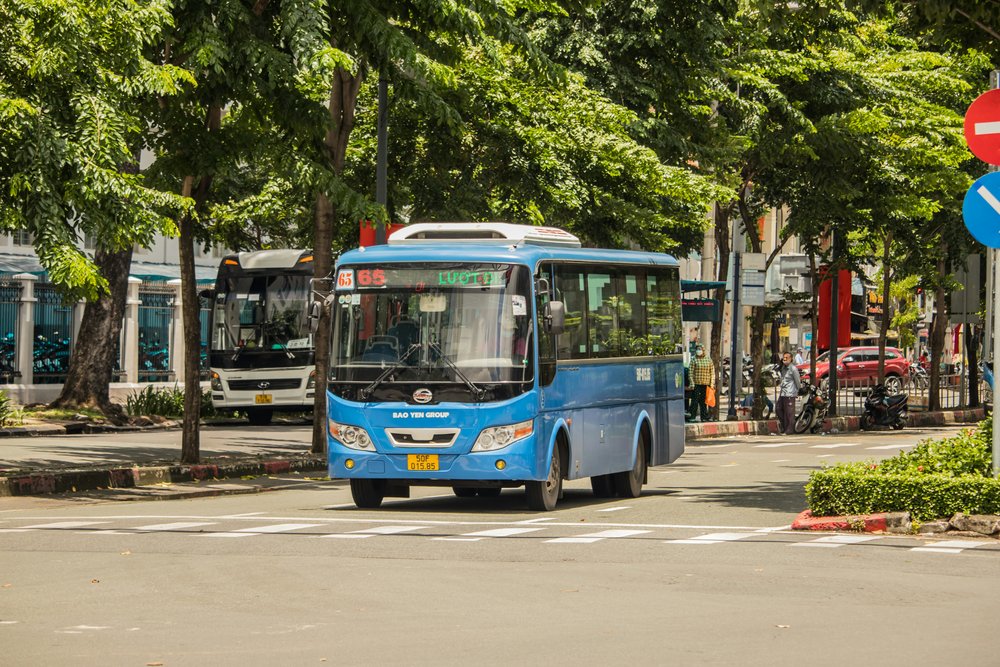
Bus in Ho Chi Minh city | Photo Credits: Tường Chopper on Pexels
City buses are the most affordable way of getting around Vietnam, especially if you're travelling within major cities. You'll find two main types: traditional public buses and modern VinBuses. Public buses are simple and budget-friendly, while VinBuses offer a far more comfortable ride with air conditioning, free Wi-Fi, and USB charging ports.
If you're taking the VinBus, you can download the BusMap app, which helps you track buses in real time, plan routes, and know exactly where to get off. This makes getting around Vietnam a lot easier, especially if it's your first time in the country.
What to know before taking Vietnam city buses:
- Available in: Ho Chi Minh City, Hanoi, Phu Quoc, Nha Trang, Da Nang, Hue, Haiphong, Mui Ne
- Operating hours: 6:00 AM to 10:00 PM
- Fare: ~5,000–7,000 VND (~£0.15–£0.20)
- How to pay: Cash upon boarding
Klook Tip: If you’re sightseeing, consider booking a hop-on hop-off or sightseeing bus
2. Metro
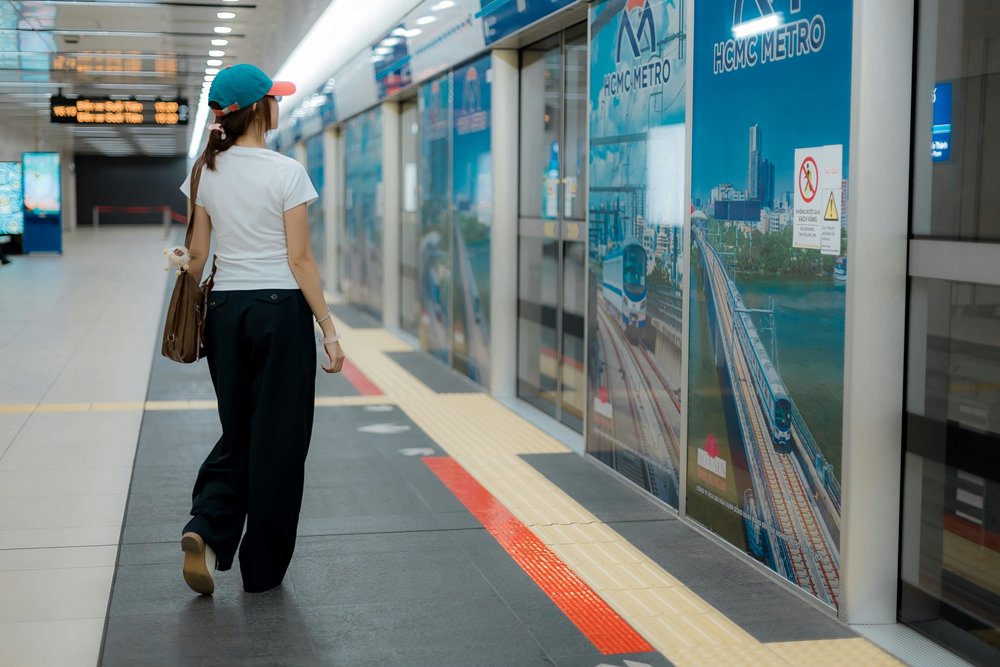
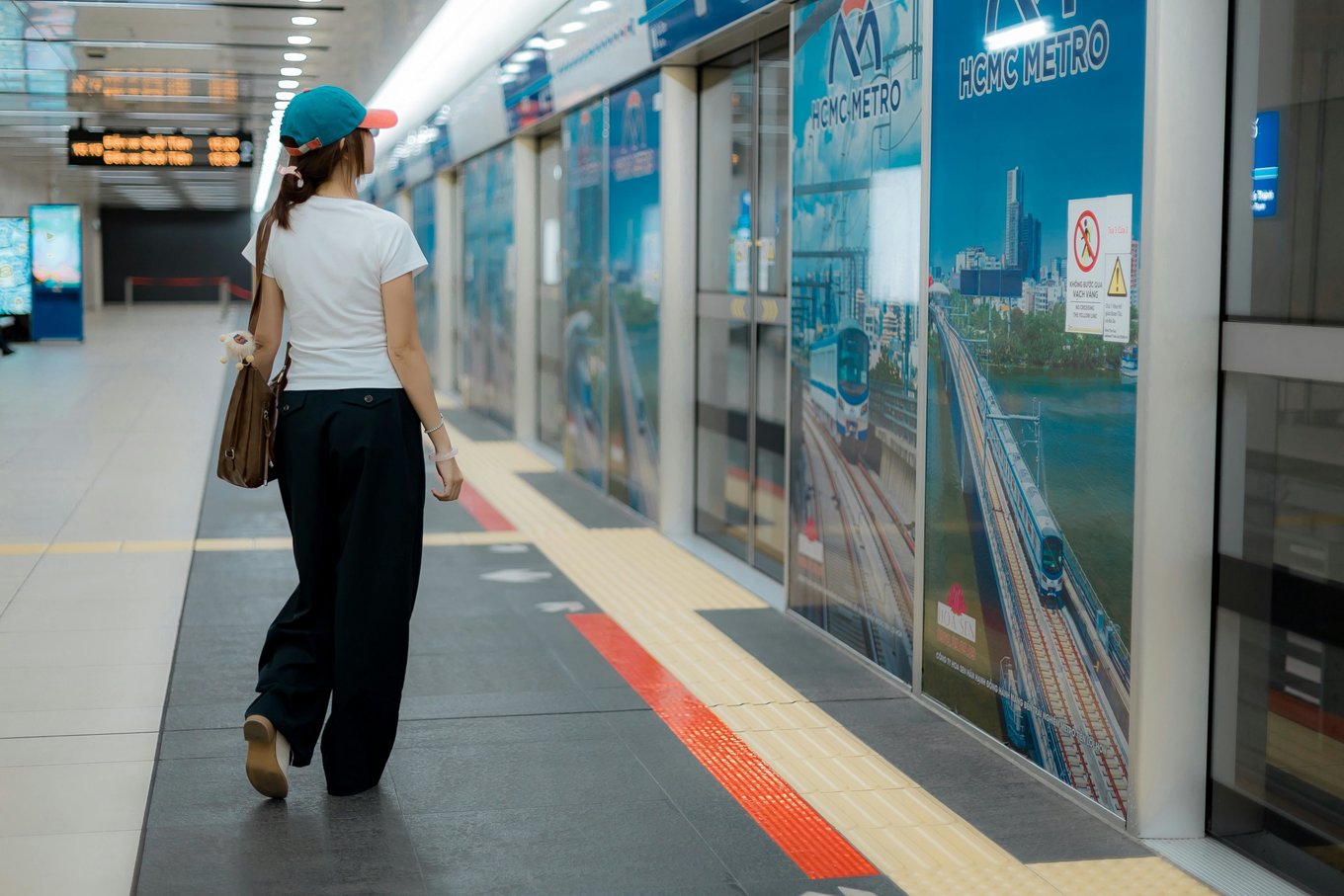
Newest metro in Ho Chi Minh City | Photo Credits: Nguyễn Tiến Thịnh on Pexels
The metro system is one of the newest additions to Vietnam transportation, and it's quickly becoming a favourite for locals and visitors alike. Ho Chi Minh City currently has one metro line with 14 stations, running from Ben Thanh Market in District 1 to Suoi Tien in Thu Duc City. Hanoi has two lines in service — Line 2A and part of Line 3.
If you want a fast, clean, and air-conditioned way of getting around Vietnam, the metro is a great choice. It helps you avoid traffic and gets you across the city quickly, especially during rush hour.
What to know before taking the Vietnam metro:
- Available in: Ho Chi Minh City, Hanoi
- Operating hours: 5:00 AM to 10:00 PM
- Fare: 7,000–20,000 VND (~£0.20–£0.57 for single tickets), 40,000 VND (~£1.15 for daily pass)
- How to pay: Tap credit cards or e-wallets, or use cash at ticket machines
3. Sleeper Buses
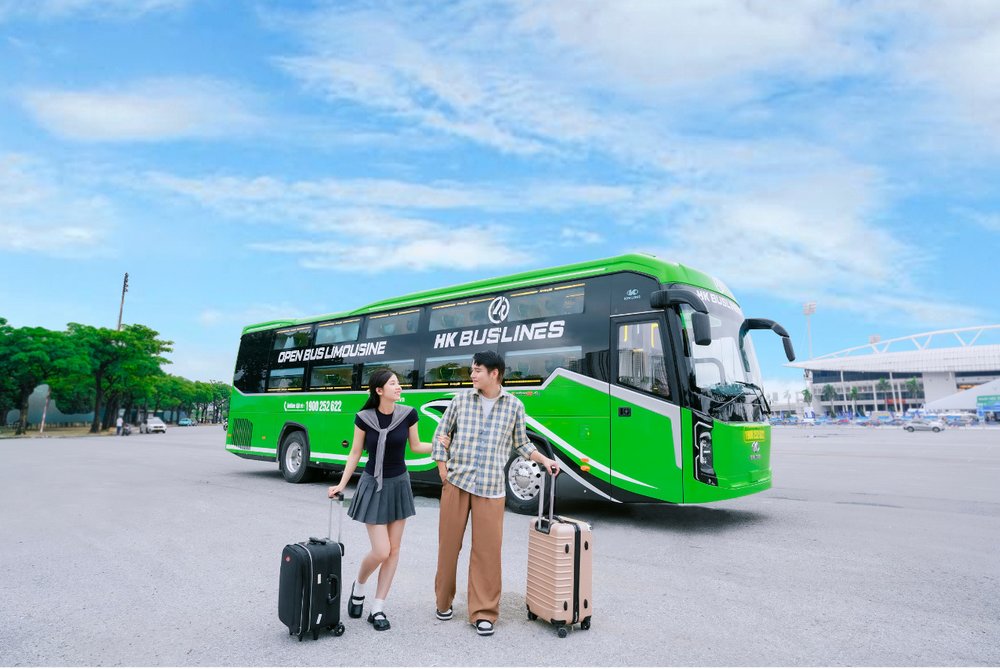
Hanoi to Sapa sleeper bus
Sleeper buses are one of the most popular options for long-distance travel in Vietnam. Rather than sitting upright for hours, you'll lie down in a reclining bed, which makes overnight trips far more comfortable. Many buses also include blankets, charging ports, air conditioning, and sometimes Wi-Fi.
If you're planning to travel between cities, sleeper buses are often the best way to get around Vietnam on a budget. They save you money on accommodation and help you make the most of your travel time.
Popular Vietnam sleeper bus routes:
What to know before taking sleeper buses:
- Available in: Hanoi (north), Da Nang / Hoi An (central), Ho Chi Minh City (south)
- Operating hours: Day and night; common departures at 7:00 AM, 3:00 PM, 9:00 PM
- Fare: 150,000–750,000 VND (~£4.30–£21.50)
- How to pay: Online booking or cash at bus terminals
4. Trains
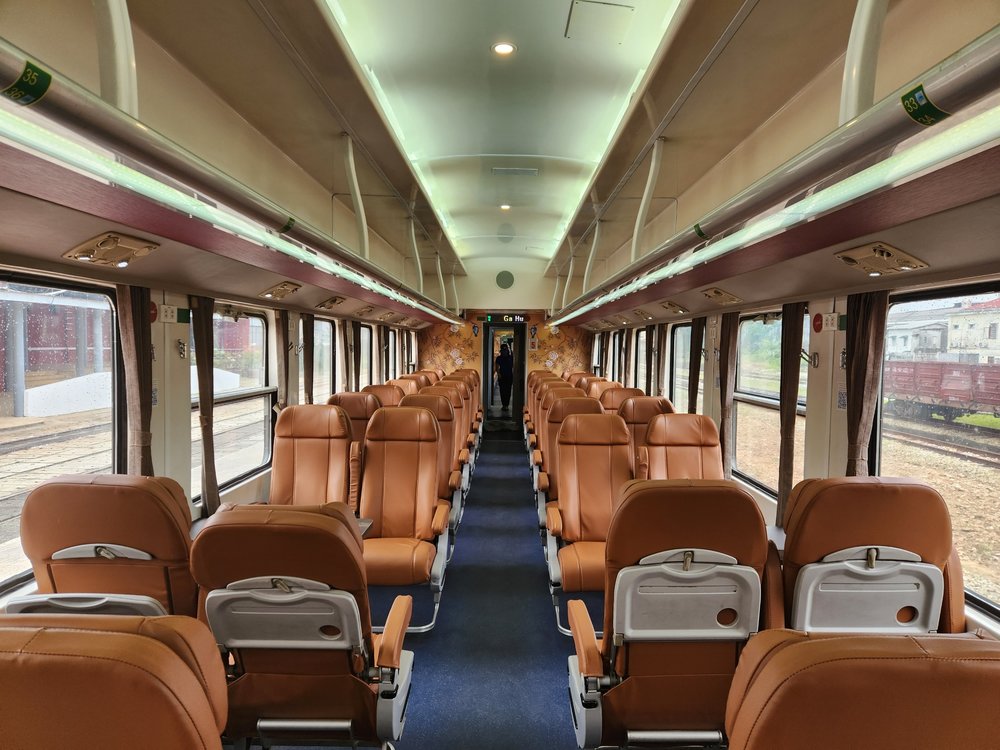
Heritage train carriage aboard the Da Nang to Hue train
Taking a Vietnam train is one of the most scenic and relaxing ways to travel across the country. The railway connects major cities like Hanoi and Ho Chi Minh City, with stops in Hue, Da Nang, and Nha Trang. If you want to enjoy beautiful coastal views and countryside landscapes along the way, this is well worth considering.
One of the most popular routes is the Sapa to Hanoi deluxe train, which gives you a comfortable overnight journey between the mountains and the capital. Trains are also more spacious than buses, making them a good pick for longer trips.
Other popular Vietnam train routes:
What to know before taking trains in Vietnam:
- Available in: Hanoi, Ho Chi Minh City, Hue, Da Nang, Nha Trang, and more
- Operating hours: 6:00 AM to 10:00 PM
- Fare: 150,000–950,000 VND (~£4.30–£27.15)
- How to pay: Book online or pay cash at train stations
5. Motorbike Taxis
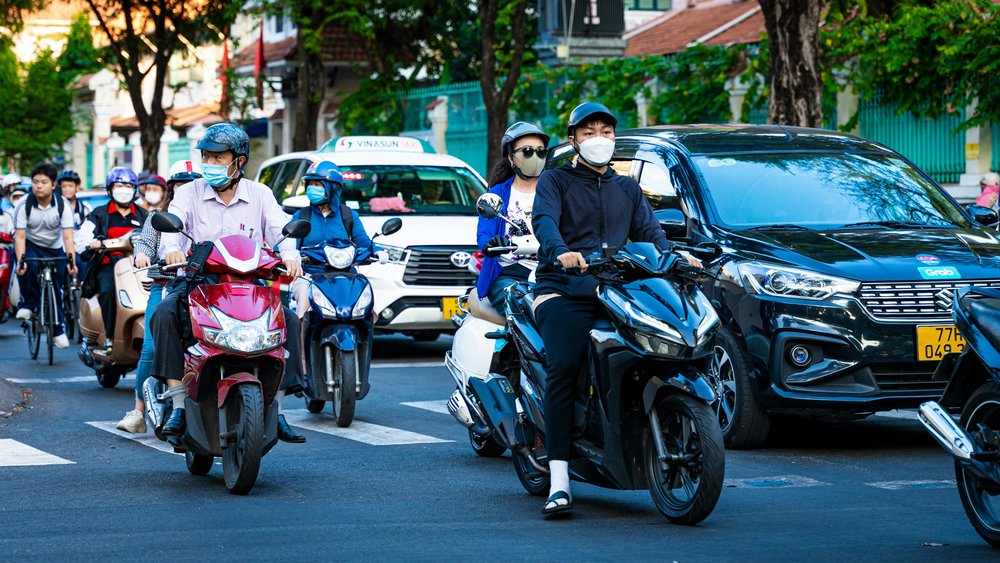
Motorbike taxis in Vietnam | Photo Credits: XT7 Core on Pexels
Motorbike taxis, known locally as xe ôm (motorbike taxis), are one of the fastest ways of getting around Vietnam. They're perfect for short trips, especially in busy cities where traffic can slow cars down considerably. Drivers are skilled at navigating tight streets, so you can reach your destination quickly.
Apps like Grab and Gojek make booking a ride straightforward and safe. If you want a genuine local experience, exploring short distances by motorbike is fun, efficient, and very much the norm here.
What to know before taking motorbike taxis:
- Available in: All major cities
- Operating hours: 24/7
- Fare: Usually 10,000–50,000 VND (~£0.29–£1.45) within city limits
- How to pay: Cash or app-based payments
Klook Tip: Pick up a Vietnam eSIM before you travel means you can use ride-hailing apps the moment you land
Comparing Vietnam transportation options
Transport Type | Best For |
|---|---|
City Buses | Budget-friendly travel within cities and short distances |
Metro | Fast, air-conditioned travel in Hanoi and Ho Chi Minh City |
Sleeper Buses | Long-distance travel on a budget, especially overnight trips |
Trains | Scenic journeys between major cities with more comfort and space |
Motorbike Taxis | Quick, flexible rides for short distances in busy city traffic |
FAQs about getting around Vietnam
Is it better to fly to Hanoi or Ho Chi Minh City?
It depends on your itinerary. If you're planning to head north to Sapa, Halong Bay, or the hill towns, flying into Hanoi makes sense. If your trip focuses on the south like the Mekong Delta, Phu Quoc, or the Cu Chi Tunnels, then Ho Chi Minh City is the better starting point.
What are the best ways to travel between major cities in Vietnam?
The most popular options are domestic flights, sleeper buses, and trains. Flights are the fastest for long distances like Hanoi to Ho Chi Minh City. Sleeper buses are the most budget-friendly, while trains strike a good balance between comfort and cost. For shorter routes like Da Nang to Hue, the train is particularly scenic and well worth the journey.
Is it better to take trains or domestic flights in Vietnam?
Both have their merits. Domestic flights save a lot of time on long-distance routes, but trains offer far better views and a more relaxed travel experience. For routes under five hours, such as Sapa to Hanoi or Da Nang to Hue, the train is usually the better choice. If you're short on time and travelling the length of the country, flying will suit you better.
What should you know about booking transport in Vietnam?
Book as early as possible, especially during national holidays and peak travel periods when seats sell out fast. Trains and popular sleeper bus routes can fill up weeks in advance. Using a platform like Klook to book transport ahead of time means you won't have to scramble for tickets on the day, and you'll often save money too.
Are private transfers or buses a good option for getting around Vietnam?
Yes, both work well depending on where you're headed. Private transfers are comfortable and door-to-door, making them a solid choice for airport pickups or travelling between towns that aren't well-connected by public transport. Buses — especially sleeper buses — are a great option if you're covering longer distances on a tighter budget.
More Vietnam travel guides for you



What is Klook?
Klook is a leading pan-regional experiences platform in Asia Pacific, purpose built to digitalize experiences and make them accessible to every traveler.
Our mission is to build the digital infrastructure for the global experience economy — empowering merchants to share their passions and travelers to discover the heartbeat of each destination. We operate a mobile-first, curated platform featuring diverse experiences across global destinations.