
Everyone’s first trip to Japan tends to follow the same well-worn path: Tokyo, Kyoto, Osaka, maybe a half-day in Nara. It's called the Golden Route for a reason; it works, and it's a great introduction to the country.
But the second trip? That's where things get really good.
You already know how to use a Suica card. You've seen the deer at Nara. Now you get to slow down, go deeper, and actually book the things you almost skipped the first time around. This is our honest list of what we'd rebook without hesitation and a few things we'd confidently leave off the itinerary.
Japan has a cheat code; it's called Klook! 🧡
Japan can feel like a lot to figure out. But every game has a cheat code, and Japan's is Klook.
This June, we're teaming up with Family Fizz for a real family trip to Japan, and there are three ways to play:
- Pre-booked and locked in: Some parts of their itinerary are already sorted, so you can see exactly how easy it is to plan Japan with Klook
- Chosen on the day: The Family Fizz kids pick between activities in real time and book straight through Klook, just like you would on your own trip
- Voted by you: Follow along on Family Fizz's Instagram page, vote on where they head next (see Mount Fuji or go on a tea ceremony in Kyoto?), and watch your pick come to life!
Every experience on their trip is bookable straight through Klook, so you can follow along and plan your own Japan adventure at the same time. Their trip, your rules.
Going live on 25 June 2026. Press start! 🕹️
1. Staying in a ryokan
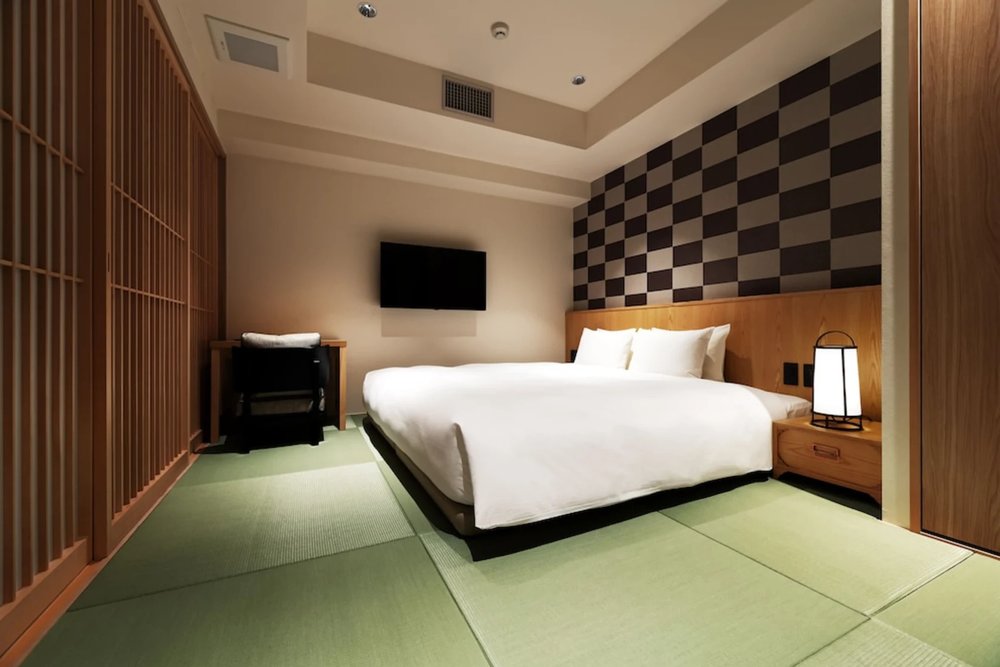
A traditional room in ProStyle Ryokan Tokyo Asakusa
On a first trip, most people stay in a capsule hotel or a city business hotel just to tick the box. Fair enough. But a proper ryokan (traditional Japanese inn with tatami rooms, futon bedding, and kaiseki meals) is on a completely different level, and it's worth treating it as a destination in itself rather than just a place to sleep.
For a city-based stay that doesn't require a long journey into the countryside, ProStyle Ryokan Tokyo Asakusa is one of our top picks. It’s right in one of Tokyo's most famous neighbourhoods, Asakusa, and close to Senso-ji Temple and the Sumida River. The rooms blend traditional aesthetics with modern comfort, making it an easy introduction to ryokan culture.
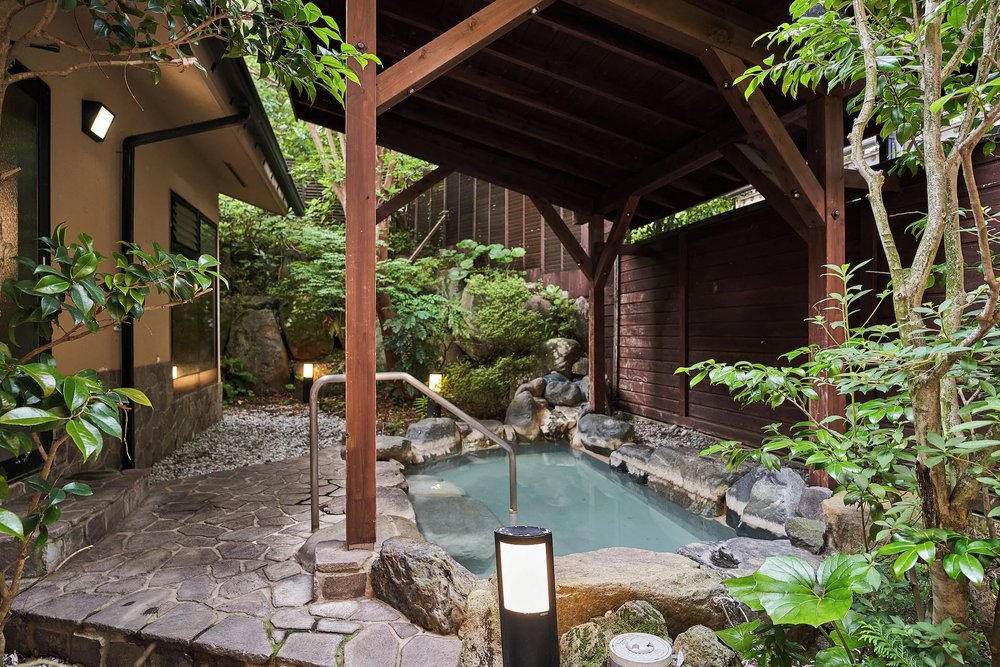
A private open-air onsen in Ajisai Onsen Ryokan in Hakone
And if you're going to do one onsen Japan experience properly, Hakone is the place. The volcanic hot springs here are some of the most accessible from Tokyo (about 90 minutes by train), and the views of Mount Fuji on a clear day make the whole thing feel almost too good to be real.
Ajisai Onsen Ryokan in Hakone is an award-winning option with private open-air baths, the kind of place where you book it and immediately feel like you made the right call. Private onsen access means you're not sharing the tubs with strangers, which is a big deal if you're travelling as a couple or simply prefer a quieter soak.
2. Trying unique experiences in Japan
A proper Japanese whisky tasting in Osaka
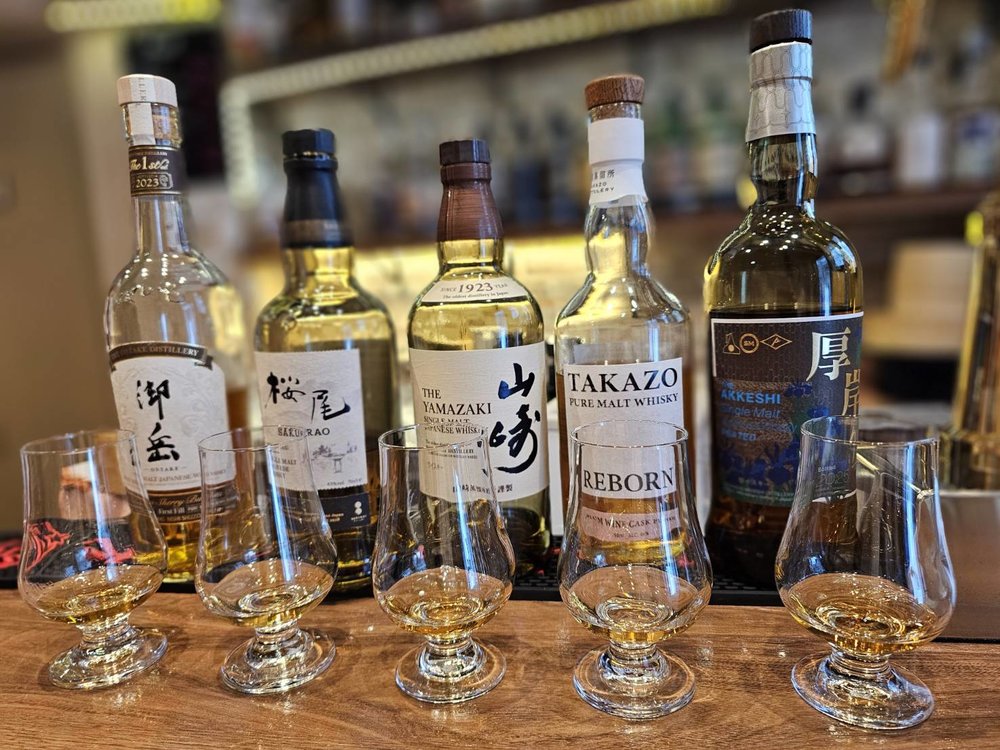
A Japanese whisky tasting in Osaka
If you're into Scotch single malts, Japanese whisky is going to make a lot of sense to you, and it's worth sitting down with someone who knows it well. The category has grown significantly over the past decade, and the quality coming out of distilleries like Yamazaki, Akkeshi in Hokkaido, and Sakurao in Hiroshima is exceptional.
The Japanese Whisky Tasting Experience in Osaka is based in the Umeda neighbourhood at a dedicated whisky bar and runs as a guided tasting with expert-paired snacks. The lineup typically covers whiskies from several different regions, each one reflecting something distinct about where and how it was made, much like the regional differences you'd find across Scotland.
It's a relaxed evening format, close to the station, and the kind of thing that's very easy to fit into a night in Osaka without disrupting the rest of your itinerary.
A sake tasting in Kyoto's Fushimi district
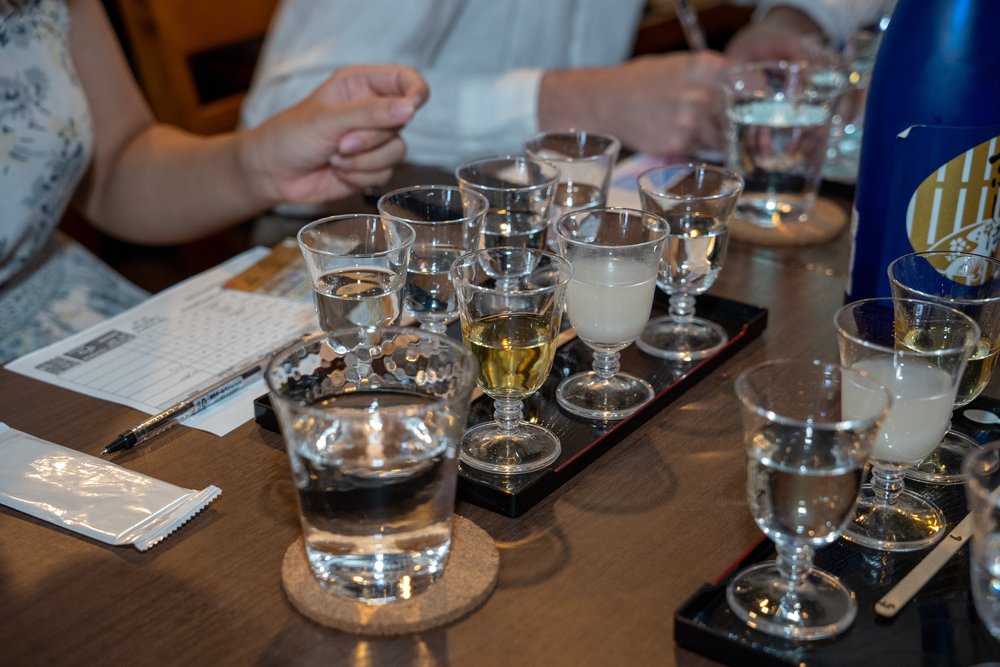
A sake tasting experience in Kyoto
Kyoto has a lot of famous spots that end up feeling rushed on a first visit. Fushimi Inari at sunrise, Arashiyama in the afternoon – you know the drill. But the one thing that often gets overlooked is Kyoto's sake brewing heritage, and it's worth your time.
Fushimi Sake Village is one of the city's most interesting food and drink destinations. The area has been producing sake for centuries thanks to its exceptionally clean underground water, and a tasting session here is nothing like picking up a bottle at a convenience store.
This sake tasting experience in Kyoto is well worth booking in advance, where you'll taste a range of styles with proper guidance, and it typically includes snacks that pair well with the drinks. Book it for late afternoon so you can explore the surrounding lanes before heading to dinner.
A Zen meditation and garden tour in Kyoto
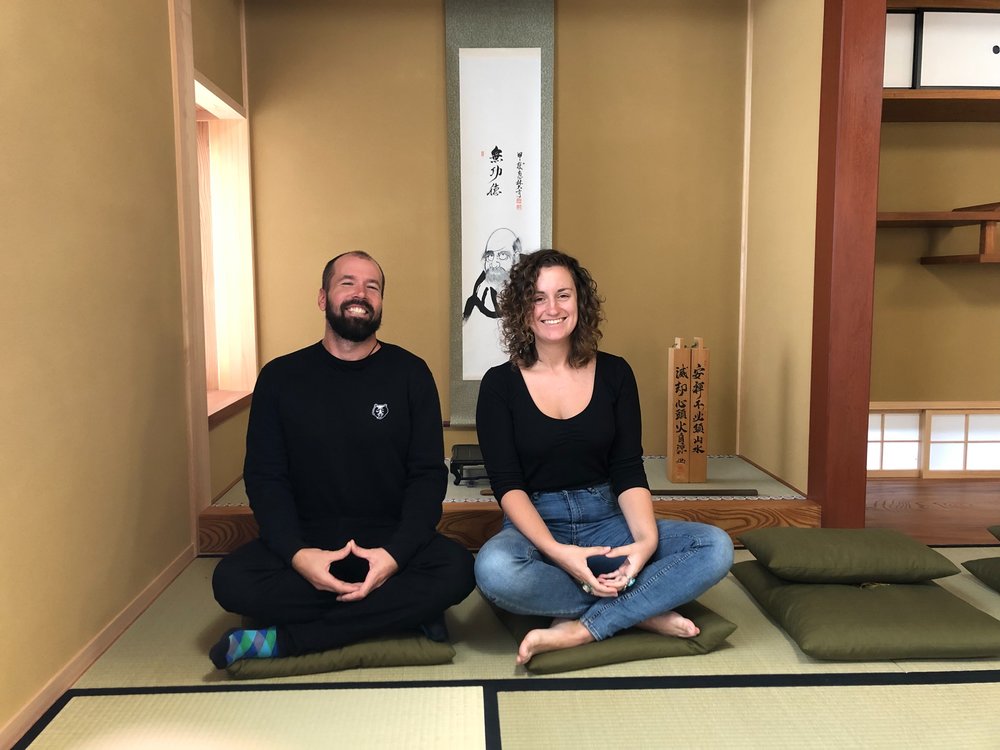
Partake in a Zen meditation experience in Kyoto
Tea ceremonies get all the attention, but the Kyoto Zen Meditation and Garden Tour is the experience we'd rebook without a second thought.
It's usually held in a working temple rather than a tourist-orientated setup, which makes a noticeable difference. You sit in silence, breathe, and actually slow down, something that's hard to do when you're power-walking between shrines.
The sessions are typically small-group, so it never feels performative. A guided explanation of the temple garden follows, and it's the kind of thing that reframes the rest of your Kyoto visit. Book this one early in your trip, ideally on a morning when you're not rushing anywhere.
Bar hopping in Tokyo with whisky, sake, and food pairings
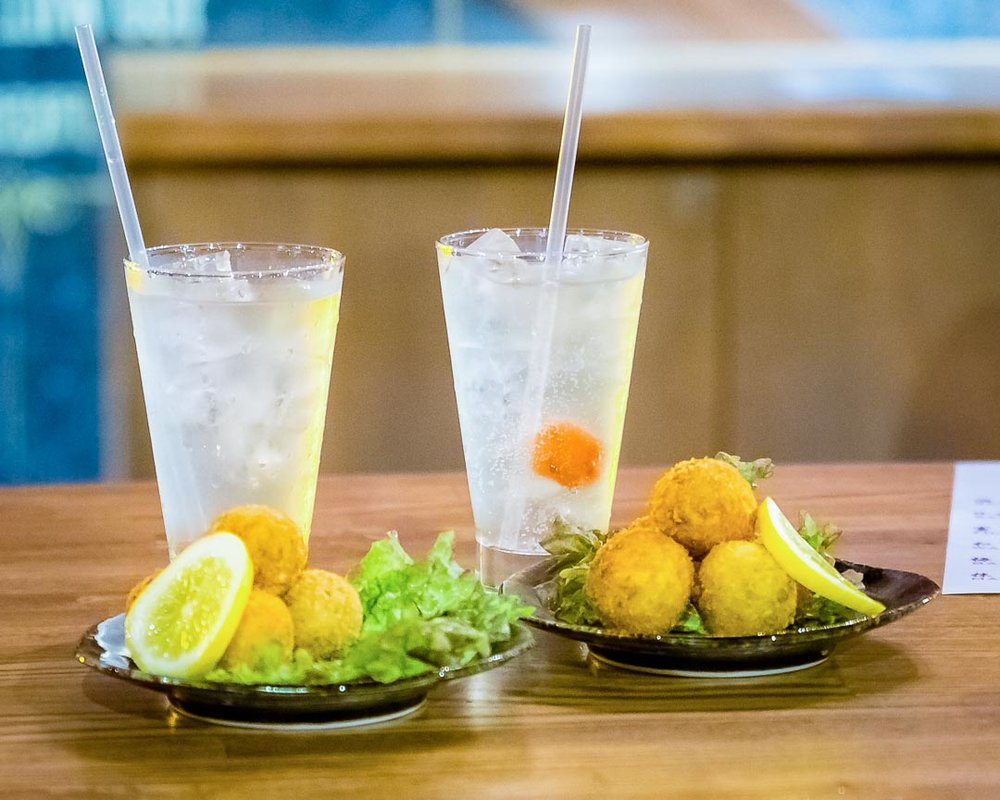
Visit local bars in Tokyo and try unique food pairings!
Tokyo's bar scene is a lot more approachable with a guide who knows where to go. The Tokyo bar-hopping tour takes you through several local bars with curated whisky, sake, and food pairings, and it covers areas that most first-timers walk straight past.
This one is particularly good for Japan food tour enthusiasts who want to eat and drink their way through an evening rather than sitting in one restaurant. Groups are kept small, and the guides tend to be genuinely knowledgeable rather than just reciting a script.
3. Destinations we'd return to
Kanazawa
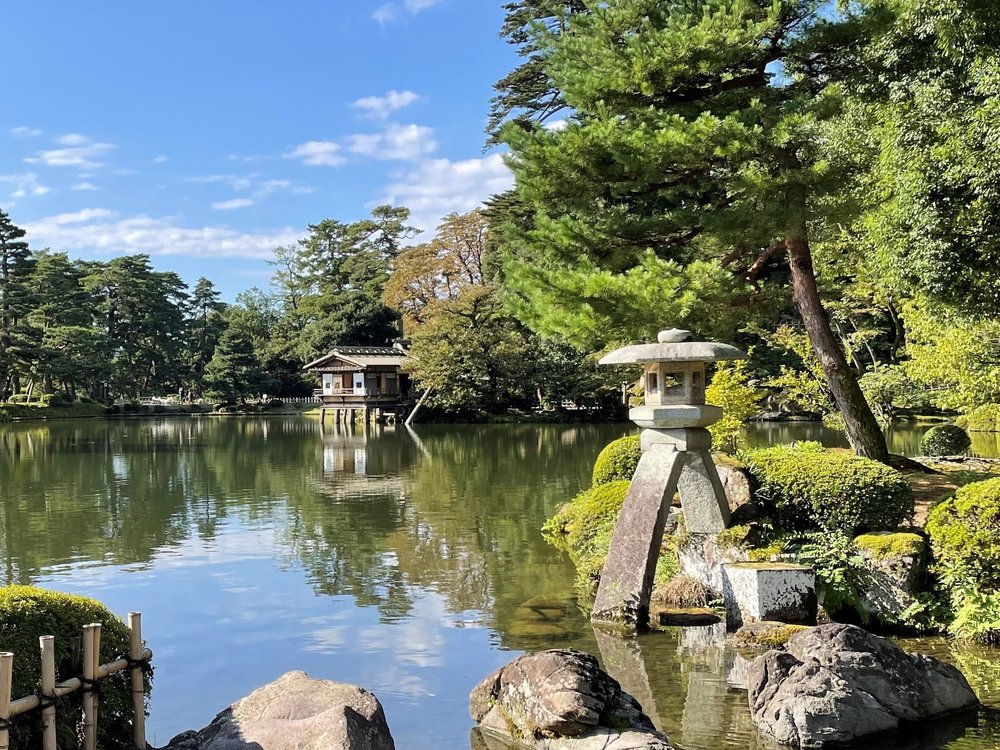
Kenroku-en Garden in Kanazawa
Kanazawa is the city that most second-timers wish they'd discovered sooner. It's often described as "Kyoto without the crowds", which is a fair comparison.
Kenroku-en Garden is one of Japan's top three landscape gardens and far more relaxed to walk through than anything in Kyoto on a peak weekend. The Higashi Chaya geisha district has beautifully preserved streets, and the Omicho Market is ideal for a morning of fresh seafood.
It's about 2.5 hours from Tokyo on the Hokuriku Shinkansen, easy to include as a one or two-night stop between Tokyo and Kyoto.
Hiroshima and Miyajima
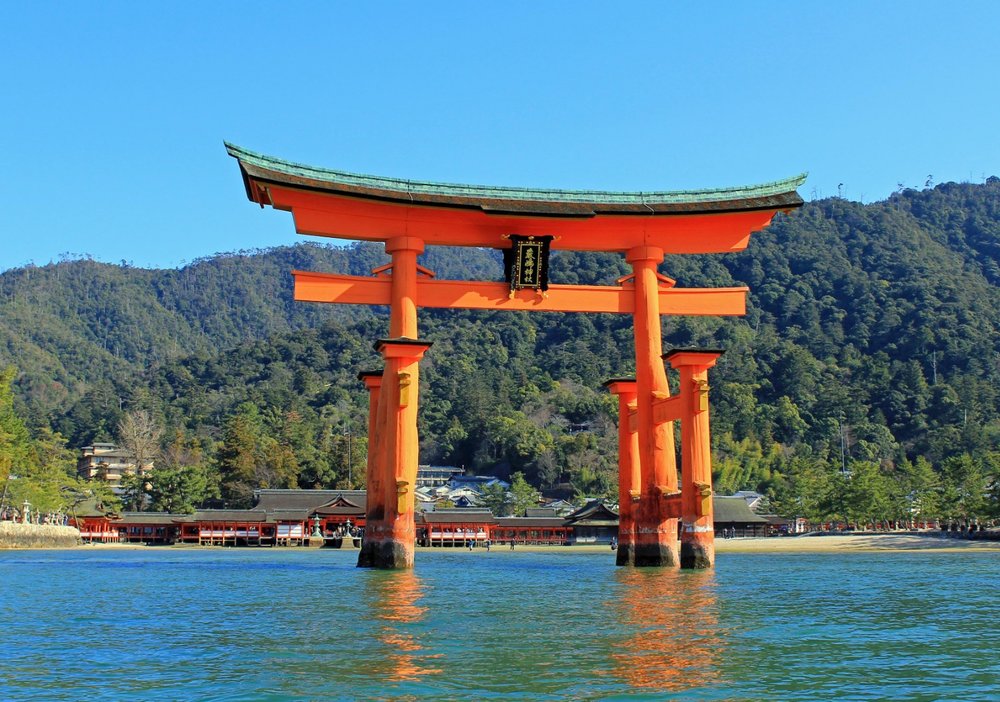
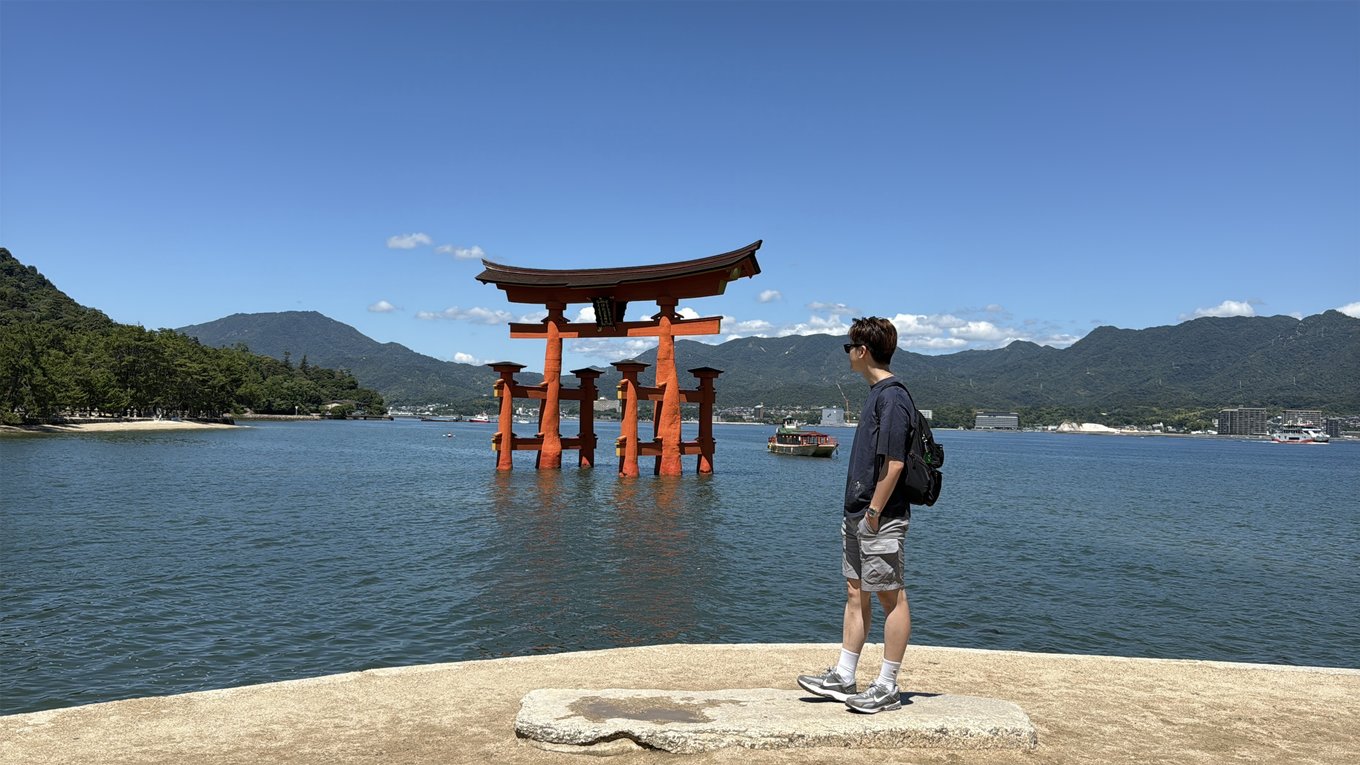
The famous torii gates in Itsukushima Shrine
Hiroshima is handled badly on a lot of first trips, like being rushed through in an afternoon as a sombre day trip before heading back to Osaka. But the city deserves at least one full day, ideally two. The Peace Memorial Museum and Genbaku Dome are impactful and memorable, and the surrounding streets have good food and a distinct local character.
Miyajima Island, about 30 minutes by ferry, is worth an overnight stay if you can manage it. Once the day visitors leave, the famous floating torii gate at Itsukushima Shrine looks completely different: quieter, more dramatic, and far more photogenic.
If you'd rather not plan the logistics yourself, the Miyajima and Hiroshima full-day tour covers both in a single day with a guide, a great option if Hiroshima is a one-night stop rather than a longer base.
The mindset shift that makes your second trip better
The biggest change between a first and second trip to Japan is pace. First-timers try to cover everything. Second-timers pick fewer cities and stay longer.
Three cities in ten days is more rewarding than six cities in the same time. You get to wake up and have a slow breakfast in a neighbourhood you actually know. You find the coffee shop you want to come back to. You stop optimising the itinerary and start actually enjoying the trip.
Shoulder season travel, mid-March before the cherry blossom peak, or early November before the autumn foliage crowds, makes a noticeable difference too. Prices are lower, queues are shorter, and the experience feels a lot closer to the Japan you imagined before you booked the flights.
For more on planning your trip from the UK, the Japan trip guide from the UK covers logistics, flight times, and what to budget. And if you've heard the usual warnings about Japan travel being difficult or expensive, the Japan travel misconceptions guide is worth reading before you finalise anything.
FAQs about a second trip to Japan
What should I do differently on a second trip to Japan?
The biggest shift is slowing down. On a first trip, it's natural to want to cover as much ground as possible: Tokyo, Kyoto, Osaka, Nara, maybe a day in Hiroshima. On a second trip, you can afford to spend more time in fewer places and go deeper.
Book the ryokan you skipped. Take the sake tasting. Walk the quieter paths instead of queuing for the famous ones. It's also worth considering less-visited cities like Kanazawa or spending a night on Miyajima Island rather than rushing back to the mainland.
What are the most underrated experiences in Japan?
A few things that consistently surprise repeat visitors: sake brewery tours in Kyoto's Fushimi district, Zen meditation sessions at working temples, and bar-hopping tours in Tokyo that take you through local neighbourhoods rather than tourist areas.
The Philosopher's Path in Kyoto and Gotokuji Temple in Tokyo are also worth adding; both get far fewer visitors than they deserve. In terms of cities, Kanazawa is probably Japan's most underrated destination for Western travellers.
Is a Japan Rail Pass worth it on a second visit?
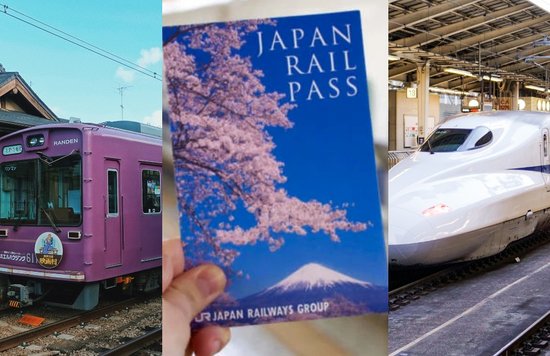
It depends on how much ground you're covering. If your second trip involves moving between three or more cities, especially if the Shinkansen is involved, the pass typically pays for itself. A Tokyo-Kyoto return trip alone comes close to breaking even on the 7-day pass price.
If you're planning to base yourself in one or two locations and take local trains, individual tickets might work out cheaper. Check our detailed breakdown on whether the JR Pass is worth it before you decide. One thing to note: the pass must be purchased outside Japan, so sort it before you fly.
What are the best ryokans to book in Japan?
For a city ryokan experience, ProStyle Ryokan Tokyo Asakusa is a reliable option in one of Tokyo's most atmospheric areas, with traditional rooms and good access to central Tokyo. For a full onsen ryokan experience, Hakone is the go-to destination. Ajisai Onsen Ryokan offers private open-air baths and is award-winning for good reason.
What are the best off-the-beaten-path destinations in Japan?
Kanazawa is probably the most accessible lesser-visited city, easy to reach on the Hokuriku Shinkansen and rewarding. Naoshima Island is worth the trip for contemporary art lovers; the Benesse Art Site features works by some of the world's best-known artists displayed across the island.
Yakushima, a heavily forested island in southern Japan, is a good option for hiking and a very different kind of Japan experience. Closer to the main tourist trail, spending a night on Miyajima Island after the day visitors leave gives you a completely different perspective on one of Japan's most famous sights.
More Japan travel guides for you
What is Klook?
Klook is a leading pan-regional experiences platform in Asia Pacific, purpose built to digitalize experiences and make them accessible to every traveler.
Our mission is to build the digital infrastructure for the global experience economy — empowering merchants to share their passions and travelers to discover the heartbeat of each destination. We operate a mobile-first, curated platform featuring diverse experiences across global destinations.