
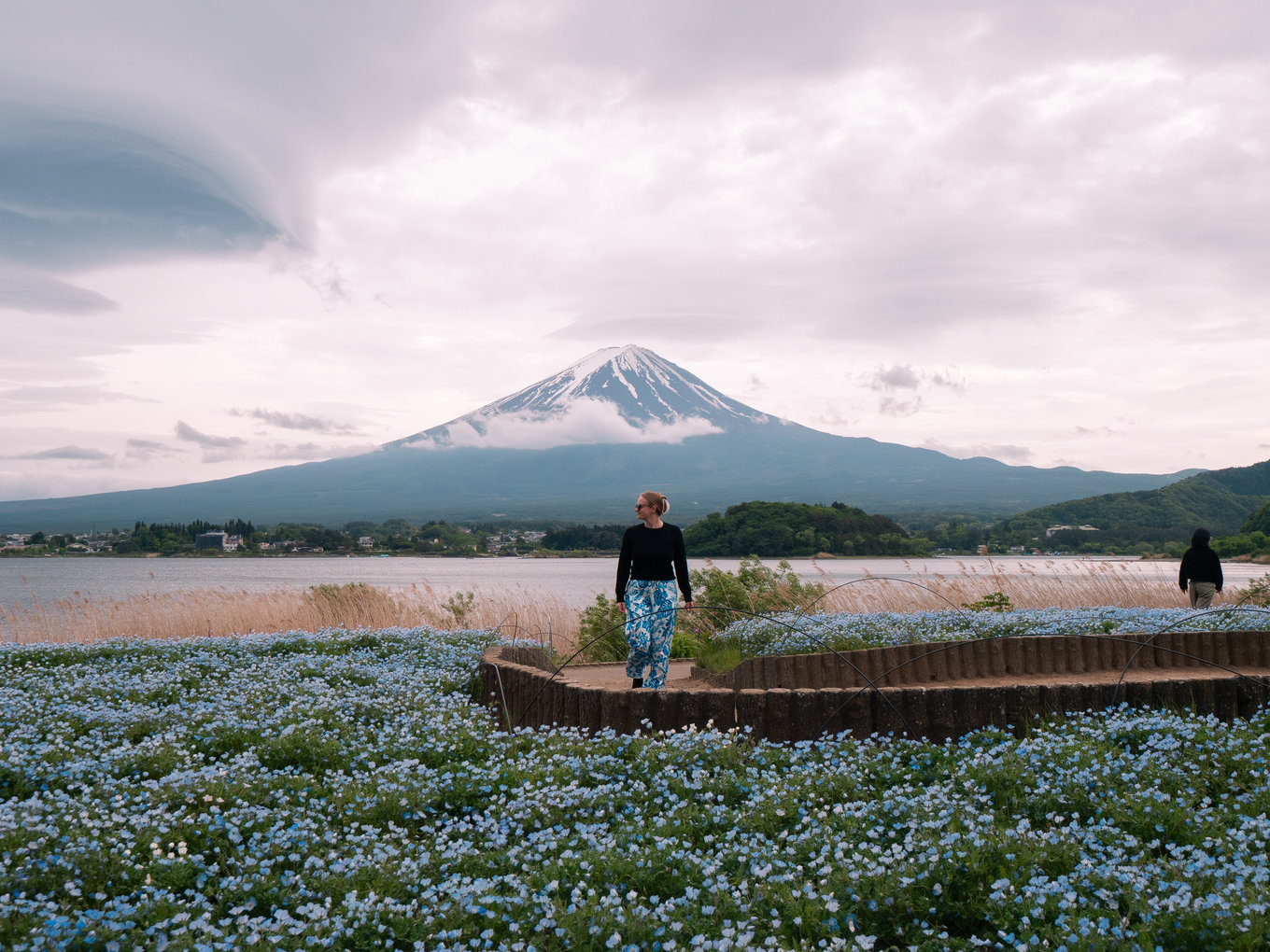
Tokyo gets all the attention. Fair enough, it earns it. But step off the Shinkansen at almost any stop beyond the capital, and Japan starts showing you a completely different side of itself. Ancient temples, volcanic landscapes, sacred deer parks, street food that’ll make you crave for more.
Getting around is easy, the trains run on time, and most major cities are within a few hours of each other. In this guide, we’ll list down seven cities and regions worth building your trip around, from classic favourites to spots that often slip through the cracks.
1. Kyoto
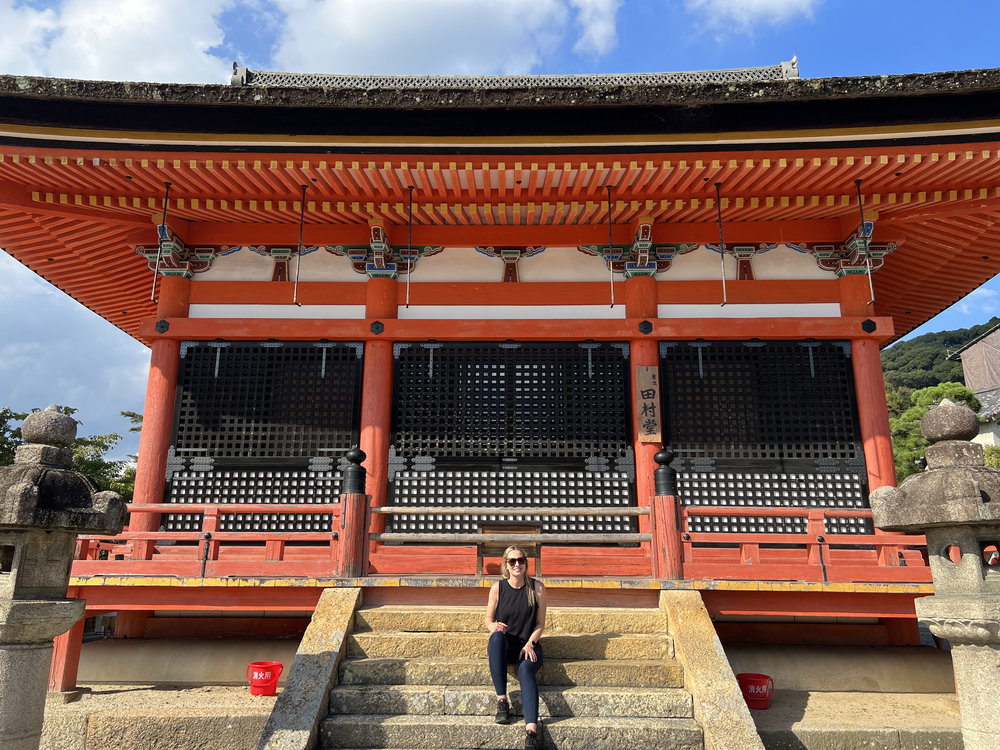
The Kiyomizu-dera Temple in Kyoto
How to get there: From Tokyo, take the Shinkansen (Tokaido Line) to Kyoto Station, around 2 hours and 15 minutes on the Nozomi.
If there's one city that defines the image of traditional Japan for most travellers, it's Kyoto. Former imperial capital, home to hundreds of temples and shrines, and still one of the most photogenic places in the country.
Fushimi Inari Taisha, with its thousands of torii (vermillion gates) winding up a forested hillside, is worth the early start so you’ll have the scenery to yourself. Arashiyama's bamboo grove, the gold-dusted Kinkaku-ji, and the geisha district of Gion all deserve space on your itinerary too.
If you want to cover the highlights without the planning stress, the Kyoto day tour takes you to at least six famous spots in the city, including the Kiyomizudera Temple and Nijō Castle.
Unlike the fast-paced city vibe of Tokyo, in Kyoto, you can take it slow. Hire a bike, go into a side street in Higashiyama, or spend an afternoon in a traditional machiya (townhouse) tea room.
2. Osaka
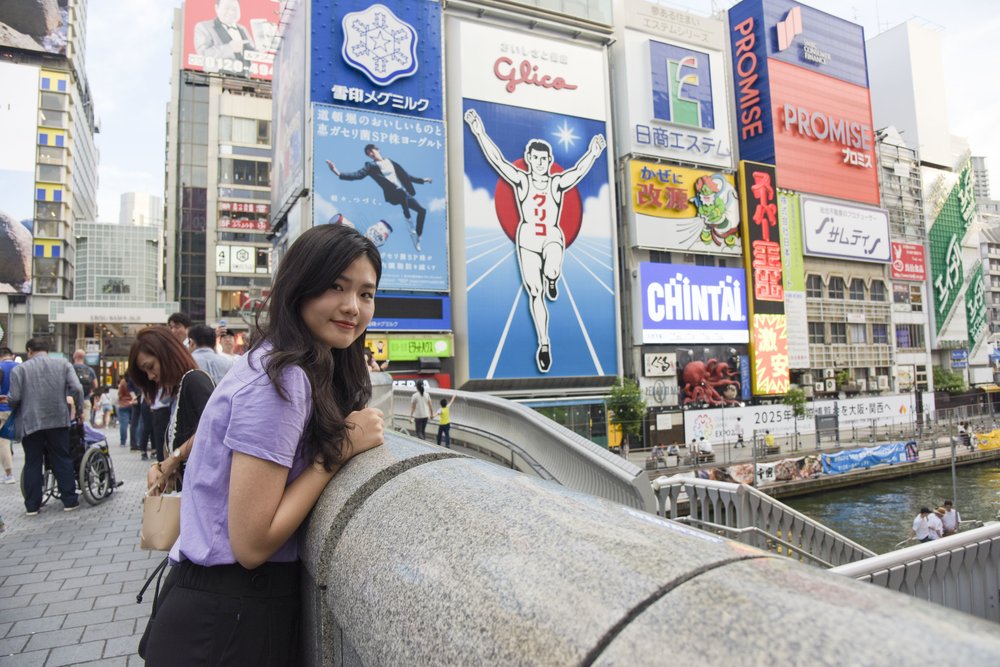
Take a pic in front of the Glico sign in Dotonbori!
How to get there: From Kyoto, the Shinkansen takes around 15 minutes. From Tokyo, it's roughly 2.5 hours on the Nozomi.
Osaka runs on a different energy than Kyoto. Louder, more spontaneous, and absolutely obsessed with food! Locals here have a saying, kuidaore, which roughly translates to "eat until you drop." And you’d understand more once you visit!
Dotonbori is the place to start: neon signs, street-food vendors, and the legendary Glico running man sign all packed into one lively riverside strip. Try takoyaki (octopus balls), okonomiyaki (savoury pancake), and whatever else catches your eye from the stalls. Or if you want a guided food crawl, try this Dotonbori and Kuromon Market food tour!
Beyond the food scene, Osaka Castle is also worth a visit! It's in a sprawling park and impressive whether or not you go inside the castle.
Osaka also works well as a base for day trips to Kyoto, Nara, and Kobe, since all three are under an hour away by train.
3. Nara
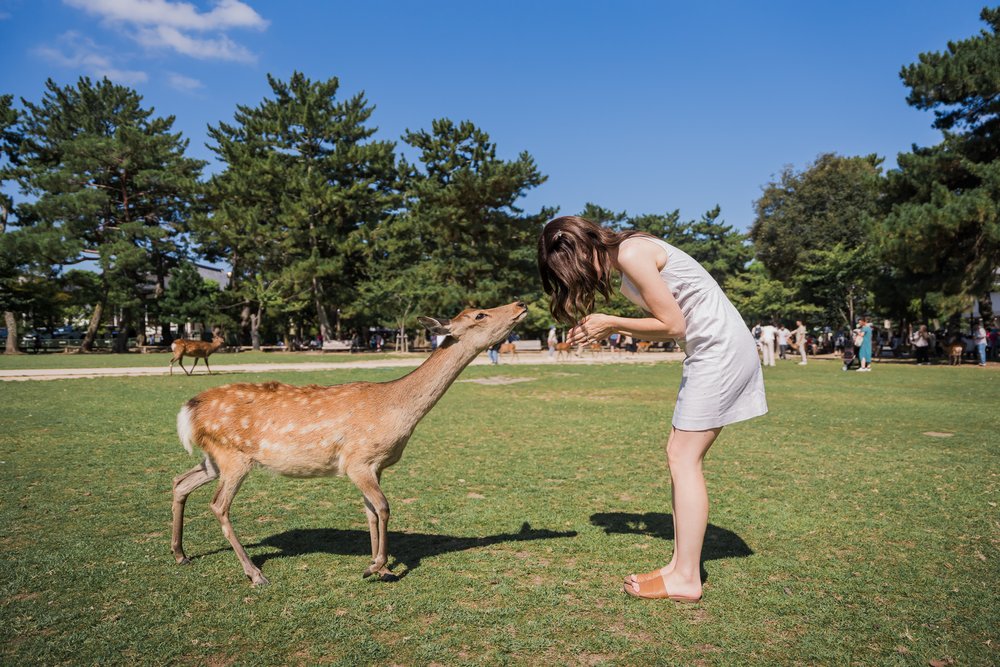
Feed a deer at Nara Park!
How to get there: From Osaka, take the Kintetsu Nara Line from Osaka-Namba Station (around 40 minutes). From Kyoto, take the Kintetsu Kyoto Line (around 45 minutes)
Most tourists treat Nara as a half-day trip from Kyoto or Osaka, and while that's totally doable, it's worth spending more of your time here. The city was Japan's first permanent capital, and it still carries that ancient atmosphere.
The most popular spot here is Nara Park, where over 1,000 free-roaming deer wander the grounds. They'll bow for crackers (shika senbei), which you can buy from vendors around the park. Tōdai-ji, the enormous wooden temple housing a 15-metre bronze Buddha, is right at the park's edge and is one of the most impressive structures in Japan.
If you're combining Nara with Kyoto in a single day, the Kyoto and Nara Day Tour covers both efficiently with an English-speaking guide. You can also reach Nara from Osaka in about 40 minutes by train.
4. Hakone
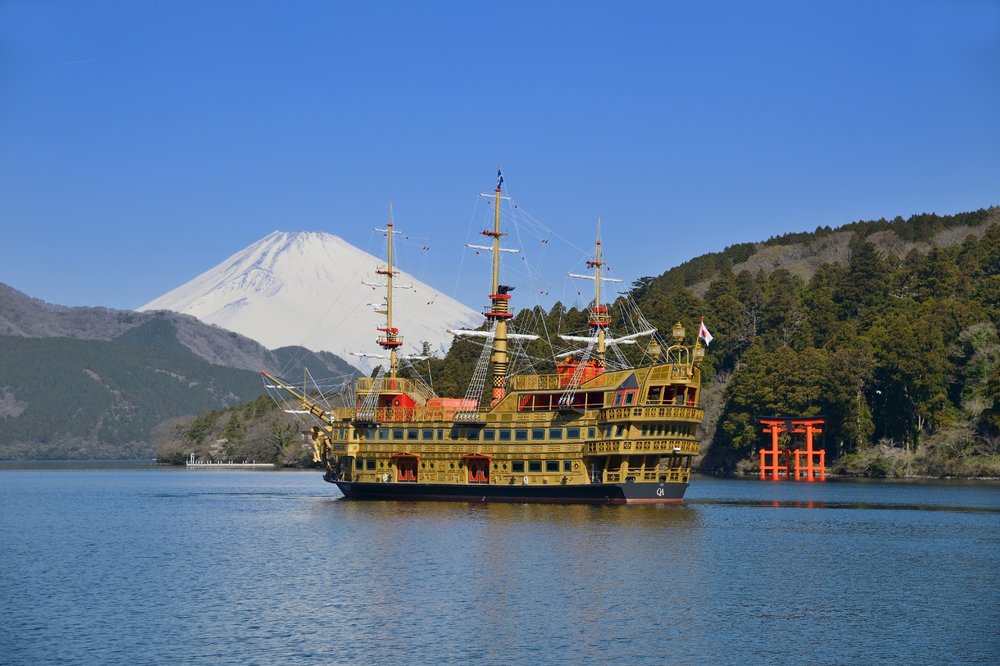
Cruise around the scenic area of Lake Ashinoko aboard the Hakone Sightseeing Cruise pirate ship, Royal II
How to get there: From Tokyo's Shinjuku Station, take the Romancecar (Odakyu Line) direct to Hakone-Yumoto, around 85 minutes. Or, you can take the Shinkansen to Odawara and change there.
If you want views of Mount Fuji without climbing it, Hakone is the place to go. This mountainous resort area, about 90 minutes from Tokyo by train, is built around onsen (hot spring baths), volcanic scenery.
The Hakone Sightseeing Route loops through the area using a combination of mountain railways, ropeways, and lake boats. The ropeway over Owakudani, an active volcanic zone with steaming vents and black sulphur eggs, is a highlight.
Down at Lake Ashi, the Hakone Sightseeing Cruise across the lake offers picture-perfect views of Fuji on a clear day, with the mountain rising behind the water and forested hills.
After a day of sightseeing, go soak in a ryokan's onsen while looking out over the mountains. It is one of those experiences that's hard to beat.
Klook Tip: The Hakone Freepass covers transport within the Sightseeing Route, including the ropeway and lake cruise, and includes a return Romancecar journey from Shinjuku. It's usually better value than paying separately.
5. Nikko
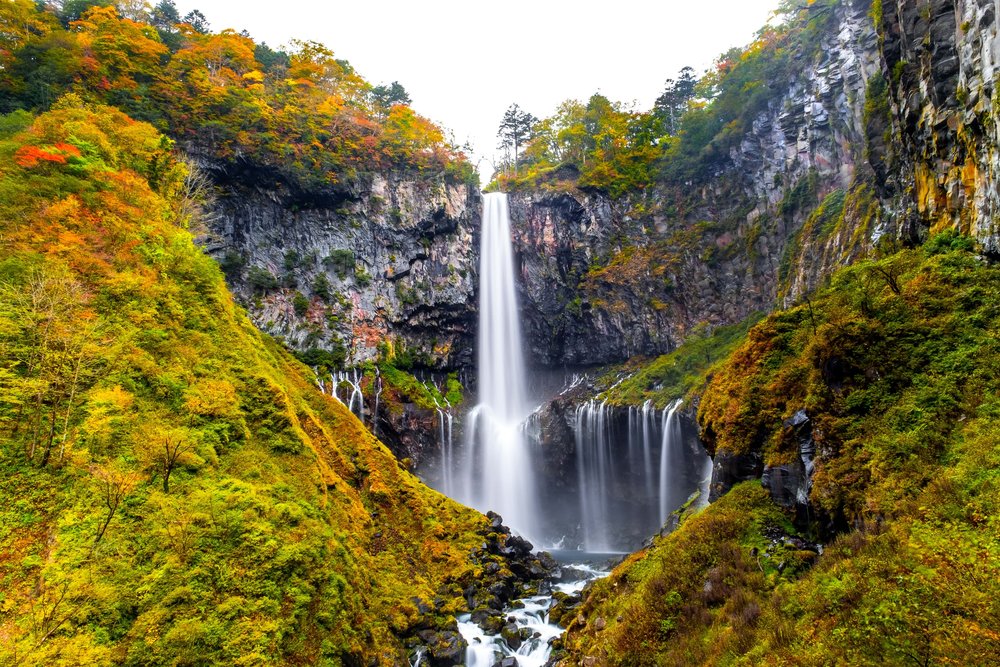
The Kegon Falls in Nikko, Japan
How to get there: From Tokyo's Asakusa Station, take the Tobu Nikko Line direct; around 2 hours. The Tobu Railway Express (or the Limited Express Spacia) is the faster, more comfortable option.
Nikko might be a bit surprising for most. Set in the forested mountains of Tochigi Prefecture, it's famous for the elaborately decorated Tōshō-gū Shrine, the mausoleum of the first Shogu Tokugawa Ieyasu, which is covered in gold leaf, intricate carvings, and vivid lacquerwork.
The wider area around Nikko also has real natural appeal. Lake Chūzenji sits at altitude above the famous Iroha-zaka switchback road, Kegon Falls drops 97 metres into a gorge below, and the overall landscape feels completely different to the plains around Tokyo.
The Nikko day trip from Tokyo takes you to the shrine, the ropeway viewpoint over the Iroha-zaka, and key natural sights in just one day. It takes the logistics out of what would otherwise be a tricky destination to navigate on your own.
6. Hiroshima and Miyajima
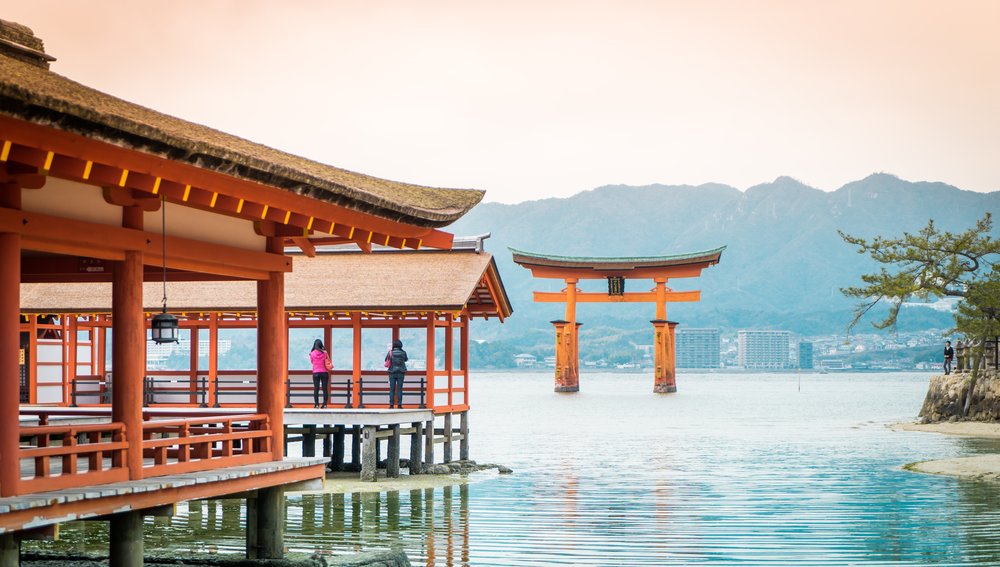
The floating torii gates of Miyajima Itsukushima Shrine
Hiroshima carries a lot of historical weight, and visiting the Hiroshima Peace Memorial Park and Museum is one of the most moving experiences Japan has to offer. The museum documents the events of 6 August 1945 with unflinching honesty, and it may not be easy to see, but it's an important one.
The city itself has been rebuilt into something lively and forward-looking. You must try the local speciality Hiroshima-style okonomiyaki, a layered, hearty savoury pancake distinct from the Osaka version since the food scene is well worth exploring.
A short ferry ride from Hiroshima is Miyajima Island, home to the iconic floating torii gate of Itsukushima Shrine. At high tide, the gate appears to rise from the sea; at low tide, you can walk out to it. Free-roaming deer wander the island much like in Nara, and hiking paths lead up to viewpoints above the tree line.
For a seamless experience, you can also join a guided Hiroshima and Miyajima bus tour that takes you to the Peace Memorial Park and the island's highlights in one day, including the ferry transfer.
7. Fukuoka
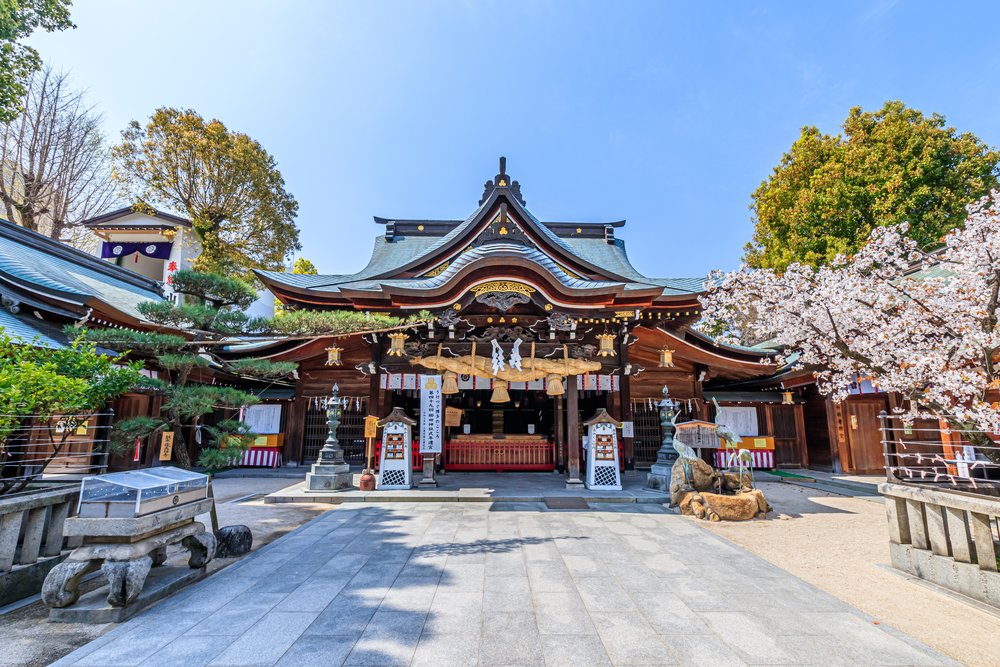
The Kushida Shrine in Fukuoka, Kyushu
How to get there: From Osaka, take the Shinkansen to Hakata Station, around 2.5 hours. From Tokyo, the journey is about 5 hours by Shinkansen.
Fukuoka doesn't always make the top of the list for first-time visitors to Japan, but we actually think it should. Located in northern Kyushu, it's one of the country's youngest, most energetic cities, and it’s one of the best places to eat in Japan!
The city is famous for its yatai, or open-air food stalls set up along the riverbanks at night, serving Hakata ramen (rich tonkotsu broth), grilled skewers, and cold Asahi to hungry locals and visitors.
Canal City Hakata is a shopping mall and architectural curiosity worth wandering through, and the Kushida Shrine gives you a look into traditional festival culture with its huge Yamakasa float on display year-round.
Fukuoka also works well as a base for day trips to Beppu's hot springs, the historic town of Yanagawa, and Dazaifu Tenman-gū Shrine. For a convenient way to visit Beppu's hot springs and the charming spa town of Yufuin in one day, consider going on a Beppu Onsen and Yufuin day tour from Fukuoka.
FAQs about Japan beyond Tokyo
What to do in Japan beyond Tokyo?
There’s so much more to do in Japan beyond Tokyo. Kyoto and Nara are the go-to choices for history and traditional culture, with temples, shrines, and ancient streets everywhere. Osaka is the food capital, where you can try most of Japan’s specialties, like takoyaki!
Hakone gives you volcanic scenery and onsen access, usually paired with views of Mount Fuji. Nikko is a day trip away from Tokyo and has ornate shrine architecture set in mountain forests. Further afield, Hiroshima and Fukuoka are both worth the Shinkansen journey.
What other cities to visit in Japan besides Tokyo?
Kyoto and Osaka are the obvious picks because both are well connected, interesting, and easy to navigate. Nara is small but memorable, especially if you've never walked through a deer park with ancient temples in the background.
Hiroshima is one of the most historically significant places in the country. Hakone and Nikko both work well as day trips from Tokyo and have dramatically different landscapes to the capital. Fukuoka, meanwhile, is the most underrated city on this list.
What is the cheapest month to visit Japan?
For budget travellers, late January to mid-February is generally the most affordable time to visit Japan. There are no major cherry blossom or autumn foliage crowds, accommodation prices are lower, and flights tend to be cheaper. The trade-off is cold weather, as Tokyo and Kyoto can drop close to freezing.
What are the top 5 cities to visit in Japan?
Based on what most travellers find worth prioritising: Tokyo, Kyoto, Osaka, Hiroshima, and Nara. That said, Hakone and Nikko are frequently added as day trips from Tokyo, and Fukuoka is a strong contender for anyone spending more than two weeks. The Japan Rail Pass makes it practical to visit several cities without planning each journey separately.
Are there any must-visit spots that aren't Tokyo, Kyoto, or Osaka?
Yes! Nikko's Tōshō-gū Shrine is jaw-dropping and is only two hours from Tokyo. Hakone is a natural counterpoint to city life, with ropeway rides over active volcanic craters and lake cruises framed by Mount Fuji. Nara is often underestimated because it's small, but the combination of ancient temples and free-roaming deer is unlike anywhere else in Japan.
Hiroshima also deserves a full day, both for the Peace Memorial and for the nearby Miyajima Island. And Fukuoka's yatai stall culture is one of the most atmospheric dining experiences in the country.
Explore more of Japan beyond Tokyo!
Once you venture past the capital, you’ll see how Japan is so much more than what you usually see on your social media feed. Here, there's a city or region that fits what you want, whether you're chasing temples, volcanic views, sacred deer, or the country's best street food. So start planning your trip and explore Japan to the fullest!
More Japan travel guides for you
What is Klook?
Klook is a leading pan-regional experiences platform in Asia Pacific, purpose built to digitalize experiences and make them accessible to every traveler.
Our mission is to build the digital infrastructure for the global experience economy — empowering merchants to share their passions and travelers to discover the heartbeat of each destination. We operate a mobile-first, curated platform featuring diverse experiences across global destinations.