Planning a trip to Japan from the UK throws up a lot of questions, and that's completely fair. Japan is one of the most exciting destinations you can visit, but it's also one that feels quite different from anywhere in Europe. The currency, the transport system, the customs, the sheer scale of it all, there's a lot to get your head around before you go.
So we've pulled together the questions about Japan that UK travellers ask us most. From sorting your visa to figuring out the best Japan trip from the UK, consider this your no-fuss pre-trip cheat sheet.
Do I need a visa for Japan?
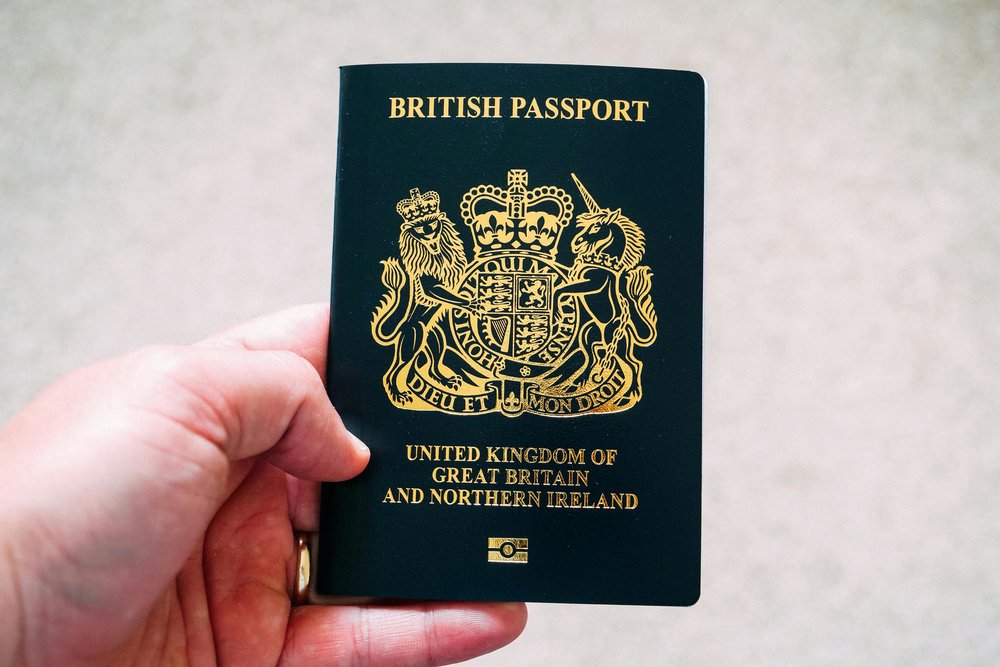
British passport ready for travel to Japan | Photo Credit: Ethan Wilkinson on Pexels
As of 2026, UK citizens do not need a visa to visit Japan for tourism or short business trips. You can stay for up to 90 days under Japan’s visa exemption scheme, which covers most standard holidays.
You’ll need a valid British passport, and immigration officers may ask for proof of onward travel, accommodation bookings, or sufficient funds for your stay. There’s no application required in advance for regular tourist visits, you simply go through immigration on arrival.
Entry requirements can change, so it’s still worth checking the latest advice from the UK Foreign, Commonwealth & Development Office before you travel. If you plan to work, study, or stay longer than 90 days, different visa rules apply.
💡Klook Tip: Keep digital and printed copies of your hotel bookings and return flight details handy, immigration officers occasionally ask to see them on arrival.
What are the must-visit places in Japan?
Tokyo
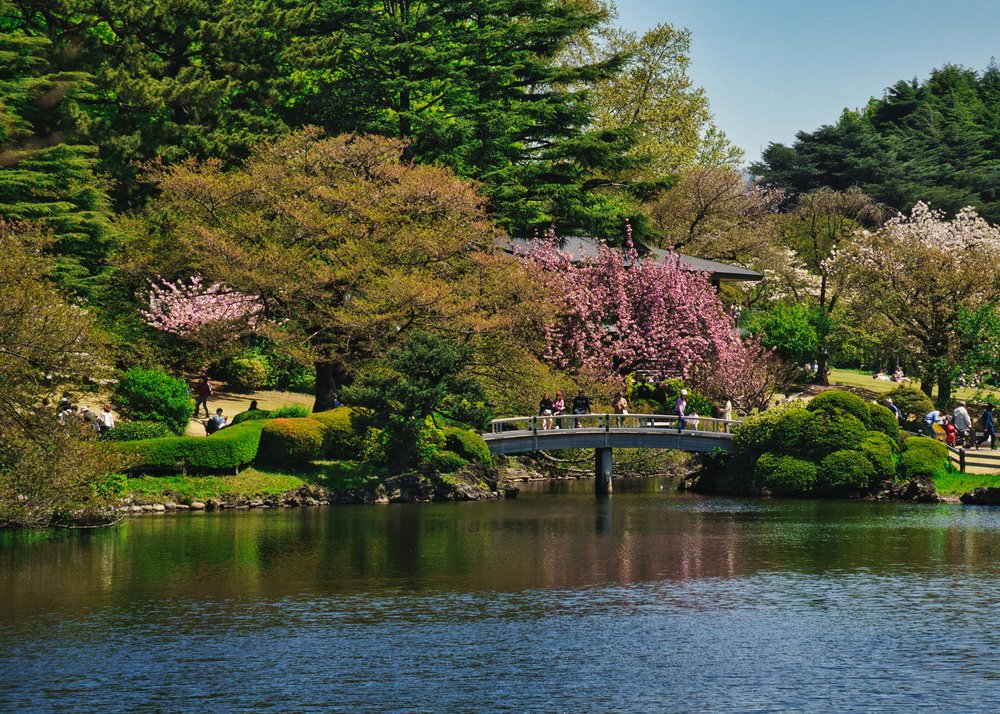
Cherry blossoms bloom in Tokyo’s Shinjuku Gyoen Garden | Photo Credit: Travel with Lenses on Pexels
Tokyo is usually the starting point. It's enormous, busy, and brilliant. You can spend a full day in one neighbourhood and barely scratch the surface, Shinjuku alone has enough to keep you occupied from morning to midnight. If you're travelling with family or simply love theme parks, a day at Tokyo DisneySea or Disneyland is hard to beat.
Top attractions in Tokyo
- Senso-ji Temple: Tokyo's oldest temple, best visited early morning before the crowds arrive; the surrounding streets are great for picking up souvenirs.
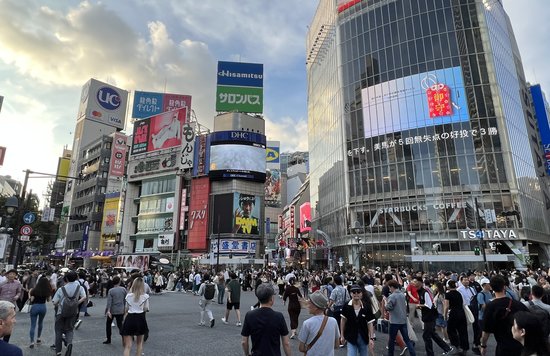
- Shibuya Crossing: The world's busiest pedestrian crossing is as impressive in person as it looks in photos, especially at night when the screens light everything up.
- Shinjuku Gyoen National Garden: A beautifully maintained park that's one of the best spots in the city for cherry blossoms in spring, and a welcome breather from the city's pace.
Kyoto
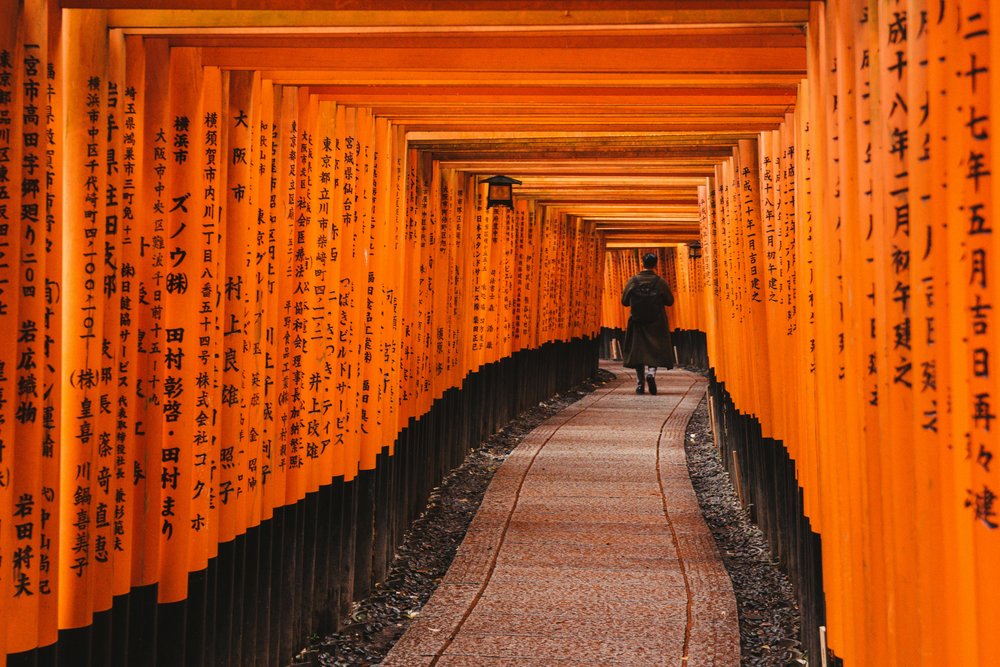
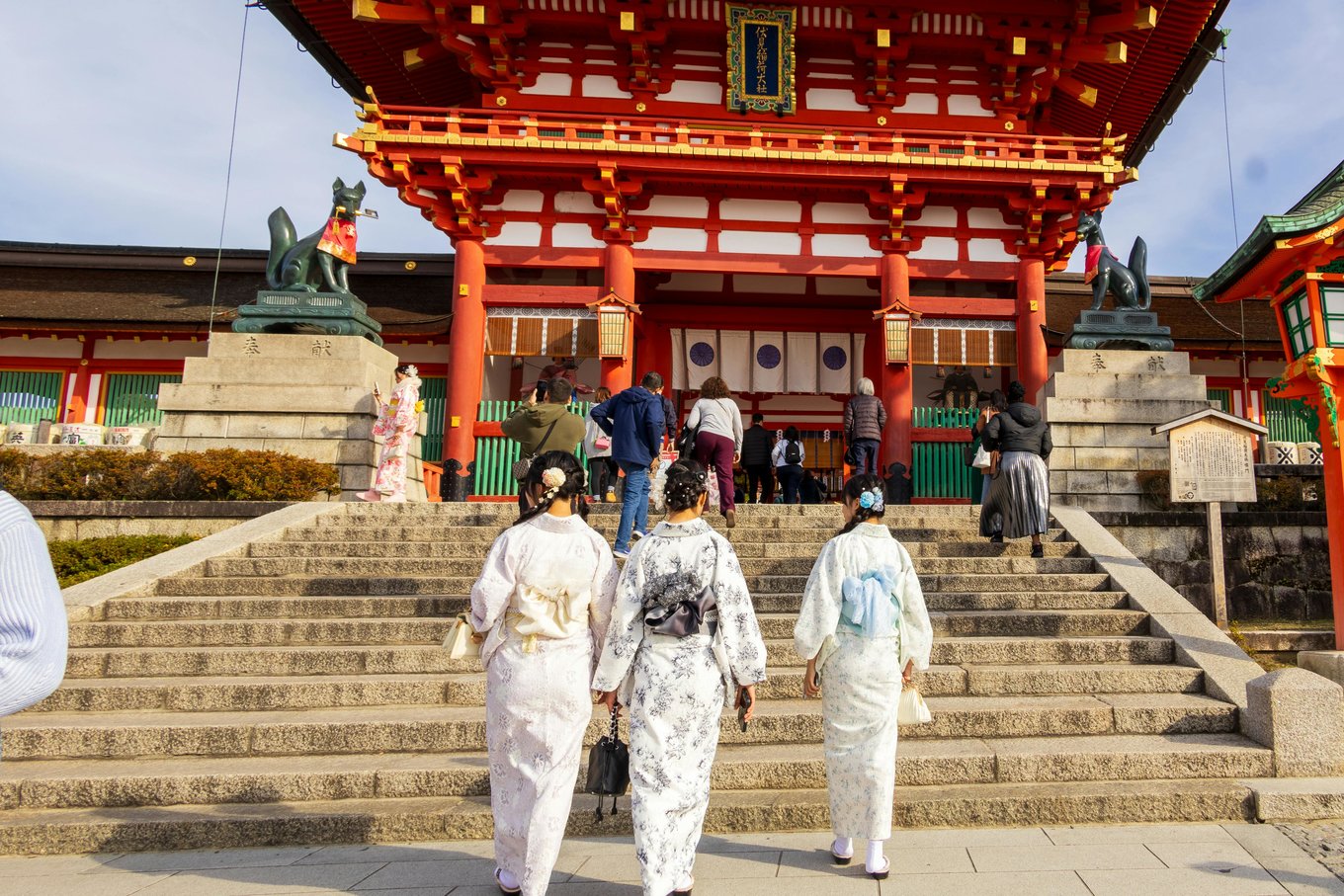
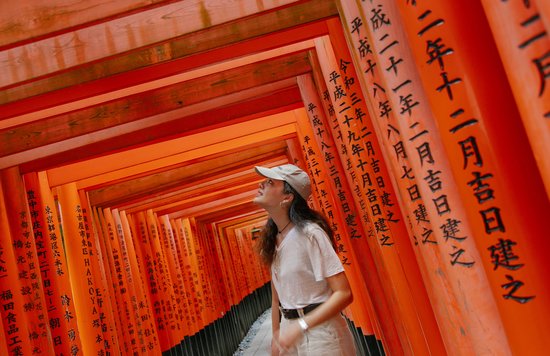
Walking through Kyoto’s Fushimi Inari torii gates | Photo Credit: DSD on Pexels
Kyoto is the quieter, older counterpart to Tokyo's energy. This is where Japan's historical character feels most intact with ancient temples, moss-covered gardens, and machiya (traditional wooden townhouses) lining the older streets. It's especially worth visiting in spring or autumn when the scenery is at its best.
Top attractions in Kyoto
- Fushimi Inari Shrine: Famous for its thousands of torii gates winding up a forested hillside; go early or late in the day to avoid the bulk of the crowds.
- Arashiyama Bamboo Grove: A short walk through tall bamboo stalks that's unlike anything else; pair it with a visit to the nearby Tenryu-ji garden.
- Kinkaku-ji (Golden Pavilion): One of Japan's most photographed buildings for good reason, the gold-leaf exterior reflecting off the surrounding pond is a brilliant sight.
Osaka
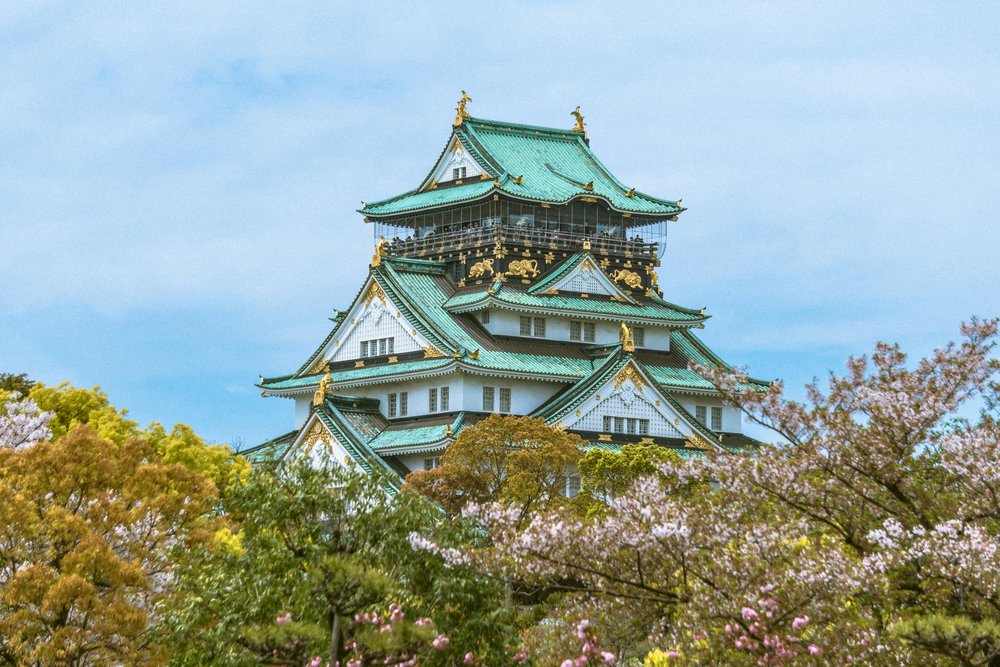
Osaka Castle surrounded by spring blossoms in Japan | Photo Credit: Bjorn Pierre on Pexels
Osaka sits just 15 minutes from Kyoto by bullet train and has a completely different character, louder, more laid-back, and brilliant for food. The street food scene around Dotonbori is one of the best in Asia, and the city has a warmth to it that's hard not to love. While you're there, take an Osaka cruise for a different view of the city.
Top attractions in Osaka
- Dotonbori: The heart of Osaka's food scene, lined with neon signs, street stalls, and restaurants; try takoyaki (octopus balls) and okonomiyaki (savoury pancake) while you're here.
- Osaka Castle: A striking castle surrounded by a large park, with a museum inside that covers the city's feudal history; great views from the top floor.
- Kuromon Ichiba Market: A lively covered market known as "Osaka's Kitchen," packed with fresh seafood, local produce, and ready-to-eat snacks at every turn.
Beyond these three, Hiroshima and Miyajima make for a deeply moving day trip, Nara is famous for its free-roaming deer and ancient temples, and Hakone is worth a night or two for views of Mount Fuji and access to onsen (traditional Japanese hot spring baths).
💡Klook Tip: If you only have a week, a Tokyo–Kyoto–Osaka route hits the highlights without feeling rushed. Two weeks gives you room to add Hiroshima, Nara, and a night or two in the countryside.
Where to stay in Japan?
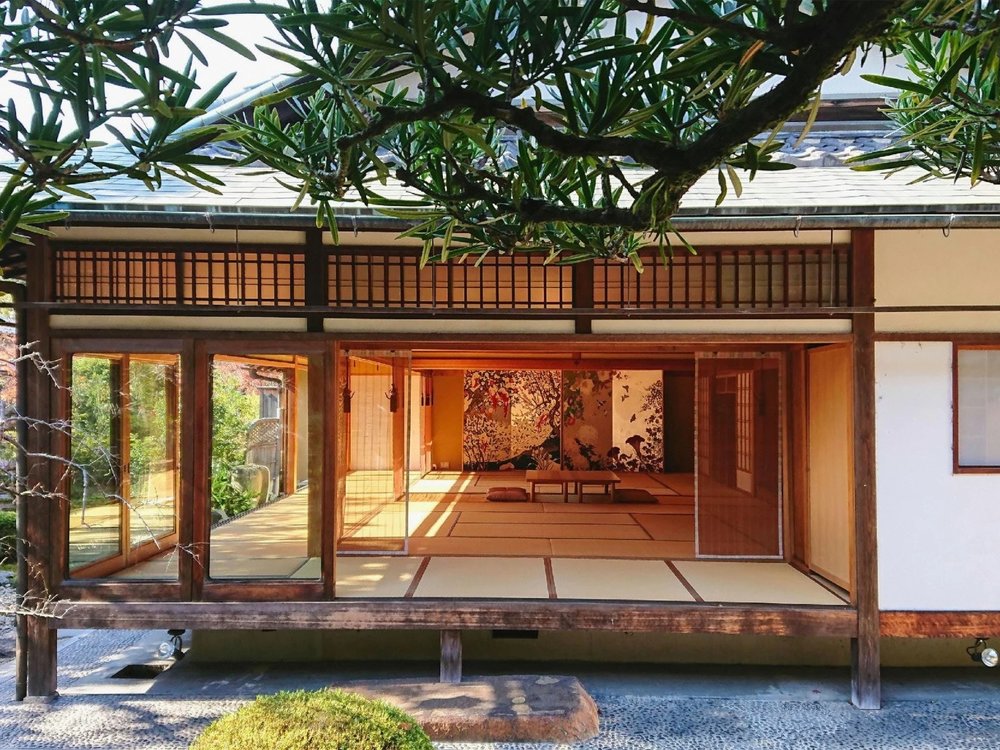
Ryokan Genhouin in Kyoto
Tokyo has the widest range. Shinjuku and Shibuya put you right in the thick of things and are well connected by train. Asakusa has a more traditional feel if you'd prefer something quieter. For a mid-range stay in a central location, you'll typically pay around ¥10,000–¥18,000 per night (roughly £50–£90). Browse more Tokyo hotels to compare options by area.
Osaka is generally more affordable than Tokyo. Namba and Shinsaibashi are the most convenient areas, both walkable to the main food streets and well connected by metro. Check out Osaka hotels and stays to find something that suits your dates and budget.
If you want a more traditional experience, consider booking at least one night in a ryokan, a traditional Japanese inn with tatami rooms, futon bedding, and often an included kaiseki dinner. It’s worth trying at least once, and places like Kyoto and Hakone have some options, from elegant stays like Ryokan Genhouin in Kyoto to countryside retreats like Gora Kadan in Hakone.
💡Klook Tip: Book accommodation early if you're travelling during cherry blossom season (late March to early April) or Golden Week (late April to early May). These are Japan's busiest travel periods and rooms go fast.
Can I use my credit card in Japan?
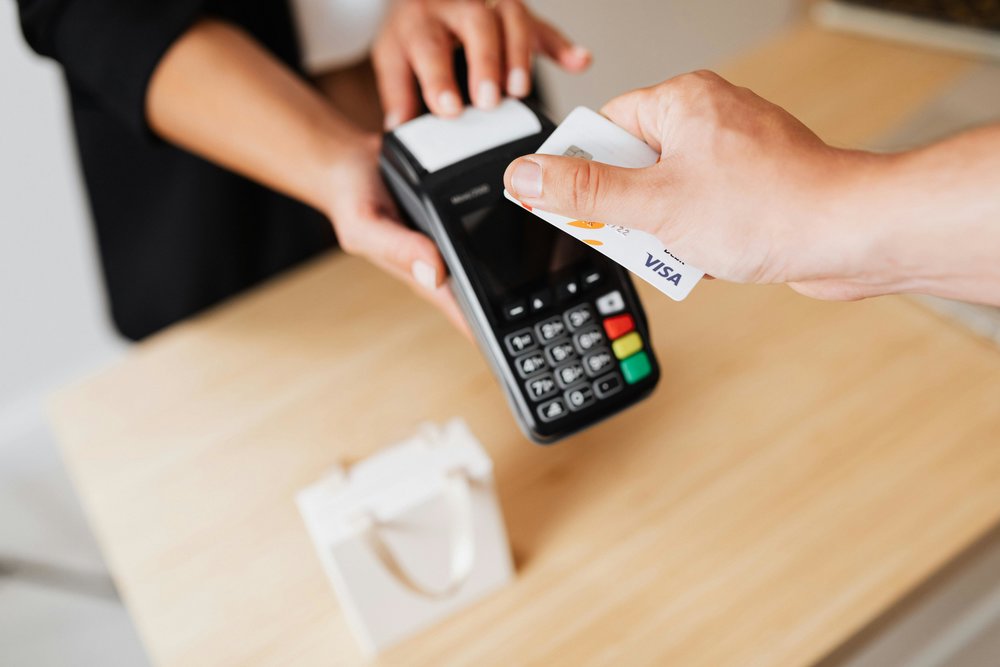
Contactless card payment while travelling in Japan | Photo Credit: Wikimedia Commons
Japan is still quite a cash-heavy country compared to the UK, so this is one of the most common questions about Japan from first-time tourists.
Major cities like Tokyo and Osaka have improved significantly in recent years, and most convenience stores (7-Eleven, FamilyMart, Lawson), department stores, and tourist-facing restaurants now accept Visa and Mastercard. That said, many smaller restaurants, local shops, shrines, and temples are still cash only.
The practical answer: bring a mix. Withdraw yen from 7-Eleven or Japan Post ATMs, which reliably accept foreign cards. These machines are found all over the country, including in rural areas. Most UK debit and credit cards work fine, but check with your bank about overseas transaction fees before you travel.
💡Klook Tip: ¥30,000–¥50,000 in cash (roughly £150–£250) is a comfortable amount to have on you for a week, depending on how much you plan to eat at local spots.
Should I get a JR Rail Pass?
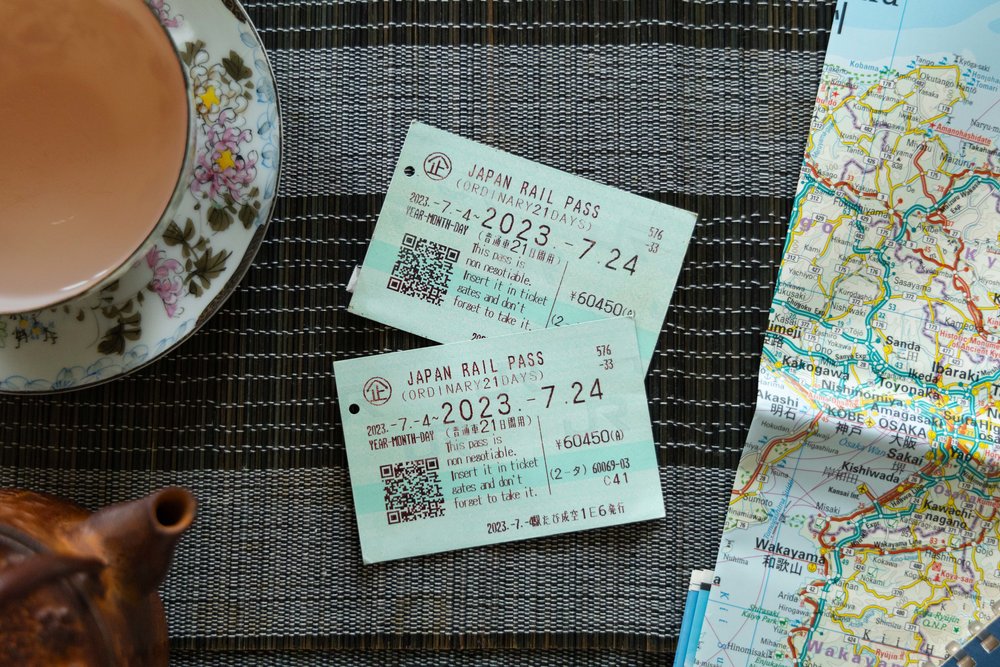
Japan Rail Pass and map for train travel across Japan | Photo Credit: Wikimedia Commons
It depends on your itinerary, but for most UK travellers doing a standard Tokyo–Kyoto–Osaka route, a 7-day JR Pass is usually worth it.
The JR Pass gives you unlimited rides on most JR-operated trains across Japan, including the Shinkansen (bullet train) between major cities. A single Tokyo-to-Kyoto Shinkansen journey costs around ¥13,850 (roughly £70) each way, so if you're making two or more long-distance journeys in a week, the pass pays for itself quickly.
Take note that JR Passes still use physical paper tickets, while individual Shinkansen tickets can now often be booked digitally with QR code entry, which is usually faster and more convenient.
The 7-day pass currently costs around £270, while the 14-day version comes in at around £430. You need to purchase it before arriving in Japan, so it's one of the first things to sort when planning your trip.
💡Klook Tip: Activate your JR Pass at the JR ticket office on your first full travel day, not your arrival day, to get the most out of it.
A few things to note: the JR Pass doesn't cover all trains. The fastest Nozomi and Mizuho Shinkansen services aren't included, though the slightly slower Hikari services (which still feel very fast) are. For getting around within cities, like Tokyo's subway or Osaka's metro, you'll still want to load an IC card (like Suica or ICOCA) for day-to-day travel.
🗒️ Tips for travelling in Japan
Time your trip right
Spring (late March to early April) and autumn (October to November) are the sweet spots for visiting Japan. Cherry blossom season is iconic, and the autumn foliage is just as impressive. Summer is hot and humid, and Golden Week (late April to early May) is Japan's busiest domestic holiday period.
Download a translation app before you go
English signage is common in tourist areas and on major train lines, but menus, smaller shops, and rural spots are often Japanese only. Google Translate's camera function is useful here, point it at any text and it translates in real time. It saves a lot of guesswork, especially when ordering food at local restaurants.
Get a Japan eSIM before you arrive
One of the easiest ways to stay connected in Japan is with a Japan eSIM. You can set it up before your trip and activate it as soon as you land, without swapping physical SIM cards or carry a pocket Wi-Fi device. Having mobile data makes it easier to navigate train stations, use Google Maps, translate signs and menus, and check opening hours while you’re out exploring.
Learn a few basics before you land
Japanese people are incredibly courteous, and even a small effort with the language goes a long way. A few phrases worth knowing: arigatou gozaimasu (thank you), sumimasen (excuse me), and eigo ga hanasemasu ka (do you speak English?). Also worth knowing: it's considered rude to eat or drink while walking, and tipping is not customary in Japan, it can actually cause confusion.
More Japan travel guides for you
What is Klook?
Klook is a leading pan-regional experiences platform in Asia Pacific, purpose built to digitalize experiences and make them accessible to every traveler.
Our mission is to build the digital infrastructure for the global experience economy — empowering merchants to share their passions and travelers to discover the heartbeat of each destination. We operate a mobile-first, curated platform featuring diverse experiences across global destinations.