The
places to visit in Tokyo are spread across and beyond the Yamanote Line loop. With only three or four days, grouping spots by area saves far more time than hopping back and forth across the city.
What are the must-see places to visit in Tokyo? On a first trip, start with Senso-ji Temple, Tokyo Skytree, SHIBUYA SKY, Shinjuku Gyoen and Meiji Jingu, which cover a temple, observation decks, a garden and a shrine. If you’ve been once or twice already, try teamLab Borderless at Azabudai Hills, Shimokitazawa and Kichijoji, three distinctive areas that make great Tokyo attractions off the usual route.
This guide covers 15 Tokyo attractions with transport, opening hours and admission. Prices are in Japanese yen (JPY), with an approximate GBP amount in brackets. If you’re travelling over a long weekend or a busy holiday period such as Golden Week (late April to early May), use the area combination table below to put nearby spots on the same day. Entry rules depend on your passport, so check the visa requirements for your nationality before you book (see the FAQs).
From London, direct flights to Tokyo take about 14 hours, and Japan is 9 hours ahead of the UK in winter (8 hours during British Summer Time). Japan uses two-pin Type A plugs rather than the UK's Type G, so pack an adapter.
Tokyo attractions at a glance
The table below lists all 15 places to visit in Tokyo, so you can compare areas and budgets before reading the full write-ups.
# | Attraction | Area | Type | Admission |
|---|
1 | Senso-ji Temple | Asakusa | Temple | Free |
2 | Tokyo Skytree | Oshiage | Observation deck | Tembo Deck weekday same-day ticket 2,400 JPY (about 11 GBP) |
3 | Ueno Park | Ueno | Park and museums | Park free, Ueno Zoo 600 JPY (about 2.90 GBP) |
4 | Akihabara | Akihabara | Anime and electronics district | Free entry |
5 | Tokyo Tower | Shibakoen | Observation deck | Main Deck 1,500 JPY (about 7.10 GBP) |
6 | Tokyo City View at Roppongi Hills | Roppongi | Observation deck | Varies by date; see the Klook page |
7 | Azabudai Hills | Azabudai | Digital art museum | teamLab Borderless varies by date; see the Klook page |
8 | SHIBUYA SKY | Shibuya | Observation deck | From 2,700 JPY (about 13 GBP) |
9 | Meiji Jingu and Harajuku | Harajuku | Shrine and neighbourhood | Free, Inner Garden 500 JPY (about 2.40 GBP) |
10 | Shimokitazawa | Setagaya | Vintage shops and cafés | Free entry |
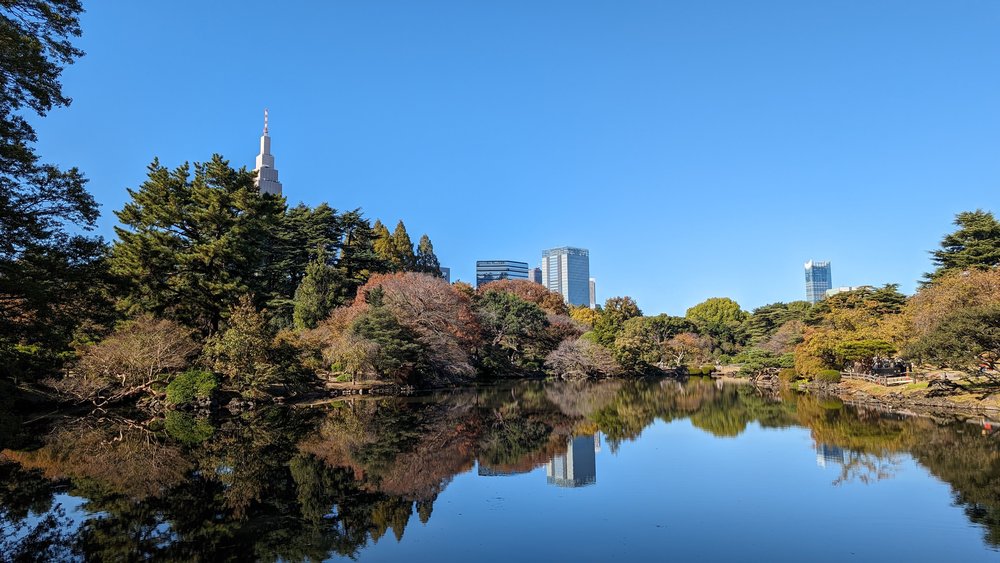
11 | Shinjuku Gyoen | Shinjuku | Garden and observation decks | 500 JPY (about 2.40 GBP), Metropolitan Government Building observatories free |
12 | Ikebukuro | Ikebukuro | Aquarium and observatory | Aquarium 2,600-3,200 JPY (about 12-15 GBP) |
13 | teamLab Planets TOKYO | Toyosu | Digital art museum | Varies by date and time slot; see the Klook page |
14 | Odaiba | Odaiba | Waterfront and fountain show | Free |
15 | Kichijoji | Kichijoji | Park and museum | Park free, Ghibli Museum requires advance reservation |
Currency conversions are approximate. Exchange rates change daily, so check the price shown on the Klook page.
Senso-ji Temple: Kaminarimon, Nakamise-dori and the five-storey pagoda
Among the Asakusa attractions,
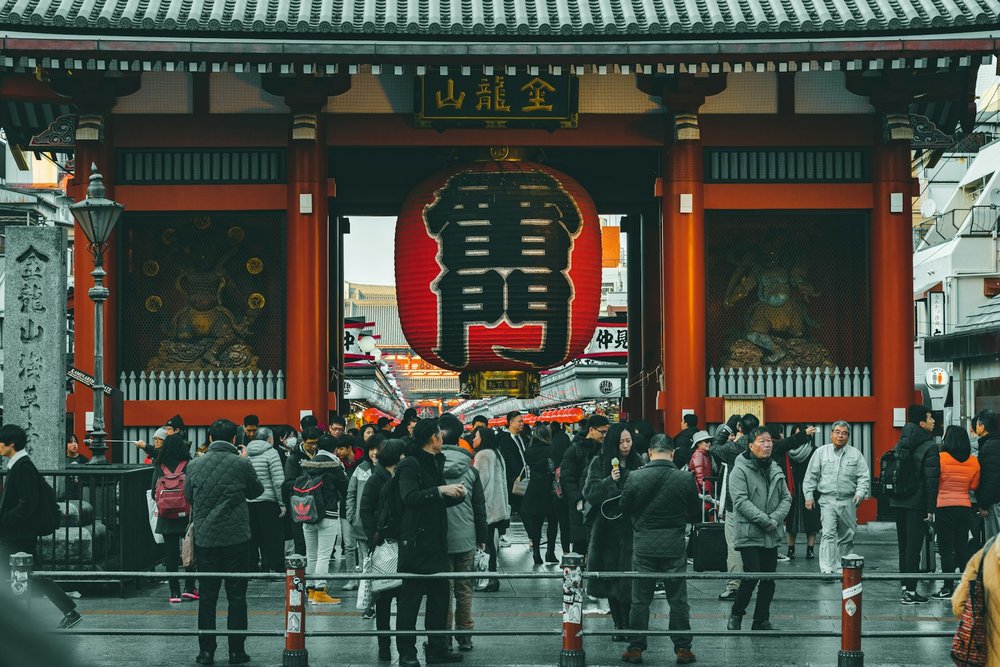
Senso-ji Temple is the most famous. A giant paper lantern hangs from Kaminarimon (Thunder Gate), with a green plaque above it showing the temple’s mountain name, “Kinryuzan”. Past the gate, Nakamise-dori runs for about 250 metres, lined with shops selling
wagashi (traditional Japanese sweets), snacks and souvenirs, and it ends at Hozomon Gate and the main hall.
According to tradition, Senso-ji was founded in 628 after two fishermen pulled a statue of Kannon out of the Sumida River. The main hall and the five-storey pagoda were destroyed in the Second World War, and the current pagoda was rebuilt in 1973. Next to the main hall, Asakusa Shrine dates back to 1649 and was built by Tokugawa Iemitsu.
A paper fortune (
omikuji) costs 100 JPY (under 1 GBP) at the office in front of the main hall. To learn the stories behind Kaminarimon and the main hall, join a
guided walking tour of Senso-ji. If Tokyo Skytree is on the same day, it’s just one stop from Asakusa on the Tobu Skytree Line.
Address: 2-3-1 Asakusa, Taito City, Tokyo
Getting there: Tokyo Metro Ginza Line or Toei Asakusa Line to Asakusa Station, about 5 minutes on foot
Opening hours: Grounds open all day. Main hall about 6:00-17:00 (April-September) and 6:30-17:00 (October-March), subject to official announcements
Admission: Free
Suggested time: 1.5-2 hours
Tokyo Skytree: Tembo Deck and Tembo Galleria
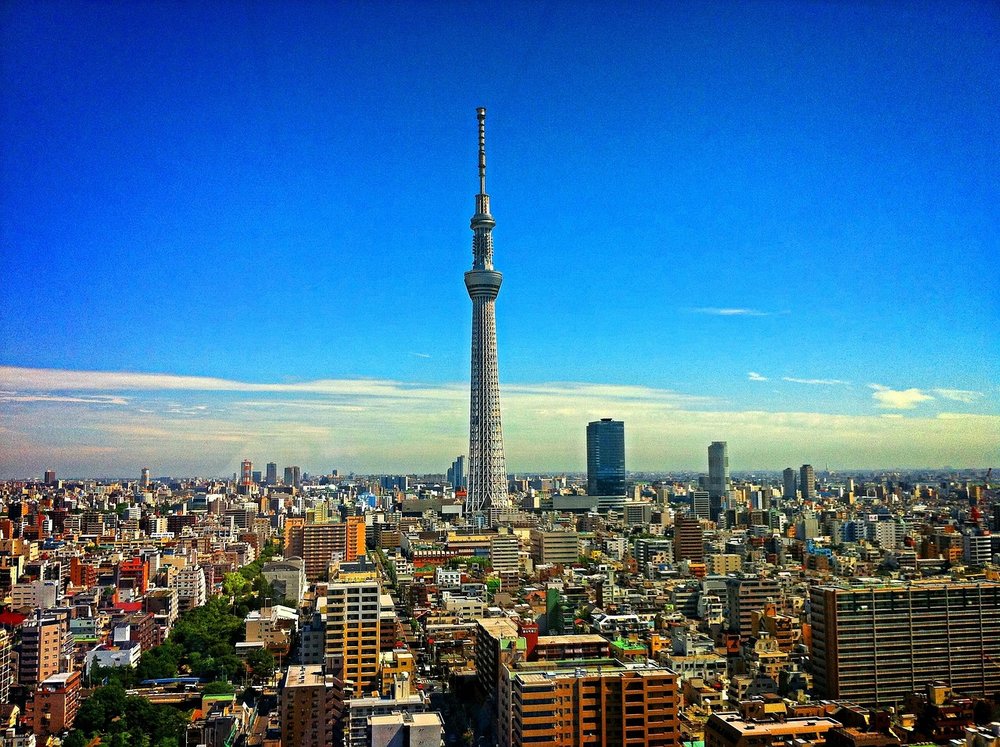
Tokyo Skytree stands 634 metres tall, with two observation levels: the Tembo Deck at 350 metres and the Tembo Galleria at 450 metres. The lifts are themed on the four seasons, and the ride up to the Tembo Deck takes about 50 seconds.
Skytree opened in 2012. On a clear day, the Tembo Deck offers views up to about 70 kilometres away, and both levels are good at sunset. The Tembo Deck has the SKYTREE CAFE, and after your visit you can take a break at Tokyo Solamachi, the shopping centre at the base of the tower.
A weekday same-day adult ticket for the Tembo Deck costs 2,400 JPY (about 11 GBP), and the combo ticket with the Tembo Galleria is 3,500 JPY (about 17 GBP). Weekend and holiday prices are higher, and advance online tickets are cheaper than same-day tickets. Booking
Skytree tickets ahead of time also saves you queuing at the ticket counter.
Address: 1-1-2 Oshiage, Sumida City, Tokyo
Getting there: Tobu Line to Tokyo Skytree Station, or Tokyo Metro Hanzomon Line or Toei Asakusa Line to Oshiage Station, about 2 minutes on foot
Opening hours: Weekdays 10:00-22:00, weekends and public holidays 9:00-22:00, last entry 21:00, subject to official announcements
Admission: Tembo Deck weekday same-day ticket 2,400 JPY (about 11 GBP), combo ticket 3,500 JPY (about 17 GBP). Weekend and advance prices are shown on the Klook page
Suggested time: 1-2 hours
Ueno Park: museums, Shinobazu Pond and Ueno Zoo
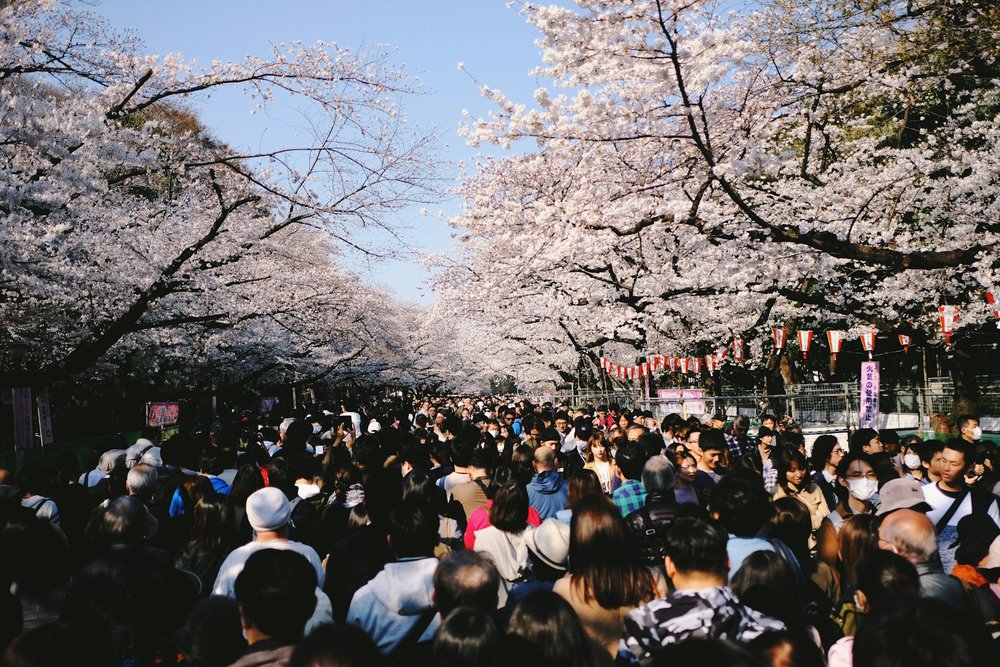
Ueno attractions are clustered in and around Ueno Park. Enter from the Park Exit of JR Ueno Station: to the north you’ll see the rectangular fountain leading to the Tokyo National Museum, and to the south is the tree-lined avenue that is the main cherry blossom spot in spring, ending at Shinobazu Pond.
The Tokyo National Museum was founded in 1872, and the park also holds the National Museum of Western Art and the Tokyo Metropolitan Art Museum. Bentendo, the octagonal hall in the middle of Shinobazu Pond, is surrounded by lotus flowers in summer. Next to Ueno Station, the Ameya-yokocho market street is another place to browse and snack.
Ueno Zoo opened in 1882. Its two giant pandas returned to China on 27 January 2026, but you can still see Asian elephants, Sumatran tigers, western gorillas and polar bears. It’s one of the family-friendly places in Tokyo, with adult tickets at 600 JPY (about 2.90 GBP), junior high school students at 200 JPY (under 1 GBP), and elementary school students and under free. For spring routes, see our guide to
Tokyo cherry blossoms.
Address: Ueno Park, Taito City, Tokyo (Ueno Zoo: 9-83 Ueno Park)
Getting there: About 5 minutes on foot from the Park Exit of JR Ueno Station
Opening hours: Ueno Zoo 9:30-17:00 (last entry 16:00), closed on Mondays (or the next day if Monday is a public holiday). Museum hours vary
Admission: Park free, Ueno Zoo adults 600 JPY (about 2.90 GBP)
Suggested time: Half a day
Akihabara: electronics shops, retro games and gachapon
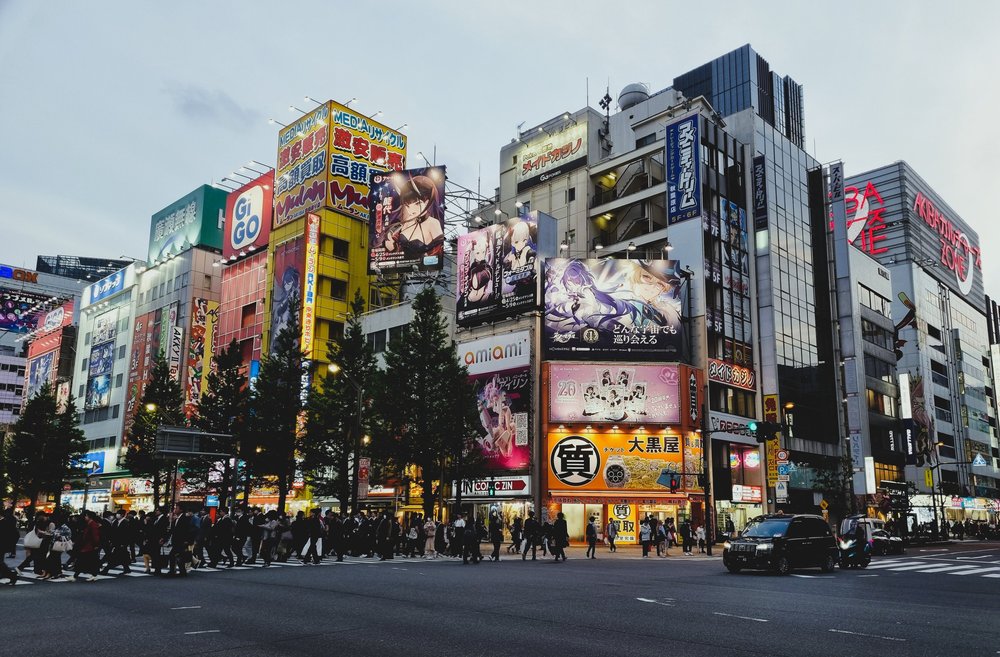
Right outside the Electric Town Exit of Akihabara Station is Chuo-dori, lined with electronics shops, anime stores and multi-storey arcades. Among the Akihabara attractions, Radio Kaikan has 10 floors of specialist shops selling models, figures and idol merchandise, and its yellow sign is a local landmark.
Super Potato is a retro game shop stocking Famicom-era cartridges and consoles of every generation, with a small retro arcade on the top floor (100 JPY, under 1 GBP, per play). Yodobashi Akiba has eight floors of cameras, electronics and models, and Gachapon Kaikan packs in hundreds of gachapon (capsule toy) machines, arranged by series and category.
On Sunday and public holiday afternoons, Chuo-dori closes to traffic and becomes a pedestrian zone: 13:00-17:00 (October-March) and 13:00-18:00 (April-September). If you’d like a local guide, join an
Akihabara guided tour.
Address: Around Sotokanda, Chiyoda City, Tokyo (Akihabara Electric Town)
Getting there: JR Akihabara Station, Electric Town Exit
Opening hours: Varies by shop. Radio Kaikan about 10:00-20:00, Yodobashi Akiba about 9:30-22:00
Admission: Free entry, shop purchases extra
Klook Tip: Many specialist shops are closed on Mondays, so skip Mondays if you want to see the full range of Akihabara.
Tokyo Tower: Main Deck, Top Deck and orange lights
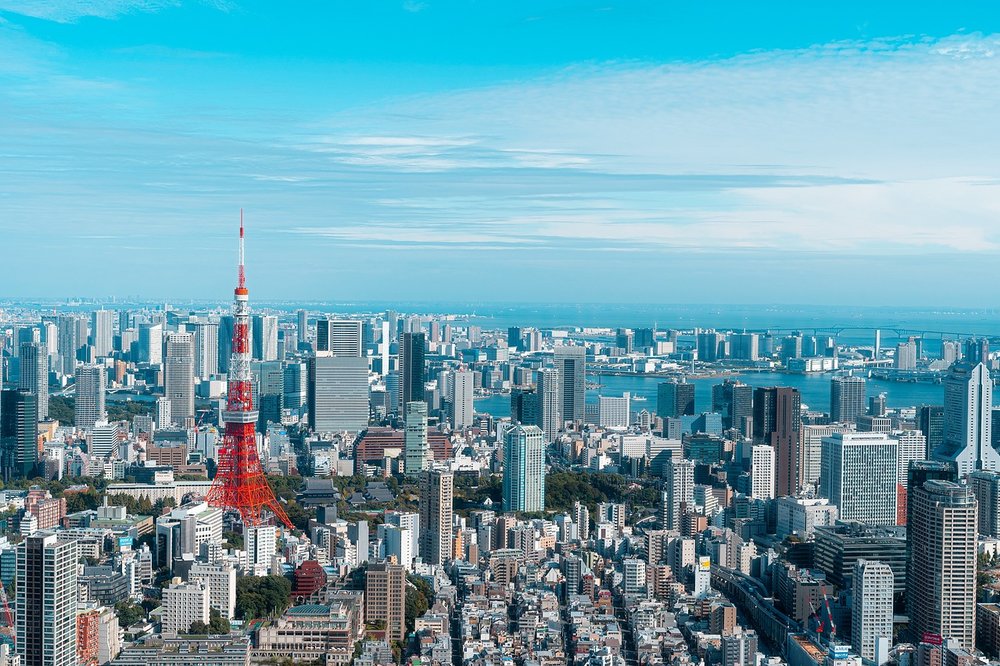
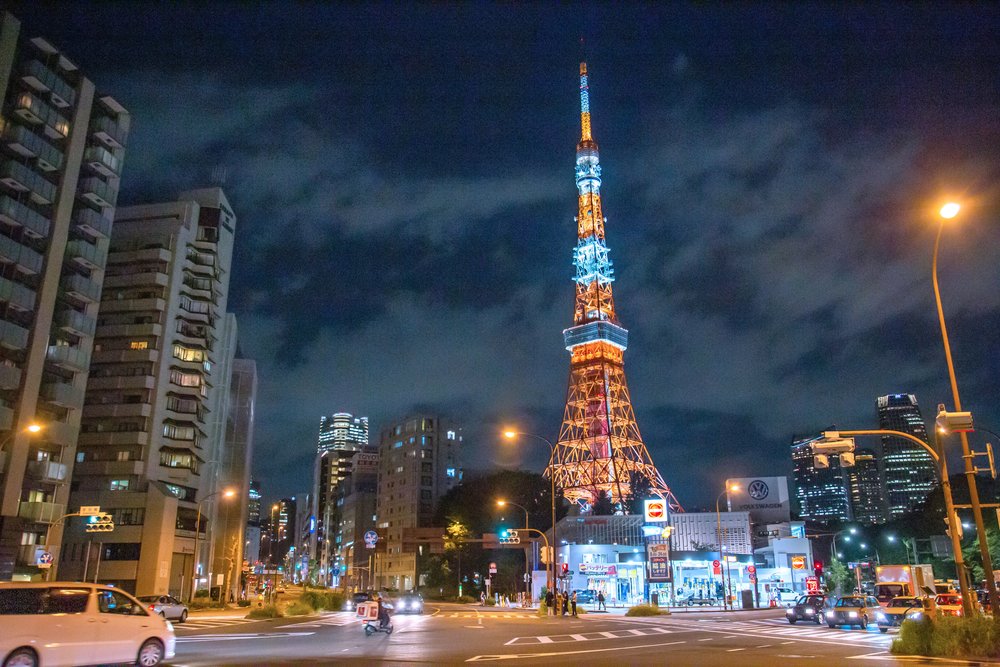
Tokyo Tower’s orange-and-white colour scheme comes from “international orange”, required under aviation regulations. The tower is 333 metres tall and opened to the public on 23 December 1958. Foot Town at its base has shops, restaurants and games, so it’s worth a browse before or after your visit.
The Main Deck sits at 150 metres. You can take the lift up, or climb about 600 steps on the outdoor stairs. The floor has glass Skywalk Windows that look straight down to the ground about 145 metres below.
The Top Deck, at 250 metres, is decorated with geometric mirrors and LED lights, and you can only enter on a guided tour. Online advance tickets cost 3,300 JPY (about 16 GBP) for adults, or 3,500 JPY (about 17 GBP) at the counter.
The tower is lit orange normally and switches to silver in summer. For a shot of the whole tower, head to nearby Zojoji Temple. To learn more about the tower and other
Tokyo landmarks, see our guide. When you book
Tokyo Tower tickets, you can choose the Main Deck only or add the Top Deck.
Address: 4-2-8 Shibakoen, Minato City, Tokyo
Getting there: About 5 minutes on foot from Akabanebashi Station (Toei Oedo Line), or about 7 minutes from Kamiyacho Station (Tokyo Metro Hibiya Line)
Opening hours: About 9:00-23:00, Main Deck last entry about 22:30, subject to official announcements
Admission: Main Deck 1,500 JPY (about 7.10 GBP), Top Deck Tour online advance ticket 3,300 JPY (about 16 GBP)
Klook Tip: The Top Deck Tour has timed entry, and sunset slots sell out faster, so book as soon as your dates are confirmed.
Tokyo City View at Roppongi Hills: views from the 52nd floor
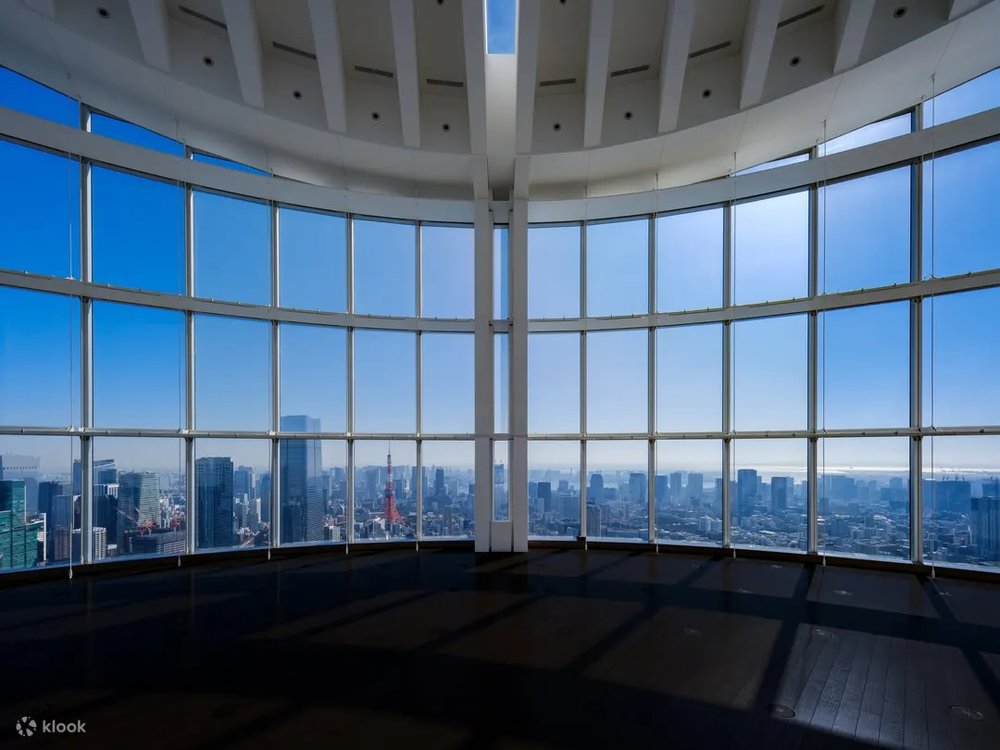
Tokyo City View, the Roppongi Hills observation deck, is an indoor deck on the 52nd floor of Mori Tower. From here you can see Tokyo Tower, Tokyo Skytree, Shinjuku Gyoen and the National Diet Building. At this height, Tokyo Tower appears almost level with your eyes, and many visitors come at night for photos.
The Mori Art Museum is on the 53rd floor of the same building. The observation deck sometimes hosts exhibitions, during which parts of it may be closed or restricted, so check the official announcements before you go. The rooftop Sky Deck is currently closed, so this is mainly an indoor viewpoint.
Prices vary by date and exhibition, so check the Klook page for the current price when you book
Tokyo City View tickets.
Address: 52nd floor, Roppongi Hills Mori Tower, 6-10-1 Roppongi, Minato City, Tokyo (ticket counter on the 3rd floor)
Getting there: Exit 1C or 3 of Roppongi Station (Tokyo Metro Hibiya Line or Toei Oedo Line)
Opening hours: 10:00-22:00 (last entry 21:30), may change by date
Admission: Varies by date and exhibition; see the Klook page
Suggested time: 1-2 hours
Azabudai Hills: teamLab Borderless digital art museum
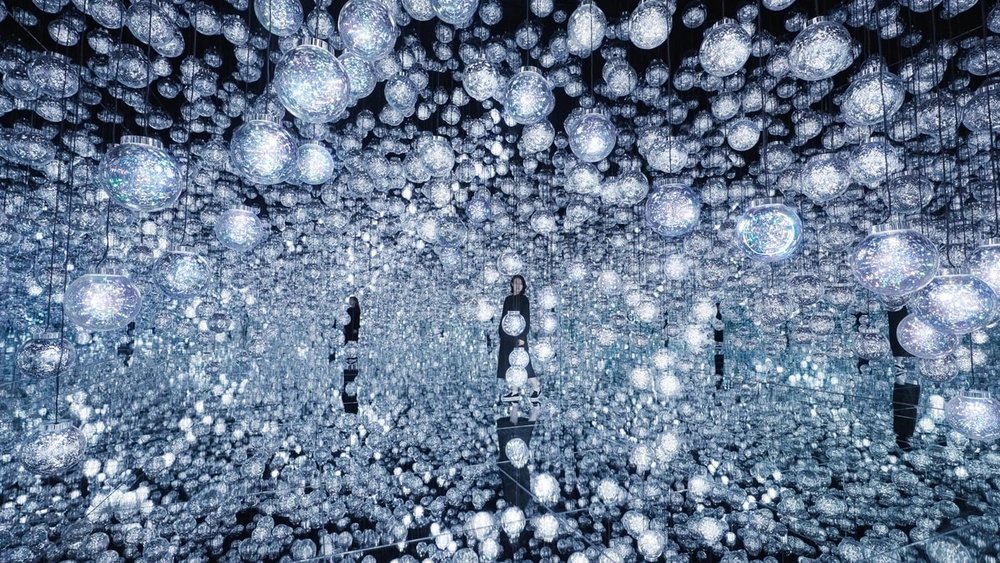
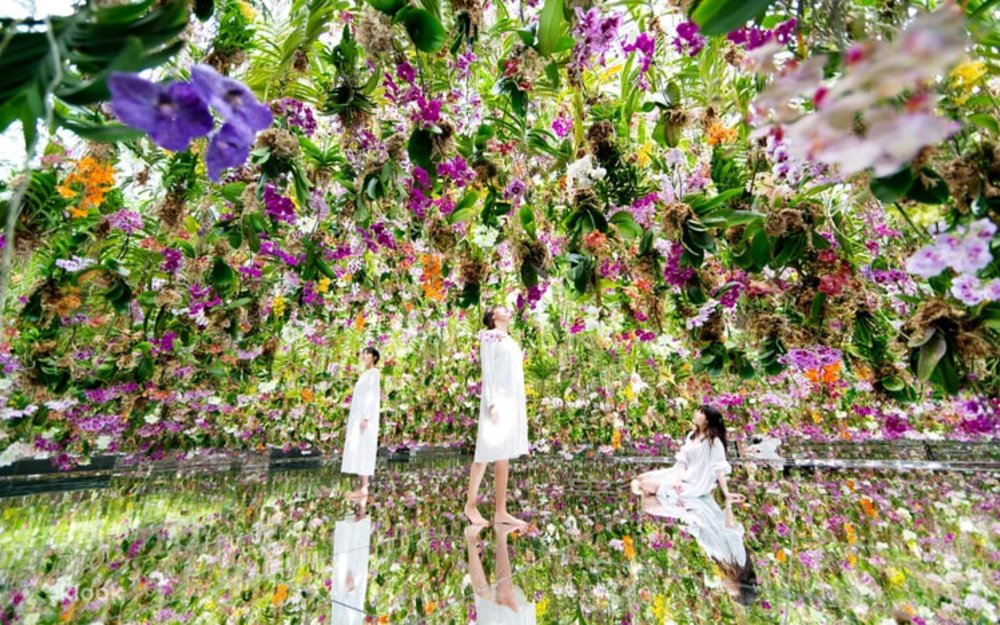
The basement of Garden Plaza B at Azabudai Hills houses teamLab Borderless, where artworks flow between rooms with no boundaries. Visitors walk around freely in their shoes with no fixed route, and the museum calls itself a “museum without a map”. It shows more than 75 works, and Bubble Universe is one of the most popular.
Azabudai Hills, developed by Mori Building, opened on 24 November 2023, and teamLab Borderless relocated here in February 2024 after its time in Odaiba. Among the
new attractions in Tokyo, Azabudai Hills sits next to Kamiyacho Station, about 10 minutes on foot from Tokyo Tower, so you can combine the two on the same day.
teamLab Borderless is a space without a map, while teamLab Planets involves wading through water. The two have different styles, so pick one or visit both.
teamLab Borderless tickets tend to sell out faster on weekends and holidays, so book once your date is set.
Address: Basement 1, Garden Plaza B, Azabudai Hills, 1-2-4 Azabudai, Minato City, Tokyo
Getting there: About 5-7 minutes on foot from Kamiyacho Station (Tokyo Metro Hibiya Line) or Roppongi-itchome Station (Namboku Line)
Opening hours: About 10:00-21:00, varies by day, subject to official announcements
Admission: Varies by date; see the Klook page
Suggested time: 2-3 hours
SHIBUYA SKY: open-air rooftop, SKY EDGE and sunset slots
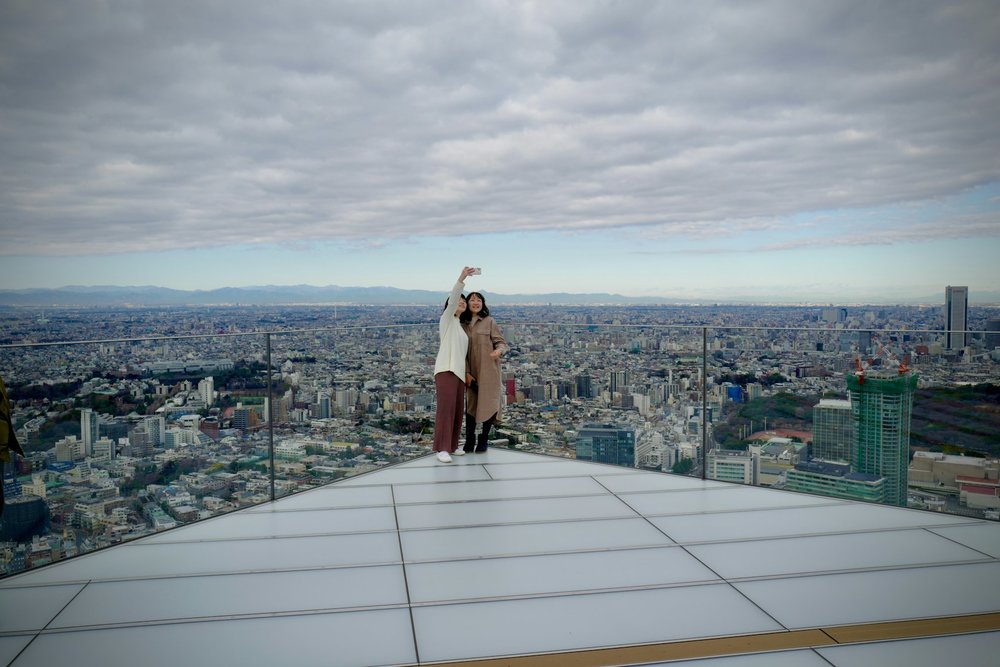
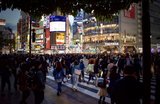
Among the Shibuya attractions, SHIBUYA SKY sits at the top of Shibuya Scramble Square, 229 metres above the ground. Its open-air rooftop overlooks the Shibuya Crossing. The key to this SHIBUYA SKY guide is your entry time, because both ticket prices and views change by time slot.
SHIBUYA SKY opened in 2019. The entrance is on the 14th floor, the indoor SKY GALLERY is on the 46th floor, and the rooftop SKY STAGE has the popular SKY EDGE photo spot, plus a searchlight beam called Crossing Light at night. On a clear day you can see Mount Fuji. The official advice is to arrive about 30 minutes before sunset, which in Tokyo is as early as about 16:30 in early December and as late as about 19:00 in late June and early July.
Online advance adult tickets cost 2,700 JPY (about 13 GBP) for entry before 15:00 and 3,400 JPY (about 16 GBP) from 15:00. Entry is in 20-minute time slots, and if the rooftop closes because of weather, you can cancel that day’s ticket for free before entry. After booking
SHIBUYA SKY tickets, remember to arrive at the 14th-floor entrance in your time slot.
Address: 14th floor entrance, Shibuya Scramble Square, 2-24-12 Shibuya, Shibuya City, Tokyo
Getting there: Directly connected to Shibuya Station (JR, Tokyo Metro and Tokyu lines)
Opening hours: 10:00-22:30 (last entry 21:20), closed on 1 January, and the rooftop may close in bad weather
Admission: Online advance adult tickets from 2,700 JPY (about 13 GBP), 3,400 JPY (about 16 GBP) for entry from 15:00
Suggested time: About 90 minutes
Klook Tip: Luggage, hats, tripods and selfie sticks are not allowed on the rooftop, so leave them in the lockers on the 46th floor.
Meiji Jingu and Harajuku: forest path, Inner Garden and Takeshita Street
Meiji Jingu sits inside a forest of about 70 hectares. Walk through the torii (shrine gate) next to Harajuku Station and follow the path to the main shrine. Founded in 1920, the shrine honours Emperor Meiji and Empress Shoken. Entry is free, and it’s open from sunrise until sunset, depending on the month.
The Inner Garden costs an extra 500 JPY (about 2.40 GBP), and June is the Japanese iris (hanashobu) season. Visiting the shrine alone takes about an hour, and with the Inner Garden and museum you should allow about two hours.
Takeshita Street is a short walk from the shrine, starting beside Harajuku Station. The street is about 350 metres long and lined with trendy fashion shops and snack stalls. Marion Crepes, founded in 1976, is the original shop behind Takeshita Street’s crepe craze. Takeshita Street is about a 5-minute walk from the shrine’s first torii, so you can see both in half a day.
Address: 1-1 Yoyogikamizonocho, Shibuya City, Tokyo
Getting there: JR Yamanote Line to Harajuku Station, or Tokyo Metro Chiyoda Line or Fukutoshin Line to Meiji-jingumae Station
Opening hours: Sunrise until sunset: about 6:40-16:20 in January and about 5:00-18:30 in June. Inner Garden about 9:00-16:00 (November-February). Subject to official announcements
Admission: Shrine free, Inner Garden 500 JPY (about 2.40 GBP)
Suggested time: About 1 hour for the shrine only, about 2 hours with the Inner Garden
Shimokitazawa: vintage shops, cafés and a former railway site
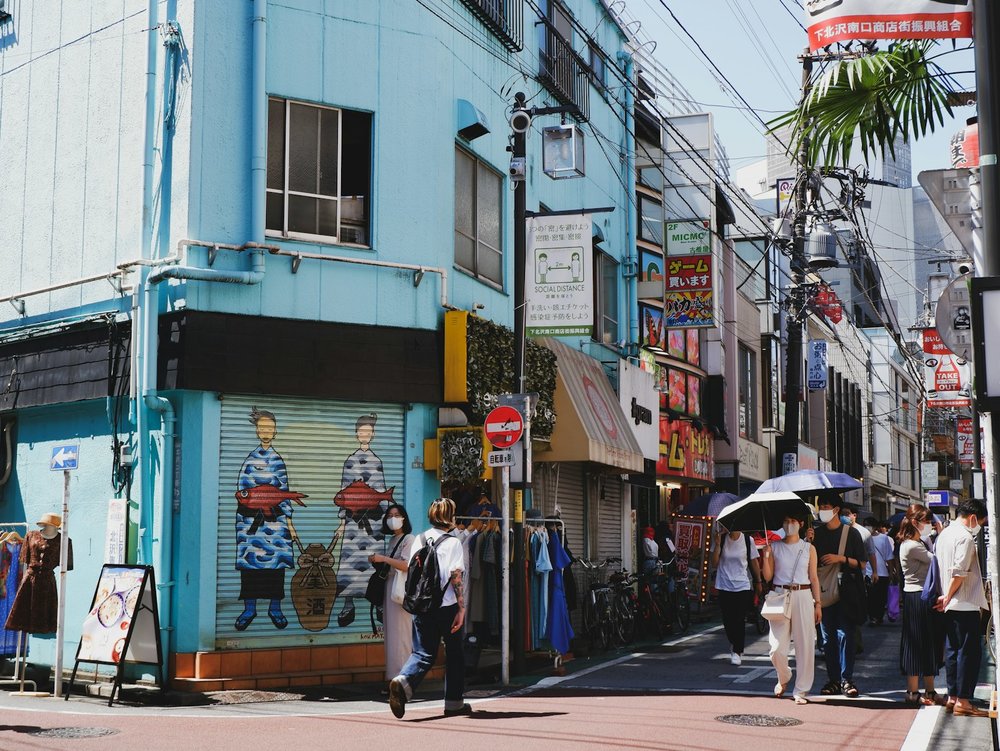
North of Shimokitazawa Station is a cluster of vintage clothing and record shops, while to the south are BONUS TRACK and reload, built on a former Odakyu Line railway site. Shimokitazawa attractions aren’t traditional landmarks, so the area suits travellers who have already seen the big names. From Shibuya, it’s about 3 minutes on the Keio Inokashira Line.
reload is made up of 24 low-rise standalone buildings, with tenants including cafés and a tea specialist. Mikan Shimokita opened in 2022 under the elevated tracks of the Keio Inokashira Line. Shimokitazawa is also known for its small theatres and live music venues, and the streets are full of independent cafés.
There’s nothing to pre-book in Shimokitazawa. Browsing and café-hopping are the main activities, so your schedule can stay flexible. It’s easy to reach from Shibuya or Shinjuku and fits into a half-day plan.
Address: Kitazawa, Setagaya City, Tokyo (around Shimokitazawa Station)
Getting there: Odakyu Line or Keio Inokashira Line to Shimokitazawa Station
Opening hours: Varies by shop; check each shop’s announcements
Admission: Free entry, shop purchases extra
Shinjuku Gyoen and the Tokyo Metropolitan Government Building
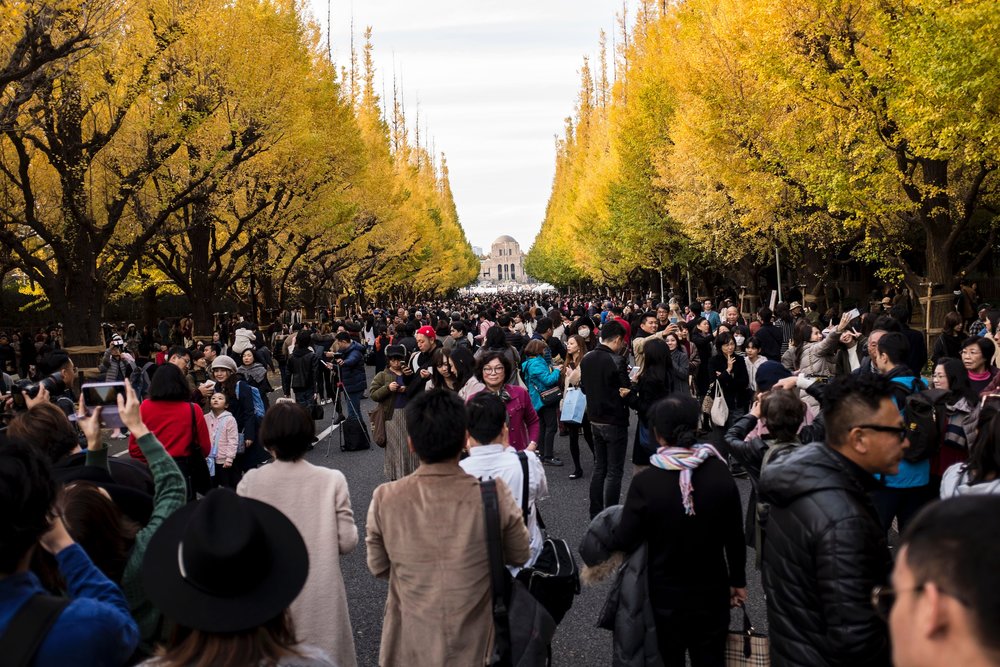
Among the Shinjuku attractions, Shinjuku Gyoen suits a slow daytime walk, and the Tokyo Metropolitan Government Building observation decks suit early evening. The garden’s land was once part of a daimyo (feudal lord) residence in the Edo period, and it was redesigned as a Western-style garden in the Meiji era. It has a Japanese garden and a formal garden, with about 1,000 cherry trees, and the ginkgo trees near Shinjuku Gate turn yellow in autumn. For timing, see our guide to
autumn leaves in Tokyo.
The north and south towers of the Tokyo Metropolitan Government Building each have an observation room on the 45th floor, 202 metres up, and entry is free. On a clear day you can see Mount Fuji, and after dark the building hosts the free Tokyo Night & Light projection show. The south and north observation rooms close on different days, so check the official schedule before you go.
The trip between Shinjuku Gyoen and the Metropolitan Government Building by Tokyo Metro and Toei lines takes a little over 10 minutes, so you can fit both into one afternoon.
Address: Shinjuku Gyoen: 11 Naito-cho, Shinjuku City, Tokyo. Metropolitan Government Building: 2-8-1 Nishishinjuku, Shinjuku City, Tokyo
Getting there: Shinjuku Gyoen: about 5 minutes on foot from Exit 1 of Shinjuku-gyoenmae Station (Tokyo Metro Marunouchi Line). Metropolitan Government Building: Tochomae Station (Toei Oedo Line)
Opening hours: Shinjuku Gyoen 9:00-16:30 (last entry 16:00) between 1 October and 14 March, closed on Mondays. Metropolitan Government Building South Observatory 9:30-22:00 (last entry 21:30), North Observatory 9:30-17:30 (last entry 17:00)
Admission: Shinjuku Gyoen adults 500 JPY (about 2.40 GBP), observatories free
Klook Tip: The South Observatory is closed on the 1st and 3rd Tuesday of each month, and the North Observatory on the 2nd and 4th Monday.
Ikebukuro: Sunshine Aquarium and observatory
Ikebukuro attractions are concentrated around Sunshine City, a complex that opened in 1978 with an aquarium, an observatory, a Pokémon Center and a shopping mall. Sunshine Aquarium is on the rooftop of the World Import Mart building, where penguins and sea lions swim in elevated tanks against the Ikebukuro skyline.
The aquarium is home to about 550 species, including a jellyfish tank about 14 metres wide. Adult tickets cost around 2,600-3,200 JPY (about 12-15 GBP) depending on the date, and you can check date-specific prices on the
Sunshine Aquarium tickets page.
The Sunshine 60 Observatory is on the 60th floor, 251 metres above sea level, with a rest area planted with greenery and artificial grass. The Pokémon Center MEGA TOKYO is on the 2nd floor of the Alpa shopping centre. If you’re travelling with kids, Ikebukuro is another of the family-friendly places in Tokyo.
Address: Sunshine City, 3-1 Higashiikebukuro, Toshima City, Tokyo
Getting there: About 5 minutes on foot from Exit 6 or 7 of Higashi-Ikebukuro Station (Tokyo Metro Yurakucho Line), or about 10 minutes from Ikebukuro Station
Opening hours: Aquarium about 10:00-18:00, from about 9:30 on weekends and holidays, last entry 30 minutes before closing, subject to official announcements
Admission: Aquarium adults around 2,600-3,200 JPY (about 12-15 GBP), depending on the date
teamLab Planets TOKYO in Toyosu: digital art you walk through water
teamLab Planets TOKYO is a digital art museum where you wade through water, and most works are full-body experiences. It opened in 2018 and expanded in 2025, increasing the exhibition area by about 50%.
Works include Floating Flower Garden and Infinite Crystal Universe, which uses thousands of LED lights to create the feeling of floating in space. There’s also a vegetarian ramen shop and a café inside, open only to ticket holders.
Official tickets are non-cancellable and non-refundable, and prices vary by date and time slot, so book
teamLab Planets tickets once your date is confirmed. Toyosu and Odaiba are both on the Yurikamome Line, so you can combine them in one day.
Address: 6-1-16 Toyosu, Koto City, Tokyo
Getting there: Next to Shin-Toyosu Station (Yurikamome Line)
Opening hours: About 9:00-22:00, varies by day, subject to official announcements
Admission: Varies by date and time slot; see the Klook page
Suggested time: 2-3 hours
Odaiba: Rainbow Bridge, Odaiba Seaside Park and Tokyo Aqua Symphony
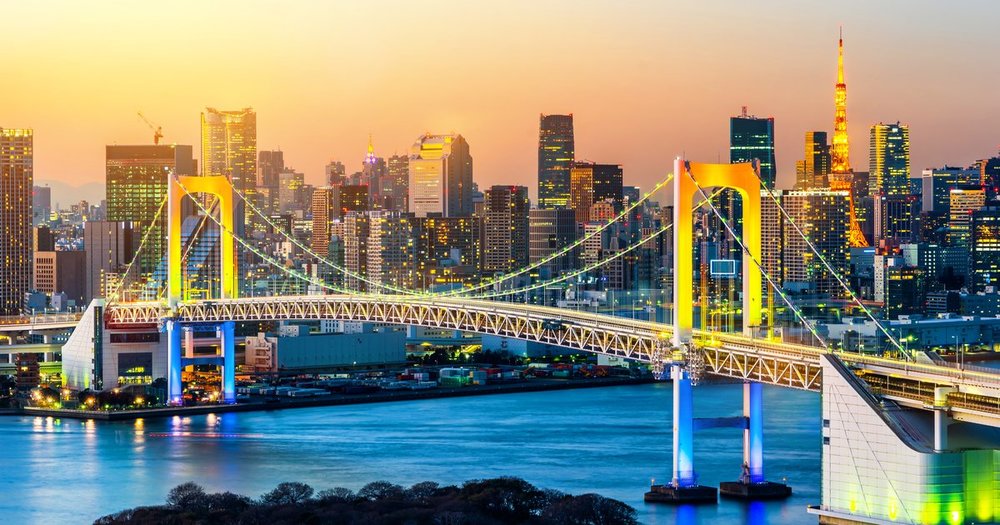
Among the Odaiba attractions, Tokyo Aqua Symphony opened at Odaiba Seaside Park on 28 March 2026. The fountains rise up to about 150 metres and span about 250 metres, with Rainbow Bridge and Tokyo Tower as the backdrop, and every show is free to watch.
Rainbow Bridge is a suspension bridge about 800 metres long linking Odaiba and Shibaura, and walking across is free. Next to Odaiba Seaside Park is a replica of the Statue of Liberty, which was put up as a temporary exhibit in 1998 and became a permanent attraction in 2000.
The life-size Unicorn Gundam statue at DiverCity Tokyo Plaza ended its display on 31 August 2026, and teamLab Borderless has relocated to Azabudai Hills (it was previously in Odaiba), so check that any older Odaiba guide is still accurate before you go. Odaiba and Toyosu make a good one-day pairing, with the Yurikamome Line running directly to both.
Address: Odaiba Seaside Park, 1-4-4 Daiba, Minato City, Tokyo
Getting there: About 3 minutes on foot from Daiba Station or Odaiba-kaihinkoen Station (Yurikamome Line)
Opening hours: Tokyo Aqua Symphony runs about 10 shows between 15:00 and 21:30, each about 10 minutes long, and may be cancelled because of weather. Subject to official announcements
Admission: Free
Kichijoji: Inokashira Park and the Ghibli Museum
Among the Kichijoji attractions, Inokashira Park opened in 1917. You can rent pedal boats on Inokashira Pond in the middle of the park, and a small island in the pond holds the Inokashira Benzaiten shrine. The park also has a small zoo, mostly with small animals native to Japan and Asia.
From Kichijoji Station (JR Chuo Line or Keio Inokashira Line), the walk to the park passes the Sun Road shopping street. Inokashira-koen Station on the Keio Inokashira Line is closer to the park.
The Mitaka no Mori Ghibli Museum is on the west side of the park, about a 15-minute walk from Kichijoji Station through the park. All tickets must be reserved in advance and none are sold at the museum, with prices and release dates announced officially. If you don’t have a ticket, you can still enjoy the park and Kichijoji’s shopping streets.
Address: Inokashira Onshi Park, 1-18-31 Gotenyama, Musashino City, Tokyo
Getting there: Kichijoji Station (JR Chuo Line or Keio Inokashira Line). Inokashira-koen Station on the Keio Inokashira Line is closer
Opening hours: Varies by facility, subject to official announcements
Admission: Park free, Ghibli Museum requires advance reservation
How to plan your Tokyo itinerary by area
Tokyo’s attractions are spread out, so grouping places near the same stations cuts down on transfers. The table below arranges the 15 places to visit in Tokyo into eight combinations you can pick from, depending on how many days you have.
Combination | Places included | Suggested plan |
|---|
Asakusa and Oshiage | Senso-ji Temple, Tokyo Skytree | Visit Senso-ji in the morning, go up Skytree in the evening |
Ueno and Akihabara | Ueno Park, Akihabara | Ueno Park by day, then Akihabara |
Shibuya and Harajuku | SHIBUYA SKY, Meiji Jingu and Harajuku, Shimokitazawa | Meiji Jingu in the morning, Shibuya in the afternoon, SHIBUYA SKY at dusk |
Shinjuku | Shinjuku Gyoen, Tokyo Metropolitan Government Building observatories | Shinjuku Gyoen by day, the observatories in the evening |
Minato City | Tokyo Tower, Tokyo City View at Roppongi Hills, Azabudai Hills | teamLab Borderless by day, night views in the evening |
Ikebukuro | Sunshine City | Aquarium and observatory on the same day |
Waterfront | teamLab Planets TOKYO, Odaiba | Along the Yurikamome Line, Toyosu by day and Odaiba in the evening |
West Tokyo | Kichijoji | Half day in the park and shopping streets |
FAQs about places to visit in Tokyo
What are the must-see places to visit in Tokyo?
You can choose by area: Senso-ji Temple, Tokyo Skytree, SHIBUYA SKY, Shinjuku Gyoen and Meiji Jingu cover a temple, observation decks, a garden and a shrine. To narrow it down to a Tokyo top 10, add Tokyo Tower, Tokyo City View at Roppongi Hills, teamLab Borderless at Azabudai Hills and Ueno Park.
How do I plan a Tokyo itinerary around these attractions?
Group the places by area: Senso-ji Temple and Tokyo Skytree on one day, and SHIBUYA SKY, Meiji Jingu and Shimokitazawa on another (see the table above). For getting around the city, see our guide to
getting around Tokyo and book a
Tokyo subway ticket to suit your plans. For dinner ideas, see our
Tokyo food guide.
Do I need to book tickets for Tokyo attractions in advance?
Among the Tokyo attractions, SHIBUYA SKY uses timed-entry tickets in 20-minute slots, and the Tokyo Tower Top Deck Tour is also timed entry, with sunset slots selling out quickly, so book ahead. teamLab Planets and teamLab Borderless prices vary by date, and official tickets are non-cancellable and non-refundable, so it’s safer to book once your travel dates are confirmed.
What are the lesser-known places in Tokyo?
Shimokitazawa, Kichijoji and Inokashira Park are good options. They aren’t traditional first-timer landmarks, so they suit travellers who have already seen Senso-ji Temple and Shibuya. Tokyo Aqua Symphony at Odaiba Seaside Park is also a new free attraction for 2026.
What are the best family-friendly places in Tokyo?
Good picks are Ueno Zoo, Sunshine Aquarium in Ikebukuro and teamLab Planets TOKYO in Toyosu. Ueno Zoo is free for elementary school students and under, Sunshine Aquarium has penguins and sea lions, and teamLab Planets ticket prices depend on age, so check the Klook page for child tickets.
What are the best places near Tokyo for a day trip?
Day trips from Tokyo usually take half a day to a full day, and popular choices include Kamakura, Yokohama and Lake Kawaguchi. The 15 places in this guide are in central Tokyo and the surrounding area, so plan a day trip as a separate day instead of squeezing it in with city sights.
What are the best indoor places to visit in Tokyo on a rainy day?
Good indoor options are teamLab Borderless, Tokyo City View at Roppongi Hills, Sunshine Aquarium in Ikebukuro and the Tokyo National Museum in Ueno Park. The SHIBUYA SKY rooftop closes in bad weather, but the indoor SKY GALLERY on the 46th floor stays open.
When is the best season for Tokyo attractions?
Each season has its own highlights. Cherry blossom season is usually late March to early April (which can line up with the Easter holidays), and autumn leaves usually peak between mid-November and early December. Shinjuku Gyoen and Ueno Park are often mentioned for both seasons. For month-by-month weather, see our guide to the
best time to visit Tokyo.
Do I need a visa to visit Tokyo?
It depends on your passport. Citizens of many countries and regions can enter Japan visa-free for short tourist stays, but the permitted length of stay varies, so check the Ministry of Foreign Affairs of Japan’s visa information for your nationality before you book. Japan plans to introduce the JESTA electronic pre-travel screening system in fiscal year 2028; until it launches, the current rules apply.
Has the tax-free shopping process in Tokyo changed?
Yes. Since 1 November 2026, tax-free shopping in Tokyo works on a pay-first, refund-later basis. You pay the tax-inclusive price at the shop, and get the consumption tax refunded at the airport when you leave, after customs confirms the goods are being taken out of Japan. Goods must leave Japan within 90 days of purchase, so allow extra time at the airport.
Book your Tokyo attraction tickets
Popular places to visit in Tokyo such as SHIBUYA SKY, Tokyo Skytree and teamLab can be booked in advance on Klook, with entry for your chosen time slot. Once your dates are set, book the timed-entry attractions first, then fill the gaps in each area with the free places.
🔍More Tokyo travel guides
What is Klook?
Klook is a leading pan-regional experiences platform in Asia Pacific, purpose built to digitalize experiences and make them accessible to every traveler.
Our mission is to build the digital infrastructure for the global experience economy — empowering merchants to share their passions and travelers to discover the heartbeat of each destination. We operate a mobile-first, curated platform featuring diverse experiences across global destinations.