Museums in Tokyo cover a lot more ground than you might expect. In one trip, you can walk through 400 years of samurai history, stand barefoot in a room full of glowing orchids, and see digital art flow through each room. Non-stop flights from London take about 14 hours, and Tokyo is 9 hours ahead of the UK (8 hours during British Summer Time). It works as a short stopover or as part of a two-week holiday, so pick the museums that fit your time.
This Tokyo museums guide picks 13 spots, split by theme so you can plan around whatever you're into. Every entry has a "best for" tag, prices in JPY with a rough GBP equivalent (at about 1,000 JPY = 5 GBP), and quick tips on getting there. Prices can change, so double-check before you go. Here's a quick snapshot of what you're working with:
Museum | Entry fee (adult) | Location |
|---|
Tokyo National Museum | 1,000 JPY (about 5 GBP) | Ueno Park |
Edo-Tokyo Museum | 800 JPY (about 4 GBP) | Ryogoku |
Fukagawa Edo Museum | 400 JPY (about 2 GBP) | Koto, near Kiyosumi-Shirakawa |
Mori Art Museum | Varies by exhibition | Roppongi |
National Museum of Western Art | 500 JPY (about 2 GBP) | Ueno Park |
Tokyo Metropolitan Teien Art Museum | 1,000–1,400 JPY (about 5–7 GBP), varies by exhibition | Meguro / Shirokanedai |
Art Aquarium Museum Ginza | 2,300–2,700 JPY (about 11–13 GBP) | Ginza Mitsukoshi |
teamLab Planets | 3,600–4,200 JPY (about 17–20 GBP), seasonal | Toyosu |
teamLab Borderless | Varies by date and time slot | Azabudai Hills |
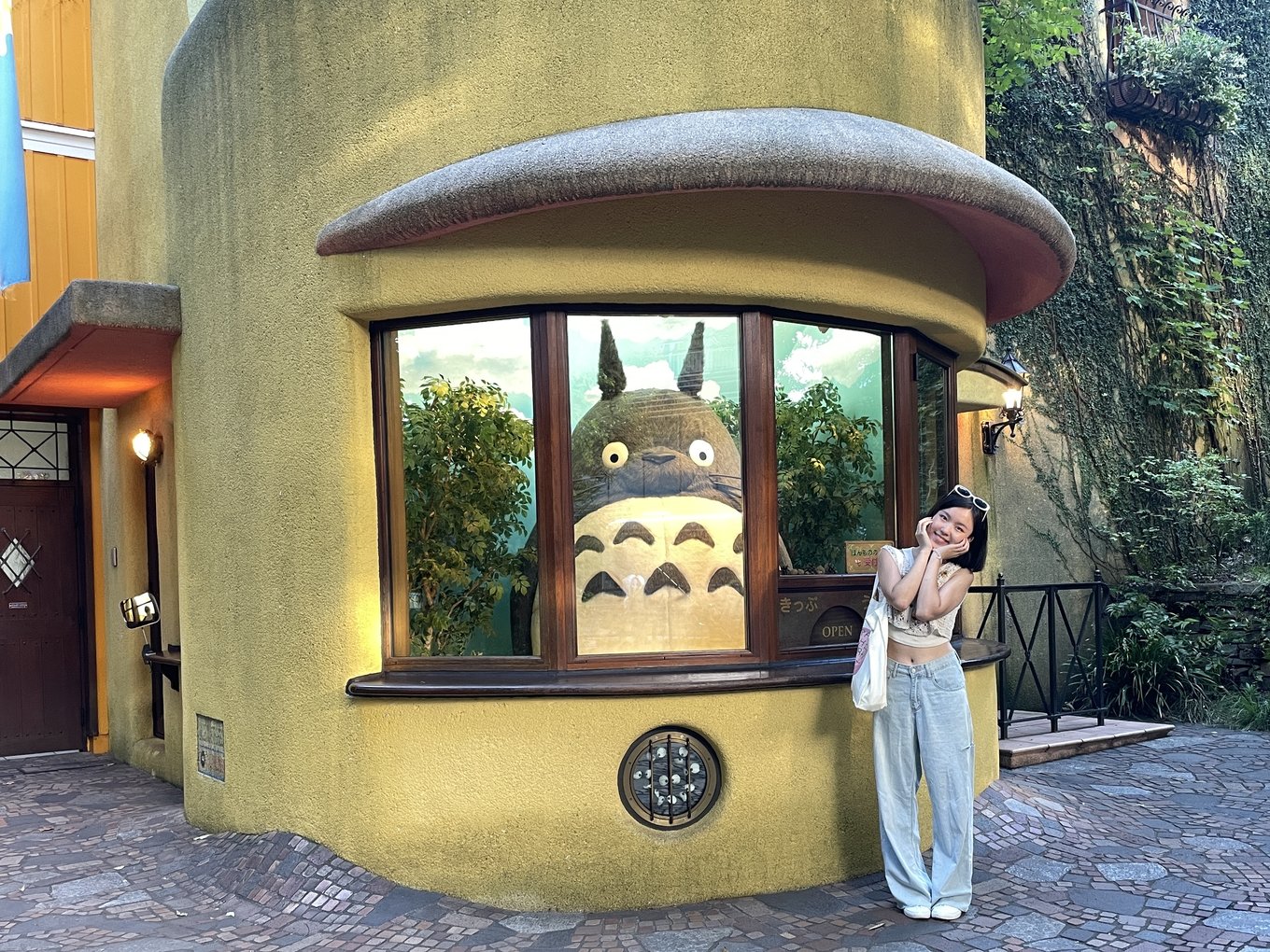
Ghibli Museum | 1,000 JPY (about 5 GBP) | Mitaka |
Small Worlds Tokyo | 2,700 JPY (about 13 GBP) | Ariake |
National Museum of Nature and Science | 630 JPY (about 3 GBP) | Ueno Park |
Konica Minolta Planetaria Tokyo | 1,600–1,900 JPY (about 8–9 GBP) | Yurakucho |
Ready to plan your route around
Tokyo? Let's get into it.
History museums in Tokyo
📌 Tokyo National Museum
The
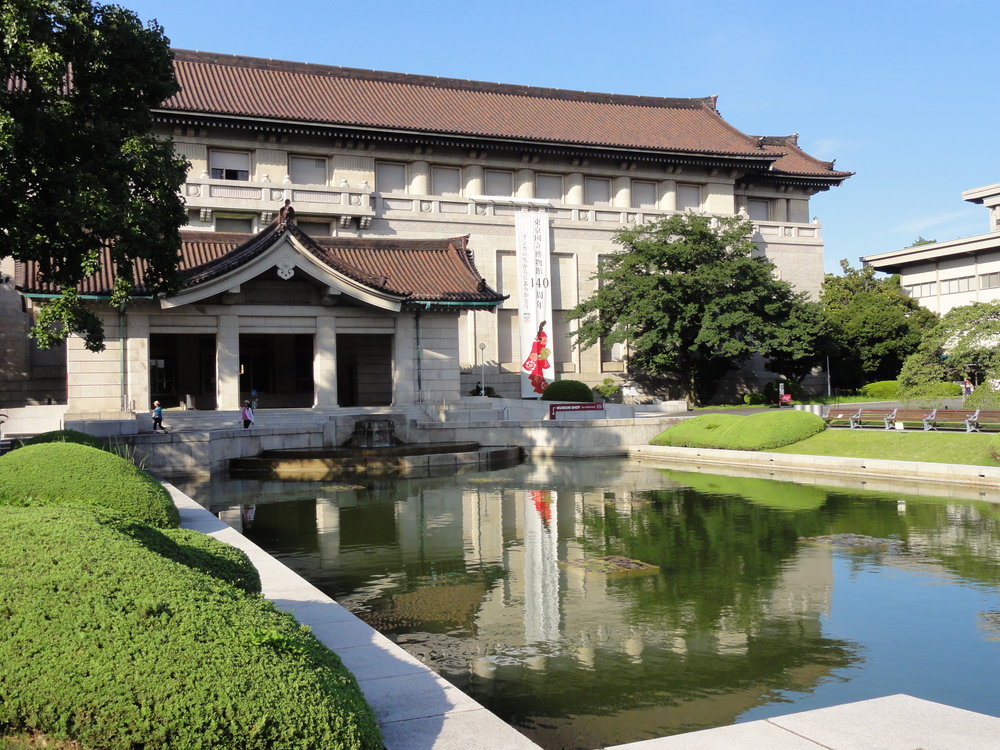
Tokyo National Museum is the oldest and largest museum in Japan, and it's the closest thing to a one-stop tour of the country's art history. Its five buildings hold more than 120,000 objects, including National Treasure swords, samurai armor, and Buddhist sculpture spanning centuries. If you only have time for one history stop on this list, make it this one.
Galleries rotate often enough that a second visit doesn't feel repetitive, and the grounds themselves, set among
Ueno Park's gardens, are worth the walk before you even reach the entrance.
Tips for visiting Tokyo National Museum
Start at the Honkan (main building), then move to the Toyokan for Asian art if you have time left
Check the official site before you go, since opening hours shift with the season and special exhibitions
Wear comfortable shoes; the walk between buildings adds up
🎯Best for: history buffs, first-timers, rainy days
💴Entry fee: 1,000 JPY (about 5 GBP) for adults; free for visitors under 18 and over 70
🕓Opening hours: 9.30 AM–5 PM, closed Mondays; hours can change by season, with later evenings during some special exhibitions
🚆How to get there: 10-minute walk from Ueno Station's Park Exit (JR lines, Ginza/Hibiya Metro lines)
📌 Edo-Tokyo Museum
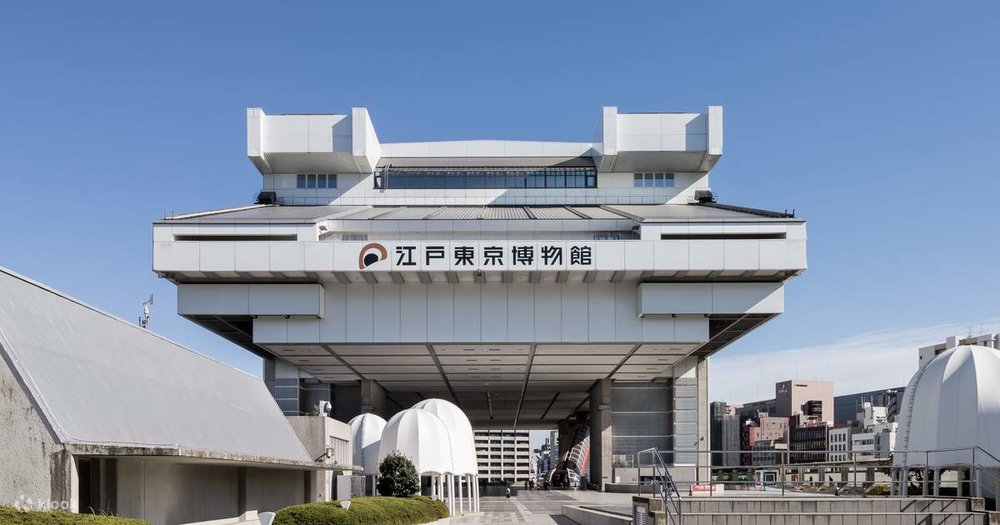
After four years of renovation, the Edo-Tokyo Museum in Ryogoku reopened on 31 March 2026, and it's back as one of the biggest history stops in the city. The permanent exhibition follows Tokyo's story across roughly 400 years of Edo and modern history, using full-scale replicas and detailed models of old streets and townhouses.
It pairs nicely with the Fukagawa Edo Museum below, since both cover Edo life at very different scales. Plan on two to three hours here, and keep in mind that Saturday hours run later than the rest of the week.
Tips for visiting Edo-Tokyo Museum
Follow the displays in order, Edo first and modern Tokyo last, so the story builds as you go
Visit on a Saturday if you want extra time, since doors stay open until 7.30 PM
Check the official site for any timed-entry rules before you head over
🎯Best for: history buffs, families, rainy days
💴Entry fee: 800 JPY (about 4 GBP) for adults (general admission)
🕓Opening hours: 9.30 AM–5.30 PM Tue–Fri, Sun & holidays; 9.30 AM–7.30 PM Sat; closed Mondays; last entry 30 minutes before closing
🚆How to get there: 3-minute walk from Ryogoku Station's West Exit (JR Sobu Line), or 1-minute walk from the A3/A4 exit (Toei Oedo Line)
📌 Fukagawa Edo Museum
For a smaller, more hands-on look at old Tokyo, head to the
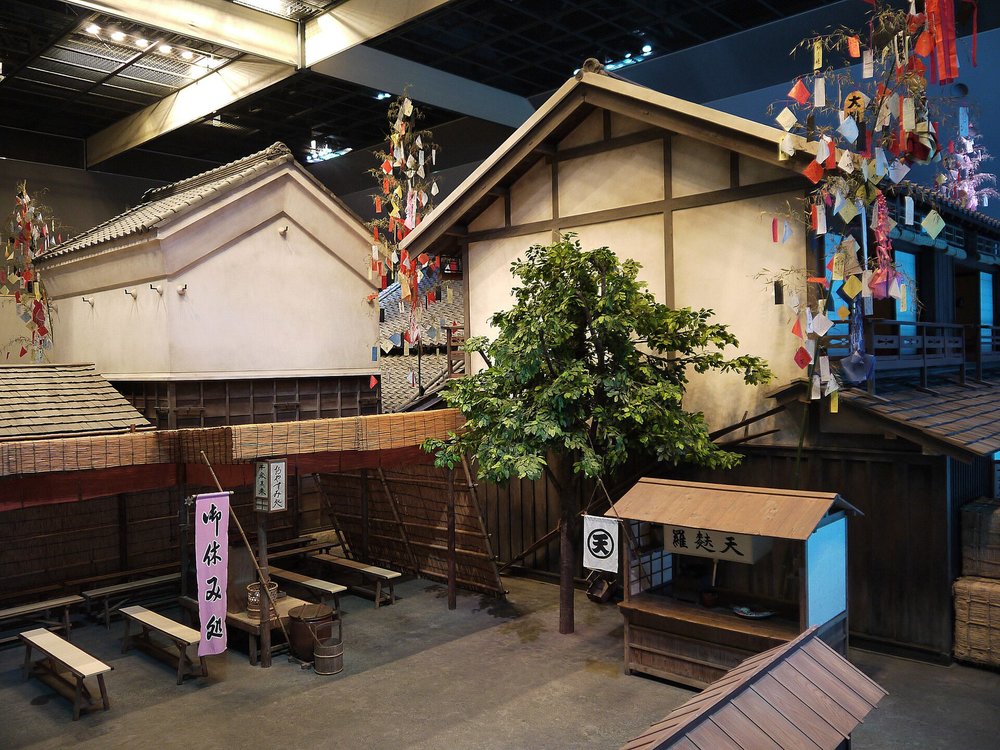
Fukagawa Edo Museum in Koto. Instead of artefacts behind glass, this museum recreates an entire Edo-period neighbourhood indoors, complete with a rice shop, a boatman's room, and a rooftop cat that never seems to move.
It's small, so you'll likely be done in about an hour, but the volunteer guides on-site are known for stopping to explain details you'd otherwise miss!
Tips for visiting Fukagawa Edo Museum
Take your shoes off before entering the recreated buildings; there's a rule board at the entrance
Combine your visit with Kiyosumi Gardens for a small discount on both admissions
Budget 45 minutes to an hour; it's a small museum built for a focused visit
🎯Best for: hands-on history, short visits
💴Entry fee: 400 JPY (about 2 GBP) for adults
🕓Opening hours: 9.30 AM–5 PM daily, closed the 2nd and 4th Monday of each month
🚆How to get there: 3-minute walk from Kiyosumi-Shirakawa Station (Oedo & Hanzomon lines)
Also worth a visit: Samurai & Ninja Museum
If you'd rather swap the glass cases for something interactive, try the
Samurai and Ninja Museum in Tokyo. It's a guided, hands-on experience built around samurai and ninja culture, which makes it a fun pick for families and first-timers.
Art museums in Tokyo
📌 Mori Art Museum
The
Mori Art Museum is the pick for contemporary art, set on the 53rd floor of Roppongi Hills Mori Tower. Exhibitions change several times a year and lean international, including big-name solo artists and themed group shows, so what you see depends on when you go.
Late hours are a big plus, since it stays open until 10 PM on most days and the city views are part of the draw. That makes it one of the better things to do in Tokyo indoors after dark, especially if you've spent the day exploring Roppongi.
Tips for visiting Mori Art Museum
Check the current exhibition on the official site before booking, since each show has its own price and schedule
Note that Tuesdays close earlier, at 5 PM
Plan for around 90 minutes to two hours, longer for big exhibitions
🎯Best for: art lovers, evening visits
💴Entry fee: Varies by exhibition; recent shows have cost around 2,300–2,500 JPY (about 11–12 GBP) for adults
🕓Opening hours: 10 AM–10 PM (until 5 PM on Tuesdays); last entry 30 minutes before closing
🚆How to get there: 3-minute walk from Roppongi Station, Exit 1C (Hibiya Line), inside Roppongi Hills Mori Tower, 53F
📌 National Museum of Western Art
The
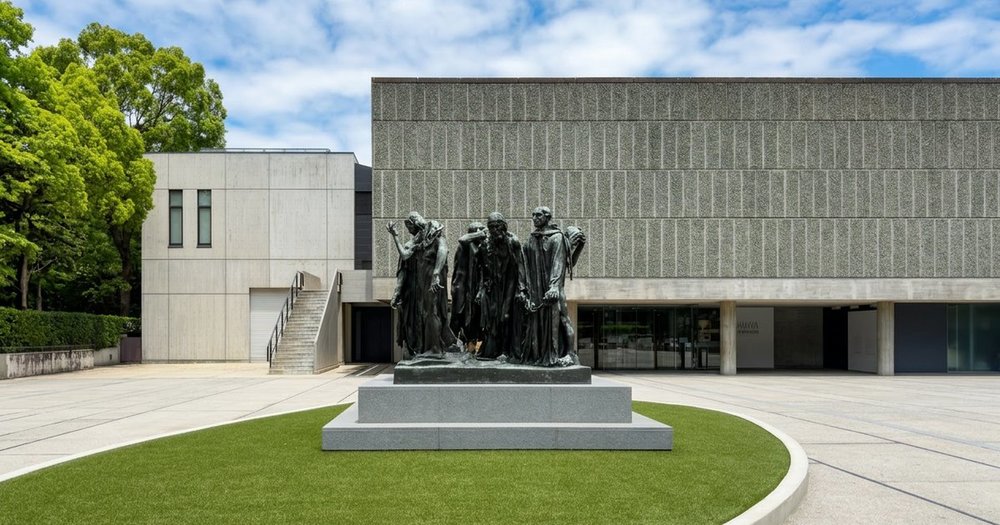
National Museum of Western Art is one of the top Tokyo art museums for European art, and the building is part of the attraction. Its main hall was designed by Le Corbusier and joined UNESCO's World Heritage list in 2016, alongside 16 of the architect's other works.
Inside, the permanent collection spans the late medieval period through the early 20th century, with a dedicated Monet room on the second floor. Outside, bronze sculptures by Rodin, including The Thinker, sit in the front garden. It's also one of the easiest Ueno Park museums to fit into a half day.
Tips for visiting National Museum of Western Art
Walk the garden sculptures first, then head inside for the collection
Visit on a Friday or Saturday evening for later hours, when the museum stays open until 8 PM
Check the official site for free-entry days, which include 18 May and 3 November
🎯Best for: art lovers, architecture fans
💴Entry fee: 500 JPY (about 2 GBP) for adults (permanent collection); special exhibitions are priced separately
🕓Opening hours: 9.30 AM–5.30 PM (until 8 PM Fri & Sat), closed Mondays
🚆How to get there: 1-minute walk from Ueno Station's Park Exit (JR lines), or 7-minute walk from Keisei Ueno Station
📌 Tokyo Metropolitan Teien Art Museum
The
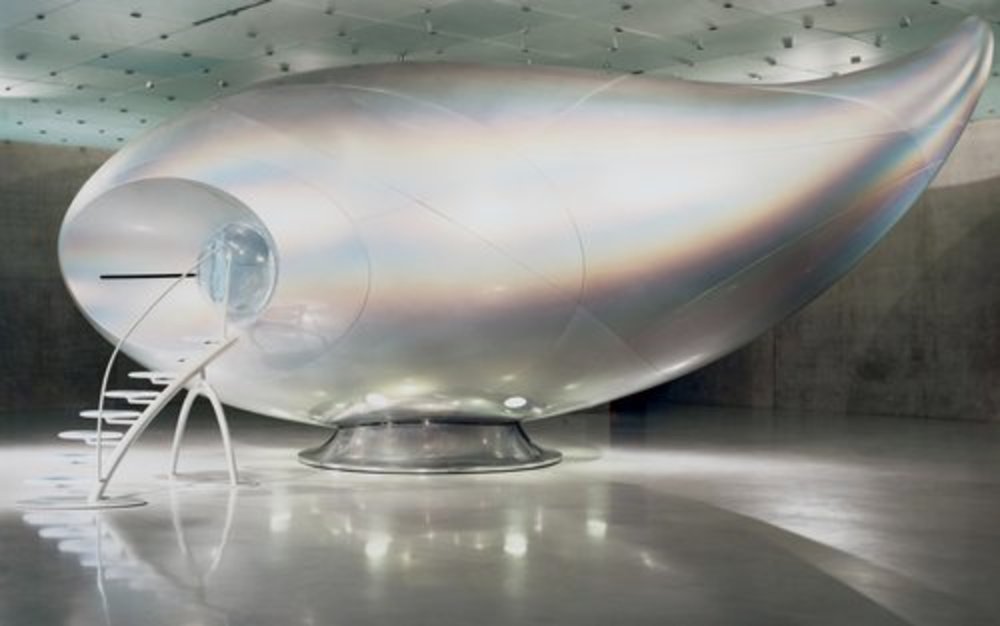
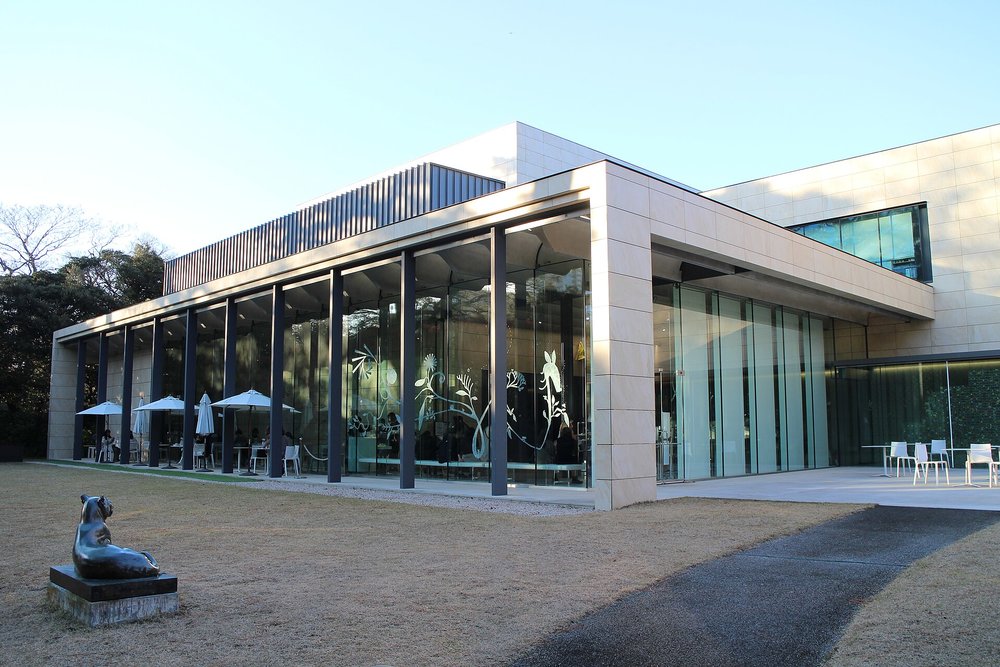
Tokyo Metropolitan Teien Art Museum is an art deco villa turned gallery, built in 1933 as the residence of Prince Asaka and opened to the public as a museum in 1983. The building itself, with glasswork by René Lalique and interiors by Henri Rapin, often competes with whatever's on display for your attention.
There's no single permanent collection; exhibitions rotate through modern paintings, sculpture, and design work throughout the year. The gardens outside, split between Japanese and Western-style grounds, are just as big a draw as the building.
Tips for visiting Tokyo Metropolitan Teien Art Museum
Buy the exhibition ticket rather than the garden-only pass; it includes garden access anyway
Photography is generally not allowed inside, though a few exhibitions make exceptions
Budget 1 to 2 hours, more if you want to linger in the garden
🎯Best for: design fans, garden walks
💴Entry fee: 1,000–1,400 JPY (about 5–7 GBP) for adults, varies by exhibition; garden-only entry 200 JPY (about 1 GBP)
🕓Opening hours: 10 AM–6 PM, last admission 5.30 PM; closed the 2nd and 4th Wednesday of each month
🚆How to get there: 7-minute walk from Meguro Station (JR Yamanote & Tokyu Meguro lines), or 6-minute walk from Shirokanedai Station (Toei Mita & Namboku lines)
📌 Art Aquarium Ginza
Part aquarium, part art installation,
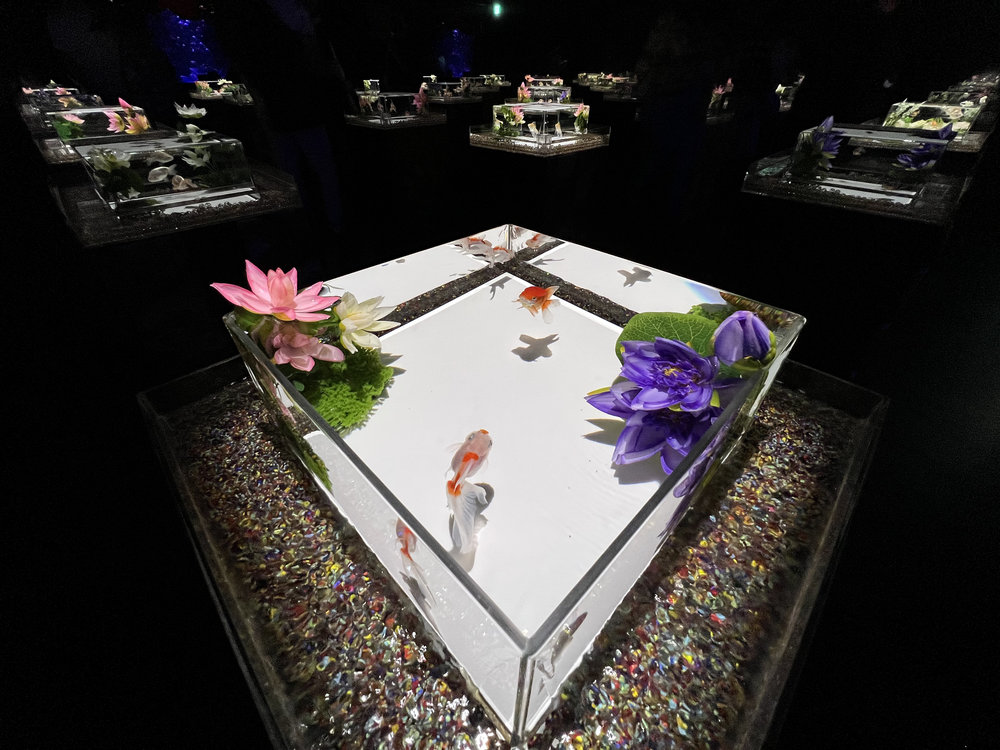
Art Aquarium Museum Ginza turns the old Edo-period tradition of goldfish appreciation into a modern sensory experience. Thousands of goldfish swim through tanks shaped like bamboo columns and Edo Kiriko cut glass, set against music, lighting, and seasonal scent design that changes throughout the year.
It's small and can be done in under an hour, but it's unlike anything else on this list, and it sits right inside Ginza Mitsukoshi department store, so it's easy to add into a shopping afternoon.
Tips for visiting Art Aquarium Ginza
Photography is allowed throughout, so bring a phone or camera that handles low light well
Go on a weekday if you can; the space is small enough that weekends get crowded
There are no lockers inside the museum itself, so use the ones in Ginza Mitsukoshi
🎯Best for: photo lovers, Ginza afternoons
💴Entry fee: 2,300–2,700 JPY (about 11–13 GBP) for adults; children 12 and under free (up to 2 per adult)
🕓Opening hours: 10 AM–7 PM daily, last entry 6 PM
🚆How to get there: Exit A7 of Ginza Station (Ginza, Marunouchi & Hibiya lines), inside Ginza Mitsukoshi
📌 teamLab Planets
No list of museums in Tokyo is complete without
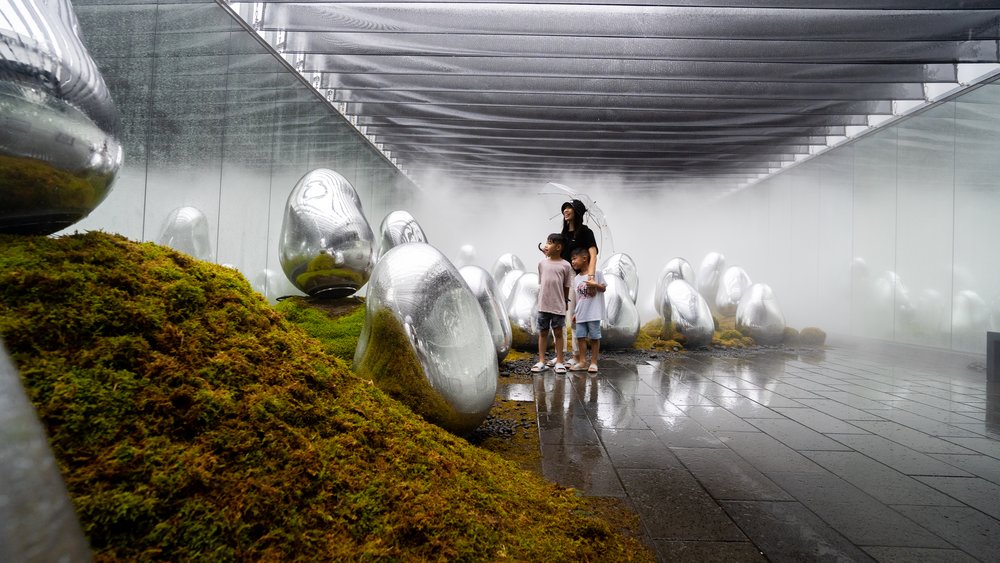
teamLab Planets in Toyosu. It isn't really a museum in the traditional sense: you walk barefoot through ankle-deep water while koi projections scatter into flowers around your feet, then move through a mirrored room and a garden of live orchids.
An expanded outdoor area opened in January 2025, adding zones like the Athletics Forest and the Catching and Collecting Extinct Forest, so plan on 90 minutes to two and a half hours here.
It's currently scheduled to run through the end of 2027, so book sooner rather than later. It's easily one of the most photographed spots in the city!
Tips for visiting teamLab Planets
Wear clothes you don't mind getting a little wet; you'll be walking through water barefoot
Book the first slot of the day if you want the quietest run
Bring a small towel; a few spots hand them out but supplies run low on busy days
🎯Best for: digital art fans, photo lovers, families
💴Entry fee: Around 3,600–4,200 JPY (about 17–20 GBP) for adults, seasonal pricing
🕓Opening hours: 9 AM–10 PM daily, last admission 9 PM
🚆How to get there: 1-minute walk from Shin-Toyosu Station (Yurikamome Line), or 10-minute walk from Toyosu Station (Yurakucho Line)
📌 teamLab Borderless
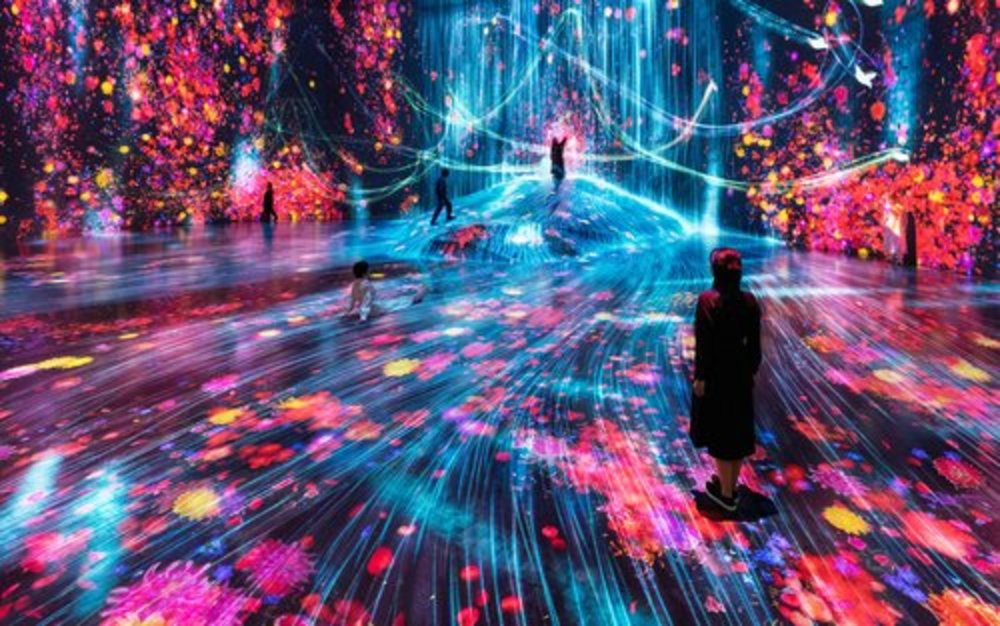
teamLab Borderless in Azabudai Hills is the other big teamLab stop, and it works a little differently. Instead of set rooms, the artworks move across walls, floors, and ceilings, and some drift from one space into the next, so there's no fixed route to follow.
Each
teamLab Borderless ticket is for a timed slot, and you can stay as long as you like once you're in, though re-entry isn't allowed. Plan for two to three hours inside.
Tips for visiting teamLab Borderless
Wear comfortable shoes and dress light; the space is big, with dark areas to move through
Book a weekday or earlier slot if you want fewer crowds
🎯Best for: digital art fans, first-timers, rainy days
💴Entry fee: Varies by date and time slot; check the latest price when you book
🕓Opening hours: Usually open until 9 PM, with last entry at 8 PM; hours vary by date
🚆How to get there: 5- to 7-minute walk from Roppongi-itchome Station or Kamiyacho Station (Azabudai Hills Garden Plaza B, B1)
Anime & pop culture museums in Tokyo
📌 Ghibli Museum
The
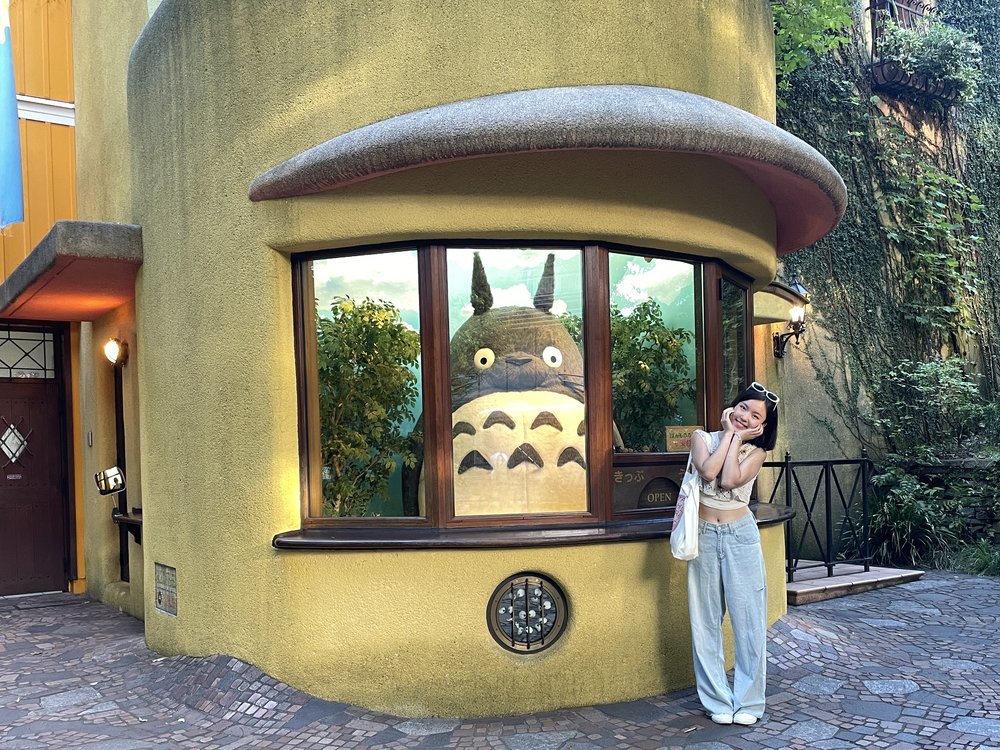
Ghibli Museum in Mitaka is one of the hardest tickets in Tokyo to get, and one of the most rewarding once you're inside. Built around the work of Studio Ghibli, the museum has no set route; you wander through winding staircases, a life-size Catbus for kids, and a small theatre screening short films you won't find anywhere else.
Tickets go on sale on the 10th of each month, at 10 AM Japan time (1 AM UK time, or 2 AM during British Summer Time), for visits the following month, and they typically sell out within minutes. If a specific date matters to you, set a reminder and have the booking page open the moment sales open. Missed out? A
Ghibli Museum bus tour is another way to plan your visit.
Tips for visiting Ghibli Museum
Set an alarm for 10 AM Japan time (1 AM UK time, or 2 AM during British Summer Time) on the 10th of the prior month; tickets sell out fast
Photography is only allowed outside the building, including the rooftop and café
Plan for around two hours, plus travel time to Mitaka from central Tokyo
🎯Best for: anime fans, families
💴Entry fee: 1,000 JPY (about 5 GBP) for adults (19+); reduced rates for younger visitors
🕓Opening hours: 10 AM–6 PM, closed Tuesdays and some other days; check the official calendar
🚆How to get there: 15-minute walk from Mitaka Station's south exit (JR Chuo Line), or a community bus runs every 15 minutes; also a 15-minute walk through Inokashira Park from Kichijoji Station
📌 Small Worlds Tokyo
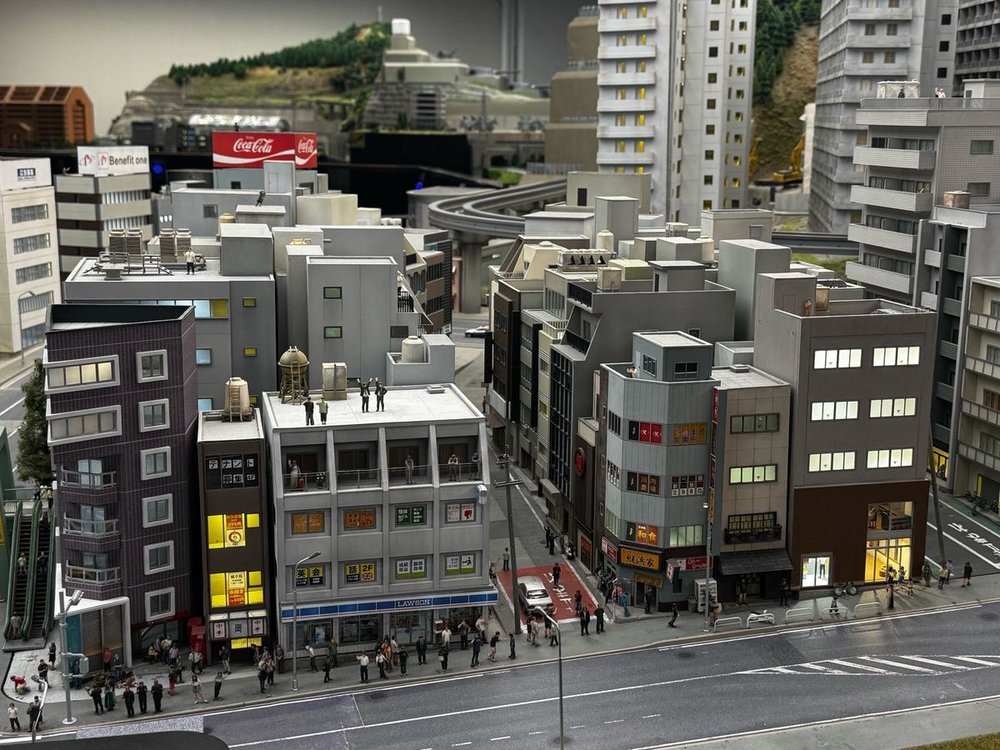
Small Worlds Tokyo takes miniature model-making and turns it into a full museum. Its eight zones, including a space centre, an airport with moving planes, and a Sailor Moon-themed diorama, run on day-night cycles with interactive lighting that reacts as you get close. It's detailed enough to hold adults' attention as easily as kids'.
You can also get scanned into a tiny 3D figurine and added to one of the dioramas, a fun extra if you've got time to spare!
Tips for visiting Small Worlds Tokyo
Buy tickets online ahead of your visit; it saves you time in the queue at the entrance
Budget at least 90 minutes if you want to see all eight zones properly
Ask about the figurine-making service if you want a souvenir with your own likeness in it
🎯Best for: families, miniature fans
💴Entry fee: 2,700 JPY (about 13 GBP) for adults
🕓Opening hours: 9 AM–7 PM daily
🚆How to get there: 3-minute walk from Ariake Tennis-no-Mori Station (Yurikamome Line), or 9-minute walk from Kokusai-Tenjijo Station (Rinkai Line)
Also worth a visit: Unko Museum Tokyo
For something sillier, the
Unko Museum Tokyo is a colourful, interactive museum that kids tend to love. It's a quick, photo-friendly stop that works well as a break between bigger sights. For more family ideas, browse our
Japan family itinerary with kids.
Also worth a visit: Tokyo Trick Art Museum
Looking for photo ops? The
Tokyo Trick Art Museum is filled with optical-illusion artworks you can pose with, so it's easy to fill your camera roll with fun shots with friends.
Science museums in Tokyo
📌 National Museum of Nature and Science
Also in Ueno Park, the National
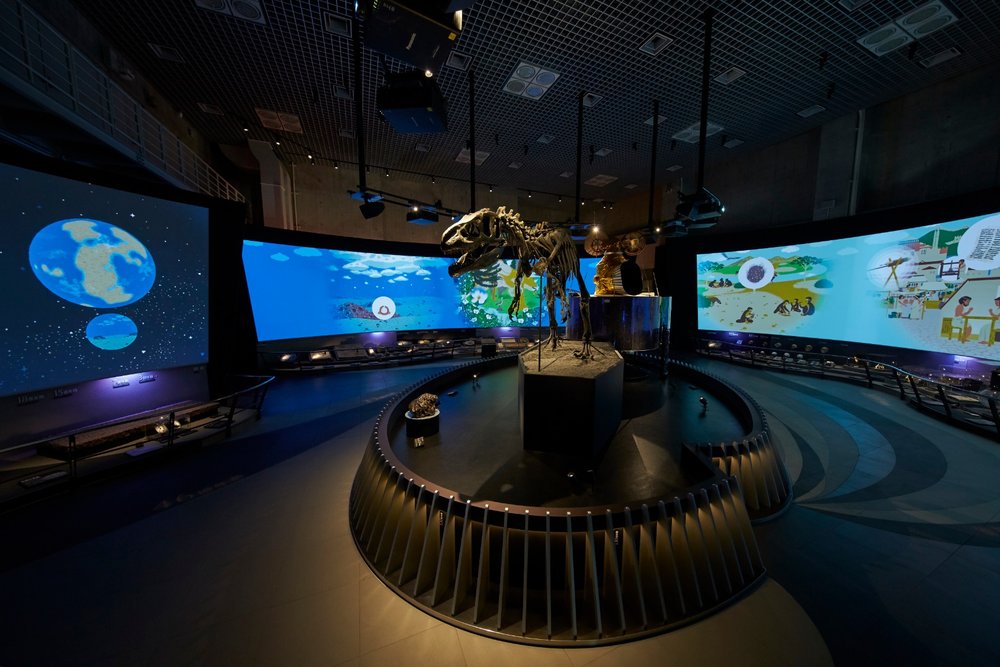
Museum of Nature and Science splits into two buildings: the Japan Gallery, covering the archipelago's natural and human history, and the Global Gallery, home to dinosaur skeletons, a biodiversity exhibit, and hands-on physics demos.
It's one of the better science museums Tokyo has for families, since almost every section has something to touch, press, or climb into. Admission is one of the cheapest tickets on this list, and the museum waives entry entirely on International Museum Day and Culture Day each year!
Tips for visiting National Museum of Nature and Science
Start with the Global Gallery for dinosaurs and hands-on experiments; it's the crowd favourite
Go on 18 May or 3 November for free admission to the permanent exhibitions
Combine with the Tokyo National Museum, since both sit inside Ueno Park
🎯Best for: families, rainy days
💴Entry fee: 630 JPY (about 3 GBP) for adults; free for visitors 18 and under
🕓Opening hours: 9 AM–5 PM (until 8 PM Fri & Sat), closed Mondays
🚆How to get there: 5-minute walk from Ueno Station's Park Exit (JR lines, Ginza/Hibiya Metro lines)
📌 Konica Minolta Planetaria
For something calmer,
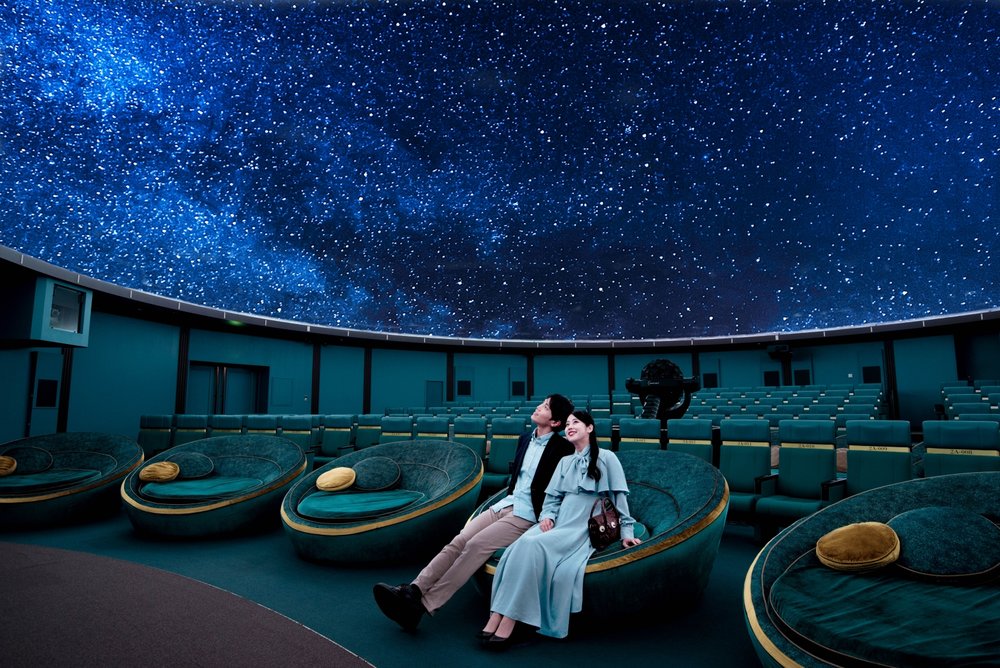
Konica Minolta Planetaria Tokyo sits inside Yurakucho Mullion, a few minutes from Yurakucho and Ginza stations. It runs both standard astronomy shows and "healing planetarium" programmes built around scent and ambient music instead of narration, which makes it an easy, relaxed stop to fold into a Ginza afternoon.
The dome theatre's lineup changes often enough that repeat visits show you something new each time!
Tips for visiting Konica Minolta Planetaria
Check the show schedule ahead of time; some programmes have age restrictions
Arrive at least 15 minutes early, since latecomers may not be seated once a show starts
Stop by the attached café and gift shop even if you don't catch a show; both are open to the public
🎯Best for: relaxed evenings, rainy days
💴Entry fee: Around 1,600–1,900 JPY (about 8–9 GBP), depending on the show
🕓Opening hours: Varies by day; check the official schedule before visiting
🚆How to get there: 3-minute walk from Yurakucho Station (JR lines & Tokyo Metro Yurakucho Line), inside Yurakucho Mullion
Also worth a visit: Miraikan
Over in Odaiba, the
Miraikan permanent exhibition is a good add for families. It covers robotics, space, and everyday technology with hands-on displays, plus a large Geo-Cosmos globe hanging in the atrium.
Tips for museum hopping in Tokyo
A little planning goes a long way when you're visiting several museums in Tokyo in one trip. These quick tips help you avoid closed doors and wasted commute time:
Watch for Monday closures. The Tokyo National Museum, National Museum of Nature and Science, National Museum of Western Art, and Edo-Tokyo Museum all close on Mondays. If Monday is a public holiday, they usually open and close the next day instead.
Book timed entry early. teamLab Planets and teamLab Borderless sell by time slot, and Ghibli Museum tickets go on sale on the 10th of each month for the following month. Booking online ahead also means you can pay by card before you fly, with no need to queue at the door.
Group museums by area. Ueno Park museums (Tokyo National Museum, Western Art, Nature and Science) sit close together. Pair Mori Art Museum with teamLab Borderless in the Roppongi area, teamLab Planets with Small Worlds and Miraikan in Toyosu and Odaiba, and Art Aquarium with Planetaria in Ginza.
Plan around busy periods. UK school holidays (Easter, May half-term, summer and Christmas) and Japan's Golden Week (late April to early May) are popular travel times, so book timed slots for teamLab and the Ghibli Museum early.
Pack a plug adapter. The UK uses Type G plugs, while Japan uses Type A and B plugs at 100V, so bring an adapter for your phone and camera chargers.
Weather not cooperating? Most museums on this list make a solid plan B, and they count as some of the best things to do in Tokyo indoors. Want to slot them into a longer trip? Our
five days in Tokyo itinerary shows how.
Is the Tokyo Pass worth it for museum hopping in Tokyo?
If you're planning to hit several museums on this list,
the Tokyo Pass is worth a look. It's a smartphone pass that gets you unlimited entry to 50+ cultural spots around the city, including museums, gardens, and zoos, for a set number of consecutive days. Note that special exhibitions aren't included, only permanent collections!
Museum | Included in The Tokyo Pass? |
|---|
Tokyo National Museum | ✅ |
Edo-Tokyo Museum | ✅ |
Fukagawa Edo Museum | ✅ |
Mori Art Museum | ✅ |
National Museum of Western Art | ✅ |
Tokyo Metropolitan Teien Art Museum | ✅ |
Art Aquarium Museum Ginza | ✅ |
teamLab Planets | ❌ |
teamLab Borderless | ❌ |
Ghibli Museum | ❌ |
Small Worlds Tokyo | ✅ |
National Museum of Nature and Science | ✅ |
Konica Minolta Planetaria | ❌ |
9 of the 13 museums come with the pass, so it makes the most sense if you're also adding other participating spots to your itinerary!
FAQs about museums in Tokyo
What is the most famous museum in Tokyo?
The Tokyo National Museum is the one most people name first, since it's the oldest and largest museum in Japan. For something more modern, teamLab Planets and teamLab Borderless are the best-known picks, and the Ghibli Museum is the big draw for anime fans. If you only have time for one, start with the Tokyo National Museum and add a teamLab venue if you can.
Which museums in Tokyo are free?
The Tokyo Metropolitan Art Museum in Ueno Park has free entry to its building, though special exhibitions usually charge a fee. The National Museum of Nature and Science and the National Museum of Western Art waive entry on International Museum Day (18 May) and Culture Day (3 November). You also get free entry to the Tokyo National Museum year-round if you are under 18.
Is teamLab Planets or teamLab Borderless better?
It depends on what you like. teamLab Planets in Toyosu is a walk-through experience with water rooms, a mirrored space, and a garden, and it follows a fairly set route. teamLab Borderless in Azabudai Hills has no fixed route, with artworks that move between spaces, so it suits you if you like to wander. Many people book both if they have the time.
How do you get Ghibli Museum tickets?
Tickets go on sale on the 10th of each month at 10 AM Japan time (1 AM UK time, or 2 AM during British Summer Time), for entry the following month, through the official Lawson Ticket system. They sell out within minutes, so have your account and payment details ready in advance. If you miss out, a guided tour that includes the museum can be a backup option.
Which day are most museums closed in Tokyo?
Monday is the most common closing day. The Tokyo National Museum, National Museum of Nature and Science, National Museum of Western Art, and Edo-Tokyo Museum all close then. If Monday is a public holiday, they usually stay open and close the next day instead. The Ghibli Museum closes on Tuesdays, while teamLab venues are generally open daily, so check each museum's calendar before you go.
How many museums are in Ueno Park?
Ueno Park holds five major museums within walking distance of each other: the Tokyo National Museum, the Tokyo Metropolitan Art Museum, the National Museum of Nature and Science, the National Museum of Western Art, and the Ueno Royal Museum. Two or three fit comfortably in a single day. Just remember that several of them close on Mondays.
What are the best museums in Tokyo for kids?
The National Museum of Nature and Science is a top pick for families, with dinosaurs and plenty of hands-on exhibits. Small Worlds Tokyo, Miraikan, and the Unko Museum are also easy hits with little ones. The Ghibli Museum is a favourite too, though tickets need planning well ahead, and teamLab Planets has playful, interactive rooms that kids enjoy.
Plan your Tokyo museum trip
Museums in Tokyo cover history, art, anime, and science, so you can build each day around what you love most. Pick two or three that sit in the same area and leave room for a few detours. Book your tickets and timed slots with Klook, then check out more of
Japan for your next holiday.
More Tokyo guides for you
What is Klook?
Klook is a leading pan-regional experiences platform in Asia Pacific, purpose built to digitalize experiences and make them accessible to every traveler.
Our mission is to build the digital infrastructure for the global experience economy — empowering merchants to share their passions and travelers to discover the heartbeat of each destination. We operate a mobile-first, curated platform featuring diverse experiences across global destinations.