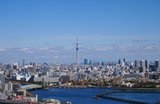
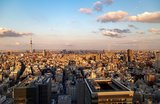
Tokyo is a city where centuries-old traditions sit right next to glass towers and neon crossings. The best landmarks in Tokyo tell that story: you can see a 1,400-year-old temple in the morning, a red-brick station from 1914 by lunch, and a sky-high observation deck by sunset. Good news for your budget: most of these landmarks are free to visit, and we've added a rough GBP amount for the rest.
This guide covers 12 landmarks in Tokyo, chosen as cultural and architectural icons rather than a general list of Tokyo attractions. Each one comes with a short history, the best time to go, how to get there, the entry fee, and the closest landmark nearby, so you can group your Tokyo sightseeing by area. Direct flights from London take about 14 hours, and Tokyo is 9 hours ahead of UK time (8 hours during British Summer Time). If it's your first trip to
Japan, these Tokyo landmarks are a solid place to start.
Landmarks in Tokyo at a glance
The landmarks below are ordered by area, so you can follow them as a loose route across the city. Fees are in JPY, with rounded GBP amounts based on a recent exchange rate, so check the latest rate before you go.
# | Landmark | Type | Area | Entry fee | Best time |
|---|
1 | Senso-ji Temple | Historic | Asakusa | Free | Early morning |
2 | Tokyo Skytree | Modern | Sumida (Oshiage) | From 2,100 JPY (about 10 GBP) | Sunset or after dark |
3 | Tokyo Station Marunouchi Building | Historic | Marunouchi | Free (exterior) | Evening |
4 | Imperial Palace | Historic | Chiyoda | Free (East Gardens) | Spring and autumn |
5 | Nihonbashi | Historic | Nihonbashi | Free | Weekend mornings |
6 | Kabukiza | Cultural | Ginza | Free (exterior); tickets vary | Daytime |
7 | Tokyo Tower | Modern | Minato (Shiba) | From 1,500 JPY (about 7 GBP) | Evening |
8 | Rainbow Bridge | Modern | Odaiba and Shibaura | Free | Late afternoon to sunset |
9 | Tokyo Metropolitan Government Building | Modern | Shinjuku | Free | Sunset |
10 | Shinjuku Gyoen National Garden | Cultural | Shinjuku | 500 JPY (about 2.40 GBP) | Late March to early April; mid-November to early December |
11 | Meiji Jingu Shrine | Cultural | Harajuku | Free | Early morning |
12 | Shibuya Crossing | Modern | Shibuya | Free | 7pm to 9pm |
📍 1. Senso-ji Temple
If you only visit one temple in Tokyo, make it
Senso-ji Temple. Located in the lively
Asakusa district, this is Tokyo's oldest temple, and legend says it was founded way back in 628 AD. That makes it more than 1,400 years old!
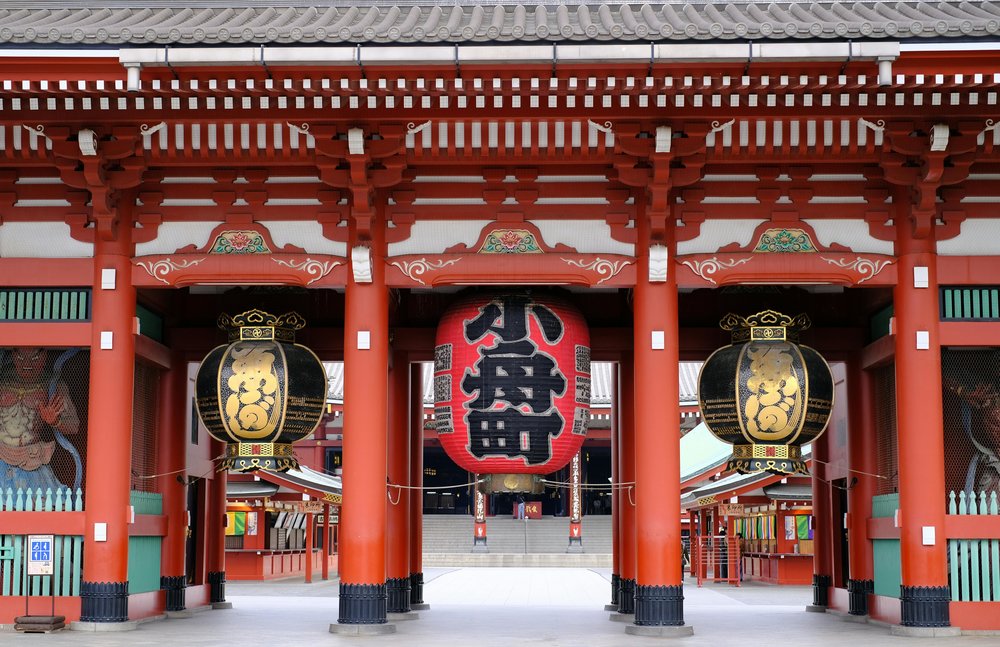
Your walk starts at the giant red
Kaminarimon Gate, also known as the "Thunder Gate" and a symbol of Asakusa. Past it, the Nakamise shopping street is lined with stalls selling traditional snacks and souvenirs. Don't forget to pull a fortune slip (
omikuji) while you're there!
Highlight Section Name: 12 iconic landmarks in Tokyo and how to visit them
🕔Best time to go to Senso-ji Temple: Early morning (before 8am) to avoid large crowds. The grounds are open all day, and the main hall is open 6am to 5pm (6.30am between October and March).
🗺️How to get to Senso-ji Temple: Take the Tokyo Metro Ginza Line or Asakusa Line to Asakusa Station. It's just a short 5-minute walk from there.
🎟️Entry fee: Free
🧭Nearby: Tokyo Skytree, one stop away from Tobu Asakusa Station on the Tobu Skytree Line.
📍 2. Tokyo Skytree
Standing at 634 metres,
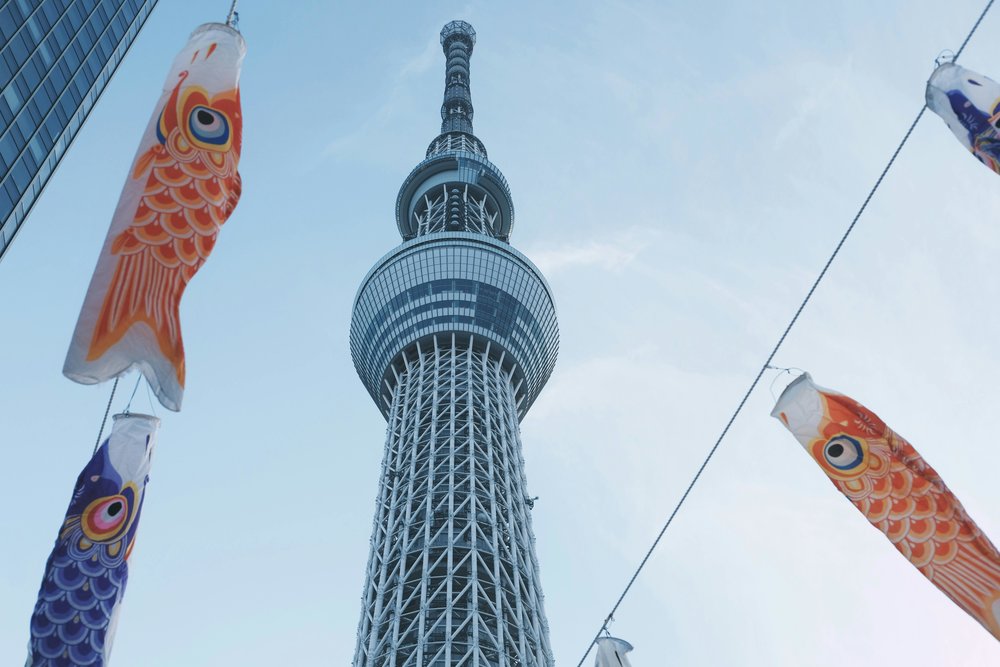
Tokyo Skytree is the tallest tower in the world and a modern icon of the city skyline. It opened in 2012, and the height is a nod to the old name for the Musashi region of Japan, since the numbers 6, 3 and 4 can be read as "mu-sa-shi." Pretty cool, right?
The tower has two observation decks: the Tembo Deck at 350 metres and the Tembo Galleria at 450 metres. On a clear day, you can see
Mount Fuji from the top! Book a
Skytree ticket in advance, which costs less than buying on the day and saves you the queue, then head to Tokyo Solamachi at the base, a shopping and dining complex with over 300 shops and restaurants.
Highlight Section Name: 12 iconic landmarks in Tokyo and how to visit them
🕔Best time to go to Tokyo Skytree: Visit at sunset for golden-hour views, or after dark for bright city lights.
🗺️How to get to Tokyo Skytree: Take the Tobu Skytree Line to Tokyo Skytree Station, or the Tokyo Metro Hanzomon Line to Oshiage Station. The tower is connected directly to both stations.
🎟️Entry fee: Tembo Deck from 2,100 JPY (about 10 GBP) for a weekday advance ticket; prices are higher on weekends and holidays.
🧭Nearby: Senso-ji Temple, one stop away on the Tobu Skytree Line.
📍 3. Tokyo Station Marunouchi Building
You've probably passed through Tokyo Station without looking up. Step outside on the Marunouchi side and you'll see the
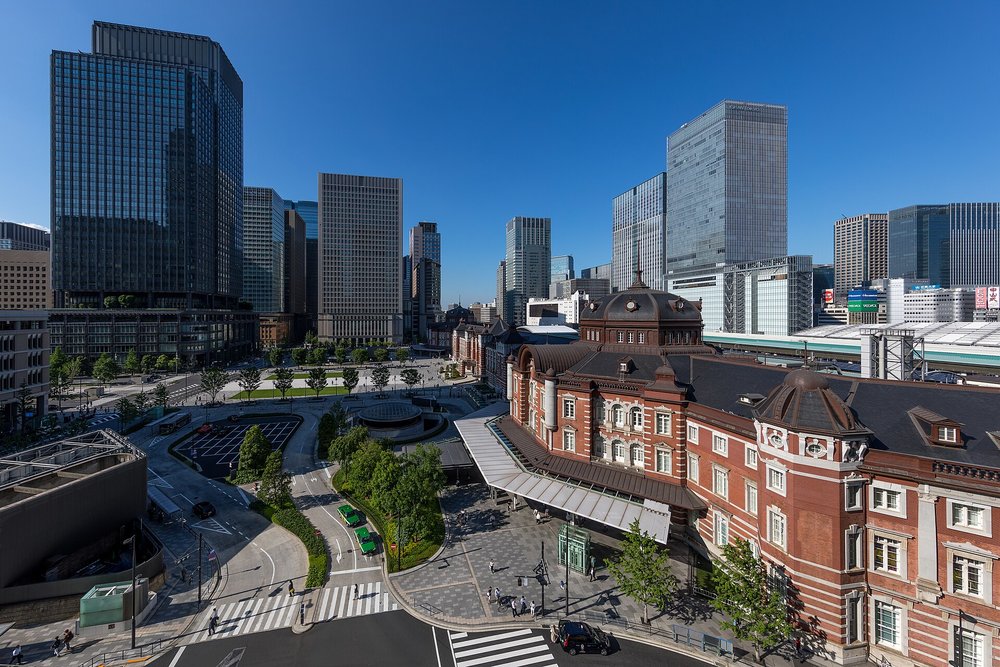
Tokyo Station Marunouchi Building, a red-brick landmark that opened in 1914. Architect Kingo Tatsuno designed it, and it's now a national Important Cultural Property.
Much of the building was damaged in the 1945 air raids, and a major restoration finished in 2012 brought back its 1914 look, including the twin domes. It's free to admire from outside, so come by day for the brickwork and again in the evening when the building is lit up.
Highlight Section Name: 12 iconic landmarks in Tokyo and how to visit them
🕔Best time to go to the Tokyo Station Marunouchi Building: Evening, when the facade is lit up. Visit on a weekday morning for fewer crowds in front of the building.
🗺️How to get to the Tokyo Station Marunouchi Building: Take any JR line or the Tokyo Metro Marunouchi Line to Tokyo Station and follow the signs to the Marunouchi exits.
🎟️Entry fee: Free to view the exterior.
🧭Nearby: Imperial Palace, about a 10-minute walk away.
📍 4. Imperial Palace
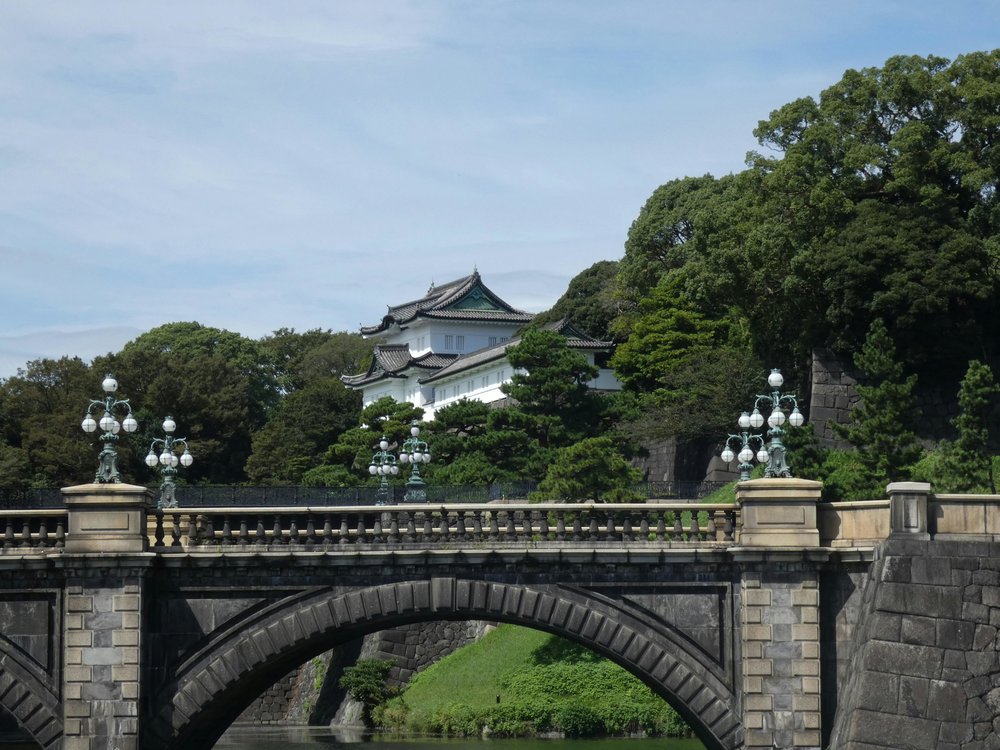
Right in the centre of Tokyo sits one of the most significant landmarks in Tokyo, the
Imperial Palace. This is the main residence of Japan's Emperor and Imperial Family. The palace grounds cover 1.15 square kilometres and sit on land that was once the site of Edo Castle, the seat of power for the Tokugawa shoguns for over 250 years.
The inner palace isn't open for walk-in visits, but the East Gardens are free to enter and show off the old stone walls and moats that once protected the castle. The open lawns of Kokyo Gaien National Garden next door are popular for jogging and picnics.
Highlight Section Name: 12 iconic landmarks in Tokyo and how to visit them
🕔Best time to go to the Imperial Palace: The East Gardens are closed on Mondays and Fridays. They open at 9am and close between 4pm (November to February) and 6pm (mid-April to August), with last entry 30 minutes earlier. Spring (cherry blossoms) and autumn (red and gold leaves) make the walk especially scenic.
🗺️How to get to the Imperial Palace: Take the Tokyo Metro Chiyoda Line to Nijubashimae Station, or the JR lines to Tokyo Station. It's about a 10-minute walk from Tokyo Station.
🎟️Entry fee: Free (East Gardens and Kokyo Gaien National Garden).
🧭Nearby: Tokyo Station Marunouchi Building, about a 10-minute walk away.
📍 5. Nihonbashi
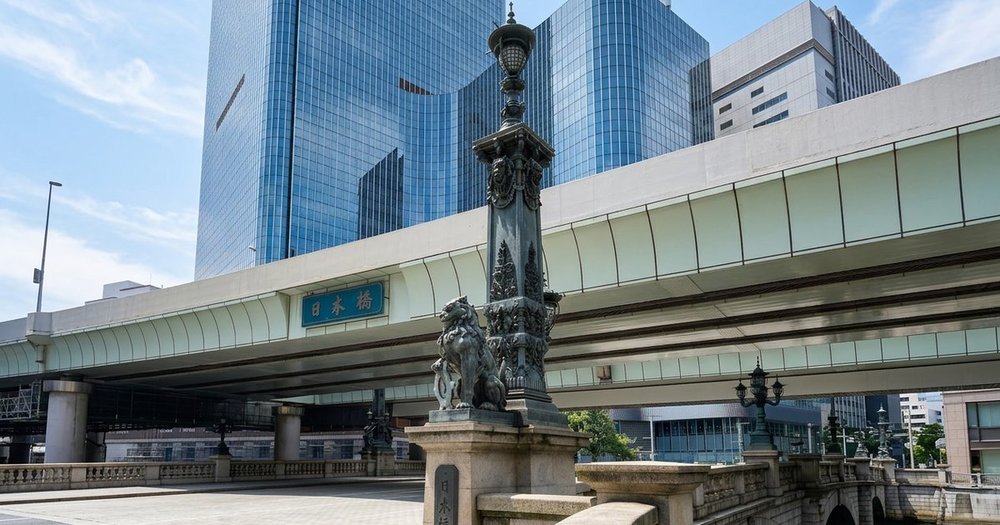
Nihonbashi means "Japan Bridge," and it was the starting point of Japan's main roads in the Edo period. The first wooden bridge was built in the early 1600s, and today's stone bridge dates to 1911, with carved lions and
kirin (mythical creatures) on its pillars. You'll find the
Nihonbashi area tucked between Tokyo Station and Ginza.
Look for the Zero Milestone in the middle of the bridge. Distances to Tokyo on Japanese highways are measured from this point. An expressway runs right above the bridge, but there are plans to move it underground in the coming years.
Highlight Section Name: 12 iconic landmarks in Tokyo and how to visit them
🕔Best time to go to Nihonbashi: Weekend mornings, when there is less traffic around the bridge.
🗺️How to get to Nihonbashi: Take the Tokyo Metro Ginza Line or Tozai Line, or the Toei Asakusa Line, to Nihombashi Station. The bridge is right outside.
🎟️Entry fee: Free
🧭Nearby: Tokyo Station, about a 10-minute walk away, and the Mitsukoshi and COREDO shopping areas.
📍 6. Kabukiza
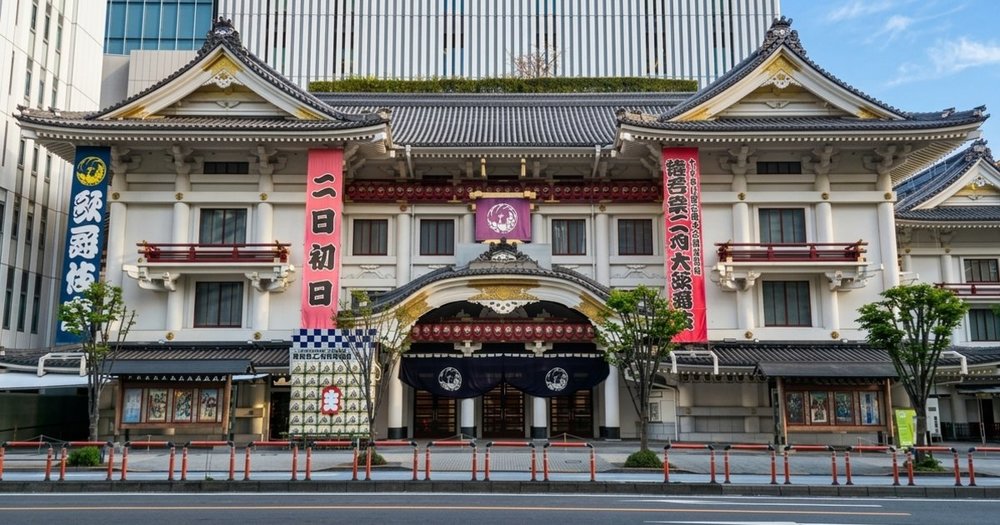
Kabukiza is Tokyo's home of kabuki (a traditional Japanese theatre style with dramatic makeup and costumes). The theatre first opened in 1889, and the current building, completed in 2013, keeps the grand traditional facade with a modern tower rising behind it.
You don't need to sit through a full show, which can run for hours. Single-act tickets let you watch just one act, and English earphone guides are available. Even if you only stop outside for photos, the building is worth the detour.
Highlight Section Name: 12 iconic landmarks in Tokyo and how to visit them
🕔Best time to go to Kabukiza: Daytime for photos of the facade. Check the official Kabukiza schedule for performance times.
🗺️How to get to Kabukiza: Take the Tokyo Metro Hibiya Line or the Toei Asakusa Line to Higashi-ginza Station. The theatre is right at the station.
🎟️Entry fee: Free to see from outside. Single-act tickets are sold separately, and prices vary by show.
🧭Nearby: Ginza shopping district, and Nihonbashi a short train ride away.
📍 7. Tokyo Tower
Before Skytree took the crown,
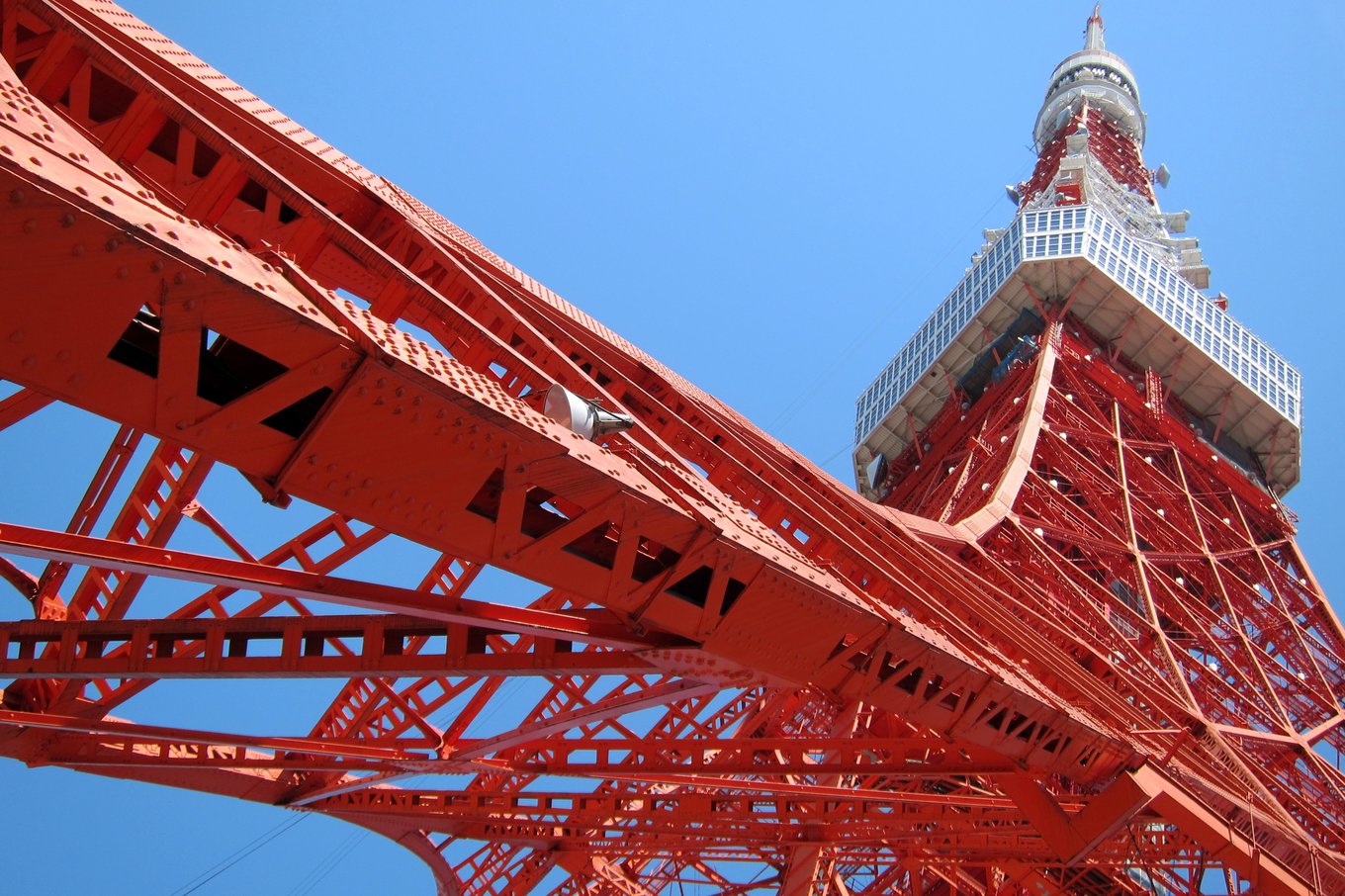
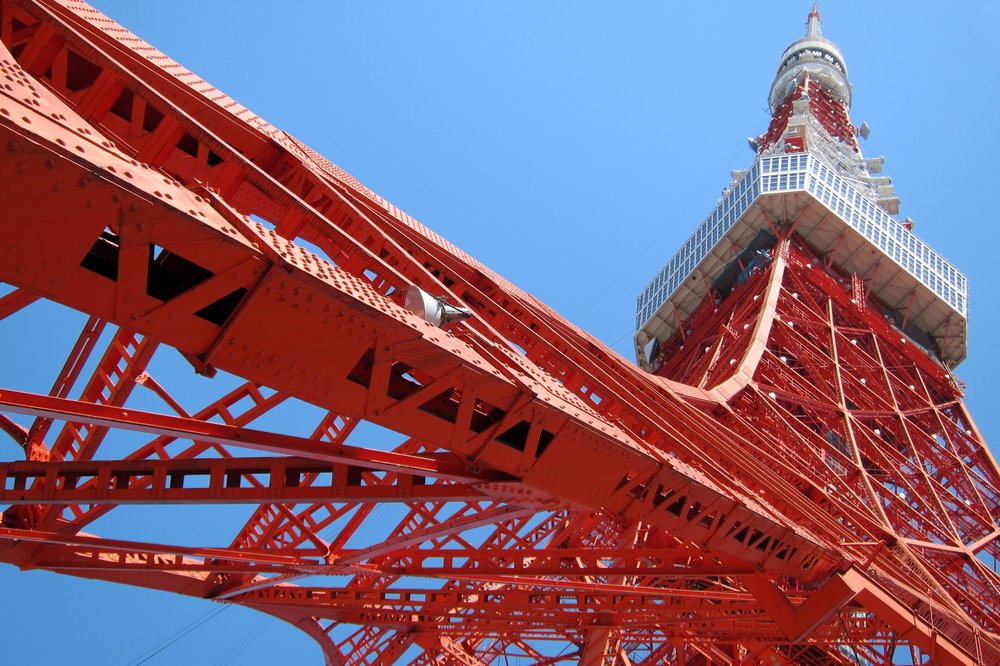
Tokyo Tower was the tallest structure in the country. Built in 1958, this orange-and-white steel tower stands at 333 metres and was inspired by the Eiffel Tower in Paris. It served as a broadcast tower for TV and radio for decades. Today, it's one of the most recognisable landmarks in Tokyo.
The tower glows beautifully at night, and spotting it from across the city skyline never gets old. Inside, you'll find two observation decks: the Main Deck at 150 metres and the Top Deck at 250 metres. Pick up a
Tokyo Tower ticket for the Main Deck, where you get wide views of the city on a clear day.
Highlight Section Name: 12 iconic landmarks in Tokyo and how to visit them
🕔Best time to go to Tokyo Tower: Evenings are magical when the tower lights up. Clear winter days offer the best visibility, with Mount Fuji sometimes visible in the distance. The tower is open daily, usually 9am to 11pm.
🗺️How to get to Tokyo Tower: Take the Toei Oedo Line to Akabanebashi Station (Akabane-bashi Exit) and walk about 5 minutes. Or take the Tokyo Metro Hibiya Line to Kamiyacho Station (about 7 minutes on foot).
🎟️Entry fee: Main Deck from 1,500 JPY (about 7 GBP). The Top Deck costs extra.
🧭Nearby: Zojo-ji Temple and Shiba Park, right at the foot of the tower.
📍 8. Rainbow Bridge
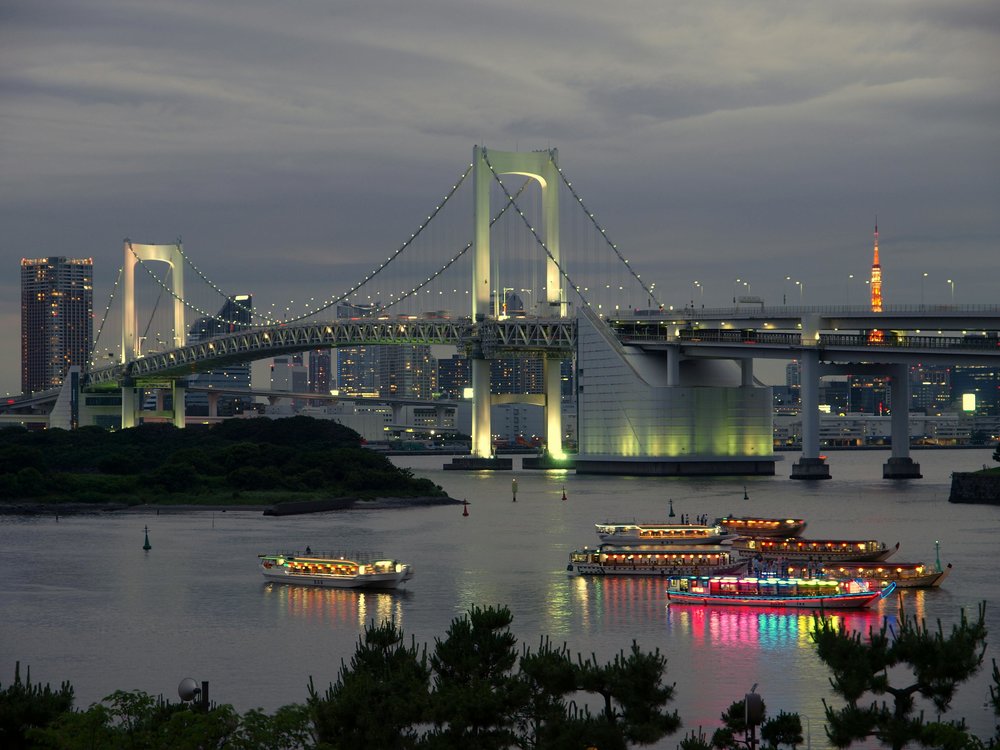
This suspension bridge stretches 798 metres across Tokyo Bay, connecting Shibaura in Minato to Odaiba.
Rainbow Bridge is one of the city's most photographed spots, especially at night when it lights up against the bay.
You can walk the bridge's pedestrian walkway, the Rainbow Promenade, for free. It's about 1.7 kilometres one way, with wide views of Tokyo Bay, the Odaiba waterfront and the city skyline.
For a different angle, book the
Tokyo Bay sunset cruise, which sails under the bridge with views across the bay. It's a relaxed way to end a day of Tokyo sightseeing.
Highlight Section Name: 12 iconic landmarks in Tokyo and how to visit them
🕔Best time to go to Rainbow Bridge: Late afternoon for the walk, since the promenade closes at 6pm between November and March (9pm between April and October) and on the third Monday of each month. For the lit-up bridge, view it from Odaiba Seaside Park or from a cruise.
🗺️How to get to Rainbow Bridge: Take the Yurikamome Line from Shimbashi Station and get off at Shibaura-futo Station. The promenade entrance is about a 5-minute walk from there. You can also take the Tokyo Water Bus from Hinode Pier for a scenic approach.
🎟️Entry fee: Free
🧭Nearby: Odaiba Seaside Park, just across the bridge.
📍 9. Tokyo Metropolitan Government Building
Designed by architect Kenzo Tange and finished in 1990, the
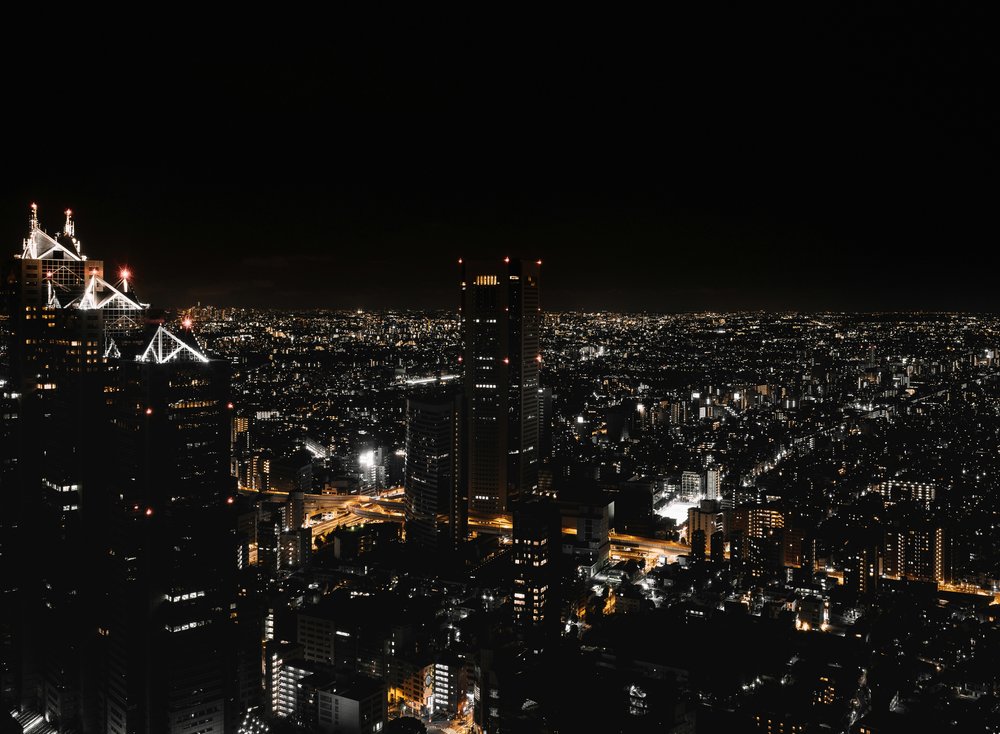
Tokyo Metropolitan Government Building is one of the most striking pieces of modern architecture in Tokyo. Its twin towers are often said to echo both a microchip and a Gothic cathedral.
The big draw is that the observatories are free, which makes this one of the best free things to do in Tokyo. Both the North and South Observatories sit on the 45th floor at 202 metres, with wide views over Shinjuku and Mount Fuji on a clear day. Go around sunset to watch the city lights come on.
Highlight Section Name: 12 iconic landmarks in Tokyo and how to visit them
🕔Best time to go to the Tokyo Metropolitan Government Building: Sunset or early evening. The South Observatory is closed on the first and third Tuesday of each month, and the North Observatory on the second and fourth Monday, so pick the open one.
🗺️How to get to the Tokyo Metropolitan Government Building: Take the Toei Oedo Line to Tochomae Station, or walk about 10 minutes from the west exit of JR Shinjuku Station.
🎟️Entry fee: Free
🧭Nearby: Shinjuku Gyoen National Garden, a short train ride away.
📍 10. Shinjuku Gyoen National Garden
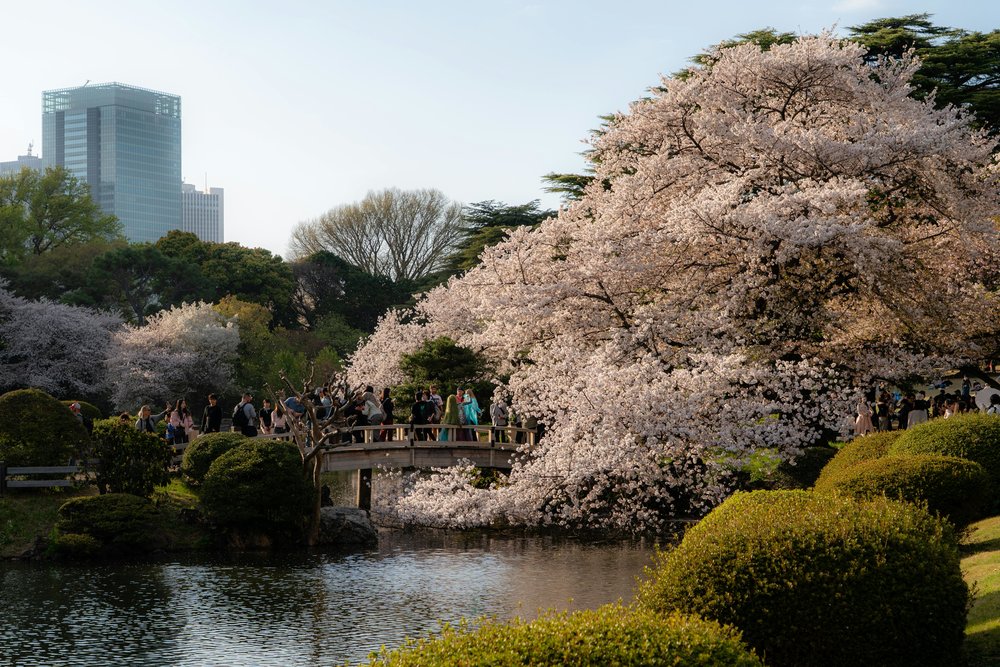
Need a break from the city noise? Head straight to Shinjuku Gyoen National Garden. This park covers about 58 hectares right in the heart of Tokyo, less than half the size of Kew Gardens (about 132 hectares).
It has three different garden styles: French formal, English landscape, and traditional Japanese. That alone makes it one of the most unique green spaces in all of Japan.
Shinjuku Gyoen is especially famous during cherry blossom season (late March to early April), when thousands of sakura trees burst into bloom (see our
Tokyo cherry blossom guide). It's hands-down one of the best spots in the city for
hanami (flower viewing). Autumn is just as good, with foliage peaking between mid-November and early December.
The park also has a greenhouse filled with tropical plants that's worth exploring year-round. Grab a
Shinjuku Gyoen ticket before you go.
Highlight Section Name: 12 iconic landmarks in Tokyo and how to visit them
🕔Best time to go to Shinjuku Gyoen: Late March to early April for cherry blossoms; mid-November to early December for autumn foliage. The park is closed on Mondays, except during some peak seasons, and it closes at 4.30pm between October and mid-March.
🗺️How to get to Shinjuku Gyoen: Take the Tokyo Metro Marunouchi Line to Shinjuku-gyoemmae Station. The main entrance is just a 5-minute walk away.
🎟️Entry fee: 500 JPY (about 2.40 GBP) for adults.
🧭Nearby: Meiji Jingu Shrine, a short train ride away.
📍 11. Meiji Jingu Shrine
In Harajuku,
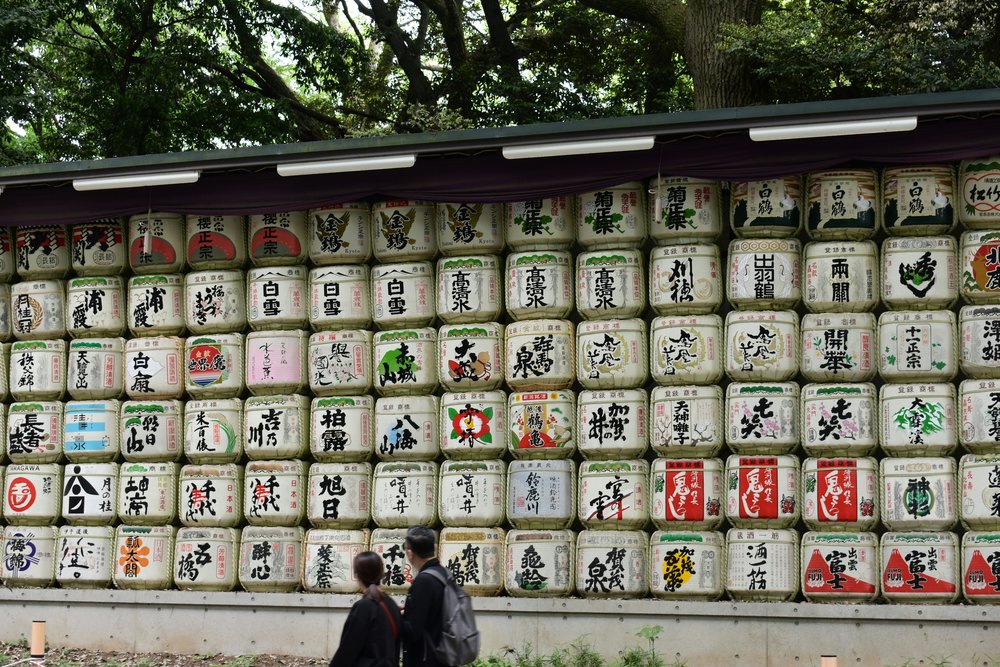
Meiji Jingu Shrine is a popular shrine in the middle of one of the world's busiest cities. It was built in 1920 to honour Emperor Meiji and Empress Shoken, two key figures in Japan's modernisation. Over 100,000 trees from across Japan were donated to create the surrounding forest.
Every New Year, over 3 million people visit Meiji Jingu to pray for good fortune, making it the most visited Shinto shrine in Japan during that time. Join the
Meiji Shrine walking tour to learn the deep history and traditions of this sacred place from an expert guide.
Highlight Section Name: 12 iconic landmarks in Tokyo and how to visit them
🕔Best time to go to Meiji Jingu Shrine: Early morning for a crowd-free experience. The shrine opens at sunrise and closes at sunset. Avoid New Year's week unless you want to join the crowds for the traditional hatsumode (first shrine visit of the year).
🗺️How to get to Meiji Jingu Shrine: Take the JR Yamanote Line to Harajuku Station or the Tokyo Metro Chiyoda Line to Meiji-Jingumae Station. The shrine entrance is just a short walk from either.
🎟️Entry fee: Free (the Inner Garden has a small separate fee).
🧭Nearby: Takeshita Street in Harajuku, and Shibuya Crossing one stop away on the JR Yamanote Line.
📍 12. Shibuya Crossing
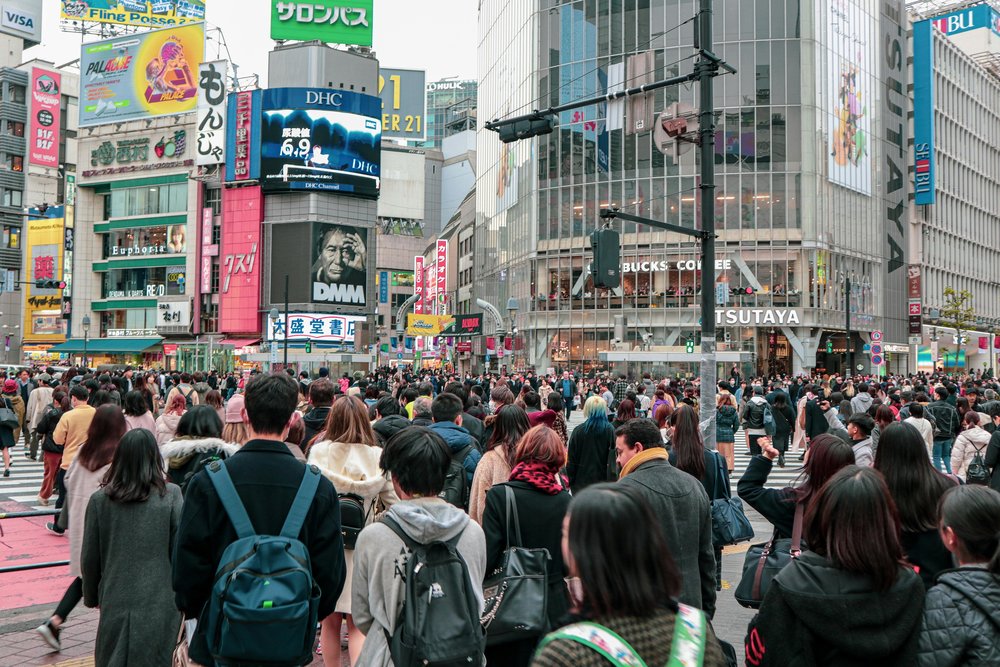
No trip to Tokyo is complete without going to
Shibuya Crossing. Also known as the Shibuya Scramble, this is often called the world's busiest pedestrian intersection. Up to 3,000 people cross at the same time when the light turns green.
The best way to see it? Head to
SHIBUYA SKY, the rooftop observation deck of Shibuya Scramble Square, for a bird's-eye view of the madness below. The views are superb, especially at night when the neon lights come alive.
Before you leave, say hello to the
Hachiko Memorial Statue right outside Shibuya Station. Hachiko, an Akita dog, waited at this spot for his late owner for nearly 10 years until his own death in 1935. The statue is free to visit and one of the most popular meeting spots in Tokyo.
Highlight Section Name: 12 iconic landmarks in Tokyo and how to visit them
🕔Best time to go to Shibuya Crossing: Early evening (around 7pm to 9pm) when the lights are glowing and pedestrian traffic is at its peak. Weekends are especially lively.
🗺️How to get to Shibuya Crossing: Take the JR Yamanote Line, Tokyo Metro, or Tokyu lines to Shibuya Station. The crossing is right outside the Hachiko Exit.
🎟️Entry fee: Free for the crossing and the Hachiko statue. SHIBUYA SKY requires a ticket, starting from 2,700 JPY (about 13 GBP) for entry before 3pm.
🧭Nearby: Hachiko Statue, steps from the crossing, and Meiji Jingu Shrine one stop away on the JR Yamanote Line.
Final thoughts on landmarks in Tokyo
The 1,400-year-old Senso-ji Temple and the glass towers of Shibuya show how these Tokyo landmarks blend old and new. Pick a couple of neighbourhoods, follow the nearby tips above, and you'll cover a lot of ground in a day or two. It's good value too, since most of these stops are free.
With direct flights taking about 14 hours, aim for at least four or five days to see all 12, or fold Tokyo into a longer Japan holiday. Winters feel similar to a British one, with January averaging around 5°C, though usually drier and brighter, so pack a warm coat. Lock in your Skytree, Tokyo Tower and SHIBUYA SKY tickets ahead of time, and add a guided walking tour in Asakusa or around the Imperial Palace to hear the stories behind each stop. Pack a Type A plug adapter too, since Japan uses 100V sockets and UK Type G plugs will not fit.
Contactless cards work at most big attractions, but carry some yen in cash for small stalls and shrine offerings. A rechargeable Suica card works like an Oyster card on trains. Cherry blossom season (late March to early April) often lines up with the Easter holidays, and foliage season (mid-November to early December) suits a late-autumn break, so book popular tickets early.
FAQs about landmarks in Tokyo
What are the most famous landmarks in Tokyo?
Some of the most famous landmarks in Tokyo are Senso-ji Temple, Tokyo Tower, Tokyo Skytree, and Shibuya Crossing. Senso-ji is the city's oldest temple, Tokyo Tower is its best-known steel icon, and Shibuya Crossing is famous worldwide for its crowds. For a quick mix of old and new, start with those four, then add Meiji Jingu and the Imperial Palace.
What is the oldest landmark in Tokyo?
Senso-ji Temple in Asakusa is the oldest temple in Tokyo. According to legend, it was founded in 628 AD, after two brothers pulled a statue of the Buddhist goddess Kannon out of the Sumida River. The temple has been rebuilt several times, including after World War II, but it's still one of the most visited landmarks in Tokyo.
Which is taller, Tokyo Skytree or Tokyo Tower?
Tokyo Skytree is much taller. It stands at 634 metres, which makes it the tallest tower in the world, while Tokyo Tower stands at 333 metres. Skytree's highest deck, the Tembo Galleria, is at 450 metres, compared with 250 metres for Tokyo Tower's Top Deck. Both are worth a visit: Skytree for the highest view, and Tokyo Tower for its retro charm and central location.
Are there free landmarks to visit in Tokyo?
Yes! Many of the best landmarks in Tokyo are free, including Senso-ji Temple, Meiji Jingu Shrine, the Imperial Palace East Gardens, the Tokyo Station Marunouchi Building, Nihonbashi and Shibuya Crossing. The observatories at the Tokyo Metropolitan Government Building are also free, which makes them a rare chance to see the city skyline without paying. Just check closing days first, since the East Gardens, for example, are closed on Mondays and Fridays.
Can you go inside the Imperial Palace in Tokyo?
You can't walk into the inner palace, where the Emperor lives, but there are two ways to see the grounds. The East Gardens are free and open to everyone, except on Mondays and Fridays. The Imperial Household Agency also runs free guided tours of the palace grounds, which need a reservation, so check its official website for the latest schedule. If you'd like the history explained, a guided walking tour is another good option.
What are the best modern landmarks in Tokyo?
Tokyo Skytree tops the list as the tallest tower in the world and a marvel of modern engineering. Shibuya Scramble Square, home to the SHIBUYA SKY rooftop deck, is another great example of Tokyo's modern urban design. The Tokyo Metropolitan Government Building and Rainbow Bridge round out the list, and together these spots show just how exciting Tokyo's modern skyline is.
How many days do you need to see Tokyo's main landmarks?
Plan for four or five days to see all 12 landmarks in Tokyo without rushing; in one day, you can cover a cluster, such as Asakusa and Skytree, or Tokyo Station, the Imperial Palace, Nihonbashi and Ginza. To see several landmarks in one loop, hop on the
Skyhop hop-on hop-off bus and get off wherever you like, which suits families and anyone who wants to skip the long walks. For more planning help, read our
Japan travel tips.
More Tokyo guides for you
What is Klook?
Klook is a leading pan-regional experiences platform in Asia Pacific, purpose built to digitalize experiences and make them accessible to every traveler.
Our mission is to build the digital infrastructure for the global experience economy — empowering merchants to share their passions and travelers to discover the heartbeat of each destination. We operate a mobile-first, curated platform featuring diverse experiences across global destinations.