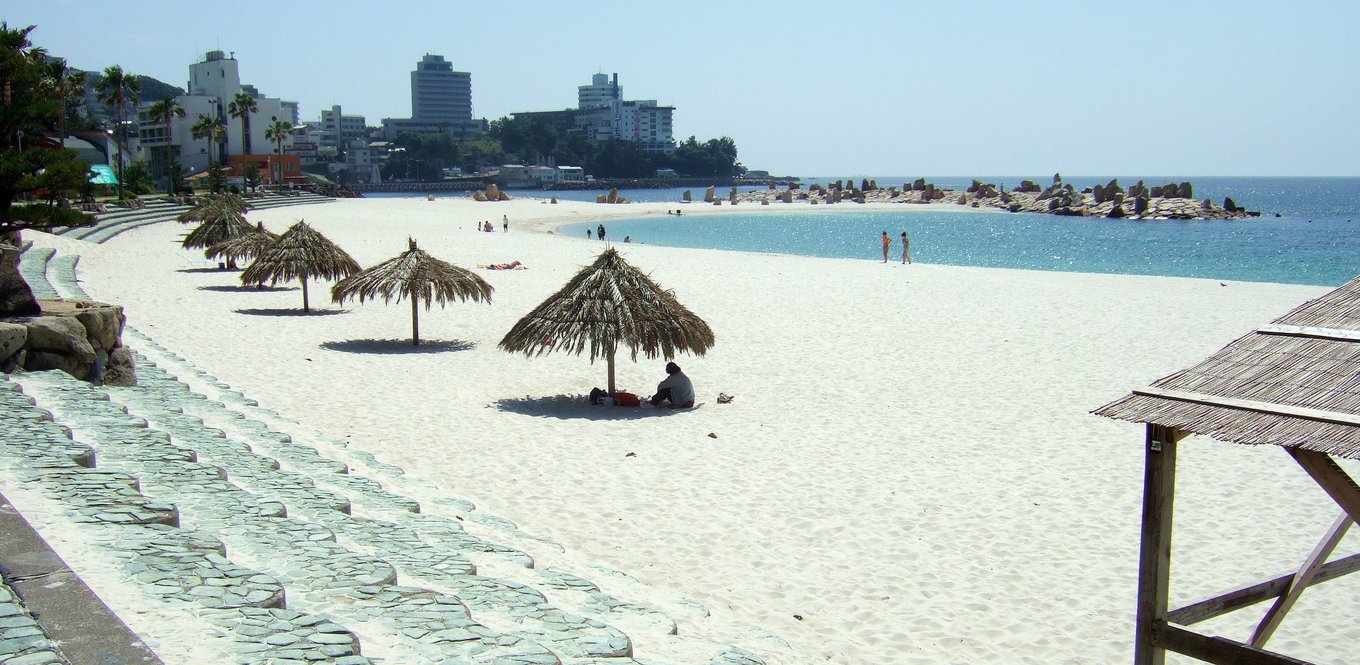
Used to Brighton and Cornwall? Japan's beach season is short, and a beach day near Tokyo takes a little planning. The waterfront in Central Tokyo is better for views than swimming, but the best beaches near Tokyo are one to three hours away by train. There are even real beaches in Tokyo itself, out on the Izu Islands. 🏄
Direct flights from London take about 13 to 14 hours, and Tokyo is 8 hours ahead of UK time in summer (9 hours once the clocks go back). That makes a Tokyo beach day best as part of a longer holiday rather than a quick weekend break, such as a week in Tokyo with a day trip to the coast. Here are 13 beaches around Japan's capital, grouped by area, with travel time, swim rules and what each one is best for. Most are public beaches, and your main costs are train fares, rentals and the occasional boat ticket.
The official swimming season runs early July to the end of August, so the late May half-term is too early. Plan your next Tokyo beach day trip around the summer holidays instead.
Central Tokyo
1. Odaiba Beach
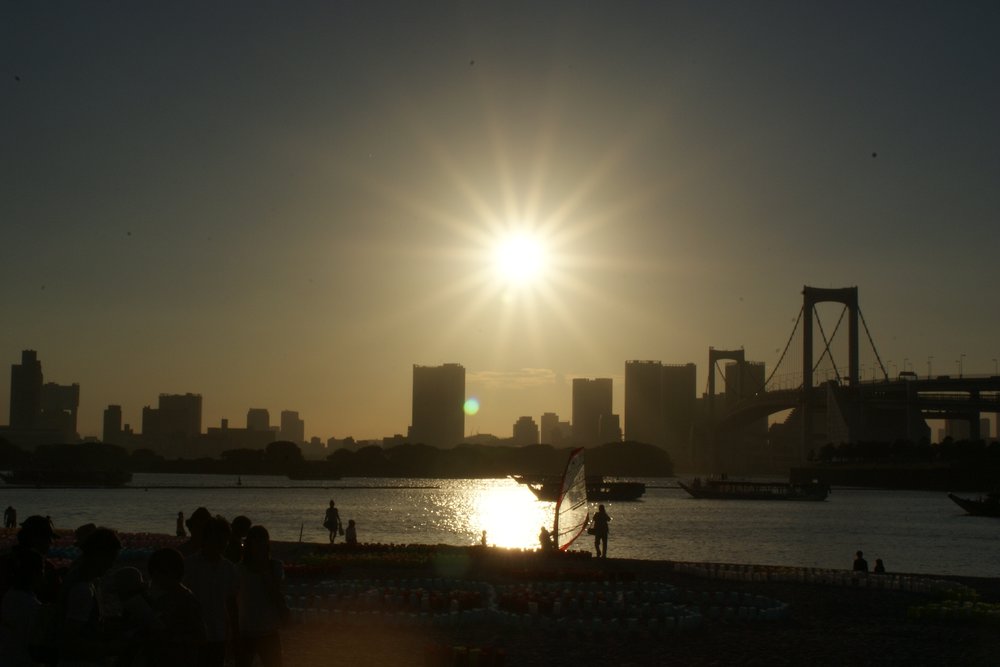
Catch a quiet sunset in the heart of the city at Odaiba Beach.
Odaiba Beach is a man-made beach on Tokyo Bay, with Rainbow Bridge and the skyline as your backdrop. Swimming is not allowed. Come for sunset walks and sea views.
Odaiba also has malls and waterfront attractions nearby, which makes it easy to turn a short beach stop into a half-day. Skip it if swimming is the goal, but it's an easy add-on to a Tokyo itinerary.
- Getting there: About 20 to 30 minutes from central Tokyo on the Yurikamome Line or Rinkai Line to Odaiba
- Swimming: Not allowed
- Best for: Sunset walks and skyline views
Highlight Section Name: [en] Best Beaches Near Tokyo
Klook Tip: Time your walk for sunset, then stay into the evening to see the city lights of Tokyo and the illuminated Rainbow Bridge.
2. Kasai Rinkai Park Beach
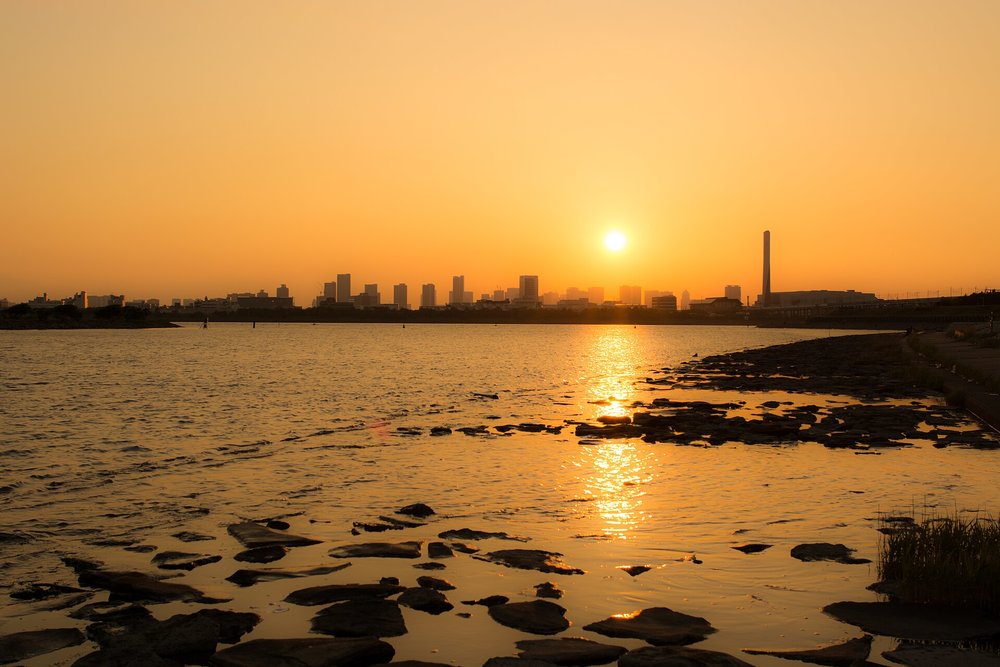
Do a lot more than just swimming at Kasai Rinkai Park.
There's a lot to do at Kasai Rinkai Park. The park has an aquarium, a Ferris wheel and a bird sanctuary, plus two beaches. It's a good stop with kids.
The east beach is a protected conservation area and closed to the public. Swimming at the west beach is only allowed on designated summer days in a marked zone, usually mid-July through late August. Check the official park page before you go.
- Getting there: About 15 to 20 minutes from Tokyo Station on the JR Keiyo Line to Kasairinkaikoen Station, then an 11-minute walk
- Swimming: Limited; only in the marked zone on designated summer days
- Best for: Families and anyone combining a beach walk with the aquarium
Shonan Coast
Shonan, in Kanagawa, is the classic choice for swimming near Tokyo. These beaches are lively in July and August, and they're all reachable by train.
3. Kugenuma Beach
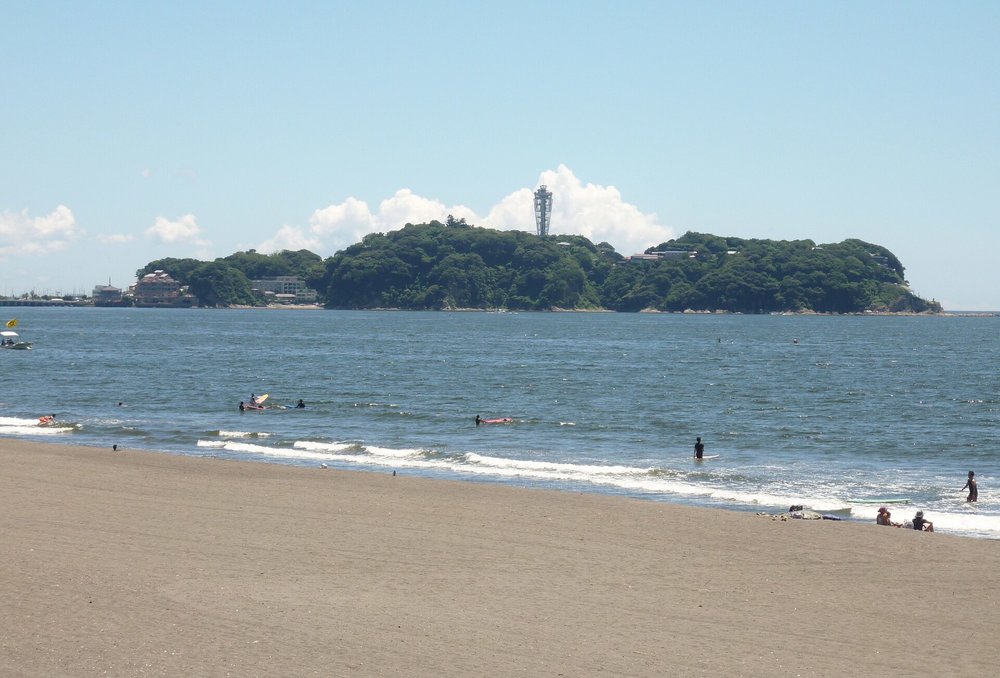
Surfers will love Kugenuma Beach!
Roughly an hour from Shinjuku, Kugenuma Beach is a top surfing spot in Kanagawa and a more relaxed part of the Shonan Coast.
You can also swim in season, play volleyball or tennis on the courts, or just sunbathe. Beach huts and rental shops line the sand.
- Getting there: About 1 hour from Shinjuku on the Odakyu Enoshima Line to Kugenuma-Kaigan Station, then a short walk
- Swimming: Allowed in season
- Best for: Surfing and beach sports
4. Katase Higashihama Beach (Enoshima)
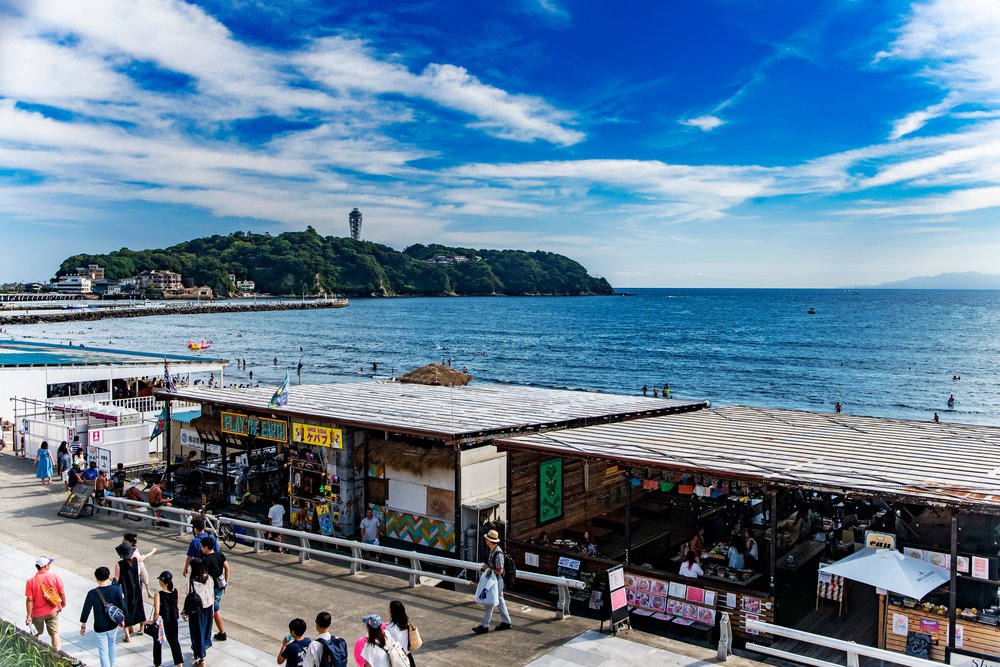
Have fun at both Enoshima beaches!
Enoshima beach is really two beaches by the bridge to Enoshima Island. Higashihama, on the east side, has shallow water, while Nishihama, just west, is livelier with beach houses serving food and showers.
Lifeguards patrol the main beaches in season. After your swim, the Enoshima Island all-access pass covers the Enoshima Escar, Sea Candle, Aquarium and Iwaya Caves. It's worth considering if you plan to visit more than one of them, since you won't have to buy each ticket separately.
- Getting there: About 70 minutes from Shinjuku on the Odakyu Line to Katase-Enoshima Station, then a 5-minute walk
- Swimming: Allowed in season, with lifeguards
- Best for: Easy day trips and the lively beach scene
5. Yuigahama Beach (Kamakura)
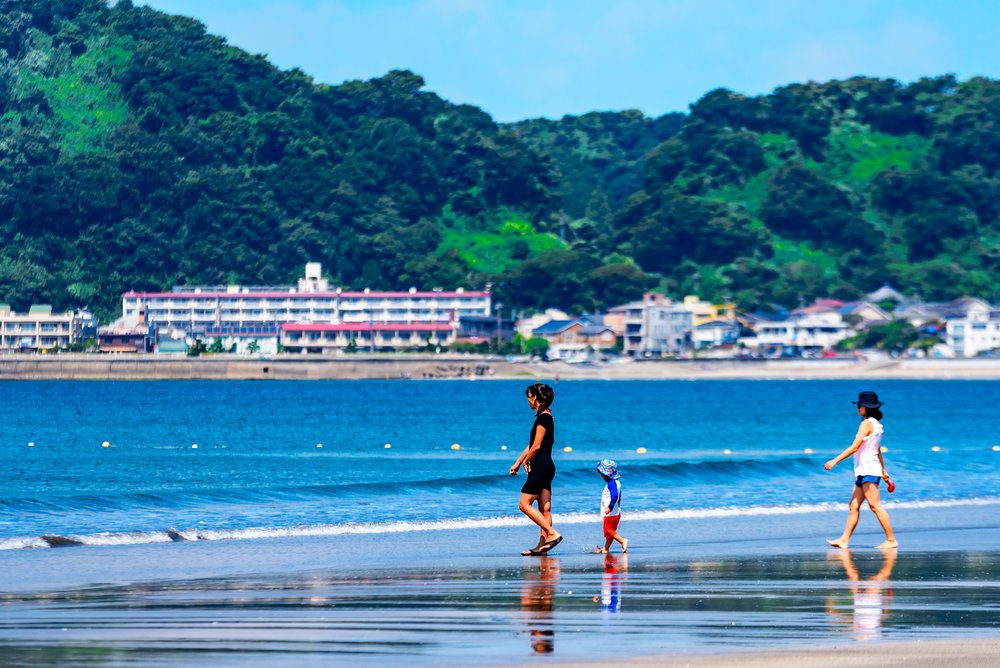
Swimming with kids? Try Zaimokuza Beach!
Like Enoshima, Kamakura has two popular swimming beaches. Yuigahama is the largest and gets crowded in summer, while Zaimokuza, right next to it, is a bit more family-friendly and popular for windsurfing.
Both pair easily with temples and the Great Buddha. A Kamakura day trip from Tokyo covers the highlights, or add Enoshima and Yokohama on a Kamakura, Enoshima and Yokohama tour with an Enoden train ride.
- Getting there: About 1 to 1.5 hours from Tokyo on the JR Yokosuka Line to Kamakura Station, then a 15 to 20 minute walk or an Enoden ride
- Swimming: Allowed in season, with lifeguards
- Best for: Swimming and pairing a beach with sightseeing
Miura Peninsula
6. Zushi Beach
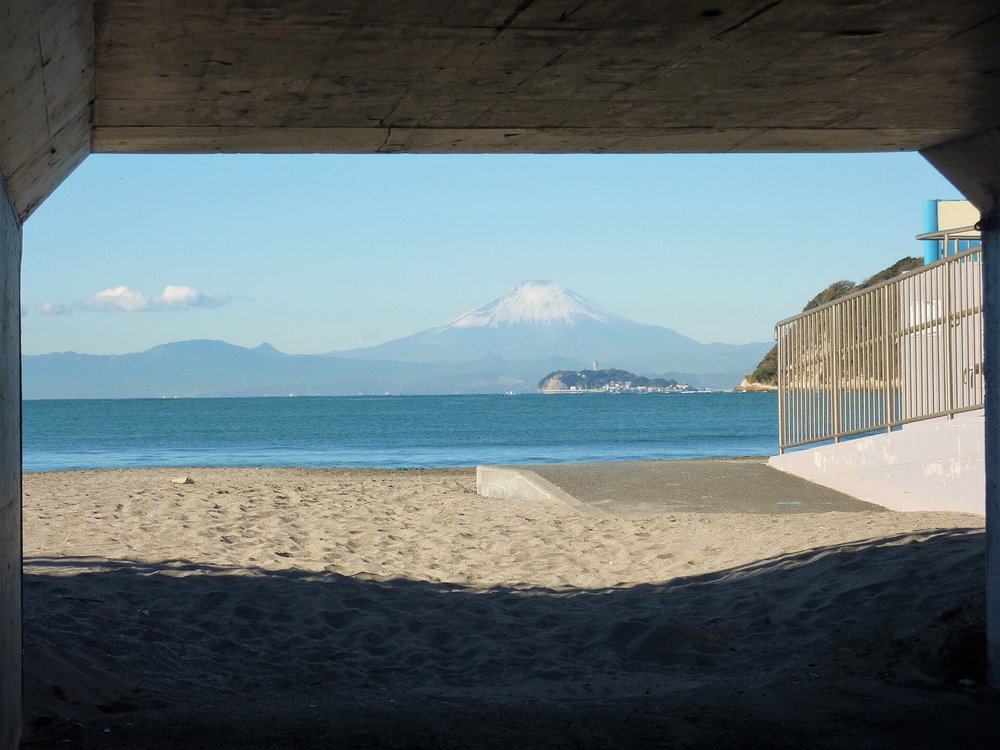
Catch Mount Fuji views from Zushi Beach.
Zushi Beach sits close to Kamakura, and the two pair well on one trip. On a clear day, you can see Enoshima Island and Mount Fuji from the shore. Our Tokyo to Mount Fuji guide covers getting closer to the mountain.
The water is calm and shallow, which suits swimming and paddle boarding. Stay for the sunset, which is one of the best parts of a day here.
- Getting there: About 1 hour from Tokyo Station on the JR Yokosuka Line to Zushi Station, then 10 to 15 minutes on foot
- Swimming: Allowed in season, with lifeguards
- Best for: Families and paddle boarding
7. Jogashima Island
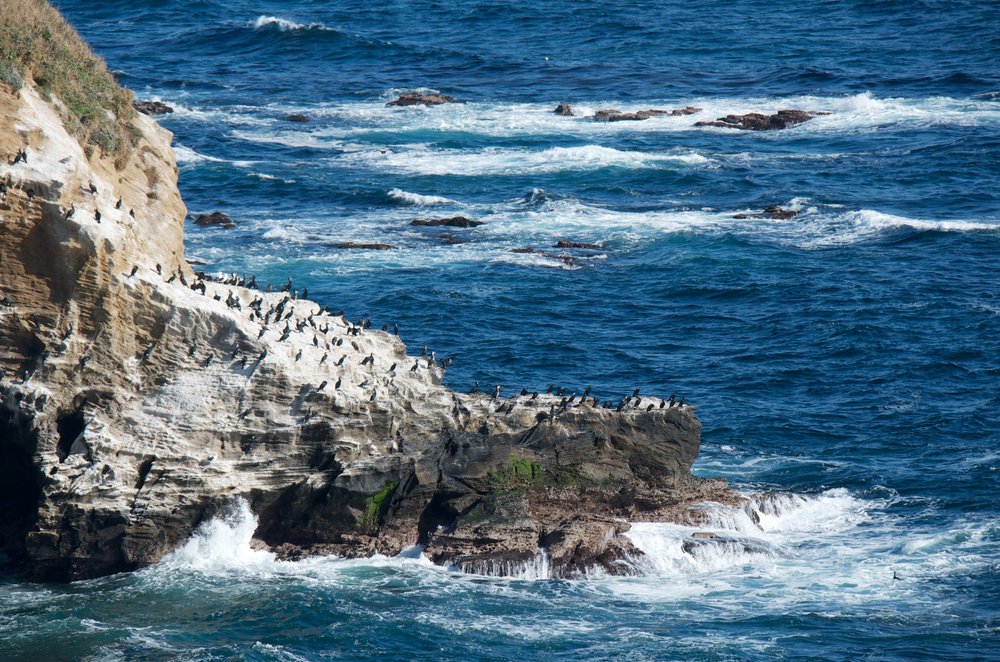
Feeling adventurous? Head to Jogashima Island for coastal walks and snorkelling!
Jogashima Island is one of the more underrated beaches near Tokyo, about 90 minutes away by train and bus. The coast is rocky, so water shoes are a must.
There's no designated swimming beach, but the area is popular for coastal walks and snorkelling, and the water is often clearer than at other Kanagawa beaches. The Misaki Maguro day trip ticket bundles the Keikyu train and bus, so getting here is simple.
- Getting there: About 90 minutes from Tokyo: Keikyu Line out of Shinagawa, getting off at Misakiguchi Station (70 to 80 minutes), then a Keikyu bus (20 to 30 minutes)
- Swimming: No designated swimming area; follow local signs
- Best for: Snorkelling, rock pools and coastal hikes
Highlight Section Name: [en] Best Beaches Near Tokyo
Klook Tip: Hiking is also a good activity on Jogashima Island. Look for rock pools along the way and give your feet a nice little soak.
Boso Peninsula
Across Tokyo Bay, the Boso Peninsula in Chiba is the surf-friendly side of the coast. The beaches are wide, a bit wilder than Shonan, and good for a weekend trip.
8. Onjuku Beach
Onjuku is a laid-back seaside town with a wide, white-sand beach and a steady surf scene. The official swimming season is 1 July to 31 August, and the rest of the year it's a quiet beach village.
Expect city crowds on summer weekends, and come early for a quieter spot on the sand.
- Getting there: About 80 to 90 minutes from Tokyo Station on the Wakashio limited express (limited express ticket required); the Keiyo and Sotobo lines are cheaper but take about an hour longer
- Swimming: Allowed 1 July to 31 August
- Best for: Surfing and a relaxed beach town
9. Kujukuri Beach
Kujukuri is a very long stretch of sand, about 66 km. That keeps it from feeling packed, and it's popular for surfing, with rougher waves than in Kanagawa.
A car makes it easier to explore the coastline. Stick to patrolled areas and follow the flags and signs before you swim.
- Getting there: About 2 hours from Tokyo: Wakashio limited express to Oami (about 50 minutes), Togane Line to Togane, then a bus (about 30 minutes)
- Swimming: Possible in summer; waves can be rough
- Best for: Surfing and long beach walks
Izu Peninsula
10. Shirahama Beach (Izu)
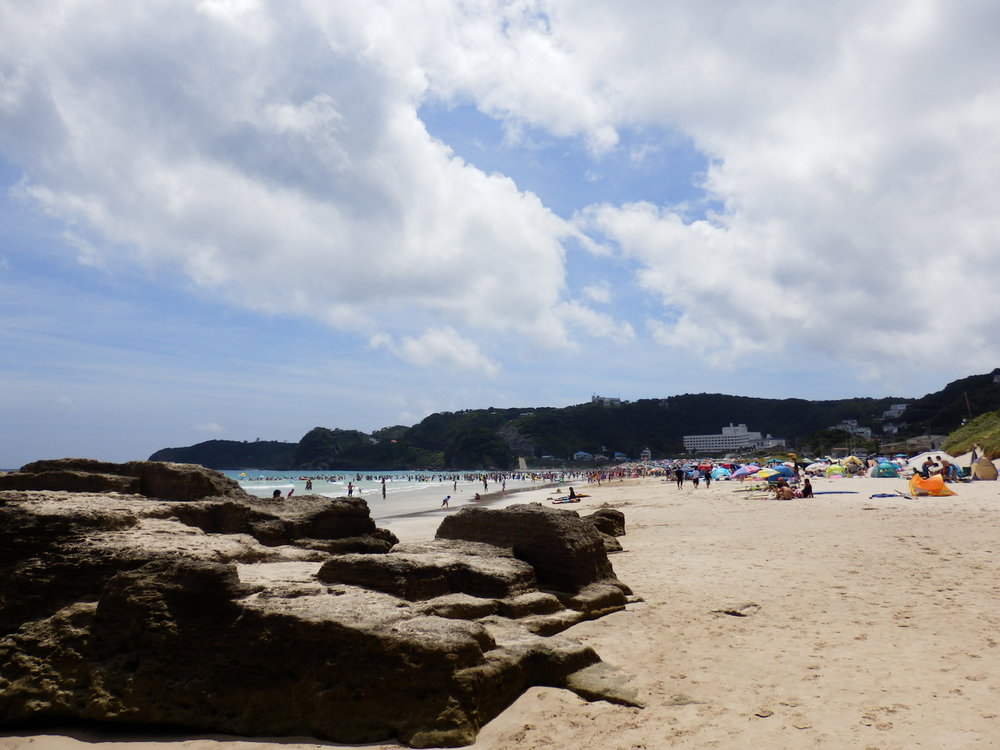
Sunbathe on the white sands of Shirahama Beach.
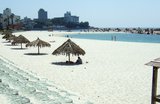
If Shirahama Beach Izu is on your list, you're in good company. It's the best-known beach on the Izu Peninsula, with clear water and wide stretches of white sand.
It's a long trip from Tokyo, so we suggest staying overnight in Shimoda, in Shizuoka Prefecture. Spend day one on the beach, then join an Izu day trip the next day to see Mt. Omuro and the Jogasaki Coast.
- Getting there: About 2 hours 45 minutes by Odoriko limited express out of Tokyo Station to Izukyu-Shimoda, then a short bus or taxi ride
- Swimming: Allowed in season
- Best for: Swimming and sunbathing on white sand
11. Hirizo Beach
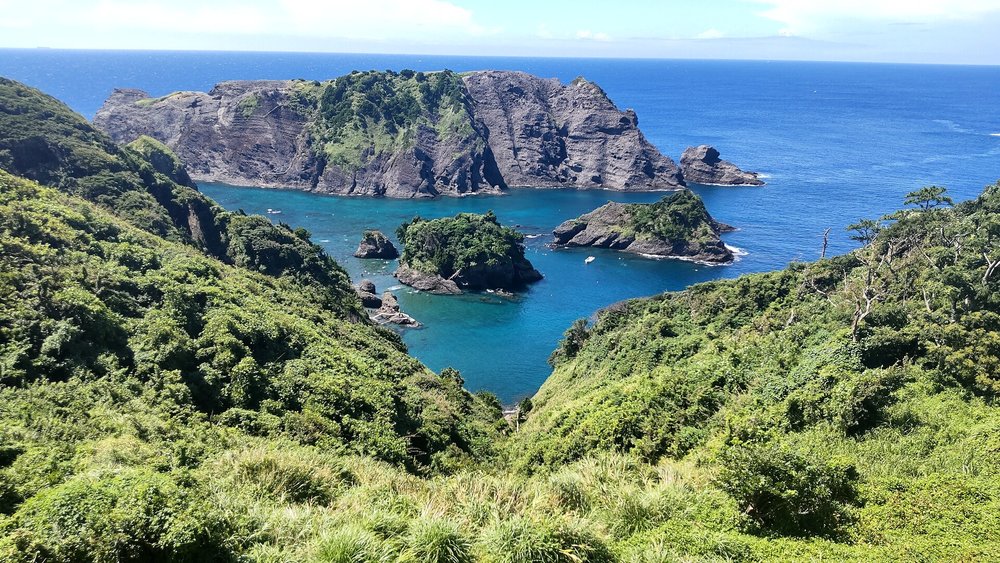
Have a fun time snorkelling at Hirizo Beach!
Hirizo Beach has some of the clearest water on the Izu Peninsula, which puts it at the top of the list if you love snorkelling. You may spot seasonal fish, turtles and anemones.
You can only reach it by a short boat ride from Nakagi Port, and the boats run early July through late September. A return ticket costs around 2,000 JPY (about 9.50 GBP) for adults, and services can be suspended in bad weather.
There are no permanent toilets on the beach, so bring food, water and snorkel gear.
- Getting there: About 2 hours 45 minutes to Shimoda by Odoriko, then a Tokai bus to the Nakagi stop and a short walk to Nakagi Port for the boat (check the bus timetable before you go)
- Swimming: Allowed; boats run early July through late September
- Best for: Snorkelling
Tokyo's Izu Islands
Yes, there are real beaches in Tokyo. The Izu Islands are part of Tokyo Metropolis, with clearer water than Tokyo Bay, plus surf and snorkelling. Jet ferries to Niijima leave Takeshiba Pier and take about 2.5 to 3.5 hours, while flights from Chofu Airport take around 35 to 40 minutes.
Highlight Section Name: [en] Best Beaches Near Tokyo
Klook Tip: Travel times assume normal weather, and ferries and flights can be disrupted by rough seas. Build in a buffer day or stay overnight so a delay doesn't cut your beach time short.
12. Habushiura Beach (Niijima)
Habushiura is the longest of Niijima's surf beaches, a white-sand stretch along the east coast that's popular with surfers and sunbathers. Surf shops on the island rent boards and offer lessons.
The waves are strong, so it isn't the best choice for beginner swimmers. For calmer water, try Maehama or the shallow north end of Mamashita Beach.
- Getting there: About 2.5 to 3.5 hours by jet ferry from Takeshiba Pier, or 35 to 40 minutes by plane from Chofu Airport
- Swimming: Best for confident swimmers; calmer water at Maehama and Mamashita
- Best for: Surfing
13. Tomari Beach (Shikinejima)
Shikinejima is a small island with calm, shallow, turquoise water, and Tomari Beach is its most popular beach. The sand is white and the water is easy to swim in, which makes it a good pick for families.
Snack and drink stands open in peak summer; otherwise, bring your own food and drinks. Nakanoura Beach on the same island is good for snorkelling.
- Getting there: About 2.5 to 3 hours by jet ferry from Takeshiba Pier, or fly to Niijima and take a short ferry (there's no direct Chofu flight)
- Swimming: Allowed; calm and shallow
- Best for: Families and snorkelling
Beach season and tips
Here's what to know about the Tokyo beach season before you go.
- Official swimming dates: The season usually runs early July through the end of August. Some Fujisawa and Zushi beaches stay open into early September, and dates change each year, so check each city's website.
- Lifeguards and flags: Lifeguards are only on duty at officially opened beaches and dates, so follow the flags, signs and lifeguard instructions.
- Jellyfish: Jellyfish tend to become more common around Obon in mid-August. Wear a rash guard and leave the water right away if you get stung.
- Beach houses (umi no ie): These seasonal huts sell food and drinks and rent out parasols, lockers and showers. Bring some yen, as cash is recommended for boat fares and small local stalls.
- Crowds: Weekends and Obon week are the busiest. Go on a weekday or arrive early, especially in mid-August.
- Power: Japan uses Type A and B plugs at 100 V, so your UK Type G plugs need an adapter. Chargers marked 100-240V need only the adapter, but check before plugging in anything rated for 230 V only.
Summer in Tokyo is hot and humid, well above a typical British summer. A rash guard helps on longer swims. Pack light, breathable clothes and book your day trips early for weekend dates. Our five days in Tokyo itinerary shows how to fit a beach day into a longer stay.
FAQs about beaches near Tokyo
1. Are there beaches in Tokyo?
Yes, but not the kind you'd expect. Odaiba Beach is for views only, and Kasai Rinkai Park has a limited summer swimming zone. The Izu Islands, including Niijima and Shikinejima, are part of Tokyo Metropolis, which makes them true beaches in Tokyo.
2. How do you get to the beaches near Tokyo?
From London, fly into Haneda, which is closer to the city, or Narita. Most beaches are one to three hours from central Tokyo by JR or private rail: Shonan and Kamakura are on the Odakyu and JR lines, the Boso beaches are on the Wakashio limited express, and Izu is reached by Odoriko limited express.
3. When is beach season in Tokyo?
The official swimming season is usually early July to the end of August, with some beaches in Fujisawa and Zushi open into early September. Jellyfish are often a concern after mid-August, which makes earlier in the season the better bet. Check each beach's official dates before you go.
4. What is the best beach day trip from Tokyo?
Kamakura and Enoshima are the best Tokyo beach day trips, since you can swim in the morning and sightsee in the afternoon. Both take about 1 to 1.5 hours by train. For more coastal ideas outside the city, see our guide to Japan beyond Tokyo.
5. Which beaches near Tokyo have the clearest water?
The Izu Peninsula and the Izu Islands have the clearest water. Hirizo is great for snorkelling, Shirahama has white sand, and Tomari on Shikinejima is calm and turquoise. If you want tropical water closer to what you'd find in the Maldives or Thailand, Okinawa is the better pick.
It's time for a swim! 🏊
A summer trip isn't complete without a dip at the beach. So pack your swimwear, pick your beach and plan your leave. Book the Kamakura, Enoshima and Izu tours above on Klook to make getting there easy.
More Tokyo travel guides for you

What is Klook?
Klook is a leading pan-regional experiences platform in Asia Pacific, purpose built to digitalize experiences and make them accessible to every traveler.
Our mission is to build the digital infrastructure for the global experience economy — empowering merchants to share their passions and travelers to discover the heartbeat of each destination. We operate a mobile-first, curated platform featuring diverse experiences across global destinations.