
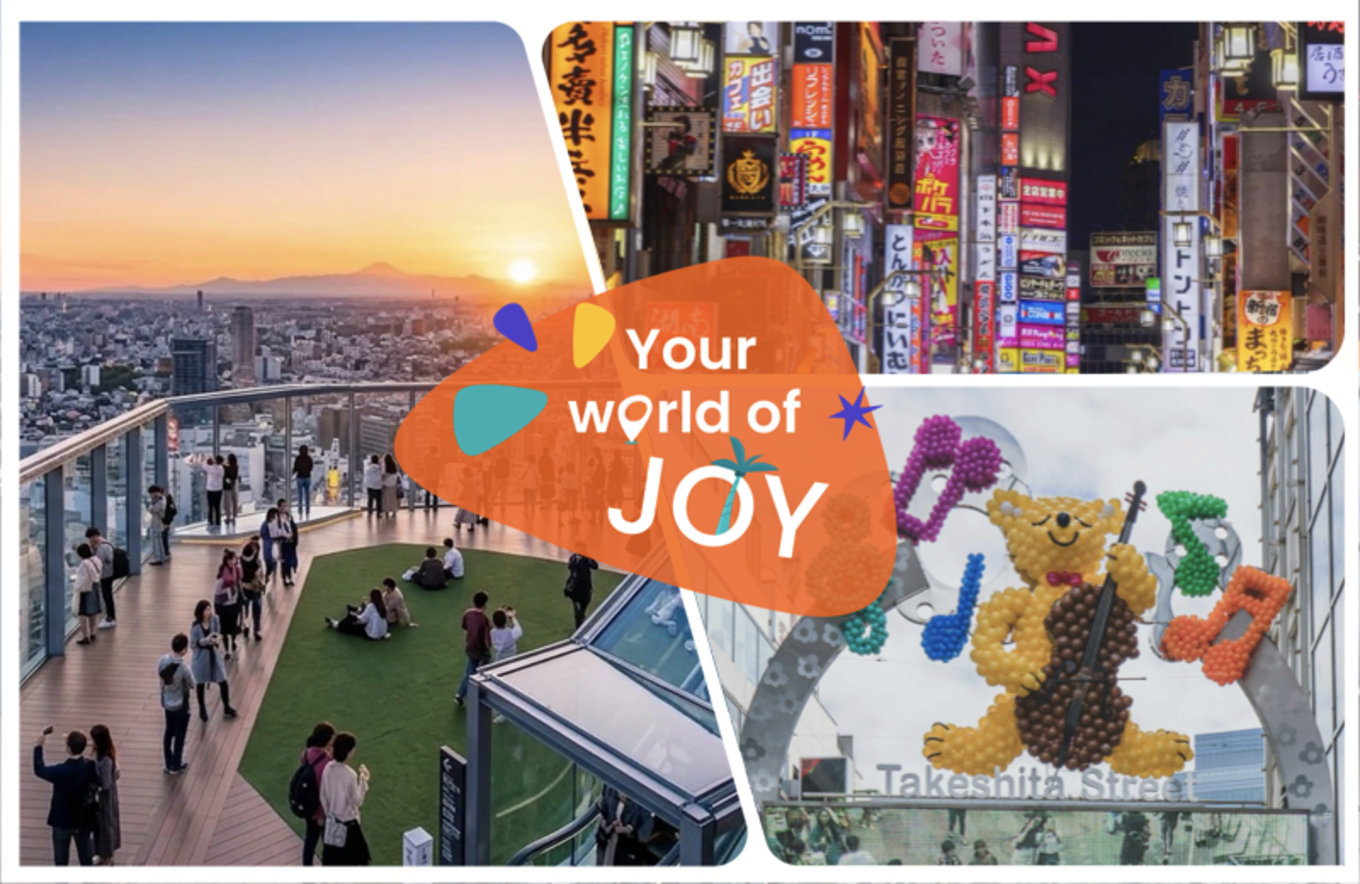
If you only have 1 day in Tokyo and want to stay in the city, the order of your stops matters. Asakusa is on the east side, while Shibuya and Shinjuku are on the west, and a badly planned route can eat hours on the train. This itinerary moves east to west: Senso-ji Temple in the morning, seafood at Tsukiji Outer Market for lunch, Meiji Jingu and Harajuku in the afternoon, sunset at SHIBUYA SKY, and a night out in Shinjuku. Everything stays within central Tokyo, so there's no need to head out to Mount Fuji, Kawaguchiko or Hakone.
This route works as one day within a 4 to 5 day Tokyo trip, or as a spare day between your arrival and departure days. Direct flights from London take around 14 hours, and Tokyo is 9 hours ahead of UK time (8 hours during British Summer Time), so a lighter first day after landing is no bad thing. All prices below are in Japanese yen (JPY). Exchange rates change daily, so check the current GBP rate before you go.
Klook Tip: Tsukiji Outer Market is usually closed on Wednesdays, Sundays and public holidays, so try to avoid those days for this route. If you can only go on a Wednesday or Sunday, swap the Tsukiji lunch for somewhere in Asakusa or Harajuku.
How should you plan 1 day in Tokyo?
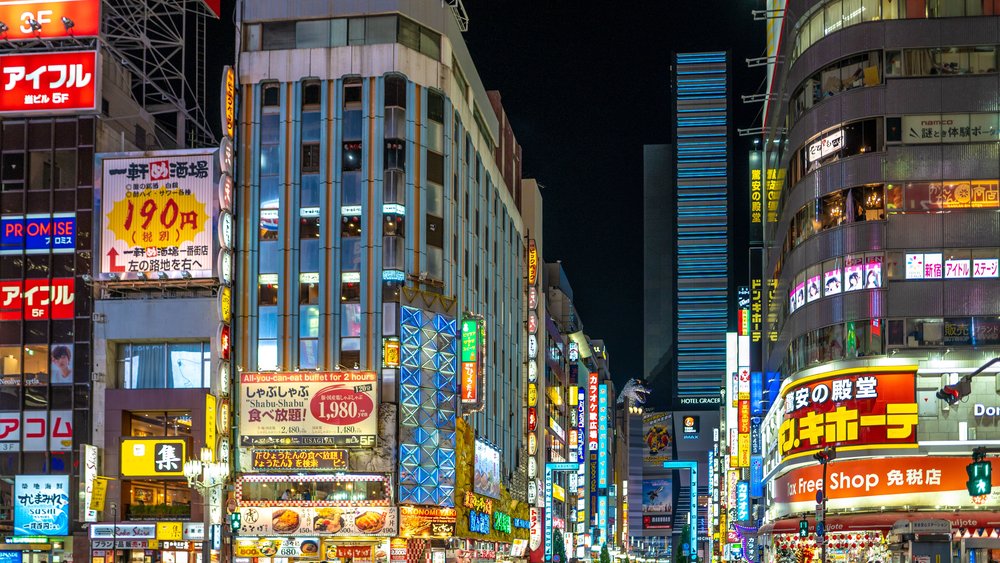
The easiest way to spend 1 day in Tokyo is to work east to west. Start at Senso-ji, have lunch at Tsukiji Outer Market, spend the afternoon at Meiji Jingu and Takeshita Street, watch the sunset from SHIBUYA SKY, then finish with yakitori (grilled chicken skewers) in Shinjuku. Most stops are a direct metro ride apart. For the Shibuya to Shinjuku leg, you can switch to the JR Yamanote Line, which is not covered by the metro pass.
Sunset times shape the second half of the day. In Tokyo the sun sets as early as 16:30 in early December and as late as 19:00 in late June and early July. In winter (December to February), move Meiji Jingu and SHIBUYA SKY earlier; in summer, you can spend longer shopping in the afternoon. June to early July is also the rainy season, so a compact umbrella is worth packing.
1 day in Tokyo itinerary at a glance
Time | Stop | Area | Suggested time | Cost |
|---|---|---|---|---|
8:00 | Senso-ji and Kaminarimon | Asakusa | 1.5-2 hours | Free |
10:30 | Tsukiji Outer Market | Tsukiji | 1-1.5 hours | Free entry, food and drink extra |
13:30 | Meiji Jingu | Harajuku | 1-1.5 hours | Free |
15:00 | Takeshita Street | Harajuku | 1 hour | Free, snacks extra |
16:30 | SHIBUYA SKY | Shibuya | 1.5 hours | 3,400 JPY |
19:00 | Omoide Yokocho | Shinjuku | 1.5-2 hours | Food and drink extra |
Prices are a guide only. Check the Klook page for the latest prices.
Senso-ji: Kaminarimon gate and Nakamise-dori
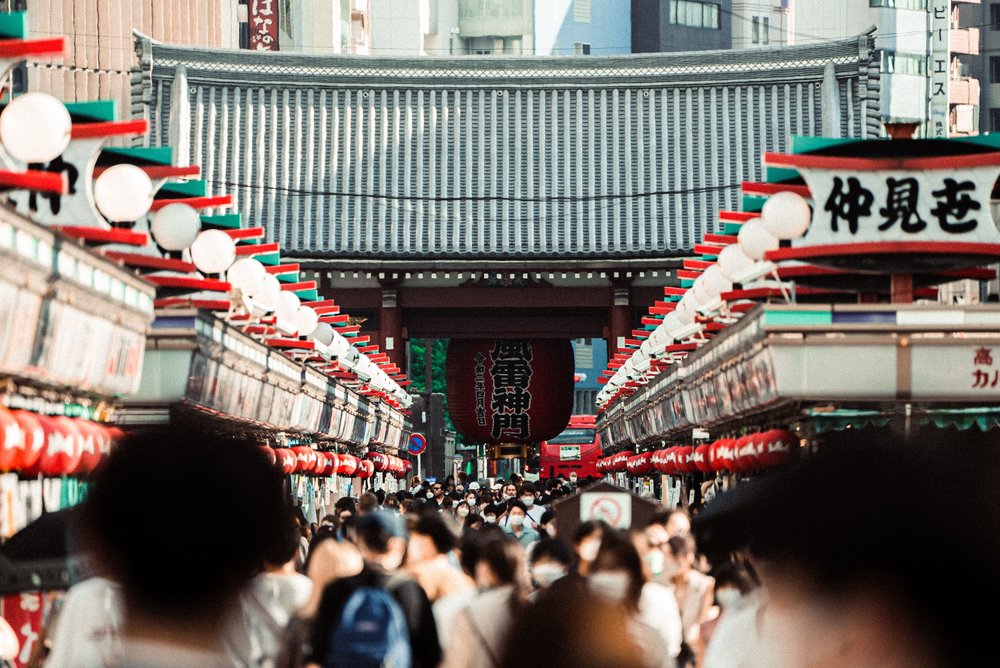
Kaminarimon (Thunder Gate) is guarded by statues of Fujin, the wind god, and Raijin, the thunder god. Past the gate, Nakamise-dori leads towards the main hall, with stalls on both sides selling snacks and souvenirs. At the end stands Hozomon (Treasure House Gate), and beyond it you can see the main hall and the five-storey pagoda.
The main hall is open 6:00-17:00 between April and September and 6:30-17:00 between October and March. Arriving around 8:00 means thinner crowds along the approach and no queuing for photos.
Fancy exploring Asakusa in a kimono? Klook has a kimono rental in Asakusa option. You'll need time to change, so add 30 minutes to 1 hour to your Senso-ji stop.
Address:2-3-1 Asakusa, Taito City, Tokyo
Getting there:A few minutes' walk from Asakusa Station (Tokyo Metro Ginza Line, Toei Asakusa Line)
Opening hours:6:00-17:00 between April and September, 6:30-17:00 between October and March
Admission:Free
Suggested time:1.5-2 hours
Tsukiji Outer Market: seafood, sushi and street food
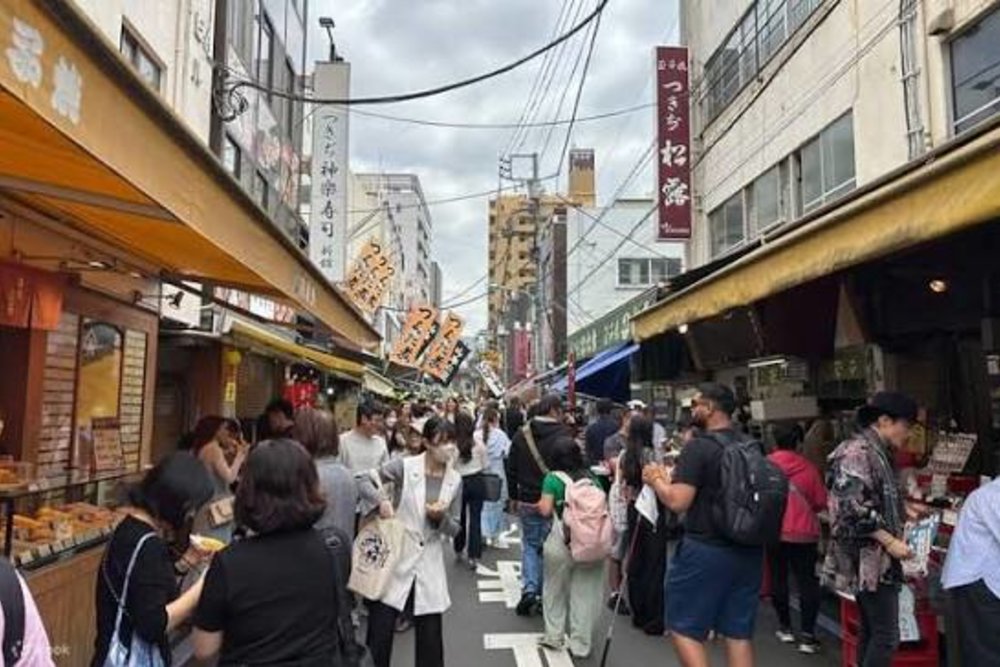
The inner wholesale market moved to Toyosu in 2018, but Tsukiji Outer Market stayed where it was. Around 460 shops still sell seafood, dried goods and street snacks, which makes it a handy lunch stop after Senso-ji.
The market is busiest between 9:00 and 13:00 and generally trades about 9:00-14:00, so arrive by noon at the latest. The first-floor market at Tsukiji Uogashi is closed to regular visitors before 9:00, while the third-floor food hall opens from 7:00. You'll find sushi, kaisendon (seafood rice bowls) and all kinds of street snacks. Opening hours vary by shop, so check the ones you want before you set off.
Tsukiji Outer Market is usually closed on Wednesdays, Sundays and public holidays, and many shops shut on those days too, although this varies by shop. Check the market's official calendar first, because it beats arriving to find the shutters down.
Address:Around 4-chome Tsukiji, Chuo City, Tokyo
Getting there:A few minutes' walk from Tsukiji Station (Tokyo Metro Hibiya Line) or Tsukijishijo Station (Toei Oedo Line)
Opening hours:Most shops about 9:00-14:00, usually closed on Wednesdays, Sundays and public holidays; check each shop and the market's official notices
Admission:Free entry, food and drink extra
Suggested time:1-1.5 hours
Meiji Jingu: tree-lined paths and a forest in the city
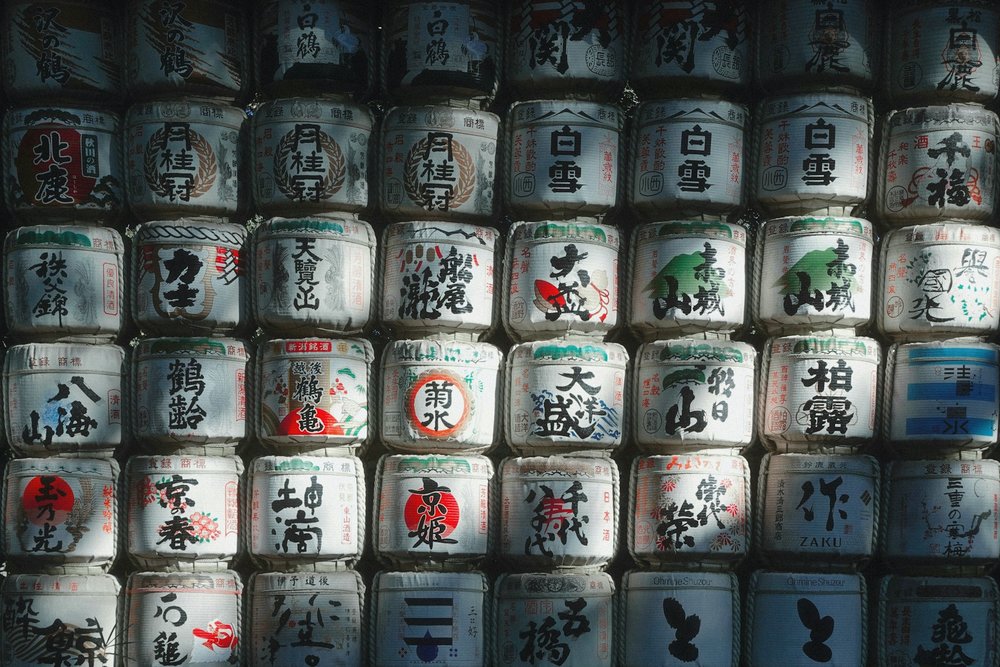
Meiji Jingu is dedicated to Emperor Meiji and Empress Shoken. It sits in Shibuya City, and the entrance is a one-minute walk from JR Harajuku Station. Forest surrounds the shrine, and the pace feels completely different from the Harajuku streets just a few hundred metres away.
Entry to the shrine grounds is free. The Inner Garden charges a 500 JPY maintenance fee and is open 9:00-16:00 between November and February and 9:00-16:30 between March and October, with longer hours in June, so go earlier rather than later.
Shrine opening hours change by month: 6:10-16:10 in November, 6:40-16:00 in December and 6:40-16:20 in January. If you're visiting in winter, finish this stop early in the afternoon instead of leaving it to the end of the day.
Address:1-1 Yoyogikamizonocho, Shibuya City, Tokyo
Getting there:About 1 minute on foot from JR Harajuku Station, or a few minutes' walk from Meiji-jingumae (Harajuku) Station (Tokyo Metro Chiyoda Line, Fukutoshin Line)
Opening hours:Changes by month: 6:10-16:10 in November, 6:40-16:00 in December, 6:40-16:20 in January; check the shrine's official notices for other months
Admission:Free; Inner Garden 500 JPY
Suggested time:1-1.5 hours
Takeshita Street, Harajuku: 350 metres of fashion and street sweets
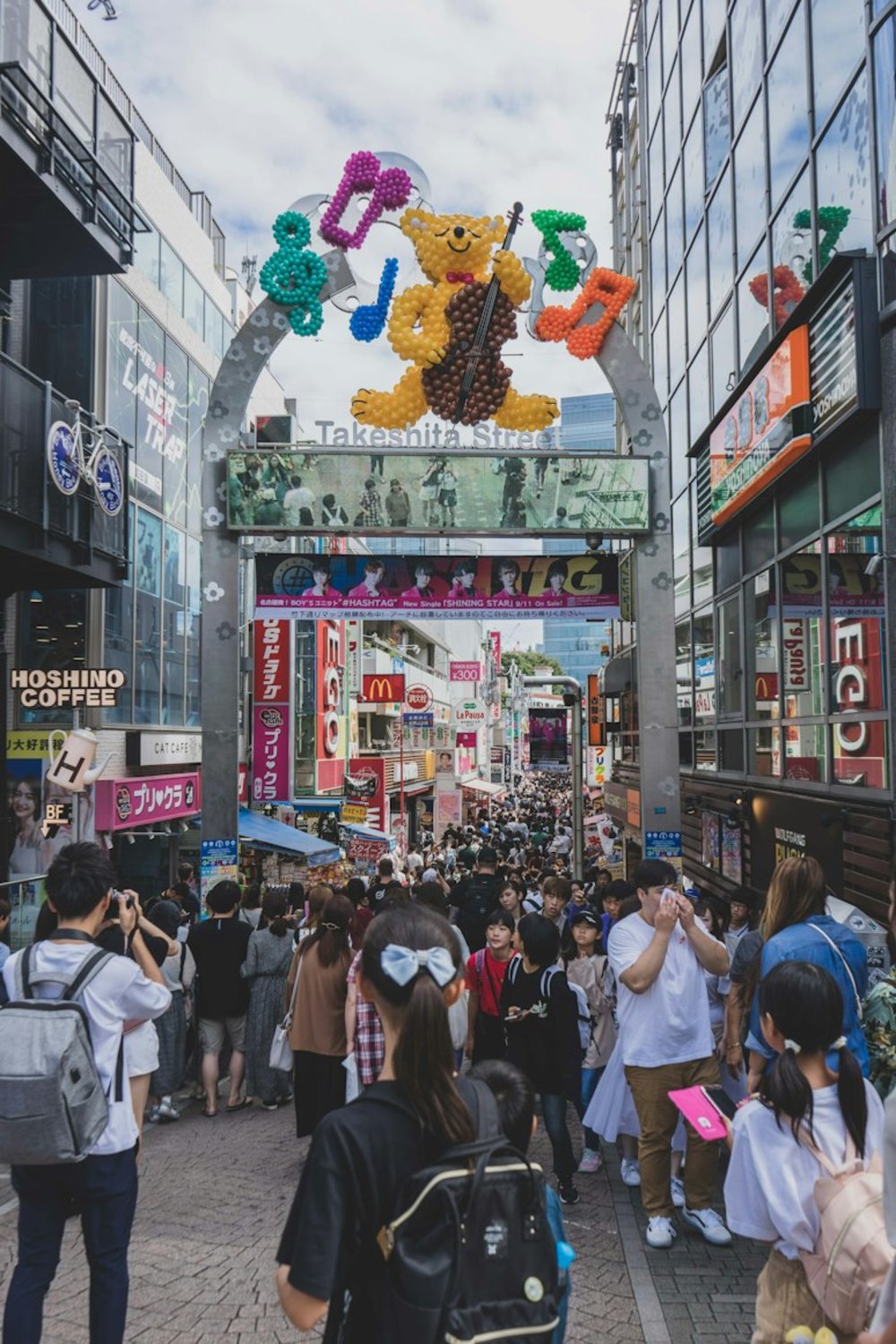
Takeshita Street starts opposite the Takeshita Exit of JR Harajuku Station and runs for about 350 metres. It's lined with trendy fashion, accessories, cosmetics and dessert shops. It's a short walk from Meiji Jingu, so the mood switches from calm to lively in a few minutes.
Japanese crepes are the signature snack, with stall after stall offering flavours such as strawberry cream and cheesecake. You'll also find rainbow candy floss and ice cream. The street is narrow, so keep to the left when it's busy, and finish your snack beside the stall instead of eating while you walk. We'd suggest going on a weekday, as weekends are much busier.
If you have time, turn onto Cat Street near the end of Takeshita Street. This pedestrian-friendly lane leads towards Shibuya, with cafés and small fashion shops along the way.
Address:1-chome Jingumae, Shibuya City, Tokyo
Getting there:Opposite the Takeshita Exit of JR Harajuku Station
Opening hours:Varies by shop
Admission:Free, snacks extra
Suggested time:1 hour
SHIBUYA SKY: sunset over Shibuya Crossing
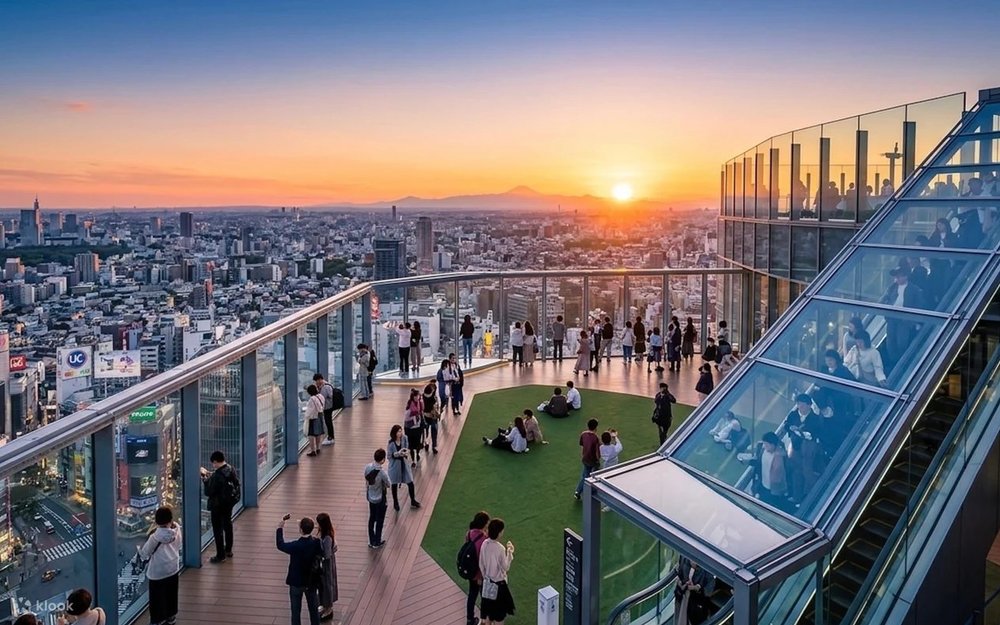
SHIBUYA SKY sits at the top of SHIBUYA SCRAMBLE SQUARE. The entrance is on the 14th floor and connects directly to Shibuya Station. The open-air rooftop looks down over Shibuya Crossing and the streets around it.
For sunset, aim to go in about 30 minutes before the sun goes down, so you can see the city by day, at sunset and after dark. Online ticket prices depend on entry time: 2,700 JPY before 15:00 and 3,400 JPY from 15:00. This route enters around 16:30, so the 3,400 JPY price applies. For actual Klook prices and time slots, check the SHIBUYA SKY tickets page.
If you enter with a Klook e-voucher, arrive at the 14th-floor entrance within 20 minutes of your entry time and show the original passport that matches the name on your booking. A QR code alone won't get you in.
SHIBUYA SKY is closed on 1 January, and it may close temporarily in strong winds or extreme heat. Check the official announcements before you go, and book early once your dates are fixed.
Address:SHIBUYA SCRAMBLE SQUARE 14F, 2-24-12 Shibuya, Shibuya City, Tokyo
Getting there:Directly connected to Shibuya Station
Opening hours:10:00-22:30, last entry 21:20; check official announcements
Admission:2,700 JPY before 15:00, 3,400 JPY from 15:00; check the Klook page for current prices
Suggested time:1.5 hours
Omoide Yokocho, Shinjuku: a yakitori alley with postwar roots
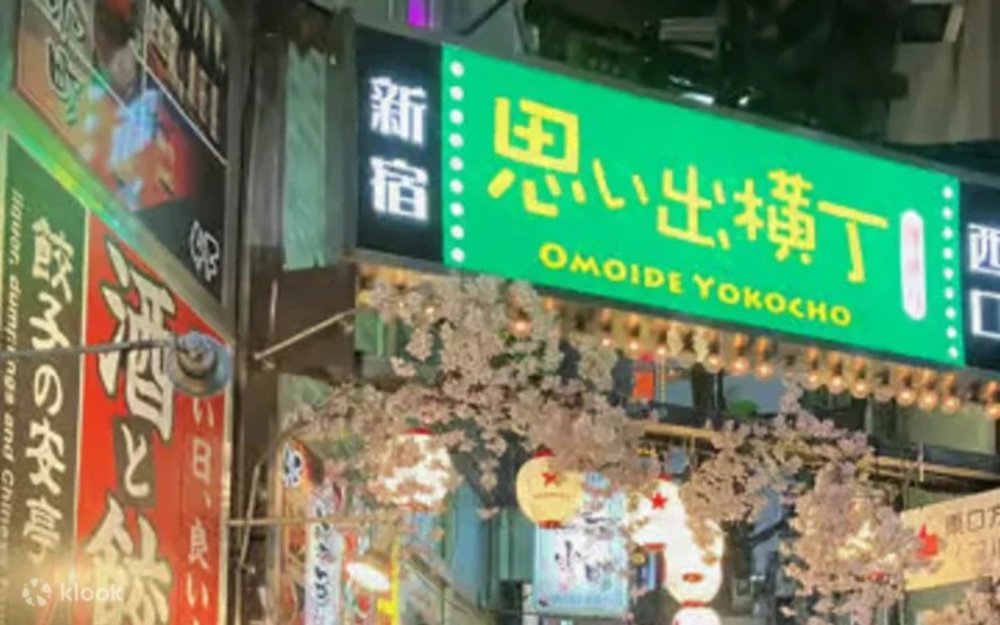
Omoide Yokocho (Memory Lane) is by the west exit of JR Shinjuku Station and has about 60 small shops.
It grew out of a black market known as "Lucky Street", which appeared around 1946 on the west side of Shinjuku Station after the Second World War. The stalls were divided by wooden boards and gradually turned into today's tiny bars. According to the official introduction, more than half the shops specialise in yakitori (grilled chicken skewers) or motsuyaki (grilled offal), a link to the postwar trade in grilled offal. Opening hours vary by shop, so check the ones you want before you go. Tipping isn't customary in Japan, so you simply pay the bill.
If you'd rather skip another paid observation deck, Shinjuku has a free option. The South Observatory of the Tokyo Metropolitan Government Building is on the 45th floor and open 9:30-22:00 (last entry 21:30), closed on the first and third Tuesday of each month. It's about a 10-minute walk from Shinjuku Station's west exit. After sunset, the free projection show "TOKYO Night & Light" plays on the building's façade, with several shows a night and the last one finishing before 21:45. Check the official website for daily times.
Address:1-chome Nishi-Shinjuku, Shinjuku City, Tokyo
Getting there:A few minutes' walk from the west exit of JR Shinjuku Station
Opening hours:Varies by shop, most open from the evening
Admission:Free entry, food and drink extra
Suggested time:1.5-2 hours
Do you need a Tokyo subway pass for 1 day in Tokyo?
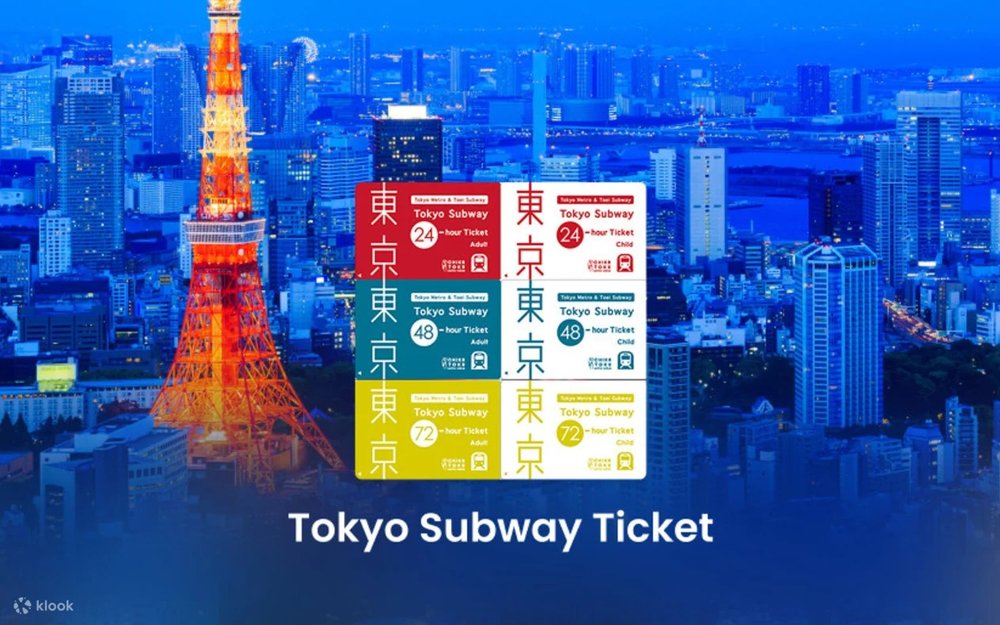
The 24-hour Tokyo Subway Ticket officially costs 1,000 JPY. It gives unlimited rides on all Tokyo Metro and Toei Subway lines for 24 hours from first use, and it doesn't cover JR. A single Tokyo Metro ride starts at 180 JPY (178 JPY with an IC card), and this route takes several rides: Asakusa to Tsukiji, Tsukiji to Harajuku, then on to Shibuya.
To check if it's worth it, look up each fare on Google Maps and compare the total with 1,000 JPY. If you take JR between Shibuya and Shinjuku, that fare can't be covered by the pass.
A practical summary of 1 day in Tokyo
All six stops fit into one day, and you never leave the city. The fixed costs are SHIBUYA SKY at 3,400 JPY (for entry after 15:00) and the 24-hour subway ticket at 1,000 JPY, about 4,400 JPY in total, with food and shopping extra. The pace is manageable, and you'll see a traditional temple, street food, fashion streets and a city night view. Once you've picked your date, book your SHIBUYA SKY sunset slot and the subway ticket first, then adjust the rest of the day as you go.
FAQs about 1 day in Tokyo
What can you see in 1 day in Tokyo?
In 1 day in Tokyo you can fit in Senso-ji, Tsukiji Outer Market, Meiji Jingu, Takeshita Street, SHIBUYA SKY and Omoide Yokocho in Shinjuku. The route runs east to west and stays within central Tokyo, with no need to head out to the suburbs.
Where should you start 1 day in Tokyo?
Start in Asakusa on the east side. Senso-ji is quieter in the morning, and the lunch window at Tsukiji follows on naturally. From there you head west through Harajuku, Shibuya and Shinjuku, which gets you to SHIBUYA SKY in time for sunset.
How much does 1 day in Tokyo cost?
The fixed costs are SHIBUYA SKY at 3,400 JPY (for entry after 15:00) and the 24-hour subway ticket at 1,000 JPY, about 4,400 JPY in total. Senso-ji, Tsukiji Outer Market, Meiji Jingu and Takeshita Street are free to enter. Food, snacks and kimono rental cost extra depending on your choices.
How can you plan a half day in Tokyo?
For a half day in Tokyo, take the afternoon Harajuku route: Meiji Jingu at 13:30, Takeshita Street at 15:00 and SHIBUYA SKY at 16:30 for sunset. It takes about 4 to 5 hours. For a morning half day, keep just Senso-ji and Tsukiji Outer Market.
Do you need a subway pass for 1 day in Tokyo?
It depends on how many rides you take. The 24-hour ticket officially costs 1,000 JPY, and a single Tokyo Metro ride starts at 180 JPY. Add up your fares, and if they come to more than 1,000 JPY, the pass saves you money. It doesn't cover JR, so the Shibuya to Shinjuku JR ride is charged separately.
What's the best time to go up SHIBUYA SKY?
For sunset, go in about 30 minutes before the sun goes down. In Tokyo, sunset is as early as 16:30 in early December and as late as 19:00 in late June and early July, so adjust the plan to the season. Tickets from 15:00 cost more than tickets before 15:00, so book early.
Is Tsukiji Outer Market open on Wednesdays and Sundays?
Tsukiji Outer Market is usually closed on Wednesdays, Sundays and public holidays, and many shops shut on those days too. The market generally trades about 9:00-14:00. If you're going on a Wednesday or Sunday, have lunch in Asakusa or Harajuku instead; the rest of the route is unaffected.
What should you know about 1 day in Tokyo in winter?
Watch the sunset and shrine closing times. Meiji Jingu is open 6:40-16:00 in December and the sun sets as early as 16:30, so visit Meiji Jingu early in the afternoon and bring your SHIBUYA SKY entry time forward too. Senso-ji's main hall also doesn't open until 6:30 in winter.
How do you book SHIBUYA SKY tickets?
You can buy a SHIBUYA SKY e-voucher through Klook. On the day, arrive at the 14th-floor entrance within 20 minutes of your entry time and show the original passport that matches the name on your booking. A QR code alone won't get you in.
Can overseas visitors buy the Tokyo Subway Ticket?
Yes. The official Tokyo Metro page says the ticket is for overseas visitors, and for visitors from within Japan who live outside Tokyo, Kanagawa, Saitama, Chiba, Ibaraki, Tochigi, Gunma and Yamanashi prefectures. The ticket is sold online and as a QR code version. For how to buy and use it through Klook, check the product page.
More Tokyo travel guides
What is Klook?
Klook is a leading pan-regional experiences platform in Asia Pacific, purpose built to digitalize experiences and make them accessible to every traveler.
Our mission is to build the digital infrastructure for the global experience economy — empowering merchants to share their passions and travelers to discover the heartbeat of each destination. We operate a mobile-first, curated platform featuring diverse experiences across global destinations.