
There’s no better place to start getting to know Japan’s history other than Kyoto. Once the imperial capital of Japan for more than 1,000 years, the city is filled with thousands of temples, shrines, castles, and peaceful walking paths that give you a peek of what Japan looked like centuries ago.
Many come to Kyoto to see its famous historical landmarks, though deciding where to begin can feel overwhelming. To help you get started, we’ve rounded up 19 historical places in Kyoto that beautifully showcase the city’s past!
You’ll see iconic temples, peaceful shrines, historic castles, and scenic walking paths found within Kyoto’s famous heritage areas. Some of these locations are even part of the Historic Monuments of Ancient Kyoto, a UNESCO World Heritage designation that highlights the city’s cultural importance.
Top historic temples in Kyoto 🛕
1. Kinkaku-ji Temple (Golden Pavilion)
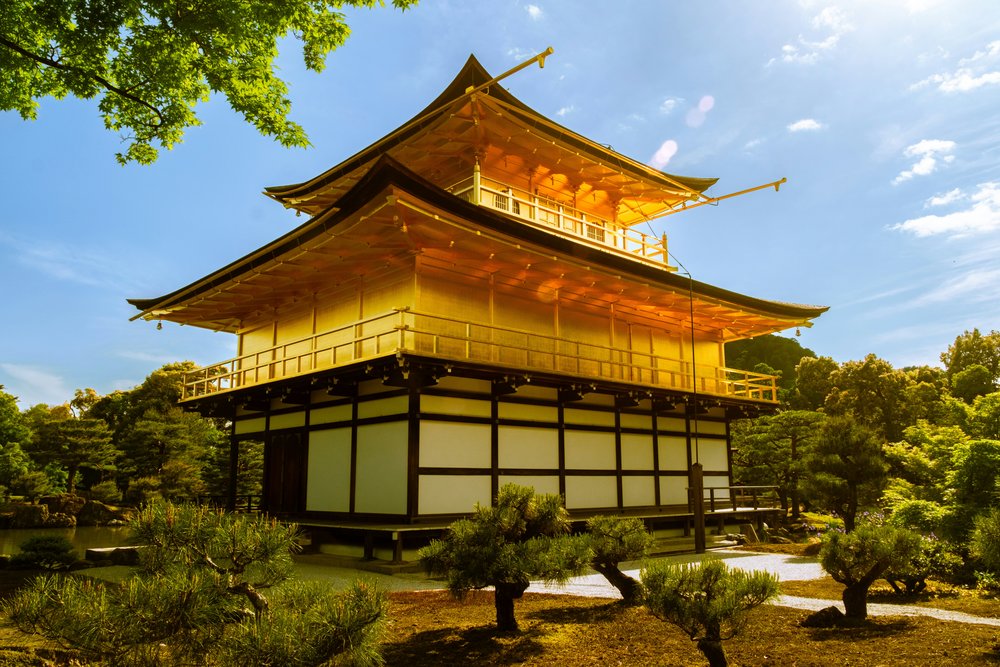
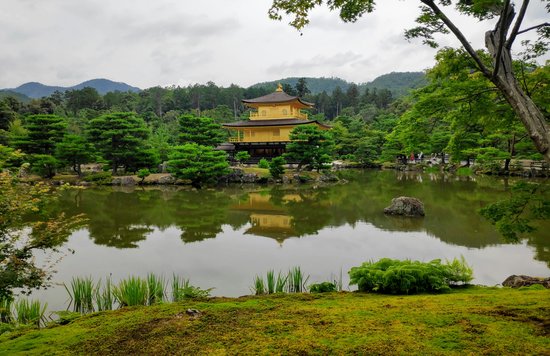
A full view of the Golden Temple | Photo by Uli Valdez on Unsplash
Kinkaku-ji Temple, also known as the Golden Pavilion, is one of the most famous Kyoto tourist sites. Originally built in the 14th century as the retirement villa of shogun Ashikaga Yoshimitsu, the building was later converted into a Zen Buddhist temple. Today, it remains one of the most famous historical sites in Kyoto.
The temple is known for its elegant design, with its top two floors covered in shimmering gold leaf. On sunny days, the pavilion reflects beautifully on the calm waters of Kyoko-chi Pond, creating one of the most photographed views in Kyoto.
As part of the historic monuments of Ancient Kyoto, Kinkaku-ji has both cultural significance and unforgettable scenery, which makes it a must-visit stop when exploring Kyoto’s historic landmarks.
Want to know more about this temple and how to get there? Read this complete guide before you visit!

2. Ginkaku-ji Temple (Silver Pavilion)
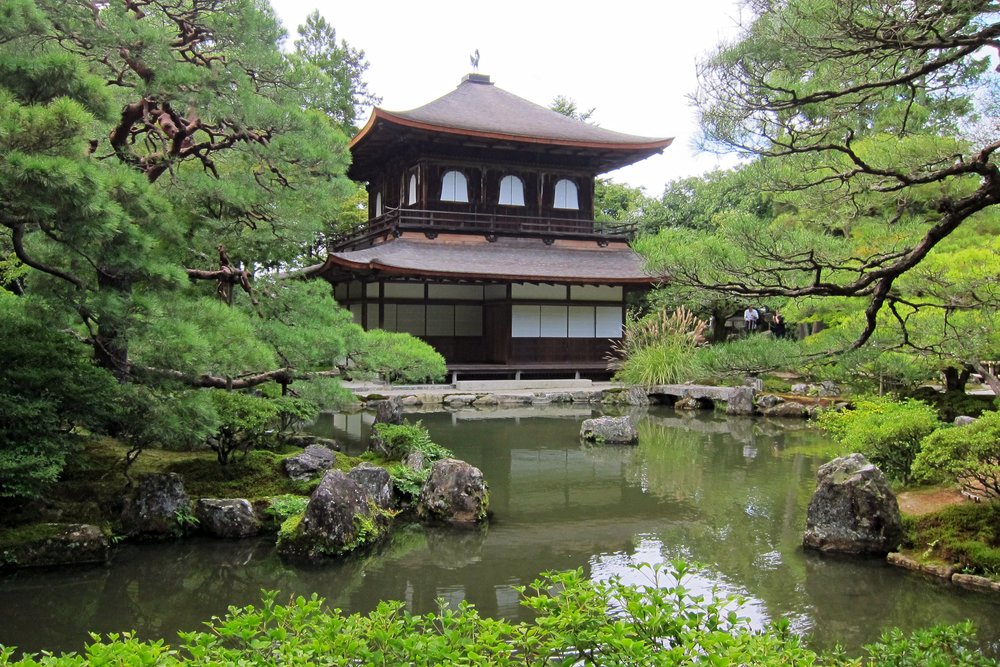
Ginkaku-ji Temple in Kyoto | Photo Credit: Wikimedia Commons
While it’s called the Silver Pavilion, Ginkaku-ji was never actually covered in silver. Still, the temple remains one of the most beautiful Kyoto tourist sites thanks to its simple Zen design and tranquil surroundings.
Built in the late 15th century by shogun Ashikaga Yoshimasa, Ginkaku-ji played a key role in shaping Japanese aesthetics and culture. The temple complex includes carefully maintained moss gardens, sand gardens, and walking trails where you can get a beautiful view of the area.
If you want to learn more about the story behind this Pavilion’s design, we recommend joining a Ginkaku-ji half-day walking tour.
3. Kiyomizu-dera Temple
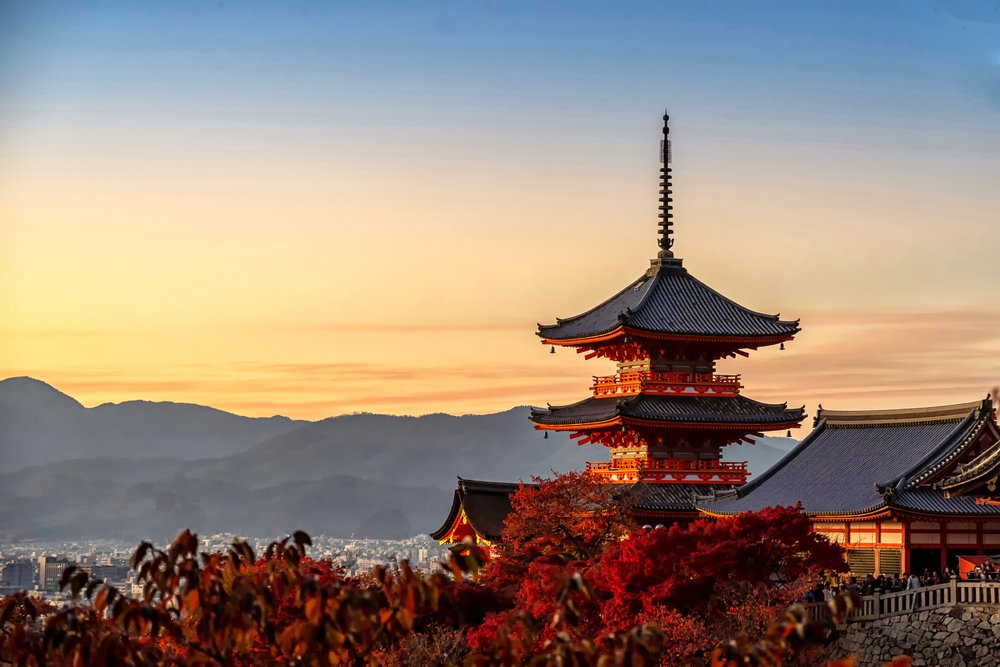
Sunset view of Kiyomizu-dera’s three-storied pagoda in Kyoto during autumn
Another iconic temple in Kyoto is Kiyomizudera Temple, famous for its impressive wooden stage that extends over the hillside. This large terrace gives you a view of Kyoto from above and the surrounding forested landscape, making it one of the most memorable viewpoints in the city.
The temple is also home to the sacred Otowa Waterfall, where you can drink from three separate streams believed to bring health, longevity, and success. Tradition says you should choose just one stream, as drinking from all three is seen as a bit too greedy.
Want to experience this historic temple and more in one trip? Join a one-day tour of Kyoto temples and Uji matcha town, where you can explore famous Kyoto landmarks before heading to Uji to enjoy the birthplace of Japan’s premium matcha.
To know more about this famous Kyoto temple, you can also check out our Kiyomizu-dera complete guide!

4. Sanjusangen-do Temple
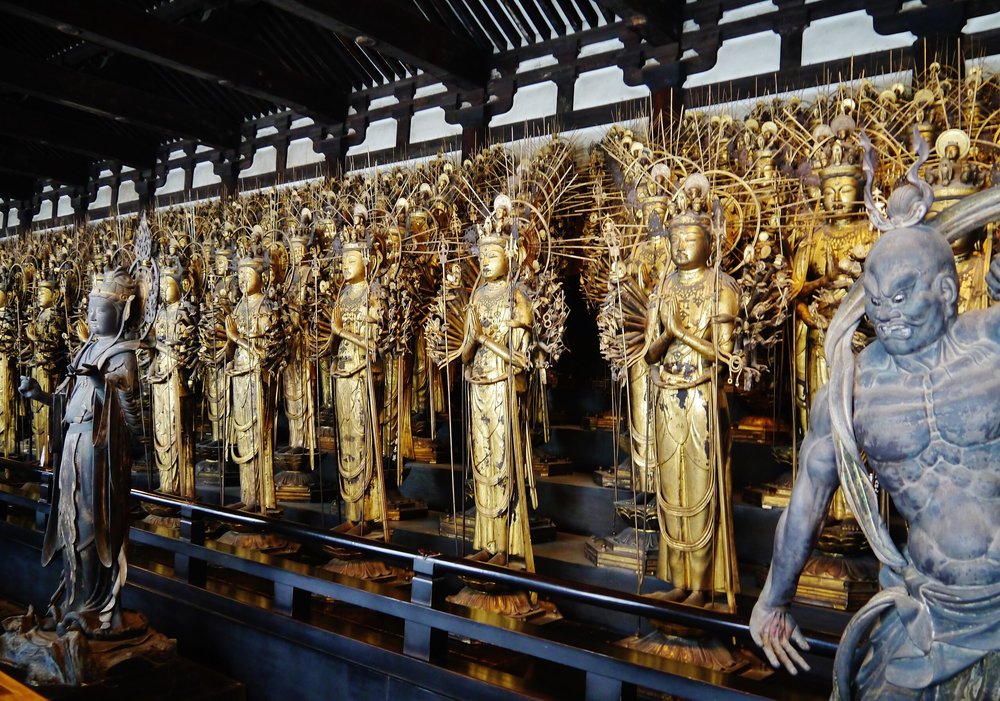
Inside the Sanjusangendo Temple in Kyoto / Photo from Wikimedia Commons
Home to 1,001 life-sized statues of Kannon, the goddess of compassion, Sanjusangen-do Temple is one of Kyoto’s most historical landmarks. Its wooden hall stretches about 120 meters, making it the longest wooden structure in Japan. Walking through the hall feels almost surreal, with rows upon rows of golden statues standing in perfect symmetry.
Built in the 12th century, this temple is famous for its impressive architecture and spiritual atmosphere. The temple name means “Hall with Thirty-Three Spaces Between Columns,” referring to the building’s distinctive design.
5. Ninna-ji Temple
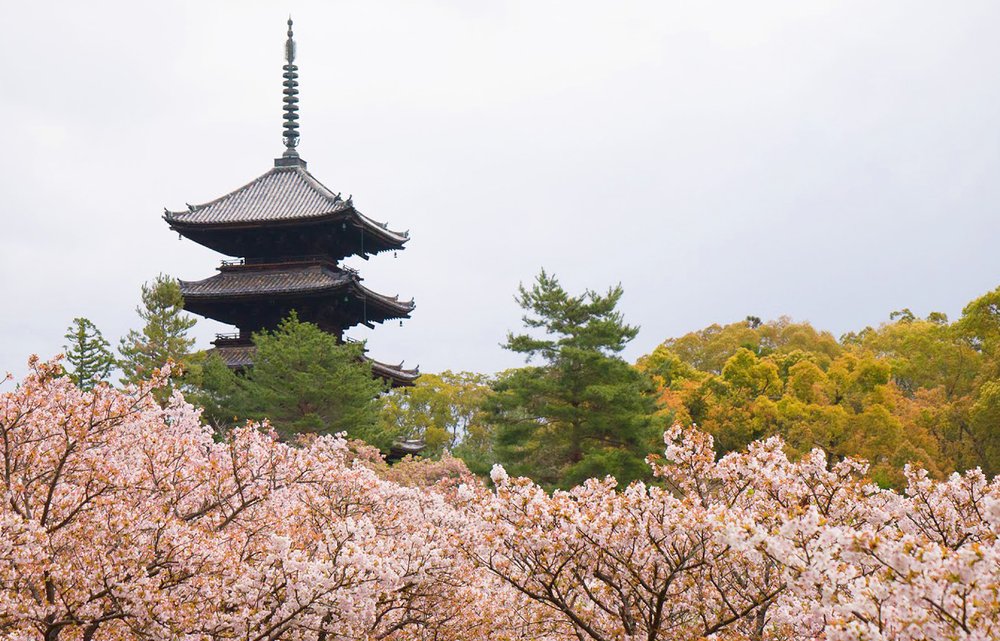
Ninna-ji Temple’s five-story pagoda rises above cherry blossoms in one of Kyoto’s historic temple grounds
Ninna-ji Temple is one of the most elegant historical sites in Kyoto, known for its classy architecture and tranquil atmosphere. Founded in 888, the temple has strong ties to Japan’s imperial family, with several former emperors serving as its head priests over the centuries. This connection gives Ninna-ji a unique place in Kyoto’s religious and royal history.
The temple is also famous for its beautiful gardens and seasonal scenery, especially during spring when the late-blooming “Omuro” cherry blossoms fill the grounds with soft pink hues. You can walk through peaceful pathways, admire the pagoda rising above the trees, and explore the former imperial residence within the complex.
As part of the historic monuments of ancient Kyoto, Ninna-ji gives you a calm and culturally rich experience while exploring Kyoto’s historic temples.
For a more hassle-free experience, you can join this Kyoto day trip to Ninna-ji Temple. It’s a great way to see the temple during cherry blossom season while visiting a few more scenic historic spots, like the Fushimi Momoyama Castle, in one trip.
6. To-ji Temple
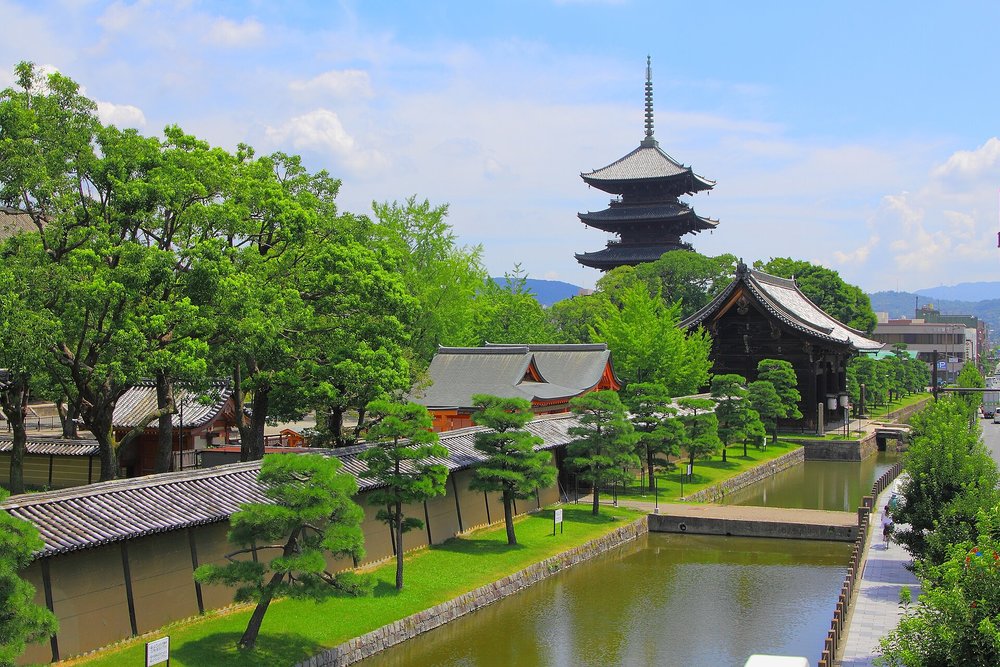
To-ji Temple’s iconic five-story pagoda stands tall beside a canal in historic Kyoto | Photo from Kakidai on Wikimedia
To-ji Temple is one of the most recognizable historical sites in Kyoto, best known for its tall five-story pagoda. Standing at about 55 meters tall, it’s the tallest wooden pagoda in Japan and a defining feature of Kyoto’s skyline.
The temple was founded in the early Heian period shortly after Kyoto became Japan’s capital, and it later became an important center for esoteric Buddhism under the monk Kobo Daishi (Kukai).
Every month, the temple grounds also come alive during the Kobo-san flea market, one of Kyoto’s largest and most popular markets, where you can find antiques, crafts, and street food.
7. Sanzen-in Temple
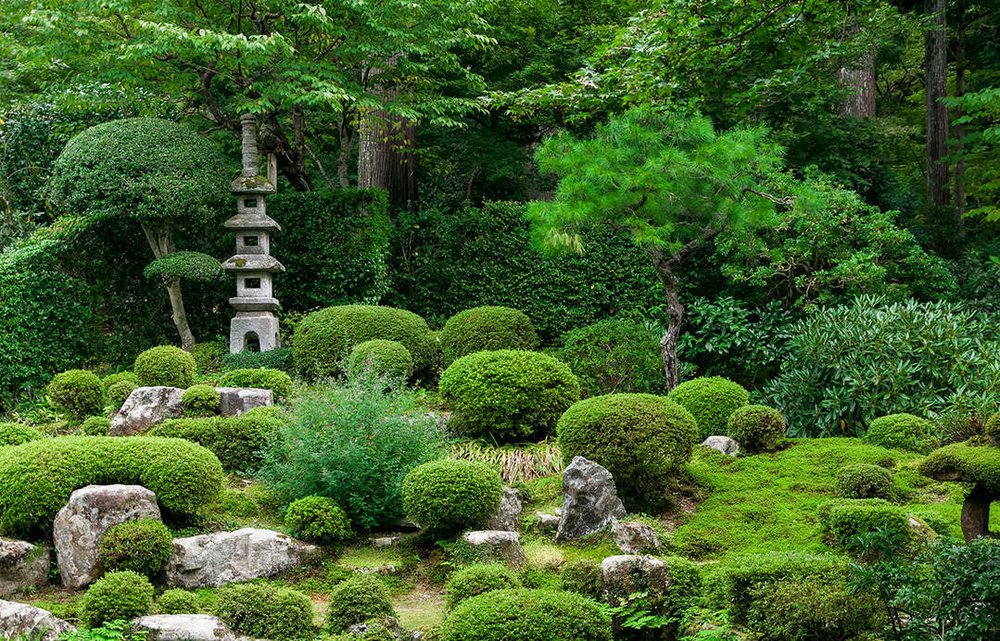
Moss gardens and stone lanterns create a peaceful scene at Sanzen-in Temple in Ohara
Located in the quiet mountain village of Ohara, Sanzen-in Temple gives you a peaceful escape away from the busy streets of central Kyoto. Surrounded by forested hills, this historic temple is known for its calm atmosphere and beautifully maintained gardens. The grounds are especially famous for their moss gardens, where small stone statues peek out from the greenery.
Walking through the temple complex allows you to slow down and enjoy the quiet beauty of nature alongside centuries-old architecture. Wooden halls, gentle streams, and carefully designed landscapes create a spiritual setting that reflects the charm of historic Kyoto, Japan.
If you’re looking for a convenient way to visit this serene temple along with other scenic spots, you can join a Kyoto day trip to Sanzen-in Temple. This experience includes a relaxing walk through Kyoto’s beautiful countryside and departs from Osaka or Kyoto!
8. Enryaku-ji Temple
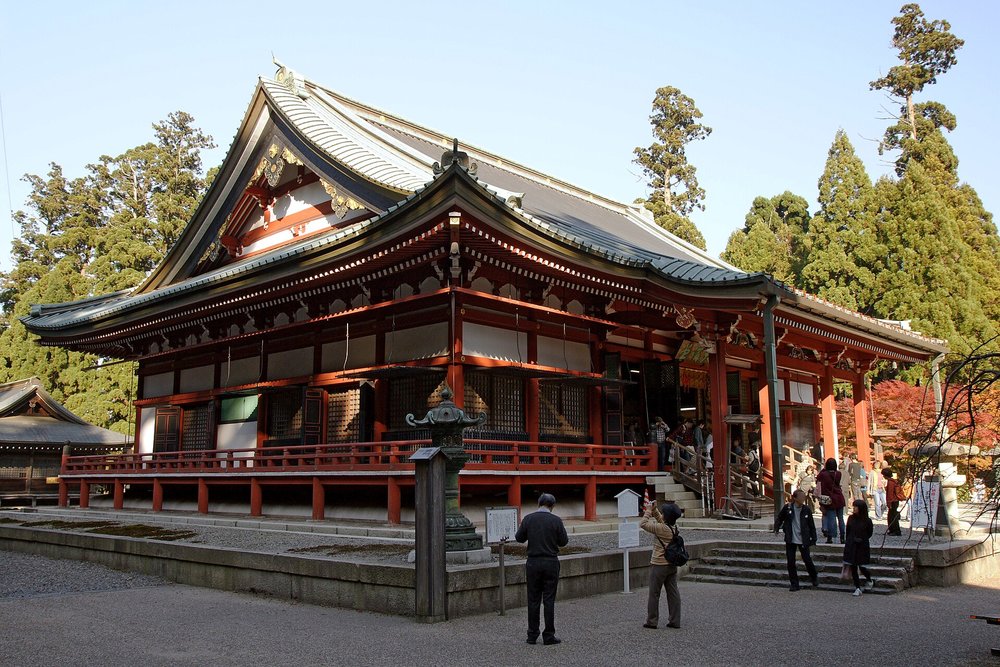
Historic wooden halls of Enryaku-ji Temple sit quietly on the forested slopes of Mount Hie | Photo from 663highland on Wikimedia
Located on the forested slopes of Mount Hiei just outside the city, Enryaku-ji Temple remains closely tied to Kyoto’s religious history. Founded in the late 8th century by the monk Saicho, the temple became the headquarters of the Tendai Buddhist sect and played a major role in shaping Japanese Buddhism.
The temple complex spans the mountainside and includes multiple halls, peaceful walking paths, and scenic viewpoints overlooking Lake Biwa and the Kyoto region. Surrounded by dense forest, the atmosphere feels quiet and reflective, making it a rewarding place if you’re interested in Kyoto’s spiritual heritage.
As part of the Historic Monuments of Ancient Kyoto UNESCO designation, Enryaku-ji stands as one of the most important historical sites in Kyoto and gives you a deeper look into the roots of Japan’s history.
9. Ryoan-ji Temple
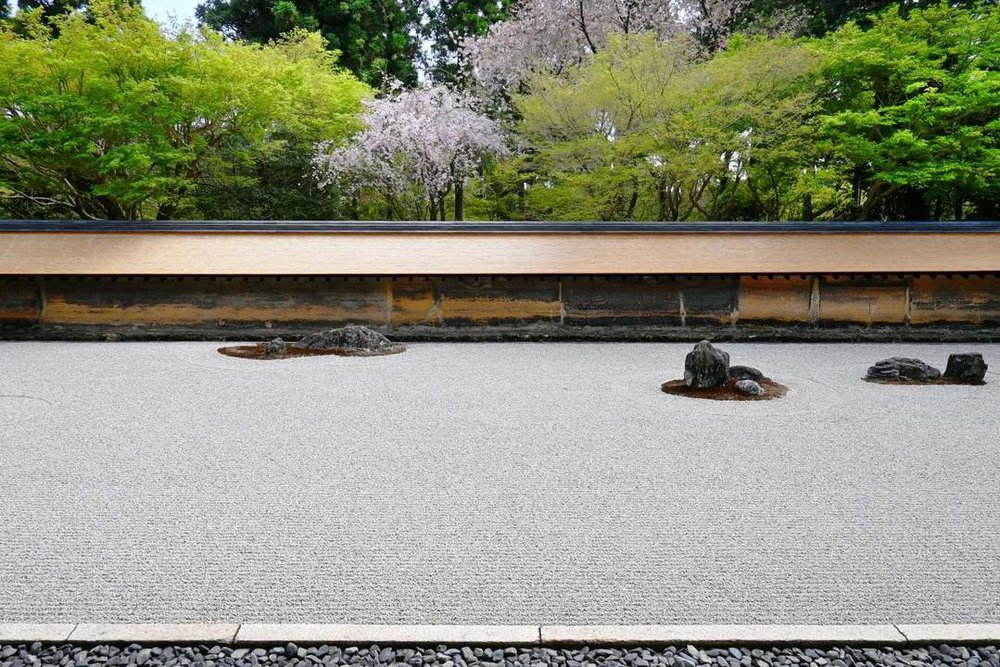
The famous Zen rock garden at Ryoan-ji Temple showcases Kyoto’s minimalist design tradition
Ryoan-ji Temple is best known for its iconic Zen rock garden. Dating back to the 15th century, the temple is also part of the Historic Monuments of Ancient Kyoto. Its minimalist garden features 15 carefully arranged rocks set within a sea of raked white gravel, designed to inspire quiet reflection and meditation.
The beauty of Ryoan-ji lies in its simplicity. You can spend time sitting along the viewing platform, admiring the garden and observing how not all 15 rocks can be seen at once from any single angle.
Apart from the rock garden, the temple grounds also include a peaceful pond garden surrounded by walking paths and seasonal foliage. With its calm atmosphere and deep connection to Zen philosophy, Ryoan-ji gives you a meaningful glimpse into the spiritual traditions of Kyoto.
And if you want to visit other nearby sites, you can join this Western Kyoto walking tour that takes you to Ryoan-ji Temple, Kinkakuji Temple, and Arashiyama!
10. Nanzen-ji Temple
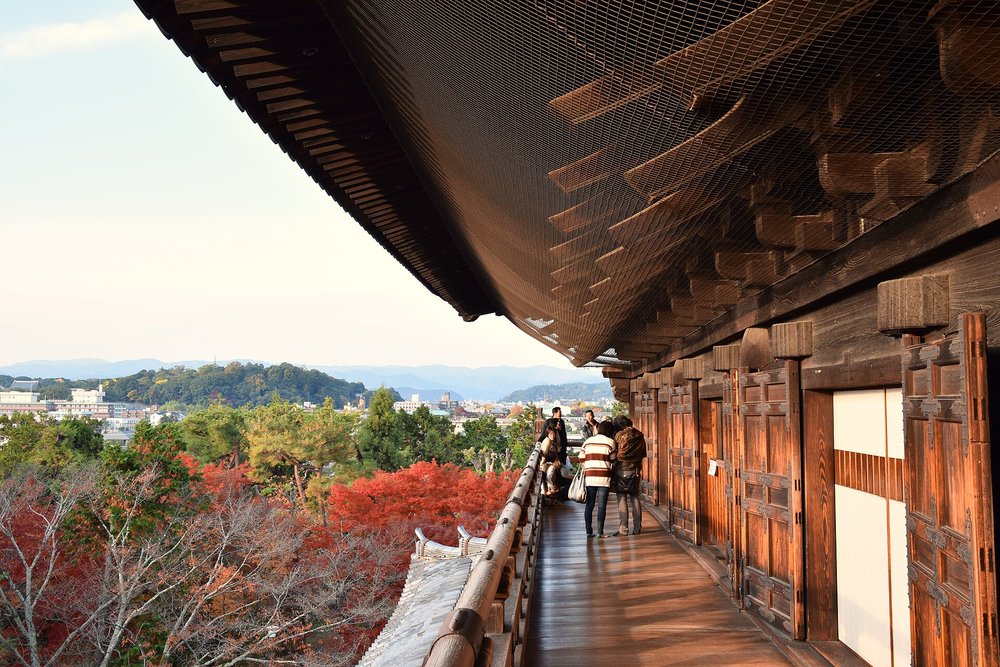
Visitors explore Nanzen-ji Temple’s wooden terrace with scenic autumn views of Kyoto | Photo from 雷太 on Wikimedia
Nanzen-ji Temple is one of the most important Zen temples and a standout among the many historical sites in Kyoto. Founded in the 13th century, it once served as a retirement villa for Emperor Kameyama before being converted into a Zen Buddhist temple.
The temple complex is known for its spacious grounds and striking structures, including the huge Sanmon Gate, where you can climb to get a top view of Kyoto. Another unique feature is the red brick Suirokaku Aqueduct, built during the Meiji era and now a popular photography spot within the temple grounds.
Top historic shrines in Kyoto ⛩️
11. Fushimi Inari Taisha Shrine
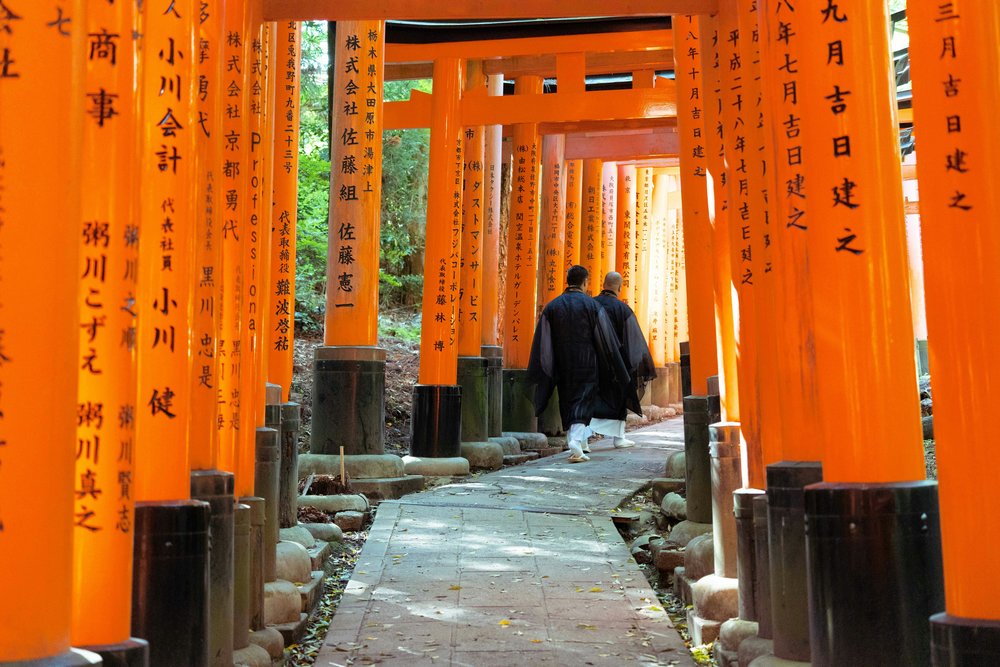
Monks passing through torii gates | Photo Credit: Jens F on Pexels
Fushimi Inari Taisha is one of the most iconic historical sites in Kyoto and easily among the city’s most photographed landmarks. The shrine is famous for its thousands of bright red torii gates that form long, winding tunnels along the trails of Mount Inari.
Dedicated to Inari, the Shinto god of rice, prosperity, and business success, the shrine also features numerous fox statues throughout the grounds, believed to be the deity’s messengers.
12. Shimogamo Shrine
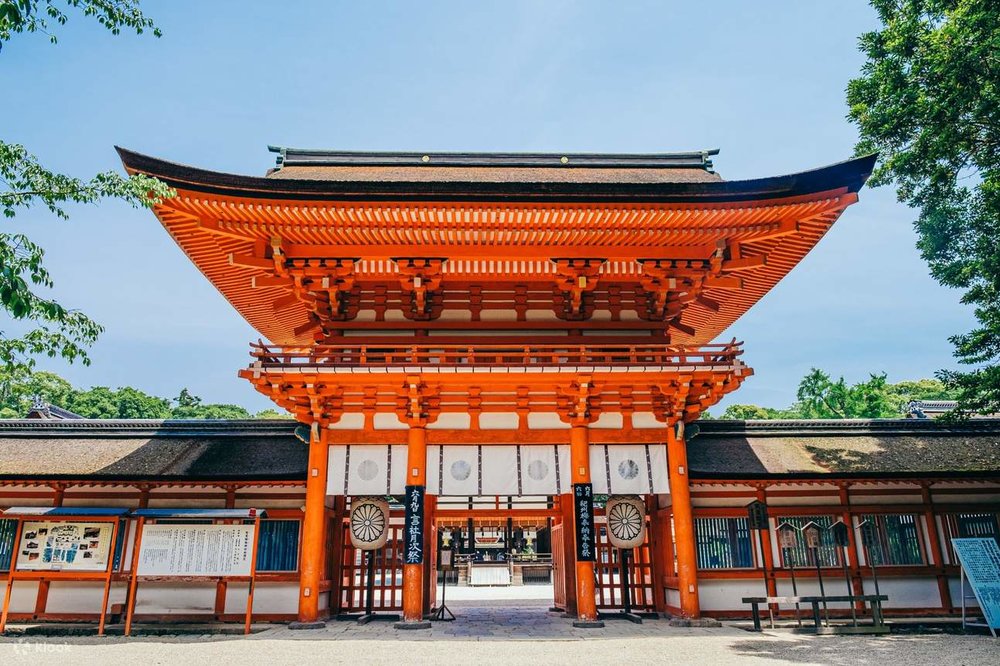
Shimogamo Shrine in Kyoto, Japan
Shimogamo Shrine is one of the oldest historical sites in Kyoto, with origins dating back more than a thousand years. The shrine sits within the Tadasu no Mori forest, an ancient woodland that creates a calm atmosphere in the middle of the city.
Walking along the covered paths toward the shrine buildings feels like stepping back in time, which helps explain why this sacred site is recognized as part of the Historic Monuments of Ancient Kyoto.
The shrine becomes lively during Aoi Matsuri, one of Kyoto’s three major festivals held every May 15. During this historic celebration, participants dressed in traditional Heian-era costumes walk through the city before arriving at the shrine.
13. Yasaka Shrine
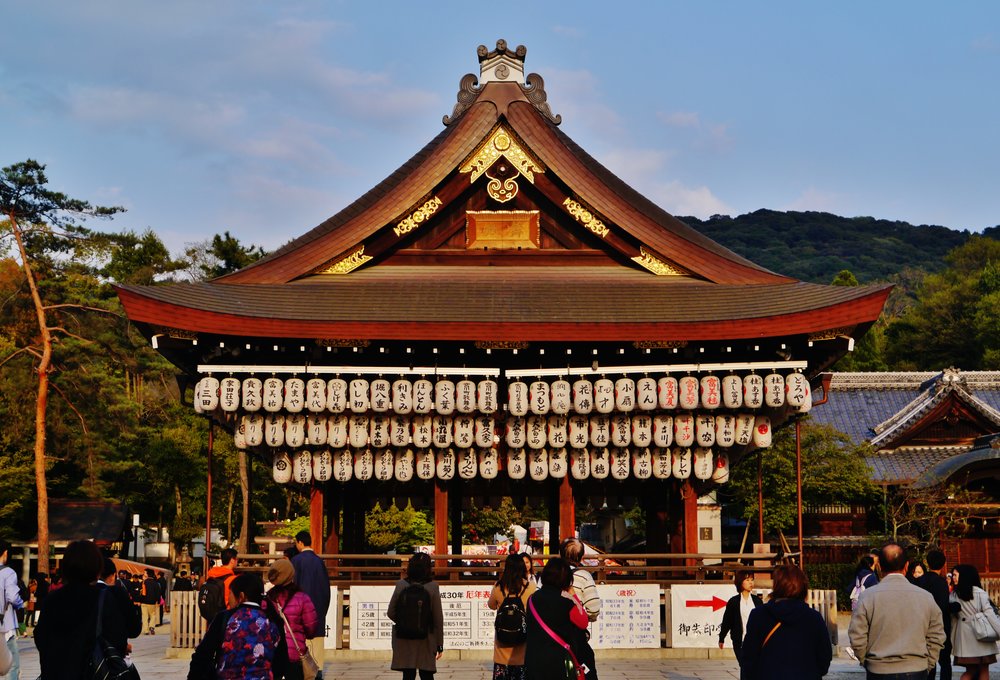
Yasaka Jinja shrine in Kyoto | Photo Credit: Wikimedia Commons
Located at the entrance of Kyoto’s famous Gion district, Yasaka Shrine is one of the most lively Kyoto tourist sites. The shrine becomes especially lively during the Gion Matsuri festival, one of Japan’s largest and oldest celebrations. The shrine’s lantern-lit buildings also look beautiful at night, creating a magical atmosphere for evening walks.
Yasaka Shrine also serves as the gateway to the historic streets of Higashiyama, one of the most charming parts of Kyoto’s historic district.
14. Heian Shrine
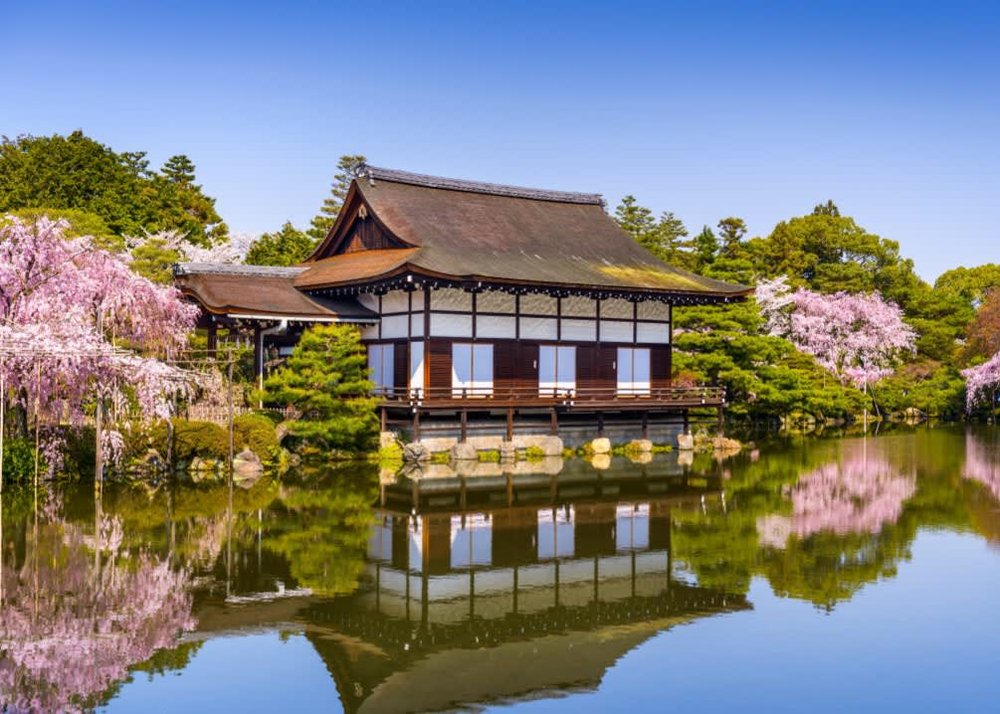
Heian Jingu shrine in spring
Inspired by the design of Kyoto’s original imperial palace, Heian Shrine stands out as one of the city’s most visually striking landmarks. The shrine is famous for its big vermilion torii gate and vibrant red buildings, which create a bold contrast against the surrounding greenery.
Built in 1895 to commemorate Kyoto’s history as Japan’s former capital, the shrine features wide-open courtyards and grand architecture that make it a popular stop on many temple-hopping itineraries.
During spring, the garden becomes stunning as cherry blossoms bloom across the landscape, making Heian Shrine one of the most photogenic historical sites in Kyoto.
Top castles and palaces in Kyoto 🏯
15. Kyoto Imperial Palace

Vermilion pillars and elegant architecture highlight Kyoto Imperial Palace’s historic courtyard
Kyoto Imperial Palace once served as the official residence of Japan’s imperial family for centuries, long before the capital moved to Tokyo in the late 19th century. Located in the spacious Kyoto Imperial Palace Park, this historic complex played an important role in the country’s political and royal history.
Today, the surrounding park is open to the public and has wide walking paths, quiet gardens, and historic gates that you can explore at a relaxed pace. Many stop here while exploring Kyoto’s historic districts to learn more about Japan’s imperial past.
For a deeper Kyoto experience, you can join a Kyoto Imperial Palace & Nijo Castle walking tour, which combines two major landmarks while sharing stories about Kyoto’s imperial and samurai history.
16. Nijo Castle
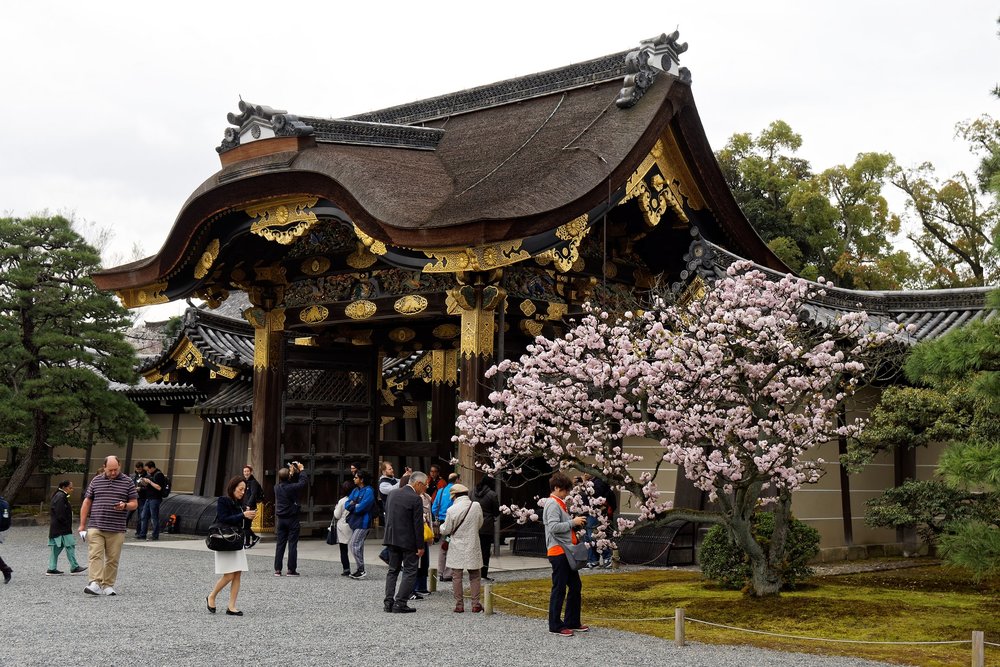
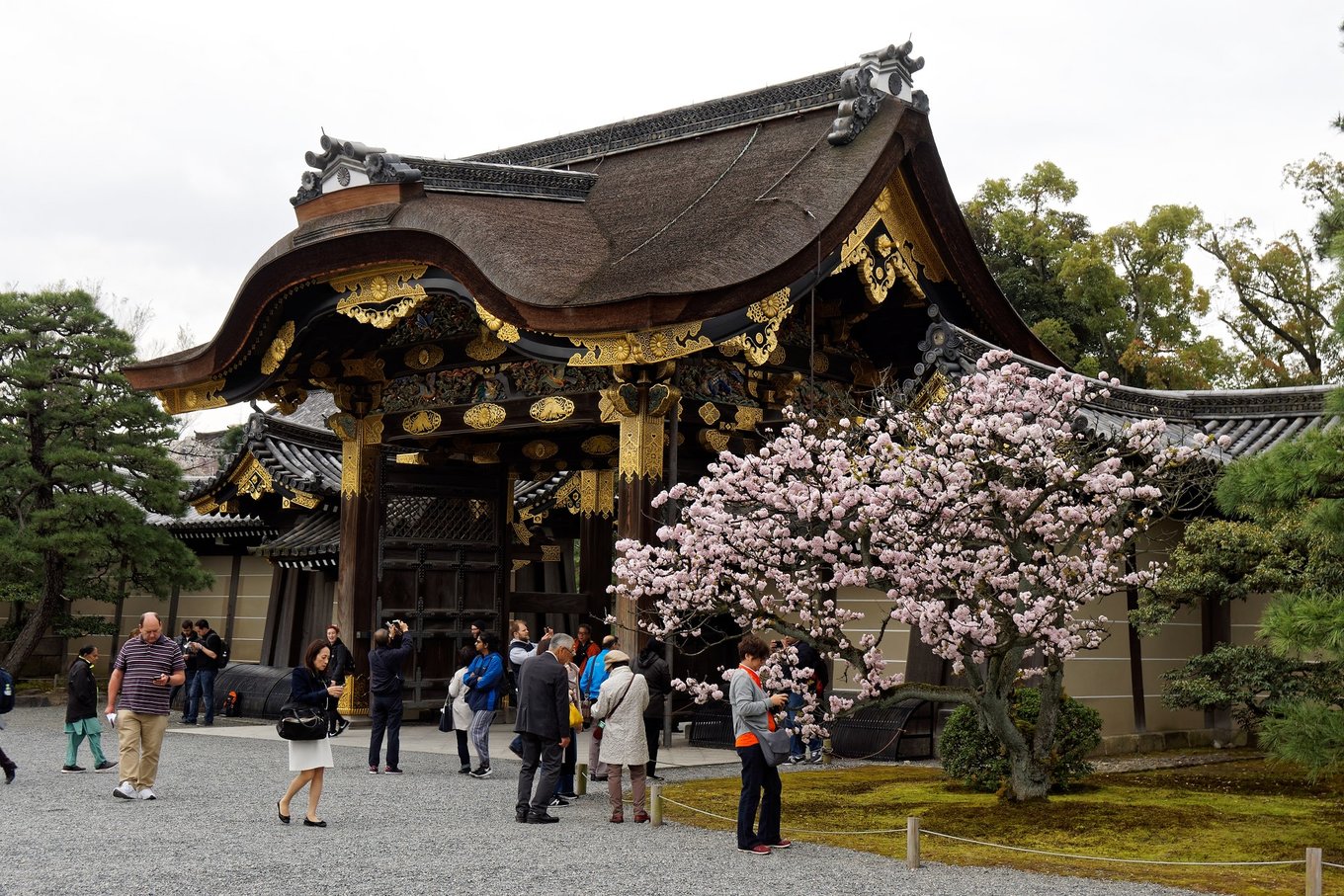
Ornate gates and cherry blossoms welcome visitors to the historic Nijo Castle in Kyoto
Nijo Castle is one of the most significant historical sites in Kyoto and part of the Historic Monuments of Ancient Kyoto. Built in 1603 by Tokugawa Ieyasu, the founder of the Tokugawa shogunate, the castle was used as the shogun’s residence during visits to Kyoto. Its grand design represents the power and authority of the shogunate during Japan’s feudal era.
Inside the castle, you’ll see elegant tatami rooms decorated with gold-leaf paintings and detailed sliding doors created by skilled artists of the time. One of the castle’s most famous features is the “nightingale floors,” which chirp softly when walked on, acting as an early security system against intruders.
The surrounding gardens add to the beauty of the complex, especially during cherry blossom season. If you want to experience this landmark along with other famous Kyoto attractions, you can join this Kyoto tour with Nijo Castle ticket!
17. Fushimi Castle
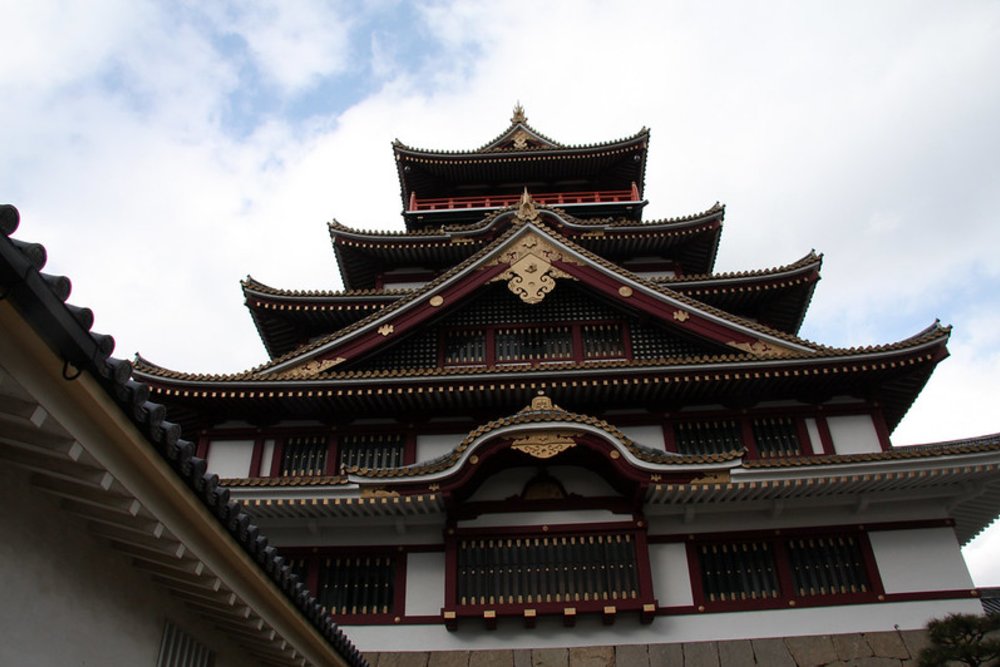
Fushimi Castle rises above Kyoto with layered roofs reflecting Momoyama-era architecture | Photo from Chris Gladis on Flickr
Fushimi Castle, also known as Momoyama Castle, is an important landmark connected to Japan’s feudal history. The original castle was built in the late 16th century by the warlord Toyotomi Hideyoshi as a luxurious residence and strategic stronghold.
Although the structure seen today is a reconstruction, it still captures the elegance and grandeur of the Momoyama period, a time known for its bold architecture and decorative style.
The castle is located within a quiet park surrounded by walking paths and scenic viewpoints overlooking parts of Kyoto. While it no longer functions as a fortress, the site remains a must-see stop for visitors interested in Japan’s samurai-era history.
Top historic districts in Kyoto 🎎
18. Gion
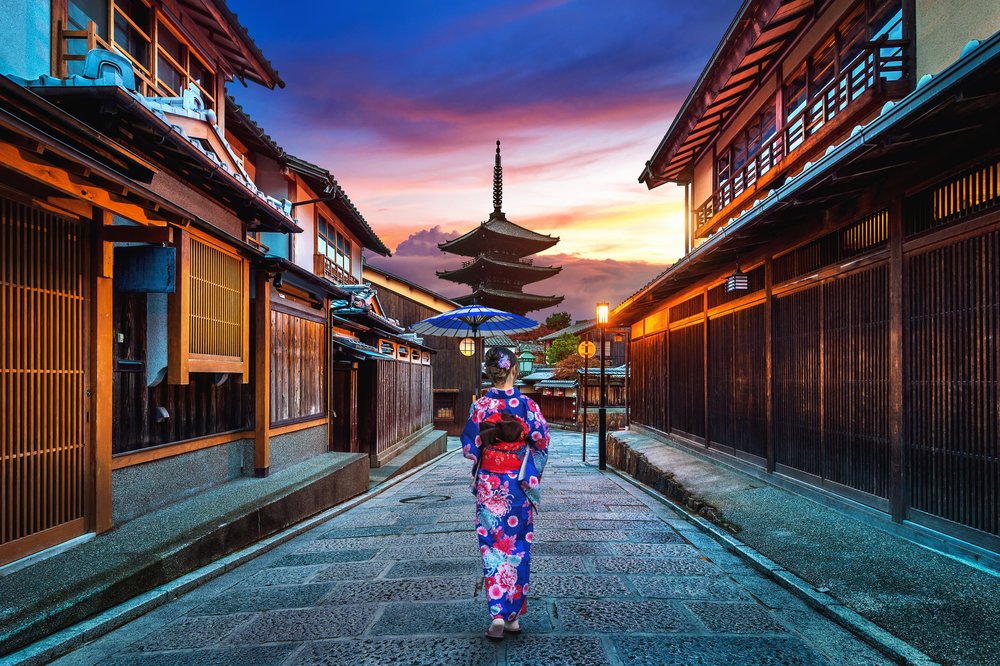
Sunset walk toward Yasaka Pagoda in Kyoto’s iconic Gion district
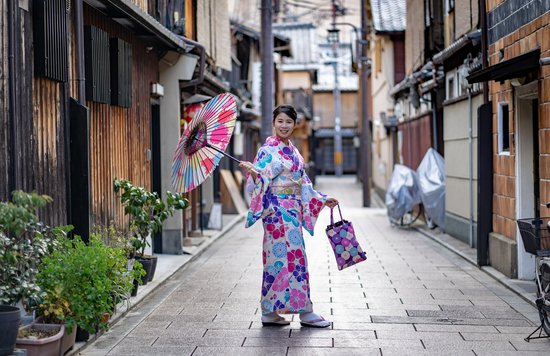
Located near Yasaka Shrine in the Higashiyama area, Gion is one of the most famous historical districts in Kyoto, famous for its traditional wooden machiya townhouses, lantern-lit streets, and geisha culture. Walking through streets like Hanamikoji gives you a glimpse of Kyoto’s historic past, where tea houses and traditional restaurants have operated for generations.
You can explore the district in the evening when the lanterns glow and the streets feel especially atmospheric. With a bit of luck, you might even spot a geiko or maiko on their way to an appointment.
There are many things to do in this area, so we’ve got this list of the best Gion attractions you must visit!
19. Arashiyama
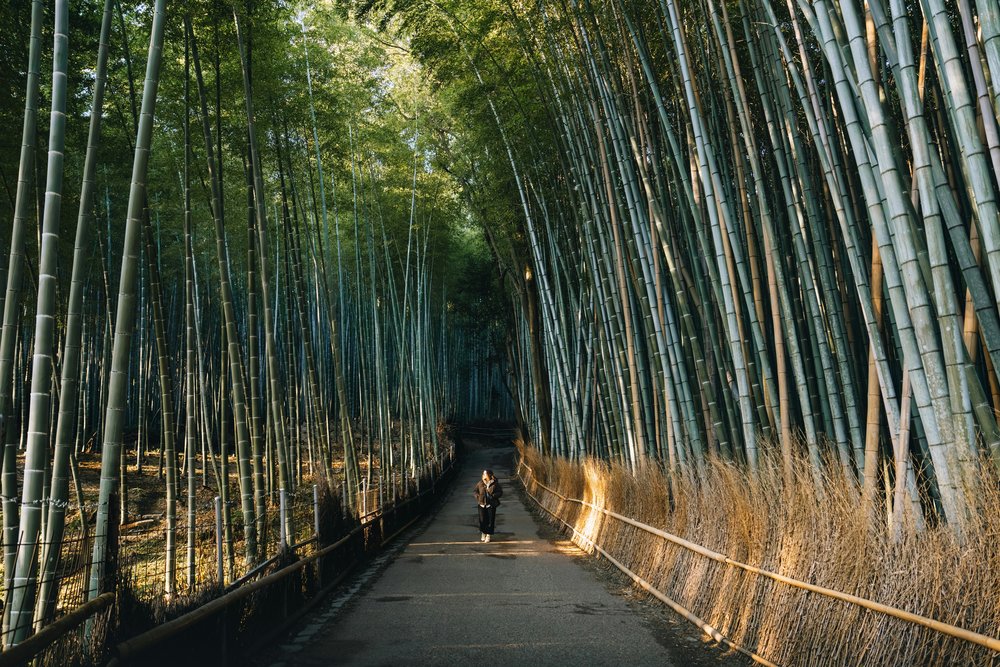
Photo by Peter Thomas on Unsplash
Arashiyama is one of the most beautiful areas and well-known Kyoto tourist sites, located on the western side of the city. The district is famous for its towering Arashiyama Bamboo Forest, where you’ll find tall bamboo stalks that create a peaceful walkway that feels both magical and calming.
Along with the bamboo grove, Arashiyama is home to several historic landmarks, including Tenryu-ji Temple, a UNESCO World Heritage Site, and the iconic Togetsukyo Bridge that stretches across the Katsura River.
FAQs about historical places in Kyoto
What are the most historic places in Kyoto?
Some of the most historic places in Kyoto include Kinkaku-ji Temple, Kiyomizu-Dera Temple, Nijo Castle, Fushimi Inari Taisha, and Shimogamo Shrine. Many of these landmarks are part of the Historic Monuments of Ancient Kyoto, a UNESCO World Heritage listing. These sites reflect over 1,000 years of Japanese culture, religion, and architecture.
What should you not miss in Kyoto?
If it’s your first time visiting Kyoto, we recommend going to the iconic Kyoto tourist sites like Kiyomizu-Dera Temple, Fushimi Inari Taisha, and the Golden Pavilion. These landmarks capture the spirit of historic Kyoto and showcase the city’s most famous scenery. Exploring Kyoto’s historic districts like Higashiyama and Gion also adds a deeper cultural experience.
What are the 17 UNESCO sites in Kyoto?
The Historic Monuments of Ancient Kyoto include 17 temples, shrines, and castles across Kyoto, Uji, and Otsu. These include Kinkaku-ji, Ginkaku-ji, Nijo Castle, To-ji Temple, and Enryaku-ji Temple. Together, these sites represent the cultural heart of Japan during the Heian and medieval periods.
Why is Kyoto known for its historical sites?
Kyoto served as Japan’s capital for more than a millennium. Because of this long history, the city preserved thousands of temples, shrines, and imperial residences. Many neighborhoods still maintain traditional architecture, making Kyoto one of the best places in Japan to experience history firsthand.
What is the oldest historical site in Kyoto?
Shimogamo Shrine is believed to be one of the oldest historical sites in Kyoto, dating back to the 6th century. The shrine existed even before Kyoto became Japan’s capital. Its surrounding forest and traditional rituals continue to preserve ancient Shinto traditions.
Travel back in time with these historical places in Kyoto!
Kyoto’s temples, shrines, castles, and historic districts tell the story of a city that shaped Japan for more than a thousand years. Each landmark reveals a different chapter; serene Zen temples, grand imperial residences, sacred mountain shrines, and streets where traditions still thrive today. ⛩️
Now it’s time for you to map out your Kyoto adventure. Make sure to add these iconic Kyoto tourist sites to your itinerary, join guided tours, and secure your tickets early. Soon, you’ll be exploring through centuries of history in one of Japan’s most historic cities! 🇯🇵✨
Related reads for your Kyoto trip

What is Klook?
Klook is a leading pan-regional experiences platform in Asia Pacific, purpose built to digitalize experiences and make them accessible to every traveler.
Our mission is to build the digital infrastructure for the global experience economy — empowering merchants to share their passions and travelers to discover the heartbeat of each destination. We operate a mobile-first, curated platform featuring diverse experiences across global destinations.
✨ Follow us for more deals and inspiration for your upcoming travels