

Nothing spoils a landing at Pudong like typing "made it!" to the group chat and watching it fail to send. That's usually the moment you find out what the internet in China is really like: Google, WhatsApp and Instagram don't load on a local connection, and the usual fix, a VPN for China, has become harder to count on.
VPN reliability changes often, and plenty of guides disagree on which ones still connect. A roaming-style eSIM that sends your data out through a network outside mainland China is the steadier way to reach blocked apps.
This guide shows what's blocked and what to set up before you fly, with a side-by-side look at your options in between. You can also start planning the wider trip with our Mainland China travel guides.
Do VPNs work in China in 2026? The short answer

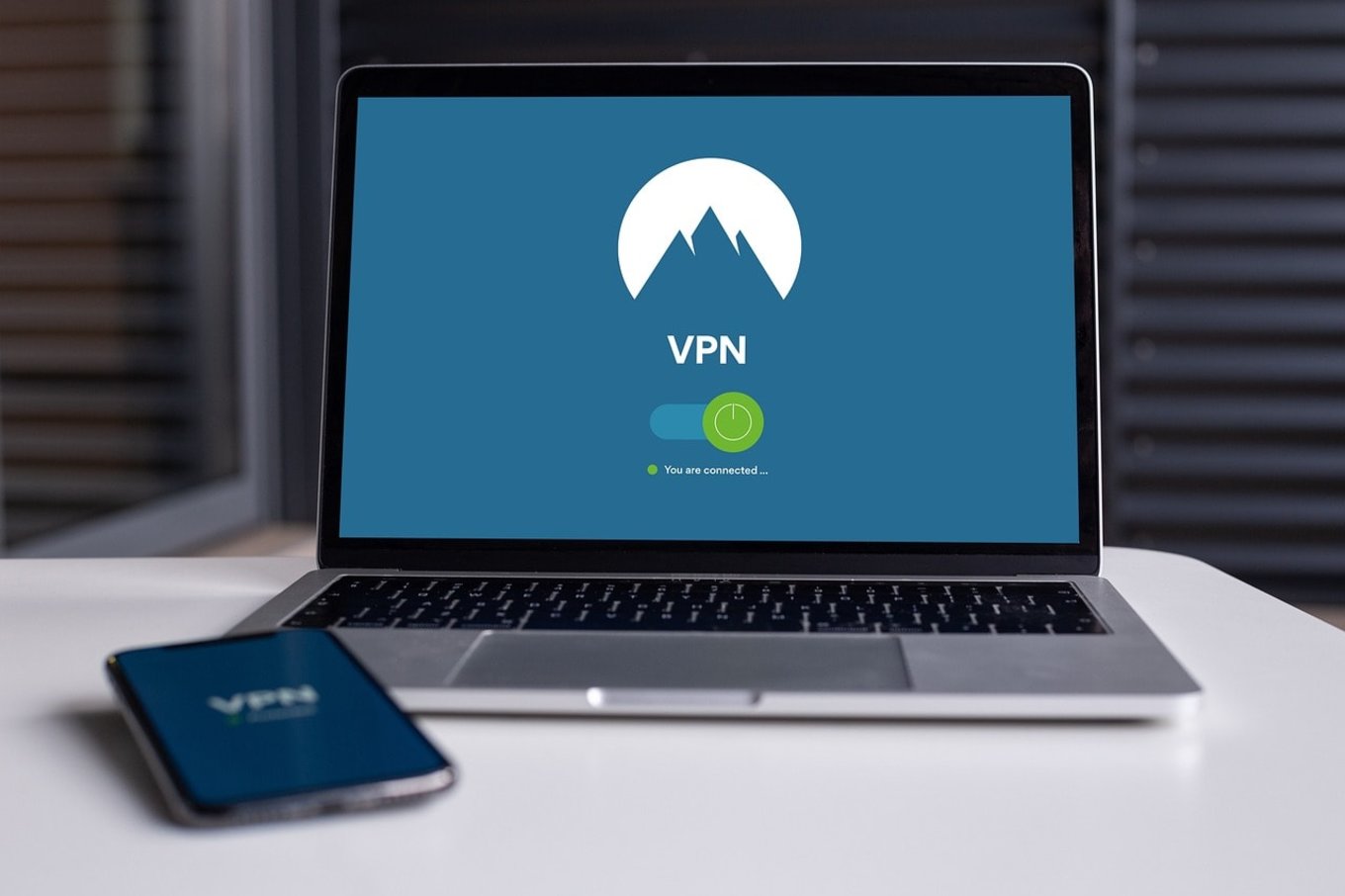
VPN availability differs in China | Image credit: Margo Evardson via Pexels
If you've searched "do VPNs work in China 2026", you've probably landed on ten pages that contradict each other. That's because the answer keeps changing. Reports from this year, including ABC News in June, describe a new round of VPN restrictions starting in April, with carriers reportedly told to block VPN traffic and at least one well-known provider pausing its mainland service before resuming in May.
Connections also tend to wobble around sensitive dates such as National Day, which kicks off China Golden Week. We haven't tested individual VPNs ourselves, so there's no best VPN for China list here and no promises. A VPN for China can work one week and fail the next, which is why a backup plan matters.
VPN rules and availability in China change often, so check current guidance before you travel.
What's blocked in China (and what isn't)
The Great Firewall doesn't switch off the whole internet, but it does cut off a handful of apps you probably open every day:
- Google services, including Search and Gmail. Google in China is usually the first one you'll miss.
- Facebook and Instagram
- WhatsApp. WhatsApp in China won't connect on local networks or hotel Wi-Fi.
- YouTube and X
- Many AI chat tools, blocked by the firewall or by the provider's own regional limits
UK government travel advice lists Google, Facebook, YouTube and X as permanently blocked, and says other sites can be blocked from time to time. Local apps such as WeChat, Alipay and Amap load normally, so they're an easy fallback.
Where the firewall bites first

Aerial view of Shanghai, China | Image credit: Leslin_Liu via Pixabay
In Shanghai, the pinch tends to arrive on day one. At the Huangpu River waterfront, you'll want a map open and your first mobile payment ready. An evening Huangpu River night cruise is the kind of plan where a dead connection means a missed ticket QR code.
The Shanghai Tower is another early stop where data and payments matter. If you're landing at Pudong, a pre-booked Pudong Airport transfer saves you from juggling ride apps on a new network. Other options are listed under Shanghai airport transfers.
Beijing adds day trips to the mix. A morning at the Great Wall of Badaling takes you out of the city, so load maps and tickets while you're still on hotel Wi-Fi. Arriving at the capital's main airport? There's a Beijing Capital airport transfer too.
Back in Beijing, a Temple of Heaven ticket booked ahead means the QR code is already on your phone. It's an easy first-day stop once your connection is sorted.
Internet in China for tourists: your options compared
Four setups cover almost every trip, and each one trades something. Here's how they stack up:
Option | Blocked apps | Setup | Main trade-off |
|---|---|---|---|
Roaming eSIM | Usually work, because data exits outside mainland China | Install at home, switch on after landing | Data only, and blocked apps need eSIM data, not hotel Wi-Fi |
China-only eSIM | May stay blocked if it connects straight to a mainland network | Install at home | Check the listing says data routes outside mainland China |
VPN | Sometimes, then not | Install and test at home; VPN sites and app stores can be blocked in China | Unstable in 2026, and unapproved VPNs are officially restricted |
Home SIM on roaming | Usually work | None | Roaming charges depend on your carrier, so check before you fly |
China eSIM, no VPN: the simplest way to stay connected
If you want the least fiddly route, this is it. A roaming-style eSIM sends your mobile data out through a network outside mainland China, so Google and WhatsApp load much like they do at home. It isn't a VPN, though. It doesn't encrypt your traffic, and it only works on the eSIM's mobile data.
New to eSIMs? Here's what an eSIM is and how your phone handles one.
The China eSIM is listed from US$1.29 and suits you if it's your first China trip and you want Google and WhatsApp working the moment you land. Klook's listing says data routes through an international network, and plans range between 500 MB and unlimited. You can share it as a hotspot too.
Unlimited plans run at full speed up to 15 GB a day, then slow to 1 Mbps. The catch: it's data only, so keep your home SIM in for calls and texts, and some reviews mention weak signal in a few areas.
Adding Hong Kong or Macau? If you're hunting for a Hong Kong eSIM China plan, the Hong Kong and China eSIM covers all three on local networks and is listed from US$1.55. It's the simpler pick for a multi-stop trip, but the listing doesn't say if your mainland data routes outside China. If blocked apps are your priority, choose the China eSIM above.
Klook Tip: Install your eSIM at home on Wi-Fi, but keep it switched off. Turn it on and enable data roaming after you land.
Are VPNs legal in China?
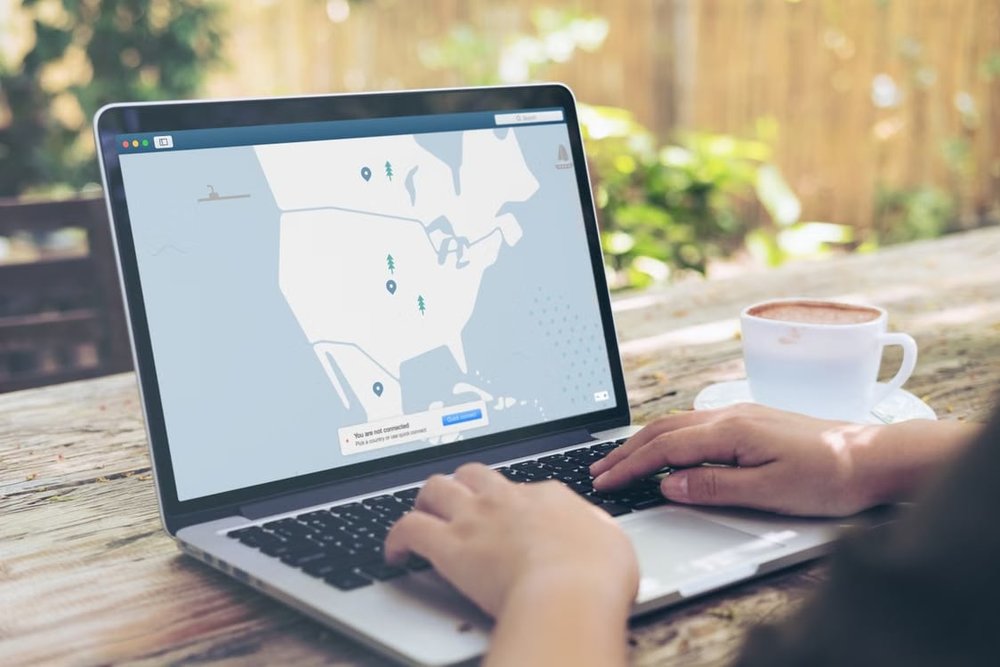
Using VPN in China | Image credit: Kevin Paster via Pexels
Unapproved VPNs are officially restricted in mainland China, and UK government travel advice says online services like VPNs need to be licensed by the Chinese government. Consumer VPNs sold abroad aren't licensed there.
Enforcement against short-term visitors is reported to be rare, and travel reports from this year don't mention foreign visitors being publicly prosecuted for personal VPN use. But rare isn't risk-free, so we won't call VPN use legal or safe for tourists. The calmer plan is to have a way to connect that doesn't depend on one.
Do you still need a VPN?
Probably not for Google, WhatsApp and Instagram if you've got a roaming eSIM. A VPN for China makes more sense if you'll rely on Wi-Fi a lot or want the encryption an eSIM doesn't give you. If you're after a VPN alternative China trips can rely on, the eSIM plus local apps like Alipay, Amap and WeChat usually covers it. If you run both and the connection acts up, switch the VPN off first.
Set everything up before you fly
The best time to sort your connection is the week before you fly, from your couch. VPN websites and app stores can be blocked once you land, and you'll want data working before you try to fix anything. Here's the checklist:
- eSIM:Check your phone supports eSIM, install it at home and keep it off until you land.
- Home SIM: Keep it in for calls and verification texts, since the eSIM is data only.
- Logins: Sign in to WhatsApp, Gmail and Instagram before you leave so codes aren't an issue.
- Apps: Download Amap and a translation app, and set up Alipay with your card. Our China travel apps guide covers Alipay and translation apps, and the Amap guide walks through directions and rides.
- Arrival card: Fill it in online before you land, using official immigration channels only. You can also complete it on arrival.
- Transit:Pick up a China bus and metro card for city rides.
- VPN, if you're bringing one: Install and test it at home, and switch on any China mode it offers.
Heading to Zhangjiajie? There's a Dayong Airport transfer as well.
Klook Tip: Save your hotel's address in Chinese as a screenshot, so you can show it to a driver even if your data is slow to connect.
Connection stuck? Run this checklist
Signal's there, but WhatsApp just spins. Before you panic, run through this in order:
- Turn Wi-Fi off. Hotel and local Wi-Fi sit behind the firewall, so blocked apps only load on eSIM data.
- Check your settings. Make sure the eSIM is your mobile data line and data roaming is on.
- Reset the connection. Switch airplane mode on, wait a few seconds, then switch it off.
- Pause your VPN. If you're running one alongside the eSIM, turn it off and try again.
- Contact support. In the Klook app, go to Account > Bookings > eSIM booking and contact the merchant.
While you sort it out, Alipay, Amap and WeChat still work on any connection, so you can pay, navigate and message locals in the meantime.
Your first night in China, sorted
Install the eSIM at home, save your airport transfer to your bookings and keep your arrival card details handy in your notes. Then the first thing you do after landing is open WhatsApp and tell everyone you're in, maybe with the lit-up Shanghai skyline behind you.
Your next step: pick your Klook eSIM today and set it up while you're still on home Wi-Fi, so a VPN for China becomes a backup instead of a bet.
FAQs about VPN for China
Do I need a VPN in China?
Not always. If you mainly want Google, WhatsApp and Instagram, a roaming eSIM covers it without a VPN. A VPN for China makes more sense if you'll lean on hotel Wi-Fi or want the encryption an eSIM doesn't provide.
Do VPNs still work in China in 2026?
Sometimes, and that's the problem. Reports from this year describe a fresh round of VPN restrictions from April, and connections tend to get shaky around sensitive dates. Treat any VPN as a bonus rather than your only plan.
Is it legal to use a VPN in China?
Unapproved VPNs are officially restricted in mainland China. Enforcement against short-term visitors is reported to be rare, but rare isn't risk-free, so we can't call it safe for tourists. This is general travel information, not legal advice, and your government's travel advice page is the place to check current rules.
How can I use Google and WhatsApp in China without a VPN?
Use a roaming eSIM and turn Wi-Fi off. The eSIM sends your data out through a network outside mainland China, which is why Google and WhatsApp load on it but not on hotel Wi-Fi. Sign in to WhatsApp before you fly, since the eSIM is data only and won't receive verification texts.
Does a China eSIM bypass the Great Firewall?
In practice it sidesteps it for most apps, but it isn't a VPN. A roaming-style eSIM routes your data outside mainland China, so the firewall doesn't treat you like a local user. Nothing is encrypted the way a VPN would do it, and a China-only eSIM that connects straight to a mainland network may still leave apps blocked.
When should I set up a VPN or eSIM before traveling to China?
Do it at home, ideally a few days before you fly. VPN websites and app stores can be blocked once you land, and you'll want time to test. Install your eSIM on Wi-Fi, but leave it switched off until you arrive.
Can I download a VPN after I arrive in China?
It's often difficult. VPN provider sites and app store listings are frequently blocked in China, and hotel Wi-Fi sits behind the firewall, so you'd need working roaming data just to try. Installing and testing at home is far easier.
What is the best way to stay connected in China as a traveler?
A roaming eSIM is the simplest base. Add Alipay, Amap and a translation app, since they work on any connection, and treat a VPN as an optional backup. Set it all up at home so day one feels easy.
More China travel guides for you



What is Klook?
Klook is a leading pan-regional experiences platform in Asia Pacific, purpose built to digitalize experiences and make them accessible to every traveler.
Our mission is to build the digital infrastructure for the global experience economy — empowering merchants to share their passions and travelers to discover the heartbeat of each destination. We operate a mobile-first, curated platform featuring diverse experiences across global destinations.