The most unique things to do in
Kyoto are the hands-on ones: forging a ninja throwing star in a historic mansion, swinging a bamboo sword in full kendo armor, tasting sake in the Fushimi brewing district, or ghost-hunting through Arashiyama after the day-trippers have gone home. Pair those with offbeat sights like the Kimono Forest and a working samurai film studio, and you get a Kyoto trip that looks nothing like the standard temple checklist.
Unique things in Kyoto at a glance
Experience | Type | Where | Time needed | Best for |
Kyoto Ninja Sanctuary | Hands-on workshop | Central Kyoto | ~1–2 hrs | Families, teens |
Ninja weapon making class | Hands-on workshop | Historic mansion | ~2 hrs | Take-home souvenir |
Kendo & samurai experience | Hands-on workshop | Central Kyoto | ~2 hrs | Martial arts fans |
Fushimi sake brewery walk | Guided tour | Fushimi | Half day | Food & drink travelers |
Arashiyama ghost hunting tour | Guided tour | Arashiyama | Half day, evening | Folklore lovers, older kids |
Kimono Forest | Free sight | Randen Arashiyama Stn | 20–30 mins | Photography, after dark |
Toei Kyoto Studio Park | Theme park / film lot | Uzumasa | 3–5 hrs | Families, rainy days |
Otagi Nenbutsuji | Off-grid temple | Northern hills | 1 hr | Crowd-free temples |
Nishijin & Kamishichiken | Neighborhood walk | Northwest Kyoto | 2–3 hrs | Everyday Kyoto |
Nintendo Museum | Niche museum | Uji | 2–3 hrs | Gamers (book ahead) |
Unique things to do in Kyoto: beyond the famous temples in Kyoto
Kyoto has been a craft city far longer than it has been a tourist city. Sake has been brewed in the south of town since at least the 16th century, textile workshops still operate out of ordinary townhouses in the northwest, and film crews have been shooting samurai dramas on the same Edo-period sets for decades. That living-industry layer is the part most itineraries skip.
The practical upside is that these experiences are quieter. Kyoto's headline temples are busiest between 10am and 3pm, so a morning workshop or a late-afternoon neighborhood walk gets you the city at its calmest. It also gives you a very different set of stories to bring home from
Japan.
Hands-on cultural workshops with a twist
If you only have room for one unusual activity, make it a workshop. Kyoto's versions go well past the standard tea ceremony, and because most run in small groups you actually get to handle the tools rather than watch someone else use them.
Train as a ninja (costume, weapons and all)
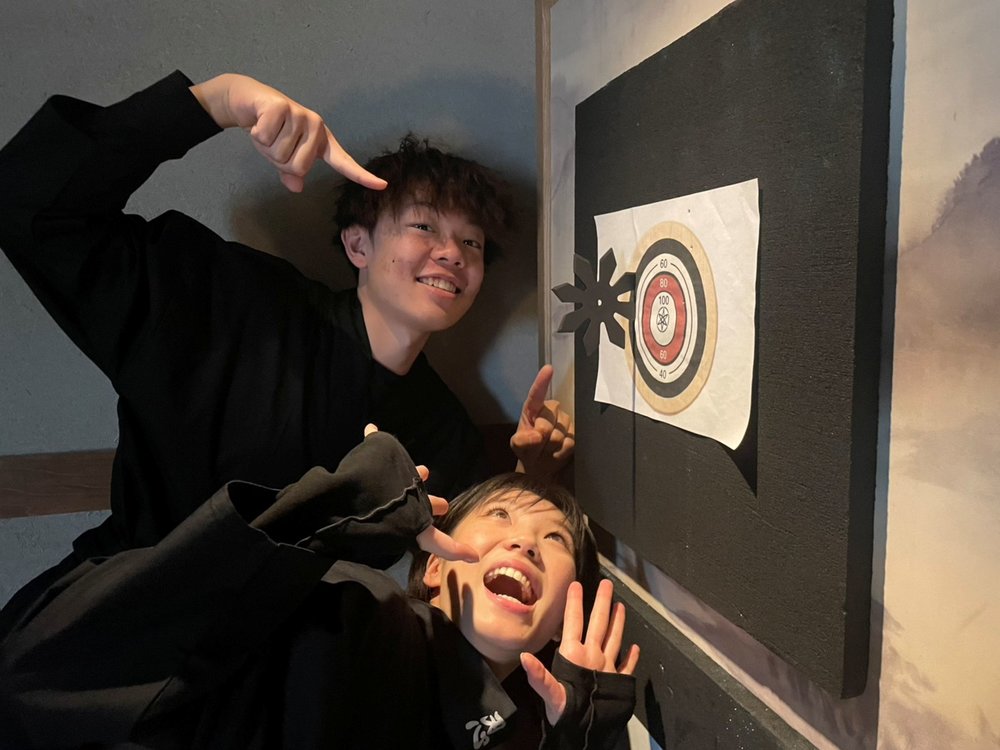
Ninja experiences in Kyoto are genuinely hands-on rather than a photo op. At the
Kyoto Ninja Sanctuary, you change into full ninja gear and then work through the weapons: shuriken throwing, blowgun, sword handling — with an instructor talking you through the technique. It's a good pick for families and for anyone traveling with teenagers who have run out of patience for gardens.
Make your own ninja weapon in a historic mansion
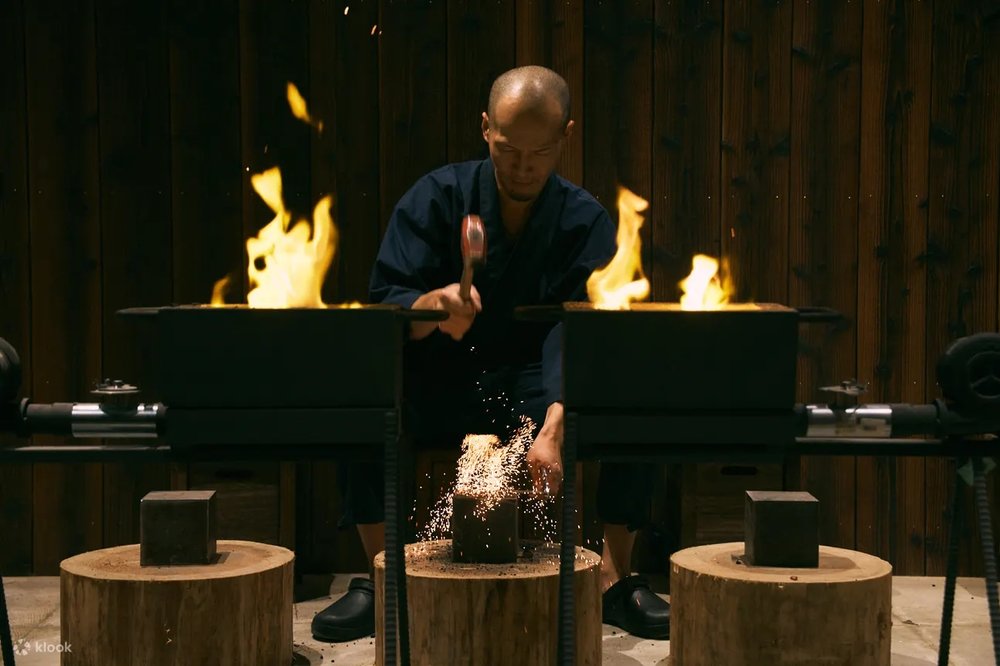
For something rarer, book a
ninja weapon making class at a historic mansion. You shape and finish your own piece under guidance, and you take it home afterwards, which makes it one of the few Kyoto souvenirs nobody else will have. The setting does a lot of the work here too, an old mansion beats a modern classroom for atmosphere.
Put on kendo armor and swing a shinai
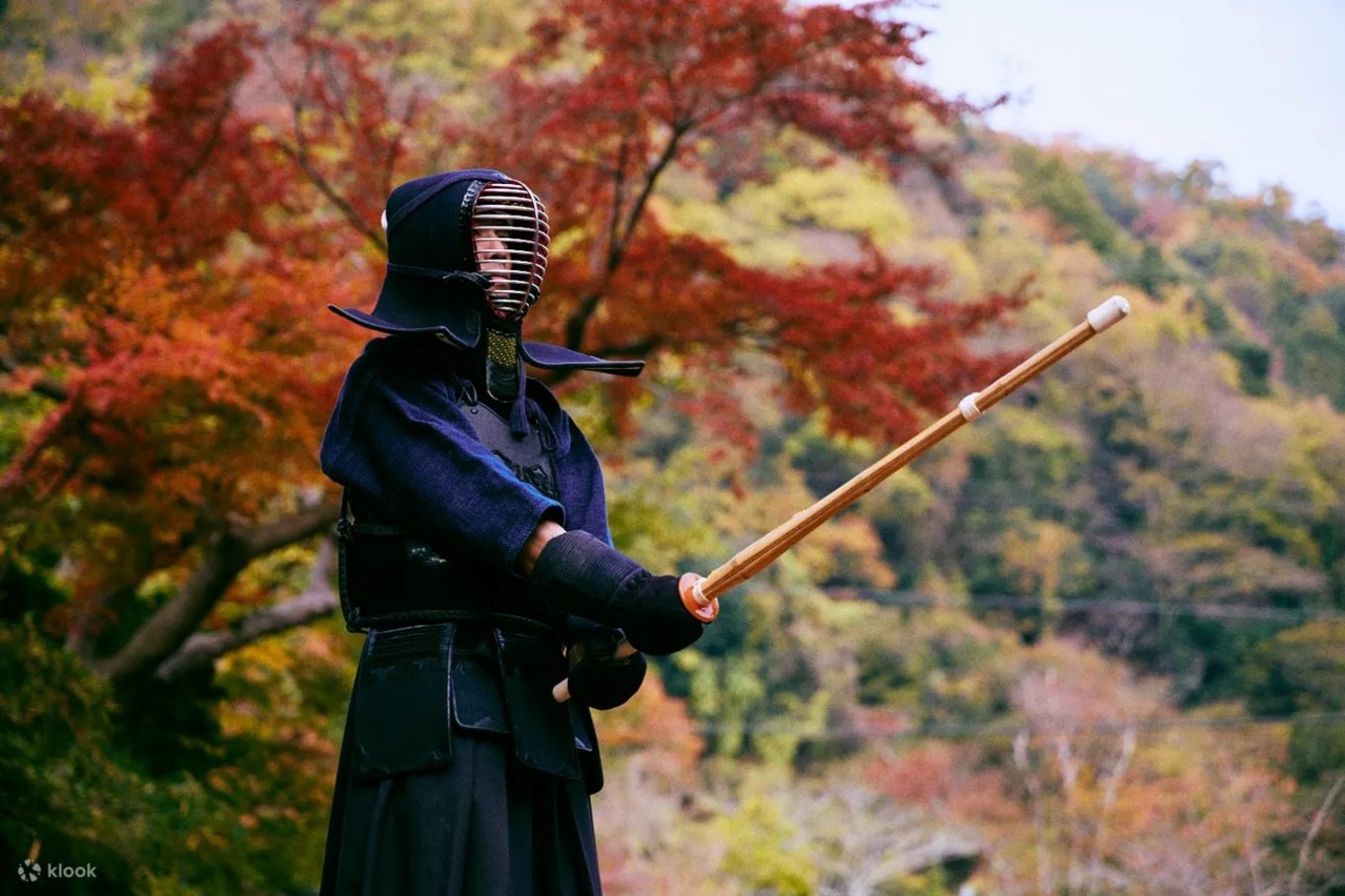
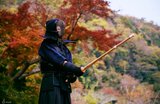
Kendo is the closest most visitors get to the samurai tradition as a living discipline rather than a museum piece. A
kendo and samurai experience with uniform and gear walks you through the etiquette, the stance and the strikes, in the full bogu armor. Expect to sweat: the armor is heavier than it looks, so wear something light underneath.
Unconventional tours that show you a different Kyoto
Kyoto's more unusual tours tend to be built around a single theme: sake, or ghost stories, which makes them far more memorable than a general city overview.
Drink your way through the Fushimi sake district
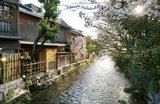
Fushimi, in southern Kyoto, is one of Japan's three great sake-producing regions, thanks to unusually soft underground water filtered through granite.
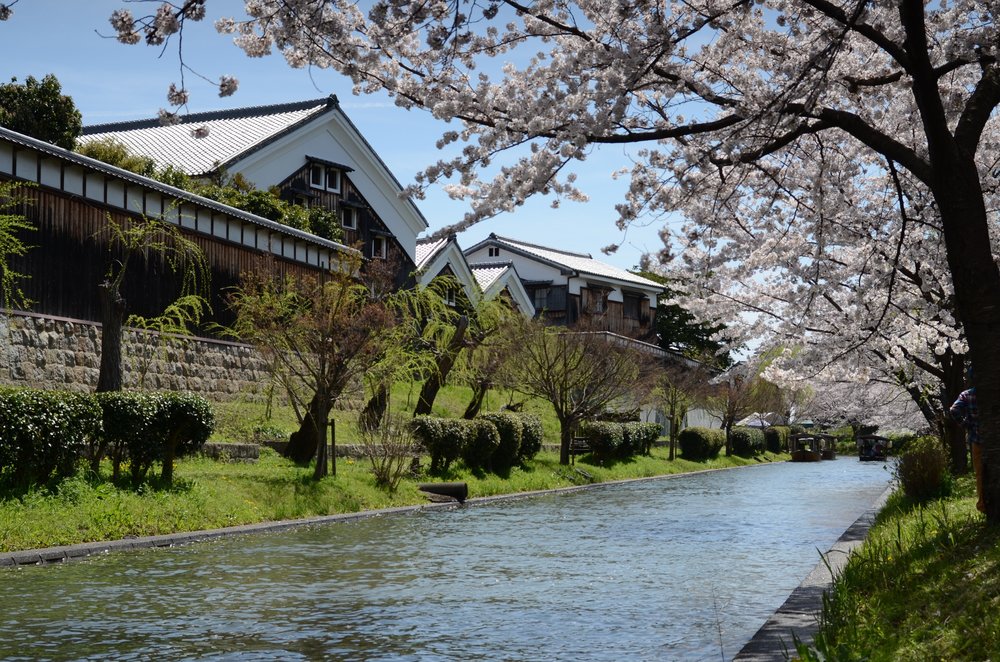
Fushimi Sake Village is the heart of it: white-walled kura warehouses, willow-lined canals, and Gekkeikan, founded here in 1637 and now one of the world's oldest continuously operating companies. A
half-day small-group sake brewery walking tour is the easiest way to actually taste your way through it rather than guessing which brewery opens its doors.
While you're down there, look for the jikkokubune, the flat wooden boats that once carried rice and sake downriver to Osaka. They run sightseeing cruises through Fushimi's canals and waterways from spring through autumn, and it's a lovely 20 minutes on the water.
Go ghost hunting in Arashiyama
Arashiyama is packed by mid-morning and almost empty by evening, which is exactly when the
Arashiyama Bamboo Forest and Kimono Forest walking tour with ghost hunting gets going. You cover the bamboo grove and the station art installation, but the framing is Kyoto's folklore, the yokai, the spirits and the local ghost stories attached to specific spots along the route. It's more storytelling than scare-fest, so it works fine for older kids.
Offbeat sights most visitors walk straight past
The Kimono Forest at Randen Arashiyama Station
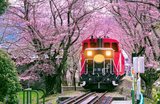
The
Kimono Forest is exactly what it sounds like: around 600 two-meter acrylic pillars lined with Kyo-yuzen fabric — the same hand-dyeing technique used for traditional Kyoto kimono — arranged along the platforms of Randen Arashiyama Station. There are 32 different patterns, designed by Yasumichi Morita. Come after dark, when the pillars are backlit with LEDs and the patterns seem to float in the black. Best of all, it sits inside a working train station, so it costs nothing to walk through.
A working samurai film studio you can walk into
Toei Kyoto Studio Park is both an active film lot and a theme park, and it's where a lot of Japan's jidaigeki period dramas are shot. You can walk the Edo-period streets, sometimes catch a crew mid-shoot, rent a costume, watch the ninja show, and work through the haunted house, the optical-illusion hall and the arcade. Budget three to four hours, or closer to five if you're doing costumes and multiple shows.
1,200 stone faces at Otagi Nenbutsuji
Up in the hills beyond Arashiyama, Otagi Nenbutsuji is covered in roughly 1,200 small moss-covered rakan statues, each one carved by an amateur pilgrim under the guidance of the sculptor-monk Kocho Nishimura in the late 20th century. The expressions are wonderfully unserious, one holds a tennis racket, another a cassette player. It's a long way from the polished temple circuit, and usually near-empty.
Hidden-gem neighborhoods for everyday Kyoto
If you want the version of Kyoto that residents actually use, head to these four areas. None of them require tickets, and all of them are within easy reach of the city centre.
Nishijin is the historic textile district in the northwest, where machiya townhouses are still working homes and weaving workshops rather than converted cafés. Just beside it, Kamishichiken is the oldest and quietest of Kyoto's five geisha districts, impeccably kept wooden facades, and a fraction of the crowds you'll find in Gion.
Demachi, near Kyoto University, is where you go for the Demachi Masugata shopping arcade: a narrow covered street of grocers, family-run shops and old sweet stores that has stayed stubbornly local. It marks the old end of the Saba Kaido, the "mackerel road" that once brought fish into the imperial capital.
For a half-day escape, Kibune in the northern hills serves kaiseki meals on platforms built directly over the river in summer, a tradition called kawadoko. Takao, further northwest, has three mountain temples — Jingo-ji, Saimyo-ji and Kozan-ji — and some of the best autumn color in the prefecture. And Wazuka, south of the city, is terraced green tea country where you can cycle between plantations or join a tea-picking session.
Surprising spots in Kyoto
The Nintendo Museum, in Uji just south of Kyoto, is the obvious one. It traces the company's history back to its playing-card days, with replicas of 1960s oddities like the Ultra Hand and the Love Tester, plus an arcade floor where you play classic titles with a coin allowance and an oversized Big Controller that takes two people to operate. Reserve well ahead, entry is by advance lottery-style booking, not walk-up.
The Kyoto International Manga Museum, housed in a converted primary school, holds shelves of manga in dozens of languages that you are free to pull down and read, on the lawn if the weather is good. Artists often draw live on site. And if you want retro arcades and haunted houses in one place, Toei Kyoto Studio Park has both, worth remembering if you're traveling with kids on a rainy afternoon.
Frequently Asked Questions
What are some unique things to do in Kyoto that tourists don't know about?
The Fushimi sake district, the Demachi Masugata shopping arcade, Otagi Nenbutsuji's 1,200 stone rakan statues and the Kamishichiken geisha quarter all sit well outside the standard Kyoto circuit. The Fushimi jikkokubune canal boats are another one most visitors miss entirely — they run from spring to autumn and take about 20 minutes.
What is a fun unusual activity to try in Kyoto?
A hands-on workshop is the easiest win. Making your own ninja weapon in a historic mansion, training in kendo armor, or joining a small-group Fushimi brewery walk all give you something to do rather than just look at. Most run for a few hours and are bookable in advance, which matters in peak season.
Are there any weird or quirky experiences in Kyoto?
Plenty. You can ghost-hunt through Arashiyama after dark on a folklore-themed walking tour, play a mega-sized Nintendo controller at the Nintendo Museum in Uji, wander through a haunted house on a working samurai film lot at Toei Kyoto Studio Park, or read manga on the lawn of a converted primary school.
What hidden gems are worth visiting in Kyoto?
The Kimono Forest at Randen Arashiyama Station is free and best after dark, when its 600 fabric-lined pillars light up. Otagi Nenbutsuji in the northern hills is rarely busy. Kibune offers riverside kawadoko dining in summer, and Wazuka's terraced tea fields are a quieter alternative to Uji.
Is there a samurai or ninja experience in Kyoto?
Yes, and there are several formats. The Kyoto Ninja Sanctuary puts you in costume and runs you through shuriken, blowgun and sword techniques. A kendo and samurai session gives you the full bogu armor and a proper introduction to the discipline. Toei Kyoto Studio Park also runs a short ninja show alongside its costume rentals.
What are some off-the-beaten-path neighborhoods in Kyoto?
Nishijin for working textile workshops and residential machiya, Kamishichiken for the quietest of the geisha districts, and Demachi for a genuinely local covered shopping arcade near Kyoto University. All three are easy to reach by bus or a short train ride from the centre.
What makes Kyoto different from other Japanese cities to explore?
Kyoto's craft traditions are still commercially active rather than preserved behind glass — sake brewing in Fushimi, textile weaving in Nishijin, period-drama filmmaking in Uzumasa. That means a lot of the city's most interesting experiences are workshops and working sites you can step into, which is harder to find in Tokyo or Osaka.
Related Articles:
What is Klook?
Klook is a leading pan-regional experiences platform in Asia Pacific, purpose built to digitalize experiences and make them accessible to every traveler.
Our mission is to build the digital infrastructure for the global experience economy — empowering merchants to share their passions and travelers to discover the heartbeat of each destination. We operate a mobile-first, curated platform featuring diverse experiences across global destinations.